Water jet peening is a clean and effective surface treatment method. Residual stress prediction after water jet peening is crucial for lifespan forecasting of welded structures. This paper proposes a supervised neural network approach to predict welding residual stress variation after water jet peening treatment. A fully connected deep neural network model was developed using the sigmoid activation function based on experiments and simulations. The key parameters of water jet peening affecting the residual stress control were obtained, and which were used as input characteristics. The results show that, the input characteristics are the target distance from internal nozzle outlet to weld seam, internal high-pressure water jet pressure, traverse speed of non-flooded cavitation nozzles along welds, post-peening distance relative to weld length. For plate weld and double-cross weld, the predicted residual stresses by the deep neural network model agree well with the experimental results, which verifies the practicality and applicability of the model.
Group Relative Policy Optimization (GRPO) has shown promise in aligning image and video generative models with human preferences. However, applying it to modern flow matching models is challenging because of its deterministic sampling paradigm. Current methods address this issue by converting Ordinary Differential Equations (ODEs) to Stochastic Differential Equations (SDEs), which introduce stochasticity. However, this SDE-based GRPO suffers from issues of inefficient credit assignment and incompatibility with high-order solvers for fewer-step sampling. In this paper, we first reinterpret existing SDE-based GRPO methods from a distance optimization perspective, revealing their underlying mechanism as a form of contrastive learning. Based on this insight, we propose Neighbor GRPO, a novel alignment algorithm that completely bypasses the need for SDEs. Neighbor GRPO generates a diverse set of candidate trajectories by perturbing the initial noise conditions of the ODE and optimizes the model using a softmax distance-based surrogate leaping policy. We establish a theoretical connection between this distance-based objective and policy gradient optimization, rigorously integrating our approach into the GRPO framework. Our method fully preserves the advantages of deterministic ODE sampling, including efficiency and compatibility with high-order solvers. We further introduce symmetric anchor sampling for computational efficiency and group-wise quasi-norm reweighting to address reward flattening. Extensive experiments demonstrate that Neighbor GRPO significantly outperforms SDE-based counterparts in terms of training cost, convergence speed, and generation quality.
We introduce the ladderpath index as a measure of language complexity grounded in algorithmic information theory. It counts the minimum steps needed to reconstruct a sequence through hierarchical reuse of repeated substructures, capturing an exactly computable but constrained form of algorithmic compressibility related to, but distinct from, Kolmogorov complexity. We apply the ladderpath approach to 21 parallel corpora from the Parallel Universal Dependencies dataset. The ladderpath index is approximately invariant across the languages, and varies much less than the corpus length. This is more pronounced when all corpora are mapped to a unified binary representation, providing evidence for the equi-complexity hypothesis from a representation-independent perspective. We also observe trade-offs between character inventory size and corpus length, and between vocabulary-level and corpus-level reconstruction complexity, supporting the trade-off hypothesis that total complexity is conserved and redistributed across linguistic levels. The reusable substructures identified by the ladderpath approach, without any linguistic input, overlap with words and morphological components attested in the natural vocabulary. The hierarchical reuse captured by the ladderpath approach parallels the chunking mechanisms proposed in cognitive science, where the human cognitive system compresses linguistic input into nested, reusable units under shared memory and processing constraints. This connection between cognitive chunking and the ladderpath approach provides a new interpretation for the equi-complexity and trade-off hypotheses, grounding both in the shared cognitive architecture that underlies language processing across human languages.
When images are captured under hazy conditions, light is attenuated and deflected by particle scattering, resulting in reduced brightness and color distortion, which affects the imaging quality of the visual system. This paper proposes a defogging method that combines super-pixel segmentation and transmission optimization. First, the complexity of the haze image was calculated using color entropy to adaptively determine the number of super-pixel blocks. The simple linear iterative clustering (SLIC) super-pixel segmentation method was used to obtain super-pixel blocks with the same features. And the super-pixel block with the highest score was selected as a candidate block to accurately estimate the atmospheric light value. Then, the transmission was estimated using the multiscale dark channel prior and the non-local haze-lines prior, and then the initial transmission after fusion was obtained by wavelet transform. In addition, a guided filter based on unsharp masking was introduced to further improve the transmission estimation accuracy. Finally, an atmospheric scattering model was used to invert the haze-free image. We have conducted a large number of quantitative and qualitative experiments on three datasets, and the results show that the proposed algorithm can achieve a better de-fogging effect, especially in the sky region, where the image restoration effect is more prominent.
Joint audio-video generative models serve as foundation for immersive and interactive digital-human generation. Nevertheless, most existing models rely on bidirectional attention and multi-step denoising and can generate only short clips, making them unsuitable for real-time interaction over extended durations. We present Omni-LiveAvatar, the first framework for minute-level, real-time streaming joint audio-video avatar generation. Specifically, we propose (1) a progressive autoregressive distillation pipeline that transfers a large bidirectional joint audio-video diffusion model into a few-step autoregressive generator without auxiliary stabilization mechanisms; (2) a synchronized audio-video long-short-term memory that preserves global consistency under a bounded memory budget; and (3) a hierarchical rolling prompt planning strategy that enables coherent semantic evolution and seamless prompt transitions. Extensive experiments show that Omni-LiveAvatar generates high-quality, synchronized minute-level avatars in real time. In terms of speed, it achieves a 33× generation speedup over its teacher, LTX-2, on a single NVIDIA H200 GPU; in terms of generation quality, it outperforms accelerated baselines across visual quality, audio quality, cross-modal synchronization, and human fidelity. Our code is available at https://github.com/Aoko955/Omni-LiveAvatar.
Distilling video generation models to extremely low inference budgets (e.g., 2--4 NFEs) is crucial for real-time deployment, yet remains challenging. Trajectory-style consistency distillation often becomes conservative under complex video dynamics, yielding an over-smoothed appearance and weak motion. Distribution matching distillation (DMD) can recover sharp, mode-seeking samples, but its local training signals do not explicitly regularize how denoising updates compose across timesteps, making composed rollouts prone to drift. To overcome this challenge, we propose Self-Consistent Distribution Matching Distillation (SC-DMD), which explicitly regularizes the endpoint-consistent composition of consecutive denoising updates. For real-time autoregressive video generation, we further treat the KV cache as a quality parameterized condition and propose Cache-Distribution-Aware training. This training scheme applies SC-DMD over multi-step rollouts and introduces a cache-conditioned feature alignment objective that steers low-quality outputs toward high-quality references. Across extensive experiments on both non-autoregressive backbones (e.g., Wan~2.1) and autoregressive real-time paradigms (e.g., Self Forcing), our method, dubbed \textbf{Salt}, consistently improves low-NFE video generation quality while remaining compatible with diverse KV-cache memory mechanisms. Source code will be released at \href{https://github.com/XingtongGe/Salt}{https://github.com/XingtongGe/Salt}.
Face swapping aims to seamlessly transfer a source facial identity onto a target while preserving target attributes such as pose and expression. Diffusion models, known for their superior generative capabilities, have recently shown promise in advancing face-swapping quality. This paper addresses two key challenges in diffusion-based face swapping: the prioritized preservation of identity over target attributes and the inherent conflict between identity and attribute conditioning. To tackle these issues, we introduce an identity-constrained attribute-tuning framework for face swapping that first ensures identity preservation and then fine-tunes for attribute alignment, achieved through a decoupled condition injection. We further enhance fidelity by incorporating identity and adversarial losses in a post-training refinement stage. Our proposed identity-constrained diffusion-based face-swapping model outperforms existing methods in both qualitative and quantitative evaluations, demonstrating superior identity similarity and attribute consistency, achieving a new state-of-the-art performance in high-fidelity face swapping.
Streaming autoregressive (AR) video generators combined with few-step distillation achieve low-latency, high-quality synthesis, yet remain difficult to align via reinforcement learning from human feedback (RLHF). Existing SDE-based GRPO methods face challenges in this setting: few-step ODEs and consistency model samplers deviate from standard flow-matching ODEs, and their short, low-stochasticity trajectories are highly sensitive to initialization noise, rendering intermediate SDE exploration ineffective. We propose AR-CoPO (AutoRegressive Contrastive Policy Optimization), a framework that adapts the Neighbor GRPO contrastive perspective to streaming AR generation. AR-CoPO introduces chunk-level alignment via a forking mechanism that constructs neighborhood candidates at a randomly selected chunk, assigns sequence-level rewards, and performs localized GRPO updates. We further propose a semi-on-policy training strategy that complements on-policy exploration with exploitation over a replay buffer of reference rollouts, improving generation quality across domains. Experiments on Self-Forcing demonstrate that AR-CoPO improves both out-of-domain generalization and in-domain human preference alignment over the baseline, providing evidence of genuine alignment rather than reward hacking.
Contrastive pre-training on image-text pairs, exemplified by CLIP, becomes a standard technique for learning multi-modal visual-language representations. Although CLIP has demonstrated remarkable performance, training it from scratch on noisy web-scale datasets is computationally demanding. On the other hand, mask-then-predict pre-training approaches, like Masked Image Modeling (MIM), offer efficient self-supervised learning for single-modal representations. This paper introduces $\textbf{U}$nmasked $\textbf{T}$oken $\textbf{A}$lignment ($\textbf{UTA}$), a method that leverages existing CLIP models to further enhance its vision-language representations. UTA trains a Vision Transformer (ViT) by aligning unmasked visual tokens to the corresponding image tokens from a frozen CLIP vision encoder, which automatically aligns the ViT model with the CLIP text encoder. The pre-trained ViT can be directly applied for zero-shot evaluation even without training on image-text pairs. Compared to MIM approaches, UTA does not suffer from training-finetuning inconsistency and is much more training-efficient by avoiding using the extra $\mathrm{[MASK]}$ tokens. Extensive experimental results demonstrate that UTA can enhance CLIP models and outperform existing MIM methods on various uni- and multi-modal benchmarks.
Pretraining scaling laws reveal that model capability improves predictably with data and compute. But learning from real world environments after deployment remains far less understood. Analyzing roughly 38,000 hours of agent interaction with the environment across 134 real world tasks, we find, to the best of our knowledge, the first evidence that overall performance during environment learning follows a log-sigmoid scaling law with remarkably high precision, reaching R^2 = 0.998. Across model generations, we also find that agent learning speed roughly doubles every three months. This discovery stems from EdgeBench, a suite of 134 real world tasks with ultra-long horizons, spanning scientific discovery, software engineering, combinatorial optimization, professional knowledge work, formal mathematics, and interactive games. Each task sustains at least 12 hours of continuous agent operation under rich, multilevel feedback, and is built through substantial expert effort. We publicly release 51 tasks and our full evaluation framework to accelerate the study of how agents learn from real world experience.
The dual-stream transformer architecture-based joint audio-video generation method has become the dominant paradigm in current research. By incorporating pre-trained video diffusion models and audio diffusion models, along with a cross-modal interaction attention module, high-quality, temporally synchronized audio-video content can be generated with minimal training data. In this paper, we first revisit the dual-stream transformer paradigm and further analyze its limitations, including model manifold variations caused by the gating mechanism controlling cross-modal interactions, biases in multi-modal background regions introduced by cross-modal attention, and the inconsistencies in multi-modal classifier-free guidance (CFG) during training and inference, as well as conflicts between multiple conditions. To alleviate these issues, we propose Cross-Modal Context Learning (CCL), equipped with several carefully designed modules. Temporally Aligned RoPE and Partitioning (TARP) effectively enhances the temporal alignment between audio latent and video latent representations. The Learnable Context Tokens (LCT) and Dynamic Context Routing (DCR) in the Cross-Modal Context Attention (CCA) module provide stable unconditional anchors for cross-modal information, while dynamically routing based on different training tasks, further enhancing the model's convergence speed and generation quality. During inference, Unconditional Context Guidance (UCG) leverages the unconditional support provided by LCT to facilitate different forms of CFG, improving train-inference consistency and further alleviating conflicts. Through comprehensive evaluations, CCL achieves state-of-the-art performance compared with recent academic methods while requiring substantially fewer resources.
Significant advances have been made in the sampling efficiency of diffusion and flow matching models, driven by Consistency Distillation (CD), which trains a student model to mimic the output of a teacher model at a later timestep. However, we found that the knowledge discrepancy between student and teacher varies significantly across different timesteps, leading to suboptimal performance in CD. To address this issue, we propose the Curriculum Consistency Model (CCM), which stabilizes and balances the knowledge discrepancy across timesteps. Specifically, we regard the distillation process at each timestep as a curriculum and introduce a metric based on the Peak Signal-to-Noise Ratio (PSNR) to quantify the knowledge discrepancy of this curriculum, then ensure that the curriculum maintains consistent knowledge discrepancy across different timesteps by having the teacher model iterate more steps when the noise intensity is low. Our method achieves competitive single-step sampling Frechet Inception Distance (FID) scores of 1.64 on CIFAR-10 and 2.18 on ImageNet 64x64. Moreover, we have extended our method to large-scale text-to-image models and confirmed that it generalizes well to both diffusion models (Stable Diffusion XL) and flow matching models (Stable Diffusion 3). The generated samples demonstrate improved image-text alignment and semantic structure since CCM enlarges the distillation step at large timesteps and reduces the accumulated error.
Diffusion models have achieved outstanding image generation by reversing a forward noising process to approximate true data distributions. During training, these models predict diffusion scores from noised versions of true samples in a single forward pass, while inference requires iterative denoising starting from white noise. This training-inference divergences hinder the alignment between inference and training data distributions, due to potential prediction biases and cumulative error accumulation. To address this problem, we propose an intuitive but effective fine-tuning framework, called Adversarial Diffusion Tuning (ADT), by stimulating the inference process during optimization and aligning the final outputs with training data by adversarial supervision. Specifically, to achieve robust adversarial training, ADT features a siamese-network discriminator with a fixed pre-trained backbone and lightweight trainable parameters, incorporates an image-to-image sampling strategy to smooth discriminative difficulties, and preserves the original diffusion loss to prevent discriminator hacking. In addition, we carefully constrain the backward-flowing path for back-propagating gradients along the inference path without incurring memory overload or gradient explosion. Finally, extensive experiments on Stable Diffusion models (v1.5, XL, and v3), demonstrate that ADT significantly improves both distribution alignment and image quality.
The advent of Large Language Models (LLMs) has paved the way for AI search engines, e.g., SearchGPT, showcasing a new paradigm in human-internet interaction. However, most current AI search engines are limited to text-only settings, neglecting the multimodal user queries and the text-image interleaved nature of website information. Recently, Large Multimodal Models (LMMs) have made impressive strides. Yet, whether they can function as AI search engines remains under-explored, leaving the potential of LMMs in multimodal search an open question. To this end, we first design a delicate pipeline, MMSearch-Engine, to empower any LMMs with multimodal search capabilities. On top of this, we introduce MMSearch, a comprehensive evaluation benchmark to assess the multimodal search performance of LMMs. The curated dataset contains 300 manually collected instances spanning 14 subfields, which involves no overlap with the current LMMs' training data, ensuring the correct answer can only be obtained within searching. By using MMSearch-Engine, the LMMs are evaluated by performing three individual tasks (requery, rerank, and summarization), and one challenging end-to-end task with a complete searching process. We conduct extensive experiments on closed-source and open-source LMMs. Among all tested models, GPT-4o with MMSearch-Engine achieves the best results, which surpasses the commercial product, Perplexity Pro, in the end-to-end task, demonstrating the effectiveness of our proposed pipeline. We further present error analysis to unveil current LMMs still struggle to fully grasp the multimodal search tasks, and conduct ablation study to indicate the potential of scaling test-time computation for AI search engine. We hope MMSearch may provide unique insights to guide the future development of multimodal AI search engine.
Recent generative models based on score matching and flow matching have significantly advanced generation tasks, but their potential in discriminative tasks remains underexplored. Previous approaches, such as generative classifiers, have not fully leveraged the capabilities of these models for discriminative tasks due to their intricate designs. We propose Pretrained Reversible Generation (PRG), which extracts unsupervised representations by reversing the generative process of a pretrained continuous generation model. PRG effectively reuses unsupervised generative models, leveraging their high capacity to serve as robust and generalizable feature extractors for downstream tasks. This framework enables the flexible selection of feature hierarchies tailored to specific downstream tasks. Our method consistently outperforms prior approaches across multiple benchmarks, achieving state-of-the-art performance among generative model based methods, including 78
Significant achievements in personalization of diffusion models have been witnessed. Conventional tuning-free methods mostly encode multiple reference images by averaging or concatenating their image embeddings as the injection condition, but such an image-independent operation cannot perform interaction among images to capture consistent visual elements within multiple references. Although tuning-based approaches can effectively extract consistent elements within multiple images through the training process, it necessitates test-time finetuning for each distinct image group. This paper introduces EasyRef, a plug-and-play adaption method that empowers diffusion models to condition consistent visual elements (e.g., style and human facial identity, etc.) across multiple reference images under instruction controls. To effectively exploit consistent visual elements within multiple images, we leverage the multi-image comprehension and instruction-following capabilities of the multimodal large language model (MLLM), prompting it to capture consistent visual elements based on the instruction. Besides, injecting the MLLM's representations into the diffusion process through adapters can easily generalize to unseen domains. To mitigate computational costs and enhance fine-grained detail preservation, we introduce an efficient reference aggregation strategy and a progressive training scheme. Finally, we introduce MRBench, a new multi-reference image generation benchmark. Experimental results demonstrate EasyRef surpasses both tuning-free and tuning-based methods, achieving superior aesthetic quality and robust zero-shot generalization across diverse domains.
Scientific Large Language Models (Sci-LLMs) are transforming how knowledge is represented, integrated, and applied in scientific research, yet their progress is shaped by the complex nature of scientific data. This survey presents a comprehensive, data-centric synthesis that reframes the development of Sci-LLMs as a co-evolution between models and their underlying data substrate. We formulate a unified taxonomy of scientific data and a hierarchical model of scientific knowledge, emphasizing the multimodal, cross-scale, and domain-specific challenges that differentiate scientific corpora from general natural language processing datasets. We systematically review recent Sci-LLMs, from general-purpose foundations to specialized models across diverse scientific disciplines, alongside an extensive analysis of over 270 pre-/post-training datasets, showing why Sci-LLMs pose distinct demands – heterogeneous, multi-scale, uncertainty-laden corpora that require representations preserving domain invariance and enabling cross-modal reasoning. On evaluation, we examine over 190 benchmark datasets and trace a shift from static exams toward process- and discovery-oriented assessments with advanced evaluation protocols. These data-centric analyses highlight persistent issues in scientific data development and discuss emerging solutions involving semi-automated annotation pipelines and expert validation. Finally, we outline a paradigm shift toward closed-loop systems where autonomous agents based on Sci-LLMs actively experiment, validate, and contribute to a living, evolving knowledge base. Collectively, this work provides a roadmap for building trustworthy, continually evolving artificial intelligence (AI) systems that function as a true partner in accelerating scientific discovery.
Video face swapping has seen increasing adoption in diverse applications, yet existing methods primarily trained on static images struggle to address temporal consistency and complex real-world scenarios. To overcome these limitations, we propose the first video face swapping framework, VividFace, a robust and high-fidelity diffusion-based framework. VividFace employs a novel hybrid training strategy that leverages abundant static image data alongside temporal video sequences, enabling it to effectively model temporal coherence and identity consistency in videos. Central to our approach is a carefully designed diffusion model integrated with a specialized VAE, capable of processing image-video hybrid data efficiently. To further enhance identity and pose disentanglement, we introduce and release the Attribute-Identity Disentanglement Triplet (AIDT) dataset, comprising a large-scale collection of triplets where each set contains three face images—two sharing the same pose and two sharing the same identity. Augmented comprehensively with occlusion scenarios, AIDT significantly boosts the robustness of VividFace against occlusions. Moreover, we incorporate advanced 3D reconstruction techniques as conditioning inputs to address significant pose variations effectively. Extensive experiments demonstrate that VividFace achieves state-of-the-art performance in identity preservation, temporal consistency, and visual realism, surpassing existing methods while requiring fewer inference steps. Our framework notably mitigates common challenges such as temporal flickering, identity loss, and sensitivity to occlusions and pose variations. The AIDT dataset, source code, and pre-trained weights will be released to support future research. The code and pretrained weights are available on the [project page](https://hao-shao.com/projects/vividface.html).
Recent diffusion-based methods have shown strong ability in the depth estimation task, but they largely overlook the rich textual priors embedded in pretrained diffusion models that can enhance both performance and robustness in diverse scenes. In this paper, we propose TPDepth, a diffusion-based, affine-invariant monocular depth estimator that incorporates textual semantics via a Text-Prompted ControlNet. While directly injecting text into the diffusion U-Net can cause the network to over-attend to local semantic cues and compromise global structural modeling, TPDepth processes textual features through a separate ControlNet branch, allowing semantic information to be incorporated without disrupting the spatial reasoning pipeline. Prompt-conditioned features are modulated by an Adaptive Control Scale Module(ACSM) and injected into decoder of the diffusion UNet with skip connections. The model is fine-tuned with a fixed timestep for deterministic prediction. TPDepth achieves state-of-the-art results on NYUv2, KITTI, and ScanNet, and demonstrates competitive performance on two additional zero-shot benchmarks using only 61K training images. Code and models can be found on our project page.
Image inpainting is the task of reconstructing missing or damaged parts of an image in a way that seamlessly blends with the surrounding content. With the advent of advanced generative models, especially diffusion models and generative adversarial networks, inpainting has achieved remarkable improvements in visual quality and coherence. However, achieving seamless continuity remains a significant challenge. In this work, we propose two novel methods to address discrepancy issues in diffusion-based inpainting models. First, we introduce a modified Variational Autoencoder that corrects color imbalances, ensuring that the final inpainted results are free of color mismatches. Second, we propose a two-step training strategy that improves the blending of generated and existing image content during the diffusion process. Through extensive experiments, we demonstrate that our methods effectively reduce discontinuity and produce high-quality inpainting results that are coherent and visually appealing.
 Guanglu Song合作论文数SenseTime X-Lab57
 Hongsheng Li (李鴻升)合作论文数Department of Electronic Engineering, The Chinese University of Hong Kong;Multimedia Laboratory, The Chinese University of Hong Kong49
 Xiaogang Wang (王曉剛)合作论文数Department of Electronic Engineering, The Chinese University of Hong Kong21
 Jihao Liu合作论文数Multimedia Lab, Department of Electronic Engineering, Chinese University of Hong Kong19
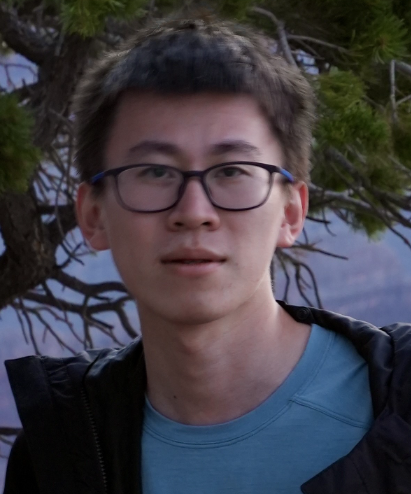 Hao Shao (邵昊)合作论文数Multimedia Laboratory, Chinese University of Hong Kong;Department of Electronic Engineering, Chinese University of Hong Kong;XLab16
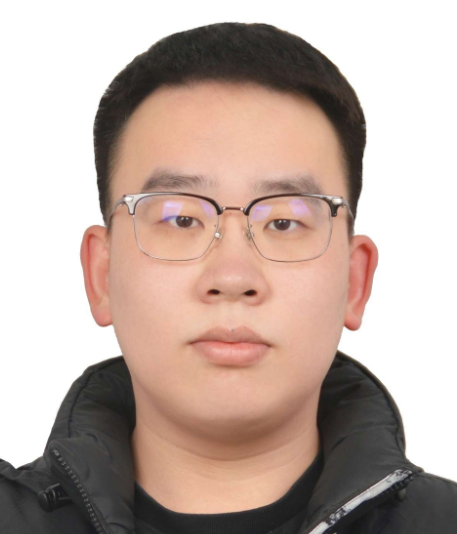 Zhuofan Zong合作论文数Multimedia Laboratory, The Chinese University of Hong Kong15Yazhe Niu合作论文数13Bingqi Ma合作论文数Sensetime Group Limmited13
 Junjie Yan (闫俊杰)合作论文数MiniMax13
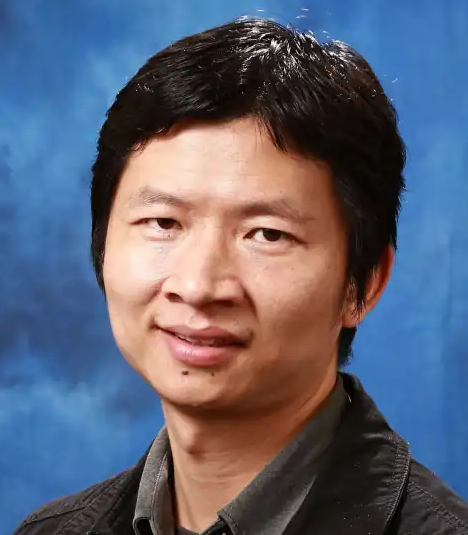 Wanli Ouyang (欧阳万里)合作论文数Shanghai Artificial Intelligence Laboratory12
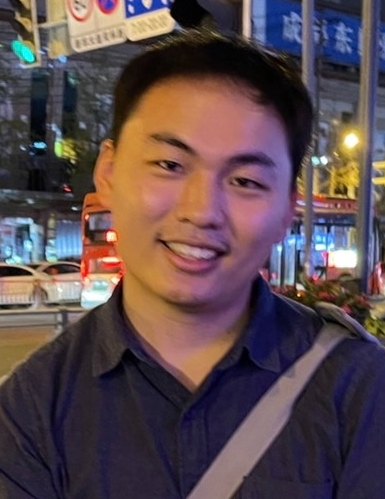 Manyuan Zhang合作论文数Multimedia Laboratory, The Chinese University of Hong Kong;Department of Electornic Engineering, The Chinese University of Hong Kong;SenseTime Research11
 Yu Qiao (乔宇)合作论文数Multimedia Laboratory, Shenzhen Institutes of Advanced Technology, Chinese Academy of Sciences;Shanghai AI Laboratory;Shenzhen University of Advanced Technology10
 Jinliang Zheng (郑金亮)合作论文数Institude for AI Industry Research, Tsinghua University8
 Ngan King Ngi (顔慶義)合作论文数Image and Video Processing Laboratory, Department of Electronic Engineering, Chinese University of Hong Kong8
 Biao Leng (冷彪)合作论文数School of Computer Science and Engineering, Beihang University8
 Dailan He合作论文数SenseTime7
 Ping Luo (羅平)合作论文数Department of Computer Science, School of Computing and Data Science, The University of Hong Kong7
 Dazhong Shen (申大忠)合作论文数College of Computer Science and Technology, Nanjing University of Aeronautics and Astronautics7
 Chuming Li (李楚鸣)合作论文数SenseTime Research7Yuan Pu合作论文数6
 Jing Shao (邵婧)合作论文数SenseTime;Shanghai Jiao Tong University;Nanyang Technological University Singapore6
 Hongyang Li (李弘扬)合作论文数Musketeers Foundation Institute of Data Science, The University of Hong Kong6
 Jie Liu合作论文数Chinese Academy of Sciences6
 Peng Gao合作论文数Alpha-VLLM Team, OpenGVLab, Shanghai Artificial Intelligence Laboratory6
 Yinmin Zhang合作论文数University of Sydney5
 Xingtong Ge (葛兴统)合作论文数Beijing Institute of Technology;SenseTime5Zeyue Xue合作论文数5
 Zhenjie Yang合作论文数Tsinghua University, Beijing, China5
 Haihang You (尤海航)合作论文数Institute of Computing Technology, Chinese Academy of Sciences;University of Chinese Academy of Sciences5
 Yaodong Yang (杨耀东)合作论文数Institute for Artificial Intelligence, Peking University5
 Yi Zhang合作论文数MMLab, Department of Electronic Engineering, The Chinese University of Hong Kong5Shuai Hu合作论文数4
 Letian Wang合作论文数University of Toronto4Dongzhi Jiang合作论文数4Ruobing Chen合作论文数4
 Yali Wang (王亚立)合作论文数University of Chinese Academy of Sciences;Shenzhen Institutes of Advanced Technology, Chinese Academy of Sciences4
 Jianxiong Li (李健雄)合作论文数Institute for AI Industry Research, Tsinghua University4
 Jingjing Liu (刘菁菁)合作论文数Institute for AI Industry Research, Tsinghua University;Computer Science and Artificial Intelligence Laboratory, Tsinghua University4
 Ziwei Liu (刘子纬)合作论文数College of Computing and Data Science, Nanyang Technological University4
 Kunchang Li (黎昆昌)合作论文数ByteDance Seed4
 Hang Zhou合作论文数Department of Computer Vision Technology, Baidu Inc.4
 Chao Yang (杨超)合作论文数4
 Fu-Yun Wang (汪福运)合作论文数Multimedia Laboratory, The Chinese University of Hong Kong;ByteDance Seed4
 Steven L. Waslander合作论文数Toronto Robotics and AI Laboratory, Faculty of Applied Science and Engineering, Institute for Aerospace Studies, University of Toronto4
 Xianyuan Zhan (詹仙园)合作论文数Institute for AI Industry Research, Tsinghua University4Yinan Zheng合作论文数3
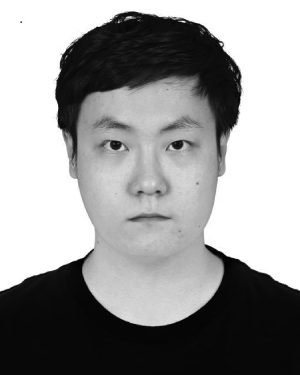 Jianming Liang合作论文数3Chunyu Xuan合作论文数3
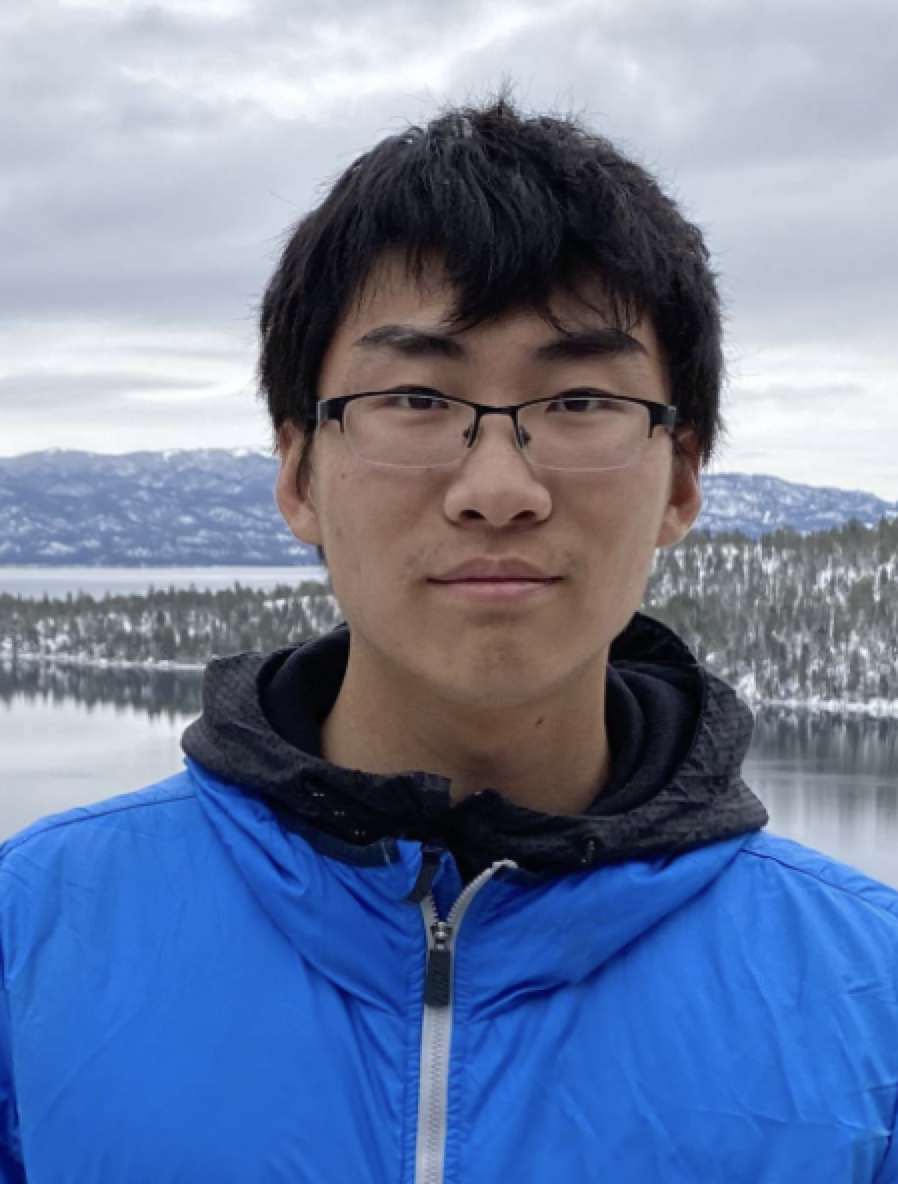 Xiaoshi Wu合作论文数Multimedia Laboratory, The Chinese University of Hong Kong3




