A 5 alpha-reductase (5 alpha Red-9) from a Prevotellaceae bacterium was identified to catalyze the quantitative reduction of androstenedione with >99% de and exhibit a broad substrate scope. In the preparative-scale reaction, 5 alpha-AD was isolated in 90% yield and 99% purity, with 13.3 gL(-1 )d(-1) space-time yield. This biocatalytic process overcomes the selectivity limitations of chemical methods, offering an efficient and sustainable strategy for industrial-scale production.
In this study, an unprecedented, enzymatic, and enantioselective desymmetrization and cyclization reaction of achiral 4,4-disubstituted cyclohexanones has been developed for the asymmetric synthesis of cis-3α-aryloctahydroindole alkaloids bearing an all-carbon quaternary stereocenter as well as a tertiary carbon stereocenter. Using different ene-reductases as the biocatalysts, a variety of 3α-aryloctahydroindoles have been obtained in high yields (71-90%) and excellent enantioselectivities (>99% ee), providing an efficient strategy to prepare these important alkaloids.
The cyclic GMP-AMP synthase-stimulator of interferon genes (cGAS-STING) pathway is a central regulator of innate immunity and plays a critical role in inducing pro-inflammatory cytokines and type I interferons (IFN-I). This pathway has emerged as a promising target for cancer immunotherapy and antiviral treatments. Despite its promise, the clinical translation of STING agonists is hindered by several challenges, including structural instability, high production costs, and inefficient delivery systems. These barriers underscore the urgent need for further research and innovation to optimize STING-based therapies. This review provides a comprehensive overview of the cGAS-STING pathway, focusing on its activation mechanisms and recent advances aimed at enhancing its therapeutic efficacy. Alternative activators of STING, including metal ions, exogenous DNA, and endogenous DNA, are discussed for their potential to stimulate this pathway. Furthermore, synergistic therapeutic strategies combining cGAS-STING activation with reactive oxygen species (ROS)-based treatments, such as photodynamic therapy, radiotherapy, sonodynamic therapy, and chemodynamic therapy, are highlighted. Finally, recent progress in harnessing STING activation for antiviral defense against emerging pathogens, such as SARS-CoV-2 and influenza viruses, is summarized to provide insights into the future development of cGAS-STING-targeted immunotherapies.
Microbial hydroxylation of steroids at specific positions offers a sustainable and selective strategy for the synthesis of pharmacologically valuable derivatives. Through microorganism screening, the strain Fusarium redolens exhibited the highest catalytic efficiency toward androst-4-en-3,17-dione (AD) and enabled the selective synthesis of 15α-hydroxylated derivatives. Under optimized transformation conditions, 10 g/L of AD was efficiently converted into 15α-hydroxy-AD or 11α,15α-dihydroxy-AD with high titers of 7.3 g/L and 7.1 g/L, respectively. The space-time yield (STY) for 15α-hydroxy-AD was 4.9 g/L/d, while the STY for 11α,15α-dihydroxy-AD was 1.1 g/L/d. By controlling the transformation time, 15α-hydroxy-AD and 11α,15α-dihydroxy-AD were obtained with isolated yields of 61.5% and 57.6%, respectively. The dihydroxylation proceeded via a sequential pathway, with initial C15 hydroxylation followed by subsequent C11 hydroxylation. Transcriptomic analysis suggested that both hydroxylation steps might be catalyzed by a cytochrome P450 CYP-1. Moreover, F. redolens displayed broad substrate tolerance toward various steroidal compounds, and several previously unreported 15α-hydroxysteroid derivatives were obtained, highlighting its potential as a versatile biocatalyst for expanding the diversity of hydroxylated steroids. These results demonstrate the promising application of F. redolens as an efficient biocatalytic platform for the selective functionalization of steroid molecules.
Corynebacterium glutamicum ATCC 13032 is widely used as the chassis strain for industrial production of various amino acids, but its thermotolerance limits productivity under high temperatures. Comparative genomic analysis in this study identified cgl2168 as a key determinant of enhanced thermotolerance in a laboratory strain (13032-JN) compared to another stock (13032-TJ). A guanine at Residue 270 (G270) deletion in cgl2168 (cgl2168 Δ270G) in 13032-JN significantly improved growth at 40 °C, while reverting this mutation or deleting cgl2168 impaired thermotolerance. Structural analysis revealed the deletion extends the C-terminus with an additional α-helix. Transcriptomic profiling showed cgl2168 Δ270G increased gene expressions involved in oxidative phosphorylation (e.g., atpABCDEFGH), nitrate metabolism (narIJHK), some heat shock protein genes (e.g., dnaK and groES) and deletion of cgl2168 resulted in upregulating sulfur metabolism (sulfonate transporter protein genes ssuBCD, sulfur-containing amino acid cys and met operons) and central carbon metabolism (gltA, pyc), while downregulating gluconeogenesis (pck) and fermentation (ldh) genes. These changes enhanced ATP synthesis, carbon utilization and oxidative tolerance. Predicted interactors of Cgl2168 linked it to respiratory chain function, stress responses, and cell envelope biogenesis. Thus, Cgl2168 and its variant Cgl2168Δ270G enhance thermotolerance by coordinating energy production, carbon metabolism, and stress adaptation, aiding industrial applications.
ABSTRACT This study aimed to evaluate the effects of the concomitant administration of TPN171 and alcohol on hemodynamic and pharmacokinetic characteristics in healthy Chinese male subjects. Fifteen eligible subjects were randomly assigned to one of three sequences, each comprising three treatments: Treatment A (placebo +0.5 g/kg alcohol), Treatment B (TPN171 + 0.5 g/kg alcohol), and Treatment C (TPN171 + placebo). Enrolled subjects were administered with 10 mg TPN171 and/or 0.5 g/kg alcohol in fasting state in a randomized crossover design. Blood pressure, pulse rate (PR), blood samples, and breath alcohol test were measured at designated time points for hemodynamic and pharmacokinetic analyses. Compared with 10 mg TPN171 alone, administration of 10 mg TPN171 + 0.5 g/kg alcohol significantly lowered the area under the effect–time curve from 0 to 4 h (AUEC0‐4h) of systolic blood pressure (95% confidence interval [CI]: −29.75 to −0.83, p = 0.039) and significantly increased AUEC0–4h of PR (95% CI: 7.47–28.92, p = 0.003). Compared with 0.5 g/kg alcohol alone, administration of 10 mg TPN171 + 0.5 g/kg alcohol contributed to significantly higher maximal increase of PR (95% CI: 2.78–9.44, p = 0.002) and AUEC0‐4h of PR (95% CI: 1.08–24.52, p = 0.035). Alcohol had no influence on the pharmacokinetics of TPN171, and vice versa. Though the concomitant administration of TPN171 and alcohol induced a more pronounced increase in PR, this did not result in clinical symptoms or heart rate increase‐related adverse events, indicating that the combined use was generally safe and well‐tolerated.
GPR40 full agonists can not only lower blood glucose via glucose-stimulated insulin secretion (GSIS) with a low risk of hypoglycemia, but also promote incretin release such as glucagon-like peptide-1 (GLP-1). Compared with partial agonists, full agonists are superior in the treatment of diabetes and obesity. Based on patent research, we combined the highly compatible linker with CPL207280, a GPR40 partial agonist that metabolized mainly through oxidation, to design a potent GPR40 full agonist with a novel scaffold. We explored the linker, tail and acid head and finally found compound H1-2 with excellent glucose-lowering ability.
PURPOSE:Comparative analysis of MORSE, formic acid and Plank-Rychlo decalcification solution for the treatment of combined tooth-mandibular-periodontal tissues to explore their application value. METHODS:Specimens including normal teeth, jaws and periodontal tissues discarded from Department of Oral Pathology, Shanghai Ninth People's Hospital, Shanghai Jiao Tong University School of Medicine were collected and randomly divided into 3 groups to analyse the differences in decalcification time, staining effect and nucleic acid integrity of 3 different decalcification solutions. SPSS 23.0 software package was used for statistical analysis. RESULTS:The mean decalcification time was 4.5, 3.5 and 3.6 days in the MORSE, formic acid and Plank-Rychlo group, respectively. H-E staining scores were in descending order in the MORSE, formic acid and Plank-Rychlo group. Immunohistochemical staining showed that AE1/AE3, p63 and Ki67 scores in MORSE group were better than those in the formic acid group and the Plank-Rychlo group, and Vimentin staining indices showed no significant difference between the 3 groups. In the fluorescence in situ hybridisation results, normal fluorescence signals were detected in 15 cases in MORSE group, 1 case in formic acid group and 4 cases in Plank-Rychlo group. The mean DNA concentration was 1.987, 1.963 and 1.115 ng/μL in MORSE, formic acid and Plank-Rychlo group, respectively; and the mean RNA concentration was 13.03, 11.08 and 1.66 ng/μL, respectively. There was no significant difference in DNA concentration and RNA concentration between MORSE and formic acid group(P>0.05), and both DNA and RNA concentrations were higher in the 2 groups than those in Plank-Rychlo group(P<0.001). CONCLUSIONS:MORSE decalcification solution has comprehensive advantages in the treatment of combined tooth-mandibular-periodontal tissues and is of value in the clinical, teaching and research aspects of pathology.
Stevia rebaudiana, a perennial herb, is recognized not only for its sweet steviol glycosides but also for its rich flavonoid content, which confer pharmacological properties including anti-inflammatory, antimicrobial, and anticancer activities. However, the enzymatic basis underlying flavonoid modification in S. rebaudiana remains poorly understood. In this study, we identified, cloned, and heterologously expressed a novel flavonoid glycosyltransferase gene, SrUGT72B1 in E. coli. The recombinant SrUGT72B1 catalyzed the glycosylation of multiple flavonoids using UDP-glucose as the primary sugar donor, and exhibited broad substrate promiscuity toward apigenin, luteolin, phloretin and kaempferol. In addition to UDP-glucose, SrUGT72B1 also accepted UDP-xylose and UDP-rhamnose, with UDP-glucose exhibiting the highest catalytic efficiency. Biochemical characterization revealed that the enzyme functions optimally at pH 9.0 and 50 °C. Notably, SrUGT72B1 demonstrates regioselective 5-O-glycosylation toward apigenin, a rare activity among plant glycosyltransferases. Molecular docking and molecular dynamics simulations provided structural insights into this unique regioselectivity and substrate recognition. Together, these findings establish SrUGT72B1 as a previously uncharacterized flavonoid 5-O-glycosyltransferase, expanding the functional landscape of plant UGTs and offering potential applications in the biosynthesis of value-added flavonoid glycosides.
Steroid natural products (SNPs) play an indispensable role in drug discovery owing to their remarkable structural features and biological activities. However, the inadequate amounts of steroid samples derived from natural sources has limited thorough assessment of SNP bioactivities. Accordingly, chemical synthesis of these compounds has become an important, practical way to obtain them in sufficient quantities. Chemists have been focusing on efficient synthesis of SNPs since the 1930s, and significant breakthroughs have been achieved in the past few decades. This review presents advances in this field over the past 20 years, highlighting key C-C bond formation and reorganization reactions in the construction of steroidal skeletons, as well as redox-relay events for the installation of complex oxidation states. We hope this review will serve as a timely reference to allow researchers to quickly learn about state-of-the-art achievements in SNP synthesis and will inspire the development of more powerful strategies for natural product synthesis.
Calcium ions (Ca 2+ ) serve as ubiquitous second messengers, orchestrating various physiological and developmental processes in plants and other eukaryotes. Upon immune activation, spatiotemporal changes in cytosolic Ca 2+ concentration, referred to as calcium signatures, play a crucial role in linking pathogen recognition to specific downstream intracellular immune responses. These signatures are generated via the coordinated activity of calcium‐permeable channels, including cyclic nucleotide‐gated channels, glutamate receptor‐like channels, hyperosmolality‐gated calcium‐permeable channels, annexins, two‐pore channels, and resistosomes derived from nucleotide‐binding leucine‐rich repeat receptors, as well as by mobilization from intracellular organelles. Meanwhile, Ca 2+ pumps and antiporters maintain cytosolic homeostasis. Calcium signals are decoded by calcium sensors, such as calmodulins and calmodulin‐like proteins, calcium‐dependent protein kinases, calcineurin B‐like proteins, and CBL‐interacting protein kinases. This decoding triggers crucial downstream immune outputs, including reactive oxygen species production, defense gene expression, hormone modulation, and programmed cell death. Pathogens deploy effectors to modulate calcium influx, sensor function, or downstream signaling, highlighting calcium signaling as a primary target in host–pathogen interactions. This review summarizes the fundamental role of calcium signaling in plant defense, focusing on recent discoveries in signal decoding and pathogen counter‐strategies, and aims to provide strategies for engineering disease‐resistant crops.
Rubriflordilactone B is a Schisandra bisnortriterpenoid with a unique 5/5/7/6/5/5-hexacyclic framework that includes a characteristic tetrasubstituted aromatic ring. Herein, we report a convergent, enantioselective total synthesis of this natural product by a bioinspired skeletal reorganization approach. Key transformations include a chelation-controlled [2,3]-Wittig-Still rearrangement to assemble the western cyclohexenyl fragment with complete diastereocontrol, a Cu(II)-catalyzed tandem acyloin acylation-Wittig olefin to build the eastern butanolide fragment, a Friedel-Crafts cyclization to construct the seven-membered ring, and an E1cB reaction/transesterification/oxa-Michael addition cascade to forge the pivotal 5/5-fused bicyclic lactone. This work vividly demonstrates that bioinspired skeletal reorganization is a useful strategy for simplifying the retrosynthetic analysis of structurally complex natural products.
Citrus Huanglongbing (HLB), which is caused by 'Candidatus Liberibacter asiaticus' (CLas), is one of the most destructive citrus diseases worldwide, and defense-related Citrus sinensis gene resources remain largely unexplored. Calcium signaling plays an important role in diverse biological processes. In plants, a few calcium-dependent protein kinases (CDPKs/CPKs) have been shown to contribute to defense against pathogenic microbes. The genome of C. sinensis encodes dozens of CPKs. In this study, the role of C. sinensis calcium-dependent protein kinases (CsCPKs) in C. sinensis defense was investigated. Silencing of CsCPK6 compromised the induction of defense-related genes in C. sinensis. Expression of a constitutively active form of CsCPK6 (CsCPK6CA) triggered the activation of defense-related genes in C. sinensis. Complementation of CsCPK6 rescued the defense-related gene induction in an Arabidopsis thaliana cpk4/11 mutant, indicating that CsCPK6 carries CPK activity and is capable of functioning as a CPK in Arabidopsis. Moreover, an effector derived from CLas inhibits defense induced by the expression of CsCPK6CA and autophosphorylation of CsCPK6, which suggests the involvement of CsCPK6 and calcium signaling in defense. These results support a positive role for CsCPK6 in C. sinensis defense against CLas, and the autoinhibitory regulation of CsCPK6 provides a potential genome-editing target for improving C. sinensis defense. [Formula: see text] Copyright © 2024 The Author(s). This is an open access article distributed under the CC BY-NC-ND 4.0 International license.
Enzymatic Delta(1)-dehydrogenation mediated by 3-ketosteroid-Delta(1)-dehydrogenases (Delta(1)-KstDs, EC 1.3.99.4) offers an attractive method to access pharmaceutically important Delta(1)-3-ketosteroids by avoiding the multistep chemical reactions and use of toxic reagents. However, Delta(1)-KstDs have low or no activity toward C6-substituted and other bulky 3-ketosteroids, which limits their applications in the synthesis of the corresponding dehydrogenated products that are widely used for the treatment of different diseases. Herein, structure-based site-directed saturation mutagenesis of KstD from Propionibacterium sp. (PrKstD) was performed to tune its substrate specificity. Amino acid residues potentially responsible for substrate recognition were site-directedly mutated, and the results showed that the residues H135, A356, and S422 played important roles in fine-tuning the substrate specificity. Especially, the release of the steric effect of H135 provided extra space for accommodating the substrate with C6 methyl for a higher efficiency of transferring hydride at the active site. A double variant of PrKstD (H135T/A356N) exhibited 16.7-fold increased catalytic efficiency compared to that of the wild-type enzyme toward 6 alpha-methyl-11 beta,17 alpha-dihydroxy-4-pregnene-3,20-dione (1g). Molecular dynamics simulations provide some insights into the roles of the key mutations in the enhanced activity. Furthermore, Delta(1)-dehydrogenation of 6 alpha-methyl-11 beta,17 alpha-dihydroxy-4-pregnene-3,20-dione (1g) was scaled from gram to kilogram scale with high substrate loading (60.0 gL-1) at a space-time yield of 4.08 gL-1h(-1), much higher than the previously reported results. This work offers not only an effective method for the Delta(1)-dehydrogenation of C6-substituted 3-ketosteroids to furnish the corresponding bulky Delta(1)-3-ketosteroids but also guidance for tuning the substrate profile of 3-ketosteroid-Delta(1)-dehydrogenases to access other pharmaceutically relevant Delta(1)-3-ketosteroids in a green way.
Sugarcane is a primary sugar crop and an important source of bioenergy. Pathogens are the major factors affecting sugarcane yield and sugar content. However, the mechanisms of sugarcane defense regulation remain largely unknown, and research on prospective genetic targets for modification is scarce. As the main class of calcium sensors, calcium-dependent protein kinases (CDPKs/CPKs) play a crucial role in the immune regulatory network. Using sugarcane genomic data, we identified 229 putative ScCDPKs in primordial specie Saccharum officinarum. Searching the putative CDPKs in sugarcane cultivars from National Center for Biotechnology Information (NCBI), 12 putative ScCDPKs in cultivars were identified. Phylogenetic analysis revealed evolutionary relationships among these CDPKs in sugarcane cultivars and those in S. officinarum, Arabidopsis thaliana, and rice. Truncation mutants of ScCDPKs were introduced into the reporter system and examined for activity in inducing Sugarcane Pathogenesis Related Protein 1 (ScPR1). The results showed that truncated ScCDPK1 and ScCDPK8 induce higher expression of ScPR1 than full-length ScCDPK1 and ScCDPK8. Additionally, transient expression of truncated ScCDPK1 and ScCDPK8 exhibit stronger activity in sugarcane protoplasts for activation of ScPR1 and sugarcane Serine Protease Inhibitor (ScSPI). These results demonstrate that ScCDPK1 and ScCDPK8 possess auto-inhibitory activity. The findings of this study provide a basis for an in-depth study of the sugarcane CDPK gene family and lay the foundation for further genetic improvement.
ConspectusSteroids, termed "keys to life" by Rupert Witzmann, have a wide variety of biological activities, including anti-inflammatory, antishock, immunosuppressive, stress-response-enhancing, and antifertility activities, and steroid research has made great contributions to drug discovery and development. According to a chart compiled by the Njardarson group at the University of Arizona, 15 of the top 200 small-molecule drugs (by retail sales in 2022) are steroid-related compounds. Therefore, synthetic and medicinal chemists have long pursued the chemical synthesis of steroid natural products (SNPs) with diverse architectures, and vital progress has been achieved, especially in the twentieth century. In fact, several chemists have been rewarded with a Nobel Prize for original contributions to the isolation of steroids, the elucidation of their structures and biosynthetic pathways, and their chemical synthesis. However, in contrast to classical steroids, which have a 6/6/6/5-tetracyclic framework, rearranged steroids (i.e., abeo-steroids and secosteroids), which are derived from classical steroids by reorganization of one or more C-C bonds of the tetracyclic skeleton, have started to gain attention from the synthetic community only in the last two decades. These unique rearranged steroids have complex frameworks with high oxidation states, are rich in stereogenic centers, and have attractive biological activities, rendering them popular yet formidable synthetic targets.Our group has a strong interest in the efficient synthesis of SNPs and, drawing inspiration from nature, we have found that bioinspired skeletal reorganization (BSR) is an efficient strategy for synthesizing challenging rearranged steroids. Using this strategy, we recently achieved concise syntheses of five different kinds of SNPs (cyclocitrinols, propindilactone G, bufospirostenin A, pinnigorgiol B, and sarocladione) with considerably rearranged skeletons; our work also enabled us to reassign the originally proposed structure of sarocladione. In this Account, we summarize the proposed biosyntheses of these SNPs and describe our BSR approach for the rapid construction of their core frameworks. In the work described herein, information gleaned from the proposed biosyntheses allowed us to develop routes for chemical synthesis. However, in several cases, the synthetic precursors that we used for our BSR approach differed substantially from the intermediates in the proposed biosyntheses, indicating the considerable challenges we encountered during this synthetic campaign. It is worth mentioning that during our pursuit of concise and scalable syntheses of these natural products, we developed two methods for accessing synthetically challenging targets: a method for rapid construction of bridged-ring molecules by means of point-to-planar chirality transfer and a method for efficient construction of macrocyclic molecules via a novel ruthenium-catalyzed endoperoxide fragmentation. Our syntheses vividly demonstrate that consideration of natural product biosynthesis can greatly facilitate chemical synthesis, and we expect that the BSR approach will find additional applications in the efficient syntheses of other structurally complex steroid and terpenoid natural products.
Currently, most maytansine-containing antibody-drug conjugates (ADCs) in clinical trials are prepared with DM1 or DM4, which in turn is synthesized mainly from ansamitocin P-3 (AP-3), a bacterial maytansinoid, isolated from Actinosynnema pretiosum. However, due to the high self-toxicity of AP-3 to A. pretiosum, the yield of AP-3 has been difficult to improve. Herein, a new maytansinoid with much lower self-toxicity to A. pretiosum, 3-O-carbamoylmaytansinol (CAM, 3), was designed and generated by introducing the 3-O-carbamoyltransferase gene asc21b together with the N-methyltransferase genes from exogenous maytansinoid gene clusters into the 3-O-acyltransferase gene (asm19) deleted mutant HGF052. Meanwhile, two new shunt products, 20-O-demethyl-19-dechloro-N-demethyl-4,5-desepoxy-CAM (4) and 20-O-demethyl-N-demethyl-4,5-desepoxy-CAM (5) were identified from the recombinant strain. Furthermore, by screening of liquid fermentation media, overexpression of bottleneck tailoring enzymes and the pathway-specific activator, the titer of CAM reached 498 mg/L in the engineered strain. Since the 3-O-carbamoyl group of CAM can be removed by chemical cleavage as AP-3 to produce maytansinol, our work suggests that CAM may be a promising alternative to AP-3 in the future development of ADCs.
A straightforward synthesis of substituted β-aminoamides from α-arylamino-β-hydroxyacrylamides, α-arylamino-β-oxoamides, or their tautomeric mixture has been described. The (E)-enol triflate intermediates are readily generated in situ from these substrates in the presence of triflic anhydride (Tf2O) and triethylamine (Et3N) in a chemoselective manner and undergo triflic acid (TfOH)-promoted cyclization and ring-opening reactions with alcohols to deliver the desired products. The one-pot two-step synthetic protocol features the use of readily available starting materials, mild reaction conditions, high chemoselectivity, operational simplicity, and a wide range of synthetic potential of the products.
Plants are equipped with multi-layered immune systems that recognize pathogen-derived elicitors to activate immunity. Verticillium dahliae is a soil-borne fungus that infects a broad range of plants and causes devastating wilt disease. The mechanisms underlying immune recognition between plants and V. dahliae remain elusive. Here, a V. dahliae secretory protein, elicitor of plant defense gene (VdEPD1), acts as an elicitor that triggers defense responses in both Nicotiana benthamiana and cotton plants is identified. Targeted gene deletion of VdEPD1 enhances V. dahliae virulence in plants. Expression of VdEPD1 triggers the accumulation of reactive oxygen species (ROS) and the activation of cell death in cotton plants. Gossypium barbadense EPD1-interacting receptor-like cytoplasmic kinase (GbEIR5A) and GbEIR5D interact with VdEPD1. Silencing of GbEIR5A/D significantly impairs VdEPD1-triggered cell death in cotton plants, indicating the contribution of GbEIR5A/D to VdEPD1-activated effector-triggered immunity (ETI). VdEPD1 stimulates the expression of GbEIR5A and GbEIR5D in cotton plants. Interestingly, cotton plants with silenced GbEIR5A/D genes exhibit compromised pathogen-associated molecular patterns (PAMPs)-triggered ROS accumulation, whereas overexpression of GbEIR5A or GbEIR5D enhances PAMP-induced ROS. These findings indicate that recognition of VdEPD1 potentiates GbEIRs to enhance cotton PAMP-triggered immunity (PTI), uncovering a cooperative interplay of PTI and ETI in cotton.
A facile and efficient synthesis of polysubstituted imidazolidin-2-ones has been developed via an oxidative cyclization reaction of activated acetyl amides and cyclic amidines mediated by iodosobenzene (PhIO). A mechanism is proposed for this transformation, which involves sequential intermolecular addition, Hofmann-type rearrangement and intramolecular cyclization reactions. The novel protocol features readily available starting materials, mild reaction conditions, simple execution, metal-free oxidative cyclization, and one-pot procedure.
 Dunming Zhu (朱敦明)合作论文数Tianjin lnstitute of Industrial Biotechnology, Chinese Academy of Sciences15
 Qiaqing Wu (吴洽庆)合作论文数Tianjin Institute of Industrial Biotechnology, Chinese Academy of Sciences15
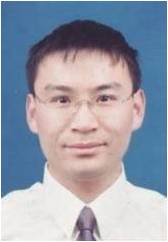 Jinhui Feng (冯进辉)合作论文数Tianjin Institute of Industrial Biotechnology, Chinese Academy of Sciences12
 Jinghan Gui (桂敬汉)合作论文数Shanghai Institute of Organic Chemistry, Chinese Academy of Sciences10
 Jiuyuan Ding (丁久元)合作论文数Institute of Microbiology, Chinese Academy of Sciences;University of Chinese Academy of Sciences9Yingzi Zhang (张英姿)合作论文数9Zhi Zhao合作论文数8
 Yanhe Ma (马延和)合作论文数Laboratory of Microbial Resources and Biotechnology, Institute of Microbiology, Chinese Academy of Sciences;National Engineering Laboratory for Industrial Enzymes, Institute of Microbiology, Chinese Academy of Sciences;Tianjin Institute of Industrial Biotechnology, Chinese Academy of Sciences7Hailong Tian合作论文数5Ziqin Ye合作论文数4
 Jie Zhang (张杰)合作论文数Institute of Microbiology, Chinese Academy of Sciences;University of Chinese Academy of Sciences4Lifan Sun (孙丽璠)合作论文数4
 Min Wang (王敏)合作论文数Tianjin University of Science and Technology4
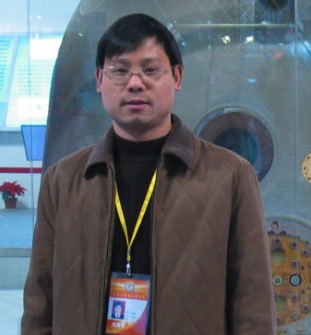 Guoxiang Li (李国祥)合作论文数Nanjing Institute of Geology and Palaeontology, Chinese Academy of Sciences4Jinghan Zhang合作论文数3Jiacheng Li合作论文数3Ping Zheng合作论文数3
 Dewen Dong (董德文)合作论文数Changchun Institute of Applied Chemistry Chinese Academy of Sciences3
 Limin Wang (王丽敏)合作论文数中国科学院微生物研究所3Rui Zhang合作论文数3
 Baocheng Cao (曹宝成)合作论文数School of Economics, Lanzhou University3
 Jiansong Ju (鞠建松)合作论文数3Jian-Jiong Li合作论文数3Xuebei Ye合作论文数2Xubiao He合作论文数2Yun-Juan Bao合作论文数2Lihong Fu合作论文数2Wei Ju合作论文数2Lei Mei合作论文数2
 Weisheng Tian (田伟生)合作论文数Shanghai Institute of Organic Chemistry, Chinese Academy of Sciences2
 Jibin Sun (孙际宾)合作论文数Tianjin Institute of Industrial Biotechnology, Chinese Academy of Sciences2
 Wei Lu (陆伟)合作论文数中国农业科学院生物技术研究所2
 Peiyuan Yao (姚培圆)合作论文数Tianjin Institute of Industrial Biotechnology, Chinese Academy of Sciences;University of Chinese Academy of Sciences2Xi Chen (陈曦)合作论文数2Jiuzhou Chen合作论文数2
 Bo Chen (陈博)合作论文数2
 Bo Yu (于波)合作论文数Institute of Microbiology, Chinese Academy of Sciences2
 Lin Cao合作论文数2
 Guiming Liu合作论文数Chinese Academy of Sciences, Chinese Academy of Sciences2Kai Lun Wang合作论文数1
 Maurizio Chiriva-Internati合作论文数1Jiana Hu合作论文数1Luqiong Huo合作论文数1Li Zhou合作论文数1
 Bingpeng Lin合作论文数1Butian Zhou合作论文数1Liyan Jia合作论文数1




