Electrode degradation represents a primary factor contributing to the performance decay. The composition design of electrode materials directly determines the long-term stability of solid oxide fuel cell (SOFC) under high-temperature service conditions. This paper focuses on the effect of anode and cathode material compositions on the creep damage and failure probability of SOFCs after 50,000 h creep. The results reveal an optimal Ni content range for mechanical integrity. Specifically, increasing the Ni volume fraction from 30% to 50% results in a reduction in the creep damage. In contrast, extending the increase to 60-70% causes a general reversal of this trend, with the creep damage showing an overall increase. The paper concludes that the Ni volume fraction of 50-60% is appropriate to maintain the long-term operation of SOFC. The La0.8Sr0.2MnO3 (LSM) volume fraction with higher electrochemical efficiency can be selected for cathode manufacturing. This study provides a reference for developing long-life SOFC electrode materials.
Applied-mathematics and theoretical-computer-science viewpoints jointly frame large-scale group decision-making as a stochastic, graph-constrained optimization problem. Multi-granularity probabilistic linguistic preference relations encode agents’ uncertain utilities via discrete probability distributions over graded linguistic terms. Fuzzy social networks represent trust through real-valued adjacency matrices whose entries are updated by closed-form algebraic operations. A dynamic self-confidence mechanism recasts each agent’s belief mass as a state variable governed by a consensus-error gradient flow. The resulting algorithmic pipeline exhibits poly-logarithmic iteration complexity with respect to agent count, while the worst-case modification cost remains upper-bounded by a constant multiple of the initial inconsistency index. Empirical analysis of 38,900 online tourism reviews delivers a consensus level of 0.9873 within two iterations at a normalized cost of 0.006, outperforming seven state-of-the-art baselines. Beyond tourism, the framework applies to any multi-agent system whose preference topology is representable as an uncertain hyper-graph, including e-commerce recommenders, federated learning aggregators, and distributed medical-diagnosis platforms. Ongoing research incorporates online-learning regret minimizers to adapt model parameters under adversarial, non-stationary conditions.
The advancement of technology and the rapid developments in the field of artificial intelligence have led to a surge in the research on decision-making in uncertain environments. Furthermore, individual decision-making is too simplistic to solve the complex decision-making problems posed by these challenges, leading to study group decision-making (GDM). Particularly, fuzzy social networks (FSNs) and fuzzy preference relations (FPRs) have important applications in GDM. In addition, probabilistic linguistic term sets (PLTSs) have succeeded as a bridge among natural language, fuzzy reasoning, and probability theory. However, the existing research on GDM under PLTSs faces three key challenges: flaws in PLTSs distance measurement, lack of FSN modeling, and the over-simplified feedback mechanism. These challenges severely impede the effectiveness and reliability of consensus reaching process (CRP) in complex decision-making scenarios. Motivated by these facts, this paper designs a three-way group consensus method based on FSNs under probabilistic linguistic preference relations (PLPRs), namely, the TWD-FSN-PLPR method. This method consists of three successive parts. The first part is the design of an improved consistency method based on the properties of PLTSs. Its main purpose is to ensure that the information on evaluations provided by the decision makers (DMs) maintains internal consistency, paving the way for subsequent GDM. The goal of the second part is to compute the DMs’ weights. Their own familiarity with the PLTS’s cross-entropy and self-confidence are used to construct a directed weighted FSN and then produce the weights from a metric based on social influence. The third part is the consensus reaching process, whose efficiency is improved by a combination of three-way decision and minimum cost, and implementing a penalty mechanism for non-cooperative DMs. In addition, the optimal alternative is selected using regret theory. The methodology is applied to a real case and compared with multiple methods to illustrate its rationality and superiority.
Square dents are common defects in oil and gas pipelines. In the safety assessment of pipelines containing dents, it is critical to accurately and rapidly predict the strain of dent-affected pipelines. Currently, there is limited research both domestically and internationally on strain prediction models for square dented pipelines, and the related work on predicting the mechanical behavior of dented pipelines remains relatively immature. Building on this foundation, this study proposes a model based on a Backpropagation Neural Network (BPNN) to predict the maximum equivalent plastic strain in the curved dented regions of pipelines. This study employed finite element software to construct a static analysis model for square dented pipelines, and the reliability of the finite element model was validated through relevant experiments. Based on the finite element model, the Pearson correlation coefficient method was used to analyze the interdependencies between maximum equivalent plastic strain and various key parameters. The parameters were ranked according to their correlations to construct a comprehensive training dataset. Using the Backpropagation algorithm and optimizing the number of neurons in the BPNN, a strain prediction model was established utilizing the constructed dataset. The model was used to predict the maximum equivalent plastic strain at the curved dented regions of the pipeline, and its stability in predicting this strain was verified against experimental data and a random dataset. The results show that the predictions exhibit minimal deviation from the experimental data and random dataset, indicating that the model can accurately predict the strain behaviour of square dented pipelines. The predictive model established in this study provides a significant reference value for the assessment of square dented pipelines in practical engineering applications.
With the rapid development of artificial intelligence (AI), group decision-making (GDM) has become a critical approach to ensuring the scientificity and fairness of decisions in complex systems. However, existing GDM methods often face limitations due to the presence of hypocritical trust and irrational confidence among decision-makers (DMs), which can significantly hinder the effective achievement of consensus. To address these challenges, this article proposes an innovative consensus reaching process that integrates fuzzy preference relations and advanced AI techniques to systematically identify and eliminate irrational factors in the decision-making process. The proposed method introduces a novel mechanism for quantifying the contribution degree of DMs based on game theory within the framework of fuzzy sociometric relations and effectively identifies and eliminates hypocritical trust relationships using geometric analysis. In addition, an innovative quartile classification method based on dynamic monitoring is designed to achieve real-time assessment and adjustment of the confidence level of DMs. By combining principles of calculus and geometry, an accurate calculation model of DM weights is constructed. The proposed method establishes a two-level consensus feedback mechanism integrating confidence level and trust degree, ultimately realizing the selection of the optimal alternative. Systematic case studies and comparative experimental analyses demonstrate the significant superiority of the proposed method in terms of consensus efficiency and decision-making quality. The key innovations of this research include the development of a new weight determination method based on calculus and geometry, the construction of a hypocritical trust identification mechanism using game theory and geometric analysis, and the establishment of an irrational confidence regulation system combining regret theory with dynamic monitoring. These contributions provide a robust theoretical framework and methodological support for addressing consensus challenges in complex GDM scenarios.
For Ni-YSZ anode-supported solid oxide fuel cells (SOFCs), the main drawback is that they are susceptible to reducing and oxidizing atmosphere changes because of the Ni/NiO volume variation. The anode expansion upon oxidation can cause significant stresses in the cell, eventually leading to failure. In order to improve the redox stability, an analytical model is developed to study the effect of anode structure on redox stability. Compared with the SOFC without AFL, the tensile stresses in the electrolyte and cathode of SOFC with an anode functional layer (AFL) after anode oxidation are increased by 27.07% and 20.77%, respectively. The thickness of the anode structure has a great influence on the structure’s stability. Therefore, the influence of anode thickness and AFL thickness on the stress in these two structures after oxidation is also discussed. The thickness of the anode substrate plays a more important role in the SOFC without AFL than in the SOFC with AFL. By increasing the thickness of the anode substrate, the stresses in the electrolyte and cathode decrease. This method provides a theoretical basis for the design of a reliable SOFC in the redox condition and will be more reliable with more experimental proofs in the future.
The challenges encountered in the realm of multi-attribute group decision-making (MAGDM) involving probabilistic linguistic term sets (PLTSs) have garnered substantial attention. Within the PLTS context, this study introduces a consensus reaching process (CRP) that iteratively refines the weights assigned to decision-makers (DMs) by leveraging the principles of prospect theory (PT). The primary goal of this iterative weight adjustment process is to enhance the overall decision-making procedure when dealing with PLTSs. To circumvent any data loss during transformation and compute the prospect values of PLTSs directly, a novel transformation formula is developed. Acknowledging the distinct cognitive levels among different DMs, the integration of multiple weights into the consensus process is characterized by its dynamic and iterative nature. Concerning the measurement of consensus, this study employs a method based on the gap between prospect values, which enhances objectivity while overcoming the limitations associated with the distance formula of PLTSs. Furthermore, the feedback mechanism incorporated into the modification process incorporates dynamic adjustment parameters that are tailored to different evaluation values, thereby preventing excessive adjustments that are either too low or too high. By utilizing the newly proposed prospect value function, this research aggregates the group evaluation value and identifies the optimal alternative. In conclusion, this paper concludes with a comparative analysis involving various counterparts, shedding light on the feasibility and validity of the proposed model.
The seamless integration of computerized methodologies into industrial engineering problem-solving is pivotal for optimizing efficiency. In the specific domain of multi-attribute group decision-making (MAGDM) with probabilistic linguistic term sets (PLTSs), these methodologies offer systematic approaches to consensus building, ensuring effective decision processes in intricate scenarios. Within the realm of PLTSs, the consensus-reaching process (CRP) for MAGDM is gaining prominence. This paper addresses this evolving area by proposing ordinal and cardinal CRPs within the framework of PLTSs, specifically incorporating the regret theory (RT) of three-way decisions (TWD). The paper introduces an initial distance formula under PLTSs, providing a complementary approach to assess similarity relations among decision-makers (DMs). To account for diverse semantics across DMs, personalized individual semantics (PIS) is integrated into the CRP, recognizing variations in DMs’ alternatives and attributes. To enhance realism, the paper introduces the concepts of individual alternative sets and individual attribute sets. Additionally, the paper integrates ordinal and cardinal consensus, establishing a dynamic feedback adjustment mechanism grounded in the principles of RT and TWD. The method’s reasonableness is validated through a real case study, and a comparative analysis with the existing methods underscores the superiority of the approach presented in this paper.
Multi-attribute decision-making (MADM) issues are gaining significant traction in the realm of social economy development. Given that individuals commonly rely on linguistic terms to express their opinions and often overlook psychological behaviors when making risky decisions, this study introduces a three-way decision (TWD) method via incorporating prospect theory (PT) and probabilistic linguistic term sets (PLTSs) to address MADM problems, namely the PL-PT-TWD method. Initially, it is worth noting that the majority of distance formulas fail to fulfill the four axioms associated with distance formulas. Consequently, to address the shortcomings of existing distance formulas for PLTSs, a novel distance formula is introduced as a remedy in this study. By considering the correlation between the distance formula and the similarity formula, it becomes feasible to calculate the similarity between two PLTSs. Thus, based on this similarity measure, the θj-level similarity class can be established, facilitating the objective construction of conditional probabilities. Second, it is common for most methods to solely focus on assigning weights to one-dimensional attributes without taking practical considerations into account. As a result, the weights assigned to different alternatives within the same method may vary, this paper explores the weight calculation from two dimensions and successfully obtains the attribute-alternative weight. Subsequently, a novel satisfaction function is formulated to address the limitation of reference point selections in PT, enabling the realization of PT in TWD for decision-making purposes. Lastly, the proposed method is employed to a specific data set and compared with six counterparts to assess its practicality and efficacy.
Under the influence of effective overburden pressure, dynamic prediction of porosity and permeability is very important for the formulation and dynamic adjustment of low permeability and tight reservoir development plan. However, the high heterogeneity and complex influencing factors of reservoirs bring great difficulties to the prediction. Firstly, the variation law of porosity and permeability with the increase of effective overburden pressure is determined by testing. On this foundation, data preprocessing is carried out, a sample database is established, and the main controlling factors of geology, fluid and lithology are identified by grey correlation. Finally, based on BP neural network, porosity and permeability prediction training is carried out, and prediction model is established. Considering the prediction error and whether the model is over or under fitting, the results show that the prediction error of the model established by 10 hidden layer neurons and trainbr training function is the best, and the prediction error of porosity and permeability are 3.22% and 8.67% respectively. The model is applied to the field data, and the prediction error of porosity and permeability are 4.18% and 15.85% respectively, which are in line with the oil production law.
In order to improve product design efficiency and guarantee the high temperature structural integrity during the long-term creep of solid oxide fuel cell (SOFC), the creep strength design method is studied by using the finite element method (FEM) and the response surface method (RSM) with considering the interaction between the geometric parameters. A multi-regression model representing the correlation between the sealant failure probability and the geometric parameters is established for rapid estimation of creep strength and optimization design of geometric dimensions. The sealant failure probability is decreased from 0.994 to 0.015 by the optimization of SOFC geometrical size. And the error between results predicted by the FEM and results predicted by the multi-regression model is less than 10%. Therefore, the multi-regression model is proven to be an excellent tool for creep failure prediction and structural design optimization, reducing research costs and time, and improving design efficiency.
Commercialization of solid oxide electrolysis cell (SOEC) depends on the development of cathode materials with outstanding catalytic activity for CO2 electroreduction. Herein, Pure La-doped Sr2-xLaxFe1.5Mo0.5O6-delta double perovskite oxide is prepared via the citric acid-glycine method and used as a cathode to evaluate its electro-chemical performance for CO2 electrolysis. La substitution at Sr-site promotes the oxygen surface exchange and bulk diffusion in Sr2-xLaxFe1.5Mo0.5O6-delta oxide, leading to higher CO2 electrolysis performance compared to Sr2Fe1.5Mo0.5O6-delta parent oxide. At 850 degrees C and 1.5 V, a current density of -2760 mA cm(-2) is obtained on an LSGM-supported single cell with Sr1.9La0.1Fe1.5Mo0.5O6-delta cathode. In addition, the electrolysis cell displays excellent stability under a constant voltage of 1.2 V, suggesting that Sr1.9La0.1Fe1.5Mo0.5O6-delta oxide is a promising SOEC cathode material for pure CO2 electrolysis.
La-doped Sr2-xLaxFe1.5Mo0.5O6-$ perovskite oxides are synthesized and used as a symmetric electrode to evaluate the effect of La on the crystal structure, conductivity, and catalytic activity for O2 reduction and H2 oxidation reaction. The electronic doping effect dominates the oversize effect in Sr2-xLaxFe1.5Mo0.5O6-$ oxide, resulting in unit cell volume expansion and decreased conductivity in air. In addition, the introduction of La increases the chemical structural stability of Sr2Fe1.5Mo0.5O6-$ in reducing condition due to the higher La -O bond compared with Sr-O bond, leading to high catalytic activity for the H2 oxidation reaction. At 800 degrees C, the Rp values of Sr1.9La0.1Fe1.5Mo0.5O6-$ symmetric cell in air and wet H2 are as low as 0.075 and 0.21 U cm2, respectively. Moreover, the peak power densities of 769, 561, 439, and 653 mW cm-2 at 850 degrees C are obtained when wet H2, CO, CH4, and C3H8 are used as fuels on Sr1.9La0.1Fe1.5Mo0.5O6-$/LSGM/Sr1.9La0.1Fe1.5Mo0.5O6-$ cell. The symmetric cell also shows excellent stability (>100 h) in wet H2/air, implying Sr1.9La0.1Fe1.5Mo0.5O6-8 oxide is a promising symmetric electrode material. (c) 2021 Hydrogen Energy Publications LLC. Published by Elsevier Ltd. All rights reserved.
Machine learning (ML) algorithms have been increasingly successful in their applications to solve energy and environmental engineering problems. ML algorithms have the advantage of being able to solve highly nonlinear issues effectively. Furthermore, considering the limited sample size of data collected in energy and environ -mental engineering, obtaining a ML model with reasonable accuracy is simple. Unfortunately, the vast majority of the current applications of ML algorithms lack effective screening of dominant factors and comprehensive model validation, which weakens the predictive ability of the models. The present study takes the minimum miscible pressure (MMP) of CO2-oil systems as an example. It establishes a systematic and robust predictive model to address this issue. Based on 147 sets of slim tube tests, the predictive models of the MMPs are investigated by application of eight ML algorithms. The paper concludes that most of the published ML models in the field of energy and environmental engineering prediction are not reliable. Furthermore, it addresses the main reasons for the poor performance of some predictive models built by ML and provides guidelines on how to make such models robust. To the best of our knowledge, this is the first study to point out the defects of current ML modeling methods and propose countermeasures for their application in energy and environmental engineering problems.
Ruddlesden-popper (La, Sr)FeO4+delta perovskite oxide with excellent redox stability shows insufficient electrochemical catalytic activity for CO2 reduction because of low conductivity and oxygen vacancy concentration. In this work, Ni modified (La, Sr)Fe1-xNixO4+delta cathode was developed to improve the conductivity and catalytic activity for CO2 electrolysis. The introduction of the Ni element significantly increases the conductivity of (La, Sr)FeO4+delta perovskite oxide in both air and 50%CO2/CO due to the increasing charge carrier's concentration. Furthermore, the symmetric cell with (La, Sr)Fe0.9Ni0.1O4+delta (RPLSFNi0.1) electrode exhibits the lowest polarization resistance in 50%CO2/CO, suggesting that the RPLSFNi0.1 electrode has the best catalytic activity for CO2 electrolysis. Moreover, the addition of Sm0.2Ce0.8O2-delta (SDC) in RPLSFNi0.1 electrode further enhances the electrochemical performance, and the current density of -1170 mA cm(-2) is obtained at 850 degrees C and 1.5 V. In addition, the electrolysis cell exhibits excellent reversible cycling operating stability between 0.6 V at fuel cell mode and 1.2 V at electrolysis mode, indicating that RPLSFNi0.1 is a robust cathode material for solid oxide cells (SOCs) fuel electrode. (c) 2022 Hydrogen Energy Publications LLC. Published by Elsevier Ltd. All rights reserved.
本文系统研究了Sr缺位对Sr2Fe1.5Mo0.5O6-δ氧电极材料晶体结构、电导率和电化学性能的影响规律.结果表明Sr缺位导致晶胞体积增大,降低了氧溢出的温度,增强了材料内部晶格氧的活性,Sr1.95Fe1.5Mo0.5O6-δ材料具有最大的电导率为38.4 S/cm.Sr缺位提高了材料的氧还原反应活性,800℃时Sr2Fe1.5Mo0.5O6-δ、Sr1.95Fe1.5Mo0.5O6-δ、Sr1.9Fe1.5Mo0.5O6-δ对称电池在空气下的极化电阻分别为0.102、0.070和0.096Ω·cm2.燃料电池模式下,阳极支撑的NiO-YSZ(SL)/NiO-YSZ(FL)/YSZ/SDC/Sr1.95Fe1.5Mo0.5O6-δ单电池在850、800、750和700℃下的峰值功率密度分别达到1459、953、682和420 mW/cm2.电解池模式下单电池在20%H2O-H2、800℃和1.5 V电压下的电流密度达到-1300 mA/cm2.同时电解池在800℃和-500 mA/cm2条件下稳定运行了100 h,单电池的衰减速率约为0.001 V/h,表现出良好的运行稳定性.
A comprehensive fault diagnosis method of rolling bearing about noise interference, fault feature extraction, and identification was proposed. Based on complete ensemble empirical mode decomposition with adaptive noise (CEEMDAN), detrended fluctuation analysis (DFA), and improved wavelet thresholding, a denoising method of CEEMDAN-DFA-improved wavelet threshold function was presented to reduce the distortion of the noised signal. Based on quantum-behaved particle swarm optimization (QPSO), multiscale permutation entropy (MPE), and support vector machine (SVM), the QPSO-MPE-SVM method was presented to construct the fault-features sets and realize fault identification. Simulation and experimental platform verification showed that the proposed comprehensive diagnosis method not only can better remove the noise interference and maintain the original characteristics of the signal by CEEMDAN-DFA-improved wavelet threshold function, but also overcome overlapping MPE values by the QPSO-optimizing MPE parameters to separate the features of different fault types. The experimental results showed that the fault identification accuracy of the fault diagnosis can reach 95%, which is a great improvement compared with the existing methods.
A typical failure mode of the anode-supported solid oxide fuel cell (SOFC) is the cracking of electrolyte due to the excessive tensile stress caused by the expansion of anode during re-oxidation. This paper builds a three-dimensional model based on the finite element method (FEM) to investigate the effect of inhomogeneous oxidation on mechanical degradation of SOFC. The stress distributions and critical oxidation strains with considering inhomogeneous oxidation are compared to those of supposed homogeneous oxidation. The results indicate that the gradient of oxidation strain induces a large stress gradient and bending moment in anode, which increase the stresses and curvature of the cell, leading to the deterioration of SOFC degradation. The critical oxidation strains are increased in the SOFC with considering the inhomogeneous oxidation except for the anode. By calculating the stress under homogeneous re-oxidation, the resistance to failure is underestimated for cathode, electrolyte and glass-ceramic (GC), but the resistance to failure of the anode is overestimated. The effects of creep and thickness of the graded-oxidized zone on the redox stability are also investigated. This study helps to understand the effect of inhomogeneous oxidation and enhance the performance and lifetime of SOFC.
Ca x Bi[Formula: see text]W[Formula: see text]O[Formula: see text] (CBW) ([Formula: see text], 0.05, 0.10, 0.15, 0.20, 0.30) electrolyte material were synthesized by sol–gel self-combustion method. The samples were characterized by thermogravimetric-differential thermogravimetric analysis(TG-DSC), X-ray diffraction, scanning electron microscopy (SEM), porosity and electrochemical impedance spectroscopy (EIS). The results show the powders Ca x Bi[Formula: see text]W[Formula: see text]O[Formula: see text] (CBW) with fluorite crystal structure can be obtained after the precursor was calcined at 760 ∘ C. When sintered at 780 ∘ C for 2[Formula: see text]h, the compact ceramic sintered with relative density higher than 97% can be obtained. The electrochemical studies showed that Ca x Bi[Formula: see text]W[Formula: see text]O[Formula: see text] (CBW) have high ionic conductivity after 780 ∘ C sintering. The sample Ca[Formula: see text]Bi[Formula: see text]W[Formula: see text]O[Formula: see text] exhibits a conductivity of 0.07978 S[Formula: see text][Formula: see text][Formula: see text]cm[Formula: see text] at 750 ∘ C, and the activation energy is 0.845[Formula: see text]eV, which is expected to be applied to the electrolyte materials for intermediate temperature solid oxide fuel cells (SOFC).
 Jianming Zhan (詹建明)合作论文数School of Mathematics and Statistics, Hubei Minzu University6
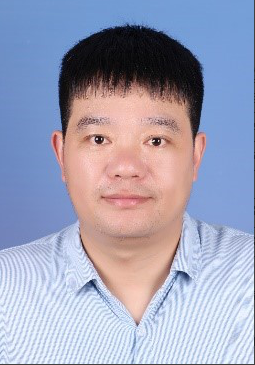 Wenchun Jiang (蒋文春)合作论文数College of Chemical Engineering, China University of Petroleum;College of New Energy, China University of Petroleum6
 Yun Luo (罗云)合作论文数College of New Energy, China University of Pertroleum5
 Ming Song (宋明)合作论文数College of Pipeline and Civil Engineering, China University of Petroleum5Shengli An合作论文数4Liuzhen Bian合作论文数4Jun Peng合作论文数4
 Laibin Zhang (张来斌)合作论文数College of Safety and Ocean Engineering, China University Of Petroleum - Beijing4
 Shan-Tung Tu (涂善东)合作论文数School of Mechanical and Power Engineering, East China University of Science and Technology4
 Jinqiu Hu (胡瑾秋)合作论文数China University of Petroleum4Ji Qi合作论文数3Chao Sun合作论文数3ZhanSheng Cai (蔡战胜)合作论文数3JiHua Peng (彭继华)合作论文数3
 Yucai Zhang (张玉财)合作论文数College of Chemical Engineering, China University of Pertroleum;College of New Energy, China University of Petroleum3Yunting Hou合作论文数2Shuting Li合作论文数2ZhiLin Wang (王智林)合作论文数2
 Wanghua Chen (陈网桦)合作论文数School of Safety Science and Engineering, Nanjing University of Science and Technology2
 Hao Chen (陈浩)合作论文数College of Safety and Ocean Engineering, China University of Petroleum - Beijing2
 Chi-Min Shu (徐啟銘)合作论文数National Yunlin University of Science and Technology2
 Dongfeng Zhao (赵东风)合作论文数College of Chemistry and Chemical Engineering, China University of Petroleum2
 Chao Zhang (张超)合作论文数Institute of Intelligent Information Processing, Shanxi University;School of Computer and Information Technology, Shanxi University2
 Yi Liu (刘义)合作论文数College of Chemical Engineering, China University of Petroleum2
 Zeshui Xu (徐泽水)合作论文数Business School, Sichuan University2
 Muhammet Deveci合作论文数Bartlett School of Sustainable Construction, University College London;Royal School of Mines, Imperial College London;School of Computer Science, University of Nottingham;Department of Industrial Engineering, Turkish Naval Academy, National Defence University1Qiyi Yin合作论文数1Dongdong Ji合作论文数1Xu Chuannuo合作论文数1XING Jianpeng (邢建鹏)合作论文数1yan yi合作论文数1
 Jun Zhang合作论文数1SUN Chao (孙超)合作论文数1Xuezhen Cheng合作论文数1Zhiquan Wei合作论文数1Haizeng Yu合作论文数1
 Anqi Wang (王安琪)合作论文数1
 Dr. Ian Duncan合作论文数Bureau of Economic Geology, Jackson School of Geosciences, University of Texas at Austin1Changyang Liu合作论文数1Jianquan Gao合作论文数1Weiya Zhang合作论文数1Jia Yin合作论文数1Dongliang Jiang合作论文数1
 Yi Wang合作论文数School of Automation Science and Electrical Engineering, Beihang University, Beijing, China1
 Xiliang Liu合作论文数State Key Laboratory of Petroleum Resources and Prospecting, China University of Petroleum (Beijing),1
 Yang Liu合作论文数Northeast Petroleum University1Hao Ren合作论文数Sch Mat Sci & Engn, Nanyang Technol Univ1
 Xianmin Zhou合作论文数Ctr Integrat Petr Res, King Fahd Univ Petr & Minerals1Junjie Meng合作论文数1




