Developing green and efficient environmental materials from solid waste for water pollutant removal represents an important research focus. This study proposed a simple mechanochemical co-grinding technique to construct a phosphogypsum (PG)/magnesium oxide (MgO) (PM) heterointerface for stable and efficient phosphate adsorption. Optimizing the PG/MgO molar ratio (n (Ca2+) : n (Mg2+) = 1.5:1), a chemically driven dislocation structure with an intertwined network was formed. At the conditions of 25-45(degrees)C with 20 mg of adsorbent, the adsorption capacity increased from 227.36 to 352.80 mg/g. Adsorption kinetics followed pseudo-second-order and fractal Vermeulen diffusion models, confirming the PM1.5:1 superior heterogeneous nature. Moreover, due to the formation of the localized OH(-)environment, the stable and high-efficiency adsorption (247.74 m g/g) behavior at 25 C-degrees acrossed a wide pH range (pH = 8-12). Practical applicability of PM was assessed using actual sewage samples, achieving an impressive removal rate ( > 90 %). This cost-effective technique for stable and efficient phosphate removal provides a valid strategy and has potential applications in phosphorus recovery and solid waste recycling.
Washed municipal solid waste incineration (MSWI) fly ash typically leaves the washing unit as a cohesive, high-moisture cake, and a subsequent drying step is often required to enable safe handling, transport, and downstream stabilization/solidification. This study applies vacuum drying to washed fly ash using a static vacuum dryer. We investigate how heating temperature (80 degrees C-140 degrees C), vacuum level (gauge pressure ranging from 0 to -0.08 MPa), and fly ash layer thickness (3.4-13.6 mm) affect drying behavior, kinetics, and mechanisms. Temperature and layer thickness are the dominant factors controlling the drying rate, while the influence of vacuum level is moderate but non-negligible. A mild-to-moderate vacuum accelerated drying by lowering the equilibrium boiling temperature and sustaining a large vapor-pressure driving force, whereas excessively strong vacuum tended to promote early surface stiffening and crust formation, and thereby limited internal moisture transport. From the fitted kinetics, an apparent effective diffusivity and an Arrhenius-type apparent activation energy were estimated; Ea decreased from 44 kJ/mol in the early stage to 15 kJ/mol in the late stage. Time-lapse imaging revealed substantial shrinkage and crack development: higher temperature and greater thickness promoted main cracking, while pressure primarily regulated fine cracks (milder vacuum produced denser fine cracks; deeper vacuum yielded fewer, larger cracks). These findings provide practical insights for optimizing vacuum drying of washed incineration fly ash, aiding in its safe reuse or disposal and contributing to resource utilization and environmental protection.
Microbial electrosynthesis (MES) enables CO2 conversion to multi-carbon fatty acids, but selective upgrading to longer-chain products remains limited by inefficient electron supply. This study developed a sequential MES platform using short-chain alcohols (ethanol, propanol, isopropanol) as exogenous electron donors to direct CO2 conversion into C4-C6 fatty acids. Ethanol preferentially promotes the formation of butyrate (C4, 0.42 g/L) and caproate (C6, 0.13 g/L), whereas propanol shifts selectivity towards valerate (C5, 0.51 g/L), while isopropanol exhibits lower chain-elongation efficiency. These trends demonstrate that the carbon skeleton of the electron donor governs elongation pathways and product distribution. Predicted functional profiling and microbial community analyses indicate a higher genetic potential for key chain-elongation pathways in ethanol-fed systems, consistent with improved electron transfer and altered metabolic flux distribution. Collectively, this study establishes short-chain alcohol supplementation as an effective strategy to modulate carbon flux and selectively synthesize multi-carbon fatty acids from CO2.
The consumption of tea, one of the most popular non-alcoholic beverages, has steadily increased, leading to a significant rise in global tea production and consequently the generation of substantial amounts of tea waste annually. China alone generates more than 5 million tons of tea waste annually, comprising trimmed stems, discarded leaves and buds, waste from the manufacturing process, and residue after brewing. Tea is rich in polyphenols, polysaccharides, amino acids, alkaloids, and other active substances. Leveraging substantial quantities of tea waste can produce cost-effective derivatives across various sectors, thereby enhancing its utilitarian value and promoting a circular economy, for "Waste to Treasure". This study aims to evaluate the potential for resourceful utilization of tea waste in diverse applications. The current state of research concerning various applications of tea waste, including its use in biochar, composting feedstock, sludge performance modifiers, disinfection and biocides, as well as animal feed is comprehensively summarized. Focusing on the preparation and application of tea-waste-derived biochar (TWB), this study identifies several limitations in current TWB production technologies, including challenges related to performance, yield, and economic viability. Combined with bibliometric analysis, machine learning methods have emerged as valuable tools for evaluating and predicting biochar performance, as well as optimizing the biochar production process. An economic assessment of TWB production costs revealed that its production cost ($434.2/ton) is lower than that of corn stover ($454.19/ton) and wheat straw ($448.01/ton), but higher than rice straw ($425.73/ton). Furthermore, the analysis highlighted pyrolysis time and heating rate as critical factors influencing production costs, offering new insights compared to prior studies. This paper summarizes the progress and challenges faced by tea wastes in the field of biochar and looks at future directions. Results will provide sustainable utilization of tea waste and assist in exploiting this abundant and cheap waste biomass in many ways.
Biochar presents considerable potential for improving soil carbon sequestration and remediating heavy metal contamination. In recent years, CO2 emissions from heavy metal-contaminated soils have garnered increasing scientific attentions. However, research on CO2 emissions from manganese (Mn)-contaminated soils and their interactions with microbial communities and Mn dynamics remains limited. In this study, we investigated the effects of different proportions (1 %, 2 %, and 4 %) of phosphorus-modified biochar on soil CO2 emissions, bacterial communities, and their interaction mechanisms using controlled incubation experiments. The results showed that, at the same application rates, phosphorus-modified biochar (PNBC) led to lower soil CO2 emissions than unmodified biochar (PBC), with emissions decreasing as the application amount increased. The application of PNBC significantly enhanced the soil organic carbon (SOC) and its components, including particulate organic carbon (POC), mineral-associated organic carbon (MAOC), and readily oxidizable organic carbon (ROC). Specifically, the increases were 16.30-55.46 g kg- 1, 4.82-16.49 g kg- 1, 12.73-40.72 g kg- 1, and 8.44-10.64 mg kg- 1, respectively. Partial least squares structural equation modeling (PLS-SEM) revealed that variations in soil Mn, pH, and bacterial communities had direct effects on CO2 emissions. Bioinformatics analysis showed that PNBC addition reduced Proteobacteria by 7.19-10.52 %, while increasing Nitrospirota by 8.15-18.84 % and Gemmatimonadota by 1.15-3.99 %. Additionally, PNBC treatment reduced the weak exchangeable and reducible Mn fractions, thereby decreasing Mn migration capacity. These findings provide theoretical insights into the use of modified biochar for enhancing carbon sequestration and ecological restoration in Mn-contaminated soils.
In this work, carboxymethyl cellulose (CMC)-modified biochar (BC)-supported Fe3O4 was prepared for the degradation of sulfaquinoxaline (SQX) in a heterogeneous electro-Fenton process. The degradation rate of 10 mg/L SQX reached 94.2 % after 180 min of Fe3O4(CMC)/BC treatment, compared to 61.2 % with Fe3O4/BC. CMC allowed Fe3O4 particles to be more evenly distributed on the biochar surface, and its electron transfer capacity effectively activated the in situ generated H2O2 on the electrode with a maximum H2O2 yield of 17.9 mg/L. The produced 1O2 and ⋅O2- are the primary contributors to SQX degradation. The aniline of SQX is susceptible to electrophilic attack, whereas quinoxaline is susceptible to free radical attack, with bis-methylation, heterocyclic oxidation, and amino oxidation being the major reactions in the decomposition of SQX. Toxicity assessment by ECOSAR and T.E.S.T. modeling showed that all the intermediates were considerably less biotoxic than the parent compound. Density functional theory calculations showed that the O2 adsorption and H2O2 decomposition processes are spontaneous reactions, and the intermediates absorbed on the Fe atom have an increased energy potential and a tendency to be less active. The results of material cycling tests and metal ion leaching experiments confirmed the good reusability of the prepared cathode. Additionally, Fe3O4(CMC)/BC achieved excellent performance in livestock wastewater (SQX removal of 93.4 % and COD removal of 79.9 %), demonstrating the possibility of practical application. This study offers a theoretical foundation for the use of novel composite cathode materials to degrade persistent pollutants.
Steam gasification of cornstalk and torrefied biochar was conducted in a fixed bed chamber to investigate the quantitative and qualitative characteristics of hydrogen-rich syngas. Emphasis was placed on H2 and CO production, considering the varied temperatures of torrefaction and gasification and their synergetic effects. The study reports the production of syngas and tar, along with calculations of calorific value and carbon conversion rate. Experimental results indicated that the H2 content, syngas production, and carbon conversion rate from cornstalk gasification improved with increasing reaction temperature. The carbonization level of cornstalk through torrefaction pretreatment was examined. Subsequently, the analysis of syngas composition from torrefied biochar gasification revealed that the maximum H2 content was identified at the highest torrefaction temperature (290 degrees C), not the highest gasification temperature (950 degrees C). Conversely, the maximum production of syngas and carbon conversion rate were obtained at the highest gasification temperature, not the highest torrefaction temperature. Furthermore, the calorific value of syngas decreased with lower CH4 + CxHy content under higher torrefaction and gasification temperatures. In conclusion, achieving a balance between H2 content and gas production can be facilitated by considering torrefaction pretreatment in the steam gasification process.
Microplastics, while widely recognized as an environmental hazard, are particularly prevalent in sludge from wastewater treatment plants. This study addresses the gap in knowledge regarding the impact of hydrothermal treatment on the fate and behavior of microplastics in such settings. We explored the adsorptive interactions of polylactic acid (PLA-MPs) with volatile organic compounds (VOCs) post-hydrothermal aging and assessed the implications on cytotoxicity. Upon hydrothermal treatment, PLA-MPs exhibited a porous, honeycomb -like structure and a significant reduction in crystallinity, suggesting altered physical properties. Hydrothermal aging was shown to increase the hydrophilicity of PLA-MPs, which, coupled with structural changes, facilitated enhanced adsorption of VOCs, notably at elevated temperatures. We hypothesize that the observed increase in VOC adsorption is partly due to the exposure of more amorphous regions, thereby providing additional adsorption sites. The rise in hydrophilicity may also suggest a higher affinity for polar VOCs, potentially via hydrogen bonding with functional groups on the microplastic surface. Our results demonstrated that PLA-MPs aged at 140 degrees C had a toluene adsorption capacity of 62.17 +/- 0.85 mg/g, a significant increase compared to unaged PLA-MPs, which adsorbed 22.25 +/- 1.35 mg/g. In cytotoxicity assays, these aged microplastics significantly diminished cell viability at high doses, underscoring the enhanced potential for cytotoxic effects postaging. Our research underlines the necessity for a deeper understanding of the interactions between aged microplastics and VOCs, paving the way for future studies to mitigate the environmental impact of microplastics from sludge sources.
This study provides a comprehensive analysis of the vacuum drying process for sludge drying, with a focus on optimizing energy efficiency and emission control. The study used both lab-scale static and pilot-scale vacuum drying systems to test various parameters like vacuum levels, heat source temperatures, and sludge thicknesses. The results indicated that optimal drying conditions were achieved at a vacuum level of -0.06 MPa, a heat temperature of 140 degrees C, and a sludge thickness of 3.4 mm, where the drying rate reaches 0.13278 g center dot g(-1)center dot min(-1). The study underscores the significant influence of vacuum level, temperature, and sludge thickness on drying rates. The Page model was used to analyze drying kinetics, elucidating how changes in these parameters affect drying characteristics. Furthermore, the study also examined the pollutant emissions and energy efficiency at the pilot scale. It found that high vacuum environments could efficiently dry sludge using low-temperature heat source, leading to average energy consumption per unit evaporation of 3020.29 kJ/kg, which is lower compared to traditional methods. By harnessing low-grade industrial waste heat, this can be further reduced to 875.76 kJ/kg. This study offers valuable insights for sustainable sludge management systems, highlighting the environmental and economic benefits of vacuum drying technology. The detailed experimental approach and thorough analysis make a significant contribution to the field of the sludge drying.
A novel hybrid-system was developed with the Acinetobacter baumannii AL-6 and original walnut shell biochar. Compared with strain AL-6 and biochar, hybrid-system exhibited an excellent synergistic removal ability for ammonia nitrogen (NH4+-N) and hexavalent chromium (Cr(VI)). And the maximum NH4+-N and Cr(VI) removal efficiency of hybrid-system were 93.30 % and 99.63 %, higher than 82.01 % and 56.49 % of strain AL-6, 5.35 % and 14.97 % of biochar, respectively. Strain AL-6 grew well in the presence of biochar and the ammonia oxygenase (AMO) activity of strain AL-6 was improved by adsorption of NH4+-N and Cr(VI) and release of beneficial elements (Ca, K and Mg) on biochar, which enhanced the biodegradation of NH4+-N. Environment persistent free radicals (EPFRs) and oxygen-containing functional groups of biochar could weaken the electron-competition between Cr(VI) and bacteria, biochar, which increased the removal performance of Cr(VI). The hydrophilic functional groups and mesoporous structure of biochar promoted the immobilization capacity of bacteria, which reduced the loose of bacteria from suspended bioreactor. Approximately 84.58 % - 87.97 % of NH4+-N and 1.18 mg center dot L-1-1.91 mg center dot L-1 of Cr(VI) were removed by the hybrid-system in sequencing batch reactor (SBR). Particularly, the removal performance of Cr(VI) was significantly improved as the per NH4+-N was degraded with increasing the operational time in SBR.
In this research, we examined the combined effects of hydrothermal treatment and different dewatering agents on the morphological, molecular, and functional properties of Polylactic Acid Microplastics (PLA-MPs). Under hydrothermal treatments, the presence of dewatering agents leads to pronounced alterations in PLA-MPs as evidenced by SEM, showing the compound effects of both treatments. In detail, PFS (polyferric sulfate) results in an enhanced porosity on the surface, PAC (polyaluminum chloride) imparts a distinct roughness, while Fe/PMS (iron/peroxymonosulfate) leads to surface deterioration with the emergence of larger pores. Fe/PMS exhibits the most significant difference in its impact on microplastics in both water and sludge, significantly reducing molecular weight in water, while its effect becomes minimal in sludge. The carbonyl index (CI) predominantly increases across agents in water treatments, with PAC standing out with a CI of 17.50. Conversely, in sludge environments, the CI displays a decreasing trend, especially with Fe/PMS which shows a CI of 15.00. Additionally, employing FTIR and XPS analyses, this study validates the rise in oxygen-centric functional groups on PLA-MPs post hydrothermal treatments, particularly a marked enhancement in C=O and C-O groups due to Fe/PMS. Two-dimensional correlation spectroscopy revealed a distinct sequence of spectral changes in PLA-MPs. The hydrothermal samples in water showed the earliest structural alterations, whereas the presence of iron and persulfate in sludge led to the most pronounced molecular transitions, emphasizing the intricate interactions of the microplastics with different chemicals. This study highlights the impact of hydrothermal treatment and dewatering agents on the properties of the microplastics.
This study provides an in-depth examination of the role of poly(lactic acid) microplastics (PLA-MPs) during sludge treatment, particularly in relation to organic compound leaching and heavy metal distribution. Through the application of advanced analytical techniques such as Fourier transform infrared spectroscopy (FTIR), X-ray photoelectron spectroscopy (XPS), thermal analysis, and gas chromatography-mass spectrometry (GC-MS), the release of degradation byproducts was quantified, and the effects on organic compound leaching and heavy metal distribution were assessed. Specifically, the results demonstrated that PLA-MPs significantly impacted the hydrolysis reaction, with the pH value descending in pure water as the hydrothermal temperature escalated. At 140 °C, the hydrolysate contained 20.66 % propylene ester and 16.57 % lactic acid. Furthermore, an increase in total organic carbon (TOC) was observed with increasing temperature, with TOC content at 140 °C in water almost doubling from that at 120 °C and 130 °C. With respect to heavy metals, the presence of PLA-MPs influenced the migration of Cr(VI) between solid and liquid phases in sludge. Notably, after 180 °C hydrothermal treatment, the content of Cr(VI) in the liquid phase of sludge with PLA-MPs was 9.72 %, which is higher than that of sludge without PLA-MPs at 5.80 %. These findings underline the need to consider PLA-MPs' influence on organic compound leaching and heavy metal distribution during sludge treatment.
As one of the most common solid wastes, municipal sewage sludge needs to be dried before its disposal and resource reuse. In this study, the effects of vacuum degree, heat source temperature and sludge thickness on drying rate and odor concentration in tail gas were studied through orthogonal experiments carried out on the lab-scale vacuum heat-conductive sludge drying device; The effects of heat source temperature on drying rate and odor concentration in tail gas were studied through comparative experiments of atmospheric state and vacuum state (-0.08MPa). The results show that the sludge thickness is the main factor affecting the sludge static drying rate, and the vacuum degree is the main factor affecting the odor concentration in the tail gas of sludge static drying. Under vacuum state (-0.08MPa), sludge can be dried efficiently while using low-grade heat source. In addition, while maintaining a high drying rate, the odor concentration in the tail gas will also be significantly reduced by reducing the generation of volatile sulphur compounds (VSCs).
Microplastics' (MPs) aging process and environmental behavior have attracted extensive attention due to the potential long-term ecological impact. MPs enriched in sludge may accelerate aging during sludge treatment and the affecting environmental behavior, i.e., adsorption performance for pollutants. However, the related studies have not been well researched, especially for the biodegradable MPs. This study revealed the influences of hy-drothermal treatment on the characteristics of polylactic acid microplastics (PLA-MPs) and the consequences on heavy metals adsorption. The changes in PLA-MPs' physiochemical properties were characterized and compared. PLA-MPs' surface became irregular, and the oxygen-containing functional groups increased through FTIR and XPS analysis. Meanwhile, the molecular weight and crystallinity of PLA-MPs decreased significantly with the rising in hydrothermal temperature. Accordingly, the adsorption capacity of PLA-MPs for Pb2+ increased from 93.97 mu g g-1 for the raw PLA-MPs to 1058.03 mu g g-1 for the aged PLA-MPs. Multiple adsorption kinetics and isotherms were discussed for the Pb2+ adsorption onto PLA-MPs with different aging of the PLA-MPs. The adsorption mechanisms of Pb2+ relate to electrostatic interaction and complexation. The main difference is that the adsorption for raw PLA-MPs is dominated by physical and chemical adsorption, whereas the adsorption for the aged PLA-MPs prefers chemical adsorption. In addition, we carefully evaluated the influences of pH, dis-solved organic matter, and ionic strength on the PLA-MPs adsorption. The present study highlighted the sig-nificance of hydrothermal treatment on the MPs aging and the adsorption performance.
Nano-magnetic hydroxyapatite (Fe3O4/nHAP) has superior properties for the removal of lead (Pb) from aqueous solutions. In this study, we synthesized several spongy Fe3O4/nHAP composite materials using the facile chemical co-precipitation method with the assist of ultrasound. Appropriate Fe3O4 addition increased the specific surface area of Fe3O4/nHAP with a porous structure, contributing to the more sorption sites exposure to lead ions (Pb2+) for fast kinetic and larger sorption capacity of 1500 mg g-1. The characteristic results manifest that complexation and dissolution-precipitation were the two main sorption mechanisms. Through the Pb/Ca molar ratio, solution pH, Pb fraction changes and the additional XRD results, the main sorption mechanisms turned from complexation to dissolution-precipitation and the adsorbed-Pb transformed from unstable Pb-complexes to stable Pb-phosphate during the removal process. Complexation effect dominated the Pb2+ removal in higher Pb2+ concentration solutions while dissolution-precipitation controlled in low Pb2+ concentration solutions. Pb5(PO4)3(OH) was the main product in the solutions of pH ranging from 2.76 to 5.25, and PbHPO4 precipitates was formed when the pH was lower than 2.76. Regeneration experiment and fraction analysis demonstrated the stability of Fe3O4/nHAP after Pb2+ sorption and desorption. Our findings provide a facile preparation method of Fe3O4/nHAP with their specific properties for the Pb2+ removal from aqueous solutions. Comprehensive mechanisms for the affinity of Pb2+ and Fe3O4/nHAP can propose strategies in the further removal or stabilization of heavy metals in practical environmental remediation.
Integrating hydrothermal treatment (HT) and advanced oxidation processes (AOP) was proved to be a promising approach for improving sludge dewaterability. In this study, the EPS valorization under elevated temperature and sulfate radical-based AOP were investigated to clarify the valorization of organic matter in different EPS layers and its effects on the sludge dewaterability. Results indicated that the organic matters in the inner layer of EPS decreased sharply with the elevated temperature, and released into the soluble EPS. Sulfate radical-based AOP significantly accelerated the degradation of organics and microbial cells lysis, especially in the presence of ZVI. The protein with the higher hydrophobicity was detected under the AOP enhanced HT. A better synergistic effect on sludge dewaterability was obtained by integrated the AOP at the initial hydrothermal stage. 3D-EEM and parallel factor analysis indicated that the protein and microbial by-product like substances in tightly bound EPS significantly affected the dewaterability.
Hydrothermal carbonization has been proved an effective method for wet biomass dewatering and polyvinyl chloride (PVC) dechlorination. This study proposes co-hydrothermal carbonization (HTC) of food waste digestate and PVC. The effects of hydrothermal temperature and holding time on the PVC’s dechlorination performance and the products’ fuel characteristics were evaluated. Co-HTC showed a synergistic effect on the dechlorination of digestates and PVC. The best dechlorination efficiency was 91.58
 Shifu Ge (葛仕福)合作论文数School of Energy and Environment, Southeast University12
 Bingxing Zhu合作论文数5Yindi Ding合作论文数5Panpan Li合作论文数5
 Ran Yu (余冉)合作论文数School of Energy and Environment, Southeast University5
 Cailing Zhou (周彩玲)合作论文数4
 Liting Hao合作论文数3Qixiang Zhu合作论文数2Ye Liu合作论文数2
 Zhongfang Lei合作论文数2Hua Deng合作论文数2
 Anyu Li合作论文数2LeNing Hu (胡乐宁)合作论文数2
 Zheng Li (李正)合作论文数Tianjin University of Traditional Chinese Medicine2
 Xiuping Yue (岳秀萍)合作论文数College of Environmental Science and Engineering, Taiyuan University of Technology2
 Kazuya Shimizu合作论文数Graduate School of Life and Environmental Sciences, University of Tsukuba2
 Haiping Luo (骆海萍)合作论文数School of Environmental Science and Engineering, Sun Yat-Sen University2Mengting Xue (薛梦婷)合作论文数1
 Pengdi Cui合作论文数1Changqing Liu合作论文数1Jun Qin合作论文数1Nan Hao合作论文数1Jie Li合作论文数1Qian Zhao (赵倩)合作论文数1
 Zhanhang Zhou合作论文数1Nanhang Dong合作论文数1
 Peiqi Miao合作论文数1
 Xiaojing Yang合作论文数1
 Wei Xia (w xia)合作论文数School of Chemistry and Molecular Engineering, East China Normal University1Yu Sun合作论文数1Qing Lv合作论文数1Rui Li合作论文数1Wenjie Zhang合作论文数1Yu Guo合作论文数1Jing Wang合作论文数1Zhenya Zhang (张振亚)合作论文数1
 Weiwei Huang (黄薇薇)合作论文数School of Environmental Science and Engineering, Hainan University1
 Qiang An (安强)合作论文数College of Environment and Ecology, Chongqing University1He Xue合作论文数1
 Chen Deng (邓尘)合作论文数School of Chemistry and Chemical Engineering, Southeast University1
 Richen Lin (林日琛)合作论文数School of Energy and Environment, Southeast University1
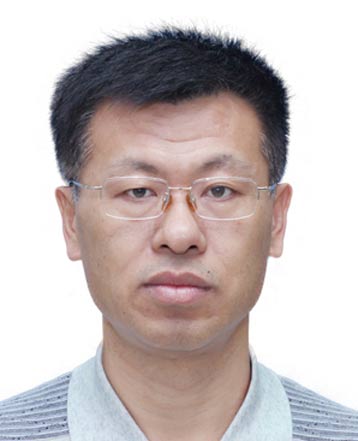 Chuanping Feng (冯传平)合作论文数School of Water Resources and Environment, China University of Geosciences, Beijing1
 Nan Chen (陈男)合作论文数School of Water Resources & Environment, China University of Geosciences – Beijing1
 Denghua Li合作论文数1
 Bin Zhao (赵彬)合作论文数College of Environment and Ecology, Chongqing University1
 Xingfa Li (李兴发)合作论文数College of Environmental Science and Engineering, Taiyuan University of Technology1
 Houfen Li (李厚芬)合作论文数College of Environmental Science and Engineering, Taiyuan University of Technology1
 Jiming Liu (刘吉明)合作论文数College of Environmental Science and Engineering, Taiyuan University of Technology1
 Sufang Wang (汪素芳)合作论文数College of Environmental Science and Engineering, Taiyuan University of Technology1




