Hard carbon has emerged as a highly promising anode material for sodium-ion batteries. However, rational regulation of its microstructure to achieve synergistic enhancement in electrochemical performance remains a critical challenge. In this work, we demonstrate a scalable co-pyrolysis strategy that integrates bamboo biomass with low-density polyethylene (LDPE) to regulate free-radical evolution and interactions during pyrolysis, thereby enabling the tailored formation of pseudo-graphitic domains and closed-pore architectures in biomass-derived hard carbon. Through systematic structural, spectroscopic, and electrochemical analyses, including in situ Raman spectroscopy and the galvanostatic intermittent titration technique (GITT), we establish multiscale correlations among preparation parameters, structural evolution, sodium-ion storage behavior, and overall electrochemical performance. The optimized hard carbon delivers a reversible capacity of 367.4 mAh g-1, with an initial Coulombic efficiency of 89.6%, and retains 92.5% of its capacity after 500 cycles at 0.1 A g-1. This work provides a novel precursor-modulation strategy to facilitate the practical commercialization of hard carbon for high-performance sodium-ion batteries.
Conventional g-C3N4 photocatalysts are limited in degrading antibiotics and other micropollutants due to rapid recombination of photogenerated electron-hole pairs. Herein, a highly porous carbon-doped polymeric carbon nitride (CCN) with an super-porous architecture was synthesized via the self-assembly of melamine, cyanuric acid, and barbituric acid, followed by in situ anchoring of Ag3PO4 nanoparticles onto the CCN framework through an ion-exchange precipitation method, yielding a hierarchical porous CCN/ Ag3PO4 (CCN/AP) Z-scheme heterojunction photocatalyst. The optimized CCN/AP-175 achieved 96.04% removal of chlortetracycline (CTC) under visible-light irradiation for 60 min, with a pseudo-first-order rate constant 1.56, 2.23, and 1.55 times higher than those of pristine CCN, pure Ag3PO4, and conventional nonporous g-C3N4 /Ag3PO4 (CN/AP), respectively. BET, UV-vis diffuse reflectance spectroscopy, photoluminescence, and electrochemical impedance spectroscopy analyses revealed that the hierarchical porosity combined with the Z-scheme heterojunction not only significantly enhanced the specific surface area but also facilitated effective separation and transfer of photogenerated charge carriers. Reactive species trapping experiments and electron spin resonance confirmed that photogenerated holes (h+) play a dominant role in CTC degradation. Furthermore, UV-vis DRS and Mott-Schottky measurements corroborated the Z-scheme charge transfer mechanism. Systematic studies of catalyst dosage, initial CTC concentration, solution pH, and coexisting anions demonstrated sustained high degradation performance under diverse conditions. Notably, after four consecutive cycles, the catalyst maintained over 80% removal efficiency with no significant structural deterioration, highlighting its excellent stability. This work offers a viable strategy for designing high-performance porous photocatalysts for practical antibiotic remediation.
All-solid-state batteries face challenges hindering their practical application, typically on electrochemo-mechanical stresses, inadequate densification at low pressure, and poor interface performance. This article reviews the research progress and core advantages of soft feature halide electrolytes in all-solid-state Li batteries, focusing on their potential in addressing key issues such as poor interfacial contact, large strain in cathode particles, and low ionic conduction efficiency in traditional solid-state battery systems. This review provides an overview on recent research advancements and limitations regarding the core characteristics of soft feature electrolytes, including the three-dimensional fast Li-ion transport channel endowed by the amorphous/low-crystalline structure and explains the mechanism of the high ionic conductivity, the tight solid-solid “surface” contact driven by high compactness, the interfacial stress buffering capacity supported by good mechanical properties, and finally introduces different application scenarios of soft feature electrolytes in batteries. By summarizing the design strategies of halide, oxyhalide, and LaCl3- and Li-Ta-Cl-based electrolytes, the intrinsic mechanism of high ionic conductivity and good interfacial stability of soft feature electrolytes is revealed.
A solar-driven and autonomous photo-thermoelectrochemical osmotic system (PTECOS) is developed to simultaneously regenerate freshwater and recover high-value metal from wastewater, providing a sustainable approach to global resource scarcity. This system employs a novel g-C3N4/TiO2@CF photoanode that enables water purification and metal recovery without the need for external energy input. The integration of a forward osmosis (FO) membrane ensures continuous water replenishment via evaporation-induced osmotic gradients while effectively suppressing salt accumulation on the photoanode surface. By combining efficient photothermal evaporation with enhanced photoelectrochemical conversion in a unified design, PTECOS significantly outperforms conventional photoelectrochemical osmotic systems. The optimized system achieves an interfacial evaporation rate of 1.32 kg m-2 h-1 under 100 mW cm-2 illumination, coupled with an FO water flux of 1.30 L m-2 h-1. It enables copper recovery at 7.8 mg cm-2 h-1 and reaches a peak power density of 1448.6 mW m-2. The purified water satisfies the World Health Organization (WHO) and the United States Environmental Protection Agency (EPA) drinking-water standards for the examined contaminants. Field tests under natural sunlight demonstrate stable day-night operation. By integrating photothermal evaporation, photoelectrochemical processes, and osmotically-driven water transport, PTECOS overcomes the traditional trade-off between evaporation efficiency and salt accumulation, achieving energy-autonomous freshwater regeneration and efficient metal recovery. This versatile platform offers a promising path toward sustainable water-treatment technologies that combine energy self-sufficiency with resource recovery, thereby addressing the pressing challenges of global resource scarcity.
The catalytic conversion of CO2 into olefins holds significant promise for carbon neutrality. However, achieving precise control over target olefin selectivity requires the development of an efficient catalyst. Herein, we explore the impact of alkali metal (AM) promoters on the reactive microenvironment of Ba-doped Fe catalyst for enhanced CO2 hydrogenation to alpha-olefins. The results revealed that Na/BaFe and K/BaFe catalysts exhibited the highest efficiency among the studied catalysts, with enhanced reducibility, surface reactivity, and olefin selectivity due to the increased FeCx sites induced by the AM promoters. Notably, Na/BaFe, with more surface FeCx coverage, facilitates the production of C2-4-rich alpha-olefins, while K/BaFe surfaces are more conducive to generating C 5 +-rich alpha-olefins. Li/BaFe exhibited the lowest alpha-olefin selectivity. The highest alpha-olefin selectivity (68.8 %) was achieved with Na/BaFe, making it an efficient Fe-based catalyst for CO2 hydrogenation to alpha-olefins. Compared to BaFe, in situ DRIFTS confirmed that Na/BaFe facilitated the formation and subsequent hydrogenation of CO species, promoting chain growth and reducing excessive CH4 and CO production, attributed to facile carburization. The study provides valuable insights for optimizing Fe-based catalysts for CO2 hydrogenation.
Glioma stem cells (GSC) are key contributors to the high resistance and recurrence of glioblastoma multiforme (GBM), while the blood-brain barrier (BBB) hinders drug delivery to GBM. In response to these challenges, we have developed a photothermal nanozyme drug delivery system camouflaged with glioma stem cell membrane (GSCM) to synergistically combat GBM. This system employs iron-nitrogen-doped mesoporous carbon nanospheres (FNM) as carriers for doxorubicin (DOX), encapsulated within GSCM. This nanomaterial utilizes GSCM to cross the BBB, target both GSC and GBM cells release DOX under the acidic conditions of the tumor microenvironment (TME) to facilitate chemotherapy. Notably, the system's inherent peroxidase-like activity catalyzes the conversion of H2O2 into reactive oxygen species (ROS), boosting the level of oxidative stress and promoting tumor cell apoptosis and ferroptosis, thereby synergistically achieving chemodynamic therapy (CDT). Moreover, under near-infrared (NIR) irradiation, the photothermal properties of FNM generate sufficient heat and enhance ROS generation (about 5.5 times that during chemotherapy) to induce cell death, supporting photothermal therapy (PTT). These combined actions result in the evident death of both GSC and glioma cells, thereby improving the antitumor outcomes of GBM, as evidenced by significant glioma suppression and an approximately 115.38 % survival extension percentage of tumor-bearing nude mice. In conclusion, this dual-targeted drug delivery across the BBB presents a promising alternative strategy for glioma treatment.
Electroplating sludge contains various heavy metals along with impurities such as iron, aluminum, silicon, and calcium. The hydrometallurgical route offers significant advantages for recovering high-purity heavy metal products from sludge, including sponge, salt, and oxyhydroxides. This paper reviews classical hydrometallurgical processes, such as selective leaching, thermochemical extraction, precipitation, and crystallization. Given the co-dissolution of heavy metals and impurities in acidic or alkaline solutions, the efficient separation of impurities is emphasized to simplify these often complex hydrometallurgical processes. Additionally, this review explores the chemical transformation and separation of impurities into byproducts such as gypsum, anorthite, hematite, giniite, boehmite, and natroalunite. Ultimately, this review provides a theoretical foundation for the effective treatment and resource recovery of industrial electroplating sludge.
Amid escalating global water scarcity, the efficient treatment of brackish water as a desalination source holds critical importance for ensuring water security and promoting sustainable development. In this study, we developed a novel photothermal hydrogel draw agent, CB-PNIPAM/SA, optimized for forward osmosis (FO) desalination. This hydrogel enables effective brackish water desalination and draw agent regeneration driven solely by solar irradiation. The CB-PNIPAM/SA hydrogel integrates sodium acrylate (SA), N-isopropyl acrylamide (NIPAM), and carbon black (CB), where SA provides high osmotic pressure, NIPAM offers pronounced thermosensitivity, and CB facilitating solar-driven photothermal conversion. This synergistic design supports freshwater recovery through evaporation while ensuring efficient regeneration of the draw agent. Under continuous solar irradiation, the 3 %CB-PNIPAM/SA hydrogel achieved a water flux of 9.46 L m-2 per day and a freshwater recovery rate of 8.16 kg m-2 per day over a five-day cycle, highlighting its potential for sustainable all-weather (continuous operation across diurnal cycles) desalination applications. This study offers a novel strategy for continuous brackish water desalination using solar energy, presenting a promising approach to mitigate global water scarcity and advance sustainable development.
Recycling heavy metals from hazardous electroplating sludge was a hot spot to reduce sludge production and minimize environmental risks. In this study, a high-purity zinc (Zn) sponge was recovered from actual Zn-bearing electroplating sludge through a combined process of alkaline leaching and electrowinning. The sludge contained 36.2 wt% Zn, 9.4 wt% Fe, and few impurities of Al/Ca/Si, and was directly leached with 7 M NaOH at 70 degrees C. Subsequently, 95 % of the Zn was efficiently separated as a sponge from the leachate using constant current electrolysis, achieving an electrowinning rate of 15.9 g/min & sdot;m2. The resulting leachate, containing Zn, Al, and Si, was purified by the addition of limestone, which removed 82.6 % of Al and 72.2 % of Si, and was then completely reused in the subsequent leaching cycle. The addition of organic additives-EDTA-2Na, sodium citrate, polyethylene glycol, sodium dodecyl sulfonate, L-arginine, and gelatin-to the leaching and electrowinning systems had little effect on the leaching of Zn, Al, and Si or on the electrowinning of Zn, but did alter the morphology of the Zn sponge. In summary, when considering only the recovery efficiency of Zn from electroplating sludge, the effect of organic additives under high NaOH concentration was found to be negligible.
This study systematically unravels the hydrochemical evolution mechanisms and driving forces in multi-aquifer systems of Qingdao, a coastal economic hub. Integrated hydrochemical analysis of porous, fissured, and karst water, combined with PHREEQC modeling and Positive Matrix Factorization (PMF), deciphers water–rock interactions and anthropogenic perturbations. Groundwater exhibits weak alkalinity (pH 7.2–8.4), with porous aquifers showing markedly higher TDS (161.1–8203.5 mg/L) than fissured (147.7–1224.8 mg/L) and karst systems (361.1–4551.5 mg/L). Spatial heterogeneity reveals progressive hydrochemical transitions (HCO3-Ca → SO4-Ca·Mg → Cl-Na) in porous aquifers across the Dagu River Basin. While carbonate (calcite) and silicate weathering govern natural hydrochemistry, evaporite dissolution and seawater intrusion drive severe groundwater salinization in the western Pingdu City and the Dagu River Estuary (localized TDS up to 8203.5 mg/L). PMF source apportionment identifies acid deposition-enhanced dissolution of carbonate/silicate minerals, with nitrate contamination predominantly sourced from agricultural runoff and domestic sewage. Landfill leachate exerts pronounced impacts in Laixi and adjacent regions. This study offering actionable strategies for salinity mitigation and contaminant source regulation, thereby providing a scientific framework for sustainable groundwater management in rapidly urbanizing coastal zones.
Ferulic acid esterase (FAE) catalyzes the hydrolysis of the feruloyl ester bond in lignocellulose, exposing cellulose. The objective of this research was to examine the impacts of Bacillus amyloliquefaciens A30 producing FAE on the fermentation quality, fiber degradation, enzyme activity and microbial diversity of corn bran silage and whole-plant corn silage. The experimental treatments were as follows: control (CK), cellulase (CEL), strain A30 (A30) and CEL + A30. Corn bran and whole-plant corn were ensiled for 14 d and 60 d, respectively. The results showed that all additive treatments effectively reduced the pH, neutral detergent fiber, acid detergent fiber and cellulose contents of both corn bran silage and whole-plant corn silage in comparison with control, with CEL + A30 group performing the best effects. Meanwhile, higher FAE activity was detected in A30 and CEL + A30 groups during ensiling. Furthermore, the supplementation of A30 increased the degradation ratio of NDF, ADF, ADL, and cellulose of corn bran silage and whole-plant corn silage. Additionally, treatments with A30 and CEL + A30 increased the abundance of Lactobacillus, and reduced the proportion of pathogenic genera, including Acinetobacter, Enterobacter, and Sphingobacterium. In conclusion, the application of A30 may effectively promote fiber degradation and the stability of microecological system for corn silage.
With the increasing installation of solar panels, the number of discarded solar panels is also gradually rising, containing valuable metals such as Cu and Ag that can be recycled. This article investigates a new method for recovering Cu and Ag. Initially, acetone is used to soak the discarded solar panels, separating them into glass, EVA, back panel, and multicrystalline silicon. The multicrystalline silicon is leached with nitric acid, producing a leachate with Cu, Al, and Ag concentrations of 18, 5.6, and 1.7 g/L, respectively. By adding 15 g/L of glucose and 100 g/L of sulfates and heating the solution at 190 °C for 10 h, nearly 99.55
Organic saline wastewater has become a concern in recent decades due to its resistance to biological treatment and potential harm to municipal wastewater treatment plants. While photocatalytic methods have been used for treatment, they often lead to catalyst deterioration. The use of salt-tolerant catalysts presents a viable solution for treating organic saline wastewater. In this study, a Zn-rich g-C3N4 was synthesized, demonstrating excellent performance in removing 2,4-DCP and its derivatives from saline wastewater. More than 75.6% of 2,4-DCP was effectively removed with the addition of Zn-rich g-C3N4, nearly doubling the removal rate compared to pure g-C3N4 and those doped with Co, Ag, Mo, and Bi. Notably, the removal efficiency of 2,4-DCP slightly increased as salinity rose from 0.1 to 2.3 wt.%. Adding 0.1 g L−1 of Zn-rich g-C3N4 resulted in the removal of 2,4-DCP, 2-chlorohydroquinone, chloroacetophenone, and 2-chloropropionic acid by 99.3%, 99.8%, 98.2%, and 99.9%, respectively, from a real saline wastewater sample with 2.2 wt.% salinity, corresponding to a 67.7% removal of TOC. The EPR results indicated that Zn-rich g-C3N4 generated more free radicals compared to pure g-C3N4, such as·OH and Cl, to degrade organic contaminants. The degradation pathway revealed that 2,4-DCP was first dechlorinated into p-phenol and catechol, which were subsequently degraded into maleic acid/fumaric acid, trihydroxyethylene, acetic acid, oxalic acid, and other products. Furthermore, Zn-rich g-C3N4 demonstrated excellent stability and holds promising potential for applications in saline wastewater treatment.
Cu/Zn/Mn-rich sludge was massively produced in the smelting industries, and legally recycled to reduce its product and to regenerate chemical products. In the past decades, the Cu was commonly recycled as halite from metallic leachate by the classical extraction method, but herein, was effectively purified as copper chloride hydroxide via an advanced hydrothermal route. The results showed that the sludge was carbonate substance comprised of 4.3% Cu, 1.1% Ca, 6.6% Zn and 28.7% Mn, and then completely dissolved as metallic solution by chloride acid. The adsorption of Cu onto the precipitates was investigated via the elution experiment. The results showed that when the solution was directly adjusted to pH 3.5 or 4, the coprecipitation occurred, led to the removal of 90.3-99.5% Cu, 15.5-21.6% Ca, 14.8-18.9% Zn and 11.1-19.1% Mn. But when the solution was hydrothermally treated with the addition of urea, 95% Cu was removed as clinoatacamite, but the loss of Ca/Zn/Mn were only 0.27%, 2.17% and 0.96%, separately. The adsorption of Cu onto clinoatacamite was only 0.02 g/g. In the hydrothermal reaction, the urea was spontaneously decomposed as ammonia and CO2, to consume the newly H+ that generated from the Cu hydrolysis, resulting in continuing the Cu removal at high level. The optimized parameters for Cu removal were at 140 degrees C for 10 h with the addition of 0.2 g urea. After the Cu removal, Ca/Zn/Mn were rest at high concentration in the treated solution, and stepwise separated as gypsum, gunningite and hausmannite, via the conventional precipitation and extraction routes. The hydrothermal recycling of Cu from metallic solution avoided the conventional multistep of extraction, stripping and evaporation, and showed potential application in the resource utilization of hazardous waste.
Developing advanced adsorption materials is of great significance for removing antibiotics from wastewater owing to the increasingly severe issue of antibiotic contamination. Herein, a novel bio-based metal organic aerogel (FLAM) adsorbent with macroscopic shapeability, formed through the coordination of L-aspartic acid (LAA) and Fe salt, was fabricated for the first time via the microwave-assisted synthesis method. Subsequently, the FLAM was used to remove oxytetracycline (OTC) from aqueous solution, and the result indicated FLAM exhibited ultrahigh adsorption capacity for OTC with a record-high value of 1566 mg center dot g(-1), which greatly outperformed the reported adsorbents. The adsorption equilibrium curve and adsorption thermodynamics followed the pseudosecond-order kinetics model and the Freundlich model respectively, which indicated multilayer adsorption and chemisorption dominated the adsorption process. Significantly, the adsorbent also enabled efficient decontamination of tetracycline (TC) and chlortetracycline hydrochloride (CTC). Such an excellent adsorption capability of FLAM can be attributed to multiple factors, i.e., electrostatic interaction, surface complexation and hydrogen bonding. Coexisting experiments demonstrated that the FLAM possessed excellent application ability in treating practical antibiotic wastewater. Ultrahigh adsorption capacity and fast-synthesis method prefigured its broad prospect for OTC-related wastewater remediation.
Background: The elimination of antibiotics from wastewater has received extensive academic and social atten-tions since the increasingly antibiotic-related pollution posed fatal threat to aquatic ecosystem and public health. Method: Herein, a high-performance Cu-loaded reduced graphene oxide (C-rGO) was prepared via in-situ for-mation of Cu nanoparticle on graphene oxide (GO), which was subsequently applied to tetracycline (TC) removal. Significant Findings: It was found that compared to the pristine rGO, the TC adsorption capacity of C-rGO was significantly enhanced, which could reach up to a record-high value of 3078 mg g-1. Adsorption kinetics and isotherms for TC onto C-rGO can be well-fitted by pseudo-first order kinetic model and Langmuir model, respectively. The ultrahigh TC adsorption capacity of C-rGO might be attributed to multi-interactions, i.e., pi-pi interaction, cation-pi bonding, surface complexation, electrostatic interaction and hydrogen bond. In addition, the removal efficiency of C-rGO still kept relatively high level after being used for 4 cycles, illustrating outstanding recyclability of C-rGO. And C-rGO showed excellent adsorption capacities for other antibiotics, such as oxytet-racycline, chlortetracycline hydrochloride, ciprofloxacin, sulfamethoxazole and norfloxacin. The ultrahigh TC adsorption ability and outstanding reusability highlighted its great application potential in the field of antibiotic related wastewater treatment.
A mass production of one-dimensional polymeric Fe/S rod with 200 nm diameter and 300 nm length was developed under atmosphere conditions with FeCl3 and Na2S/NaOH. When such Na was partly/fully replaced by K, the polymeric Fe/S rod grow radially alongside the lattice planes of 020 and 221 from 300 nm to 1 mu m and/or 5-10 mu m, respectively, to form a long rod. In the long rod, such Na/K occupied the charged sites of Fe/S structure and can be replaced by each other in an alkaline solution with the retention of log-rod shape. The long rods showed superior efficiencies of Zn/Cu removal (nearly 100 %) from real electroplating wastewater, compared with short rods and other reagents, e.g., diethyldithiocarbamate and polymeric ferric sulfate. The processing method allows not only the development of a clean production to recycle the K and that used alkaline super-natant for preparing long rods without any secondary waste, but also posed the application prospect of long rods in wastewater treatment.
Spent Li-ion batteries are valuable to be disassembled as metals, plastics, and Li-rich black powder. Unlike metals and plastics, Li-rich black powder contains abundant impurities of Fe/Al/P, and its recycling is challenging to date. Herein, a facile hydrothermal route was developed to recycle the black powder as giniite spheres and griceite cubes. Results showed that the black powder comprised 28.2% Fe, 3.1% Al, 4.8% Li, and 19.7% P and was dissolved by diluted azotic acid to produce an Fe/Al/Li/P-rich leachate. Fe/Al/Li removal was achieved by 99.7%, 96.3%, and 23.2% by adjusting the leachate to pH 3. By contrast, with hydrothermal treatment, 99.3% Fe and 51% Al were removed as giniite spheres with diameters of 4-8 & mu;m, while the loss of Li was less than 1%. With the addition of glucose, the Fe/Al removal efficiencies were further increased to 99.9% and 98.8%, and the loss of Li was only 1.9%. With the hydrothermal treatment, Fe/Al reacted with phosphate to form giniite spheres, in which free H+ was generated and accumulated in the leachate to steadily retard Fe/Al removal. However, in the presence of glucose, it reacted with nitrate to consume the generated H+ and then continued Fe/Al removal, which resulted in the low concentrations of the remaining Fe/Al in the leachate. After Fe/Al removal, the rest of the Li was easily precipitated as cubic griceite. Thus, this method is a promising strategy to effectively recycle Li from spent Li batteries.
 Suiyi Zhu (朱遂一)合作论文数College of Resources and Environment, Zhongkai University of Agriculture and Engineering31
 Bian De-jun合作论文数13
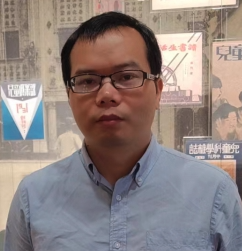 Jianwei Lin (林建伟)合作论文数College of Oceanography and Ecological Science, Shanghai Ocean University12
 Yanhui Zhan (詹艳慧)合作论文数College of Marine Ecology And Environment, Shanghai Ocean University12
 Zhan Qu (曲展)合作论文数School of Frontier Sciences, Nanjing University;Institute of Environment and Health, Nanjing University11
 Chen Yu合作论文数Northeast Normal Univ, Sci & Technol Innovat Ctr Municipal Wastewater Tr, Changchun 130117, Peoples R China11Xiaolong Wu合作论文数10Yuying Zhao合作论文数9
 Mingxin Huo (霍明昕)合作论文数School of Environment, Northeast Normal University9
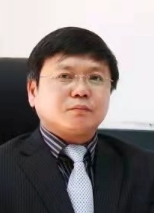 Shufeng Ye (叶树峰)合作论文数Institute of Process Engineering, Chinese Academy of Sciences;University of Chinese Academy of Sciences8
 Jiakuan Yang (杨家宽)合作论文数School of Environmental Science and Engineering, Huazhong University of Science and Technology8
 Xinfeng Xie合作论文数Wood Science and Technology, University of Maine8Siqi He (何思琪)合作论文数7Jiancong Liu合作论文数7zhang leilei合作论文数6Ting Su合作论文数6Ya Liu合作论文数6Ge Dong合作论文数5
 Peng Qian (钱鹏)合作论文数多相复杂系统国家重点实验室5
 Zhi Geng (耿直)合作论文数School of Environment, Northeast Normal University5
 Wei Fan (范伟)合作论文数School of Environment, Northeast Normal University5
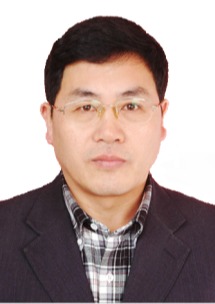 Hongliang Huo (霍洪亮)合作论文数School of Environment, Northeast Normal University5
 Yongliang Wang (王永良)合作论文数State Key Laboratory of Multiphase Complex Systems, Institute of Process Engineering, Chinese Academy of Sciences5Zhe Zhang合作论文数4Tong Sun合作论文数4
 Dandan Zhou (周丹丹)合作论文数School of Environment, Northeast Normal University4
 Hongbin Yu (于洪斌)合作论文数School of Environment, Northeast Normal University4
 Zhibin Zhang (张志斌)合作论文数4Honghua Zhang (张宏华)合作论文数4
 Yunfa Chen (陈运法)合作论文数Institute of Process Engineering, Chinese Academy of Sciences;University of Chinese Academy of Sciences4Yi Wang合作论文数3Guoyan Fu合作论文数3
 Weilu Yang合作论文数3Zhaofeng Wang合作论文数3Xue Lin合作论文数3Zhihua Wang合作论文数3
 Xia Yang (杨霞)合作论文数School of Environment, Northeast Normal University3
 Mingjun Zhu (朱明军)合作论文数School of Biology and Biological Engineering, South China University of Technolegy3Junna Zhu合作论文数2Wenqing Dong合作论文数2
 Lanhe Zhang合作论文数2Xuehui He合作论文数2Ying Chang (常影)合作论文数2Chen Hongyu合作论文数2Yan Yu合作论文数2
 Tianding Hu合作论文数2
 Yidi Gao合作论文数Sch Environm, Northeast Normal Univ2Zhang Yuxin合作论文数2Dongxu Liang合作论文数2




