Although Ni-based catalysts hold promise for replacing the oxygen evolution reaction with the urea oxidation reaction (UOR) in water electrolysis to energy-saving hydrogen production, their activity and long-term stability require further improvement. Herein, we developed a self-supported catalyst composed of lignin-derived carbon (LC) encapsulating a FeNi3/Ni2V2O7 heterojunction (LC@FeNi3/Ni2V2O7) to tackle these challenges. LC@FeNi3/Ni2V2O7 requires low potentials of 1.22 V and 1.39 V at 10 and 1000 mA cm2. According to operando analysis, the UOR follows an indirect mechanism on the LC@FeNi3/Ni2V2O7 surface. This reaction pathway is facilitated by the synergy between the lignin-derived carbon and the heterointerfaces, which promotes the generation of active NiOOH species and enables a lower potential than catalysts without these components. In addition, the self-supporting structure ensures efficient gas-liquid release, while the carbon layer enhances corrosion resistance, allowing it to achieve a current density of 1.5 A cm2 at only 1.84 V under non- membrane electrode assembly conditions, with a potential decay of only 100 mV over 1100 hours, demonstrating its potential for commercial applications. This work presents not only an efficient UOR catalyst but also a novel strategy for engineering lignin-derived carbon materials to achieve industrial-scale urea-assisted water electrolysi
Conventional trial-and-error methods for developing high-performance catalysts are typically time-consuming and inefficient. In this work, we proposed a rapid discovery strategy for graphene-supported single-atom catalysts for nitrate reduction to ammonia by integrating machine learning techniques with first-principles calculations. Three machine learning models based on Gradient Boosting Regression were trained for multi-target property prediction using 704 data points from theoretical simulations. This enabled the identification of 30 promising single-atom catalysts from 431 candidates, among which VN3B1 exhibited particularly outstanding performance with a limiting potential of −0.28 V. The catalytic descriptors constructed via symbolic regression algorithm identify the key physicochemical features, as well as the joint roles of the metal active site and its coordination environment, thereby enabling direct prediction of catalyst performance with high accuracy and strong generalizability. This study not only provided a set of promising catalysts and structural descriptors for nitrate reduction but also introduced a practical methodological framework for accelerating the screening process of advanced electrocatalysts in complex multi-step reactions.
Despite the promise of nickel/cobalt-based catalysts for the urea electro-oxidation reaction (UOR) to replace the oxygen evolution reaction of water electrolysis at the anode for energy-saving hydrogen production, their activity and stability in alkaline electrolytes remain challenging. Here, a lignin-derived carbon (LC) decorating MoNi3-Co3Mo heterostructure (MoNi3-Co3Mo@LC) catalyst with a self-supported architecture is designed to achieve stable and efficient catalysis. In 1.0 M KOH with 0.5 M urea, MoNi3-Co3Mo@LC drives current densities of 10 and 1000 mA cm−2 at lower potentials of 1.26 and 1.37 V, respectively. Besides, operando electrochemical impedance and in-situ Raman spectroscopy reveal that the UOR on MoNi3-Co3Mo@LC proceeds via an indirect oxidation pathway, with dual synergy of lignin-derived carbon and the heterostructure (among MoNi3, Co3Mo, and LC) facilitating rapid the formation of Ni/CoOOH active species. Furthermore, MoNi3-Co3Mo@LC can achieve 120 h stability at 1000 mA cm−2, with a minimal potential decay of only 0.46 mV h−1 and well-preserved morphology, owing to its self-supported structure ensuring rapid gas-liquid transfer and the lignin-derived carbon enhancing corrosion resistance, thereby improving its UOR durability. This work not only reports a high-performance UOR catalyst but also provides a novel strategy for engineering lignin-derived carbon materials to meet industrial operational demands.
Colloidal semiconductor nanoplatelets (NPLs) exhibit exceptional optical properties due to their atomically defined thickness, yet the understanding of their formation pathways remains incomplete. Here, we uncover a sequential growth mechanism for CdSe NPLs by isolating previously hidden intermediates. Using phosphines to slow reaction kinetics, we capture direct evidence that magic-size clusters fuse into nanorods, which then give rise to nanoleaflet-like intermediates that expand laterally and ultimately evolve into fully developed nanoplatelets. We show that free phosphines regulate both dimensionality and monolayer thickness, with high concentrations arresting growth entirely. These findings provide the first identification of nanoleaflets (NLFs) as critical intermediates and establish a mechanistic framework that connects zero-, one-, and two-dimensional species during NPL formation. This work advances a deeper understanding of NPL growth and offers new strategies for rationally designing atomically precise 2D nanomaterials.
High-salinity organic wastewater (HSOW) is a difficult-to-treat type of wastewater due to inhibition of organic contaminants removal by high-concentration inorganic salts, posing a serious risk to the environment. In this work, aqueous redox flow battery desalination technology and heterogeneous Fenton-based advanced oxidation process (AOP) were integrated in a single reactor for HSOW treatment. It enabled simultaneous desalination and organic contaminants removal coupled with salt recovery and energy storage during one cycle. Under electric field environment, carbon nanotubes (CNTs)-modified Prussian blue (PB) as heterogeneous Fenton reagent significantly strengthened organic contaminants removal by facilitating Fe(III)/Fe(II) cycle via electron transfer. It also boosted desalination performance by improving discharge depth via increasing electric conductivity of desalinated HSOW. The constructed zinc|ferricyanide battery system achieves 93.6% removal of 35 g/L NaCl, 99.4% removal of 50 mg/L 2,4-dichlorophenol (2,4-DCP) in 60 min, 99.4% NaCl recovery, and 14.8 Wh/L energy density with energy consumption of only 0.66 Wh/L by tuning current density. It exhibited broad applicability for treating HSOW with diverse organic contaminants. Moreover, typical chlorinated byproducts were not detected due to low equilibrium potential difference of the system (1.26 V vs. Ag/AgCl) that was thermodynamically unfavorable for anodic oxidation of Cl-. This study provides a proof-in-concept demonstration of HSOW treatment coupled with energy storage, making it more efficient, more economic, and more sustainable.
High-risk toxic medical wastewater containing pharmaceutical residues and pathogens is highly toxic to aquatic ecosystems and public health. Herein, we developed a pipeline electrode assembly reactor (PEAR) by embedding a tubular concentric membrane electrode (TCME) into stainless steel pipeline for in-transit electro-detoxification of medical wastewater. The TCME configuration with synergistic alignment of electric field, flow field, and concentration field enhanced mass transfer by providing a uniform and enlarged electroactive interface. Based on a porous titanium suboxide (TiSO) anode and stainless-steel pipeline cathode, simulations and experiments revealed that forced convection reduced the viscous boundary layer by 99.9% to increase the mass transfer coefficient by 5.3-18.3 times (up to 4.8 x 10⁻⁵ m s- 1) and active site density by 42.3% at flow rate of 150 mL min- 1. The intensified interfacial transport facilitated coupled direct electron transfer and radical-mediated oxidation, which achieved efficient degradation of carbamazepine (CBZ; k = 0.19 min- 1) and 5.9-log inactivation of Bacillus anthracis endospores through coat disruption and intracellular oxidation. The PEAR could remove >= 95% COD with low energy consumption (0.4-1.8 kWh m-3) over 30 days of continuous operation, demonstrating excellent stability, scalability and energy efficiency. This study provides an integratable, scalable and chemical-free strategy for in-transit electro-detoxification of high-risk toxic medical wastewater.
The preparation of vanadium electrolytes for vanadium redox flow batteries (VRFBs) remains a critical bottleneck for commercial deployment due to high costs, complex processes, and stability issues. This study presents a systematic comparison of citric acid, lactic acid, and traditional oxalic acid as reducing agents for the ambient-temperature reduction of V2O5 to VO2+. Citric acid demonstrates superior performance with a 99% conversion rate at a 0.6:1 molar ratio, significantly outperforming lactic acid (59%) and oxalic acid (50%). The resulting electrolyte exhibits optimal physicochemical properties: conductivity of 323.5 mS cm–1 and viscosity of 3.16 mm2 s–1, attributed to citric acid's multidentate coordination structure. UV–Vis analysis confirms 98% VO2+ concentration retention over 7 days, far exceeding oxalic acid (77%). Cyclic voltammetry reveals enhanced diffusion coefficients (1.85 × 10⁻⁶ cm2 s–1) and redox activity. In single-cell VRFB tests, the citric acid-based electrolyte achieves 70% energy efficiency and 75.6% capacity retention over 200 cycles, with coulombic efficiency consistently above 90%. Mechanistic studies via Raman spectroscopy demonstrate that citric acid’s three carboxyl and one hydroxyl groups form stable multidentate coordination with VO2+, inhibiting polymerization and precipitation. This work establishes a cost-effective, scalable protocol for high-performance VRFB electrolyte preparation.
Calcium scaling is traditionally regarded as a major impediment to the practical application of decentralized H2O2 electrosynthesis via two-electron oxygen reduction reaction (2e− ORR). Herein, we demonstrate that the calcium scale unexpectedly enhances H2O2 electroproduction. Dissolved Ca2+, rather than precipitated scale, is the dominant factor suppressing H2O2 electrosynthesis. Interfacial enrichment of Ca2+ facilitates water dissociation and proton accessibility, shifting the pathway toward 4e− ORR. To address this challenge, a quaternary ammonium cationic surfactant-modified cathode is developed, demonstrating a 2.3-fold enhancement in H2O2 yield. Theoretical calculations suggest that surfactant modification weakens Ca2+ adsorption and reduces its interfacial accumulation through enhanced electrostatic repulsion. Simultaneously, hydrophobic side-chain grafting decreases proton accessibility by disrupting the interfacial hydrogen-bond network, thereby improving 2e− ORR selectivity. Furthermore, a 3D polyurethane sponge-fenced cathode architecture establishes an alkaline microenvironment via pore confinement, mitigating the Ca2+-enhanced proton accessibility and increasing H2O2 electroproduction by 293.3%. These strategies of interfacial field manipulation and 3D alkaline confinement provide a promising paradigm for designing Ca2+-tolerant cathode for efficient H2O2 electrosynthesis. Calcium scaling is widely considered a major barrier to decentralized H2O2 electrosynthesis. Here, the authors identify dissolved Ca2+ as the key factor limiting H2O2 production and develop calcium tolerant cathodes through interfacial microenvironment engineering for efficient H2O2 production.
Electrochemical two-electron oxygen reduction reaction (2e- ORR) is a green and attractive method for hydrogen peroxide synthesis. However, rapid and efficient development of high-performance catalyst remains a great challenge. Different from traditional trial and error methods, this study employs density functional theory and machine learning method to efficiently screen the promising main-group metal single-atom catalysts (SACs) and systematically investigate the influence of electronegativity of coordination atoms on the adsorption behavior of key intermediates in ORR process. It is found that the K SAC with N/B in the first coordination sphere and Sn SAC with N/C in the first coordination sphere and O in the second coordination sphere exhibit both excellent 2e- ORR activity and selectivity by showing extremely low overpotentials of 0.029 V and 0.064 V, respectively, as well as barrier-free processes from *OOH to H2O2. Bagging displays prominent advantages among seven popular algorithms because of its ensemble strategy. This provides a low-cost approach for designing and screening electrocatalyst candidates, and it will be informative for experimental study in the future to accelerate the development of catalysts for oxygen reduction and other types of reactions.
The electrochemical 2e- oxygen reduction reaction (ORR) offers a promising pathway for on-site hydrogen peroxide (H2O2) production as an alternative to the anthraquinone process. However, challenges remain for low selectivity and a trade-off between selectivity and activity (TOSA). This study develops a novel thermodynamic regulation strategy to improve the selectivity toward 2e- ORR by suppressing competitive 4e- ORR. With the decoupled decisive factors, the selectivity and activity of 2e- ORR can be independently tuned to boost H2O2 production aiming to break the TOSA. Based on density functional theory predictions and experimental validations, a vanadium single atom electrocatalyst with an axially coordinated -NO2 ligand exhibits 98.06% selectivity toward 2e- ORR while the activity approaches the theoretical limit. The H2O2 yield rate reaches up to 7.47 mol gcat-1 h-1 in a neutral electrolyte at 0.30 V vs RHE in a flow cell. Moreover, on-site production and in situ utilization of H2O2 for degrading typical recalcitrant organic pollutants are demonstrated in a dual-cathode electron-Fenton system. Tetracycline and phenol (20 mg L-1) can be degraded with an efficiency up to 100% in 120 min. This study provides a proof-of-concept demonstration of a thermodynamic regulation strategy to promote H2O2 production by addressing low selectivity and TOSA of 2e- ORR, and on-site production and in situ utilization of H2O2 have broader implications in environmental scenarios.
The advancement of high-efficiency transition metal-based hydrogen evolution reaction (HER) electrocatalysts is obstructed by insufficient activity and stability in pH-universal conditions. To address these challenges, an electrocatalyst that couples NiCo-V2O3 heterostructure with lignin-derived carbon (NiCo/V2O3@LC) was prepared via a combined solvothermal and calcination approach. Electrochemical evaluation demonstrates that NiCo/V2O3@LC achieves superb HER performance across a wide pH range, with extremely low overpotentials (η−10/−1000) of 47.2/323.9 (alkaline), 51.6/612.3 (neutral), and 21.1/361.0 mV (acidic). This high activity is attributed to the heterointerfaces that formed among V2O3, NiCo, and lignin-derived carbon. This unique structure beneficially modulates the catalyst’s electronic structure. Meanwhile, the unique carbon-coated structure promotes the exposure of more active sites. Moreover, NiCo/V2O3@LC exhibits excellent durability, sustaining −1000 mA cm−2 for 120 h with negligible potential degradation (alkaline/neutral/acidic: 0.65/0.80/0.71 mV h−1). This improved durability is ascribed to the protective lignin-derived carbon layer, which mitigates metal corrosion and dissolution, and the self-supported structure effectively prevents the agglomeration and detachment of active sites while promoting gas-liquid transport at large current density. This study not only describes a highly efficient pH-universal HER electrocatalyst but also proposes a new approach for the design of biomass-derived carbon/transition metal composite materials, which is applicable to industrial-scale water electrolysis.
Formic acid (FA) is an important value-added product in biomass electrooxidation and an effective liquid fuel and hydrogen carrier. However, achieving its efficient industrial-scale synthesis with durable hydrogen evolution remains challenging. Here, we report a single-phase NiCoN solid-solution metal nitride catalyst, in which atomic-level Co incorporation induces symmetry-breaking Ni-N-Co coordination environments with electronically polarized active sites. This structural modulation drives the interfacial transformation into metal oxy(hydro)xide species and optimizes the adsorption energies of relevant intermediates. These changes accelerate dehydrogenation kinetics and lower the energy barrier for C-C bond cleavage, thereby directing the reaction pathway toward selective stepwise oxidation to FA. The optimal NiCoN catalyst achieves a FA Faradaic efficiency of 97.2% and sustains over 3,600 h of operation at 1 A cm-2 in an anion-exchange membrane (AEM) electrolyzer, representing one of the longest reported lifetimes for a glycerol-assisted coupled system. This work establishes atomic-scale solid-solution engineering as an effective approach to regulate catalytic pathways and long-term interfacial stability for biomass electrochemical conversion.
Abstract The two-electron oxygen reduction reaction (2e– ORR) represents an attractive strategy for hydrogen peroxide (H2O2) electrosynthesis, which has stimulated growing interest in decentralized water treatment. Conventionally, ubiquitous Ca2+ in natural water induces electrochemical scaling, which has been widely regarded as the predominant factor suppressing the 2e– ORR. However, this study reveals unprecedented protective effects of calcium scale on the 2e– ORR, challenging previous perspectives. Calcium scales as alkaline barriers reduce proton availability and prevent parasitic reduction of in situ generated H2O2, thereby enhancing 2e– ORR selectivity. In contrast, theoretical and experimental results prove that accumulated Ca2+ at the electrolyte–cathode interface promotes the reduction of H2O2 by enhancing water dissociation, serving as the main contributor to deterioration in H2O2 electroproduction. The carbon catalysts with a lower oxygen content exhibit superior Ca2+ tolerance. Furthermore, CaCO3 modification strategies are proposed to achieve a remarkable 2- to 6-fold improvement in the H2O2 yield. Testing with natural water confirms the excellent H2O2 electroproduction performance of CaCO3-coated cathodes over a 10-cycle period. These findings offer a novel perspective for understanding the effects of Ca2+ and calcium scale on H2O2 electrosynthesis with potential implications extending to other proton-coupled electrochemical systems.
High-entropy alloys (HEAs) have been widely considered as promising materials to protect the Ferritic/ Martensitic (F/M) steels against the extreme environments in the lead-cooled fast reactors (LFR). Due to the wide diversity of elemental compositions and ratios, the rational design of HEAs with high wear resistance remains a huge challenge. In this work, we employed machine learning (ML) methods to guide the design of HEAs with high wear resistance as the protective coating for the F/M steels. The ML-based models were constructed to predict the phase structure and hardness of HEAs. The constructed SVM and XGBoost models exhibited the best performance in predicting the phase classification and the Vickers hardness of HEAs, respectively. Valence electron concentration (VEC) and Delta Hmix are identified as the most important factors affecting both the phase structures and Vickers hardness of HEAs. With these models, the FeCrVTiMoxSiy HEAs were predicted to exhibit a BCC phase and increasing hardness with the decreased ratio of Mo and Si elements. The following experimental results showed that FeCrVTiMo0.5Si1.5 exhibited optimal wear resistance with Vickers hardness, Young's modulus, H/E, H3/E2, and wear rate of 732.65 HV, 289.6 GPa, 0.0353, 0.0127 GPa, and 8.65 x 10⁻⁷mm3/ (N.m), respectively. Density functional theory (DFT) calculations revealed that decreasing the ratios of Mo and Si elements in FeCrVTiMoxSiy HEAs increases lattice distortion and increases the proportion of covalent bonds to enhance solid-solution strengthening, improving wear resistance. This work presents a paradigm shift in quantifying the relationship between elemental compositions and the properties of HEAs.
The development of efficient oxygen evolution reaction electrocatalysts is crucial for the sustainable conversion of clean energy sources. However, most catalytic materials that mainly adhere to the traditional adsorbate evolution mechanism or the lattice oxygen-mediated mechanism, often struggle to strike a balance between high activity and stability. Herein, we designed VN/C electrocatalyst that followed an unconventional oxide path mechanism. This catalyst triggered direct *O-O* radical coupling, resulting in a V-O-O-V intermediate and effectively bypassing the formation of *OOH species. It demonstrated excellent catalytic performance with low overpotentials of 221 and 280 mV at 10 and 50 mA cm-2, a small Tafel slope of 62.8 mV dec-1, a high Faraday efficiency of 98.6 % and remarkable stability under continuous 50 h operation (at 1.47 V vs. RHE). Furthermore, density functional theory (DFT) calculations and in situ infrared spectroscopy and Raman spectroscopy revealed that *O intermediates can be directly coupled to form *O-O* radical coupling at V sites, thus overcoming the limitations associated with the four-electron transfer steps in OER. This work offers valuable insights and foundation for the development of symmetric dual-site OER catalysts with oxide path mechanism.
Electrocatalytic denitrification (ECDN) for the reduction of NO3- to N2 offers an effective and environmentally benign method for removing nitrogen from wastewater, but challenges remain for poor N2 selectivity. To address this issue, this study reports a dual-iron-site single-atom nanozyme (SAN, FePc@FeNOC) electrocatalyst, resembling the natural cytochrome c-dependent nitric oxide reductase (cNOR). The FePc@FeNOC electrocatalyst exhibits a NO3- removal efficiency as high as 96.1%, accounting for N2 selectivity of 93.3% and Faradaic efficiency of 82.8% at a reaction time of 10 h. The theoretical results reveal that the potential-determining step of ECDN to N2 is more thermodynamically favorable than that to NH3 by FePc@FeNOC, as indicated by the lower free energy barrier for *NO to *N2O2 (0.82 eV) compared with that for *NO to *NOH (0.87 eV). The *N2O2 intermediate demonstrates enhanced charge separation compared with *NOH. The charge redistribution strengthens the electrostatic coupling between FePc@FeNOC and *N2O2, which not only stabilizes the intermediate structure but also creates a thermodynamic driving force for N2 formation. We further demonstrate that the superior N2-selectivity (90%) of FePc@FeNOC can offer a promising electrocatalyst for removing nitrogen from realistic photovoltaic wastewater with a low energy consumption of 9.8 kWh kgN2-1. This work provides a proof-in-concept demonstration of mimicking cNOR toward the sustainable treatment of nitrate-contaminated wastewater.
This study explores the impact of SrTiO3 (STO) chemical substitution on the crystal lattice and piezoelectric properties of BiFeO3–BaTiO3 (BFO-BTO) solid solution. The investigation involves crystal structure analysis based on the X-ray diffraction data and local-scale measurements of the piezoelectric properties using piezoresponse force microscopy. We demonstrated that the substitution by Sr results in the enhancement of the electromechanical response as well as the volume fraction of the polar phase, while the crystal structure remains pseudocubic. The enhancement of the piezoelectric properties is associated with the reduction of the chemical disorder and breaking of the core–shell structure in the grains of the ceramics. This research reveals the intricate interplay between the chemical composition, the crystal structure, and electromechanical properties of the BFO-BTO-STO ceramics, identifying the compositions with potential interest for energy storage applications.
Highly concentrated solutions of asymmetric semiconductor magic-sized clusters (MSCs) of cadmium sulfide, cadmium selenide, and cadmium telluride were directed through a controlled drying meniscus front, resulting in the formation of chiral MSC assemblies. This process aligned their transition dipole moments and produced chiroptic films with exceptionally strong circular dichroism. G-factors reached magnitudes as high as 1.30 for drop-cast films and 1.06 for patterned films, approaching theoretical limits. By controlling the evaporation geometry, various domain shapes and sizes were achieved, with homochiral domains exceeding 6 square millimeters that transition smoothly between left- and right-handed chirality. Our results uncovered fundamental relationships between meniscus deposition processes, the alignment of supramolecular filaments and their MSC constituents, and their connection to emergent chiral properties.
Two-dimensional materials with high atomic utilization and inherent basal activity toward hydrogen evolution reaction (HER) have attracted extensive attention. In this work, we predict that tetragonal CuS has high HER activity, with absolute UGH less than 0.30 eV under hydrogen coverages ranging from 0.25ML to 2ML. Furthermore, FeS, CoS and NiS also exhibit moderate HER activity. We propose a feasible synthesis route via selective removal of K interlayers in KTM2S2 within I4/mmm space group, due to its low exfoliation energy Eexf. To reveal the underlying mechanism, we employ a combination of density functional theory and machine learning to identify a new descriptor rp consisting of S p band center ep, TM d band center ed, and TM electronegativity XTM. Here, ep and ed reflect covalent binding and XTM accounts for electrostatic interaction, different from the classic p band theory. Our results introduce a new family of two-dimensional HER catalysts, tetragonal sulfides, and also provide insight into the fundamental mechanism of basal reactivity, with broad implications for HER.
 Yang Liu (刘杨)合作论文数School of Chemistry and Chemical Engineering, Harbin Institute of Technology27
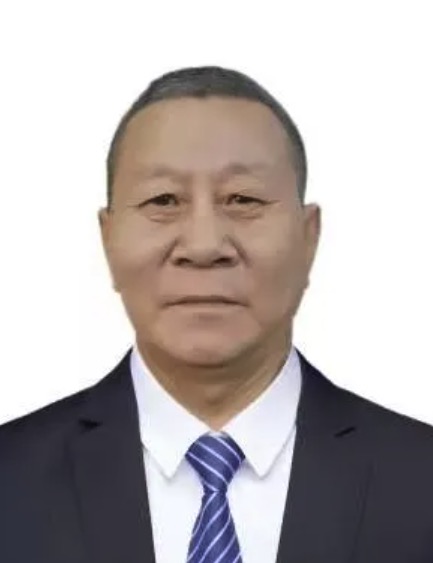 Zesheng Li (李泽生)合作论文数School of Chemistry and Chemical Engineering, Beijing Institute of Technology24
 Songtao Lu (卢松涛)合作论文数Materials Chemistry Department, School of Chemistry and Chemical Engineering, Harbin Institute of Technology16
 Xiaohong Wu (吴晓宏)合作论文数School of Chemistry and Chemical Engineering, Harbin Institute of Technology15
 Wei Qin (秦伟)合作论文数State Key Laboratory of Space Environmental Materials Behavior and Evaluation Technology, School of Materials Science and Engineering, Harbin Institute of Technology15
 Zhou Yi-han合作论文数14
 Weiwei Han (韩葳葳)合作论文数School of Life Sciences, Jilin University13
 A. V. Trukhanov合作论文数12
 Tatsiana Zubar合作论文数Sci Pract Mat Res Ctr, Natl Acad Sci Belarus10Xiaoxiao Li合作论文数10
 D.I. Tishkevich合作论文数Dept Elect Mat Technol, Natl Univ Sci & Technol MISiS9Xiaonan Zheng合作论文数9
 Richard Douglas Robinson合作论文数Materials Science and Engineering, College of Engineering, Cornell University9Sergei Trukhanov合作论文数Joint Institute of Solid State and Semiconductor Physics, National Academy of Sciences of Belarus;Scientific Practical Materials Research Centre, National Academy of Sciences of Belarus9
 Yanbiao Liu (刘艳彪)合作论文数School of Environment Science and Technology, Dalian University of Technology8
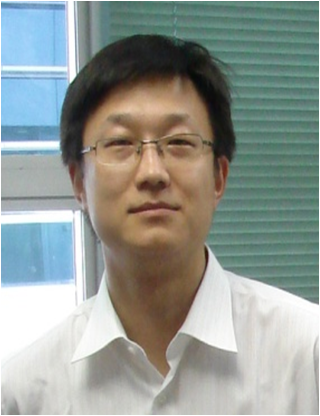 Shijie You (尤世界)合作论文数School of Environment, Harbin Institute of Technology8
 Lei Shi (史雷)合作论文数School of Science, Harbin Institute of Technology, Shenzhen7
 M. I. Sayyed合作论文数Department of Physics, Isra University7
 Quan Luo (罗全)合作论文数School of Life Sciences, Jilin University;State Key Laboratory of Supramolecular Structure and Materials, Jilin University7
 Anastasia Rotkovich合作论文数6
 Yang Li (李杨)合作论文数School of Chemistry and Chemical Engineering, Harbin Institute of Technology6Junjun Liu (刘俊军)合作论文数School of Pharmacy, Tongji Medical College, Huazhong University of Science and Technology6
 M. V. Silibin合作论文数5Yu Yan合作论文数5
 He Zhang (张鹤)合作论文数The School of Finance, Renmin University of China5Caiyun Chang合作论文数4
 Limin Jin (金利民)合作论文数University of Chinese Academy of Sciences;Shanghai Advanced Research Institute, Chinese Academy of Sciences4Zhao Rong合作论文数4
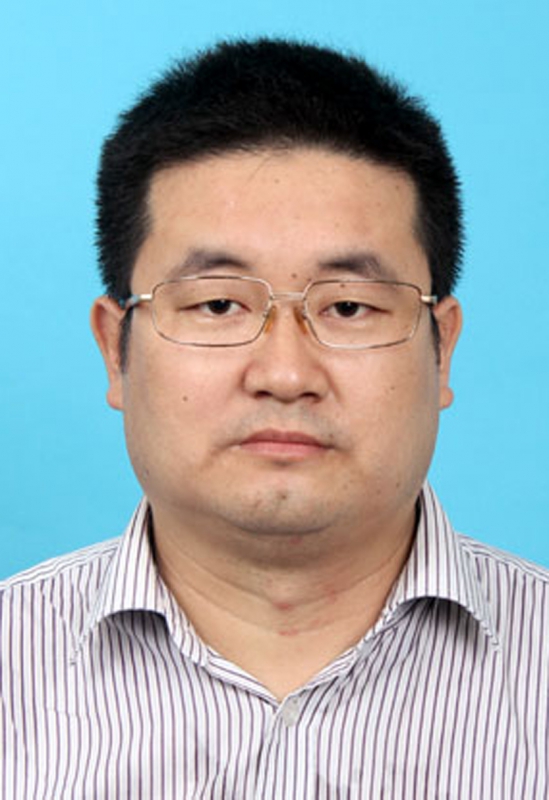 Xin Jia (贾鑫)合作论文数School of Chemistry and Chemical Engineering, Shihezi University4
 Peng Zhang (张鹏)合作论文数School of Materials Science and Engineering, Harbin Institute of Technology, Weihai4
 Zhang Hui合作论文数4Chang Denghu合作论文数4
 Yan Feng (冯雁)合作论文数School of Life Sciences and Biotechnology, Shanghai Jiao Tong University4Anastasia A. Bondaruk合作论文数3Yanyan Liu合作论文数3Shouyuan Lin合作论文数3Weiran Wu合作论文数3Chenxi Liu合作论文数3Bao Guo合作论文数3Ting Shi合作论文数3Xiaotong Li合作论文数3Thomas J Ugras合作论文数3
 Shohei Tada合作论文数Graduate School of Engineering, Hokkaido University3Qiang Li合作论文数3Hao Sun合作论文数Sch Mat & Chem, Univ Shanghai Sci & Technol3T. N. Vershinina合作论文数3Rongrong Li合作论文数3
 Denis Klygach合作论文数3Anuj Bhargava合作论文数Dept Mat Sci & Engn, Cornell Univ3




