OBJECTIVES:Bile acids (BAs), as signaling molecules to regulate metabolism, have received considerable attention. Genipin is an iridoid compound extracted from Fructus Gradeniae, which has been shown to relieve adiposity and metabolic syndrome. Here, we investigated the mechanism of genipin counteracting obesity and its relationship with BAs signals in diet-induced obese (DIO) rats. METHODS:The DIO rats were received intraperitoneal injections of genipin for 10 days. The body weight, visceral fat, lipid metabolism in the liver, thermogenic genes expressions in brown fat, BAs metabolism and signals, and key enzymes for BAs synthesis were determined. KEY FINDINGS:Genipin inhibited fat synthesis and promoted lipolysis in the liver, and upregulated thermogenic gene expressions in brown adipose tissue of DIO rats. Genipin increased bile flow rate and upregulated the expressions of aquaporin 8 and the transporters of BAs in liver. Furthermore, genipin changed BAs composition by promoting alternative pathways and inhibiting classical pathways for BAs synthesis and upregulated the expressions of bile acid receptors synchronously. CONCLUSIONS:These results suggest that genipin ameliorate obesity through BAs-mediated signaling pathways.
Objective:To explore the expression of uncoupling protein 2(UCP2)in human liver tissues and its relationship with aging.Methods:Clinical human liver tissues were selected and divided into fetal group,adult group and elderly group according to ages.The content of malondialdehyde(MDA)and glutathione(GSH),adenosine triphosphate(ATP)were determined from each group.The expression and distribution of UCP2 were studied in liver tissues by immunohistochemistry.Results:MDA of the elderly group was higher than that of the fetal group and the adult group.The GSH content in the elderly group was lower than that in the fetal group and the adult group.The ATP level was lower in the elderly group than that in the fetal group and the adult group.UCP2 protein was expressed more in the liver cells of the elderly group,and was less expressed(or even not expressed)in the liver cells of the fetal group and the adult group.Conclusion:The MDA content increases and the GSH content decreases in the liver tissue of the elderly,suggesting the increased level of reactive oxygen species(ROS)in the liver tissue of the elderly results in the increased expression of UCP2.UCP2 plays an important role in the process of the damage and aging in liver cells.
目的 探讨不同月龄胎儿肝脏组织中丙二醛(malondialdehyde,MDA)、谷胱甘肽(glutathione,GSH)和三磷酸腺苷(adenosine triphosphate,ATP)含量的变化趋势.方法 选取临床4~10个月月龄的胎儿肝脏组织,分别测定MDA、GSH、和ATP的含量.结果?7月龄的胎儿肝脏组织中MDA含量最低、GSH含量最高、ATP含量最高.结论?7月龄的胎儿肝脏组织的代谢水平较高(较旺盛),抗氧化能力较强.
OBJECTIVETo investigate the effects of genipin on promoting brown adipose tissue activation and white adipose tissue browning.METHODSThe male C57BL/6J mice were divided into three groups: normal control group, genipin group and cold-stimulus group.Genipin group were treated consecutively with genipin at a dose of 15 mg/kg once a day for 9 days, normal control group were treated with the saline.The mice with cold-stimulus were exposed to 4℃ environment for 5 days.Daily food amount and body weight were measured.Morphological changes were observed in the subscapular region, inguinal region and epididymis around the adipose tissue.The expression of uncoupling protein 1 (UCP1) was determined by real-time PCR and Western blot respectively.RESULTSThe wet weight of white fat in genipin-treated mice was decreased by 16% , and 28% in that of cold-stimulus mice, compared with the normal control group (P<0.05).After treatments of genipin and cold-stimulus, the color of white adipose tissues was darker, and the size of lipid droplets in adipocytes was smaller, whereas the number was increased.Compared with the normal control group, UCP1 expression was increased obviously in fat tissues, including the subcutaneous and visceral white adipose tissues, and brown adipose tissue after treated with genipin and cold-stimulus (P<0.05).CONCLUSIONGenipin promoted activation of brown adipose tissue and browning of white adipose tissue by upregulating UCP1 expression, which could contribute to the loss of body weight against obesity.
SPOC是在MOOC的基础上派生的、主要针对小规模特定人群的一种混合式学习模式,能充分发挥实体校园和在线学习的优势.实践教学表明,基础医学实验教学中采用SPOC学习模式更有利于保证医学生的学习效果,加强学生的自主学习能力和实践技能.文章以生理学实验为例,介绍了SPOC在实验教学中实施的具体内容、实施办法及推广价值,以期为基础医学实验教学改革提供借鉴.
Genipin is the major active component of Gardeniae fructus and has been shown to ameliorate diabetes and insulin resistance in rat models. In this study, we first investigated the effect of genipin on obesity and the related lipid metabolism mechanisms in diet-induced obese rats. Our results showed that genipin reduced body weight, food intake, and visceral fat mass; ameliorated dyslipidemia, glucose intolerance, insulin intolerance, adipocyte hypertrophy, and hepatic steatosis; and reduced serum tumor necrosis factor- level in diet-induced obese rats. Quantitative real-time reverse-transcription polymerase chain reaction results further illustrated that genipin promoted lipolysis and -oxidation of fatty acid by upregulating gene expressions of hormone-sensitive lipase and adipose triglyceride lipase in white adipose tissue (WAT) and peroxisome proliferator-activated receptor- and carnitine palmitoyltransferase 1 in hepatic tissue. Moreover, genipin promoted browning of WAT by upregulating the mRNA and protein levels of uncoupling protein 1 and PRD1-BF1-RIZ1 homologous domain containing 16 in WAT. Additionally, genipin inhibited gene expressions of activin receptor-like kinase 7, tumor necrosis factor-, and interlukin-6 in WAT. These results indicated that genipin had a potential therapeutic role in obesity, in which regulation of lipid mobilization and browning of WAT were involved.
探讨创新课程在卓越医生教育培养计划教学改革中的研究与实践意义.建立包含创新课程的适合卓越医生教育培养计划的课程体系、考核办法、质量保障,并进行创新课程改革的实践.教学实践表明,在人才培养的课程体系中增加创新课程是切实可行和必要的.该文总结了设立创新课程理论与实验的教学工作经验,以期为进一步完善五年制临床医学人才培养模式奠定基础.
In order to make all the students have opportunities to participate in innovative practice ,stimulate students' interest in research ,and cultivate students' innovative consciousness and scientific thinking ,a new innovative curriculum is established in "Excellent doctor training program" teaching system of the five-year clinical medical specialty ,in which teaching objectives ,teaching contents ,implementation plan ,evaluation methods , teacher team construction , management mechanism , security system , and evaluation of the implementation effect are determined . After three years of practice , the innovative courses create the conditions for the development of students' personality and innovative ability .
In order to carry out the training objectives of " excellent doctor education and training program" and to implement the teaching model of " preclinic medical education and the vertical organ-system oriented integrated curriculum",in the preclinic medical learning period,Basic Medical School of Dalian Medical University has constructed a progressive and continuous improved preclinic medical experimental teaching system characterized in "system,comprehension,design and creation" for clinical medical students of five-year system of clinicál medicine specialty.The medical practice ability and preliminary clinical diagnostic thinking ability of medical students can be developed by the path of the basic and comprehensive experiments.The students' innovative thinking and scientific research ability can be cultivated gradually through the course of innovation which is included in the teaching plan as a limiting election one.After nine semesters of exploration and practice,the results indicate that this new developing experimental teaching model is helpful for medical students to train their ability in preclinic medical knowledge and skills,comprehensive analysis,and innovation,and suits the need of five-year clinical medical talent training model from "excellent doctor education and training program".And the results may lay the foundation to explore and establish an ‘ 5 + 3 ’ clinical medical talent training model,deepen the clinical medicine education reform of seven-year-system,and cultivate tiptop innovative medical talents.
为了推进国家级基础医学实验教学示范中心的建设,培养学生实践能力和创新能力,建立了国家级基础医学实验教学中心网站平台,创建了申报材料、中心介绍、规章制度、仪器设备、教学计划、实验项目、教学资源、教学研究和开放交流9个专栏。同时开发了基础医学4A 网络教学平台,促进了实验教学信息化建设和国家级实验教学示范中心建设经验的推广与深化,起到了国家级实验教学示范中心的示范、辐射作用。
阐述了大连医科大学基础医学实验教学中心创建国家级实验教学示范中心的建设实践,介绍了在管理与运行机制、仪器设备配置与实验教学平台建设、教学理念与教改思路、实验课程特色等几方面的改革创新成果,提出了目标规划和展望.
AD is a common neurodegenerative disease characterized by aggregated amyloid-beta (Aβ) peptide, and oxidative stress, while uncoupling protein 2 (UCP2) is a member of the anion carrier family, predicted the existence of a protein-regulated proton leak with the main purpose of controlling mitochondrial oxidative stress, reduce the generation of superoxide anion. we use the primary hippocampal neurons and add the different doses of Aβ1-40, then observe the change of UCP2 at different concentrations of Aβ, activity of LDH and the content of NO. Our results provide novel insight that UCP2 may protect hippocampal neurons exposed to amyloid β protein through decreasing ROS production. 20μmol/L Aβ1-40 significantly increased the activity of LDH and the content of NO. According to the correlation analysis, NO was significantly correlation with LDH, and UCP2 was significantly correlation with NO. These results suggest the potential of UCP2 as a therapeutic candidate for treating neurodegenerative diseases such as AD.
解偶联蛋白(uncoupling protein,UCP)是线粒体内膜上的质子转运蛋白,被激活时能引发质子漏,质子经UCP渗漏回基质,使氧化磷酸化部分解耦联,降低线粒体膜电位,减少过量活性氧的产生.另外,UCP对ATP合成、钙离子稳态、能量代谢等也有调节作用.阿尔茨海默病是一种中枢神经系统退行性疾病,由多种因素共同作用引起,其中活性氧的作用越来越引起重视.UCP,特别是UCP2在中枢神经系统疾病方面的保护作用日益引起关注,有望成为阿尔茨海默病治疗的靶向目标.
我校留学生教育经过几年的快速发展,通过建立和完善教学质量保障监控体系;广泛吸纳国际优质教育资源;有针对性地开展教学改革和教研活动并取得成功的经验;创建了“全国来华留学教育示范基地”,推动来华留学生教育事业的科学、可持续发展.
Liver steatosis is characterized by lipid dysregulation and fat accumulation in the liver and can lead to oxidative stress in liver. Since proanthocyanidins are present in plant-based foods and have powerful antioxidant properties, we investigated whether proanthocyanidins can prevent oxidative stress and subsequent liver injury. Carbon tetrachloride (CCl4) treatment can cause steatosis in rats that models both alcoholic and non-alcoholic fatty liver disease in humans. We pre-treated rats by oral administration of proanthocyanidins extracted from grape seeds 7 days prior to intragastrically administering CCl4. Proanthocyanidin treatment continued for an additional 2 weeks, after which time liver and serum were harvested, and mediators of liver injury, oxidative stress, and histological features were evaluated. CCl4-treated rats exhibited significant increases in the following parameters as compared to non-treated rats: fat droplets in the liver, liver injury (ALT, AST), and DNA damage (8-OHdG). Additionally, CCl4 treatment decreased antioxidant enzymes SOD, GSH, GPX, and CAT in the liver due to their rapid depletion after battling against oxidative stress. Compared to CCl4-treated rats, treatment with proanthocyanidins effectively suppressed lipid accumulation, liver injury, DNA damage, as well as restored antioxidant enzyme levels. Further investigation revealed that proanthocyanidins treatment also inhibited expression of CYP2E1 in liver, which prevented the initial step of generating free radicals from CCl4. The data presented here show that treatment with orally administered proanthocyanidins prevented liver injury in the CCl4-induced steatosis model, likely through exerting antioxidant actions to suppress oxidative stress and inhibiting the free radical-generating CYP2E1 enzyme.
Objective: Green tea polyphenols (GTPs) are now being considered possible protective agents in neurodegenerative diseases such as Alzheimer's disease (AD). Previous studies suggested that GTPs could inhibit amyloid fibril formation and protect neurons from toxicity induced by P-amyloid. However, whether GTPs can ameliorate learning and memory impairments and also reduce tau hyperphosphorylation induced by okadaic acid (OA) in rats remains unclear. The aim of this study was to determine if GTPs have neuroprotection against OA-induced neurotoxicity.Methods: In this work, rats were pretreated with GTPs by intragastric administration for 4 wk. Then OA was microinjected into the right dorsal hippocampus. Morris water maze tests were used to test the ethologic changes in all groups, and tau protein hyperphosphorylation was detected both in vivo and in vitro.Results: The ethologic test indicated that the staying time and swimming distance in the target quadrant were significantly decreased after OA treatment, whereas rats pretreated with GTPs stayed longer in the target quadrant. Methyl thiazolyl tetrazolium assay and lactate dehydrogenase leakage showed that GTPs greatly ameliorated primary hippocampal neurons damage induced by OA. Furthermore, reduced hyperphosphorylated tau protein was detected with GTPs pretreatment.Conclusion: Taken together, our results suggest that GTPs have neuroprotection against OA-induced neurotoxicity. (C) 2014 Elsevier Inc. All rights reserved.
 DeZheng Gong (宫德正)合作论文数41Lili Guan合作论文数28Liang Zhu (朱亮)合作论文数18YunHong Wu (吴云红)合作论文数15SUN Yi-ping合作论文数14Bo Yuan合作论文数13Qiong Wu合作论文数13Jingzhou Mu合作论文数6XiangShang Hu (胡祥上)合作论文数6AiPing Li (李爱萍)合作论文数6Deqin Yu (于德钦)合作论文数6HongYing Zhang (张宏颖)合作论文数5DongMei Wang (王冬梅)合作论文数5Chen Qiu-Yu合作论文数5Nan Tian (田楠)合作论文数5Ziqi Zhao合作论文数4Shuhao Zhang合作论文数4Jing Xu (徐静)合作论文数4
 Yuguang Du (杜昱光)合作论文数Institute of Process Engineering, Chinese Academy of Sciences4Min Huang (黄敏)合作论文数大连医科大学4
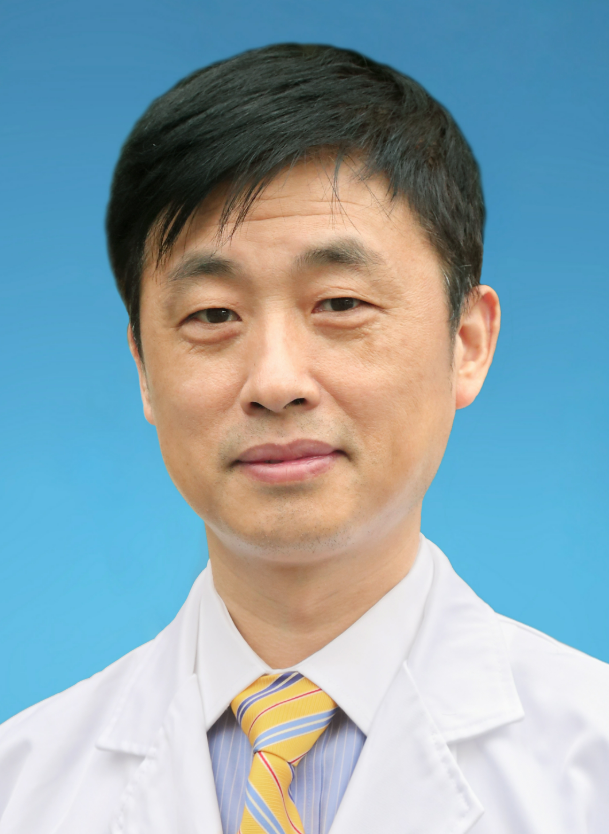 Yousheng Li (李幼生)合作论文数Shanghai Ninth People's Hospital, School of Medicine, Shanghai Jiao Tong University;Nanjing University;People's Liberation Army Second Military Medical University4
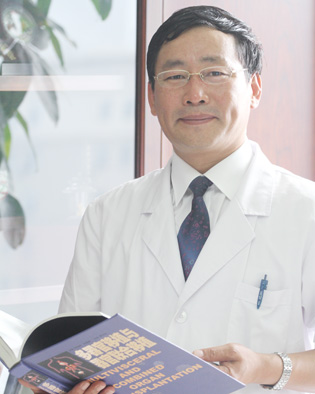 Liming Wang (王立明)合作论文数The Second Hospital of Dalian Medical University4Yuanhang Wu (邬远航)合作论文数3Shuhang Gao合作论文数3Shuzhuang Li合作论文数3Mei Yang合作论文数3Liu Zhong合作论文数2Mao-Hua Mei合作论文数2Nana Shen (申娜娜)合作论文数2Qijing Wang合作论文数2Bo Yaun合作论文数2Wei Sun合作论文数2Wang Jun合作论文数2Siwen Luo合作论文数2Mu-Gen Dai (戴木根)合作论文数2Jihong Han (韩记红)合作论文数2minghui lun (伦明辉)合作论文数2Jianguo Jiang (蒋建国)合作论文数2WANG Hui-fang (王慧芳)合作论文数2Ning Dai合作论文数2Yufei Zhao合作论文数2Binhao Wang合作论文数2haiguang liu (刘海光)合作论文数2dan du (杜丹)合作论文数2guo zhang (张果)合作论文数2ShuFang Dai (戴淑芳)合作论文数2




