Organoids are capable of recapitulating complex cellular structures and functions, making them valuable tools for drug evaluation, while their use in vitro differentiation of organoids for identifying drug candidates aimed at treating hearing and balance dysfunction remains relatively underexplored. In this study, we present the directed self-organization of human induced pluripotent stem cells within the barium titanate-doped GelMA hydrogel, which promotes the differentiation of inner ear organoids (IEOs) featuring highly differentiated auditory neurons. The hydrogel acting as a sustained source of piezoelectric potential could generate electrical stimulation upon exposure to ultrasonics, thereby facilitating the rapid differentiation and maturation of auditory neurons within IEOs. The bioengineered IEOs form multiple otic-vesicle-like structures and further develop into functional hair cells and sensory neurons. Furthermore, we explored the potential of this model for drug testing, demonstrating that resveratrol effectively mitigates cisplatin-induced toxicity in hair cells and sensory neurons within IEOs. Our electrical stimulation-based approach provides a promising platform for constructing more reliable and functional IEOs, which could serve as an innovative drug screening system for the prevention of cisplatin-induced ototoxicity and neuropathy.
Mesenchymal stem cells (MSCs) hold significant potential for bone healing. Current efforts focus on enhancing stem cell viability and differentiation potential to improve therapeutic outcomes. Here, we transfected bone MSCs (BMSCs) with RUNX2 plasmid nanoparticles (BMSCspRUNX2) and encapsulated them into gelatin methacryloyl (GelMA) hydrogel microcarriers (BRGMs) for bone regeneration. As the BRGMs were generated from microfluidics, they possess uniform sizes and good injectability to fit the complex shapes of clinical bone defects. In addition, they can maintain the high cell viability and further osteogenic induction capacity of loaded engineered BMSCspRUNX2. Moreover, enhanced osteogenic differentiation of them in vitro was also proved by the detection of osteogenic differentiation genes and proteins expression, staining of alkaline phosphatase, and alizarin red. Based on these features, we have demonstrated satisfactory bone regeneration in situ when the BRGMs were added into 5 mm full-thickness rat calvarial defects for 8 weeks. Therefore, we believed that the proposed microfluidic encapsulation of genetically engineered BMSCs platform is a promising candidate for bone defect healing.
Biomaterial scaffolds hold great potential for addressing tumor recurrence and tissue defects following surgical tumor resection; however, personalized therapy remains a critical barrier to their clinical translation. To address this issue, we developed an autologous tumor cell-integrated microporous annealed particle (MAP) scaffold co-delivering an immune adjuvant and an indoleamine 2,3-dioxygenase 1 (IDO1) inhibitor for tumor postoperative therapy. This scaffold was fabricated using microfluidic electrospray combined with step-by-step crosslinking technology. The injectable microspheres, prior to annealing, can be directly delivered into the defect site and conform to its shape upon crosslinking, forming a stabilized, porous structure. Featuring interconnected pores that facilitate cell infiltration and proliferation, the scaffold demonstrated effective tissue repair in mice subjected to full-thickness skin excision. Within the scaffold, cryo-inactivated tumor cells and the immune adjuvant recruit and activate dendritic cells (DCs) in situ, stimulating a robust antitumor immune response. This response is further amplified by the IDO1 inhibitor, which reverses immunosuppression by inhibiting regulatory T cells (Tregs). Consequently, the scaffold exhibited remarkable anti-recurrence efficacy and prolonged survival in a melanoma mouse model. These properties highlight the significant potential of our personalized microporous hydrogel particle scaffold for efficient postoperative antitumor therapy and tissue regeneration. STATEMENT OF SIGNIFICANCE: Tumor recurrence and tissue defects represent significant challenges following surgical tumor removal in cancer patients. Meanwhile, a critical barrier to the clinical translation of postoperative biomaterial scaffolds is the lack of personalization for both antitumor therapy and tissue reconstruction. Here, we developed a personalized microporous annealed particle (MAP) scaffold that integrates autologous tumor cells, immune adjuvant, and IDO1 inhibitor to simultaneously address tumor recurrence and tissue defects. Personalized antitumor therapy is achieved by the injectable MAP scaffold through a tumor vaccine formed from autologous tumor-derived cells within the scaffold, eliciting tumor-specific T-cell responses that are further amplified by reversing the local immunosuppressive microenvironment. Personalized tissue repair is also enabled by such scaffold, which conforms to irregular wound shapes and supports cell infiltration. This work establishes a paradigm that unifies personalized immunotherapy with personalized tissue repair, offering substantial promise for postsurgical cancer therapy.
Current therapies of inflammatory bowel disease (IBD) predominantly target single inflammatory pathways and often fail to resolve oxidative stress or restore mucosal homeostasis, resulting in suboptimal clinical outcomes. Here, we report a biomimetic nano-biohybrid platform that integrates multifunctional nanozymes with probiotic-derived extracellular vesicles for synergistic treatment of IBD. In this system, a Cu/Zn bimetallic nanozyme with superoxide dismutase- and catalase-mimetic activities is engineered to achieve efficient reactive oxygen species (ROS) scavenging, while extracellular vesicles derived from Faecalibacterium prausnitzii provide intrinsic intestinal targeting, mucus penetration capability, and immunomodulatory bioactivity. Thus, in a colitis model, the hybrid system markedly alleviates disease severity, as evidenced by improved body weight recovery, reduced disease activity index (DAI), and restoration of colon length. In addition, this treatment significantly suppresses ROS accumulation, downregulates pro-inflammatory cytokines, and promotes epithelial barrier repair by upregulating tight junction proteins. These results indicated that our work establishes a multifunctional therapeutic strategy that integrates nanocatalytic ROS regulation with microbiota-derived biological signaling, providing a promising platform for precision intervention in IBD and other inflammation-associated diseases.
Stem cell-derived therapeutics show strong potential to recalibrate diabetic wound immunity, yet their stability, retention, and practical usability remain major barriers to effective application. Here, we report a novel microcarrier platform loaded with thymosin β4 (Tβ4)-overexpressing stem cell-derived exosomes for a sprayable diabetic wound dressing. Adipose-derived stem cells (ADSCs) were genetically engineered to overexpress Tβ4, generating potent immunoregulatory exosomes that were efficiently encapsulated into uniform, micron-scale hydrogel microcarriers via microfluidic fabrication and further functionalized with a mesoporous polydopamine (mPDA) coating to enhance wet adhesion and tissue retention. The resulting EXOsTβ4/mPDA@MS system stabilizes the exosome payload and enables convenient spray-based wound administration. These microcarriers provide sustained, localized exosome release, significantly enhance macrophage efferocytosis, suppress inflammatory signaling, and accelerate wound repair in diabetic models. Thus, our engineered, sprayable, and adhesive microcarrier platform offers a stable, minimally invasive, and clinically adaptable strategy for advancing stem cell-derived exosome therapies in chronic diabetic wound repair.
Numerous herbal medicines have demonstrated significant therapeutic efficacy in the treatment of intestinal disorders, while it remains a formidable challenge to achieve sustained and effective delivery of multiple agents to the intestinal tract. Herein, we proposed novel Liujunzi decoction (LJZD)-loaded hydrogel microcapsules by using microfluidic electrospray for efficient treatment of inflammatory bowel disease (IBD). Through the microfluidic technology, Chinese medicine LJZD was encapsulated by a biodegradable alginate shell, ensuring the preservation of bioactive components and enabling their targeted, sustained release. Besides, as these microcapsules were wrapped with polydopamine, they are imparted with enhanced adsorption to the lesion site, thus enhancing the retention time for efficient drug release. Drawing on these characteristics, we have confirmed that the core-shell LJZD microcapsule delivery system exhibited efficient anti-inflammatory effects in a mouse model of IBD, exhibiting great potential for clinical treatment of intestinal diseases.
Flexible electronics have demonstrated significant potentials for medical and wearable applications, but achieving reliable adhesion to dynamic surfaces, such as skin and joints, remains a major challenge. While microneedles have been proposed as a solution to overcome this issue, conventional vertical designs struggle to maintain effective adhesion during daily use. Here, inspired by the serrated spines of the praying mantis forelegs, which interlock with prey through angled barbs, we developed microneedles made from poly-lactide-co-trimethylene carbonate (PLATMC), a thermal-responsive shape-memory polymer. These microneedles undergo temperature-triggered deformation, transitioning from vertical to barbed configurations at body temperature (37 °C), thereby creating mechanical interlocking with tissue for enhanced adhesion. Integration with LM circuits embedded in polydimethylsiloxane (PDMS) substrates ensures stable electrical conductivity under extreme deformation, hence enabling functionality in dynamic environments. The system's mechanical performance and biocompatibility were thoroughly assessed, demonstrating that the shape-memory microneedles significantly enhanced adhesion strength compared to conventional vertical microneedles, while maintaining excellent biocompatibility. Real-world testing on human joints validated the system’s robustness, demonstrating precise motion sensing and potential for continuous physiological monitoring. This bio-inspired platform, termed Liquid Metal-integrated Shape-Memory Microneedle Electric Skins (LM-SMM-e-Skins), holds promise for applications in personalized healthcare, rehabilitation tracking, and advanced human-machine interfaces.
Bioengineered scaffolds have demonstrated significant potential in enhancing wound healing; while there remains ample room for improvement in mitigating localized hypoxia and preventing infections at wound sites. Here, we introduce a microfluidic in situ 3D bioprinted autotrophic photosynthetic scaffold for promoting the healing of infected wounds. The scaffold incorporates oxygen-producing microalgae (MA) along with its essential nutrients (agarose and sodium bicarbonate). Its exterior is coated with a photothermal material, forming a core-shell structured scaffold capable of autonomously cultivating microalgae while exhibiting excellent oxygen-producing activity and photothermal performance. By employing 3D bioprinting to apply this living autotrophic scaffold to infected wounds, we have achieved effective alleviation of local hypoxia, reduction of oxidative stress, and concurrent inhibition of bacterial infections. These combined effects significantly promoted neoangiogenesis, collagen accumulation, and tissue regeneration in infected wounds. Thus, our autotrophic photosynthetic 3D-bioprinting scaffolds hold substantial potential and value for clinical applications in wound healing.
RNA therapeutics have shown considerable promise in the treatment of various neurological disorders, while their effective delivery across the blood-brain barrier (BBB) and modulation of multiple microRNA pathological targets remains critical challenges. In this study, we developed a dual-engineered extracellular vesicle (EV) system for the target delivery of multiple microRNA inhibitors (anti-miRs) to the brain to treat diabetes-induced cognitive impairment. The engineered EVs were efficiently loaded with a panel of therapeutic anti-miRs and demonstrated effective synaptic recovery in primary neurons under synapse-losing conditions. In vivo, the system showed enhanced brain accumulation after intravenous injection. Furthermore, in a diabetic mouse model, treatment with this system significantly restored brain-derived neurotrophic factor (BDNF) and synaptic markers levels, leading to marked improvement in cognitive deficits. These findings underscore the potential of this EV-based platform as a brain-targeted strategy for microRNA-based therapeutics in neurodegenerative and metabolic central nervous system disorders.
Structural confinement is a decisive yet poorly quantified regulator of polymorphic pathways in crystalline/crystalline polymer blends. Here, we show that the precrystallized polypropylene (PP) framework acts as a remote structural regulator that governs the solid-solid transformation of polybutene-1 (PB) from metastable form II to stable form I in PB/PP (80/20) blends. By stepwise isothermal crystallization, PP spherulite size (d av,PP) is tuned to modulate the PP framework geometry and the associated PB-rich interstitial environment. Small PP spherulites (d av,PP <= 60 mu m) primarily promote PB form II nucleation, whereas large PP spherulites (d av,PP >= 138 mu m) correspond to a more restrictive PP framework environment that suppresses PB chain diffusion and lamellar growth, leading to reduced PB-II crystallinity and less efficient supramolecular packing. Strikingly, such a regulator-induced frustrated state markedly accelerates the form II-I transformation, decreasing the transformation half-time from 5.8 h (neat PB) to 3.1 h (PB/PP blend with d av,PP = 138 mu m). The acceleration is attributed to two synergistic effects, including amplified internal-stress accumulation within constrained PB form II lamellae and mitigated interfacial crowding that accommodates the densification-associated lateral shrinkage during transformation. These findings establish a direct mechanism link between high-melting-temperature component morphology and low-melting-temperature component polymorphic kinetics, offering a general strategy to direct phase transformation using pre-existing rigid crystalline frameworks in multicomponent polymer systems.
Hair follicle organoids (HFOs) have demonstrated revolutionary regenerative potential in hair follicle regeneration, while their high-throughput production, uniform morphology, excellent hair growth potential, and simple and efficient intradermal transplantation are still challenges. In this paper, we present novel hair follicle seedling cryomicroneedles to achieve bionic hair regeneration by using a hierarchical microfluidic organoid-on-a-chip. Our integrated chip features a fluidic channel module and a hierarchical microneedle template module, enabling microflow-guided uniform cell distribution into needle-shaped microwells to form HFOs. Cryopreservation agents (CPA)-containing pregel solutions are injected to encapsulate HFOs following UV gelation, and the final HFO-loaded cryomicroneedle (cryoMN@HFO) is obtained after freezing and demolding. We have demonstrated that the cryoMNs@HFOs could preserve homogeneous HFO morphology, favorable viability, and excellent hair growth potential. Besides, the cryoMN@HFOs possess good skin penetration ability and biosafety, enabling rapid transplantation of HFOs into the dermis. Thus, after intradermal transplantation in animal experiments, the delivered organoids develop into fully functional hair follicles with mature structures in vivo. Based on these advantages, we believe that this technology holds promise for human hair follicle reconstruction.
Postoperative melanoma recurrence and metastasis, along with large surgical skin defects, remain major clinical challenges. Here, we present a spatiotemporally adaptive hydrogel scaffold that integrates photothermal immunotherapy with tissue regeneration for comprehensive postoperative melanoma management. Porous manganese silicate (MS) nanospheres loaded with the immunoadjuvant imiquimod (IMQ) were incorporated into hydrogel fibrous (HF) scaffolds via one-step microfluidic printing to construct the IMQ@MS-HF scaffolds. Under near-infrared (NIR) irradiation, the scaffold generates localized hyperthermia to eradicate residual tumor cells while simultaneously inducing the photothermal release of Mn ions and IMQ, thereby activating systemic antitumor immunity and effectively suppressing tumor recurrence and metastasis in postoperative melanoma models. Simultaneously, the MS-containing scaffold exhibits intrinsic tissue-regenerative activity, promoting epidermal regeneration, collagen deposition, and tissue maturation in chronic wound models. These results reveal that the scaffold spatiotemporally orchestrates tumor ablation, immune activation, and tissue repair. This dynamically adaptive platform offers a clinically translatable approach for postoperative melanoma therapy by simultaneously enabling tumor control and tissue regeneration within one multifunctional scaffold.
Synergy therapy of Chinese herbs is an effective strategy for wound repair and its further development focuses on the chronological release of specific herbs with healing proceeding. Herein, we report a novel asiatic acid/baicalein nanocarrier integrated microcapsule with spatiotemporal release feature from microfluidic electrospray for wound healing. Benefiting from advantages of both nanocarrier formulation and integration capacity of microfluidic electrospray, synthesized baicalein-tannic acid nanoparticles are integrated into the shell of microcapsule while fabricated asiatic acid liposomes are located at the core region. This design enables chronological release: baicalein is first released to kill bacteria, followed by releasing asiatic acid liposomes to enhance cell migration and granulation tissue formation. In vitro tests confirm the excellent biocompatibility, antibacterial and pro-migration property of microcapsules. The results from in vivo wound healing studies showed the outcomes of reduced inflammation and accelerated wound closure in microcapsules-treated wounds. Therefore, it is believed that this herbal microcapsule with spatiotemporal and hierarchical release of baicalein and asiatic acid is an effective therapeutic platform for clinical wound treatment.
The most common form of hair loss, androgenetic alopecia (AGA), is characterized by progressive follicular shrinkage. Current research efforts are focused on developing novel therapeutic techniques that exhibit better efficacy and safety profiles. In response to this challenge, biomedical technology has emerged as a multidisciplinary field and offered marked advantages in overcoming skin barriers, enabling controlled drug release, and modulating the perifollicular microenvironment. This review provides a comprehensive overview of advanced biomedical technologies for AGA treatment. We first outline the pathogenesis and introduce some conventional therapies. We then delve into the advantages and practical applications of emerging biomedical technologies, including novel pharmacological formulations, nanotechnology, stem cell-based approaches, and microneedle platforms. Subsequently, our focus shifts to the analysis of current therapeutic strategies in addressing core pathogenic factors through the latest and representative case studies. The review concludes by highlighting major challenges and future directions of these biomedical technology-based approaches, aiming to provide insights for the rational design of next-generation AGA therapies.
Cellular mechanics play significant roles in biological processes from cellular level to tissue level. Great efforts have been committed to developing simple and reliable mechanical sensing strategies. Here, we present the concept of cellular mechanics displaying on visual structural color hydrogel microcolumn arrays. The microcolumn arrays were fabricated by using colloidal crystal pregel to hierarchically replicate microwell array templates. With the cultivation of beating cardiomyocytes, the microcolumn arrays could occur synchronous and reversible deformations, accompanied with visible structural color changes and reflection peak shifts for cellular mechanics displaying. Benefitting from this principle, together with the similar dimension with cells, the structural color microcolumn arrays could self-report the contraction force of cardiomyocytes at single-cell level. Based on these features, we have established a myocardial hypertrophy model in microfluidic systems and verify the value of the structural color hydrogel microcolumn arrays in monitoring the mechanical behaviors of cardiomyocytes under pathological conditions. Thus, we believe that the proposed structural color hydrogel microcolumn arrays and their integrated chips are suitable for evaluating clinical diseases of aberrant cellular force and even providing possible therapeutic targets.
Hydrogel-based wound dressings integrated with bioactive components have emerged as a promising therapeutic strategy in skin regenerative medicine. Current research priorities focus on improving the biocompatibility and structural performance of these patches to achieve safer and more efficient wound repair outcomes. In this study, a hierarchical plant-derived traditional Chinese medicine (TCM) delivery system using gelatinized starch and natural TCM ingredients was developed. The patch was successfully fabricated by embedding salidroside (SAL)-loaded dandelion pollen into a kudzu starch-astragalus polysaccharide (APS) hydrogel matrix. During the application of the patch, the SAL-APS-Gel patch rapidly degrades in the wound, releasing APS to exert antimicrobial effects. Meanwhile, the embedded pollen is exposed to the wound microenvironment and gradually delivers SAL for sustained reactive oxygen species scavenging and anti-inflammatory effects, thus achieving programmed and long-term therapeutic outcomes. Leveraging these advantages, in vivo experiments confirmed that the patch achieved remarkable results in early-stage antimicrobial activity and subsequent tissue remodeling. This hierarchical plant-derived TCM delivery patch is anticipated to serve as a new strategy for future clinical wound management.
Oral ulceration is a common oral mucosal disease that severely affects patients’ quality of life. This mainly results from its persistent destruction of the epithelium and subsequent infection. Here, inspired by geckos, we proposed an edible adhesive Chinese medicine patch for the treatment of oral ulcers. Okra gel has excellent wet adhesion properties, and it is carefully designed as a biomimetic microarray structure to ensure strong adhesion in the mouth, where saliva is constantly secreted. In addition, baicalin and menthol are loaded into okra gel, giving the herbal patch analgesic, anti‐inflammatory, and antibacterial properties. Through in vitro experiments, we demonstrated the patch's adhesive capabilities, biocompatibility, anti‐inflammatory, and antibacterial properties. In vivo experiments of rats further demonstrated that Chinese herbal patches can promote collagen deposition and downregulate the concentration of inflammatory factors in bacterially infected oral ulcer wounds, thereby accelerating ulcer healing. These results indicate that the herbal patch with biomimetic microarray structures holds significant potential for the clinical treatment of oral ulcers.
Ultrasound patches have demonstrated values in non-invasive diagnostics through echo reception, while their therapeutic potentials are restricted by precisely controlling ultrasound energy and integrating multi-effects. Here, we introduce a spatiotemporal acoustic meta-patch (STAMP) that generates controllable heating, mechanical, and biological effects for synergistic multifactorial wound treatment. The STAMP utilizes acoustic metamaterial composites, including reconfigurable interdigital transducers (IDTs) and acoustic impedance matching layer, to focus and transport ultrasound energy with high spatial precision and efficiency. This patch exhibits multiple therapeutic effects, such as localized heating, ultrasound-enhanced bioactive agent delivery and cell migration. Based on these beneficial effects, we show that STAMP can precisely and spatiotemporally regulate wound microenvironments by modulating temperature, inflammation, and wound closure, providing a proof-of-concept for enhanced multifactorial wound healing. We believe that the reconfigurable and multifunctional acoustic metamaterials-based patch may open new possibilities for direct ultrasound-based therapeutics.
Chronic wound management remains clinically challenging owing to the persistent inflammation, excessive reactive oxygen species (ROS), potential bacterial infections, and the complex immune microenvironment. To address these issues, we develop a novel immunoregulatory hydrogel platform based on sodium ascorbate (SA)-accelerated gelation and in situ self-mineralization for facilitating the infected chronic diabetic wound healing. Such a hydrogel is constructed by mixing benzaldehyde- and cyanoacetate-functionalized dextran with silver nitrate (AgNO3) and SA, which enables not only the ultrafast solidification but also in situ self-mineralization of silver nanoparticles (Ag NPs). The accelerated gelling properties and ROS-scavenging of the incorporated SA aid in rapid wound closure and oxidative stress alleviation, while the in situ-generated Ag NPs embedded within the hydrogel matrix provide multimodal antibacterial performance, effectively ameliorating inflammatory responses. Thus, when used in an infected diabetic wound model, this immunoregulatory hydrogel platform demonstrates significant facilitation effects for the wound healing by promoting wound closure, alleviating oxidative stress, eradicating bacterial infection, and inhibiting inflammation. These integrated features endow the hydrogels with high value for clinical wound management.
Organ-on-a-chip technology holds great value for modeling intestinal tumors. However, how to more accurately replicate the tumor microenvironment and implement high-throughput drug screening on-chip remains to be further explored. In this study, we developed a biomimetic intestinal tumor-on-a-chip platform that simulates the 3D structure of intestinal crypts and villi, and incorporates a herringbone fluidic mixer. Compared to conventional chips, this design significantly improves the dynamic interplay between tumor cells and their surrounding microenvironment. Inside the chip, patient-derived primary epithelial and tumor cells successfully form a 3D tumor model. Furthermore, the platform enables monitoring of dynamic drug response in tumor cells derived from individual patients. Preliminary findings indicate that mitophagy could be a key contributor to the development of chemoresistance. This biomimetic intestinal tumor-on-a-chip platform effectively reproduces the complex characteristics of intestinal tumors through its high-fidelity 3D structure and dynamic microenvironment.
 Luoran Shang (商珞然)合作论文数Institutes of Biomedical Sciences, Fudan University140
 Lingyu Sun (孙凌玉)合作论文数School of Transportation Science and Engineering, Beihang University97
 Yunru Yu合作论文数91
 Zhongze Gu (顾忠泽)合作论文数School of Biological Science and Medical Engineering, Southeast University;State Key Laboratory of Bioelectronics, Southeast University91Xiaoxuan Zhang合作论文数72Yu Wang合作论文数66Guopu Chen合作论文数Nanjing Univ, Dept Gen Surg, Jinling Hosp, Sch Med, 305 East Zhongshan Rd, Nanjing 210002, Jiangsu, Peoples R China59
 Feika Bian合作论文数Dept Clin Lab, Nanjing Univ53Huan Wang合作论文数49
 Jiahui Guo合作论文数48Yuxiao Liu合作论文数47
 Danqing Huang合作论文数45Jinglin Wang合作论文数43
 Lingyun Sun (孙凌云)合作论文数Nanjing Drum Tower Hospital, The Affiliated Hospital of Nanjing University Medical School;China Pharmaceutical University42
 Hanxu Chen合作论文数40Zhuoyue Chen合作论文数39
 Yuetong Wang (王月桐)合作论文数School of Food Science and Pharmaceutical Engineering, Nanjing Normal University38Hui Zhang合作论文数35Changmin Shao合作论文数32Gan Jingjing合作论文数32
 Jie Wang (王洁)合作论文数College of Artificial Intelligence, Nanjing Agricultural University31
 Zhuoying Xie (谢卓颖)合作论文数School of Biological Science & Medical Engineering, Southeast University30
 Zhiqiang Luo (罗志强)合作论文数College of Life Science & Technology, Huazhong University of Science and Technology28Bin Kong (孔彬)合作论文数27Dongyu Xu合作论文数27
 Lijun Cai (蔡立军)合作论文数College of Computer Science and Electronic Engineering, Hunan University27Xiangyi Wu合作论文数26Yao Cheng合作论文数26Han Zhang合作论文数25
 Fu Fanfan合作论文数25Lu Fan合作论文数24
 Xiaocheng Wang合作论文数Zhejiang Lab for Regenerative Medicine, Vision and Brain Health), Wenzhou Institute, University of Chinese Academy of Sciences24
 Dagan Zhang合作论文数Dept Rheumatol & Immunol, Nanjing Univ24
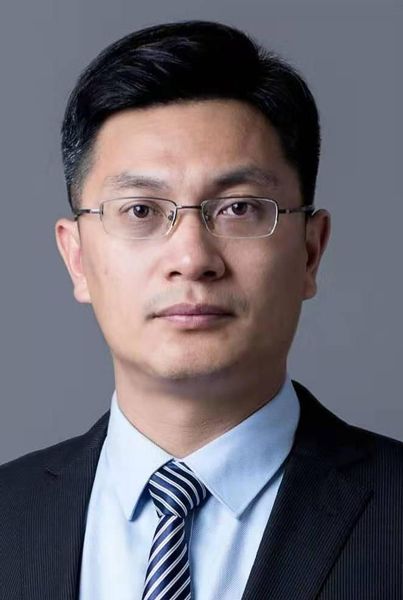 Xiangwei Zhao (赵祥伟)合作论文数School of Biological Science & Medical Engineering, Southeast University;State Key Laboratory of Digital Medical Engineering, Southeast University24
 Wenzhao Li合作论文数23Junjie Chi合作论文数22Rui Liu合作论文数22Zhuohao Zhang合作论文数22Cheng Zhao合作论文数20
 Hongcheng Gu (顾洪成)合作论文数School of Biological Science & Medical Engineering, Southeast University20Yi Cheng合作论文数19Weijian Sun (孙维建)合作论文数19
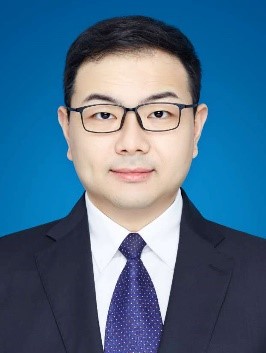 Renjie Chai (柴人杰)合作论文数School of Life Science and Technology, Southeast University19Junyi Che合作论文数Med Sch, Nanjing Univ18Min Nie合作论文数Nanjing Univ, Sch Life Sci, State Key Lab Pharmaceut Biotechnol, 163 Xianlin Ave, Nanjing 210023, Jiangsu, Peoples R China18
 Fangfu Ye (叶方富)合作论文数Institute of Physics, Chinese Academy of Sciences;Wenzhou Institute, University of Chinese Academy of Sciences18Yujuan Zhu合作论文数17
 Chaoyu Yang合作论文数Univ Sci & Technol China, Dept Precis Machinery & Precis Instrumentat, Hefei 230026, Anhui, Peoples R China16
 Gaizhen Kuang合作论文数15




