We report a search for the diffuse supernova neutrino background (DSNB) with the KamLAND detector, targeting electron antineutrinos via inverse beta decay in the neutrino energy range of 8.3 to 30.8 MeV. Using liquid-scintillator exposures of 9.02 kton-year for 8.3 to 9.3 MeV and 9.42 kton-year for 9.3 to 30.8 MeV, we observe seven candidate events after applying a new deep-neural-network-based event classification technique. This result is consistent with the background-only expectation of 16.2 plus or minus 9.4 events, including systematic uncertainties associated with the neural-network selection. A spectral analysis of the energy and radial distributions finds no significant excess attributable to the DSNB. We therefore set 90 percent confidence-level upper limits on the DSNB flux of 38 to 43 per square centimeter per second, depending on the assumed DSNB model. We also derive model-independent 90 percent confidence-level upper limits on the electron-antineutrino flux, obtaining some of the most stringent constraints below 13.3 MeV. Beyond the DSNB search itself, this work demonstrates neural-network-based event classification as a promising approach for suppressing neutron-associated backgrounds in liquid-scintillator neutrino detectors.
We present a search for neutrinoless double-beta (0νββ) decay of ^{136}Xe using the full KamLAND-Zen 800 dataset with 745 kg of enriched xenon, corresponding to an exposure of 2.1 ton yr of ^{136}Xe. This updated search benefits from a more than twofold increase in exposure, recovery of photo-sensor gain, and reduced background from muon-induced spallation of xenon. Combining with the search in the previous KamLAND-Zen phase, we obtain a lower limit for the 0νββ decay halflife of T_{1/2}^{0ν}>3.8×10^{26} yr at 90% CL, a factor of 1.7 improvement over the previous limit. The corresponding upper limits on the effective Majorana neutrino mass are in the range 28-122 meV using phenomenological nuclear matrix element calculations.
The electron antineutrino flux limits are presented for the brightest gamma-ray burst (GRB) of all time, GRB221009A, over a range of 1.8–200 MeV using the Kamioka Liquid Scintillator Antineutrino Detector. Using multiple time windows ranging from minutes to days surrounding the event to search for electron antineutrinos coincident with the GRB, we set an upper limit on the flux under the assumption of several power-law neutrino source spectra, with power-law indices ranging from 1.5 to 3 in steps of 0.5. No excess was observed in any time windows ranging from seconds to days around the event trigger time T _0 . For a power-law index of 2 and a time window of T _0 ± 500 s, a flux upper limit of 2.34 × 10 ^9 cm ^−2 was calculated. The limits are compared to the results presented by IceCube.
Particle dark matter could belong to a multiplet that includes an electrically charged state. WIMP dark matter (χ0) accompanied by a negatively charged excited state (χ−) with a small mass difference (e.g. < 20 MeV) can form a bound-state with a nucleus such as xenon. This bound-state formation is rare and the released energy is O(1−10) MeV depending on the nucleus, making large liquid scintillator detectors suitable for detection. We searched for bound-state formation events with xenon in two experimental phases of the KamLAND-Zen experiment, a xenon-doped liquid scintillator detector. No statistically significant events were observed. For a benchmark parameter set of WIMP mass mχ0=1 TeV and mass difference Δm=17 MeV, we set the most stringent upper limits on the recombination cross section times velocity 〈σv〉 and the decay-width of χ− to 9.2×10⁻³⁰ cm3/s and 8.7×10⁻¹⁴ GeV, respectively at 90% confidence level.
We have established a method to measure picograms-per-gram (pg g-1) levels of 238U and 232Th in scintillation films by combining the dry ashing method and inductively coupled plasma mass spectrometry. Trace amounts of 238U and 232Th were measured in up to 2 g of scintillation film with almost 100% collection efficiency. This paper details the experimental procedure, including the pretreatment of the samples and labware, detection limit of the method, collection efficiencies of 238U and 232Th, and measurement of 238U and 232Th in a polyethylene naphthalate film. This method is also applicable to 238U and 232Th measurements in other low-background organic materials for rare-event search experiments.
We report a measurement of the strange axial coupling constant g_A^s using atmospheric neutrino data at KamLAND. This constant is a component of the axial form factor of the neutral-current quasielastic (NCQE) interaction. The value of g_A^s significantly changes the ratio of proton and neutron NCQE cross sections. KamLAND is suitable for measuring NCQE interactions as it can detect nucleon recoils with low-energy thresholds and measure neutron multiplicity with high efficiency. KamLAND data, including the information on neutron multiplicity associated with the NCQE interactions, makes it possible to measure g_A^s with a suppressed dependence on the axial mass M_A, which has not yet been determined. For a comprehensive prediction of the neutron emission associated with neutrino interactions, we establish a simulation of particle emission via nuclear deexcitation of ^12C, a process not considered in existing neutrino Monte Carlo event generators. Energy spectrum fitting for each neutron multiplicity gives g_A^s =-0.14^+0.25_-0.26, which is the most stringent limit obtained using NCQE interactions without M_A constraints. The two-body current contribution considered in this analysis relies on a theoretically effective model and electron scattering experiments and requires future verification by direct measurements and future model improvement.
The KamLAND-Zen experiment has provided stringent constraints on the neutrinoless double-beta (0νββ) decay half-life in ^{136}Xe using a xenon-loaded liquid scintillator. We report an improved search using an upgraded detector with almost double the amount of xenon and an ultralow radioactivity container, corresponding to an exposure of 970 kg yr of ^{136}Xe. These new data provide valuable insight into backgrounds, especially from cosmic muon spallation of xenon, and have required the use of novel background rejection techniques. We obtain a lower limit for the 0νββ decay half-life of T_{1/2}^{0ν}>2.3×10^{26} yr at 90% C.L., corresponding to upper limits on the effective Majorana neutrino mass of 36-156 meV using commonly adopted nuclear matrix element calculations.
A new ultra-low background high-purity germanium (HPGe) detector has been installed at the Kamioka underground experimental site. The background count rate in the energy range from 40 keV to 2700 keV is about 25% lower than that of the first HPGe detector installed in 2016, which has the same detector specification and similar shielding geometry. This paper describes the shielding configuration, including the cleaning of the material surface, the comparison of calibration data and simulation, the time variation of the background spectra, the sample measurement procedure, and some results of the radioactivity in the selected samples.
Cosmic-ray muons produce various radioisotopes when passing through material. These spallation products can be backgrounds for rare event searches such as in solar neutrino, double-beta decay, and dark matter search experiments. The KamLAND-Zen experiment searches for neutrinoless double-beta decay in 745 kg of xenon dissolved in liquid scintillator. The experiment includes dead-time-free electronics with a high efficiency for detecting muon-induced neutrons. The production yields of different radioisotopes are measured with a combination of delayed coincidence techniques, newly developed muon reconstruction, and xenon spallation identification methods. The observed xenon spallation products are consistent with results from the FLUKA and GEANT4 simulation codes.
We present the results of a time-coincident event search for low-energy electron antineutrinos in the KamLAND detector with gamma-ray bursts (GRBs) from the Gamma-ray Coordinates Network and Fermi Gamma-ray Burst Monitor. Using a variable coincidence time window of ±500 s plus the duration of each GRB, no statistically significant excess above the background is observed. We place the world’s most stringent 90% confidence level upper limit on the electron antineutrino fluence below 17.5 MeV. Assuming a Fermi–Dirac neutrino energy spectrum from the GRB source, we use the available redshift data to constrain the electron antineutrino luminosity and effective temperature.
The decay of the primordial isotopes $^{238}\mathrm{U}$, $^{235}\mathrm{U}$, $^{232}\mathrm{Th}$, and $^{40}\mathrm{K}$ have contributed to the terrestrial heat budget throughout the Earth's history. Hence the individual abundance of those isotopes are key parameters in reconstructing contemporary Earth model. The geoneutrinos produced by the radioactive decays of uranium and thorium have been observed with the Kamioka Liquid-Scintillator Antineutrino Detector (KamLAND). Those measurements have been improved with more than 18-year observation time, and improvements in detector background levels mainly by an 8-year almost rector-free period now permit spectroscopy with geoneutrinos. Our results yield the first constraint on both uranium and thorium heat contributions. Herein the KamLAND result is consistent with geochemical estimations based on elemental abundances of chondritic meteorites and mantle peridotites. The High-Q model is disfavored at 99.76% C.L. and a fully radiogenic model is excluded at 5.2$\sigma$ assuming a homogeneous heat producing element distribution in the mantle.
We report on a search for electron antineutrinos ( ν¯e ) from astrophysical sources in the neutrino energy range 8.3–30.8 MeV with the KamLAND detector. In an exposure of 6.72 kton-year of the liquid scintillator, we observe 18 candidate events via the inverse beta decay reaction. Although there is a large background uncertainty from neutral current atmospheric neutrino interactions, we find no significant excess over background model predictions. Assuming several supernova relic neutrino spectra, we give upper flux limits of 60–110 cm−2 s−1 (90% confidence level, CL) in the analysis range and present a model-independent flux. We also set limits on the annihilation rates for light dark matter pairs to neutrino pairs. These data improve on the upper probability limit of 8B solar neutrinos converting into ν¯e , Pνe→ν¯e<3.5×10⁻⁵ (90% CL) assuming an undistorted ν¯e shape. This corresponds to a solar ν¯e flux of 60 cm−2 s−1 (90% CL) in the analysis energy range.
KamLAND-Zen searches for neutrinoless double-beta decay with an ultra-pure liquid-scintillator (LS) filled with a custom-made clean nylon balloon. The primary backgrounds are radioactive impurities such as uranium and thorium series. To reduce them, we studied a self-vetoing balloon-shaped vessel for a future upgrade program, “KamLAND2-Zen”. We selected Polyethylene-Naphthalate (PEN) film which emit fluorescent light and performed the feasibility studies. Owing to its scintillation properties, 214Bi background could be identified in the KamLAND2-Zen. Moreover, thanks to the different waveforms between the LS and the PEN, we can apply the pulse-shape-discrimination for 212Bi-Po pileup background. We evaluated its background rejection efficiency as more than 90%. Resulting from these studies, it is possible to remove restrictions on fiducial volume in KamLAND2-Zen.
The decay of the primordial isotopes 238U, 235U, 232Th, and 40K has contributed to the terrestrial heat budget throughout the Earth's history. Hence, the individual abundance of those isotopes are key parameters in reconstructing contemporary Earth models. The geoneutrinos produced by the radioactive decays of uranium and thorium have been observed with the Kamioka Liquid‐Scintillator Antineutrino Detector (KamLAND). Those measurements have been improved with more than 18‐year observation time, and improvement in detector background levels mainly with an 8‐year nearly reactor‐free period, which now permit spectroscopy with geoneutrinos. Our results yield the first constraint on both uranium and thorium heat contributions. The KamLAND result is consistent with geochemical estimations based on elemental abundances of chondritic meteorites and mantle peridotites. The High‐Q model is disfavored at 99.76% C.L. and a fully radiogenic model is excluded at 5.2σ assuming a homogeneous heat producing element distribution in the mantle.
We present the results of a search for core-collapse supernova neutrinos, using long-term KamLAND data from 2002 March 9 to 2020 April 25. We focus on the electron antineutrinos emitted from supernovae in the energy range of 1.8–111 MeV. Supernovae will make a neutrino event cluster with the duration of ∼10 s in the KamLAND data. We find no neutrino clusters and give the upper limit on the supernova rate to be 0.15 yr−1 with a 90% confidence level. The detectable range, which corresponds to a >95% detection probability, is 40–59 kpc and 65–81 kpc for core-collapse supernovae and failed core-collapse supernovae, respectively. This paper proposes to convert the supernova rate obtained by the neutrino observation to the Galactic star formation rate. Assuming a modified Salpeter-type initial mass function, the upper limit on the Galactic star formation rate is <(17.5–22.7) M ⊙ yr−1 with a 90% confidence level.
We report the result of a search for neutrinos in coincidence with solar flares from the GOES flare database. The search was performed on a 10.8 kton-year exposure of KamLAND collected from 2002 to 2019. This large exposure allows us to explore previously unconstrained parameter space for solar flare neutrinos. We found no statistical excess of neutrinos and established 90% confidence level upper limits of 8.4 × 107 cm−2 (3.0 × 109 cm−2) on the electron antineutrino (electron neutrino) fluence at 20 MeV normalized to the X12 flare, assuming that the neutrino fluence is proportional to the X-ray intensity.
We report the results of a search for MeV-scale astrophysical neutrinos in KamLAND presented as an excess in the number of coincident neutrino interactions associated with the publicly available high-energy neutrino datasets from the IceCube Neutrino Observatory. We find no statistically significant excess in the number of observed low-energy electron antineutrinos in KamLAND, given a coincidence time window of ±500s, ±1,000s, ±3,600s, and ±10,000s around each of the IceCube neutrinos. We use this observation to present limits from 1.8MeV to 100MeV on the electron antineutrino fluence, assuming a mono-energetic flux. We then compare the results to several astrophysical measurements performed by IceCube and place a limit at the 90% confidence level on the electron antineutrino isotropic thermal luminosity from the TXS0506+056 blazar.
We present the results of a search for MeV-scale electron antineutrino events in KamLAND coincident with the 60 gravitational wave events/candidates reported by the LIGO/Virgo collaboration during their second and third observing runs. We find no significant coincident signals within a ±500 s timing window from each gravitational wave and present 90% C.L. upper limits on the electron antineutrino fluence between 10 8 and 10 13 cm −2 for neutrino energies in the energy range of 1.8–111 MeV.
The KamLAND-Zen 800 experiment is searching for the neutrinoless double-beta decay of 136Xe by using 136Xe-loaded liquid scintillator. The liquid scintillator is enclosed inside a balloon made of thin, transparent, low-radioactivity film that we call Inner Balloon (IB). The IB, apart from guaranteeing the liquid containment, also allows to minimize the background from cosmogenic muon-spallation products and 8B solar neutrinos. Indeed these events could contribute to the total counts in the region of interest around the Q-value of the double-beta decay of 136Xe. In this paper, we present an overview of the IB and describe the various steps of its commissioning minimizing the radioactive contaminations, from the material selection, to the fabrication of the balloon and its installation inside the KamLAND detector. Finally, we show the impact of the IB on the KamLAND background as measured by the KamLAND detector itself.
We present two results of a search for MeV-scale neutrino and anti-neutrino events correlated with gravitational wave events/candidates and large solar flares with KamLAND. The KamLAND detector is a large-volume neutrino detector using liquid scintillator, which is located at 1 km underground under the top of Mt. Ikenoyama in Kamioka, Japan. KamLAND has multiple reaction channels to detect neutrinos. Electron antineutrino can be detected via inverse-beta decay with 1.8 MeV neutrino energy threshold. All flavors of neutrinos can be detected via neutrino-electron scattering without neutrino energy threshold. KamLAND has continued the neutrino observation since 2002 March. We use the data set of 60 gravitational waves provided by the LIGO/Virgo collaboration during their second and third observing runs and search for coincident electron antineutrino events in KamLAND. We find no significant coincident signals within a ± 500 s timing window from each gravitational wave and present 90% C.L. upper limits on the electron antineutrino fluence between 10 8 –10 13 cm − 2 for neutrino energies of 1.8–111 MeV. For a solar-flare neutrino search at KamLAND, we determine the timing window using the solar X-ray data set provided by the GOES satellite series from 2002 to 2019 and search for the excess of coincident event rate on the all-flavor neutrinos. We find no significant event rate excess in the flare time windows and get 90% C.L. upper limits on the fluence of neutrinos of all flavors (electron anti-neutrinos) between 10 10 –10 13 cm − 2 (10 8 –10 13 cm − 2 ) for neutrino energies in the energy range of 0.4–35 MeV.
 Junpei Shirai合作论文数82
 M. Koga合作论文数66k tamae合作论文数58Kazuo Inoue合作论文数56
 Tetsuo Mitsui (三井哲夫)合作论文数Yamagata University56Diane Melanie Markoff合作论文数North Carolina Central University55S. Matsuno合作论文数54A. Gando合作论文数53B. E. Berger合作论文数Inst Phys & Math Universe, Univ Tokyo53
 B. K. Fujikawa合作论文数Lawrence Berkeley Natl Lab53I. Shimizu合作论文数53Y. V. Efremenko合作论文数Oak Ridge National Laboratory52
 Jason Detwiler合作论文数Department of Physics, University of Washington51
 Patrick Decowski合作论文数Massachusetts Institute of Technology50
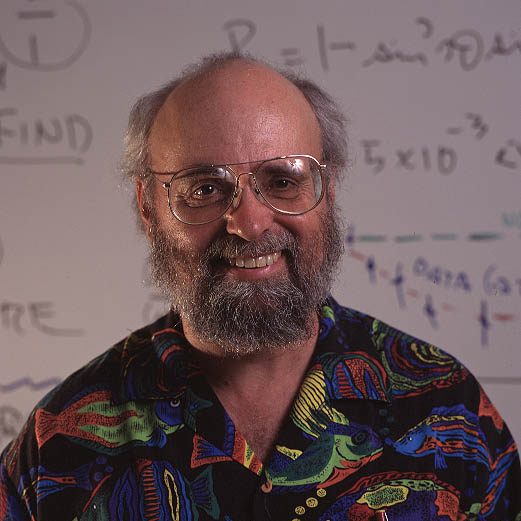 John Gregory Learned合作论文数Department of Physics and Astronomy, University of Hawaii, Manoa50Werner Tornow合作论文数48T. O'Donnell合作论文数Ctr Neutrino Phys, Virginia Polytech Inst & State Univ47Hiroshi Watanabe合作论文数The Institute of Physical and Chemical Research (RIKEN) 2-1 Hirosawa 351-0198 Wako, Saitama Japan 2-1 Hirosawa 351-0198 Wako, Saitama Japan47Hugon J. Karwowski合作论文数Department of Physics and Astronomy, College of Arts & Sciences, University of North Carolina at Chapel Hill46Yasuhiro Takemoto合作论文数45
 Alexander Kozlov合作论文数Manzana Campaign45H. Ikeda合作论文数43
 J. Maricic合作论文数Department of Physics and Astronomy, University of Hawai'i42
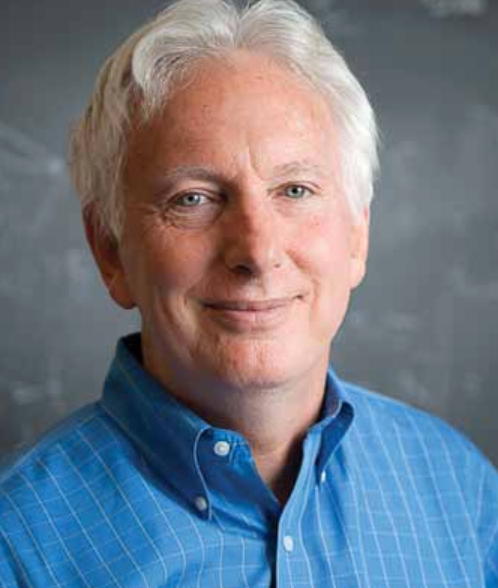 Robert Svoboda合作论文数Department of Physics and Astronomy, University of California, Davis42
 Koji Ishidoshiro合作论文数High Energy Accel. Res. Organ. (KEK), Tsukuba, Japan;c;High Energy Accel. Res. Organ. (KEK), Tsukuba, Japan|c|41Steven Dazeley合作论文数41Kenji Ueshima合作论文数40C. Mauger合作论文数40C. Saji合作论文数39S. Mine合作论文数39
 Lindley Winslow合作论文数Department of Physics, Massachusetts Institute of Technology39Jun Kameda (亀田純)合作论文数Institute for Planetary Materials, Okayama University36S. Tasaka合作论文数35M. Sakuda合作论文数35C. McGrew合作论文数35K. Kaneyuki合作论文数35S. Nakayama合作论文数35K. Nishikawa合作论文数35
 Masayuki Nakahata (中畑雅行)合作论文数Kamioka Observatory, Institute for Cosmic Ray Research, The University of Tokyo35S. Moriyama合作论文数35M. R. Vagins合作论文数35
 Kate Scholberg合作论文数Trinity College of Arts & Sciences, Duke University35
 David William Casper合作论文数School of Physical Sciences, University of California, Irvine35
 Yoshitaka Itow (伊藤好孝)合作论文数Instutute for Cosmic Ray Research, University of Tokyo35Yoshiaki Obayashi合作论文数35Alec Habig合作论文数35
 Chang Kee Jung合作论文数Department of Physics and Astronomy, College of Arts and Sciences, Stony Brook University35
 Yoshinari Hayato (早戸良成)合作论文数Kamioka Observatory, Institute for Cosmic Ray Research, The University of Tokyo;Kavli Institute for the Physics and Mathematics of the Universe, The University of Tokyo35
 Ed Kearns合作论文数Department of Physics, Boston University;Kavli Institute for the Physics and Mathematics of the Universe, University of Tokyo35




