The segmentation of pelvic fracture fragments in CT and X-ray images is crucial for trauma diagnosis, surgical planning, and intraoperative guidance. However, accurately and efficiently delineating the bone fragments remains a significant challenge due to complex anatomy and imaging limitations. The PENGWIN challenge, organized as a MICCAI 2024 satellite event, aimed to advance automated fracture segmentation by benchmarking state-of-the-art algorithms on these complex tasks. A diverse dataset of 150 CT scans was collected from multiple clinical centers, and a large set of simulated X-ray images was generated using the DeepDRR method. Final submissions from 16 teams worldwide were evaluated under a rigorous multi-metric testing scheme. The top-performing CT algorithm achieved an average fragment-wise intersection over union (IoU) of 0.930, demonstrating satisfactory accuracy. However, in the X-ray task, the best algorithm achieved an IoU of 0.774, which is promising but not yet sufficient for intra-operative decision-making, reflecting the inherent challenges of fragment overlap in projection imaging. Beyond the quantitative evaluation, the challenge revealed methodological diversity in algorithm design. Variations in instance representation, such as primary-secondary classification versus boundary-core separation, led to differing segmentation strategies. Despite promising results, the challenge also exposed inherent uncertainties in fragment definition, particularly in cases of incomplete fractures. These findings suggest that interactive segmentation approaches, integrating human decision-making with task-relevant information, may be essential for improving model reliability and clinical applicability.
Although diffusion models have achieved strong results in decision-making tasks, their slow inference speed remains a key limitation. While the consistency model offers a potential solution, its applications to decision-making often struggle with suboptimal demonstrations or rely on complex concurrent training of multiple networks. In this work, we propose a novel approach to consistency distillation for offline reinforcement learning that directly incorporates reward optimization into the distillation process. Our method enables single-step generation while maintaining higher performance and simpler training. Empirical evaluations on the Gym MuJoCo benchmarks and long horizon planning demonstrate that our approach can achieve an 8.7% improvement over previous state-of-the-art while offering up to 142x speedup over diffusion counterparts in inference time.
Log-likelihood evaluation enables important capabilities in generative models, including model comparison, certain fine-tuning objectives, and many downstream applications. Yet paradoxically, some of today's best generative models -- diffusion and flow-based models -- still require hundreds to thousands of neural function evaluations (NFEs) to compute a single likelihood. While recent distillation methods have successfully accelerated sampling to just a few steps, they achieve this at the cost of likelihood tractability: existing approaches either abandon likelihood computation entirely or still require expensive integration over full trajectories. We present fast flow joint distillation (F2D2), a framework that simultaneously reduces the number of NFEs required for both sampling and likelihood evaluation by two orders of magnitude. Our key insight is that in continuous normalizing flows, the coupled ODEs for sampling and likelihood are computed from a shared underlying velocity field, allowing us to jointly distill both the sampling trajectory and cumulative divergence using a single model. F2D2 is modular, compatible with existing flow-based few-step sampling models, and requires only an additional divergence prediction head. Experiments demonstrate F2D2's capability of achieving accurate log-likelihood with few-step evaluations while maintaining high sample quality, solving a long-standing computational bottleneck in flow-based generative models.
Cone-Beam Computed Tomography (CBCT) holds significant clinical value in image-guided radiotherapy (IGRT). However, CBCT images of low-density soft tissues are often plagued with artifacts and noise, which can lead to missed diagnoses and misdiagnoses. We propose a new unsupervised CBCT image artifact correction algorithm, named Spatial Convolution Diffusion (ScDiff), based on a conditional diffusion model, which combines the unsupervised learning ability of generative adaptive networks (GAN) with the stable training characteristics of diffusion models. This approach can efficiently and stably achieve CBCT image artifact correction, resulting in clear, realistic CBCT images with complete anatomical structures. The proposed model can effectively improve the image quality of CBCT. The obtained results can reduce artifacts while preserving the anatomical structure of CBCT images. We compared the proposed method with several GAN- and diffusion-based methods. Our method achieved the highest corrected image quality and the best evaluation metrics.
Many real-world decision-making problems are combinatorial in nature, where states (e.g., surrounding traffic of a self-driving car) can be seen as a combination of basic elements (e.g., pedestrians, trees, and other cars). Due to combinatorial complexity, observing all combinations of basic elements in the training set is infeasible, which leads to an essential yet understudied problem of zero-shot generalization to states that are unseen combinations of previously seen elements. In this work, we first formalize this problem and then demonstrate how existing value-based reinforcement learning (RL) algorithms struggle due to unreliable value predictions in unseen states. We argue that this problem cannot be addressed with exploration alone, but requires more expressive and generalizable models. We demonstrate that behavior cloning with a conditioned diffusion model trained on successful trajectory generalizes better to states formed by new combinations of seen elements than traditional RL methods. Through experiments in maze, driving, and multiagent environments, we show that conditioned diffusion models outperform traditional RL techniques and highlight the broad applicability of our problem formulation.
In Computed Tomography (CT), severe metal artifacts will appear in the reconstructed CT images when the patients have metallic implants, which significantly affects the accuracy of diagnosis. Numerous methods have been proposed for CT metal artifact reduction (MAR). The advancement of deep learning techniques has greatly benefited the task of MAR. However, existing deep learning methods, whether supervised or unsupervised, typically rely on extensive training, which poses challenges such as difficulty in obtaining training data and the gap between training and test sets. In this work, we explore the application of a training-free deep learning method, implicit neural representation (INR), to the task of MAR. We use the coordinates of the CT image as input, mapping them to the pixel values of the image through a multi-layer perceptron (MLP), and then project them to the sinogram to calculate the fidelity loss with known sinogram. Additionally, we incorporate an image-domain regularization and a sinogram-domain regularization to further improve the quality of the reconstructed images. We simultaneously optimize the fidelity loss and two regularization losses, iteratively optimizing the MLP through backpropagation. This ensures that the output image remains consistent with the known sinogram while achieving high image quality, thereby reducing metal artifacts. Our method does not require any training data and achieves case-by-case MAR. It outperforms traditional MAR methods and most unsupervised deep learning-based methods in terms of quantitative metrics and visual effects.
Reporting bias arises when people assume that some knowledge is universally understood and hence, do not necessitate explicit elaboration. In this paper, we focus on the wide existence of reporting bias in visual-language datasets, embodied as the object-attribute association, which can subsequentially degrade models trained on them. To mitigate this bias, we propose a bimodal augmentation (BiAug) approach through object-attribute decoupling to flexibly synthesize visual-language examples with a rich array of object-attribute pairing and construct cross-modal hard negatives. We employ large language models (LLMs) in conjunction with a grounding object detector to extract target objects. Subsequently, the LLM generates a detailed attribute description for each object and produces a corresponding hard negative counterpart. An inpainting model is then used to create images based on these detailed object descriptions. By doing so, the synthesized examples explicitly complement omitted objects and attributes to learn, and the hard negative pairs steer the model to distinguish object attributes. Our experiments demonstrated that BiAug is superior in object-attribute understanding. In addition, BiAug also improves the performance on zero-shot retrieval tasks on general benchmarks like MSCOCO and Flickr30K. BiAug refines the way of collecting text-image datasets. Mitigating the reporting bias helps models achieve a deeper understanding of visual-language phenomena, expanding beyond mere frequent patterns to encompass the richness and diversity of real-world scenarios.
Despite the recent advancements, conditional image generation still faces challenges of cost, generalizability, and the need for task-specific training. In this paper, we propose Manifold Preserving Guided Diffusion (MPGD), a training-free conditional generation framework that leverages pretrained diffusion models and off-the-shelf neural networks with minimal additional inference cost for a broad range of tasks. Specifically, we leverage the manifold hypothesis to refine the guided diffusion steps and introduce a shortcut algorithm in the process. We then propose two methods for on-manifold training-free guidance using pre-trained autoencoders and demonstrate that our shortcut inherently preserves the manifolds when applied to latent diffusion models. Our experiments show that MPGD is efficient and effective for solving a variety of conditional generation applications in low-compute settings, and can consistently offer up to 3.8x speed-ups with the same number of diffusion steps while maintaining high sample quality compared to the baselines.
Prompt engineering is an effective but labor-intensive way to control text-to-image (T2I) generative models. Its time-intensive nature and complexity have spurred the development of algorithms for automated prompt generation. However, these methods often struggle with transferability across T2I models, require white-box access to the underlying model, or produce non-intuitive prompts. In this work, we introduce PRISM, an algorithm that automatically produces human-interpretable and transferable prompts that can effectively generate desired concepts given only black-box access to T2I models. Inspired by large language model (LLM) jailbreaking, PRISM leverages the in-context learning ability of LLMs to iteratively refine the candidate prompt distribution built upon the reference images. Our experiments demonstrate the versatility and effectiveness of PRISM in generating accurate prompts for objects, styles, and images across multiple T2I models, including Stable Diffusion, DALL-E, and Midjourney.
Consistency Models (CM) (Song et al., 2023) accelerate score-based diffusion model sampling at the cost of sample quality but lack a natural way to trade-off quality for speed. To address this limitation, we propose Consistency Trajectory Model (CTM), a generalization encompassing CM and score-based models as special cases. CTM trains a single neural network that can -- in a single forward pass -- output scores (i.e., gradients of log-density) and enables unrestricted traversal between any initial and final time along the Probability Flow Ordinary Differential Equation (ODE) in a diffusion process. CTM enables the efficient combination of adversarial training and denoising score matching loss to enhance performance and achieves new state-of-the-art FIDs for single-step diffusion model sampling on CIFAR-10 (FID 1.73) and ImageNet at 64x64 resolution (FID 1.92). CTM also enables a new family of sampling schemes, both deterministic and stochastic, involving long jumps along the ODE solution trajectories. It consistently improves sample quality as computational budgets increase, avoiding the degradation seen in CM. Furthermore, unlike CM, CTM's access to the score function can streamline the adoption of established controllable/conditional generation methods from the diffusion community. This access also enables the computation of likelihood. The code is available at https://github.com/sony/ctm.
Weather forecasting remains a crucial yet challenging domain, where recently developed models based on deep learning (DL) have approached the performance of traditional numerical weather prediction (NWP) models. However, these DL models, often complex and resource-intensive, face limitations in flexibility post-training and in incorporating NWP predictions, leading to reliability concerns due to potential unphysical predictions. In response, we introduce a novel method that applies diffusion models (DM) for weather forecasting. In particular, our method can achieve both direct and iterative forecasting with the same modeling framework. Our model is not only capable of generating forecasts independently but also uniquely allows for the integration of NWP predictions, even with varying lead times, during its sampling process. The flexibility and controllability of our model empowers a more trustworthy DL system for the general weather community. Additionally, incorporating persistence and climatology data further enhances our model's long-term forecasting stability. Our empirical findings demonstrate the feasibility and generalizability of this approach, suggesting a promising direction for future, more sophisticated diffusion models without the need for retraining.
This paper considers blind inverse image restoration, the task of predicting a target image from a degraded source when the degradation (i.e. the forward operator) is unknown. Existing solutions typically rely on restrictive assumptions such as operator linearity, curated training data or narrow image distributions limiting their practicality. We introduce LADiBI, a training-free method leveraging large-scale text-to-image diffusion to solve diverse blind inverse problems with minimal assumptions. Within a Bayesian framework, LADiBI uses text prompts to jointly encode priors for both target images and operators, unlocking unprecedented flexibility compared to existing methods. Additionally, we propose a novel diffusion posterior sampling algorithm that combines strategic operator initialization with iterative refinement of image and operator parameters, eliminating the need for highly constrained operator forms. Experiments show that LADiBI effectively handles both linear and challenging nonlinear image restoration problems across various image distributions, all without task-specific assumptions or retraining.
Despite the tremendous success in text-to-image generative models, localized text-to-image generation (that is, generating objects or features at specific locations in an image while maintaining a consistent overall generation) still requires either explicit training or substantial additional inference time. In this work, we show that localized generation can be achieved by simply controlling cross attention maps during inference. With no additional training, model architecture modification or inference time, our proposed cross attention control (CAC) provides new open-vocabulary localization abilities to standard text-to-image models. CAC also enhances models that are already trained for localized generation when deployed at inference time. Furthermore, to assess localized text-to-image generation performance automatically, we develop a standardized suite of evaluations using large pretrained recognition models. Our experiments show that CAC improves localized generation performance with various types of location information ranging from bounding boxes to semantic segmentation maps, and enhances the compositional capability of state-of-the-art text-to-image generative models.
Purpose: Cone-beam computed tomography (CBCT) is widely utilized in modern radiotherapy; however, CBCT images exhibit increased scatter artifacts compared to planning CT (pCT), compromising image quality and limiting further applications. Scatter correction is thus crucial for improving CBCT image quality.Methods: In this study, we proposed an unsupervised contrastive learning method for CBCT scatter correction. Initially, we transformed low-quality CBCT into high-quality synthetic pCT (spCT) and generated forward projections of CBCT and spCT. By computing the difference between these projections, we obtained a residual image containing image details and scatter artifacts. Image details primarily comprise high-frequency signals, while scatter artifacts consist mainly of low-frequency signals. We extracted the scatter projection signal by applying a low-pass filter to remove image details. The corrected CBCT (cCBCT) projection signal was obtained by subtracting the scatter artifacts projection signal from the original CBCT projection. Finally, we employed the FDK reconstruction algorithm to generate the cCBCT image.Results: To evaluate cCBCT image quality, we aligned the CBCT and pCT of six patients. In comparison to CBCT, cCBCT maintains anatomical consistency and significantly enhances CT number, spatial homogeneity, and artifact suppression. The mean absolute error (MAE) of the test data decreased from 88.0623 & PLUSMN; 26.6700 HU to 17.5086 & PLUSMN; 3.1785 HU. The MAE of fat regions of interest (ROIs) declined from 370.2980 & PLUSMN; 64.9730 HU to 8.5149 & PLUSMN; 1.8265 HU, and the error between their maximum and minimum CT numbers decreased from 572.7528 HU to 132.4648 HU. The MAE of muscle ROIs reduced from 354.7689 & PLUSMN; 25.0139 HU to 16.4475 & PLUSMN; 3.6812 HU. We also compared our proposed method with several conventional unsupervised synthetic image generation techniques, demonstrating superior performance.Conclusions: Our approach effectively enhances CBCT image quality and shows promising potential for future clinical adoption.
Objective.Computed tomography (CT) is a widely employed imaging technology for disease detection. However, CT images often suffer from ring artifacts, which may result from hardware defects and other factors. These artifacts compromise image quality and impede diagnosis. To address this challenge, we propose a novel method based on dual contrast learning image style transformation network model (DCLGAN) that effectively eliminates ring artifacts from CT images while preserving texture details.Approach. Our method involves simulating ring artifacts on real CT data to generate the uncorrected CT (uCT) data and transforming them into strip artifacts. Subsequently, the DCLGAN synthetic network is applied in the polar coordinate system to remove the strip artifacts and generate a synthetic CT (sCT). We compare the uCT and sCT images to obtain a residual image, which is then filtered to extract the strip artifacts. An inverse polar transformation is performed to obtain the ring artifacts, which are subtracted from the original CT image to produce a corrected image.Main results.To validate the effectiveness of our approach, we tested it using real CT data, simulated data, and cone beam computed tomography images of the patient's brain. The corrected CT images showed a reduction in mean absolute error by 12.36 Hounsfield units (HU), a decrease in root mean square error by 18.94 HU, an increase in peak signal-to-noise ratio by 3.53 decibels (dB), and an improvement in structural similarity index by 9.24%.Significance.These results demonstrate the efficacy of our method in eliminating ring artifacts and preserving image details, making it a valuable tool for CT imaging.
Generating learning-friendly representations for points in a 2D space is a fundamental and long-standing problem in machine learning. Recently, multi-scale encoding schemes (such as Space2Vec) were proposed to directly encode any point in 2D space as a high-dimensional vector, and has been successfully applied to various (geo)spatial prediction tasks. However, a map projection distortion problem rises when applying location encoding models to large-scale real-world GPS coordinate datasets (e.g., species images taken all over the world) - all current location encoding models are designed for encoding points in a 2D (Euclidean) space but not on a spherical surface, e.g., earth surface. To solve this problem, we propose a multi-scale location encoding model called Sphere2V ec which directly encodes point coordinates on a spherical surface while avoiding the mapprojection distortion problem. We provide theoretical proof that the Sphere2Vec encoding preserves the spherical surface distance between any two points. We also developed a unified view of distance-reserving encoding on spheres based on the Double Fourier Sphere (DFS). We apply Sphere2V ec to the geo-aware image classification task. Our analysis shows that Sphere2V ec outperforms other 2D space location encoder models especially on the polar regions and data-sparse areas for image classification tasks because of its nature for spherical surface distance preservation.
Geo-tagged images are publicly available in large quantities, whereas labels such as object classes are rather scarce and expensive to collect. Meanwhile, contrastive learning has achieved tremendous success in various natural image and language tasks with limited labeled data. However, existing methods fail to fully leverage geospatial information, which can be paramount to distinguishing objects that are visually similar. To directly leverage the abundant geospatial information associated with images in pre-training, fine-tuning, and inference stages, we present Contrastive Spatial Pre-Training (CSP), a self-supervised learning framework for geo-tagged images. We use a dual-encoder to separately encode the images and their corresponding geo-locations, and use contrastive objectives to learn effective location representations from images, which can be transferred to downstream supervised tasks such as image classification. Experiments show that CSP can improve model performance on both iNat2018 and fMoW datasets. Especially, on iNat2018, CSP significantly boosts the model performance with 10-34% relative improvement with various labeled training data sampling ratios.
Location encoding is valuable for a multitude of tasks where both the absolute positions and local contexts (image, text, and other types of metadata) of spatial objects are needed for accurate predictions. However, most existing approaches do not leverage unlabeled data, which is crucial for use cases with limited labels. Furthermore, the availability of large-scale real-world GPS coordinate data demands representation and prediction at global scales. However, existing location encoding models assume that the input coordinates are in Euclidean space, which can lead to modeling errors due to distortions introduced when mapping coordinates from other manifolds (e.g., spherical surfaces) to Euclidean space. We introduceSphere2Vec, a location encoder, which can directly encode spherical coordinates while preserving spherical distances.Sphere2Vecis trained with a self-supervised learning framework which pre-trains deep location representations from unlabeled geo-tagged images with contrastive losses, and then fine-tunes to perform super-vised geographic object classification tasks.Sphere2Vecachieves the performances of state-of-the-art results on various image classification tasks ranging from species, Point of Interest (POI) facade, to remote sensing. The self-supervised pertaining significantly improves the performance ofSphere2Vecespecially when the labeled data is limited
Guided image synthesis enables everyday users to create and edit photo-realistic images with minimum effort. The key challenge is balancing faithfulness to the user input (e.g., hand-drawn colored strokes) and realism of the synthesized image. Existing GAN-based methods attempt to achieve such balance using either conditional GANs or GAN inversions, which are challenging and often require additional training data or loss functions for individual applications. To address these issues, we introduce a new image synthesis and editing method, Stochastic Differential Editing (SDEdit), based on a diffusion model generative prior, which synthesizes realistic images by iteratively denoising through a stochastic differential equation (SDE). Given an input image with user guide of any type, SDEdit first adds noise to the input, then subsequently denoises the resulting image through the SDE prior to increase its realism. SDEdit does not require task-specific training or inversions and can naturally achieve the balance between realism and faithfulness. SDEdit significantly outperforms state-of-the-art GAN-based methods by up to 98.09% on realism and 91.72% on overall satisfaction scores, according to a human perception study, on multiple tasks, including stroke-based image synthesis and editing as well as image compositing.
Measuring the discrepancy between two probability distributions is a fundamental problem in machine learning and statistics. We propose a new class of discrepancies based on the optimal loss for a decision task -- two distributions are different if the optimal decision loss is higher on their mixture than on each individual distribution. By suitably choosing the decision task, this generalizes the Jensen-Shannon divergence and the maximum mean discrepancy family. We apply our approach to two-sample tests, and on various benchmarks, we achieve superior test power compared to competing methods. In addition, a modeler can directly specify their preferences when comparing distributions through the decision loss. We apply this property to understanding the effects of climate change on different social and economic activities, evaluating sample quality, and selecting features targeting different decision tasks.
 Stefano Ermon合作论文数Department of Computer Science, Stanford University;Woods Institute for the Environment, Stanford University;Inception12
 Jiaming Song (宋佳铭)合作论文数Luma AI6
 Zico Kolter合作论文数Machine Learning Department, School of Computer Science, Carnegie Mellon University;Computer Science Department, Carnegie Mellon University;Bosch USA;Gray Swan AI6
 Xiaokun Liang (梁晓坤)合作论文数Shenzhen Institute of Advanced Technology, Chinese Academy of Sciences;School of Artificial Intelligence, University of Chinese Academy of Sciences5
 Ruslan Salakhutdinov合作论文数Machine Learning Department, School of Computer Science, Carnegie Mellon University5
 Yuki Mitsufuji合作论文数Sony Corporation5
 Naoki Murata合作论文数Tokyo Laboratory 20, Sony Group Corporation4
 Chenlin Meng合作论文数Stanford University4
 Gengchen Mai (买庚辰)合作论文数Computational Urban Science;Department of Geography, University of Georgia4
 David Lobell合作论文数Department of Earth System Science, Doerr School of Sustainability, Stanford University4
 Yaoqin Xie (谢耀钦)合作论文数4
 Marshall Burke合作论文数Department of Environmental Social Science, Doerr School of Sustainability, Stanford University;Center on Food Security and the Environment, Stanford University4
 Ni Lao (劳逆)合作论文数3Wei-Hsiang Liao合作论文数2
 Fahim Tajwar合作论文数Machine Learning Department, Carnegie Mellon University2Yinping Chan合作论文数2Tangsheng Wang合作论文数2Jingjing Dai合作论文数2
 Chieh-Hsin (Jesse) Lai (賴杰昕)合作论文数SonyAI2Chulong Zhang合作论文数2
 Erik Rozi合作论文数2
 Wanze Xie合作论文数Computer Science and Engineering, UC San Diego, United States2William Zhang合作论文数2Toshimitsu Uesaka合作论文数Sony Group Corporation1-7-1 KōnanMinato-kuTokyo108-0075Japan2Aidan Perreault合作论文数2
 Xuan Liu合作论文数Medical School, Nanjing University2
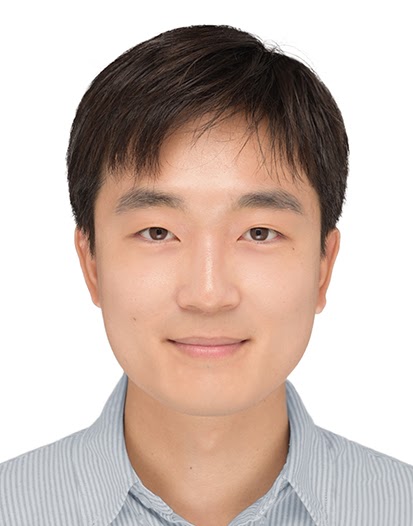 Dongjun Kim合作论文数Department of Computer Science, School of Engineering, Stanford University2
 Abhishek Sinha合作论文数Google2
 Krzysztof Janowicz合作论文数Department of Geography and Regional Research, University of Vienna;Center for Spatial Studies, University of California, Santa Barbara2
 Shengjia Zhao (赵盛佳)合作论文数Meta Superintelligence Labs2
 Yao Xuan合作论文数Meta2
 Jeff Schneider合作论文数Robotics Institute, School of Computer Science, Carnegie Mellon University2
 Yuhta Takida合作论文数Sony AI2
 Xinyue Ai合作论文数Peking University1
 Avanika Narayan合作论文数Department of Computer Science, School of Engineering, Stanford University;Rox1Junya Ono合作论文数1Sutuke Yibulayimu合作论文数1Maximilian Zenk合作论文数1Hanqing Zhao合作论文数1Amna Elmustafa合作论文数1Amelia Hardy合作论文数1Jillian Tang合作论文数1
 Yang Song (宋飏)合作论文数1
 Liu Lin合作论文数1
 Zhanxiang Hua合作论文数1Trenton Chang合作论文数1Wenfeng He合作论文数1
 Junshen K Chen合作论文数Meta1
 Alexandra Anderson-Frey合作论文数Dept Atmospher Sci, Univ Washington1




