Purpose: Previous research on pediatric motor vehicle collisions (MVC) and fatalities has primarily focused on patient demographics and crash specific information. This study evaluates whether various measures of local infrastructure, including the National Walk Index (NWI), population density, and public school density, or macroeconomic forces, encapsulated in Social Vulnerability Index (SVI) and food area deprivation (PFA) can predict which counties are most at risk for pediatric traffic fatalities. Methods: Counties with more than 100,000 children in the most recent US census and >1 pediatric traffic fatality as identified in the Fatality Analysis Reporting System (FARS) between 2017 and 2021 were included in the study. Poisson regression modeling was used to identify county level infrastructure and macroeconomic forces that predicted increasing MVC related average annual mortality rate per 100,000 children. Results: There were 158 counties that met inclusion criteria. Univariate Poisson regression demonstrated that NWI, SVI, PFA, population density, and school density each individually correlated with MVC related mortality rate (p < 0.001 for all predictors). When controlling for SVI and population density, multivariable Poisson regression demonstrated that each decile increase in walkability was associated with a 7 % decrease in MVC related mortality rate (IRR 0.93, 95 % CI 0.91-0.96). Conclusion: Areas with poor walkability predict the likelihood of pediatric traffic fatality. These findings highlight tangible local and state policy changes that could be implemented to decrease the likelihood of traffic-related child fatality rates in specific counties. Level of Evidence: Not applicable. (c) 2024 Elsevier Inc. All rights are reserved, including those for text and data mining, AI training, and similar technologies.
Introduction Laparoscopic inguinal hernia repair (IHR) is being performed more frequently in children, but few studies have evaluated surgical practice patterns in infants. In this study, we surveyed pediatric surgeons within a regional consortium to assess current preferences for IHR strategy in infants. We hypothesized that early-career pediatric surgeons would prefer laparoscopic IHR over open IHR in this patient population. Methods A Qualtrics survey addressing surgeon preferences for IHR was distributed to 160 pediatric surgeons at 19 member institutions affiliated with the Eastern Pediatric Surgery Network. Surgeons were stratified by self-reported number of years in attending practice. Responses were compared using t-tests and chi-square tests wherever appropriate. Results Ninety-eight surgeons responded to the survey (61% response rate; two incomplete responses were excluded). Forty respondents (41.7%) had 0-10 ys of experience, 26 (27.1%) had 10-20 ys of experience, and 30 (31.2%) had over 20 ys of experience. Over 90% of early-career surgeons reported a preference for laparoscopic IHR in infants, compared to less than 50% of mid-career surgeons and less than 20% of late-career surgeons (P < 0.001). Respondents preferring laparoscopic IHR most commonly cited inherent assessment of the contralateral side, confirmation of hernia before repair, and technical ease of the laparoscopic approach as factors contributing to their preference. Conclusions The majority of early-career pediatric surgeons prefer laparoscopic IHR over open IHR in infants, representing a substantial shift away from what is traditionally regarded as the gold standard open technique. Larger studies are needed to compare long-term outcomes after laparoscopic and open IHR in infants.
Introduction:There remains clinical equipoise regarding the preference for upfront appendectomy or nonoperative management for patients with complicated appendicitis. However, the natural history of the appendix following nonoperative management and pending interval appendectomy in children is not well characterized, and the risk of recurrent appendicitis as a function of time from index admission not known. Study Design:The Pediatric Health Information System (PHIS) was queried for all patients younger than 18 with an ICD-10 diagnosis code for complicated appendicitis admitted between 2018-2021. Patients were included for analysis if they received antibiotics on three or more consecutive days and did not undergo appendectomy during index admission. Kaplan-Meier analysis was performed to determine rates of unplanned readmission, defined as patients readmitted for appendicitis and receiving antibiotics on three or more consecutive days following index admission. Results:2,826 patients were included in the study for complicated appendicitis. 2,016 (71.4%) patients underwent appendectomy, while the remaining 810 did not undergo appendectomy. Kaplan-Meier survival analysis demonstrated a 7% decrease unplanned readmission rates for each additional day patients were removed from index admission (HR 0.93, 95% CI 0.89-0.96). Additionally, unplanned readmission rates in the first 50 days following index admission were twice as high as days 50-100 (HR 2.31, 95% CI 1.76-3.05). Conclusions:The highest likelihood of recurrent appendicitis or complications following nonoperative management of complicated appendicitis occurs in the first 50 days following index admission. This information will help surgeons during shared decision-making conversations regarding timing of interval appendectomy.
Introduction: Laparoscopic inguinal hernia repair has become increasingly popular in children. The laparoscopic technique inherently assesses the contralateral processus vaginalis, reducing the risk of metachronous contralateral hernias. We hypothesized that primary laparoscopic repair would be associated with lower rates of subsequent hernia repair in the youngest patients, in whom metachronous contralateral hernias are most common. Materials and Methods: The Pediatric Health Information System database was queried for patients 0-15 years old, who underwent inguinal hernia repair between 2016 and 2022. The primary outcome was the need for subsequent hernia repair. Current Procedural Terminology (CPT) and ICD-10 procedure codes were used to determine laparoscopic versus open repair. Patients were excluded if the only recorded code was for recurrent hernia or if both laparoscopic and open codes were present for the same procedure. Results: A total of 109,456 patients were included in the study, with 20,338 patients (18.58%), undergoing laparoscopic inguinal hernia repair initially, and 2535 patients (2.32%) requiring a second hernia repair. Patients 6 months old and younger undergoing unilateral laparoscopic repair were less likely to require subsequent surgery (OR 0.82, 95% CI = 0.69-0.96). Across all ages, open bilateral repair less often required subsequent repairs (OR 1.93, 95% CI: 1.48-2.51). Conclusion: Laparoscopic unilateral inguinal hernia repair decreases the need for subsequent surgical repair in infants 6 months and younger. No difference was detected in older patients. Open repair of bilateral hernias decreases the need for a second hernia operation in all age groups, suggesting that open repair is more durable.
In 2021, members of our group (MPS, DGS, and RAC) utilized the Pediatric Health Information System (PHIS) database to report a fivefold increase in the use of laparoscopy for pediatric inguinal hernia repair (IHR) over a 10-year period, from 3% of all IHRs in 2009 to 15% of all IHRs in 2018 [ [1] Shaughnessy M.P. Maassel N.L. Yung N. Solomon D.G. Cowles R.A. Laparoscopy is increasingly used for pediatric inguinal hernia repair. J Pediatr Surg. 2021 Nov; 56 (Epub 2021 Jan 27. PMID: 33549307): 2016-2021https://doi.org/10.1016/j.jpedsurg.2021.01.032 Abstract Full Text Full Text PDF PubMed Scopus (16) Google Scholar ]. Anecdotally, laparoscopic IHR has continued to gain popularity since 2018, particularly in infants. Here we provide an update to these previously published data, with specific attention to rates of laparoscopic IHR in different age groups and in infants with a diagnosis of prematurity.
Altered platelet aggregation is common after injury, but the relationship with venous thromboembolism (VTE) is unknown. We identify that the decrease in platelet aggregation from presentation to 24 hours post-resuscitation is associated with development of posttraumatic VTE. BACKGROUND Posttraumatic venous thromboembolism (VTE) remains prevalent in severely injured patients despite chemoprophylaxis. Importantly, although platelets are central to thrombosis, they are not routinely targeted in prevention of posttraumatic VTE. Furthermore, platelets from injured patients show ex vivo evidence of increased activation yet impaired aggregation, consistent with functional exhaustion. However, the relationship of this platelet functional phenotype with development of posttraumatic VTE is unknown. We hypothesized that, following injury, impaired ex vivo platelet aggregation (PA) is associated with the development of posttraumatic VTE. METHODS We performed a secondary analysis of 133 severely injured patients from a prospective observational study investigating coagulation and inflammation (2011–2019). Platelet aggregation in response to stimulation with adenosine diphosphate (ADP), collagen, and thrombin was measured at presentation (preresuscitation) and 24 hours (postresuscitation). Viscoelastic clot strength and lysis were measured in parallel by thromboelastography. Multivariable regression examined relationships between PA at presentation, 24 hours, and the change (δ) in PA between presentation and 24 hours with development of VTE. RESULTS The 133 patients were severely injured (median Injury Severity Score, 25), and 14% developed VTE (all >48 hours after admission). At presentation, platelet count and PA were not significantly different between those with and without incident VTE. However, at 24 hours, those who subsequently developed VTE had significantly lower platelet counts (126 × 109/L vs. 164 × 109/L, p = 0.01) and lower PA in response to ADP (p < 0.05), collagen (p < 0.05), and thrombin (p = 0.06). Importantly, the magnitude of decrease in PA (δ) from presentation to 24 hours was independently associated with development of VTE (adjusted odds ratios per 10 aggregation unit decrease: δ-ADP, 1.31 [p = 0.03]; δ-collagen, 1.36 [p = 0.01]; δ-thrombin, 1.41 [p < 0.01]). CONCLUSION Severely injured patients with decreasing ex vivo measures of PA despite resuscitation have an increased risk of developing VTE. This may have implications for predicting development of VTE and for studying platelet targeted chemoprophylaxis regimens. LEVEL OF EVIDENCE Prognostic/Epidemiological; Level III.
BACKGROUND:Despite the widespread institution of modern massive transfusion protocols with balanced blood product ratios, survival for patients with traumatic hemorrhage receiving ultramassive transfusion (UMT) (defined as ≥20 U of packed red blood cells [RBCs]) in 24 hours) remains low and resource consumption remains high. Therefore, we aimed to identify factors associated with mortality in trauma patients receiving UMT in the modern resuscitation era. METHODS:An Eastern Association for the Surgery of Trauma multicenter retrospective study of 461 trauma patients from 17 trauma centers who received ≥20 U of RBCs in 24 hours was performed (2014-2019). Multivariable logistic regression and Classification and Regression Tree analysis were used to identify clinical characteristics associated with mortality. RESULTS:The 461 patients were young (median age, 35 years), male (82%), severely injured (median Injury Severity Score, 33), in shock (median shock index, 1.2; base excess, -9), and transfused a median of 29 U of RBCs, 22 U of fresh frozen plasma (FFP), and 24 U of platelets (PLT). Mortality was 46% at 24 hours and 65% at discharge. Transfusion of RBC/FFP ≥1.5:1 or RBC/PLT ≥1.5:1 was significantly associated with mortality, most pronounced for the 18% of patients who received both RBC/PLT and RBC/FFP ≥1.5:1 (odds ratios, 3.11 and 2.81 for mortality at 24 hours and discharge; both p < 0.01). Classification and Regression Tree identified that age older than 50 years, low initial Glasgow Coma Scale, thrombocytopenia, and resuscitative thoracotomy were associated with low likelihood of survival (14-26%), while absence of these factors was associated with the highest survival (71%). CONCLUSION:Despite modern massive transfusion protocols, one half of trauma patients receiving UMT are transfused with either RBC/FFP or RBC/PLT in unbalanced ratios ≥1.5:1, with increased associated mortality. Maintaining focus on balanced ratios during UMT is critical, and consideration of advanced age, poor initial mental status, thrombocytopenia, and resuscitative thoracotomy can aid in prognostication. LEVEL OF EVIDENCE:Prognostic, level III.
Matthay, Zachary A. MD; Hellmann, Zane J. BS; Robinson, Brittany BA; Abel, Mary Kathryn AB; Chipman, Amanda MD; Kozar, Rosemary A. MD, FACS; Byskosh, Alexandria BS; Callcut, Rachael A. MD, FACS; Kornblith, Lucy Z. MD, FACS EAST Multicenter Study Group on Ultramassive Transfusion Author Information
Mammalian spermiogenesis is a remarkable cellular transformation, during which round spermatids elongate into chromatin-condensed spermatozoa. The signaling pathways that coordinate this process are not well understood, and we demonstrate here that homeodomain-interacting protein kinase 4 (HIPK4) is essential for spermiogenesis and male fertility in mice. HIPK4 is predominantly expressed in round and early elongating spermatids, and Hipk4 knockout males are sterile, exhibiting phenotypes consistent with oligoasthenoteratozoospermia. Hipk4 mutant sperm have reduced oocyte binding and are incompetent for in vitro fertilization, but they can still produce viable offspring via intracytoplasmic sperm injection. Optical and electron microscopy of HIPK4-null male germ cells reveals defects in the filamentous actin (F-actin)-scaffolded acroplaxome during spermatid elongation and abnormal head morphologies in mature spermatozoa. We further observe that HIPK4 overexpression induces branched F-actin structures in cultured fibroblasts and that HIPK4 deficiency alters the subcellular distribution of an F-actin capping protein in the testis, supporting a role for this kinase in cytoskeleton remodeling. Our findings establish HIPK4 as an essential regulator of sperm head shaping and potential target for male contraception.
 Daniel Solomon合作论文数Yale Department of Surgery, Yale School of Medicine, Yale University5
 Zachary A Matthay合作论文数3
 Matthew Alan Hornick合作论文数Yale Department of Surgery, Yale School of Medicine, Yale University3
 Rachael A Callcut合作论文数3
 Lucy Z Kornblith合作论文数San Francisco General Hospital, University of California3Alexander T Fields合作论文数2Brittany Robinson合作论文数2Brenda Nunez-Garcia合作论文数2Mary Kathryn Abel合作论文数2
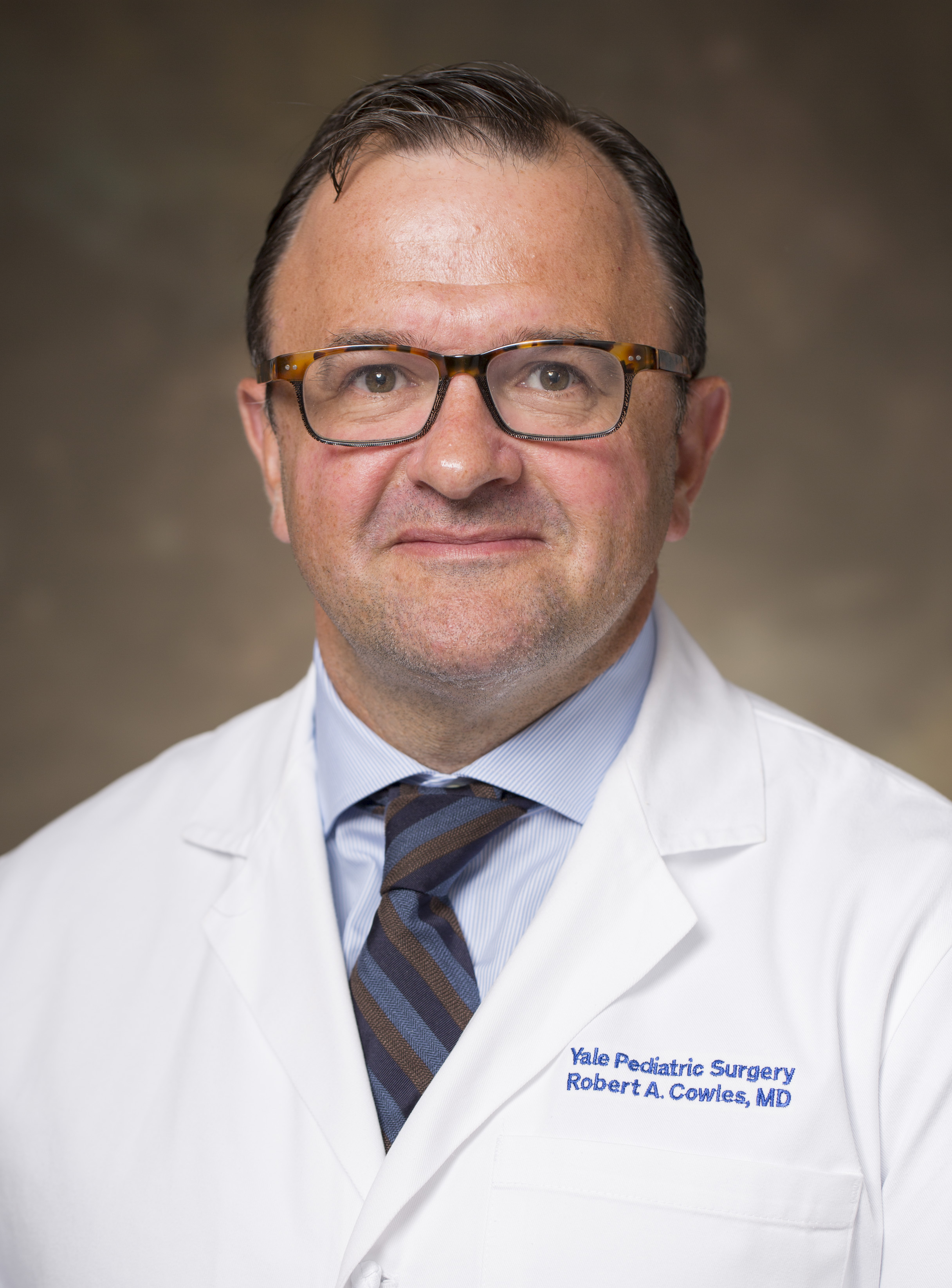 Robert Cowles合作论文数Yale Department of Surgery, Yale School of Medicine, Yale University2Matthew Shaughnessy合作论文数2
 Rosemary A. Kozar合作论文数School of Medicine, University of Maryland;Shock Trauma Anesthesia Research Center, University of Maryland2
 Amanda Chipman合作论文数Department of Neurobiology, University of Pittsburgh2Kimberly Tann合作论文数1Elena Graetz合作论文数1John Perrino合作论文数1Aimee LaRiccia合作论文数1Pranaya Terse合作论文数1Jordan Kirsch合作论文数1Kathleen M Madden合作论文数1Anquonette Stiles合作论文数1Alexandria Byskosh合作论文数1J. Leslie Knod合作论文数1Julianne Ontengco合作论文数1Yee M Wong合作论文数1Jeffry Nahmias合作论文数1Jessica K. Reynolds合作论文数1Hong Zeng合作论文数1Christopher M Adams合作论文数1Claire Hardman合作论文数1
 Cornelia L Griggs合作论文数1Christopher A. Guidry合作论文数1
 Khaled M. Taghlabi合作论文数Department of Neurological Surgery, Houston Methodist Hospital1Kelly Lightwine合作论文数1Sarabeth A Spitzer合作论文数Sch Med, Stanford Univ1Sarah A Moore合作论文数1Ashok Nambiar合作论文数1
 Erin Ross合作论文数Zuckerberg San Francisco Hospital and Trauma Center, University of California San Francisco1Jennifer R DeFazio合作论文数Univ Chicago, Dept Surg, 5841 S Maryland Ave, Chicago, IL 60637 USA1Jennifer S Lin合作论文数1
 Stefan Scholz合作论文数Division of Pediatric General and Thoracic Surgery, UPMC Children's Hospital of Pittsburgh1
 Sirivan Seng合作论文数1
 Khaled Abdul Jawad合作论文数Jackson Memorial Hospital, University of Miami Miller School of Medicine;Fax: +1 (305) 585-1178;Jackson Memorial Hospital, University of Miami Miller School of Medicine1Yanfeng Li合作论文数1William Duong合作论文数Div Trauma Burns & Surg Crit Care, Univ Calif Irvine1
 Elliot Luttrell-Williams合作论文数Div Cardiol, NYU1
 Jeffrey S. Berger合作论文数Department of Medicine, Grossman School of Medicine, New York University;Department of Surgery, Grossman School of Medicine, New York University;Center for the Prevention of Cardiovascular Disease, NYU Langone Health1
 Joseph Posluszny合作论文数Northwestern Medicine Center For Complex Gynecology;Northwestern Memorial Hospital1




