Recent advancements in Text-to-SQL (Text2SQL) emphasize stimulating the large language models (LLM) on in-context learning, achieving significant results. Nevertheless, they face challenges when dealing with verbose database information and complex user intentions. This paper presents a two-stage framework to enhance the performance of current LLM-based natural language to SQL systems. We first introduce a novel prompt representation, called reference-enhanced representation, which includes schema information and randomly sampled cell values from tables to instruct LLMs in generating SQL queries. Then, in the first stage, question-SQL pairs are retrieved as few-shot demonstrations, prompting the LLM to generate a preliminary SQL (PreSQL). After that, the mentioned entities in PreSQL are parsed to conduct schema linking, which can significantly compact the useful information. In the second stage, with the linked schema, we simplify the prompt's schema information and instruct the LLM to produce the final SQL. Finally, as the post-refinement module, we propose using cross-consistency across different LLMs rather than self-consistency within a particular LLM. Our methods achieve new SOTA results on the Spider benchmark, with an execution accuracy of 87.6
Sensors are commonly deployed to perceive the environment. However, due to the high cost, sensors are usually sparsely deployed. Kriging is the tailored task to infer the unobserved nodes (without sensors) using the observed source nodes (with sensors). The essence of kriging task is transferability. Recently, several inductive spatio-temporal kriging methods have been proposed based on graph neural networks, being trained based on a graph built on top of observed nodes via pretext tasks such as masking nodes out and reconstructing them. However, the graph in training is inevitably much sparser than the graph in inference that includes all the observed and unobserved nodes. The learned pattern cannot be well generalized for inference, denoted as graph gap. To address this issue, we first present a novel Increment training strategy: instead of masking nodes (and reconstructing them), we add virtual nodes into the training graph so as to mitigate the graph gap issue naturally. Nevertheless, the empty-shell virtual nodes without labels could have bad-learned features and lack supervision signals. To solve these issues, we pair each virtual node with its most similar observed node and fuse their features together; to enhance the supervision signal, we construct reliable pseudo labels for virtual nodes. As a result, the learned pattern of virtual nodes could be safely transferred to real unobserved nodes for reliable kriging. We name our new Kriging model with Increment Training Strategy as KITS. Extensive experiments demonstrate that KITS consistently outperforms existing kriging methods by large margins, e.g., the improvement over MAE score could be as high as 18.33
Trajectory recovery from snapshots captured by a city-wide multi-camera network facilitates urban mobility sensing and road network optimization. State-of-the-art solutions for such vision-based schemes typically rely on predefined rules or unsupervised iterative feedback, but they struggle with multiple challenges, such as the lack of open-source datasets for training the entire pipeline and the vulnerability to noise in visual inputs. In response to the dilemma, this paper proposes VisionTraj, the first learning-based model that reconstructs vehicle trajectories from snapshots recorded by road network cameras. Along with this, we present two well-designed vision-trajectory datasets that provide extensive trajectory data and corresponding visual snapshots, enabling the extraction of supervised vision-trajectory interactions. After the data creation, based on the results from the off-the-shelf multi-modal vehicle clustering, we first re-formulate the trajectory recovery problem as a generative task and introduce the canonical Transformer as the autoregressive backbone. Next, to identify clustering noise (i.e., false positives) based on the snapshots' spatiotemporal dependencies, a graph convolutional neural network-based soft-denoising module is built upon the fine-and coarse-grained clusters. Additionally, we leverage strong semantic information extracted from the tracklet to provide detailed insights into the vehicle's entry and exit behaviors during trajectory recovery. The denoising and tracklet components can also serve as plug-and-play modules to enhance baselines. Experimental results on the two hand-crafted datasets show that the proposed VisionTraj achieves a maximum improvement of +11.5% against the sub-best model. Furthermore, we explore potential downstream applications, and our model continues to outperform its peers. The code and data are available here https://github.com/bonaldli/VisionTraj
Accurate airport traffic flow estimation is crucial for the secure and orderly operation of the aviation system. Recent advances in machine learning have achieved promising prediction results in the single-airport scenario. However, these works overlook the variational spatial interactions hidden among airports and show limited performances on the traffic flow prediction task for the aviation system which is composed of several airports. In this paper, we consider the multi-airport scenario and propose a novel spatio-temporal hybrid deep learning model to efficiently capture spatial correlations as well as temporal dependencies in a parallelized way. Specifically, we introduce the causal inference among airports to model their interactions and thus construct adaptive causality graphs in a data-driven manner to address the heterogeneity of airports. Furthermore, given that multi-source features are not applicable for all airports, a feature mask module is designated to adaptively select the features in spatial information mining. Extensive experiments are conducted on the real data of top-30 busiest airports in China. The results show that our spatio-temporal deep learning approach is superior to state-of-the-art methodologies and the improvement ratio is up to 4.7% against benchmarks. Ablation studies emphasize the power of the proposed adaptive causality graph and the feature mask module. All of these prove the effectiveness of the proposed methodology.
Large Language Models (LLMs) have emerged as a powerful tool in advancing the Text-to-SQL task, significantly outperforming traditional methods. Nevertheless, as a nascent research field, there is still no consensus on the optimal prompt templates and design frameworks. Additionally, existing benchmarks inadequately explore the performance of LLMs across the various sub-tasks of the Text-to-SQL process, which hinders the assessment of LLMs' cognitive capabilities and the optimization of LLM-based solutions. To address the aforementioned issues, we firstly construct a new dataset designed to mitigate the risk of overfitting in LLMs. Then we formulate five evaluation tasks to comprehensively assess the performance of diverse methods across various LLMs throughout the Text-to-SQL process.Our study highlights the performance disparities among LLMs and proposes optimal in-context learning solutions tailored to each task. These findings offer valuable insights for enhancing the development of LLM-based Text-to-SQL systems.
Airspace complexity is defined as an essential indicator to comprehensively measure the safety of air traffic operational situations. A reliable prediction of airspace complexity can provide practical guidance for formulating air traffic management strategies and resource allocation. Although extensive efforts have been devoted to computing airspace complexity, previous studies can rarely model the multi-dimensional and combined spatio-temporal features within airspace complexity data. In this paper, we propose a multimodal adaptive spatio-temporal graph neural network to simultaneously explore the spatio-temporal dependencies in the airspace sector network. Specifically, we design a multimodal adaptive graph convolution module to effectively learn the diverse spatial relationships and adaptively adjust the impact of different spatial modes on airspace complexity in a data-driven manner. To model dynamic long-short-term temporal patterns, we develop a dilated causal convolution layer with a multiple-time-step self-attention mechanism to accurately predict airspace complexity over a longer time horizon. Extensive experiments on real-world air traffic datasets show that the proposed approach can harness differing spatial modes in achieving higher generalization performance across different temporal patterns, outperforming state-of-the-art methods in all prediction time horizons.
Simulating human mobility contributes to city behavior discovery and decision-making. Although the sequence-based and image-based approaches have made impressive achievements, they still suffer from respective deficiencies such as omitting the depiction of spatial properties or ordinal dependency in trajectory. In this article, we take advantage of the above two paradigms and propose a semantic-guiding adversarial network (TrajSGAN) for generating human trajectories. Specifically, we first devise an attention-based generator to yield trajectory locations in a sequence-to-sequence manner. The encoded historical visits are queried with semantic knowledge (e.g., travel modes and trip purposes) and their important features are enhanced by the multihead attention mechanism. Then, we designate a rollout module to complete the unfinished trajectory sequence and transform it into an image that can depict its spatial structure. Finally, a convolutional neural network (CNN)-based discriminator signifies how “real” the trajectory image looks, and its output is regarded as a reward signal to update the generator by the policy gradient. Experimental results show that the proposed TrajSGAN model significantly outperforms the benchmarks under the MTL-Trajet mobility dataset, with the divergence of spatial-related metrics such as radius of gyration and travel distance reduced by 10%–27%. Furthermore, we apply the real and synthetic trajectories, respectively, to simulate the COVID-19 epidemic spreading under three preventive actions. The coefficient of determination metric between real and synthetic results achieves 91%–98%, indicating that the synthesized data from TrajSGAN can be leveraged to study the epidemic diffusion with an acceptable difference. All of these results verify the superiority and utility of our proposed method.
Directed Acyclic Graphical (DAG) models efficiently formulate causal relationships in complex systems. Traditional DAGs assume nodes to be scalar variables, characterizing complex systems under a facile and oversimplified form. This paper considers that nodes can be multivariate functional data and thus proposes a multivariate functional DAG (MultiFun-DAG). It constructs a hidden bilinear multivariate function-to-function regression to describe the causal relationships between different nodes. Then an Expectation-Maximum algorithm is used to learn the graph structure as a score-based algorithm with acyclic constraints. Theoretical properties are diligently derived. Prudent numerical studies and a case study from urban traffic congestion analysis are conducted to show MultiFun-DAG's effectiveness.
Parallel systems adaptively optimize complex physi-cal systems that involve both engineering and social complexities based on optimal strategies learned from large amounts of artificial data. Despite their great success in many applications, existing parallel systems still face challenges such as insufficient data for artificial systems, inefficient implementation of computational experiments, and unexplainable interaction during parallel execution. Recent advances in large language models (LLMs) have endowed them with diverse emergent abilities, such as synthesizing virtual data, assisting humans with complex tasks, designing and executing plans, and engaging in natural language conversations. These capabilities provide parallel systems with new opportunities for performance improvement. This paper systematically reviews the state-of-the-art research on LLMs and their applications in parallel system-related domains, aiming to provide valuable insights for researchers in related fields.
The steam drum water level is a critical parameter that directly impacts the safety and efficiency of power plant operations. However, predicting the drum water level in boilers is challenging due to complex non-linear process dynamics originating from long-time delays and interrelations, as well as measurement noise. This paper investigates the application of Transformer-based models for predicting drum water levels in a steam boiler plant. Leveraging the capabilities of Transformer architectures, this study aims to develop an accurate and robust predictive framework to anticipate water level fluctuations and facilitate proactive control strategies. To this end, a prudent pipeline is proposed, including 1) data preprocess, 2) causal relation analysis, 3) delay inference, 4) variable augmentation, and 5) prediction. Through extensive experimentation and analysis, the effectiveness of Transformer-based approaches in steam drum water level prediction is evaluated, highlighting their potential to enhance operational stability and optimize plant performance.
Long-separated research has been conducted on two highly correlated tracks: traffic and incidents. Traffic track witnesses complicating deep learning models, e.g., to push the prediction a few percent more accurate, and the incident track only studies the incidents alone, e.g., to infer the incident risk. We, for the first time, spatiotemporally aligned the two tracks in a large-scale region (16,972 traffic nodes) from year 2022 to 2024: our TraffiDent dataset includes traffic, i.e., time-series indexes on traffic flow, lane occupancy, and average vehicle speed, and incident, whose records are spatiotemporally aligned with traffic data, with seven different incident classes. Additionally, each node includes detailed physical and policy-level meta-attributes of lanes. Previous datasets typically contain only traffic or incident data in isolation, limiting research to general forecasting tasks. TraffiDent integrates both, enabling detailed analysis of traffic-incident interactions and causal relationships. To demonstrate its broad applicability, we design: (1) post-incident traffic forecasting to quantify the impact of different incidents on traffic indexes; (2) incident classification using traffic indexes to determine the incidents types for precautions measures; (3) global causal analysis among the traffic indexes, meta-attributes, and incidents to give high-level guidance of the interrelations of various factors; (4) local causal analysis within road nodes to examine how different incidents affect the road segments' relations. The dataset is available at https://xaitraffic.github.io.
The coronavirus disease 2019 (COVID-19) pandemic has changed the world deeply. Urban trajectory big data collected by wireless sensing devices provide great assistance for COVID-19 prevention. However, except for contact tracing, trajectory data are rarely employed in other preventative scenarios against the pandemic. In this article, we try to extend the application of trajectories auto-collected by wireless sensing devices and simulate the epidemic spread in a trajectory data-driven manner. After that, the effects of three nonpharmacological measures are quantified. In contrast to existing studies, additional requirements such as the complex topological networks are needless in our simulation, where the interactions between agents are derived by the intersections of their trajectories. Concretely, the dynamic of virus propagation among individuals is first modeled, and then an agent-based microsimulation environment is built as an artificial system to conduct the epidemic spread simulation. Finally, the trajectories are loaded into the agents as the reliance for their interactions, and the macroscopic changes under different interventions are revealed in a bottom–up way. As a case study, we conduct the simulation based on the trajectories in a real region, in which we find the following. 1) Among the three examined nonpharmacological interventions, community containment is more effective than keeping social distance, which can lower the deaths to nearly 1/9 compared to no action, while travel restrictions play limited roles. 2) There is a strong positive correlation between population densities and mortality. 3) The timing of community containment triggered by confirmed diagnoses is proportional to the number of deaths, thus early containment will significantly decrease mortality.
In sophisticated existing Text-to-SQL methods exhibit errors in various proportions, including schema-linking errors (incorrect columns, tables, or extra columns), join errors, nested errors, and group-by errors. Consequently, there is a critical need to filter out unnecessary tables and columns, directing the language models attention to relevant tables and columns with schema-linking, to reduce errors during SQL generation. Previous approaches have involved sorting tables and columns based on their relevance to the question, selecting the top-ranked ones for sorting, or directly identifying the necessary tables and columns for SQL generation. However, these methods face challenges such as lengthy model training times, high consumption of expensive GPT-4 tokens in few-shot prompts, or suboptimal performance in schema linking. Therefore, we propose an inventive schema linking method in two steps: Firstly, generate an initial SQL query by utilizing the complete database schema. Subsequently, extract tables and columns from the initial SQL query to create a concise schema. Using CodeLlama-34B, when comparing the schemas obtained by mainstream methods with ours for SQL generation, our schema performs optimally. Leveraging GPT4, our SQL generation method achieved results that are comparable to mainstream Text-to-SQL methods on the Spider dataset.
Traffic prediction, a critical component for intelligent transportation systems, endeavors to foresee future traffic at specific locations using historical data. Although existing traffic prediction models often emphasize developing complex neural network structures, their accuracy has not seen improvements accordingly. Recently, Large Language Models (LLMs) have shown outstanding capabilities in time series analysis. Differing from existing models, LLMs progress mainly through parameter expansion and extensive pre-training while maintaining their fundamental structures. In this paper, we propose a Spatial-Temporal Large Language Model (ST-LLM) for traffic prediction. Specifically, ST-LLM redefines the timesteps at each location as tokens and incorporates a spatial-temporal embedding module to learn the spatial location and global temporal representations of tokens. Then these representations are fused to provide each token with unified spatial and temporal information. Furthermore, we propose a novel partially frozen attention strategy of the LLM, which is designed to capture spatial-temporal dependencies for traffic prediction. Comprehensive experiments on real traffic datasets offer evidence that ST-LLM outperforms state-of-the-art models. Notably, the ST-LLM also exhibits robust performance in both few-shot and zero-shot prediction scenarios.
Kriging aims at estimating the attributes of unsampled geo-locations from observations in the spatial vicinity or physical connections, which helps mitigate skewed monitoring caused by under-deployed sensors. Existing works assume that neighbors' information offers the basis for estimating the attributes of the unobserved target while ignoring non-neighbors. However, non-neighbors could also offer constructive information, and neighbors could also be misleading. To this end, we propose ``Contrastive-Prototypical'' self-supervised learning for Kriging (KCP) to refine valuable information from neighbors and recycle the one from non-neighbors. As a pre-trained paradigm, we conduct the Kriging task from a new perspective of representation: we aim to first learn robust and general representations and then recover attributes from representations. A neighboring contrastive module is designed that coarsely learns the representations by narrowing the representation distance between the target and its neighbors while pushing away the non-neighbors. In parallel, a prototypical module is introduced to identify similar representations via exchanged prediction, thus refining the misleading neighbors and recycling the useful non-neighbors from the neighboring contrast component. As a result, not all the neighbors and some of the non-neighbors will be used to infer the target. To encourage the two modules above to learn general and robust representations, we design an adaptive augmentation module that incorporates data-driven attribute augmentation and centrality-based topology augmentation over the spatiotemporal Kriging graph data. Extensive experiments on real-world datasets demonstrate the superior performance of KCP compared to its peers with 6% improvements and exceptional transferability and robustness. The code is available at https://github.com/bonaldli/KCP
Person clustering with multi-modal clues, including faces, bodies, and voices, is critical for various tasks, such as movie parsing and identity-based movie editing. Related methods such as multi-view clustering mainly project multi-modal features into a joint feature space. However, multi-modal clue features are usually rather weakly correlated due to the semantic gap from the modality-specific uniqueness. As a result, these methods are not suitable for person clustering. In this article, we propose a Relation-Aware Distribution representation Network (RAD-Net) to generate a distribution representation for multi-modal clues. The distribution representation of a clue is a vector consisting of the relation between this clue and all other clues from all modalities, thus being modality agnostic and good for person clustering. Accordingly, we introduce a graph-based method to construct distribution representation and employ a cyclic update policy to refine distribution representation progressively. Our method achieves substantial improvements of +6% and +8.2% in F-score on the Video Person-Clustering Dataset (VPCD) and VoxCeleb2 multi-view clustering dataset, respectively.
Accurate airport capacity estimation is crucial for the secure and orderly operation of the aviation system. However, such estimation is a non-trivial task as capacity depends on various meteorological and operational features. The complex coupling characteristics among these multi-source features have proved to be challenging for most of the traditional regression models. Recently, enhanced by its excellent ability to mine nonlinear relationships, the machine learning methods trigger widely applications. However, due to the imbalance of features scatter and the neglect of temporal dependences in aviation systems, existing machine learning methods for airport capacity prediction still have room for improvement. In light of these, this paper presents a novel airport capacity prediction method based on the multi-channel fusion Transformer model (MF-Transformer). Besides the commonly used aviation features, we unprecedentedly harness the power of the high-dimensional meteorological feature for accurate prediction. As to the model, we construct a multi-channel feature fusion structure, which includes a three-channel network for multi-source features extraction and an attention-based feature fusion module between channels. In each channel, the Transformer-based model is utilized to capture the temporal dependences of features. We conduct experiments on the capacity prediction tasks of the Beijing Capital International Airport which is the largest airport in China and verify that the proposed MF-Transformer outperforms benchmarks under different prediction horizons.
Trajectory on the road traffic is commonly collected at a low sampling rate, and trajectory recovery aims to recover a complete and continuous trajectory from the sparse and discrete inputs. Recently, sequential language models have been innovatively adopted for trajectory recovery in a pre-trained manner: it learns road segment representation vectors, which will be used in the downstream tasks. However, existing methods are incapable of handling complex trajectories: when the trajectory crosses remote road segments or makes several turns, which we call critical nodes, the quality of learned representations deteriorates, and the recovered trajectories skip the critical nodes. This work is dedicated to offering a more robust trajectory recovery for complex trajectories. Firstly, we define the trajectory complexity based on the detour score and entropy score, and construct the complexity-aware semantic graphs correspondingly. Then, we propose a Multi-view Graph and Complexity Aware Transformer (MGCAT) model to encode these semantics in trajectory pre-training from two aspects: 1) adaptively aggregate the multi-view graph features considering trajectory pattern, and 2) higher attention to critical nodes in a complex trajectory. Such that, our MGCAT is perceptual when handling the critical scenario of complex trajectories. Extensive experiments are conducted on large-scale datasets. The results prove that our method learns better representations for trajectory recovery, with 5.22% higher F1-score overall and 8.16% higher F1-score for complex trajectories particularly. The code is available here.
This paper proposes to learn Multi-task, Multi-modal Direct Acyclic Graphs (MM-DAGs), which are commonly observed in complex systems, e.g., traffic, manufacturing, and weather systems, whose variables are multi-modal with scalars, vectors, and functions. This paper takes the traffic congestion analysis as a concrete case, where a traffic intersection is usually regarded as a DAG. In a road network of multiple intersections, different intersections can only have some overlapping and distinct variables observed. For example, a signalized intersection has traffic light-related variables, whereas unsignalized ones do not. This encourages the multi-task design: with each DAG as a task, the MM-DAG tries to learn the multiple DAGs jointly so that their consensus and consistency are maximized. To this end, we innovatively propose a multi-modal regression for linear causal relationship description of different variables. Then we develop a novel Causality Difference (CD) measure and its differentiable approximator. Compared with existing SOTA measures, CD can penalize the causal structural difference among DAGs with distinct nodes and can better consider the uncertainty of causal orders. We rigidly prove our design's topological interpretation and consistency properties. We conduct thorough simulations and one case study to show the effectiveness of our MM-DAG. The code is available under https://github.com/Lantian72/MM-DAG
The previous state-of-the-art (SOTA) method achieved a remarkable execution accuracy on the Spider dataset, which is one of the largest and most diverse datasets in the Text-to-SQL domain. However, during our reproduction of the business dataset, we observed a significant drop in performance. We examined the differences in dataset complexity, as well as the clarity of questions' intentions, and assessed how those differences could impact the performance of prompting methods. Subsequently, We develop a more adaptable and more general prompting method, involving mainly query rewriting and SQL boosting, which respectively transform vague information into exact and precise information and enhance the SQL itself by incorporating execution feedback and the query results from the database content. In order to prevent information gaps, we include the comments, value types, and value samples for columns as part of the database description in the prompt. Our experiments with Large Language Models (LLMs) illustrate the significant performance improvement on the business dataset and prove the substantial potential of our method. In terms of execution accuracy on the business dataset, the SOTA method scored 21.05, while our approach scored 65.79. As a result, our approach achieved a notable performance improvement even when using a less capable pre-trained language model. Last but not least, we also explore the Text-to-Python and Text-to-Function options, and we deeply analyze the pros and cons among them, offering valuable insights to the community.
 Yisheng Lv (吕宜生)合作论文数Institute of Automation, Chinese Academy of Science;University of Chinese Academy of Sciences19
 Ziyue Li (李梓玥)合作论文数上海科技大学16
 Gang Xiong (熊刚)合作论文数The State Key Laboratory of Management and Control for Complex Systems, Institute of Automation, Chinese Academy of Sciences;School of Artificial Intelligence, University of Chinese Academy of Sciences14
 Rui Zhao (趙瑞)合作论文数SenseTime Group Limited14
 Lei Bai (白磊)合作论文数Shanghai AI Laboratory8
 Feiyue Wang (王飞跃)合作论文数The State Key Laboratory for Management and Control of Complex Systems, Institute of Automation, Chinese Academy of Sciences;University of Chinese Academy of Sciences8
 Sun Yang合作论文数5
 Zhen Shen (沈震)合作论文数Institute of Automation, Chinese Academy of Sciences;University of Chinese Academy of Sciences5
 Zebing Wei合作论文数5
 Yuanyuan Chen合作论文数5
 Hangyu Mao (毛航宇)合作论文数Kuaishou Technology4
 Yu Zhang合作论文数Center for Urban Transportation Research, College of Engineering, University of South Florida;Smart Urban Mobility Laboratory, University of South Florida4
 Chen Zhang (张晨)合作论文数Department of Industrial Engineering, School of Mechanical Engineering, Tsinghua University;Industrial Statistics and Data Analytics Lab, Department of Industrial Engineering, Tsinghua University4
 Xisong Dong合作论文数4Junpeng Lin合作论文数3Xiaoru Hu合作论文数3Guoqing Du合作论文数3
 Haixiu Chen (陈海秀)合作论文数School of Automation, Nanjing University of Information Science & Technology3
 Wenbo Du (杜文博)合作论文数School of Electronic and Information Engineering, Beihang University3Feng Huang合作论文数2Man Li合作论文数2
 Qianxiong Xu合作论文数S-Lab, Nanyang Technological University;School of Computer Science and Engineering, Nanyang Technological University2
 Xiaojie Bu合作论文数2
 Xiaoli Liu合作论文数2
 Chenxi Liu合作论文数2Tian Lan合作论文数2
 Noreen Anwar合作论文数2Yunhao Nie合作论文数2
 Shenwen Chen合作论文数2
 Hongxia Zhao合作论文数2
 Weitai Yang合作论文数2
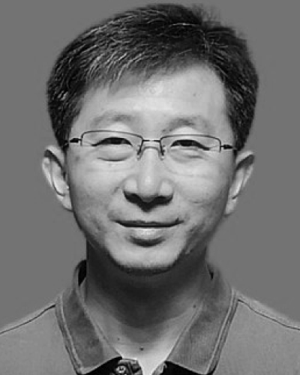 Meng Zheng合作论文数2Can Luo (罗灿)合作论文数2Yan Hou (侯艳)合作论文数2
 Wen Zhang (章文)合作论文数College of Informatics, Huazhong Agricultural University2
 Cheng Long合作论文数College of Computing and Data Science, Nanyang Technological University2
 Peijun Ye (叶佩军)合作论文数Institute of Automation, Chinese Academy of Sciences;University of Chinese Academy of Sciences2
 Qinghai Miao (缪青海)合作论文数School of Artificial Intelligence, University of Chinese Academy of Sciences2
 Fugee Tsung (宗福季)合作论文数Department of Industrial Engineering and Decision Analytics, School of Engineering, The Hong Kong University of Science and Technology2
 Wolfgang Ketter合作论文数Erasmus University Rotterdam2
 Sasu Tarkoma合作论文数Faculty of Science, University of Helsinki;Department of Computer Science, University of Helsinki;Helsinki Institute of Urban and Regional Studies, Helsinki Institute of Sustainability Science2
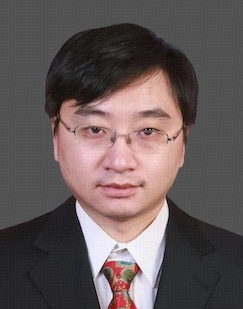 Ye Yuan (袁野)合作论文数School of Computer Science & Technology, Beijing Institute of Technology2
 Bin Hu (胡斌)合作论文数School of Information Science & Engineering, Lanzhou University;School of Computer Science & Technology, Beijing Institute of Technology2
 Xianbin Cao (曹先彬)合作论文数School of Electronics and Information Engineering, Beihang University;Hangzhou Innovation Institute, Beihang University2
 Fenghua Zhu (朱凤华)合作论文数Institute of Automation, Chinese Academy of Sciences;School of Artificial Intelligence, University of Chinese Academy of Sciences2
 Feng Zhu (朱烽)合作论文数SenseTime Group Ltd.2
 Haoyuan Jiang合作论文数Baidu Inc1
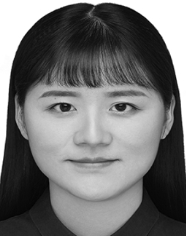 Jingqing Ruan合作论文数Institute of Automation, Chinese Academy of Sciences1
 Bin Zhang合作论文数Complex Systems Cognition and Decision Making Lab, Institute of Automation, Chinese Academy of Sciences1




