Transcriptional programs in renal cell carcinoma (RCC) have been linked to tumor heterogeneity and clinical outcomes, but analogous efforts to define chromatin programs shaping disease biology have been limited. Here, we generated single-cell ATAC-seq profiles from patients with RCC and integrated them with three previously published datasets to identify chromatin programs in tumor cells. We identified an interferon response program enriched in BAP1-mutant tumors, and, in bulk ATAC-seq cohorts with linked clinical data, this program was associated with poor prognosis. Mechanistic analyses in isogenic models suggested that BAP1 loss induces a tumor-intrinsic interferon response, with dysregulated endogenous retroviruses as a potential upstream trigger. We further characterized the BAP1 mutation-associated tumor microenvironment across single-cell, bulk, and multiplex immunofluorescence data, identifying features of both inflammation and immune evasion. Together, our findings nominate tumor-intrinsic interferon signaling as a candidate driver of BAP1-associated aggressiveness in RCC and highlight immune evasion pathways as potential therapeutic targets.
11132 Background: Immune-related adverse events (irAEs) from immune checkpoint inhibitors (ICIs) can be lifelong, fatal, or require treatment discontinuation, substantially limiting the clinical benefit of immunotherapy. Despite their impact, predictors of irAE susceptibility remain poorly defined, largely due to the lack of scalable approaches for toxicity phenotyping. Here, we leverage large language models and integrated clinico-genomic data to identify determinants of irAEs. Methods: We developed a custom retrieval augmented generation and large language model (RAG-LLM) pipeline to automatically annotate 6 key adverse events (adrenal insufficiency, hepatotoxicity, hyperthyroidism, hypothyroidism, colitis, and pneumonitis) using free text from clinical notes across Memorial Sloan Kettering Cancer Center. We first validated RAG-LLM predictions using a gold standard prospectively collected adverse event dataset from 8,119 patients across 1,057 individual clinical trials. RAG-LLM imputations were then scaled to 55,406 (12,291 ICI-treated) patients. All patients had associated somatic and germline MSK-IMPACT panel sequencing data. Single nucleotide polymorphism (SNP) imputation was performed using GLIMPSE and time-to-event genome-wide association studies (GWAS) were performed using SPACox. HLA class I genotypes were imputed using HLA-HD. Random Survival Forest (RSF) models were trained to predict irAE occurrence. Results: The custom RAG-LLM pipeline had strong performance across all 6 irAEs (area under the ROC curve of 0.77-1.00). In the RAG-LLM imputed data, 799 (1.4%) patients had adrenal insufficiency, 2,803 colitis (5.1%), 7,130 hypothyroidism (12.9%), 448 hyperthyroidism (0.8%), 15,627 hepatotoxicity (28.2%), and 3,730 pneumonitis (6.7%). Among ICI-treated patients, pneumonitis (HR 1.4; 95% CI 1.1-1.8; p < 0.01) and hepatotoxicity (HR 1.4; 95% CI 1.2-1.6; p < 0.01) were associated with worse overall survival. The GWAS found two genome-wide significant hits that predicted adrenal insufficiency (rs115003145, HLA region) and hypothyroidism (rs7864322, FOXE1 gene enhancer region) with p < 5x10 -8 . Fine mapping of the HLA SNP showed that HLA-C*06:02 was specifically associated with increased risk of adrenal insufficiency in ICI-treated patients only (HR 1.6; 95% CI 1.2-2.2; p < 0.01). RSF model performance for irAE occurrence had F1 scores of 0.67-0.85. For pneumonitis, patients with the highest risk quartile by RSF model had 7.1% risk of pneumonitis at 1 year compared to 0.4% for the lowest risk quartile (HR 14.9; 95% CI 10.4-21.3; p < 0.01). Conclusions: We developed and validated a novel custom RAG-LLM pipeline that allows automatic annotation of irAEs using clinical notes. Using this pipeline, we identified novel biomarkers of ICI-related adrenal insufficiency and hypothyroidism. Finally, we developed predictive models for irAE prediction that can be used at the point of care.
Abstract Background Loss of VHL, the primary driver of clear cell renal cell carcinoma (ccRCC), promotes aerobic glycolysis and suppresses oxidative phosphorylation (OxPhos). In contrast, non-clear cell RCC (non-ccRCC) comprises heterogeneous tumors lacking shared nuclear drivers. Mitochondrially-encoded electron transport chain (ETC) genes encoding for complex I, required for OxPhos, have been recently reported to be recurrently mutated across cancers. Here, we show that mitochondrial DNA (mtDNA) mutations in non-ccRCC phenocopy VHL loss, converging on a shared metabolic program to drive a stem-like transcriptional state. Methods mtDNA mutations were called in samples with sufficient coverage ( > =5 reads across >90% of the mitochondrial genome) in TCGA (N = 3,265; N = 324 RCC) and the institutional MSK-IMPACT cohort (N = 22,252; N = 568 RCC). Isogenic cell lines (ACHN, 786O, HEK293T) harboring pathogenic complex I mutations (m.11696G>A) were generated using DddA-derived cytidine base editors (ddCBEs) at different levels of heteroplasmy. Metabolic phenotyping was performed using Gas Chromatography (GC/MS) and Liquid Chromatography–Mass Spectrometry (LC/MS) as well as Seahorse and YSI assays. Single cell multi-omics was performed with DOGMA-seq with mtDNA variant calling performed using mgatk. Results Across all cancer types in TCGA, RCC tumors were among the most enriched in ETC truncating mutations. These mutations most commonly affected mitochondrial components of complex I and were enriched to high levels of heteroplasmy. VHL-driven ccRCC was relatively depleted in these mutations compared to other subtypes (ccRCC: 8.6%, chRCC: 20.0%, pRCC: 34.0%) (Figure 1a). These results were independently replicated in the MSK-IMPACT cohort (data not shown). ACHNm.11696G>A heteroplasmic cells displayed decreased oxygen consumption rates (Figure 1b), increased glucose consumption and lactate production (Figure 1c), phenocopying the effect of VHL KO (data not shown). These metabolic changes led to an increase in the 2-hydroxyglutarate/alpha-ketoglutarate (2HG/aKG) ratio with increasing heteroplasmy (Figure 1d), complex I pharmacologic inhibition (Figure 1e), and VHL KO (Figure 1f). This increase in 2HG was entirely accounted for by the L-enantiomer of 2HG (Figure 1g) and was consistently found in RCC tumors compared to normal kidney (Figure 1h), with the extent of elevation being most pronounced in tumors with sarcomatoid/rhabdoid features (Figure 1i). To evaluate the effect of heteroplasmy on transcriptional state, we performed DOGMA-seq on ACHNm.11696G>A with 76% bulk heteroplasmy (Figure 1j); the wide single-cell distribution of heteroplasmy (Figure 1k) allowed us to evaluate the correlation of heteroplasmy with transcriptional state at the single-cell level. We consistently found that heteroplasmy associated with an increase in OCT4, NANOG, and SOX2 target genes consistent with a stem-like signature (Figure 1l). Conclusions mtDNA mutations are very common in non-ccRCC and phenocopy the metabolic effects of VHL loss in ccRCC. Both mtDNA mutations and VHL loss lead to an increase in the 2HG/aKG ratio, which has been shown to lead to a block in differentiation via the inhibition of aKG-dependent dioxygenases (PMIDs: 33092942; 26212717; 31534224). Consistently, we find that increasing heteroplasmy associates with a stem-like signature. These findings nominate mtDNA mutations as a shared driver across non-ccRCC subtypes. DOD CDMRP Funding yes
Cancer cachexia is a wasting syndrome that remodels the anatomy of the patient. How this remodeling unfolds across tissues, whether it defines distinct disease states, and how these states relate to underlying biology remain unknown. We used longitudinal computed tomography imaging from 4,516 patients to quantify evolution of muscle, adipose, and organs during cachexia. Across two independent institutional cohorts, unsupervised analysis identified three reproducible anatomical subtypes of cachexia, including an inflammatory Type A marked by progressive hepatosplenic enlargement and inferior survival, a Type B dominated by visceral organ atrophy, and a mild Type C. These anatomical subtypes were associated with distinct serological signatures and reflected in molecular phenotypes in tumors and non-cancerous liver tissue, establishing cachexia as discrete anatomical disease states that link whole-body remodeling to systemic and tissue-level biology. This anatomy-first framework for cachexia classification provides a foundation for future patient stratification and development of subtype-specific anti-cachexia therapies.
693 Background: Overall survival (OS) remains the gold-standard endpoint in solid tumors, including metastatic bladder cancer (mBC), but requires extensive follow-up and resources. Real-world endpoints (RWE) such as real-world progression-free survival (rwPFS), time to next therapy (TTNT), time to end of first-line therapy (TTEFL), second-line rwPFS (rwPFS2), and treatment-free survival (TFS) may accelerate evidence generation if validated as OS surrogates. Methods: We analyzed 5,296 patients with mBC from who received first-line chemotherapy (n = 3,831) or single-agent immune checkpoint inhibitors (ICI, n = 1,465) using the Flatiron Health database. Patient-level surrogacy was assessed using Kendall’s tau. For group-level surrogacy, patients were stratified into 20 risk-based sub-cohorts via Cox regression–derived risk scores. The R² from linear regression quantified the association between 12-month OS rates and 3-month event-free rates for rwPFS, TTNT, and TTEFL across sub-cohorts. TFS was evaluated as the restricted mean survival time between TTEFL and TTNT over 12 months. Sensitivity analyses tested alternative timepoints and cohort sizes. Results: Median OS was 14.5 months (18-month OS, 43%) for chemotherapy and 8.9 months (18-month OS, 34%) for ICI. At patient level, rwPFS (τ = 0.67 chemotherapy; 0.71 ICI), TTNT (0.58; 0.78), and rwPFS2 (0.94; 0.96) showed robust correlations with OS, whereas TTEFL was weaker (0.30, 0.59). At group level, 3-month rwPFS (R² = 0.88) and TTNT (0.85) were strongly correlated with 12-month OS in chemotherapy, while in ICI, TTEFL (0.80) and TTNT (0.78) outperformed rwPFS (0.59) at 3 months. Extending rwPFS to 6 months against 18-month OS improved its correlation in ICI (0.70), reflecting delayed immunotherapy benefit. TFS paralleled OS in chemotherapy (R² = 0.85) but was less informative for ICI (0.03). Sensitivity analyses confirmed robustness across varied time horizons and cohort sizes. Conclusions: This study suggests RWEs as potential surrogates for OS in mBC, with optimal endpoints varying by treatment type. For chemotherapy, rwPFS and TTNT serve as reliable proxies. In ICI-treated patients, TTNT and TTEFL provide robust early signals, with rwPFS gaining predictive strength over longer follow-ups. These insights pave the way for faster, more effective evaluations of treatment outcomes in mBC, ultimately enhancing clinical and regulatory decision-making.
The management of metastatic renal cell carcinoma (RCC) has undergone a major transformation, with median survival increasing from <1 year to ~5 years. However, biomarker development in RCC has lagged, largely because the most effective therapies, such as immune checkpoint inhibitors and VEGFR tyrosine kinase inhibitors, act on the tumour microenvironment rather than directly on tumour cells. Although predictive biomarker development in RCC remains challenging, selected tools such as circulating biomarkers and tissue-based RNA signatures are shaping a personalized approach to care, with some emerging biomarkers showing clinical potential, and additional biomarkers poised to enter clinical practice.
VHL loss is a cardinal feature of renal cell carcinoma (RCC), specifically of the clear cell RCC (ccRCC) subtype, and leads to activation of aerobic glycolysis and suppression of oxidative phosphorylation (OxPhos). In contrast, Non-VHL driven forms of RCC are a heterogeneous group of tumors with few known nuclear oncogenic drivers, none of which are shared across these tumors. Recent studies have shown that mitochondrially-encoded electron transport chain (ETC) genes, responsible for OxPhos, can be mutated in a range of cancers. Mitochondrial mutations were called using a previously published custom pipeline for variant calling (PMID: 33833465). On-target (whole genome sequencing) and off-target (whole exome and gene panel-based sequencing) reads were used. Only samples with sufficient coverage (>=5 reads across >90% of the mitochondrial genome) were included. This was performed (N with sufficient coverage) in TCGA (N= 3,265; N=324 RCC), the institutional MSK-IMPACT cohort (N= 22,252; N=568 RCC), and CCLE/Depmap (N= 377; N=11 RCC). Mutual exclusivity between each established RCC nuclear driver gene (N=16, PMID: 29617669) and the heteroplasmy of ETC truncating variants was evaluated using pairwise t-tests comparing heteroplasmy between the mutated and wild-type RCC samples for each nuclear driver gene. CERES scores from genome-wide CRISPR screens in Depmap were used to compare gene dependency between cell lines. Benjamini-Hochberg correction was used to control type I error. Across all cancer types in TCGA, RCC tumors were among the most enriched in ETC truncating mutations. These mutations most commonly affected components of mitochondrial complex I and were enriched to high levels of heteroplasmy. VHL-driven ccRCC was relatively depleted in these mutations compared to other subtypes (ccRCC: 8.6%, chRCC: 20.0%, pRCC: 34.0%). Further, the heteroplasmy of truncating mutations was significantly increased in chRCC and pRCC compared to ccRCC (p<0.05). Among all established RCC nuclear driver genes, VHL was found to be mutually exclusive with high heteroplasmy ETC truncating mutations (q<0.05). These results were independently replicated in the MSK-IMPACT cohort. Using data from CCLE/Depmap, we find that while cell lines with high heteroplasmy (>50%; N=13) truncating mitochondrially-encoded ETC mutations have differential dependencies compared to other cell lines, ETC mutations were not synthetically lethal with VHL mutations. We established that mutations in VHL and in mitochondrially-encoded ETC genes are mutually exclusive in RCC and that this mutual exclusivity is not accounted for by synthetic lethality. These results suggest that mitochondrial mutations may be phenocopying the effect of VHL on OxPhos and form the basis for our planned experimental work evaluating OxPhos dysregulation as a unifying feature of renal carcinogenesis. Ziad Bakouny, Sonia Boscenco, Ruobing Cui, Keunwoo Ryu, Ritesh R. Kotecha, Maria I. Carlo, Martin H. Voss, A. Ari Hakimi, Robert J. Motzer, Payam A. Gammage, Ed Reznik, Craig B. Thompson. An impaired ability to engage in oxidative phosphorylation as a unifying feature of renal carcinogenesis [abstract]. In: Proceedings of the American Association for Cancer Research Annual Meeting 2025; Part 1 (Regular Abstracts); 2025 Apr 25-30; Chicago, IL. Philadelphia (PA): AACR; Cancer Res 2025;85(8_Suppl_1):Abstract nr 1526.
9003 Background: IMGs constitute one-third of practicing oncologists in the US. However, there is limited data on their academic contributions. We analyzed the research productivity of IMG hematology-oncology fellows in US fellowship programs. Methods: Hematology-oncology fellows enrolled in an ACGME accredited training program as of June 2024, were identified from publicly available institutional fellowship program websites. Baseline characteristics (presumed gender, institution, additional graduate degrees [AD]) and academic profiles were abstracted. Research productivity data, including number of PubMed-listed manuscripts, original articles, review articles, first-author and senior-author manuscripts, google scholar (GS)-listed abstracts/articles, high-impact (impact factor ≥ 10) articles, citations, H-index, I-10 index were obtained from PubMed and GS. Fellows were categorized as IMGs or AMGs, based on whether they completed medical school outside or within the US, respectively. Chi-squared and Wilcoxon rank-sum/T-tests were used for categorical and numeric variables, respectively. Linear regression identified factors associated with higher research productivity. Results: Out of the total 1,858 fellows included, 42.3% were female, and 11% held ADs (e.g. master’s, PhD). Among all fellows, 30.5% were identified as IMGs. AMGs were more likely than IMGs to hold ADs (12% vs. 8.3%, p=0.019) and PhDs (8.9% vs. 3.4%, p<0.001). However, IMG fellows exhibited significantly higher research productivity, including more manuscripts (mean, 95% CI: 14.9 [12.6, 17.3] vs. 9.5 [8.6, 10.4]), abstracts (14.9 [9.2, 20.6] vs. 7.3 [3.5, 10.9]), review articles (4.9 [3.9, 6.0] vs. 2.4 [2.2, 2.7]), first-author manuscripts (4.3 [3.6, 5.0] vs. 2.7 [2.5, 2.8]), compared to AMGs (all p<0.001), Table 1. IMGs had an estimated 5.7 more manuscripts on average than AMGs after adjusting for gender and ADs (p<0.001); this difference varied by gender (8.7 higher in males, p<0.001, and 2.0 higher in females, p=0.2). Conclusions: IMG hematology-oncology fellows exhibit higher research productivity than their AMG counterparts, despite having fewer additional degrees. Our results highlight the substantial contributions of IMG fellows, underscore their critical role in academic medicine, and emphasize the importance of addressing potential structural barriers to practice at academic medical centers upon graduation. Research profile of IMG/AMG hematology-oncology fellows. Research productivity (median, IQR) IMG (N= 566) AMG (N= 1292) p-value PubMed manuscripts 7.5 (3, 16) 6 (2, 11) <0.001 GS articles 14 (6, 33) 9 (3, 18) <0.001 Abstracts 3 (1, 13) 2 (0, 6) <0.001 Original articles 4 (1, 11) 3 (1, 8) <0.001 Review articles 2 (0, 5) 1 (0, 3) <0.001 First-author manuscripts 2 (0, 5) 2 (0, 4) <0.001 Citations 116 (28, 310) 80 (12, 346) 0.07 H-index 5 (2, 8) 4 (0, 8) 0.003 I-10 index 3 (1, 9) 2 (0, 12) 0.28
9016 Background: Almost two-thirds of physicians report delaying childbearing due to medical training. Amongst hematologists-oncologists (HOs), up to 75% report burnout related to parenting. International Medical Graduates (IMGs) account for a third of all practicing HOs; yet little is known about the unique challenges they face in navigating parenthood. This cohort study aimed to explore parenting challenges of IMG HOs in the U.S. Methods: An anonymous survey was distributed electronically via social media and the ASCO community of practice between December 2024 and January 2025. Descriptive statistics were employed to compute frequencies and percentages of survey responses. Chi-square tests for independence were performed to evaluate associations between key survey variables. Results: Among 73 respondents, majority were aged 30–39 (50%) and were women (75%). At the start of their first U.S. post-graduate training, 51% of respondents were on J1/ H1B visa. The majority (77%) delayed parenthood due to medical careers with higher rates of delay in non-citizen/non-permanent resident (NCNPR) IMGs compared to those with permanent residence/citizenship (81% versus 71%). A Chi-square test indicated an association between immigration status and the likelihood of delayed parenthood (p=0.03). Parenthood delay correlated with work hours, financial strain, and lack of social support (Table 1). Key factors affecting career trajectory included decreased academic productivity (66%), reduced conference participation (64%), and declined advancement opportunities (53%). After having children, the most common challenges were achieving work-life balance (95%), lack of social support (93%), and increased burnout (92%). Visa status contributed to parenthood challenges for 38% of NCNPR IMGs. Respondents cited the need for childcare resources, enhanced leave policies, workplace accommodations, visa assistance, stronger support and mentorship. Conclusions: IMG HOs face significant challenges balancing parenthood and career, including higher burnout rates than previously reported amongst physicians. Within the cohort of IMG HOs, there is a significant association of immigration status with likelihood of delaying parenthood. Findings highlight the need for systemic support through improved childcare resources, workplace accommodations, mentorship, and visa assistance. Correlation between parenthood delay and determinants of parenthood timing. Factor Chi-Square p-value Duty hours 44.41 <0.0001 Financial strain 22.91 0.0285 Unsupportive work environment 34.5 0.0006 Lack of accommodations during pregnancy 29.79 0.003 Lack of/unclear parental leave policy 30.1 0.0027 Lack of accommodations post parental leave 26.28 0.0098 Lack of social support 39.96 0.0001 Impact on career trajectory 31.99 0.0014 Delay in training completion 30.06 0.0027
583 Background: ChRCC is a rare form of kidney cancer that has shown limited response to immune checkpoint inhibitors currently used as the standard-of-care for other RCC histologies. mTOR inhibition is a therapeutic strategy for advanced ChRCC, but the mechanistic basis for response remains poorly understood. We investigated clinical responses to mTOR inhibitors in patients with ChRCC and explored the underlying mechanism of therapeutic response at single-cell resolution. Methods: Clinical data from the International Metastatic RCC Database Consortium (IMDC) was used to evaluate survival outcomes, including progression-free survival (PFS) and overall survival (OS), in patients with metastatic ChRCC compared to metastatic clear cell RCC (mccRCC) treated with first-line mTOR inhibitors. To uncover the mechanisms underlying ChRCC’s clinical response and identify future therapeutic targets, we compared gene expression in ChRCC tumor cells against their cell-of-origin via scRNA-seq analysis. Epithelial cells from matched normal kidney samples were clustered and annotated into distinct known cellular types of the healthy human kidney. A logistic regression model (Young M.D. et al., 2018) was trained on normal epithelial clusters, using a set of 74 marker genes. The model was tested on ChRCC tumors to identify their cellular origin by finding the highest predicted probabilities of similarity between normal epithelial cellular types and tumor cells. Validation analysis was conducted using a separate training set (KPMP Atlas). Differential gene expression and pathway analyses between ChRCC and its cell-of-origin were then conducted. Results: Patients with metastatic ChRCC exhibited higher overall survival (OS) compared to those with metastatic clear cell RCC when treated with first-line mTOR inhibitors (median OS: 41.3 months [95% CI: 14.4-NR] vs. 13.4 months [95% CI: 10.9-15.3], respectively). After quality control, 7,425 cells from ChRCC tumors and 784 epithelial cells from adjacent normal kidney tissue were isolated for scRNA-seq analysis. Normal epithelial cells were classified into proximal tubule, loop of Henle – distal tubule, principal cells, α-intercalated cells (ICA), and β-intercalated cells (ICB). The ChRCC tumor cells showed the highest similarity to ICA cells (0.60 probability), which was confirmed in the validation analysis. Among the most upregulated genes in ChRCC compared to ICA were NUPR1, FTL, and FTH1, all associated with the inhibition of ferroptosis. The top enriched pathways included NFE2L2 signaling, ferroptosis, and mTORC1 signaling. Conclusions: Metastatic ChRCC patients demonstrate improved overall survival compared to mccRCC patients when treated with mTOR inhibitors as first-line therapy. ChRCC appears to originate from ICA cells of the normal kidney. Potential therapeutic targets in ChRCC include ferroptosis and mTOR signaling pathways.
PURPOSE International medical graduates (IMGs) are an essential component of the oncology workforce in the United States, comprising a third of all practicing oncologists and almost half of hematology/oncology fellows. In this article, we discuss the contributions of IMGs in the US oncology workforce, review unique challenges faced by IMGs, and propose potential solutions to overcome these challenges. METHODS ASCO's IMG Community of Practice was established with the mission to connect, mentor, guide, raise awareness, and overcome the challenges unique to IMGs interested in pursuing medical oncology in the United States. The content of this article is based on discussions at the IMG Community of Practice meetings at ASCO's 2023 and 2024 Annual Meetings. RESULTS IMGs bring an inherent diversity of thought and experience to the oncology workforce. They provide high-quality, culture- and language-concordant care to a diverse population of patients with cancer. However, IMGs in oncology face significant hardships throughout their careers, including visa-related restrictions, psychosocial and cultural struggles, as well as differential treatment while applying for residency and fellowship training, and early career positions. Greater awareness of these challenges among the members of the hematology/oncology community, along with institutional and individual efforts to support IMGs, is warranted. CONCLUSION We encourage oncology professionals and institutions to join our efforts in recognizing the unique paths of IMGs and providing support and advocacy to maximize the potential of IMGs in the US oncology workforce.
PURPOSEDespite international medical graduates (IMGs) accounting for up to one third of all practicing oncologists in the United States, and nearly half of fellowship trainees, little is known about their contributions to presentations at international oncology meetings. Therefore, we investigated the representation of IMGs in invited faculty roles at the ASCO Annual Meeting as a representative example.METHODSPresentation data from ASCO 2022 and 2023 Annual Meetings were obtained from program guides. We collected presentation-level and speaker-level variables of invited faculty roles and original research. Speakers were categorized as American medical graduate (AMG), IMG, non-US-based, or non-MD (Doctor of Medicine). Univariable and multivariable analyses assessed factors influencing selection for invited faculty roles.RESULTSA total of 2,590 presentations by 2,109 unique speakers were reviewed, including primary research presenters and invited faculty. Among the 1,352 presentations by AMGs, 30% were primary research and 70% were invited faculty roles. For the 374 presentations by IMGs, 41% were primary research and 59% were invited faculty roles. Notably, first-author IMGs were significantly less likely to receive invited faculty roles relative to their primary research output compared with first-author AMGs (adjusted odds ratio, 0.69 [95% CI, 0.53 to 0.90]; P = .006), even when accounting for academic rank, presumed sex, and year.CONCLUSIONRelative to IMGs' original research output, IMGs appear to receive fewer invitations for ASCO Annual Meeting invited faculty roles compared with AMGs. Our findings suggest potential underrepresentation and under-recognition of IMGs in these roles, despite their contributions to the oncology workforce in the United States.
PURPOSE While immune checkpoint inhibition (ICI) has transformed the management of many advanced renal cell carcinomas (RCCs), the determinants of effective antitumor immunity for chromophobe RCC (ChRCC) and renal oncocytic tumors remain an unmet clinical and scientific need. METHODS Single-cell transcriptomic and T-cell receptor profiling was performed on tumor and adjacent normal tissue of patients with ChRCC and renal oncocytic neoplasms. Using machine learning, the cellular origin of renal oncocytic neoplasms was evaluated, with analysis of associated oncogenic pathways. Using immunohistochemistry, immune infiltration was analyzed in renal oncocytic neoplasms in comparison with clear cell RCC (ccRCC). Immune checkpoint expression, clonal expansion, and tumor specificity were compared between ChRCC and ccRCC. Using the International Metastatic RCC Database Consortium data set, clinical outcomes of patients with metastatic ChRCC (mChRCC) treated with first-line systemic regimens were compared with those of patients with ccRCC. RESULTS We validated α-intercalated cells as the cellular origin of renal oncocytic neoplasms. We identified a downregulation of HLA class I molecules with enrichment of potentially targetable pathways including mammalian target of rapamycin and ferroptosis in ChRCC. The tumor microenvironment of ChRCC showed markedly decreased immune infiltration, with a pronounced depletion in tumor-infiltrating CD8 + T cells. ChRCC-infiltrating CD8 + T cells demonstrated lower immune checkpoint expression, diminished clonal expansion, and decreased tumor specificity. Clinical analysis identified poor survival outcomes selectively among patients with mChRCC treated with immune-based therapies. CONCLUSION Immunogenomic analysis of ChRCC revealed profound depletion of T cells, with an immune phenotype marked by a lack of expression of immune checkpoints and poor tumor specificity, suggesting that the few T cells in these tumor types are likely nonspecific bystanders. This immune-cold environment hinders an effective response to immunotherapy and underscores the need for ChRCC-tailored treatments designed to improve tumor-specific T-cell infiltration into the microenvironment.
Purpose:Translocation renal cell carcinoma (tRCC) is a rare and aggressive subtype of kidney cancer driven by an oncogenic fusion involving a transcription factor in the MiT/TFE gene family, most commonly TFE3. Treatment of tRCC currently lacks a clear standard of care, underscoring the pressing need to nominate new therapeutic targets with mechanistic rationale in this cancer. Experimental Design:In this study, we applied integrative genomic approaches to identify activation of the cyclin-dependent kinase 4/6 (CDK4/6) and mammalian target of rapamycin complex 1 (mTORC1) pathways in tRCC. We tested the activity of CDK4/6 inhibitors (CDK4/6i), alone or in combination with mTORC1-selective inhibition, using in vitro and in vivo models of tRCC. Results:tRCC tumors displayed multiple genomic and transcriptional features associated with activation of the CDK4/6 and mTORC1 signaling pathways. Genetic or pharmacologic inhibition of CDK4/6 suppressed tRCC cell growth and induced cell cycle arrest in vitro but was not cytotoxic, with rapid cell regrowth observed after drug withdrawal. The mTORC1-selective inhibitor, RMC-5552, potently reduced translation of Cyclin D1, which complexes with CDK4/6 proteins to regulate G1-S cell cycle progression. Combined treatment with the CDK4/6 inhibitor, palbociclib, and RMC-5552 resulted in synergistic suppression of tRCC cell viability and increased markers of apoptosis in vitro. The combination of palbociclib and RMC-5552 in a tRCC xenograft model showed greater efficacy than either single agent while also being well-tolerated. Conclusions:Our study indicates the therapeutic potential of combined CDK4/6 and mTORC1 inhibition in tRCC, providing the rationale for further clinical evaluation of this strategy.
Individuals with cancer are at increased risk of severe COVID-19 and immunogenicity of SARS-CoV-2 vaccines may be compromised, especially in those receiving systemic anti-cancer treatment. Understanding how treatment affects vaccine-induced humoral responses is critical to optimize vaccination strategies in this vulnerable population. This study evaluated neutralizing antibody responses to SARS-CoV-2 vaccination in cancer cohorts undergoing active treatment or not, measured at multiple timepoints before and after vaccination using a pseudovirus-based neutralization assay. We observed significantly lower seroconversion rates and impaired neutralizing antibody responses in the cancer cohort on active treatment compared to those not on treatment, suggesting an association between active treatment and a compromised functional immune response. Although strong correlations between anti-spike IgG and neutralizing antibodies were observed across all groups, regression analyses revealed potential differences in the relationship between binding and functional antibodies. We also observed the correlation between avidity and neutralizing antibodies varied across groups. These findings suggest that active systemic therapy impaired both the quantity and quality of antibody responses. Tailored vaccination timing and monitoring may be critical in reducing the risk of severe COVID-19 symptoms and improving COVID-19 vaccine efficacy in this population.
 Toni Choueiri合作论文数Lank Center for Genitourinary (GU) Oncology, Dana-Farber Cancer Institute;Harvard Medical School;Brigham and Women's Hospital127
 Chris Labaki合作论文数77Braun David A合作论文数67
 Ayman Assi合作论文数60
 Ismat Ghanem合作论文数Hôtel-Dieu de France;ENSAM;Faculty of Medicine, St Joseph University59Wafa Skalli合作论文数46Signoretti Sabina合作论文数45
 Eliezer Van Allen合作论文数Division of Population Sciences, Dana-Farber Cancer Institute;Harvard Medical School41
 Renee Maria Saliby合作论文数Faculty of Medicine, Saint Joseph University40
 Rana McKay合作论文数39John A Steinharter合作论文数Dana Farber Canc Inst, Lank Ctr Genitourinary Oncol, Boston, MA 02115 USA38
 Fares Yared合作论文数gastroenterology, Lebanese university37
 Wanling Xie合作论文数Department of Biostatistics and Computational Biology, Dana-Farber Cancer Institute36
 Andrew Schmidt合作论文数Dana Farber Canc Inst34Aren Joe Bizdikian合作论文数Fac Med, Univ St Joseph Beirut33McGregor Bradley A合作论文数29Massaad Abir合作论文数29
 Sarah Abou Alaiwi合作论文数Dana-Farber Cancer Institute, Boston, MA;28
 Amin H. Nassar合作论文数Department of Hematology/Oncology, Yale New Haven Hospital28Ronan Flippot合作论文数Inst Gustave Roussy, Med Oncol Dept, Villejuif, France27
 Pier Vitale Nuzzo合作论文数IRCCS AOU San Martino-IST, San Martino University Hospital and National Cancer Research Institute26Xu Wenxin合作论文数25
 Jeremy Lyle Warner合作论文数The Warren Alpert Medical School of Brown University;HemOnc.org25
 Elie Rassy合作论文数Faculty of Medicine, Saint Joseph University23
 Hwang Clara合作论文数22
 Gaby Kreichati合作论文数22
 Lauren C. Harshman合作论文数Surface Oncology Inc.21Xiao Wei合作论文数20
 Joeffroy Otayek合作论文数19Daniel Y C Heng合作论文数Univ Calgary, Tom Baker Canc Ctr, Calgary, AB, Canada19
 Eddy Saad合作论文数18Matthew Puc合作论文数18
 Mehmet Asim Bilen合作论文数Winship Cancer Institute, Emory University;Department of Hematology and Medical Oncology, School of Medicine, Emory University18
 Joseph Kattan合作论文数Faculty of Medicine, Saint Joseph University of Beirut;Faculty of Pharmacy, Saint Joseph University of Beirut;Hematology-Oncology Department, Saint Joseph University of Beirut18
 Miriam Ficial合作论文数Brigham & Womens Hosp, Dept Pathol, 75 Francis St, Boston, MA 02115 USA17
 Thomas Denize合作论文数Department of Pathology, Brigham and Women's Hospital, Boston, MA, USA17
 Sachet Shukla合作论文数Department of Hematopoietic Biology Malignancy, Graduate School of Biomedical Sciences, The University of Texas MD Anderson Cancer Center;Broad Institute17
 Sanjay Mishra合作论文数17Dimpy P Shah合作论文数Department of Infectious Diseases, Infection Control, and Employee Health, The University of Texas MD Anderson Cancer Center16
 David F. McDermott合作论文数Beth Israel Deaconess Medical Center;Harvard Medical School16
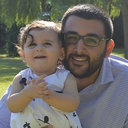 Tarek Assi合作论文数Hotel-Dieu de France University Hospital, Saint Joseph University16Joe Ghanimeh合作论文数15
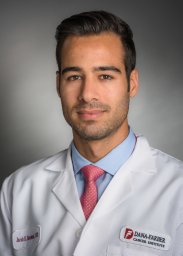 Jacob E Berchuck合作论文数Dana-Farber Cancer Institute15Kevin Bi合作论文数Dana Farber Canc Inst, Boston, MA 02115 USA15
 Nour Khalil合作论文数15
 Connor Wells合作论文数15
 Talal El Zarif合作论文数Lank Ctr Genitourinary Oncol, Dana Farber Canc Inst14
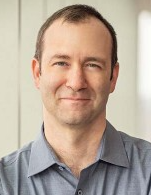 Christopher R. Friese合作论文数School of Nursing, University of Michigan;Rogel Cancer Center, University of Michigan;Center for Improving Patient and Population Health, University of Michigan14Viswanathan Srinivas R合作论文数Dept Med Oncol, Dana Farber Canc Inst14




