PURPOSE:Lutetium-177(177Lu)-PSMA-617 improves survival for patients with metastatic castration-resistant prostate cancer, but outcomes are heterogeneous and standardized risk stratification tools are lacking. We developed a novel risk stratification tool for patients treated with 177Lu-PSMA-617. METHODS:We conducted a retrospective analysis of 163 patients at Emory Winship Cancer Institute. Four prognostic models using Cox proportional hazards models were constructed using best-subset variable selection and integrated into a composite model. RESULTS:Among the 163 patients (52% White, 44% Black; 80% previous taxane use) body mass index decline during treatment was associated with shorter progression-free survival (PFS) and overall survival (OS) (HR = 1.75, P = .03; HR = 2.35, P = .031). Higher subcutaneous adipose tissue index (SATI)/skeletal muscle index (SMI) was independently associated with improved OS (HR = 0.5, P = .019), whereas higher visceral adipose tissue index (VATI)/SATI was independently associated with worse OS (HR = 2.62, P = .005). A body composition-based prognostic score identified VATI/SATI, SMI, and total adiposity as the strongest OS predictors (C = 0.629). The composite score incorporating inflammatory biomarkers and body composition demonstrated good discrimination (C-index = 0.732) and effectively stratified patients by PFS and OS. For PFS, relative risks across increasing risk quartiles were 0.34, 0.40, and 0.62 in compared with the highest risk quartile (P = .034). For OS, corresponding hazard ratios were 0.15, 0.19, and 0.54 (P = .003). CONCLUSIONS:A risk score incorporating body composition and inflammatory biomarkers demonstrates prognostic value for patients treated with 177Lu-PSMA-617.
241 Background: Lutetium-177 ( 177 Lu)–PSMA-617 is a radioligand therapy that can improve outcomes for patients with mCRPC; however, responses are variable. We assessed the prognostic value of body composition metrics for patients treated with 177 Lu–PSMA-617. Methods: We conducted a retrospective review of 163 patients with mCRPC treated with 177 Lu–PSMA-617 at the Emory Winship Cancer Institute. The computed tomography (CT) component of baseline prostate-specific membrane antigen positron emission tomography-CT before initiation of 177 Lu–PSMA-617 therapy was analyzed with Slice-O-Matic software (version 5.0). Univariate and multivariate Cox proportion models were used to assess survival outcomes. Results: Median patient age was 73 (IQR: 65-80); 84% of patients had been treated with taxane-based chemotherapy. Median overall survival (OS) was 15 months (95% CI: 13-22), median progression-free survival (PFS) was 6 months (95% CI: 5-8), and 55% of patients had a reduction in prostate-specific antigen ≥50% (PSA50). Body mass index (BMI) decline during treatment was independently associated with an increased risk of disease progression and a 2.35-fold increased hazard of death on multivariate analysis (PFS HR=1.75, 95% CI=1.06-2.91, p=0.03; OS HR=2.35, 95% CI: 1.08–5.09, p=0.03). The associations between body composition metrics and PSA50 response, PFS, and OS on multivariate analysis that controlling for patient age, race, prior taxane use, number of prior lines of therapy, and baseline PSA are displayed in Table 1. Conclusions: A decline in BMI during treatment with 177 Lu–PSMA-617 is associated with shortened PFS and OS. Higher visceral adipose tissue index (VATI)/subcutaneous adipose tissue index (SATI) is associated with shortened OS, while higher SATI/skeletal muscle index (SMI) is associated with prolonged survival. Higher SATI, SMI, and BMI displayed a trend towards improved outcomes. Association of body composition metrics and PSA50 response, PFS, and OS in patients treated with 177 Lu–PSMA-617. Body Composition Metric N PSA50 Odds Ratio (95% CI), p PFS Hazard Ratio (95% CI), p OS Hazard Ratio (95% CI), p Baseline BMI <25 0.28 (0.10-0.78) p=0.015* 1.15 (0.69-1.93) p=0.592 1.98 (0.94-4.17) p=0.073 >25 and <30 0.45 (0.17-1.16) p=0.099 1.05 (0.64-1.72) p=0.854 1.49 (0.7-3.17) p=0.3 >30 - - - SATI/SMI >1.62 1.40 (0.68-2.88) p=0.356 0.87 (0.58-1.30) p=0.493 0.50 (0.28-0.89) p=0.019* <1.62 - - - VATI/SATI >0.64 0.78 (0.38-1.64) p=0.519 1.36 (0.89-2.07) p=0.157 2.62 (1.34-5.11) p=0.005* <0.64 - - - VATI >38.5 0.81 (0.38-1.71) p=0.58 1.54 (1.00-2.39) p=0.052 1.42 (0.77-2.63) p=0.263 <38.5 - - - SATI >1.62 1.45 (0.68-3.09), p=0.333 0.87 (0.58-1.30) p=0.493 0.57 (0.32-1.02) p=0.06 <1.62 - - - SMI >47.4 2.59 (0.97-6.91), p=0.058 0.71 (0.42-1.21) p=0.212 0.51 (0.23-1.13) p=0.097 <47.4 - - -
BACKGROUND:Lutetium-177 (177Lu)-PSMA-617 is a beta-emitting radioligand approved for treatment of metastatic castration-resistant prostate cancer (mCRPC), despite the underrepresentation of Black patients in pivotal trials. We analyzed outcomes of 177Lu-PSMA-617 in a racially diverse cohort. METHODS:Retrospective analysis of patients with mCRPC treated with 177Lu-PSMA-617 was conducted at the Emory Winship Cancer Institute. Primary outcomes assessed were progression-free survival (PFS), overall survival (OS), and prostate-specific antigen (PSA) reduction ≥50% (PSA50). Cox proportional hazard models were used for univariate and multivariate OS and PFS, and logistic regression was used for PSA50 analysis. RESULTS:Among 163 patients treated with 177Lu-PSMA-617, 97 (59.5%) self-identified as White or other racial groups and 66 (40.5%) self-identified as Black. On univariate analysis, Black patients had comparable OS, PFS, and PSA50 responses to non-Black patients, with a trend toward improved outcomes (OS HR: 0.82, P = .446; PFS HR 0.92, P = .655; PSA50 OR = 1.79, P = .088). Multivariate analysis demonstrated a non-significant prolonged PFS and reduction in mortality risk for Black patients (PFS HR: 0.65, P = .106; OS: HR 0.59, HR P-value .081). The odds of a PSA50 response were 2.45 times higher for Black patients (OR = 2.45, P = .027). CONCLUSIONS:In our racially diverse cohort of patients with mCRPC, Black patients had PFS and OS comparable to non-Black patients, although wide confidence intervals limit definitive conclusions. Black patients had a significantly greater odds of achieving a PSA50 response. Our findings suggest efficacy of 177Lu-PSMA-617 among Black patients in real-world settings and underscore the importance of improved representation in prospective studies.
4540 Background: Estimating risk of renal cell cancer (RCC) relapse based only on pre-surgical data is key to future neoadjuvant trial design. The EA PROSPER phase 3 study accrued pts with clinical stage ≥T2 or T any N+ RCC of any histology for nephrectomy. Pts were randomized to presurgical nivolumab (nivo) followed by primary tumor resection and 9 cycles of adjuvant nivo, or surgery alone followed by observation. We used PROSPER data to assess how baseline data informs risk. We reviewed cT to pT stage transitions, associated cT stages with outcome, and asked if size in addition to cT stage increases predictive accuracy. Methods: Pts with clear cell (cc) RCC were included. cT to pT concordance was assessed by TNM 8 th edition. DFS analysis (time from surgery to recurrence, second primary, or any cause death) was performed; pts with no event were censored at date of last assessment. DFS analysis compared cT groups (cT1/cT2 vs cT3/cT4) in the overall eligible study population and within each study arm. A subset DFS analysis by tumor size among cT2a (> 7-8cm vs >8-10cm) and cT3a (< 7cm vs 7-8cm vs > 8cm) was explored. Cox proportional hazards models were used, and log-rank test was reported to represent global p-value of each model. Wald test p-value was reported for individual group comparison (in assessing more than two groups). Two-sided p-values are reported, all p-values were considered significant at 0.05. Results: Of 819 pts randomized, 732 ccRCC pts (382 surgery only, 350 nivo + surgery) had data available. DFS was significantly different between cT1/cT2 vs. cT3/cT4 group, favoring cT1/cT2 among all pts (HR [cT1/cT2 as reference]=1.56, two-sided log-rank p < 0.001) and in each of the treatment arms separately (nivo + surgery arm HR=1.48, two-sided log-rank=0.04 ; surgery only arm HR=1.63, two-sided log-rank p=0.007). About half of cT1/T2 pts were upstaged to pT3/4, whereas <10% of cT3a were downstaged to pT1b. Higher grade cT1/T2 were more likely to upstage (p-value < 0.001).119 pts with cT2a and 233 pts with cT3a had tumor size data available. There was no significant DFS difference between tumor size groups in the cT2a subset. In cT3a patients, DFS analysis by tumor size showed a trend of increasing risk for 7-8cm and > 8cm groups when compared to < 7cm group, with a statistically significant difference comparing > 8cm vs < 7cm (HR=3.33, two-sided Wald p < 0.001) signifying worse outcome for pts if tumor size > 8cm. Conclusions: In ccRCC pts, baseline cT assessment is associated with DFS outcome. High grade cT1/2 pts risk pathological upstaging to pT3. cT3+ identifies high risk pts, with <10% being downstaged. Pts with cT3a > 8cm have a worse prognosis than patients with < 7cm tumors. These findings should be accounted for in eligibility criteria and risk assessment models for neoadjuvant trials, and explored in other international datasets.
e14013 Background: Brain metastasis (BM) in renal cell carcinoma (RCC) remains a major clinical challenge and is frequently resistant to immune checkpoint inhibitor (ICI) therapy. The metabolic, and immunological adaptations that enable tumor survival within the brain microenvironment remain poorly defined. A comprehensive, brain-specific characterization of tumor–microenvironment is urgently needed to understand immune dysfunction and therapeutic resistance in RCC BM. Methods: We generated a large single-nucleus RNA sequencing dataset comprising 184,037 nuclei from 14 RCC brain metastasis (BM) patients, including matched primary kidney tumors (n = 8) and extracranial metastases (n = 5). Cell populations were identified across tumor, immune, and stromal compartments. Comparative analyses were performed to identify BM-specific transcriptional, metabolic, and immune programs. Spatial transcriptomic profiling was conducted on 12 BM samples (13,128 cells) to validate cellular localization and interactions. Ligand–receptor (LR) inference was applied to reconstruct intercellular communications across tumor and microenvironmental cell types. Results: RCC BM is associated with extensive immune remodeling of the brain microenvironment, accompanied by stromal involvement. Tumor cells show neural-like features with evidence of neuronal infiltration, while stromal populations display immunomodulatory phenotypes that shape the immune microenvironment and extend beyond canonical structural roles. This immune landscape is characterized by expansion of immunosuppressive myeloid populations, depletion of antigen-presenting dendritic cells, absence of tertiary lymphoid structures, and CD8⁺ T cells exhibiting terminal exhaustion with impaired proliferative capacity. Across tumor, immune, and stromal compartments, we observed coordinated metabolic shifts including enhanced OXPHOS, and MYC-associated transcriptional programs that are consistent with tumor progression. Spatial profiling and LR analyses confirmed interactions that providing mechanistic insight and informing therapeutic targeting strategies. Conclusions: This study defines RCC BM as biologically distinct tumor entity shaped by neural adaptation, metabolic reprogramming, and profound immune dysfunction. The coordinated emergence of immunosuppressive myeloid signaling, terminal T cell exhaustion, and loss of antigen presentation. This establishes a brain-specific microenvironment that limits the efficacy of immune checkpoint blockade. Together, this work highlights context-dependent therapeutic resistance mechanisms and identifies actionable pathways that may guide the development of effective, brain-tailored immunotherapeutic strategies. Importantly, these findings provided a foundation that directly supported two clinical trials testing lenvatinib plus pembrolizumab, and zanzalitinib in RCC BM patients.
5066 Background: Cabazitaxel (Cabazi) is an important treatment for refractory mCRPC, but responses are heterogeneous. Homologous recombination repair (HRR) and tumor suppressor gene (TSG alterations (alt) can predict aggressive behavior in patients (pts) with mCRPC. We hypothesize that Cabazi has enhanced efficacy in pts with these aggressive alt. Methods: The multi-institutional PROMISE clinical-genomic database was queried for patients who had undergone tumor next-generation sequencing prior to initiating Cabazi monotherapy for mCRPC. We evaluated the association of select gene alt HRR ( BRCA1, BRCA2, ATM, BRIP1, CDK12, CHEK2, PALB2, RAD51, RAD51B/CD ), TSG ( RB1 , PTEN loss, TP53 ) and other common alt in mCRPC with PSA response and clinical Progression to Cabazi. Comparisons of PSA50 responses were made using Fisher’s exact tests, and associations between genetic alterations and both OS and PFS were conducted using log-rank tests. Results: Among 383 pts who met inclusion criteria median age was 61 years, with 283 (74%) Caucasian pts, 71 (19%) African-American/Black pts, 9 (2%) Asian pts, and 20 (5%) Hispanic pts. 302 (79%) had prior docetaxel, 23 (6%) had received PARP inhibitor, and 16 (4%) had received Lu-177 PSMA. The most frequent alt noted were: TSG in 204 (53%) pts, TP53 in 164 (43%), AR alt in 130 (34%) pts, and HRR alt in 91 (24%) pts. No significant difference was noted in PSA50 responses in pts with TSG or HRR alt relative to wild-type, though there was a difference noted in pts with PIK3CA alt (Table). Progression-free survival (PFS) on Cabazi was shorter in pts with TP53 alt [HR 1.55 (1.19 – 2.04), p=0.001), any TSG alt [HR 1.51 (1.15 – 1.98) p=0.003], RB1 [HR 2.34 (1.38 – 3.99), p-=0.005], and AR alt [HR 1.37 (1.04 – 1.79) p=0.03). There was no difference in pts with HRR alt [HR 0.83 (0.60 – 1.15), p=0.26)]. Overall survival (OS) was prolonged in pts with HRR alt [HR 0.69 (0.59 – 0.92), p=0.009)] and worse in pts with TP53 alt [HR 1.54 (1.20 – 1.98) p<0.001)], any TSG alt [HR 1.36 (1.07 – 1.74), p=0.01], or RB1 alt [HR 1.94 (1.18 – 3.18) p=0.02]. Conclusions: Common genomic alt including TSG, HRR, and PI3KA were not predictive of Cabazi response in mCRPC. TSG alt were associated with worse outcomes, consistent with aggressive disease biology. Improved OS in pts with HRR alt likely reflects PARP inhibitor or platinum use rather than Cabazi efficacy. Association between genomic alterations and cabazitaxel response in mCRPC. Genetic Alteration PSA50 Response PFS (HR) OS (HR) Any TSG 26.8% vs 25.4%(p=0.80) 1.51 (p=0.003) 1.36 (p=0.01) AR 20.8% vs. 28.6%(p=0.16) 1.37 (p=0.03) 1.19(p=0.19) Any HRR 31.8% vs. 24.6%(p=0.27) 0.83(p=0.26) 0.69 (p=0.009) PTEN 35.7% vs. 24.0%(p=0.09) 1.12(p=0.50) 0.98(p=0.92) PIK3CA 5.6% vs. 27.4% (p=0.05) 1.53(p = 0.22) 1.27(p = 0.36)
BACKGROUND:This study evaluates baseline inflammatory biomarkers prognostic of clinical outcomes for patients with metastatic castration-resistant prostate cancer (mCRPC) treated with Lutetium-177 (177Lu)-PSMA-617. METHODS:A retrospective review of patients treated with 177Lu-PSMA-617 at Emory Winship Cancer Institute was conducted. Baseline inflammatory markers obtained included neutrophil-to-lymphocyte ratio (NLR), monocyte-to-lymphocyte ratio (MLR), platelet-to-lymphocyte ratio (PLR), systemic immune-inflammation index (SII), pan-immune-inflammation value (PIV), and hemoglobin-to-platelet ratio (HPR). Cox proportional hazards models assessed overall survival (OS) and progression-free survival (PFS), and a logistic regression model assessed ≥50% decline in prostate-specific antigen (PSA) from baseline (PSA50). A prognostic biomarker composite score was generated using best-subset variable selection from a multivariate Cox model. RESULTS:In this cohort of 163 patients (median age 73; 51.6% White, 43.6% Black) with mCRPC treated with 177Lu-PSMA-617, elevated NLR, PLR, PIV, SII, and reduced HPR were independent prognostic biomarkers of shortened OS (NLR hazard ratio [HR], 2.7, p = .002; PLR HR, 2.08, p = .015, PIV HR, 2.86, p = .002, SII HR, 2.5, p = .003; and HPR HR, 0.43, p = .011). Higher NLR, PLR, and SII values were independently prognostic of shortened PFS (NLR HR, 1.82, p = .012; PLR, 1.6, p = .036; and SII HR, 1.85, p = .009). Patients with elevated HPR and hemoglobin (Hgb) had higher odds of PSA50 response (HPR: 84.8% vs. 15.2%, p = .032, median Hgb of PSA50 response: 11.5 vs. 10.7, p = .01). The biomarker composite score stratified overall survival with good discrimination (C-index = 0.732), demonstrating a reduction in mortality risk from the high-tercile group to intermediate-tercile (HR, 0.40, p = .022) and low-tercile (HR, 0.16, p < .001). CONCLUSIONS:Baseline inflammatory markers are associated with clinical outcomes for patients treated with 177Lu-PSMA-617.
PURPOSE:Smoking has been associated with increased metastatic prostate cancer mortality, but the mechanisms behind this are largely unknown. We hypothesized that smoking increases the risk of genetic alterations associated with aggressive disease and/or the transformation to neuroendocrine prostate cancer (NEPC). PATIENTS AND METHODS:We utilized the Prostate Cancer Precision Medicine Multi-institutional Collaborative Effort (PROMISE) clinical genomic database for this retrospective analysis. We associated patient characteristics and tumor genetic data with smoking exposure at diagnosis (current, former, never and pack years) and with clinical outcomes, including overall survival (OS) from diagnosis or time to developing metastatic disease and NEPC status. RESULTS:We identified 2353 men with prostate cancer and next generation somatic tumor sequencing evaluable for analysis in PROMISE, including 8% current, 39% former, and 52% never smokers. Current smokers were more likely to be younger and to have metastatic (M1 or N1) disease at diagnosis, and less likely to have prior local therapy (all p < 0.001). Current smoking was associated with worse OS from diagnosis (99.9 mo vs 137.6 mo, HR 1.42, 95% CI 1.14-1.77), which remained significant after adjusting for disease characteristics. We found no difference in the percentage of NEPC at initial diagnosis or at any time between current, former, and never smokers (p = 0.8). We found positive associations between smoking status and genetic alterations in SPOP (current: 15%, former 6.7%, never 3.8%; p = 0.018), FGFR1 (current 10%, former 0.4%, never 1.1% p = 0.001), and ARID1A (current 5.1%, former 2.2%, never 0.4%; p = 0.035) in patients with metastatic androgen pathway modulator sensitive prostate cancer (APMS). CONCLUSION:Active smoking is associated with worse overall and prostate cancer specific survival as compared to never/former smoking and was associated with specific tumor genetic alterations but not small cell/NEPC transformation.
Introduction Metastatic castration resistant prostate cancer (mCRPC) represents a late-stage, life-limiting phase of prostate cancer characterized by disease progression despite androgen deprivation therapy (ADT). With a median overall survival (OS) of approximately 25 months, prognosis remains poor. Although taxane chemotherapy, novel hormonal agents, PARP inhibitors, and radiopharmaceuticals are established options, patients who progress beyond these therapies have limited alternatives. Gemcitabine plus docetaxel (GEMDOC) has demonstrated antitumor activity in other solid tumors, but its efficacy in mCRPC is unclear. This study evaluates the safety and efficacy of biweekly GEMDOC in heavily pretreated mCRPC patients. Methods : We conducted a retrospective, single-institution cohort study of patients with histologically confirmed mCRPC treated at Emory University (2017-2025). Eligible patients had progressed after, declined, or were considered unsuitable for further approved mCRPC therapies or available clinical trials at the time GEMDOC was initiated. Patients received gemcitabine (1500 mg/m2) plus docetaxel (50 mg/m2) every other week (days 1 and 15 of a 28-day cycle). Data on demographics, prior therapies, PSA response, progression-free survival (PFS), OS, and treatment-related toxicities were extracted from electronic medical records. Univariate analyses evaluated outcomes by race, prior treatment, visceral metastasis, and de novo metastatic presentation. Results : Among 34 patients (median age: 72.5 years), 23 (67.7%) were White, 11 (32.3%) were Black. Most patients (91.2%) had prior docetaxel exposure. In our study, 35.3% presented with de novo metastatic disease, and 20.6% had visceral involvement. Patients received a median of 3 prior lines of therapy (range 1-6). PSA declines of ≥90%, ≥50%, and ≥30% were observed in 5.9%, 50%, and 64.7% of patients, respectively. Median PFS was 4.17 months, and median OS was 11.6 months. Grade 4 neutropenia occurred in two patients (6%), and grade 3 febrile neutropenia occurred in one patient (3%). Common grade 1–3 adverse events were myelosuppression and fatigue. Treatment was discontinued in 14 patients (41.2%) because of adverse events or patient preference, including requests for a treatment holiday. Growth factor support was required in 47.1% of patients. Among the remaining patients, 15 discontinued GEMDOC due to disease progression, while 5 completed six cycles of GEMDOC and were placed on surveillance. Conclusion : This retrospective study suggests that every other week GEMDOC may be a feasible salvage regimen with encouraging clinical activity and manageable toxicity in heavily pretreated patients with mCRPC who have exhausted or are ineligible for standard treatment options. Despite extensive prior taxane exposure and multiple previous lines of systemic therapy, clinically meaningful PSA responses and encouraging survival outcomes were observed in this real-world cohort. Prospective studies are warranted to further investigate these findings and better define the role of every other week GEMDOC in later-line mCRPC.
Brain metastasis (BM) in renal cell carcinoma (RCC) remains poorly understood and often resistant to immune checkpoint inhibitors. We generated a large single-nucleus RNA-seq data of RCC BM, profiling 14 BM samples alongside matched extracranial metastases and primary tumors. Tumor cells in BM displayed neuronal infiltration, neural-like adaptation, and marked remodeling of the microenvironment, including expansion of immunosuppressive myeloid cells and depletion of antigen-presenting dendritic cells. Tumor, immune, and stromal cells exhibited metabolic rewiring characterized by fatty-acid metabolism, oxidative phosphorylation, and MYC-driven programs. CD8 T cells showed terminal exhaustion and impaired proliferative capacity, and tertiary lymphoid structures were absent. Spatial profiling of 12 BM samples (13,128 cells) validated key cellular interactions, while ligand-receptor analysis revealed immunoregulatory circuits between tumor, stromal, and immune cells. These findings define BM-specific adaptations that promote immune evasion and resistance, revealing therapeutic vulnerabilities in RCC BM.
Brain metastases from renal cell carcinoma (RCC) remain a major cause of morbidity and mortality, yet the genomic features associated with metastatic dissemination remain poorly understood. Whole-exome sequencing was performed on 72 RCC brain metastasis samples with matched normal. To identify candidate genomic alterations associated with brain metastasis, the genomic alterations detected in the brain metastases were compared against alterations in extracranial metastases from the MSK-ECM cohort (n=137) and primary RCC tumors from TCGA (n=432) by case-control analyses. Candidate alterations were also identified through matched-pair analyses comparing brain metastases with matched primary tumors or extracranial metastases from the same patient (n=25). A random survival forest model incorporating the candidate CNA events was developed to predict overall survival. The candidate CNAs were further evaluated using functional experimental data from MetMap and DepMap. Survival analyses were conducted to assess the prognostic relevance of these alterations. We identified recurrent CNAs enriched in RCC brain metastases, including 4q loss, 7p gain, 7q gain, 8p loss, 8q gain, 9p21.3 deletion, 12q15 amplification, and 14q loss. These alterations were associated with significantly poorer patient survival among RCC patients. A random survival forest model based on these CNA events stratified TCGA-KIRC patients into prognostically distinct risk groups (C-index = 0.64). Among the recurrent CNAs, 8p loss, 8q gain, 9p21.3 deletion were associated with increased incidence of brain metastases across multiple primary cancer types in xenograft mouse models. These alterations were also strongly associated with metastatic progression and poor prognosis across RCC, lung adenocarcinoma, breast cancer, and melanoma. These findings indicate a shared genomic basis for brain tropism and highlight the potential utility of copy-number alterations as biomarkers for risk stratification and clinical decision-making.
BACKGROUND:Tumor microenvironment (TME) including stromal composition and antitumor immune responses, plays an important role in cancer progression. Tumor-stroma ratio (TSR) and tertiary lymphoid structures (TLS) both shows prognostic value, but their combined significance across urothelial carcinoma (UC) remains unclear. METHODS:We retrospectively analyzed H&E-stained whole-slide images from 884 UC patients from five cohorts (FAHZU, n = 76; Emory, n = 94; TCGA, n = 291; QDPH, n = 330; TRRC, n = 93), encompassing both localized and advanced disease settings. TLS were identified using deep learning-based nuclei classification followed by identifying clusters of aggregated immune cells, while TSR was quantified using automated stromal segmentation. An integrated TLS-TSR risk score was trained using a Cox proportional hazards model in the FAHZU cohort and externally validated in four independent test cohorts. In the TRRC cohort, associations between these biomarkers and response to immune checkpoint inhibitor (ICI) were assessed. FINDINGS:Automated TLS density and TSR individually showed good concordance with pathologist assessments (TLS: ICC=0.852; TSR: Spearman ρ=0.826; both p < 0.001). High TLS density and low TSR were each associated with improved progression-free survival (PFS) across cohorts. The TLS-TSR score outperformed either biomarker alone (C-index: 0.65-0.69) and remained an independent predictor of PFS in multivariable analysis. TLS density showed strong association with ICI response (AUC 0.745, 95% CI 0.607-0.864). Transcriptomic analysis further revealed enrichment of extracellular matrix organization and stromal-related pathways in the high-risk group, accompanied by selective alterations in immune cell composition, indicating coordinated remodeling of both stromal and immune components of TME. INTERPRETATIONS:Integrating stromal composition and immune-related morphology may improve prognostic stratification across UC patients and identify histopathologic features associated with response to ICI.
5070 Background: Xaluritamig (xalu) is a STEAP1 x CD3 T-cell engager, that has shown potent, durable monotherapy activity in pts with mCRPC progressing on taxane chemotherapy. This activity may be further enhanced when given in combination with an androgen receptor pathway inhibitor (ARPI) prior to chemotherapy or radioligand therapy. We therefore evaluated xalu + AA in chemotherapy-naïve pts with mCRPC as a potential chemo-sparing strategy. Here, we report initial safety and efficacy findings. Methods: This open-label, multicenter phase (ph) 1 dose exploration and expansion study (NCT04221542) enrolled pts who were taxane-naïve in mCRPC and had received ≤ 2 prior ARPIs (no prior AA permitted). In dose exploration, xalu was administered at a target dose of 0.3, 0.75 or 1.5 mg weekly (QW) via 1-, 2- or 3-step up regimen with 1000 mg AA and predniso(lo)ne daily. Expansion cohort was 3-step up dosing to target dose of 1.5 mg QW then 1.5 mg Q2W. Primary endpoints were safety and tolerability; secondary endpoints were pharmacokinetics and antitumor activity. Results: As of data cutoff (15 Oct 2025), 39 pts were enrolled with a median age of 68 years (range: 43–81). Patients received a median of 2 prior therapies, including 56% with prior taxane for mHSPC. Most common treatment-emergent adverse events (all grade [G]/ ≥G3) were myalgia (92.3%/41%), cytokine release syndrome (CRS; 64.1%/7.7%), and anemia (46.2%/12.8%); there were 2 G4 (decrease in lymphocyte count and blood calcium) and no G5 treatment-related AEs reported. Dose-limiting toxicities (n=4) were reported across all dose levels (soft tissue swelling and CRS, 0.3 mg; myalgia n=2, 0.75 and 1.5 mg). Escalation completed at the planned 1.5 mg QW target dose and 1.5 mg Q2W was selected for dose expansion to align with RP3D monotherapy regimen. In the expansion cohort (n=20), confirmed PSA50, PSA90, and objective response rates (RECIST v1.1) were 58%, 47%, and 43%, respectively (Table). Median PSA response duration and radiographic progression free survival were 6.7 (95% CI: 3.8–not estimable [NE]) and 10.5 (95% CI: 8.1–NE) months, respectively. Median OS was not yet reached with 12 months median follow up (95% CI: 11.8–12.3). Seven pts across escalation and expansion remained on treatment. Conclusions: Xalu + AA demonstrated manageable safety and promising antitumor activity in taxane- naive mCRPC and is now being evaluated in the randomized ph3 XALience study (NCT07213674). Clinical trial information: NCT04221542 . Dose Escalation0.3─0.75 mg QWN=11 Dose Escalation1.5 mg QWN=8 Dose Expansion1.5 mg Q2WN=20 TotalN=39 PSA evaluable 11 7 19 37 PSA50 response, n (%) 6 (54.5) 7 (100) 11 (57.9) 24 (64.9) PSA90 response, n (%) 5 (45.5) 7 (100) 9 (47.4) 21 (56.8) Best Overall Response RECIST evaluable 6 1 7 14 Complete response, n (%) 1 (16.7) 0 0 1 (7.1) Partial response, n (%) 3 (50) 1 (100) 3 (42.9) 7 (50) Stable disease, n (%) 1 (16.7) 0 4 (57.1) 5 (35.7) Not evaluable, n (%) 1 (16.7) 0 0 1 (7.1)
Objectives Urothelial carcinomas (UCs) encompass a heterogeneous group of tumors. Several histopathologic features are associated with poor clinical outcomes and limited treatment options. With new rising therapeutic modalities, we aimed to determine the pattern of expression of Trop-2 and ephrin B2 in UC with aggressive subtype histology and/or divergent differentiation (SH/DD).Methods We performed a retrospective analysis of 113 UC samples with SH/DD at our institution from 2011 to 2021. Immunohistochemical staining for Trop-2 and ephrin B2 expression was performed on all cases. Expression was determined by the percentage of samples with a moderate or strong H-score.Results Our results show Trop-2 expression was the highest in squamous cell carcinoma and UC with squamous differentiation, adenocarcinoma and UC with glandular differentiation, and plasmacytoid subtype, while ephrin B2 expression was highest in adenocarcinoma, UC with glandular differentiation, and small cell carcinoma.Conclusions Expression of Trop-2 and ephrin B2 may demonstrate therapeutic possibilities for patients with SH/DD, who usually have limited treatment options, particularly in small cell carcinoma, in which few targets have been identified. Clinical trials to investigate the efficacy of these novel treatments are warranted.
Enfortumab vedotin (EV) is used as monotherapy or combined with pembrolizumab in advanced urothelial carcinoma (aUC), but biomarker data associated with EV outcomes are limited. We identified 170 patients in the UNITE study who received EV monotherapy and had molecular biomarker data available. Outcomes for groups with and without a particular biomarker were compared using logistic regression (unadjusted) for the objective response rate (ORR), and a log-rank test and Cox proportional-hazard models (CPHMs) for progression-free survival (PFS) and overall survival (OS) from EV initiation. Molecular biomarkers were also evaluated in separate multivariable analyses using CPHMs that accounted for clinical characteristics. Median patient age was 70 yr; 78% of the cohort were male and 65% had pure UC histology. Median PFS was shorter for patients with CDKN2A alterations (4.6 vs 6 mo; p = 0.024) and for patients with CDKN2B alterations (4.4 vs 6 mo; p = 0.008). Median OS was longer for patients with high tumor mutational burden (13.6 vs 8.3 mo; p = 0.014). ORR was higher for patients with TSC1 alterations (87% vs 51%; p = 0.018). In multivariable analyses, CDKN2A and CDKN2B alterations were associated with inferior median PFS. This multi-institutional retrospective study of patients with aUC identified potential biomarkers associated with EV monotherapy outcomes that should be further investigated. Patient summary We investigated genetic changes in urinary tract tumors that might be associated with response to enfortumab vedotin (EV) treatment in patients with advanced disease. Survival after EV treatment was longer for tumors with a higher number of mutations than for tumors with fewer mutations. However, mutations in two genes (CDKN2A and CDKN2B) were associated with worse outcomes after EV treatment. These findings will not affect current clinical practice, but should be investigated further in future studies.
 Viraj Master合作论文数Department of Urology, School of Medicine, Emory University;Winship Cancer Institute, Emory University135
 Omer Kucuk合作论文数Department of Hematology and Medical Oncology, School of Medicine, Emory University96
 Bradley C. Carthon合作论文数Winship Cancer Institute, Emory University;Department of Hematology and Medical Oncology, School of Medicine, Emory University92
 Bassel Nazha合作论文数Dept Hematol & Med Oncol, Emory Univ71
 Yuan Liu合作论文数Department of Biostatistics and Bioinformatics, Emory University;Rollins School of Public Health, Emory University;Biostatistics and Bioinformatics Shared Resource at Whinship Cancer Institute, Emory University70
 Jacqueline T Brown合作论文数65Kenneth Ogan合作论文数62
 Rana McKay合作论文数60
 Dylan J Martini合作论文数60Haydn T. Kissick合作论文数School of Biomedical, Biomolecular and Chemical Sciences, The University of Western Australia55
 Pedro Coelho合作论文数49
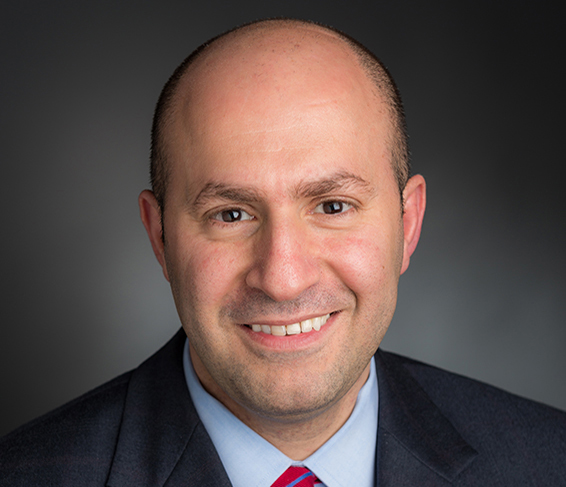 Toni Choueiri合作论文数Lank Center for Genitourinary (GU) Oncology, Dana-Farber Cancer Institute;Harvard Medical School;Brigham and Women's Hospital49
 Vadim Koshkin合作论文数School of Medicine, University of California, San Francisco44
 Dattatraya H Patil合作论文数41Sarah Caulfield合作论文数40
 Petros Grivas合作论文数Department of Medicine, University of Washington38
 Christopher Hoimes合作论文数Department of Medicine, School of Medicine, Duke University;Center for Prostate and Urologic Cancers, Duke Cancer Institute36Shreyas Joshi合作论文数Department of Urology, Emory University School of Medicine35
 Yousef Zakharia合作论文数34
 Wayne Harris合作论文数Department of Hematology and Medical Oncology, School of Medicine, Emory University;Atlanta Veterans Affairs Medical Center;Emory Winship Cancer Institute, Emory University34Kilari Deepak合作论文数32
 Ajjai Alva合作论文数Univ Michigan32
 Hwang Clara合作论文数30
 Neeraj Agarwal合作论文数Fred Hutchinson Cancer Research Center, University of Washington;Harborview Medical Center, University of Washington;Yoshio Inoue, Multicare Regional Cancer Center;Huntsman Cancer Institute, University of Utah;Sumanta K. Pal, City of Hope;Norris Comprehensive Cancer Center, University of Southern California;Ajjai Alva, University of Michigan;Karmanos Cancer Center, Wayne State University;Elaine T. Lam, University of Colorado;Morisani College of Medicine, University of South Florida;Hollings Cancer Center, Medical University of South Carolina;British Columbia Cancer Agency, University of British Columbia;Nicholas J. Vogelzang, Comprehensive Cancer Centers of Nevada;University of Texas Health Science Center at San Antonio;University of Washington, University of Texas Health Science Center at San Antonio27
 Deepak Ravindranathan合作论文数26
 Matthew T Campbell合作论文数Department of Genitourinary Medical Oncology, Division of Cancer Medicine, The University of Texas MD Anderson Cancer Center26
 Guru P. Sonpavde合作论文数Department of Medical Oncology, Dana-Farber/Harvard Cancer Center, Dana-Farber Cancer Institute26
 Shilpa Gupta合作论文数Department of Hematology and Medical Oncology, Cleveland Clinic25Greta Russler合作论文数24
 Tanya Barauskas Dorff合作论文数Department of Medical Oncology & Therapeutics Research, City of Hope24
 Narayan Vikram M合作论文数24
 Matthew I. Milowsky合作论文数Lineberger Comprehensive Cancer Center, School of Medicine, University of North Carolina24
 Caroline Jansen合作论文数Department of Urology, Emory University School of Medicine;Winship Cancer Institute, Emory University;Emory University School of Medicine, Emory University23
 Osunkoya Adeboye O合作论文数23
 Shi-Ming Tu合作论文数Division of Hematology and Oncology, Department of Internal Medicine, University of Texas MD Anderson Cancer Center23
 Elisabeth Heath合作论文数Department of Oncology, School of Medicine, Wayne State University;Karmanos Cancer Institute, Wayne State University23
 Abhishek Tripathi合作论文数22
 Julie Shabto合作论文数22
 Ali Raza Khaki合作论文数School of Medicine, Stanford University22McGregor Bradley A合作论文数22
 R. Donald Harvey合作论文数Division of Neurosurgery, University of North Carolina at Chapel Hill22
 Nizar M. Tannir合作论文数Department of Genitourinary Medical Oncology, Division of Cancer Medicine, The University of Texas MD Anderson Cancer Center21
 Sue-Hwa Lin合作论文数Department of Translational Molecular Pathology, Division of Pathology/Lab Medicine, The University of Texas MD Anderson Cancer Center;Department of Genitourinary Oncology, Division of Medicine, The University of Texas MD Anderson Cancer Center;Graduate School of Biomedical Sciences, The University of Texas Health Science Center at Houston21Eric Midenberg合作论文数19Sean Evans合作论文数19
 Hans Hammers合作论文数Department of Internal Medicine, UT Southwestern Medical Center;Harold C. Simmons Comprehensive Cancer Center, UT Southwestern Medical Center;Division of Hematology and Oncology, UT Southwestern Medical Center19
 Jonathan E. Rosenberg合作论文数Division of Solid Tumor Oncology, Memorial Sloan Kettering Cancer Center;Joan & Sanford I. Weill Medical College, Cornell University19
 Sarah P Psutka合作论文数Harvard Medical School, Massachusetts General Hospital19Subir Goyal合作论文数Biostatistics and Bioinformatics, Emory University18




