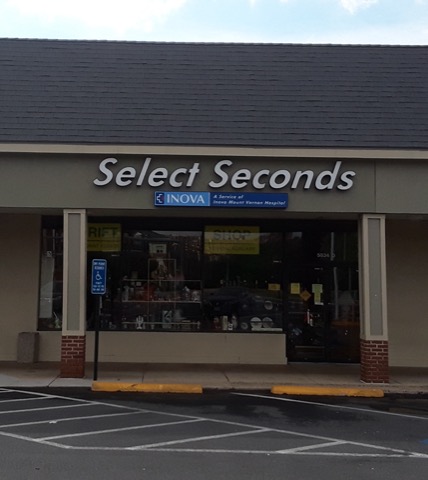
Inova Health System (stylized INOVA) is a not-for-profit health organization based in Falls Church, Virginia, near Washington, D.C. The system is a network of hospitals, outpatient services, assisted living and long-term care facilities, and healthcare centers in the Northern Virginia market.The system's hospitals provide much of the healthcare needs for citizens in Northern Virginia, including the cities of Alexandria, Fairfax and Falls Church and Fairfax County and Loudoun County. The flagship hospital, Inova Fairfax Hospital, has been recognized as one of the best hospitals in the nation by HealthGrades and U.S. News & World Report.C.

Obstructive sleep apnea (OSA) impacts postoperative outcomes in orthopedic procedures. This study compared complications between total shoulder arthroplasty (TSA) patients with and without OSA. We queried the Nationwide Readmission Database (2020–2022) for primary reverse or anatomic TSA patients. Cohorts were identified by OSA diagnosis and propensity score matched for age, BMI, Charlson Comorbidity Index, and sex. Outcomes included 90-day composite complication rates (pulmonary, cardiovascular, surgical), length of stay (LOS), and 30/90-day readmissions. The analysis included 10,290 patients (5,145 OSA, 5,145 non-OSA; mean age 66.5 ± 9.0 years). On multivariate analysis, OSA was associated with increased risk of 90-day composite complications (OR: 1.84; 95
The optimal timing for surgical intervention in single-suture craniosynostosis (SSC) remains debated, despite advances in minimally invasive and open reconstructive approaches. This work integrates Children’s National Medical Center (CNMC) institutional data with current literature to clarify age-related outcomes and guide timing recommendations. Published series from CMNC were analyzed and outcomes included perioperative morbidity, morphometric correction, intracranial pressure, and revision rates. Findings were contextualized with recent systematic reviews and multicenter data. Early endoscopic repair (≤ 4 months) yielded superior morphometric gains, lower blood loss, and shorter hospital stays. O’Brien et al. demonstrated a 2–4-month “sweet spot” for sagittal synostosis1, while Lajthia et al. confirmed excellent outcomes for metopic deformities in the same age range2. Open reconstruction at 9–12 months achieved durable aesthetic correction with low complication rates3. Delayed presentations were associated with elevated intracranial pressure but benefited from surgical decompression4. Meta-analyses corroborate these trends. CNMC’s experience and global evidence converge on an early-infancy window (2–4 months) as optimal for endoscopic repair. Open cranial vault reconstruction remains effective for older infants or complex anatomy. Surgical timing should balance biological potential, institutional resources, and neurodevelopmental opportunity.
Metabolic dysfunction-associated steatotic liver disease (MASLD) affects approximately 30% of adults, with about 30% of cases progressing to metabolic dysfunction-associated steatohepatitis (MASH), which can lead to cirrhosis and hepatocellular carcinoma. Cardiovascular disease is the leading cause of death in patients with MASH, highlighting the need for integrated heart-liver co-management. MASLD and cardiovascular disease share common pathophysiological mechanisms, including insulin resistance, low-grade inflammation, atherogenic dyslipidaemia, and oxidative stress, creating a bidirectional interplay that drives disease progression. Effective management of MASLD requires addressing not only hepatic steatosis, inflammation, and fibrosis, but also managing cardiovascular risk. Current clinical practice and trials face several challenges, including the underdiagnosis of MASLD, poor collaboration between hepatologists and cardiologists, and a paucity of pharmacological options that safely target both the liver and heart. This Review covers three main pharmacological approaches: metabolic-targeted therapies, which improve the upstream metabolic milieu; liver-targeted therapies, which focus on MASH and fibrosis, but require further evaluation for cardiovascular safety; and cardiovascular therapies, which might provide hepatoprotective effects, but need further study. This Review discusses the benefits and limitations of these pharmacotherapies, emphasising the importance of an integrated heart-liver co-management approach to improve clinical outcomes for patients living with MASLD.
There are many challenges associated with the safe use of fluoroscopy. These challenges include but are not limited to highly variable regulatory requirements, scope of practice concerns, inconsistent education and training, and lack of staff empowerment. Challenges are further compounded by the increasing use of fluoroscopy across a wide range of medical specialties. To facilitate consensus on how to address the issues, the ACR convened the multidisciplinary Blue Ribbon Panel on Fluoroscopy Safety (BRP-FS), with 32 organizations represented. The goal of the BRP-FS is to establish multi- and interspecialty consensus standards for the safe use of fluoroscopy in health care, including minimum and uniform standards for the education and training of fluoroscopy users that apply across geographic and professional boundaries, for the benefit of all patients and health care providers. Recommendations are made for local practices, professional organizations, industry, regulatory agencies, and accreditation bodies. Foundational to the recommendations of the BRP-FS are the personnel training and procedure classification frameworks in National Council on Radiation Protection and Measurement Commentary No. 33.
Occupational radiation exposure has a clear association with long-term health effects and has a particular impact on women, trainees, and supporting staff. There is a reliance on limited, traditional radiation protection and nonergonomic equipment, which carries associated orthopedic injury rates with adverse impacts on both individual career trajectories and health systems, and with significant challenges to widespread implementation of enhanced radiation protection devices. During the 2025 Society for Cardiovascular Angiography & Interventions Scientific Sessions in Washington, DC, a multidisciplinary Think Tank summit was convened and included representatives from multiple stakeholders, including other professional societies, advocacy groups, and industry partners. The focus of discussion was on the dual dangers of both ionizing radiation and the musculoskeletal injuries associated with current-generation protection equipment. This document summarizes the main points of discussion and outlines actionable next steps to advocate for more widespread implementation of enhanced radiation protection technologies and imaging systems in order to achieve ALARA+ (as low and as light as reasonably achievable).





