Background: Our previous study shows that the empirical formula of Chinese medicine Jianpi-yangwei decoction (JYD) can improve the quality of life in patients with gastric cancer undergoing chemotherapy by increasing beneficial gut bacteria and decreasing harmful bacteria. The present study aims to investigate the effect of JYD on gut fungi in patients with gastric cancer undergoing chemotherapy. Methods: A total of 73 patients with gastric cancer undergoing chemotherapy were recruited. Twenty-nine patients in the chemotherapy group were given standard chemotherapy and 44 patients in the observation group were given JYD plus standard chemotherapy. A control group (55 cases) was recruited from the healthy medical examiners. After 3 months of treatment, life-quality score was evaluated and fecal microbiota was tested by high-throughput sequencing based on the 18S rRNA gene. Results: After treatment, life-quality score in the observation group was significantly lower than that in the chemotherapy group (P < 0.05). There was no significant difference between the observation and control groups diversity and richness indices of intestinal fungi. The Chao index for intestinal fungi in the chemotherapy group was significantly lower than that in the observation group (P < 0.05). There was a significant difference between the control and chemotherapy groups in the intestinal fungi according to Shannon and Simpson indices (P < 0.05). Linear discriminant analysis effect size analysis showed no significant differences among the three groups, but significant difference in intestinal fungi was observed between the observation group and the chemotherapy group. At the genus level, the relative abundance of the Aspergillus genus in the observation and control groups was significantly lower (P < 0.05), the relative abundance of the Culaneotrichosporon, Galactomyces, and Ganoderma genus taxa was significantly higher compared with those in the chemotherapy group (P < 0.05), and there was no significant difference between the observation group and control group. Conclusion: JYD can ameliorate chemotherapy-induced fungal dysbacteriosis in patients with gastric cancer undergoing chemotherapy and improve the quality of life of patients.
Ethnopharmacological relevance: Spleen-invigorating pills (SIP) are composed of Codonopsis, fried Atractylodes, tangerine peel, Fructus aurantii immaturus (fried), fried hawthorn, and colored malt. SIP strengthens the spleen and increases appetite and is often used as a chemotherapy adjuvant. Aim of the study: We aimed to explore the protective effects and mechanism of action for SIP on mouse bone marrow stromal cells (OP9) injured by 5-fluorouracil (5-FU). Materials and methods: The effects of SIP on OP9 cells injured by 5-FU were evaluated, and high-performance liquid chromatography (HPLC) was used as a quality control method. The experiments were divided into a control group, a model group, an epidermal growth factor (EGF) treatment group, and an SIP treatment group. The cell survival rate, apoptotic cell morphology, cell apoptosis rate, and the contents of caspase 3 were evaluated to determine the protective effects of SIP in OP9 cells injured by 5-FU. Network pharmacology was used to predict the mechanism through which SIP mediates anti-chemotherapy damage. The nitric oxide (NO) and nitric oxide synthase (iNOS) levels and the expression of nuclear factor erythroid-2 related factor 2 (Nrf2) and p62 protein were detected to explore the mechanism through which SIP mediates anti-chemotherapy damage through the regulation of oxidative stress. Results: Cell counting kit-8 (CCK8) detection showed that 5-FU reduced OP9 cell survival, and SIP blocked the inhibition of OP9 cell growth induced by 5-FU. When OP9 cells were treated with both SIP (10 g L-1) and 5-FU (2.5 x 10(-2) g L-1) for 24 h, compared with the model group, the early apoptosis rates significantly decreased, and the activity of caspase 3 was significantly reduced. The results of network pharmacology and Western blot showed that compared with the model group, in the SIP group, the NO levels decreased, iNOS release decreased, and the expression of Nrf2 and p62 proteins increased. Conclusion: The protective effects of SIP on OP9 cells injured by 5-FU were significant. SIP may play a cytoprotective role by mediating changes in oxidative stress-related proteins. The specific mechanism of action through which SIP mediates these effects remains to be further studied.
目的 探讨胃癌患者脾胃虚弱证形成的肠道微生态学机制.方法 收集25例胃癌脾胃虚弱证患者和32例健康体检者作为对照组,高通量测序分析肠道菌群,电化学发光免疫检测血清20种炎症因子,气相色谱-质谱联用分析血清代谢组学.结果 与对照组相比,脾胃虚弱证患者肠道细菌变化显著,而肠道真菌变化较小;胃癌脾胃虚弱证患者血清GM-CSF、IL-12/IL-23P40、IL-17α、IL-6水平显著升高,而IL-4、IL-5、TNF-β水平显著降低,12种代谢分子(棕榈酰胺、N1-乙酰精胺、雌马酚、L-酪氨酸、苏氨酸、甲氧基酪胺、赖氨酸、2.3-丁二醇、脯氨酸甜菜碱、组氨酸、羟基丁酸、神经鞘氨醇)显著上升(P<0.05).线性判别分析显示,胃癌脾胃虚弱证患者肠道5个细菌属(链球菌属、韦荣球菌属、梭杆菌属、Phocaeicola、Pseudarthrobacter)丰度显著升高(P<0.05).相关性分析显示,肠道韦荣球菌属丰度与12种血清代谢分子均显著正相关(P<0.05);链球菌属与雌马酚、L-酪氨酸、苏氨酸、甲氧基酪胺显著正相关,而与IL-5、TNF-β显著负相关(P<0.05).结论 肠道链球菌属可能是胃癌脾胃虚弱证患者免疫功能低下的潜在标志细菌.
目的 探讨胃癌气阴两虚证患者舌苔菌群变化的炎症代谢机制.方法 基于医院开展病例-对照研究,纳入13例胃癌气阴两虚证患者,以23例健康人为对照组,高通量测序分析舌苔菌群,电化学发光技术检测血清20种炎症因子,气相色谱质谱联用检测血清代谢组学.结果 与对照组相比,胃癌气阴两虚证患者舌苔细菌Shannon指数降低(P<0.05),而舌苔真菌Alpha多样性差异无统计学意义(P>0.05).判别分析显示,舌苔的3个细菌属(柄细菌属、巨单胞菌属、木洞菌属)和1个真菌属(裂壳属)是胃癌气阴两虚证的标志菌群.胃癌气阴两虚证患者血清谷氨酸、L-组氨酸、肌酸等15种代谢分子水平升高(P<0.05),IL-17α、TNF-α、IL-6等8种血清炎症因子水平升高(P<0.05).相关性分析发现,IL-17α、IL-6、TNF-α与梭杆菌属、卟啉单胞菌属显著负相关(r<-0.4,P<0.05),梭杆菌属、消化链球菌属与血清谷氨酸代谢水平显著负相关(r<-0.4,P<0.05).结论 胃癌气阴两虚证患者舌苔菌群与血清炎症因子、代谢分子相关,为阐明气阴两虚证的形成机制提供了新的切入点.
Gastric cancer (GC) is one of the most common cancers, and the noninvasive diagnostic methods for monitoring GC are still lacking. Growing evidence shows that human microbiota has potential value for identifying digestive diseases. The present study aimed to explore the association of the tongue coating microbiota with the serum metabolic features and inflammatory cytokines in GC patients and seek a potential, noninvasive biomarker for diagnosing GC. The tongue coating microbiota was profiled by 16S rRNA and 18S rRNA genes sequencing technology in the original population with 181 GC patients and 112 healthy controls (HCs). Propensity score matching method was used to eliminate potential confounders including age, gender, and six lifestyle factors and a matching population with 66 GC patients and 66 HCs generated. Serum metabolomics profiling was performed by ultra-performance liquid chromatography tandem quadrupole time-of-flight mass spectrometry (UPLC-Q-TOF/MS) in the matching population. Random forest model was constructed for the diagnosis of GC. Linear discriminant analysis effect size (LEfSe) revealed that the differential bacterial taxa between GC patients and HCs in the matching population were similar to that in the original population, while the differential fungal taxa between GC patients and HCs dramatically changed before and after PSM. By random forest analysis, the combination of six bacterial genera (Peptostreptococcus, Peptococcus, Porphyromonas, Megamonas, Rothia, and Fusobacterium) was the optimal predictive model to distinguish GC patients from HCs effectively, with an area under the curve (AUC) value of 0.85. The model was verified with a high predictive potential (AUC = 0.76 to 0.96). In the matching population, eighteen specific HCs-enriched bacterial genera (Porphyromonas, Parvimonas, etc.) had negative correlations with lysophospholipids metabolites, and three of them had also negative correlations with serum IL-17α. The alteration of tongue coating microbiota had a possible linkage with the inflammations and metabolome, and the tongue coating bacteria could be a potential noninvasive biomarker for diagnosing GC, which might be independent of lifestyle.
目的 本研究探讨胃癌患者常见舌苔类型与肠道菌群的相关性.方法 基于医院的病例-对照法,招募原发性4种常见舌苔的胃癌患者102例,其中薄白苔34例、白厚苔31例、黄薄苔20例、黄厚苔17例.无重大器质性病变的薄白苔体检者24例作为对照组,基于16S和18S rRNA基因进行高通量测序分析肠道细菌和真菌,生物信息学分析胃癌患者常见舌苔对应的肠道菌群结构特征.结果 与对照组相比,4种舌苔胃癌患者肠道细菌多样性均无显著差异(P>0.05),黄厚苔胃癌患者肠道真菌丰富度显著降低(P<0.05).在胃癌患者中,白厚苔对应的肠道真菌丰富度最高(P<0.05),黄厚苔对应的肠道真菌群落丰富度最低(P<0.05).与对照组相比,胃癌患者肠道拟杆菌门(Bacteroidetes)、互养菌门(Synergistetes)的相对丰度显著升高(P<0.05),胃癌患者乳杆菌属(Lactobacillus)、韦荣球菌属(Veillonella)、金字塔杆菌属(Pyramidobacter)的相对丰度显著升高(P<0.05),而Romboutsia的相对丰度显著降低(P<0.05).对于不同舌苔的胃癌患者,白厚苔与较高丰度的奇异菌属(Atopobium)相关(P<0.05),黄厚苔与较高丰度的反刍球菌属(Ruminococcaceae UCG-004)、毛螺菌属(Lachnospiraceae UCG-006相关(P<0.05).白厚苔、黄薄苔和黄厚苔胃癌患者肠道乳杆菌属(Lactobacillus)的相对丰度与血清IL-17α显著正相关(P<0.05).结论 胃癌患者舌苔形成与肠道菌群相关,为研究舌苔形成机制提供了新思路.
目的 探讨胃癌患者脾胃虚弱证形成的系统生物学机制.方法 招募22例胃癌脾胃虚弱证患者和32例体检者作为时照,基于16S rDNA和18S rDNA基因高通量测序分析舌苔细菌和真菌,电化学发光技术检测血清20种炎症因子,超高效液相色谱质谱联用技术(UPLC-MS)分析血清代谢组学.结果 与对照组相比,脾胃虚弱证患者舌苔厚壁菌门相对丰度显著升高,而拟杆菌门、变形菌门、梭杆菌门相对丰度降低(P<0.05).线性判别分析(LDA)发现,芽孢杆菌属、肠球菌属、乳球菌属、沙雷氏菌属是胃癌脾胃虚弱证患者舌苔标志菌属.与对照组相比,胃癌脾胃虚弱证患者血清GM-CSF、IL-17α、IL-12/IL23P40和IL-6水平显著升高(P<0.05),而IL-5、TNF-β、IL-4水平显著降低(P<0.05),9种血清代谢分子(L-赖氨酸、二十碳五烯酸、L-天冬酰胺、溶血磷脂酰乙醇胺、磷脂酸、亚油酸、9-十六碳烯酸、α-亚麻酸和L-苯丙氨酸)显著上升(P<0.05).Spearman相关性分析,IL-6、TNF-β、IL-5与卟啉单胞菌属、奈瑟菌属均显著相关(P<0.05),奈瑟菌属、梭杆菌属与9种血清代谢分子均显著负相关(P<0.05).结论 胃癌脾胃虚弱证患者舌苔菌群结构差异与血清炎症因子和代谢组学相关,为阐明脾胃虚弱证的形成机制提供新的思路与方法.
目的 探讨胃癌脾胃虚弱证的炎症免疫机制.方法 选择2014年4月—2015年12月在江苏省中医院、扬中市人民医院招募病理学诊断明确的原发性胃癌患者160例作为研究对象,分为胃癌脾胃虚弱证组(71例)和胃癌无证组(89例)两组;另选同期正常体检者81名作为对照组.电化学发光免疫检测血清20种炎性因子,进行多因素统计分析.结果 与对照组相比,胃癌无证患者血清IL-12/IL-23p40、IL-15、IL-17α、IL-1β、IL-2、IL-8、IL-10、TNF-α显著升高(P<0.05),胃癌脾胃虚弱证患者血清IL-8、IL-10、TNF-α显著升高(P<0.05),但胃癌无证和脾胃虚弱证患者无显著差异(P>0.05).聚类分析显示,胃癌无证患者IFN-γ和IL-15显著正相关,胃癌脾胃虚弱证患者IL-4和IL-16显著正相关,分别与上皮内1型固有淋巴样细胞和嗜酸性粒细胞活化相关.结论 胃癌脾胃虚弱证具有特定的血清炎性因子表达模式,可能与消化道黏膜固有炎症免疫相关.
Derivatives of bis-aryl urea have been widely investigated for their various biological activities, such as antiviral, anti-inflammatory and antiproliferative. We evaluated a new chemical entity consisting of bis-aryl urea moiety, N69B, for its anticancer activities and explored their underlying molecular mechanism. The compound inhibited proliferation of multiple types of murine and human cancer cells in vitro , and reduced tumor growth in mouse 4T1 breast tumor model in vivo . Protein microarray analysis revealed and western blot confirmed that the compound significantly increased protein levels of cathepsins, especially cathepsin D, a lysosomal aspartyl protease known to have various pathophysiological functions. Further studies showed that the compound induced tumor cell apoptosis through the Bid/Bax/Cytochrome C/caspase 9/caspase 3 pathway, in which cathepsin D appeared to be a main mediator. Unlike kinase inhibition commonly seen with many other anticancer bis-aryl urea derivatives, this unique mechanism of N69B may suggest potential of the compound as a novel anticancer drug.
目的 探讨健脾养胃方加减辅助胃癌化疗的肠道微生态学机制.方法 根据临床意愿将90例胃癌患者分为观察组51例和化疗组39例,另设63例健康体检者作为对照组.化疗组按照美国国立综合癌症网络(NCCN)指南标准化疗方案进行化疗,观察组在化疗组的基础上给予健脾养胃方加减口服,每日1剂.两组均治疗3个月,并完成3次化疗.治疗前后进行生活质量评分,治疗后基于16S rRNA基因进行高通量测序粪便菌群.结果 观察组治疗后生活质量评分降低(P<0.05),化疗组治疗后生活质量评分差异无统计学意义(P>0.05),且观察组治疗后生活质量评分显著低于化疗组(P<0.05).各组肠道菌群多样性差异无统计学意义(P>0.05).化疗组肠道菌群Chao和Ace显著低于对照组(P<0.05),观察组肠道菌群Chao和Ace显著高于化疗组(P<0.05).与化疗组比较,观察组共生菌门相对丰度显著降低(P<0.05).与对照组比较,观察组和化疗组梭菌目、反刍球菌科、普雷沃菌属7、反刍球菌属的相对丰度均显著下降(P <0.05或P<0.01),而脱硫弧菌目、共生菌目、脱硫弧菌科、共生菌科、锥杆菌属的相对丰度均显著升高(P<0.01);与化疗组比较,观察组共生菌目、共生菌科、反刍球菌属、毛螺菌科NK4A136组、锥杆菌属的相对丰度均显著下降(P<0.05),而毛螺菌科NK4A136组的相对丰度显著升高(P<0.05).结论 健脾养胃方加减能够逆转胃癌患者化疗导致的肠道菌群变化,从而提高患者生活质量.
目的:探讨扬中地区上消化道癌前病变患者舌苔与土壤菌群的相关性.方法:收集22例上消化道癌前病变患者的舌苔和自留地土壤,采用16S rDNA高通量测序检测菌群,生物信息学分析菌群多样性、菌群结构、共生关系等.结果:舌苔菌群多样性和丰富度均显著低于土壤,菌群组成显著不同.舌苔与土壤之间有17个分类单元(1门、2纲、3目、3科、4属和4种)显著相关.然而,舌苔与土壤菌群预测功能中脂质运输与代谢、翻译后修饰-蛋白翻转-蛋白伴侣、信号转导机制、防御机制等均为显著负相关,胞内运输-分泌-囊泡运输为显著正相关.结论:舌苔与土壤菌群存在相关性,土壤菌群可能是扬中地区上消化道癌地域性高发的关键因素.
目的:分析不同舌苔胃癌患者的血清代谢物差异.方法:106例胃癌患者分为薄白苔组(30例)、白厚苔组(29例)、黄薄苔组(26例)和黄厚苔组(21例),33例薄白苔健康人群为对照组,利用超高效液相色谱质谱联用技术(ultra high performance liquid chromatography-mass spectrometer,UPLC-MS)分析血清代谢组,采用主成分分析、正交偏最小二乘法分析、非参数检验分析等方法确定不同舌苔胃癌患者的血清代谢标志分子.结果:与对照组相比,胃癌四组中棕榈油酸、α-亚麻酸、亚油酸和溶血磷脂酰乙醇胺均显著上升,磷脂酸在薄白苔组、黄薄苔组和黄厚苔组均显著上升,薄白苔组中二十碳五烯酸显著上升,黄薄苔组有花生四烯酸乙醇胺、溶血磷脂酸、溶血磷脂酰胆碱和硬脂酰肉碱显著上升.结论:胃癌患者不同舌苔存在特征性的血清代谢分子,为舌苔形成机制研究提供了新的思路.
目的 比较分析不同舌苔的胃癌患者血清代谢组学机制.方法 101例胃癌患者分为薄白苔组(42例)、白厚苔组(9例)、黄薄苔组(28例)和黄厚苔组(22例),22例薄白苔健康体检者作为对照,采用GC-MS技术检测血清代谢组,运用主成分分析、正交偏最小二乘法判别分析、单变量统计分析方法筛选代谢标志物,富集分析预测代谢通路.结果 与对照组相比,薄白苔组有涉及31个代谢通路变化的13种代谢标志分子,白厚苔组有涉及26个代谢通路变化的15种代谢标志分子,黄薄苔组有涉及25个代谢通路变化的9种代谢标志分子,黄厚苔组有涉及12个代谢通路变化的8种代谢标志分子,4种舌苔胃癌患者血清均表现为4-氨基丁酸水平升高并涉及酪氨酸代谢通路.结论 胃癌患者不同舌苔反映了不同的血清代谢组学差异.
Chronic inflammation is associated with increased risk of gastric cancer (GC), and GC risk is significantly associated with lifestyle. The aim of the present study was to explore the association between serum inflammatory cytokines and lifestyle factors in GC. A total of 20 serum inflammatory cytokines were measured in a hospital-based case-control population with 142 GC patients and 98 healthy controls. Controls without the selected healthy lifestyle factors were regarded as baseline, and correlation analysis was conducted to establish the association between serum inflammatory cytokines and lifestyle factors. The results demonstrated that several lifestyle factors (including eating fried and salty foods, eating quickly, smoking and drinking) could increase the risk of GC, while only eating fresh fruits could decrease the risk of GC. Correlation analysis revealed that increased serum interleukin (IL)-12/IL-23P40 levels was associated with GC risk as significant differences were observed in all lifestyle factors. Increased serum IL-8 was closely associated with smoking in GC patients, while increased IL-17α and IL-8 levels were associated with GC patients who ate salty foods. Increased IL-10 and decreased TGF-β levels were also associated with GC patients who ate fresh fruits. In conclusion, GC risk was strongly affected by lifestyle factors, which may regulate the expression of inflammatory cytokines and promote gastric carcinogenesis.
目的:研究胃癌病理组织类型、表皮生长因子(EGF)单核苷酸多态性(SNP)位点基因型与胃癌患者舌苔形成的相关性.方法:收集387例江苏省中医院胃癌住院患者.由2名中医师进行舌苔诊断.病理诊断分析胃癌患者的胃癌病理组织分型.聚合酶链式反应-连接酶检测反应检测EGF的7个SNP位点的基因型.结果:rs2237051携带GA/GG基因型或者rs4444903携带GA/AA基因型的弥漫型胃癌患者出现厚苔或剥苔的可能性增高(P<0.05);而rs3733625携带GA/GG基因型的弥漫型胃癌患者厚苔或剥苔的出现几率下降(P<0.05).rs4444903携带GA/A基因型的弥漫型胃癌患者出现灰、黑苔的可能性增高(P<0.05).结论:胃癌的病理组织类型、EGF基因SNP位点的基因型可能与胃癌患者的舌苔形成相关.
In this study,a new medical microbiology experiment teaching system,which was based on outcome-based education combined with inquiry-based teaching model,was developed and evaluated.According to the professional requirements of doctors,the objectives of emotion and comprehensive experimental ability were added,and the requirement for experimental operation skills was raised.In accordance with the concept of inquiry-based teaching,experimental contents were reorganized,and practical operation contents and comprehensive analytical experiments were increased to facilitate students' abilities of independent thinking and innovation.In addition,the proportion of microbiology laboratory examination was increased,experimental skill examination was focused,the assessment method was reformed,and extracurricular interest groups were established to deepen the learning.The teaching effect was evaluated by questionnaire,performance and follow-up survey.The result showed that the new model increased the students' course scores,improved their capability in innovation,academic writing and clinical working,and strengthened the weakness of traditional teaching in application and exploration,providing a new idea for the reform in medical microbiology experiment teaching.
Background: Although oral hygiene and health have long been reported to be associated with increased risk of gastric cancer (GC), the direct relationship of oral microbes with the risk of GC have not been evaluated fully. We aimed to test whether tongue coating microbiome was associated with GC risk. Methods: Pyrosequencing of 16S rRNA gene of tongue coating microbiome was used in 57 newly diagnosed gastric adenocarcinomas and 80 healthy controls. Benjamini-Hochberg (BH) was applied for multiple comparison correction. Co-abundance group (CAGs) analysis was adopted. Results: We found that higher relative abundance of Firmicutes, and lower of Bacteroidetes were associated with increased risk of GC. In genus level, Streptococcus trended with a higher risk of GC, the four other genera (Neisseria, Prevotella, Prevotella7, and Porphyromonas) were found to have a decreased risk of GC. Different from overall GC and non-cardia cancer, Alloprevotella and Veillonella trended with the higher risk of cardia cancer. Finally, we analyzed the microbiota by determining CAGs and six clusters were identified. Except the Cluster 2 (mainly Streptococcus and Abiotrophia), the other clusters had an inverse association with GC. Of them, the Cluster 6 (mainly Prevotella and Prevotella7 etc) had a relatively good classification power with 0.76 of AUC. Conclusion: Microbiome in tongue coating may have potential guiding value for early detection and prevention of GC.
目的 探讨舌苔形成的微生态学机制.方法 新发胃癌患者47例作为病例组,健康体检者42例作为对照组,年龄性别匹配,基于16S rRNA基因进行454高通量焦磷酸测序检测舌苔菌群,统计分析苔色、苔质与舌苔菌群的相关性.结果 在病例组和对照组中,不同舌苔的菌群丰富度、多样性均无显著差异.病例组和对照组分别有31个(1纲、6目、9科和14属)和10个(1目、3科和6属)分类单元具有苔色显著差异(P<0.05),然而仅有5个(1目、1科和3属)和2个(1科和1属)分类单元具有苔质显著差异(P<0.05).其中,黄苔慢生根瘤菌科(Bradyrhizobiaceae)和代尔夫特菌属(Delftia)相对丰度均显著高于白苔(P<0.05).舌苔菌群共生关系显示,苔色、苔质组间比组内拥有更高比例的显著负相关.基于舌苔菌群进行功能预测,胃癌黄苔患者嘌呤代谢显著高于白苔患者(P<0.05),与血清尿酸水平一致;对照组厚苔人群脂质代谢显著高于薄苔人群(P<0.05),与血清总胆固醇水平一致.结论 舌苔菌群结构与苔色相关,菌群共生关系可能反映了中医舌苔辨证的科学内涵.
Nutrition support is a common means for patients with gastric cancer, especially for those undergoing elective surgery. Recently, enteral immunonutrition (EIN) was increasingly found to be more effective than enteral nutrition (EN) in enhancing the host immunity and eventually improving the prognosis of gastric cancer patients undergoing gastrectomy. However, the results reported were not consistent. This meta-analysis aimed to assess the impact of EIN for patients with GC on biochemical, immune indices and clinical outcomes.
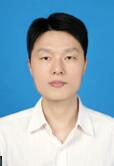 Junfeng Zhang (张军峰)合作论文数School of Medicine and Holistic Intergrative Medicine, Nanjing University of Chinese Medicine65
 Shujuan Tong (佟书娟)合作论文数School of Medicine and Holistic Intergrative Medicine, Nanjing University of Chinese Medicine45
 Juan Wu (吴娟)合作论文数30Wei Dong (董伟)合作论文数24Dong-Qing Xu合作论文数22YaPing Yang (杨亚平)合作论文数22
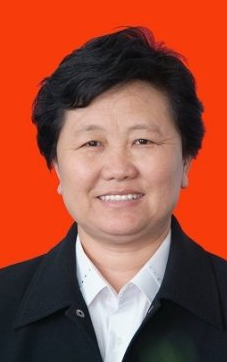 Ruiping Wang (王瑞平)合作论文数Jiangsu Province Hospital of Chinese Medicine21
 Xu Zhang (张旭)合作论文数School of Medicine, Nanjing University of Chinese Medicine21Mingyan Wang (王明艳)合作论文数南京中医药大学20JunFeng Zhang (张军峰)合作论文数15
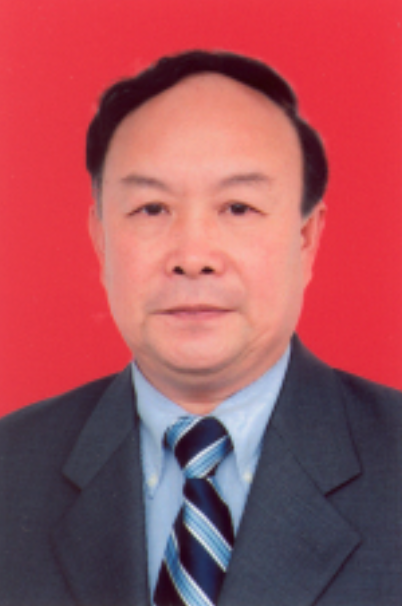 Jinao Duan (段金廒)合作论文数School of Pharmacy, Nanjing University of Chinese Medicine15ChunBing Zhang (张春兵)合作论文数13
 Yuping Tang (唐于平)合作论文数College of Pharmacy, Shaanxi University of Chinese Medicine13
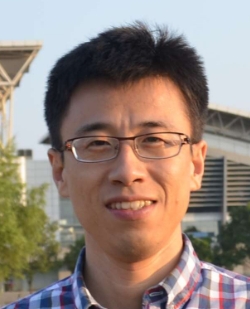 Hongyue Ma (马宏跃)合作论文数Nanjing University of Chinese Medicine12XueWen Yang (杨学文)合作论文数11
 Yuan Fan (范媛)合作论文数南京医科大学附属口腔医院10Chunjie Xiang合作论文数9
 s. Xu合作论文数7MENG Yu-fen (孟玉芬)合作论文数7LanFeng Xu (徐兰凤)合作论文数7
 Miao Jiang (姜苗)合作论文数Dongzhimen Hospital, Beijing University of Chinese Medicine7Liwei ZHANG (张李唯)合作论文数6Xian Sun (孙娴)合作论文数6YaNan Gao (高雅楠)合作论文数6WeiWei Zhang (张伟伟)合作论文数6Lichao Yuan (袁丽超)合作论文数6Yufang Huang (黄玉芳)合作论文数Nanjing University of Chinese Medicine6
 Hai Gu (顾海)合作论文数School of Government, Nanjing University6YaGuang Song (宋亚光)合作论文数5ZhiChong Yu (喻志冲)合作论文数5FengMing Zhao (赵凤鸣)合作论文数5
 Haoqing Tai (邰浩清)合作论文数School of Medicine and Holistic Intergrative Medicine, Nanjing University of Chinese Medicine5
 Anwei Ding (丁安伟)合作论文数Jiangsu Collaborative Innovation Center of Chinese Medicinal Resources Industrialization, Nanjing University of Chinese Medicine;College of Pharmacy, Nanjing University of Chinese Medicine;Queen's University Belfast5Huizhen Cheng (成惠贞)合作论文数5Jiejun Jiang (蒋洁君)合作论文数5Hongxiang Yuan合作论文数5Bin LU (陆斌)合作论文数4Zhenzhou Huang合作论文数4Qianqian XIN (辛欠欠)合作论文数4XIONG Fei (熊飞)合作论文数4Tao PENG (彭涛)合作论文数4Xing Ding (丁兴)合作论文数4HaiYing Jiang (姜海英)合作论文数4Yuhui Zhou (周宇辉)合作论文数4Luyu Zheng (郑璐玉)合作论文数4Jing Zhou合作论文数4
 Zequn Jiang (姜泽群)合作论文数School of Medicine and Holistic Intergrative Medicine, Nanjing University of Chinese Medicine4




