Objective To explore the characteristics and their significance of peripheral blood lymphocyte subsets in patients with active tuberculosis(ATB), based on a relatively large sample. Methods Clinical data were retrospectively collected from patients with ATB hospitalized in Peking Union Medical College Hospital (June 2012-January 2022) and the healthy population matched with age and sex (March 2019-May 2022). The characteristics of changes in peripheral blood lymphocyte subsets in ATB patients were analyzed using the healthy population as controls, and group comparisons were made between ATB patients with different modes of diagnosis and sites of involvement. Results A total of 212 ATB patients and 200 healthy participants were included. ATB patients consisted of 82 cases (38.7%) without etiological evidence and 130 cases(61.3%) with etiological evidence (77 with pulmonary tuberculosis, 21 with extrapulmonary tuberculosis, and 32 with pulmonary and extrapulmonary tuberculosis). Compared to healthy population, ATB patients had significantly lower counts and percentages of multiple peripheral blood lymphocyte subsets indicators, significantly higher percentage in T lymphocyte, CD8+T lymphocyte as well as higher memory CD4+T lymphocyte/CD4+T lymphocyte ratio and CD38+CD8+T lymphocyte/CD8+T lymphocyte ratio(all P < 0.05). Lymphocyte, B-cell, natural killer (NK) cell, T-lymphocyte, CD4+T-lymphocyte, and CD8+T-lymphocyte counts were lower in patients with pathogenetically confirmed ATB than in those with clinically confirmed ATB (all P < 0.05). There were no significant differences in the counts of memory CD4+T lymphocytes, naïve CD4+T lymphocytes, CD28+T lymphocytes and activated CD8+T lymphocyte subpopulations and their percentages in patients with different tuberculosis infection sites (all P > 0.05). Compared to pulmonary tuberculosis alone, patients with pulmonary and extrapulmonary tuberculosis had lower B-cell counts[23(10, 69)cells/μL vs. 73(25, 133)cells/μL, P=0.003] and patients with extrapulmonary tuberculosis alone had higher percentages of NK cells[16.7%(10.8%, 23.6%) vs. 10.6% (5.3%, 17.4%), P=0.042]. Conclusion ATB patients manifested a reduction in peripheral blood lymphocyte subset, indicating remarkable dysfunction of immune system.
Background Antiretroviral therapy (ART) improved the prognosis of people living with human immunodeficiency virus (HIV) (PLWH). Life-long treatment is required in PLWH and is accompanied by various metabolic abnormalities in the disease course. Data about the epidemiology and the dynamic changes of dyslipidemia in PLWH receiving antiretroviral therapy were scarce in Asian countries. This study aimed to explore the risk factors of dyslipidemia and analyze the longitudinal changes of dyslipidemia among Chinese PLWH receiving HAART. Methods We conducted a longitudinal analysis of PLWH enrolled in two large multicenter clinical trials across China, and outpatients followed at the clinic of Peking Union Medical College Hospital. Demographic data and clinical parameters were collected. The risk factors and longitudinal changes in lipid profiles associated with HIV-1 infection were analyzed. The definition of dyslipidemia was made based on the National Cholesterol Education Program, Adult Treatment Panel (NCEP-ATP) III guidelines. Results A total of 1542 PLWH were included. The median follow-up was 6 years. At baseline, the concentrations of total cholesterol (TC), triglycerides (TG), high-density lipoprotein cholesterol (HDL-C), and low-density lipoprotein cholesterol (LDL-C) were 4.1 ± 0.91 mmol/L, 1.2 (interquartile ranges [IQR] 0.85–1.75) mmol/L, 1.1 ± 0.37 and 2.4 ± 0.76 mmol/L, respectively. The rate of hypercholesterolemia, hyperglyceridemia, high LDL-C, and low HDL-C were 10.18%, 26.39%, 9.08%, and 44.94%, respectively. The overall prevalence of dyslipidemia was 69.3%, which raised to 84.3% after antiretroviral therapy, substantially higher. CD4/CD8 ratio < 0.3 and viral load > 10 5 copies/mL were risk factors associated with any subtype of dyslipidemia. A negative correlation between CD8 + CD38 + percentage and HDL-C concentration was found. The regimens including efavirenz (EFV) and tenofovir (TDF) showed better lipid profiles. Longitudinal analysis revealed that both the level and the percentage of abnormal TG and HDL-C occurred drastic change in the first 6 months after ART initiation (from 4.07 to 4.41, from 1.11 to 1.28mmol/L, from 26.39 to 31.1% and from 44.94 to 29.5%, respectively). Conclusions The prevalence of dyslipidemia is high in PLWH and increases after ART, mainly represented as high TG and low HDL-C and associated with advanced stage of HIV-1 infection. The greatest changes in lipids occurred in the early stage after initiating ART therapy. The results suggest that dyslipidemia should be monitored and managed when starting ART.
Abstract Background Cytomegalovirus (CMV) was the common opportunistic pathogen among people living with HIV(PLWH), even in the combination antiretroviral therapy (ART) era. This study aimed to report the epidemiology and characteristics of CMV coinfection among Chinese PLWH. Methods Data were collected from two prospective longitudinal multicenter cohorts of PLWH initiating combination antiretroviral therapy (cART) from 2010 to 2015. This study extracted laboratory parameters, clinical symptoms, and serology of CMV baseline to 192 weeks of cART. Results 1552 patients were included in this analysis; the prevalence of CMV coinfection was 3.53% before cART. Logistics analysis showed that patients with lower CD4 T cell counts, RPR-seropositive, infected through homosexual contact, and from southern China had a higher risk of CMV/HIV coinfection at baseline. Patients with CMV coinfection at baseline had lower CD4/CD8 ratios at baseline (0.29 vs 0.22, p = 0.006), 96 weeks (0.63 vs 0.51, p = 0.015). After initiation of cART, the incidence of CMV recent infection was 10 cases/1000 PY. Cases coinfected with CMV during cART were mostly asymptomatic and had a comparable CD4, CD8 T cell counts, and CD4/CD8 ratio to non-coinfected patients. Conclusion This multicenter study reported a national prevalence and incidence of CMV recent infection among the Chinese PLWH before or on cART. CMV coinfection before cART initiation was associated with a slower recovery of CD4/CD8 ratio. However, CMV coinfection during successful treatment cART seems not to affect immunity parameters.
Background Despite an apparent decline in mortality of HIV-infected individuals due to the broad utilization of antiretroviral therapy (ART), life-long treatment is required accompanying with various metabolic abnormalities. Data about the epidemiology and the dynamic change of dyslipidemia in HIV-1 patients receiving antiretroviral therapy was restricted in Asian countries. The purpose was to explore the specific situation of dyslipidemia in adult Chinese HIV-1 Patients upon a multicenter clinical trial. Methods We conducted a retrospective cross-sectional analysis on patients enrolled in two large multicenter clinical trials across China and patients followed in the clinic of Peking Union Medical College Hospital (PUMCH). Demographic data and clinical parameters were collected, risk factors and longitudinal changes of lipid profiles under different clinical settings associated with HIV-1 infection were analyzed. The definition of dyslipidemia was made based upon the National Cholesterol Education Program, Adult Treatment Panel (NCEP-ATP) III guidelines. Results A total of 1942 patients were enrolled. The median follow-up was 6 years. At baseline, the concentrations of total cholesterol (TC), triglycerides (TG), high density lipoprotein cholesterol (HDL-C) and low-density lipoprotein cholesterol (LDL-C) were 4.1 ± 0.96 mmol/L, 1.24 (interquartile ranges [IQR] 0.87–1.8) mmol/L, 1.11 ± 0.33 and 2.38 ± 0.78 mmol/L, respectively. The rate of hypercholesterolemia, hyperglyceridemia, high LDL-C and low HDL-C were 11.38%, 28.16%, 45.66% and 9.29%, respectively. The overall prevalence of dyslipidemia was 69.3%, which raised to 84.3% after antiretroviral therapy, substantially higher. Risk factors of CD4/CD8 ratio less than 0.3 and viral load over 10 5 copies/mL for all types of dyslipidemia as well as a negative correlation between HDL-C concentration and CD8 + CD38 + percentage were found. Besides, regimens including efavirenz (EFV) and tenofovir (TDF) performed better lipid profiles. Longitudinal analysis revealed that both the rate of abnormal lipid indexes and concentration of lipid changed steeply in the first 6 months after ART initiation. Conclusions The prevalence of dyslipidemia was high in HIV-1 patients and elevated after antiretroviral therapy, mainly represented as high TG and low HDL-C, associating with advanced stage of HIV-1 infection. Lipid changed remarkably in the initial stage after ART therapy.
Purpose The incomplete immune reconstitution is a complex phenomenon among human immunodeficiency virus (HIV)-infected patients despite the fact that they have achieved persistent viral suppression under the combined antiretroviral therapy. This study aims to screen and verify the immunological characteristics and underlying mechanisms of immunological non-responders (INRs). Methods The RNA-seq and the differentially expressed genes (DEGs) analysis were used to explore potential characteristics among INRs. Gene Ontology (GO) enrichment, ingenuity pathway analysis (IPA) analysis, Gene set enrichment analysis (GSEA) analysis, and the weighted gene co-expression network analysis (WGCNA) were used to explore the potential mechanism. The transcriptional meta-analysis was used to analyze the external efficiency. Results The RNA-seq identified 316 DEGs among INRs. The interferon signaling pathway was enriched via GO and IPA analysis among DEGs. The combined GSEA and WGCNA analysis confirmed that the IFN response was more correlated with INR. Furthermore, IFI27 (IFN-α Inducible Protein 27, also known as ISG12) was chosen based on combined DEG analysis, WGCNA analysis, and the transcriptional meta-analysis conducted on other published datasets about INRs. The expression of IFI27 was significantly negatively correlated with the CD4+ T-cell counts of PLWH, and the predictive efficiency of IFI27 level in distinguishing PLWH with poor immune recovery was also with significant power (AUC = 0.848). Conclusion The enhanced expression of IFI27 and the IFN response pathway are among the important immunological characteristics of INRs and exhibited promising efficiency as biomarkers for CD4 + T-cell recovery.
Background: The HIV-1 infected immunological non-responders (INRs) are characterized by poor immune reconstitution after long-term treatment. Tripterygium Wilfordii Hook F (TwHF) pill is a traditional Chinese patent drug with extensive immunosuppressive effects and has been clinically proven efficacy in treating INRs. Purpose: The therapeutic mechanism of TwHF pills in the treatment of INRs was investigated by the combined multi-omics analysis on clinical samples and network pharmacology approach. Methods: Clinically, the peripheral blood mononuclear cells (PBMC) samples of TwHF-treated INRs from different time points were collected to conduct the transcriptomic and proteomic profiling. Key effector pathways of TwHF were enriched and analyzed by the ingenuity pathway analysis (IPA). Computationally, the TwHF-related compounds were obtained from traditional Chinese medicine databases, and literature search and structural prediction were performed to identify TwHF-related targets. Integrated with the INR-related targets, the 'TwHFcompounds-targets-INR' network was constructed to analyze core effector targets by centrality measurement. Experimentally, the effects of TwHF compounds on the T cells activation and expression of identified targets were evaluated with in vitro cell culture. Results: 33 INRs were included and treated with TwHF pills for 17 (IQR, 12-24) months. These patients experienced rapid growth in the CD4+ T cell counts and decreased T cell activation. The multi-omics analysis showed that the interferon (IFN)-signaling pathway was significantly inhibited after taking TwHF pills. The network pharmacology predicted the central role of the signal transducer and activator of transcription 1 (STAT1) in the 'TwHF-compounds-targets-INR' network. Further bioinformatic analysis predicted STAT1 would regulate over 58.8% of identified down-regulated genes. Cell experiments validated that triptolide (TPL) would serve as the major bioactivity compound of TwHF pills to inhibit the immune cell activation, the production of IFN-gamma, the expression of downstream IFN-stimulated genes, and the phosphorylation of STAT1. Conclusion: Our research is the first to systemic verify the mechanisms of TwHF in treating INRs. The IFN signaling pathway and the STAT1 would be the major effector targets of TwHF pills in treating INRs. The TPL would be the major bioactive compound to inhibit the IFN response and the phosphorylation of STAT1. Our observations suggest the basis for further application of TPL analogous in treating INRs.
Objective(s): HIV-1-infected Chinese patients who were treated naive with combination dolutegravir (DTG) and tenofovir disoproxil fumarate (TDF) group, DTG without TDF group, TDF without DTG, as well as patients switched to DTG-containing therapy from other drugs were included. Design: The dynamics of serum creatinine, cystatin C (CysC) level, eGFR(cr) and eGFR(CysC) at the baseline, 4 w, 12w, 24w, 36w and 48w for different group of patients were collected and evaluated. Methods: Changes in serum creatinine, levels, eGFR(cr) and eGFR(CysC) were analyzed among groups and in different time-points. Intragroup correlation coefficient and Bland-Altman plot were used to compare the results of eGFR(cr) and eGFR(CysC). Results: Thirty-seven treated-naive HIV-patients in combined DTG and TDF group (group 1), 23 in DTG without TDF patients (group 2) and 47 patients on TDF without DTG group (control group, group 3) along with 31 patients whose ART switch to DTGcontaining regimens (group 4) were collected. Serum creatinine was significantly elevated in the group 1 and group 2 instead of group 3 from baseline to 48w. Mean decreased change of eGFR calculated by serum creatinine proved the same conclusion. However, there were no differences in serum cystatin C and eGFR(CysC) between baseline and at 48 weeks in DTG-containing groups. Moreover, the proportion of eGFR(cr) decreased over 30% was significantly higher in DTG-treatment group. Conclusion: We demonstrated the clinical benefits of CysC for assessing the glomerular filtration rate when evaluating renal function in HIV-1-infected patients treated with whether DTG combined with TDF or not.
BACKGROUNDS Human immunodeficiency virus (HIV) infections induce robust, generalized inflammatory responses and lead to pathological systemic immune activation. This abnormal immune status persists despite successful antiretroviral therapy (ART). Immune modulating strategies in conjunction with ART were tried to reduce abnormal immune activation. Previously, we demonstrated that Tripterygium Wilfordii Hook F has been shown immunosuppressive activity in HIV patients. (5R)-5-hydroxytriptolide (LLDT-8), a new analog of triptolide, and the most active ingredient of Tripterygium Wilfordii Hook F, has been shown to have lower cytotoxicity. However, the role of LLDT-8 in HIV or simian immunodeficiency virus (SIV) needs to be explored. METHODS Six male adult Chinese rhesus monkeys were enrolled in our study. All of them were healthy and negative for SIV, and chronically SIVmac239 infected macaques were treated with LLDT-8 combined with ART (n = 4) or ART only (n = 2) after 14 weeks of infection. ART was determined at week 33, and LLDT-8 was continued until week 48. T cell immune activation and inflammation were compared during the period, and viral rebound time and reservoir were supervised after stopping ART. RESULTS The RNA level of the two groups continued to decline after initiating ART, RNA of 4 rhesus monkeys declined to the lower limit of detection at week 20. LLDT-8 administration combined with ART did not affect T cell activation and plasma levels of IL-6 and CRP. The viral load of all the macaques in both groups was rebounded 2 weeks after ART discontinuation. Furthermore, no significant decrease of SIV DNA was observed in the LLDT-8 treatment group. CONCLUSIONS LLDT-8 administration during chronic SIV infection had no effect on T cell activation and plasma levels; Furthermore, LLDT-8 may not contribute to suppression of viral rebound and reservoir. These results suggest that LLDT-8 is unlikely to reduce immune activation and viral persistence without additional interventions.
Background: The extent of immune reconstitution in human immunodeficiency virus (HIV) infected persons receiving long-term antiretroviral therapy (ART) with controlled viral load has been controversial. We studied the extent and speed of T cell subsets retrieval after long-term antiretroviral treatment. Methods: 662 HIV-infected patients followed at least 2 years whose plasma HIV-1 RNA load <50 copies/mL were evaluated for longitudinal and functional phenotypic indices of immune restoration. Determinants of change in magnitude and importance of recovery have been evaluated using mixed linear regression models. Results: Almost all robust immune restorations achieved occurred after 2-3 years of ART. The median CD4 lymphocyte count increased 449 cells/mu l (IQR 303-604) from 226 cells/mu l (IQR 83-336) at baseline during the third year (P < 0.001); CD4+T lymphocyte rises during the sixth and tenth years were not significant. Naive and memory CD4+T cells' reconstitution occurred in the sixth and eighth years of ART but no significant change thereafter. The change of CD45RA+Naive and CD45RA-memory CD4+T cell reconstitution is different in baseline CD4+T cell counts <100 cells/mu l group and in baseline CD4+T cell counts >100 cells/mu l group. Activation antigen expression (CD38 or HLA-DR) on CD8 lymphocytes declined mostly during the first till second year, and after 4 years, activation antigen expression on patient lymphocytes showed no significant change. The proportion of CD4 cells expressing CD28 climbed during the first year and reached normal levels in the second year. Conclusions: Immune restoration was dependent on the capacity of immune system during the first 2-3 year of ART. But the significant change of CD4 and compartments of CD4+T cells could persist until 6-8 years. The pattern of CD38+CD8+, HLA-DR+CD8+, CD28+CD4+ T cells could quickly return to normal level and no significant change after sufficient time of ART. In general, the immune response compared to the baseline status may be the overall effect from the age and time of antiretroviral treatment.
Prolonged antiretroviral therapy (ART)-free remission post-treatment has been observed and reported in human immunodeficiency virus-1 (HIV-1) infection. The primary factors for such achievement have been linked to the transcriptional inactivation of HIV-1 DNA and immune recovery. Here, we reported a patient with acute HIV-1 infection who immediately received intensified quadruple ART. At month 9 (M9), an old CFDA-approved immuno-suppressive herbal medicine, Tripterygium Wilfordii Hook F (TwHF), was used in addition to ART. The patient was closely monitored. Virological and immunological tests as well as transcriptome analysis were carried out at each visit. The results showed that TwHF reduced serum IP-10 level and inhibited T cell activation. Both ART and TwHF were discontinued in M24, and levels of peripheral blood HIV-1 RNA and DNA remained suppressed for consecutive 12 months. With transcriptome analysis, we found pattern changes linking immuno-activation and amino acid metabolism with viral suppression and rebound. This indicates that the intentional suppression of immuno-activation is a promising approach for a functional cure of HIV-1 infection.
Objective:To investigate the occurrence of carotid artery abnormalities in human immunodeficiency virus (HIV)/acquired immunodeficiency syndrome (AIDS) patients and the related risk factors affecting the occurrence of carotid artery abnormalities.Methods:A total of 169 regular follow-up outpatients with HIV/AIDS from April 2003 to December 2019 in Peking Union Medical College Hospital, whose carotid artery ultrasound examination were performed from July 2015 to December 2019 were included. The patients were divided into young (≤44 years old), middle-aged and elderly (≥45 years old) according to their ages, and the physical examination data of the included patients were collected.The statistical methods were logistic regression analysis and single sample t test. Results:Among the 169 HIV/AIDS patients, 40(23.7%) had abnormal carotid artery and 129(76.3%) had no abnormal carotid artery. Middle-aged and elderly people (odds ratio ( OR)=3.85, 95%confidence interval (95% CI) 1.54-9.65, P<0.01), hypertension ( OR=6.24, 95% CI 1.95-20.00, P<0.01), hyperlipidemia ( OR=2.44, 95% CI 1.00-5.93, P<0.05), and elevated human leucocyte antigen (HLA)-DR + CD8 + /CD8 + ( OR=1.03, 95% CI 1.01-1.06, P<0.05) were the risk factors for carotid artery abnormality. The common carotid artery inner medium film thickness (IMT) of patients in HIV/AIDS group Ⅰ (20 to 30 years old), group Ⅱ (31 to 40 years old), group Ⅲ (41 to 50 years old) were (0.061 0±0.001 2), (0.062 9±0.001 4) and (0.065 6±0.002 6) cm, respectively, which were thicker than the control groups ((0.051±0.003), (0.056±0.004) and (0.063±0.002) cm, respectively). The differences were all statistically significant ( t=5.119, 4.775 and 1.739, respectively, all P<0.05). The common carotid artery IMT of patients in HIV/AIDS group A (30 to 44 years old) and group B (45 to 59 years old) were (0.062 6±0.001 1) and (0.072 3±0.003 4) cm, respectively, which were thicker than the control groups ((0.052±0.011) and (0.064±0.015) cm, respectively), the differences were both statistically significant ( t=9.520 and 3.012, respectively, both P<0.01). Conclusion:Younger HIV-positive people have a higher probability of abnormal carotid arteries and may be at greater risk of cardiovascular disease than HIV-negative people of the same age, suggesting that HIV-positive people, especially young people, should be examined early with ultrasound of the neck arteries to detect abnormalities and intervene as soon as possible.
Anti-retroviral therapy (ART) effectively suppresses viral replication in HIV-infected patients, however CD4 + cell restoration to normal value is not achieved by 15–20% of patients who are called immune non-responders. Gut microbiota composition has been shown to influence host immunity. Herein, to identify intestinal microbial agents that may influence the CD4 recovery in HIV-infected patients, we utilized a "Quasi-paired cohort" method to analyze intestinal metagenome data from immunological responders (IRs) and immunological non-responders (INRs). This method identified significant enrichment for Streptococcus sp. and related lactate-producing bacteria (LAB) in IRs. In a validation cohort, positive correlations between the abundance of these LAB and the post-ART CD4 + recovery was observed, and a prediction model based on these LAB performed well in predicting immune recovery. Finally, experiments using a germ-free mouse model of antibody-induced CD4 + cell depletion showed that supplementation with a lactate-producing commensal Streptococcus thermophilus strongly promoted CD4 recovery. In conclusion, our study identified a group of LAB that was associated with enhanced immune recovery in post-ART HIV-infected patients and promotes CD4 + cell restoration in a mouse model. These findings favour supplementation of LAB commensal as a therapeutic strategy for CD4 + cell count improvement in HIV-infected patients.
Objective:B-cell-activating factor (BAFF) has been determined to be involved in HIV-1 infection and is correlated with disease progression, while its homologous molecule, a proliferation-inducing ligand (APRIL), is less frequently reported, and its role remains unclear. We aimed to characterize the APRIL levels in subjects with different HIV-1 infection statuses and determine the relationships with disease progression and immune activation. Methods:The plasma levels of APRIL were compared among 17 long-term non-progressors (LTNPs), 17 typical progressors (TPs), 10 ART-treated patients, and 10 healthy donors (HDs). Seventeen LTNPs and a subset of TPs (n= 6) who initiated ART were assessed longitudinally. The correlations between the APRIL levels and markers of disease progression, B-cell count and specific antibody response, and markers of immune activation and functional cells were analyzed. Results:The circulating APRIL levels were significantly elevated in the LTNPs relative to the TPs, ART-treated patients, and HDs. The longitudinal investigation revealed that the APRIL levels were decreased during follow-up in the LTNPs. ART did not significantly influence the APRIL levels. The levels of plasma APRIL were negatively correlated with the plasma HIV-1 viral load and cellular HIV-1 DNA levels and positively correlated with the CD4(+)T-cell count and CD4/CD8 ratio. An inverse correlation was observed between the APRIL and BAFF levels. Furthermore, the APRIL levels were negatively correlated with the frequency of activated CD8(+)T cells and levels of interferon gamma-induced protein 10 (IP-10) and monocyte chemoattractant protein-1 (MCP-1). Finally, positive correlations were observed among the APRIL levels, the frequency of CD8(+)CD28(+)T cells, and natural killer (NK) cell count. Conclusion:The APRIL levels were elevated in the LTNPs and negatively correlated with disease progression and immune activation, suggesting likely protective activity in HIV-1 infection.
The source of secondary lower respiratory tract bacterial infections in influenza patients is not fully understood. A case-control study was conducted during the 2017-2018 influenza epidemic period in Beijing, China. Nasopharyngeal swabs were collected from 52 virologically confirmed influenza patients and 24 healthy medical staff. The nasopharyngeal microbiota taxonomic composition was analysed using high-throughput sequencing of the 16S rRNA gene V3-V4 regions. The super-dominant pathobiontic bacterial genus (SDPG) was defined as that accounting for >50% of sequences in a nasopharyngeal swab. We attempted to isolate bacteria of this genus from both nasopharyngeal swabs and lower-respiratory tract samples and analyse their genetic similarities. We observed a significantly lower taxonomy richness in influenza cases compared with healthy controls. A SDPG was detected in 61% of severe cases but in only 24% of mild cases and 29% of healthy controls. In 10 cases, the species isolated from lower-respiratory tract infection sites were identified as belonging to the nasopharyngeal microbiota SDPG. Genetically identical strains were isolated from both nasopharyngeal swabs and lower-respiratory tract infection sites, including 23 Acinetobacter baumannii strains from six severe cases, six Klebsiella pneumoniae strains from two severe cases, five Pseudomonas aeruginosa strains from one severe and one mild case, and four Corynebacterium striatum strains from two severe cases. The SDPG in the nasopharyngeal microbiota are the likely cause of subsequent infection in influenza patients.
Background A more time saving, convenient, reproducible, and scalable method is needed to assess total HIV-1 DNA levels. Methods Frozen whole blood and peripheral blood mononuclear cell (PBMC) samples both 200 μl at the same point were used to detect total HIV-1 DNA. Automatic extraction of total HIV-1 DNA was used to ensure the consistency of sample extraction efficiency. The detection reagent was HIV-1 DNA quantitative detection kit and real-time quantitative PCR was utilized. Results Of the 44 included patients, 42 were male and 2 were female, with a median age of 33 years. Thirty-three cases were collected after receiving antiviral treatment, with a median duration of treatment of 3 months, and the other 11 cases were collected before antiviral treatment. The median viral load was 1.83 log10 copies/mL, the median CD4 and CD8 count were 94 and 680 cells/μL, and the median CD4/CD8 ratio was 0.18. The results of the two samples were 3.02 ± 0.39 log10 copies/10 6 PBMCs in PBMC samples and 3.05 ± 0.40 log10 copies/10 6 PBMCs in whole blood samples. The detection results of the two methods were highly correlated and consistent by using paired t test ( P = 0.370), pearson correlation (r = 0.887, P < 0.0001) and intra-group correlation coefficient (ICC = 0.887, P < 0.0001) and bland-altman [4.55% points were outside the 95% limits of agreement (− 0.340 ~ 0.390)]. Conclusions The results of the whole blood sample test for total HIV-1 DNA are consistent with those of PBMC samples. In a clinical setting it is recommended to use whole blood samples directly for the evaluation of the HIV reservoir.
Objective: To investigate the characteristics and prognostic value of peripheral blood T lymphocyte subsets in patients with severe influenza. Methods: This was a single-center cross-sectional study in influenza patients admitted to Peking Union Medical College Hospital from August 2017 to April 2018. Peripheral blood lymphocyte subsets were detected by flow cytometry in both patients and 108 healthy controls. Influenza patients were divided into mild group and severe group. Severe patients were further classified into alive and fatal subgroups. Results: A total of 42 influenza patients were recruited in this study, including 24 severe cases (6 deaths). The remaining 18 cases were mild. The peripheral blood lymphocyte counts and lymphocyte subset counts (B, NK, CD4(+)T, CD8(+)T) in either mild patients[795 (571,1 007), 43 (23,144), 70 (47,135), 330 (256,457), 226 (148,366) cells/μl respectively] or severe patients[661 (474,1 151),92 (52,139), 54 (34,134), 373 (235,555), 180 (105,310) cells/μl respectively] were both significantly lower than those of healthy controls [1 963 (1 603,2 394),179 (119,239), 356 (231,496), 663 (531,824), 481 (341,693) cells/μl respectively]. Meanwhile, the T cells and CD8(+)T counts in fatal patients [370 (260,537) cells/μl and 87 (74,105) cells/μl] were significantly lower than those in severe and alive patients [722 (390,990) cells/μl and 222 (154,404) cells/μl]. CD8(+)HLA-DR/CD8(+)and CD8(+)CD38(+)/CD8(+)T cell activating subgroups in mild cases[(53.7±19.2)% and 74.8% (64.1%,83.7%) respectively] were significantly higher than those in severe cases[(38.5±21.7)% and 53.3% (45.3%,67.2%) respectively].Moreover,CD8(+)HLA-DR/CD8(+)count in severe and alive group was higher than that in fatal group [(46.1±19.1)% vs. (18.2±14.6)%, P<0.01]. Logistic regression analysis showed that CD8(+)T cell count (OR=0.952, 95%CI 0.910-0.997, P=0.035) and CD8(+)HLA-DR/CD8(+)T (OR=0.916, 95%CI 0.850-0.987, P=0.022) were both negatively correlated with mortality.Peripheral blood lymphocyte counts in mild cases rapidly decreased within 1 day after diagnosis, and returned to the basic level one week later. Conclusions: All peripheral blood lymphocyte subsets (T,B,NK) in patients with influenza are significantly reduced. These findings are consistent with the immunological characteristics of respiratory viral infections, in which peripheral lymphocytes (especially T cells) migrate to respiratory tract in the early stage and circulate to the peripheral blood after recovery. The activated CD8(+)T cell counts in peripheral blood are negatively correlated with the severity of disease, which could be considered as a prognostic indicator of severe influenza.
The distribution of peripheral blood lymphocyte subsets were compared between patients with colorectal cancer and healthy controls. The number of natural killer(NK) cells and CD(8)(+)T cells and the percentage of naive CD(4)(+) T cells were all decreased significantly in patients. On the contrary, the percentages of memory CD(4)(+) T cells, HLA-DR(+) CD(8)(+) T cells and CD(38)(+) CD(8)(+) T cells were significantly increased. It suggests that the tumor killing effect of cytotoxic lymphocytes in peripheral blood is impaired in patients with colorectal cancer, whereas the immune response is over stimulated.
This study aimed to determine the association between different lymphocyte subsets and cytomegalovirus (CMV) infection status in patients with systemic lupus erythematosus (SLE). We performed a retrospective study among SLE patients with CMV infection and collected patient socio-demographic and clinical characteristics, as well as their recorded circulating lymphocyte subsets. Univariate and multivariable logistic regression analyses examined the relationship between CMV infection status and lymphocyte subset counts. We included 125 hospitalized patients with SLE, consisting of 88 with documented CMV infection and 37 without any evidence of CMV or other infections. Among the 88 CMV-infected patients, 65 (73.8%) patients developed CMV disease and 23 (26.2%) presented as CMV viremia. Compared to uninfected patients (1520 ± 101 cells/μL), lymphocytes remained stable among those with CMV viremia (1305 ± 272 cells/μL, P = .995). However, compared to their uninfected counterparts, there was a marked decrease in lymphocytes among patients with CMV disease (680 ± 513 cells/μL, P < .001). Analysis of lymphocyte subsets via flow cytometry showed that CD4+ T cell, CD8+ T cell, and natural killer cell counts were lower among those with CMV disease compared to those with CMV viremia and those without infection. Further, multivariable analysis showed that total lymphocyte (odds ratio [OR] 0.999, 95% confidence interval [CI] 0.998-1.000, P = .007) and CD4+ T cell counts (OR 0.99, 95% CI 0.992-0.998, P = .003) were negatively associated with CMV disease. Our findings support a potential inverse relationship between lymphopenia, specifically CD4+ T-cell lymphopenia, and CMV disease among hospitalized SLE patients.
Objective: To investigate the clinical features and T lymphocytes subsets in patients with acquired immune deficiency syndrome (AIDS) and cytomegalovirus (CMV) infection. Methods: A total of 48 hospitalized patients with human immunodeficiency virus (HIV)-1/AIDS and CMV infections were recruited at Peking Union Medical College Hospital from Jan 2010 to Aug 2017. Their clinical features and immune function were retrospectively analyzed. Patients with only HIV/AIDS in previous study were recruited as controls. Results: All 48 patients were at C3 stage, including 36 men and 12 women. Five of them were younger than 30 years old, 33 cases within 31-50 years old, and 10 cases older than 50 years old. Thirty-five patients had CD(4)(+)T lymphocytes ≤ 50 cells/μl, 7 cases with CD(4)(+)T cells 51-100/μl, 3 cases with 101-200 cells/μl, and 3 cases over 200 cells/μl. As to CMV infections, there were 31 cases of CMV viremia, 1 case of CMV encephalitis, 1 case of CMV enteritis, 5 cases of CMV pneumonia, and 9 cases of CMV retinitis. Other opportunistic infections were also common including 16 cases of pneumocystis pneumonia, 9 cases of tuberculosis, 5 cases of syphilis, 18 cases of digestive tract fungal infections, 8 cases of pulmonary fungal infections, 2 cases of EB virus infections, 2 cases of HIV encephalopathy/progressive multifocal leukoencephalopathy (PML), 3 cases of cryptococcal meningitis, 1 case of toxoplasma infection. In group of both CMV and HIV/AIDS infections, 100% patients had inverted CD(4)(+)/CD(8)(+) ratio. The immune activation marker CD(8)(+)CD(38)(+)/CD(8)(+) was higher (61.6%-98.8%) with a median value of 91.2% in 40 patients. HLA-DR(+)CD(8)(+)/CD(8)(+), another marker for T cell activation, was 25.5%-98.0% in 44 patients with a median value of 60.3%. Thirty-six patients had both immune activation markers positive. There was no significant difference in counts of B cells, natural killer cells, CD(4)(+) T cells, CD(8)(+) T cells and immune activation subsets stratified by gender and age (P>0.05). Meanwhile, neither serum HIV viral load nor serum CMV viral load was correlated with HLA-DR(+)CD(8)(+)/CD(8)(+), CD(8)(+)CD(38)(+)/CD(8)(+), CD(4)(+)T cell counts, and CD(4)(+)/CD(8)(+) ratio in the CMV and HIV/AIDS co-infection group (all P>0.05), while HIV viral load in HIV/AIDS only group was significantly correlated with HLA-DR(+)CD(8)(+)T/CD(8)(+), CD(38)(+)CD(8)(+)/CD(8)(+), CD(4)(+) T cell counts, CD(4)(+)/CD(8)(+) ratio (r=0.473, 0.575, -0.767 and -0.678, respectively, all P<0.05). Conclusions: CMV infections develop in HIV patients with advanced stage. CMV infection can cause life-threatening multiple organ lesions, especially in those with CD(4)(+) T cells less than 100 cells/μl. It is of great importance to screen CMV-IgM, pp65 antigen, CMV DNA to make early diagnosis and treatment.
The effect of ART initiation time on HIV-1 DNA reservoir in chronically infected individuals is not well understood. Determining the potential influencing factors associated with a low HIV-1 DNA level in chronic infection is an important step toward drug-free control.
 Taisheng Li (李太生)合作论文数Peking Union Medical College Hospital101
 Han Yang合作论文数62Li Yanling合作论文数46
 Jing Xie (谢婧)合作论文数College of Polymer Science and Engineering, Sichuan University40
 Lingyan Zuo合作论文数28Song Xiaojing合作论文数27AiXia Wang (王爱霞)合作论文数24Zhengyin Liu合作论文数19
 Huanling Wang (王焕玲)合作论文数Peking Union Medical College Hospital18
 Yang Han (韩扬)合作论文数Peking Union Medical College Hospital15Wei Cao合作论文数13HongWei Fan (范洪伟)合作论文数13Fuping Guo合作论文数11
 Xiaojun Ma (马小军)合作论文数Institute of Medicinal Plant Development, Chinese Academy of Medical Sciences11Wei Lv合作论文数11
 Jean-Pierre Routy合作论文数Department of Medicine, Faculty of Medicine and Health Sciences, McGill University;Department of Medicine, Division of Hematology, McGill University Health Centre, McGill University;Centre for Translational Biology, McGill University Health Centre, McGill University10
 Ting Zhu合作论文数9Ling Luo (罗玲)合作论文数9
 Yijia Li合作论文数Department of Medicine, University of Pittsburgh Medical Center Presbyterian8
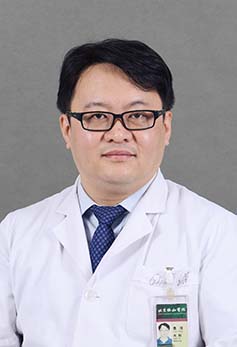 Yang Jiao (焦洋)合作论文数Peking Union Medical College Hospital8JiQiu Kuang (匡季秋)合作论文数7GuoHua Deng (邓国华)合作论文数7
 Baotong Zhou (周宝桐)合作论文数Peking Union Medical College Hospital6Lianfeng Lu合作论文数5
 Nidan Wang合作论文数5Xiaodi Li合作论文数5Xiaoxia Li合作论文数5RuiYuan Sheng (盛瑞媛)合作论文数5
 Wei Yu (余卫)合作论文数Peking Union Medical College Hospital, Chinese Academy of Medical Science5Yongsong Yue合作论文数4Taoran Geng (耿陶然)合作论文数4
 Yicong Ye合作论文数4
 Xiaoqing Liu (刘晓清)合作论文数Peking Union Medical College Hospital4
 MeiMei Tao (陶梅梅)合作论文数Emergency General Hospital4Chloe L. Thio合作论文数4Xiuxia Li合作论文数3Shaoxia Xu合作论文数3Huijuan Kou合作论文数3
 Shuyang Zhang (张抒扬)合作论文数Peking Union Medical College Hospital;Chinese Academy of Medical Sciences & Peking Union Medical College3
 Chengda Zhang合作论文数3Wei Lyu合作论文数3Shanshan Du合作论文数3Wei Lü合作论文数3Ling Lin合作论文数3ying yu (于莺)合作论文数3Ling Qin合作论文数Ctr AIDS Res, Chinese Acad Med Sci & Peking Union Med Coll3Hong-wei Zhang合作论文数3




