Growing evidence has supported the potential method of umbilical cord mesenchymal stem cell (UCMSC) therapy for diabetic foot and lower extremity peripheral artery disease (PAD), but their results are not consistent. Thus, the authors conducted the first meta-analysis concerning the safety and efficacy of UCMSC treatment in diabetic foot patients. 8 English and Chinese databases were searched to identify randomized controlled trials regarding UCMSC therapy in diabetic foot patients. Two independent investigators carried out literature inclusion, data extraction, and quality assessment. Meta-analysis was performed using ReviewManager 5.4.1., 6 RCT studies involving 380 patients were included. Primary endpoints included ulcer healing, transcutaneous oxygen pressure (TcPO2), ankle-brachial index (ABI), and intermittent claudication. Compared with conventional treatment, patients who accepted UCMSC therapy had a better ulcer healing rate (Odds Ratio (OR) = 2.88 [1.20-6.91]), TcPO2 (standardized mean difference (SMD) = 1.39, [0.01-2.77]), and ABI improvement (SMD=1.22 [0.30-2.13]). Moreover, they also experienced significantly better improvements in pain amelioration, skin temperature, and ulcer area reduction. Whereas, intermittent claudication cannot be ameliorated by UCMSC therapy (SMD=0.83 [-0.45-2.10]). Additionally, neovascularization, examined by angiography, was significantly promoted after UCMSC administration. Moreover, two studies recorded adverse events during follow-up, which were considered to be transient, minor, and regional. The present meta-analysis validated that UCMSC treatment enhances diabetic foot ulcer healing and circulation recovery, and has a promising safety profile, though limited by incomplete reporting. Larger-sample multicenter randomized controlled trials and longer-term follow-up are urgently needed to further explore the safety and efficacy of UCMSC treatment in diabetic foot patients. The meta-analysis was prospectively registered on PROSPERO.
Three-layered biomimetic vascular grafts (VG) based on poly(carbonate-urethane) (PCU) have been developed and used in clinical trials in China. The durability of PCU and VG during preclinical animal implantation and artificial oxidation tests is of top consideration for the long-term service of implantable devices. After being removed from the sheep after 1 month of implantation, the changes in the microstructures of VG were analyzed and compared using SEM, FTIR, tensile tests, and in situ Wide-angle X-ray diffraction (WAXD) to evaluate the performance of PCU in resisting biodegradation in implantation and blood contact scenarios. Polyester fabrics on the VG could be degraded, while the PCU structures remained largely intact. The micropores on the inner membrane of the VG facilitate endothelialization. During artificial oxidation tests, CoCl2 and H2O2 solution can erode the surface of the hot-pressed film of PCU after 2 weeks of immersion, and the soft segment was partially destroyed by hydrolytic cleavage, which was confirmed by the decrease in the FTIR band at 1256 cm(-1). However, the surface deterioration did not lead to a decrease in the tensile strength or elongation at break, even for PCU after four weeks of immersion.
The importance of management strategies for subclavian artery aneurysms (SAAs) is underscored by the risks of aneurysm rupture and distal ischemia. However, there is no consensus on the optimal timing or strategies for treatment due to their low incidence. The existing literature primarily comprises case reports and small retrospective studies, providing limited high-quality evidence. The preservation of the vertebral artery (VA) is critical to the prognosis of SAA repair, particularly when a dominant ipsilateral VA exists and the circle of Willis is incomplete. In this review, we integrate published literature together with our center’s experience to classify SAAs into four types based on the anatomical relationship between the VA and the aneurysm, and we outline the treatment strategies for each type. Furthermore, given the substantial influence of diverse etiologies on disease progression, we address the clinical features and management approaches for SAAs based on distinct etiologies.
Chimeric antigen receptor (CAR)-T cell immunotherapy shows significant success in hematologic malignancies. However, it faces critical challenges in solid tumours, such as suppressive tumour microenvironment (TME) and antigenic heterogeneity, highlighting the urgent need for effective and safe CAR products. The integration of artificial intelligence (AI) into CAR-T cell immunotherapy offers exceptional opportunities to improve its therapeutic efficacy. More specifically, this paper highlights the transformative role of AI in addressing key challenges that impede the success of CAR-T cell therapy in solid tumours, including assisting in CAR design and manufacturing process, identifying novel CAR-targeted genes, and detecting cell heterogeneity in solid tumours. We remain optimistic about AI-driven strategies for enhancing CAR T-cell persistence, trafficking, and visualisation in the TME. In addition, we highlight the current challenges and prospects for advancing AI-driven CAR-T cell therapies.
BACKGROUND:We aimed to compare the technical success rates and long-term patency of endovascular repair, subclavian-carotid bypass (SCB), and subclavian-carotid transposition (SCT) for subclavian artery occlusion. METHODS:A retrospective analysis was conducted on 181 patients at Fuwai Hospital (2015-2024). Primary endpoint was the primary patency rate. Secondary endpoints included technical success, secondary patency and freedom from target lesion revascularization (TLR) rates. Kaplan-Meier analyses were applied. RESULTS:One hundred and eighty-one patients [median age: 60 years, interquartile range (IQR) 54.00-65.00; 76.2% male) underwent 192 procedures, with 111 endovascular repairs, 38 SCBs, and 43 SCTs. Indications included vertebrobasilar insufficiency (39.2%), arm ischemia (28.7%), both (29.3%), cardiac causes (2.2%), and combined arm and cardiac indications (0.6%). The endovascular group had a lower technical success rate than SCB and SCT (86.5% vs 97.4% vs 100.0%). SCT had the longest lesion-to-vertebral artery (VA) length among the 3 groups. Ostial occlusion was more frequent and lesion length was longer in failed cases compared to successful cases (33.3% vs 6.3%, 14.50 vs 22.00 mm). After a median follow-up of 44 months (IQR 22.00-70.00), SCT had the highest primary patency rate (100% at 1, 3, and 5 years) compared to endovascular repair (93.4%, 88.2%, 77.6%) and SCB (94.1%, 86.8%, 72.3%; p=0.12). Endovascular group had primary patency, secondary patency, and freedom from TLR rates comparable to open surgery (SCB and SCT). SCB had lower primary patency than SCT. CONCLUSIONS:Endovascular repair offers good long-term patency but requires careful patient selection due to higher technical failure rates. SCT is recommended for patients at high risk of endovascular failure, while SCB remains suitable for multi-segment, distal occlusions or lesions with a short lesion-to-VA length.Clinical ImpactTo our knowledge, this is the largest study comparing outcomes of endovascular repair, subclavian-carotid bypass (SCB), and transposition (SCT) for SA occlusion. We found that endovascular repair provides midterm patency comparable to open surgery and may serve as the preferred option in carefully selected patients-contrary to prior reports, possibly due to optimized antiplatelet therapy. Technical failure was more frequent in cases with ostial involvement or longer lesion length. Although SCB showed inferior patency to SCT, it remains preferable for complex, distal lesions, or those with short lesion-to-vertebral artery (VA) length. Our anatomical analysis may offer guidance for individualized treatment selection.
Abdominal aortic aneurysm refers to a serious medical condition that can cause the irreversible expansion of the abdominal aorta, which can lead to ruptures that are associated with up to 80
Heart diseases remain the primary cause of human mortality in the world. Although conventional therapeutic opportunities fail to halt or recover cardiac fibrosis, the promising clinical results and therapeutic efficacy of engineered chimeric antigen receptor (CAR) T cell therapy show several advancements. However, the current models of CAR-T cells need further improvement since the T cells are associated with the triggering of excessive inflammatory cytokines that directly affect cardiac functions. Thus, the current study highlights the critical function of heart immune cells in tissue fibrosis and repair. The study also confirms CAR-T cell as an emerging therapeutic for treating cardiac fibrosis, explores the current roadblocks to CAR-T cell therapy, and considers future outlooks for research development.
Studying surface modification has long been a key area for enhancing the effects of vascular stents after surgery. The study aimed to develop an asymmetric drug-eluting stent (ADES) with differential drug loading on its inner and outer surfaces, hypothesizing that this design would enhance drug delivery efficacy for percutaneous coronary interventions (PCIs) compared to uniformly coated drug-eluting stents (UDES). An ultrasonic atomization spraying device was utilized to fabricate the ADES, which was subsequently evaluated for drug release patterns, hemocompatibility, and biocompatibility. In vitro, assessments demonstrated favorable hemocompatibility and showed targeted drug delivery capabilities of ADES within artificial blood vessels. Furthermore, in vivo testing using a rabbit carotid artery model revealed significant endothelialization on stented segments treated with the ADES. These findings suggest that the ADES holds promise as a minimally invasive platform for improving cardiovascular disease treatment outcomes by addressing thrombus formation and neointima proliferation more effectively than traditional stents.
OBJECTIVE:The objective of this study was to compare the perioperative performance of the novel large-diameter composite polycarbonate polyurethane graft and the polyester graft. METHODS:In this study, we retrospectively analyzed 14 patients with thoracic aortic prosthesis replacement from 2016 to 2021. The preoperative, intraoperative, and postoperative data of the 2 groups were assessed in detail. RESULTS:We defined the patients with polyester grafts as the control group and the patients with polycarbonate polyurethane grafts as the experimental group. The total operation time of the experimental group was significantly shorter than that of the control group, which were 159.29±38.13 minutes and 252.57±64.40 minutes, respectively (p<0.001). The length of time from aortic opening to the end of operation in the experimental group was significantly shorter than that in the control group, which were 70.43±8.08 minutes and 124.71±37.59 minutes, respectively (p<0.001). The mean total drainage of pleural fluid was lower in the experimental group than in the control group (383.43±139.68 mL vs. 828.00±457.27 mL; p<0.05). The mean postoperative in-hospital time was shorter in the experimental group than in the control group (6.71±0.75 days vs. 9.43±2.82 days; p<0.05). CONCLUSIONS:This study provides preliminary evidence that the novel artificial blood vessel has good mechanical properties, histocompatibility, hemocompatibility, and anti-seepage function in the human body. A multicenter randomized controlled trial is needed for further validation.Clinical ImpactThe novel hybrid polycarbonate polyurethane (PCU)/polyester three-layered large-diameter artificial blood vessel simulates the internal, middle, and external layers of the human blood vessels. The inner and outer layer are made of PCU, and the middle reinforcing layer is woven by polyester. Because of the three-layered structure, this artificial blood vessel has excellent anti-seepage and anti-infection functions. the inner and outer layers of the blood vessel made of PCU let this artificial blood vessel has excellent blood compatibility, outstanding biocompatibility, high endothelialization rate, and 100% patency. By comparing the perioperative outcomes with the polyester artificial blood vessel, we find it has good mechanical properties, histocompatibility, hemocompatibility and anti-seepage function in the human body.
Oxidized low density lipoprotein (oxLDL)-induced endothelial oxidative damage promotes the development of atherosclerosis. Caveolae play an essential role in maintaining the survival and function of vascular endothelial cell (VEC). It is reported that the long coiled-coil protein NECC2 is localized in caveolae and is associated with neural cell differentiation and adipocyte formation, but its role in VECs needs to be clarified. Our results showed NECC2 expression increased in the endothelium of plaque-loaded aortas and oxLDL-treated HUVECs. Down-regulation of NECC2 by NECC2 siRNA or compound YF-307 significantly inhibited oxLDL-induced VEC apoptosis and the adhesion factors expression. Remarkably, inhibition of NECC2 expression in the endothelium of apoE-/- mice by adeno-associated virus (AAV)-carrying NECC2 shRNA or compound YF-307 alleviated endothelium injury and restricted atherosclerosis development. The immunoprecipitation results confirmed that NECC2 interacted with Tyk2 and caveolin-1(Cav-1) in VECs, and NECC2 further promoted the phosphorylation of Cav-1 at Tyr14 b y activating Tyk2 phosphorylation. On the other hand, inhibiting NECC2 levels suppressed oxLDL-induced phosphorylation of Cav-1, uptake of oxLDL by VECs, accumulation of intracellular reactive oxygen species and activation of NF-κB. Our findings suggest that NECC2 may contribute to oxLDL-induced VEC injury and atherosclerosis via modulating Cav-1 phosphorylation through Tyk2. This work provides a new concept and drug target for treating atherosclerosis.
AIMS:Growing preclinical and clinical evidence has suggested the potential method of umbilical cord mesenchymal stem cell (UCMSC) therapy for diabetic foot. Thus, the authors provided an outline of the application of UCMSCs in the treatment of diabetic foot and further summarized the roles and mechanisms of this therapy.DATA SYNTHESIS:With no time limitations, the authors searched the Web of Science, Cochrane Central Register of Controlled Trials, and PubMed (MEDLINE) databases. 14 studies were included, including 9 preclinical experiments and 5 clinical trials (3 RCTs and 2 single-arm trials).CONCLUSIONS:The UCMSCs are of great efficacy and safety, and function mainly by reducing inflammation, regulating immunity, promoting growth factors, and enhancing the functions of vascular endothelial cells, fibroblasts, and keratinocytes. As a result, ulcer healing-related biological processes ensue, which finally lead to diabetic foot ulcer healing and clinical symptom improvement. UCMSC treatment enhances diabetic foot ulcer healing and has a safety profile. They function mainly by modulating immunity, promoting growth factor secretion, and enhancing cellular functions. More well-designed preclinical and clinical studies are needed to provide the most optimal protocol, the comprehensive molecular mechanisms, as well as to further evaluate the efficiency and safety profile of UCMSC treatment in diabetic foot patients.
Autophagy is a process in which cells degrade intracellular substances and play a variety of roles in cells, such as maintaining intracellular homeostasis, preventing cell overgrowth, and removing pathogens. It is highly conserved during the evolution of eukaryotic cells. So far, the study of autophagy is still a hot topic in the field of cytology. Ferroptosis is an iron-dependent form of cell death, accompanied by the accumulation of reactive oxygen species and lipid peroxides. With the deepening of research, it has been found that ferroptosis, like autophagy, is involved in the occurrence and development of cardiovascular diseases. The relationship between autophagy and ferroptosis is complex, and the association between the two in cardiovascular disease remains to be clarified. This article reviews the mechanism of autophagy and ferroptosis and their correlation, and discusses the relationship between them in cardiovascular diseases, which is expected to provide new and important treatment strategies for cardiovascular diseases.
OBJECTIVE:The objective of this study was to introduce our institutional experience of treatment strategies (cervical subclavian artery reconstruction, thoracotomy subclavian artery reconstruction and endovascular treatment) for proximal isolated subclavian artery aneurysms (PISAAs). METHODS:we retrospectively analyzed 15 consecutive patients with PISAAs treated by different treatment strategies (cervical reconstruction, thoracotomy reconstruction and endovascular treatment) in our institution from May 2016 to May 2022. Baseline data, surgery-related data, postoperative information and long-term follow-up were assessed. RESULTS:A total of 17 PISAAs in 15 consecutive patients were treated in our institution. The success rates of subclavian artery reconstruction in the cervical reconstruction, the thoracotomy reconstruction and the endovascular treatment were 100%, 100 and 83.33%, respectively. About the involved vertebral artery, the reconstruction rates in the cervical reconstruction, the thoracotomy reconstruction, and the endovascular treatment were 80%, 75%, and 0, respectively. The intraoperative blood loss in the thoracotomy reconstruction was significantly higher than that in the cervical reconstruction and the endovascular treatment (p<0.05). The total operation time of the thoracotomy reconstruction was significantly longer than that of the cervical reconstruction and the endovascular treatment (p<0.05). In terms of postoperative ventilator use time, total postoperative drainage fluid, total postoperative drainage time, and ICU duration, both the thoracotomy reconstruction and the cervical reconstruction were significantly more than the endovascular treatment (p<0.05). During the follow-up, one patient in the endovascular treatment underwent re-intervention 22 months after surgery due to in-stent occlusion. CONCLUSIONS:For patients with PISAAs, different treatment strategies are recommended depending on the size of the aneurysms and whether the involved vertebral arteries require reconstruction.Clinical impactThis article is the largest study on the treatment strategies of PISAAs. By comparing the prognosis and complications of endovascular treatment with those of open surgery, it provides a certain reference basis for the choice of treatment for patients with PISAAs. For patients with aneurysms' diameter of >50 mm, the thoracotomy subclavian artery reconstruction is recommended; for patients with aneurysms' diameter of <30 mm requiring reconstruction of the involved vertebral arteries, the cervical subclavian artery reconstruction is recommended; for patients with aneurysms' diameter of <30 mm not requiring reconstruction of the involved vertebral arteries, the endovascular treatment is recommended.
Breast cancer is considered the number one killer of women both in China and abroad, and the leading cause of cancer death. It severely affects female health-related quality of life. Broad-complex, tramtrack, bric à brac (BTB) protein family was first discovered in drosophila as early as in 1993 by Godt D and peers, since then, more family members and their critical biological functions were uncovered. Moreover, researchers around the world have recently demonstrated that numerous signaling pathways connect BTB family members and human breast cancer. In this review, we critically discuss these findings regarding the essential mechanisms and functions of the BTB protein family in mediating the organic processes of human breast cancer. Meanwhile, we summarize the signaling pathways the BTB protein family participates in. And we address that BTB proteins regulate the growth, apoptosis, and other behaviors of breast cancer cells. We also point out the future directions for further studies in this field. The relevant online literatures have been reviewed for this article. This review could offer an update on novel molecular targets for treating human breast cancer and new insights into BTB protein family research.
Objective To explore the treatment outcome of carotid endarterectomy combined with vertebral artery transposition in patients with severe stenosis to occlusion of the vertebral artery V1 segment and the ipsilateral carotid artery. Methods From June 2017 to September 2020, patients with severe stenosis to occlusion of the vertebral artery V1 segment and the ipsilateral carotid artery treated with carotid endarterectomy combined with vertebral artery transposition in Fuwai Hospital were retrospectively analyzed. Results Finally 12 patients were enrolled, including 10males and 2 females with an average age of 67.8±6.0 years. Twelve patients were successfully operated and the follow-up time was 1-3 years. The stenosis degree of the V1 segment of the vertebral artery decreased from 83.5%±11.8% to24.9%±14.3%(P<0.001). The stenosis degree of carotid artery decreased from 85.6%±11.0% to 0%(P<0.001).Postoperative follow-up showed that the symptoms of symptomatic patients before surgery improved. The 1-year and 3-year patency rates were 100.0%, and there were no peripheral nerve injury complications, perioperative deaths or strokes.Conclusion Carotid endarterectomy combined with vertebral artery transposition can treat ipsilateral carotid artery stenosis and vertebral artery stenosis at the same time, improve blood supply to the brain, improve patients’ symptoms and has high promotion value.
BackgroundThe recommendation of the European Society for Vascular Surgery (ESVS) is that vertebral revascularization combined with ipsilateral CEA (carotid endarterectomy) should not be performed in the same operation. ESVS believes that vertebral revascularization combined with ipsilateral CEA increases perioperative death/stroke rates. In our opinion, revascularization of the first segment of vertebral artery (V1) combined with ipsilateral CEA is safe compared to vertebral V1 revascularization in the perioperative period. The purpose of this study is to prove that revascularization of V1 segment of vertebral artery combined with ipsilateral CEA is secure in the perioperative period.MethodsWe describe our experience with homochronous revascularization of V1 segment of vertebral artery with ipsilateral CEA (group B) and simple revascularization of V1 segment of vertebral artery (group A) in 48 consecutive patients during a 5-year period. O.Y. (Ouyang) incisions were used in both groups. We compare the results of the 2 procedures with aspects of mortality, stroke, morbidity, incident rates of complications, and so on.ResultsThere was no significant difference between patients in group A and group B in terms of red blood cell reduction, postoperative ventilator using time, postoperative drainage volume, postoperative drainage days, postoperative hospitalize duration, and incident rates of postoperative complications. The postoperative complications include death, stroke, Horner syndrome, vocal paralysis, hypoglossal nerve paralysis, wound hematomas, and lymphatic leakage.ConclusionsRevascularization of vertebral artery combined with ipsilateral CEA should be divided into revascularization of V1 segment of vertebral artery combined with ipsilateral CEA and revascularization of V3 segment of vertebral artery with ipsilateral CEA. Revascularization of V1 segment of vertebral artery combined with ipsilateral CEA is safe; it can be performed for suitable patients who are fit for indications. O.Y. incisions can fully expose the target blood vessels and simplify the procedures without transecting the sternocleidomastoid muscles in operations.
Patients with multiple myeloma (MM) are likely to achieve poor therapeutic response when organs are involved. We produced anti-B-cell maturation antigen (BCMA) chimeric antigen receptor (CAR)-T cells, which are in a trial for patients with relapsed/refractory MM. One enrolled patient developed severe heart failure, highly suspected as light chain cardiac amyloidosis. He exhibited increased N-terminal pro-brain natriuretic peptide with a peak of 32 299 ng/mL and heart failure with an ejection fraction of 30%. Anti-BCMA CAR-T cells were administered following lymphodepletion. The patient achieved cardiac response within 1 week with a decrease in N-terminal pro-brain natriuretic peptide by 80%, an increase in ejection fraction from 30% to 56%, and a haematological response with negative minimal residual disease at 1 month and a complete response at 1 year. To date, this patient has maintained good health without heart failure or haematological relapse. Herein, we show the efficacy of anti-BCMA CAR-T cells in patients with MM and severe heart failure.
目的 探索改良椎动脉-颈总动脉转位术(vertebral-carotid transposition,VCT)在椎动脉V1段重度狭窄至闭塞患者中的治疗.方法 回顾性分析2016年10月-2018年12月阜外医院采用改良VCT治疗的13例椎动脉V1段重度狭窄至闭塞患者的临床资料,其中男10例、女3例,平均年龄(70.5±7.1)岁.结果 13例患者手术均成功,随访时间为1~3年,术后患侧椎动脉V1段的狭窄程度由86.8%±7.5%下降至17.4%±14.5%.所有患者术后症状均改善,6例患者出现暂时性周围神经损伤症状,术后随访发现其中4例患者周围神经损伤症状消失,1年和3年通畅率均为100.0%,未出现围手术期死亡、卒中、术后再次治疗等.结论 改良VCT能确切地恢复椎动脉V1重度狭窄至闭塞患者的远端血流,改善其症状.
Vascular smooth muscle cells (VSMCs) contribute to plaque stability. VSMCs are also a major source of CTH (cystathionine gamma-lyase)-hydrogen sulfide (H2S), a protective gasotransmitter in atherosclerosis. However, the role of VSMC endogenous CTH-H2S in pathogenesis of plaque stability and the mechanism are unknown. In human carotid plaques, CTH expression in ACTA2(+) cells was dramatically downregulated in lesion areas in comparison to non-lesion areas. Intraplaque CTH expression was positively correlated with collagen content, whereas there was a negative correlation with CD68(+) and necrotic core area, resulting in a rigorous correlation with vulnerability index (r = -0.9033). Deletion of Cth in VSMCs exacerbated plaque vulnerability, and were associated with VSMC autophagy decline, all of which were rescued by H2S donor. In ox-LDL treated VSMCs, cth deletion reduced collagen and heightened apoptosis association with autophagy reduction, and vice versa. For the mechanism, CTH-H2S mediated VSMC autophagosome formation, autolysosome formation and lysosome function, in part by activation of TFEB, a master regulator for autophagy. Interference with TFEB blocked CTH-H2S effects on VSMCs collagen and apoptosis. Next, we demonstrated that CTH-H2S sulfhydrated TFEB at Cys212 site, facilitating its nuclear translocation, and then promoting transcription of its target genes such as ATG9A, LAPTM5 or LDLRAP1. Conclusively, CTH-H2S increases VSMC autophagy by sulfhydration and activation of TFEB, promotes collagen secretion and inhibits apoptosis, thereby attenuating atherogenesis and plaque vulnerability. CTH-H2S may act as a warning biomarker for vulnerable plaque.
Background: Clinical investigations repurposing a disintegrin and metalloproteases 10 (ADAM10) as metastatic and thrombus marker have achieved encouraging results, but the mechanism behind this association remains unclear. Methods: This study was carried out in NingXia and Wuhan, China from 2017 to 2021. The effects of ADAM10 expression on the metastatic and thrombus-associated genes: tissue factor (TF), P-selectin glycoprotein ligand-1 (PSGL-1), cathepsin G (CTSG) and mucin 1 (MUC1) were examined by immunofluorescence, qRTPCR and Western blotting analysis. Metastatic and thrombotic behaviors were evaluated using NODSCID mouse model. Results: The ADAM10 expression controlled the migration and invasion of pancreatic carcinoma cell-1(PANC-1), and significantly regulated the metastatic and thrombus-associated genes (P < 0.05). ADAM10 and MUC1 were regulated and aberrantly expressed by a dependent mechanism. Moreover, ADAM10 expression induced the progression of adenocarcinoma cells and thrombus formation in vivo. Conclusion: Regulation of ADAM10 expression in cancer cells might effectively pave the way for a more potent anti-metastatic and anti-thrombotic approach and could regulate the invasion and migration of cancer cells.
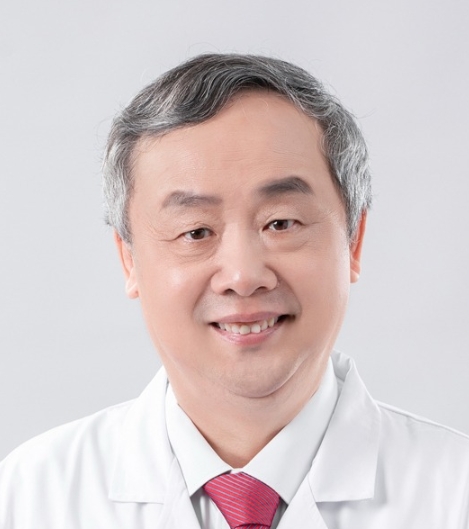 Bi Jin (金毕)合作论文数Union Hospital, Tongji Medical College, Huazhong University of Science and Technology31
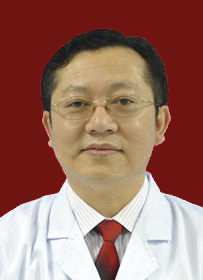 Yiqing Li (李毅清)合作论文数Union Hospital, Tongji Medical College, Huazhong University of Science and Technology25
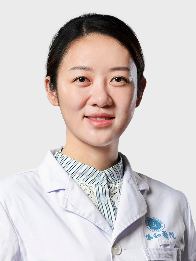 Weici Wang (王维慈)合作论文数Union Hospital, Tongji Medical College, Huazhong University of Science and Technology20
 Yuanrui GU (顾沅芮)合作论文数19
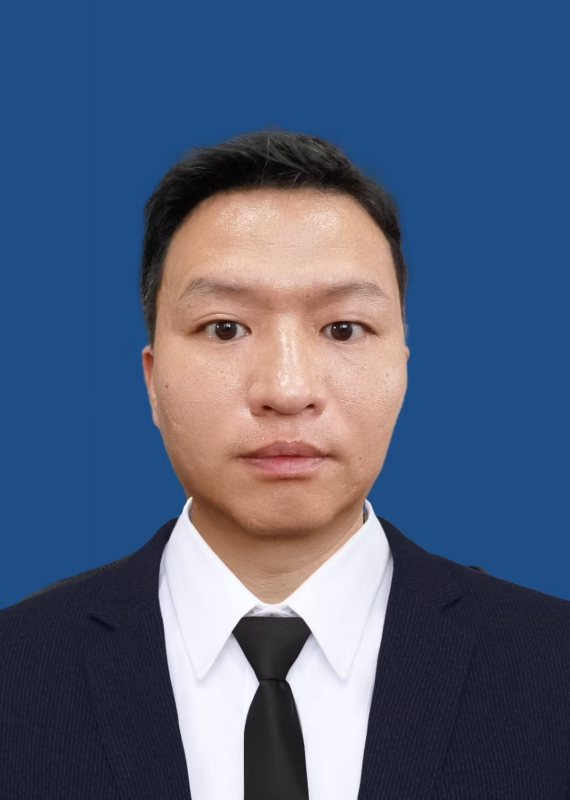 Hongjun Yang (杨宏军)合作论文数School of Materials Science & Engineering, Changzhou University12
 Weilin Xu (徐卫林)合作论文数Wuhan Textile University11
 Abdalla Ahmed合作论文数Dept Microbiol, Umm al Qura Univ9
 Chuanshan Lai (赖传善)合作论文数Union Hospital, Tongji Medical College, Huazhong University of Science and Technology9Yangxue SUN (孙阳雪)合作论文数8Haiye Xu (许海叶)合作论文数8Ke Zhang (张克)合作论文数7Fei Zhou合作论文数6
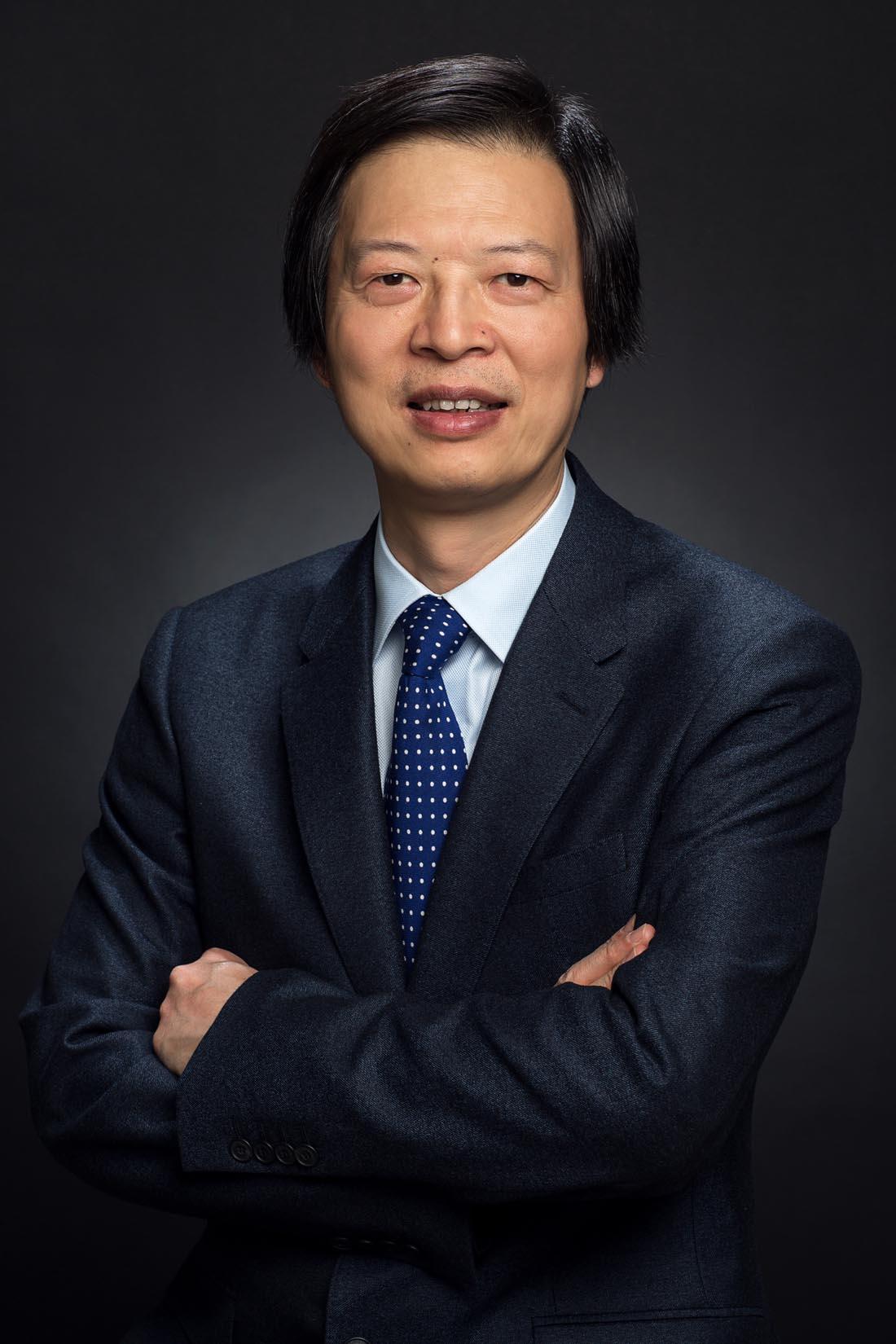 Chang Shu (舒畅)合作论文数National Center For Cardiovascular Diseases%_%Fuwai Hospital, CAMS & PUMC6
 Guang Yang (杨光)合作论文数College of Life Science and Technology, Huazhong University of Science and Technology6Yin Xia (夏印)合作论文数5Kun Fang合作论文数5
 Mingyao Luo (罗明尧)合作论文数5
 Lin Xiao (肖林)合作论文数School of Biomedical Engineering, Sun Yat-sen University4Zeming Zhou合作论文数4Mei Zhou合作论文数4GuoFu Hu (胡国富)合作论文数4
 Ping Lv (吕平)合作论文数Union Hospital, Tongji Medical College, Huazhong University of Science and Technology4Ning Meng (孟宁)合作论文数4Jian Wang合作论文数4
 Hongtao Liu合作论文数4Haorui Zhang合作论文数3Yilang Qin合作论文数3
 Honglin Luo (罗红林)合作论文数School of Materials Science and Engineering, East China Jiaotong University3Mengxia Peng合作论文数3REN Jingjing (任晶晶)合作论文数3YunFei Teng (滕云飞)合作论文数3Chen Tian (田晨)合作论文数3
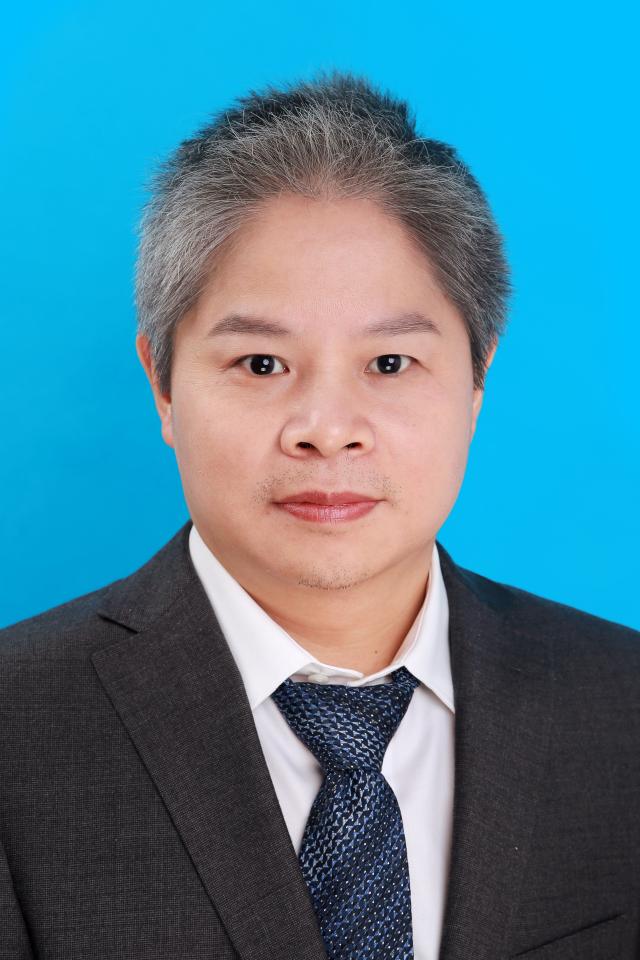 Yonggui Liao (廖永贵)合作论文数School of Chemistry and Chemical Engineering, Huazhong University of Science and Technology3Yu Miao合作论文数3Mei Fei合作论文数3Weigang Cui (崔卫刚)合作论文数3
 Fazu Qiu (裘法祖)合作论文数Tongji Hospital, Tongji Medical College of Huazhong University of Science and Technology3
 Xiaoyan Deng (邓小燕)合作论文数School of Biological Science and Medical Engineering, Beihang University3
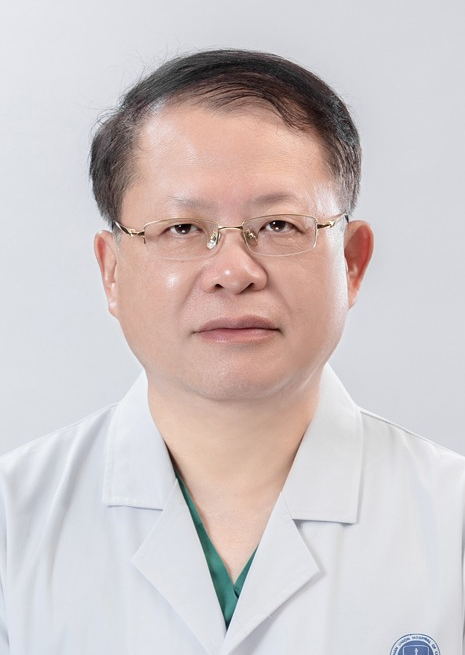 Huimin Liang (梁惠民)合作论文数Union Hospital, Tongji Medical College, Huazhong University of Science and Technology3
 Jianye Zhou合作论文数3
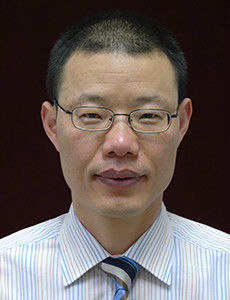 Yizao Wan (万怡灶)合作论文数School of Materials Science and Engineering, East China Jiaotong University;Institute of Advenced Materisls, East China Jiaotong University3QIN Yilang (覃一朗)合作论文数2Shi Sheng合作论文数2Wang Yunhong合作论文数2Yi-Ping Dang合作论文数2Qin Li (李沁)合作论文数2Fei Mei合作论文数2YANG Zhiwei (杨志伟)合作论文数2




