患者男,38岁。因“左下肢肿痛1 d”就诊。患者2周前高处坠落伤伴多发骨折和腹膜后血肿于外院行抗感染、扩容补液等保守治疗。1 d前患者自觉左下肢肿痛,不伴咳嗽、胸闷、胸痛等不适。入院后左下肢血管超声检查:腔静脉节段血流通畅,下段管腔受血肿压迫;左侧髂总、髂外静脉节段血栓形成;左侧深、浅静脉血栓形成。上腹部增强CT检查:腹膜后血肿;左侧腰大肌损伤;骶骨骨折。行下腔静脉造影+下腔静脉滤器(inferior vena cava filter,IVCF)置入术,术中造影发现滤器展开故障,尝试腔内回收滤器失败,确定滤器不在下腔静脉内(图1A),随即释放第二枚滤器(图1B)。术后第14天行剖腹探查,见下腔静脉后壁滤器外露呈部分展开状态,予以丝线捆绑滤器防止二次组织损伤(图2A),并试图拔除异常滤器失败。充分暴露滤器头端回收钩(图2B),并予以鹅颈抓捕器成功抓取异常滤器,并见到其内包裹结缔组织(图2C),术中未见到明显活动性出血灶,术后1周出院,3个月后取出第二枚正常解剖位滤器。
Renal artery aneurysm (RAA), a type of visceral aneurysm with atypical symptoms, is difficult to detect and is usually discovered incidentally by imaging examination. Hilar RAA (HRAA) represents a relatively rare subgroup of RAA that is located in the distal part of the renal artery, close to the renal parenchyma. We reported a 55-year-old woman with an HRAA measuring 19 mm × 20 mm × 20 mm. She underwent endovascular therapy with bare-metal stent implantation with nested coil embolization. She was discharged without complications. The uniqueness of this case is the aneurysm location, which was at the distal right renal artery, making it difficult to preserve the blood supply to the right kidney. The novelty of the minimally invasive technique was that this endovascular treatment not only eliminated the aneurysm, but also preserved the blood supply to the ipsilateral kidney. Endovascular therapy is effective in the management of HRAA.
ABSTRACT. Most critically ill patients experience malnutrition, resulting in a poor prognosis. This study aimed to evaluate the association of prealbumin (PAB) with the prognosis for severely and critically ill coronavirus disease 2019 (COVID-19) patients and explore factors related to this association. Patients with laboratory-confirmed COVID-19 from West Campus of Union Hospital in Wuhan from January 29, 2020 to March 31, 2020 were enrolled in this study. Patients were classified into the PAB1 (150–400 mg/L; N = 183) and PAB2 (< 150 mg/L; N = 225) groups. Data collection was performed using the hospital’s electronic medical records system. The predictive value of PAB was evaluated by measuring the area under the receiver-operating characteristic (AUROC) curve. Patients were defined as severely or critically ill based on the Guidance for COVID-19 (7th edition) by the National Health Commission of China. During this analysis, 316 patients had severe cases and 65 had critical cases. A reduced PAB level was associated with a higher risk of mortality and a longer hospital stay. The AUROC curve for the prognosis based on the PAB level was 0.93, with sensitivity of 97.2% and specificity of 77.6%. For severe cases, a lower level of PAB was associated with a higher risk of malnutrition, higher NK cell counts, and lower B lymphocyte counts; these factors were not significant in critical cases. C-reactive protein and nutritional status mediated the association between PAB and prognosis. This retrospective analysis suggests that the PAB level on admission is an indicator of the prognosis for COVID-19.
目的 研究老年人群生活方式评分与血脂异常、高尿酸血症的关联.方法 以2016年武汉市某区参与体检的21390名老年人为研究对象,根据吸烟、饮酒、饮食、运动、体质指数、腰围情况计算其生活方式评分,采用Logistic回归和多元线性回归分别探究生活方式评分与血脂异常和高尿酸血症、血脂水平和尿酸水平的关系.结果 与生活方式评分为0~1分的老年人相比,评分5~6分的老年人患血脂异常(OR=0.464,95%CI=0.398~0.541)和高尿酸血症(OR=0.550,95%CI=0.449~0.675)的风险显著降低,且甘油三酯水平(-0.292 mmol/L)和血清尿酸水平(-28.437μmol/L)显著降低、高密度脂蛋白胆固醇水平(0.179 mmol/L)显著升高.结论 生活方式评分的增加(即健康生活方式因素的增加)可显著降低血脂异常和高尿酸血症风险.
The treatment of critical limb ischemia (CLI) has long been a “hot spot” in medical science. It is widely believed that revascularization is the cornerstone of CLI therapy. However, there is currently no consensus on the best revascularization approach. Traditional open surgery is traumatic and associated with many complications. In recent years, great progress has been witnessed in terms of endovascular technology, gradually replacing open surgery in the treatment of CLI. In this review, the role of endovascular therapies in clinical practice, including conventional percutaneous transluminal angioplasty, bare-metal stent, and innovated drug-coated balloon, drug-eluting stent, bioresorbable vascular scaffold, cutting balloon angioplasty, atherectomy, intravascular lithotripsy, cryoplasty, and percutaneous deep venous arterialization is discussed.
ObjectivesThe current diagnosis and medicines approach in coronavirus disease 2019 (COVID-19) does not reflect the heterogeneous characteristics of this disease. This study aims to find a new antiviral combination regimen by investigating the frequency of clinically relevant and objectively identified comorbidities, and the clustering of these clinical syndromes and varying results of treatment with antiviral drugs in patients hospitalized with severe COVID-19.MethodsThis study recruited 151 severe COVID-19 infection cases diagnosed in our hospital examination and illustrated the clinical potential during a consecutive 25-day medication period. Potential differences in disease severity and clinical characteristics, hematological profile, and current pharmacologic treatments (single agent, double or triple combinations, and the combined antiviral drugs plus Lianhua Qingwen) among comorbidity clusters were explored.ResultsAlthough disease severity was comparable among three clusters, it was markedly different in terms of laboratory test status. Coagulable abnormality was mainly present in cluster 1 and cluster 2. Other indicators were normal, except for a significant increase of neutrophils presented in cluster 2. Patients showed the most complicated haematological results in cluster 3, including severe coagulation abnormalities, leukocytosis, neutrophilic granulocytosis, and lymphopenia. Our results for the first time suggest that a quadruple combination therapy (Ribavirin, Lopinavir/ritonavir, Umifenovir, and Lianhua Qingwen) can be considered as a preferred treatment approach to severe COVID-19 patients. After treatment, abnormal coagulation and leukocyte had markedly improved with a better prognosis.ConclusionThis study expands the understanding of the co-occurrence of combination therapy in patients with COVID-19, which provides the probability of developing novel combined therapy. Furthermore, explore clinical trials of variable antivirus treatments based on subgroup analyses or on using subgroups in the selection criteria would be the next step.
Gender influences clinical presentations, duration and severity of symptoms, and therapy outcome in coronavirus disease 2019 (COVID-19) infection. Whether the immune response to T alpha 1 treatment for SARS-CoV-2 differs between the sexes, and whether this difference explains the male susceptibility to COVID-19, is unclear. This study aimed to investigate the efficiency and safety of T alpha 1 treatment and provide a basis for practically identifying gender differences characteristics and features of COVID-19. One hundred twenty-seven patients had COVID-19 symptoms and tested COVID19-positive (female 42.52%) in Wuhan union hospital were enrolled for medication. They were randomly divided into groups Control and T alpha 1 intervention. Seventy-eight patients received a subcutaneous injection of 1.6 mg T alpha 1, based on supportive treatment for 15 days. The control group included untreated 49 COVID-19 patients closely matched for gender and age and received regular supportive treatment. In this retrospective analysis, we found that COVID-19-infected males reported more symptoms than COVID-19-infected females. A high degree of gender differences-related variability was observed in CRP and PCT levels and the cell counts of many lymphocyte subpopulations in the COVID-19 patients after T alpha 1 intervention. Levels of CRP and IL-6 were higher in T alpha 1-treated male group than T alpha 1-treated female group, while the level of PCT was significantly lower in T alpha 1-treated male group. Gender differences may be a factor in sustaining COVID19 immunity responded to T alpha 1, male and female show statistically significant differences in relevance to cytokine production associated with the development of a more significant number of symptoms. This leaves the question of identifying gender-specific risk factors to explain these differences.
目的 评估湖北省武汉市某城区18~30月龄儿童智力及运动发育现状,探讨影响儿童认知发育的相关因素,为促进和改善儿童认知发育水平提供参考依据.方法 选取在武汉市江岸区妇幼保健院进行常规体检和疫苗接种的185名18~30月龄儿童为研究对象,通过影响因素调查问卷,对其家长进行问卷调查,采用贝利婴幼儿发展量表(中国城市修订版)测评儿童的智力发展指数(MDI)和运动发展指数(PDI).结果 武汉市城区18~30月龄儿童平均智力发展指数为(110.02±21.42),平均运动发展指数为(103.24±22.06),智力发育异常率为5.9%,运动发育异常率为5.4%.多元线性回归分析显示:母亲文化程度、母亲孕前体重指数(BMI)、母子相处频率、孩子吃饭看电视、孩子看书情况、孩子睡眠情况对儿童的智力发展指数有显著影响;孩子户外活动时间、孩子玩玩具情况、与其他小朋友接触情况是儿童运动发展指数的影响因素.结论 武汉城区儿童智力及运动发育状况总体良好,母亲相关基本情况和儿童的早期相关生活方式对儿童的认知发育及运动发育有重要影响.
流量发生器广泛地应用于各种网络环境中,对于交换机、路由器、协议控制器芯片以及网络本身的测试与分析有着重要的作用.针对现有流量发生器种类较少、配置灵活度不高的问题,提出了一种基于FPGA(field programmable gate array)的软件定义流量发生器,实现灵活配置每个端口的数据分组的协议类型、数量、长度、间隔等,具有高速性、灵活性和可扩展性.
This study reviewed our single-center experience in diagnosis and surgical treatment of inferior vena cava leiomyomatosis (IVL). Between 2002 and 2015, 16 patients were evaluated for IVL at our medical center. Patient demographics, clinical variables, and perioperative outcomes were reviewed. All patients underwent B-mode ultrasound imaging, nine additionally underwent computed tomography (CT), and 10 patients received magnetic resonance imaging (MRI; Fig, A). A positive diagnosis was made by ultrasound imaging and MRI in all patients and by CT in 89% of patients. Surgery therapy was offered to 15 patients, 12 with a one-stage operative intervention, and three underwent a staged two-phase operative intervention (Fig B). All patients recovered well, and IVL was confirmed by postoperative pathology. The 15 patients who underwent operation had the pathologic diagnosis of IVL. The specimens were covered by intimal-like tissue, 86.7% (13 of 15) of which was not significant adhere to venous wall, and 53.3% (8 of 15) of which had two and more lesions. Postoperative follow-up (range, 1-14 years; mean, 3.8 years) was performed by both a telephone follow-up call and as in-person outpatient follow-up. One patient who underwent a two-stage case relapsed, and radical surgery was performed again. One patient who deferred operative intervention and died 5 years following diagnosis of unknown cause. Imaging examinations including B-mode ultrasound imaging, CT, and MRI are highly diagnostic for vena cava tumors such as leiomyomatosis. Surgical tumor removal and debulking via a one-stage or multistaged operative intervention is successful and has reasonable outcomes.
Intravenous leiomyomatosis is a benign smooth muscle tumor that often occurs in the internal iliac vein and is closely associated with a fibroid. Intravenous leiomyomatosis usually starts in the veins of the uterus. It can grow within the veins and extend into the inferior vena cava and ultimately extend into the right-sided heart chambers and pulmonary arteries. Other sites are less common, and a venous primary site is very rare. We report a case of subclavian vein tumor that was diagnosed as an unusual leiomyoma in a 21-year-old nulliparous woman.
目的:研究急性下肢深静脉血栓形成患者治疗前后彩超检查及对本组患者早期预后进行评估.方法:对患肢溶栓前及溶栓后的彩超静脉通畅评分,、VEINES-QOL/Sym questionnaire问卷调查结果采用spss 13.0统计软件进行统计分析.结果:(1)根据彩超检查结果,静脉通畅评分由治疗前7.88±0.130降至治疗后1.50±0.081,两者差异存在极显著性(t=50.478,P<0.000 1),说明溶栓治疗后静脉通畅性显著性改善.(2) VEINES-QOL/Sym questionnaire问卷调查评分:VEINES-QOL和VEINES-Sym评分中P<0.0001表明治疗后患者的生存质量和症状较治疗前显著性改善.(3)治疗前后静脉通畅评分及VEINES-QOL/Sym questionnaire评分差值之间均无相关性(r=-0.229,P=0.090;r=0.061,P=0.654;r=0.065,P=0.633).结论:动态监测彩超静脉通畅评分的变化,结合VEINES-QOL/Sym questionnaire问卷调查能较好地评估ADVT溶栓疗效及早期预后.
Objective:To investigate the effect and safety of autologous bone marrow-mononuclear cell (BM-MNC) transplantation on ischemic limb of patients with thromboangi tis obliterans (TAO).Methods:Fourteen patients with TAO underwent transplantation of autologous BM-MNC into ischemic muscles of 20 lower limbs.A series of subjective indexes (improvement of pain and cold sensation) and objective indexes including increase of ankle brachial index (ABI),transcutaneous oxygen pressure (TcPO2),and improvement of foot skin ulcer were used to evaluate the effects. Results:The outcomes were evaluated after 6 months of transplantation.The pain relief and improvement of cold feeling were in 18 limbs and 19 limbs, respectively.Before transplantation and 6 months after transplantation, ABI was (0.39±0.15) and (0.49±0.26), respectively (P<0.05), and TcPO2 of the ischemic legs were (25.12±4.24) mm Hg (1 mm Hg=0.133 kPa) and (33.20±6.45) mm Hg, respectively (P<0.05).The ischemic symptoms in 8 patients were not relieved.There was no mortality and high level amputation.The following complications, such as proliferative retinopathy, malignant tumor, myocardial infarction, stroke or hemangioma, were not found in all patients.Conclusion:In patients with TAO, intramuscular transplantation of autologous BM-MNC is a safe and effective method, and may improve symptoms and accelerate the healing of skin ulcer.
Intravenous leiomyomatosis (IVL) is a rare benign neoplasm which originates from the smooth muscle cells and is usually confined to the pelvic venous system. Rarely, intracaval and intracardiac extension has been described. Death can occur as a result of intracardiac involvement. We reported 4 cases of IVL with right heart involvement (intracardiac leiomyomatosis, ICL). Three of them suffered recurrent sudden syncope, and the other one was totally asymptomatic. All of them were successfully treated through one-stage operation under extracorporeal circulation.
Objective To investigate the causes of and prevention for cerebral complications in perioperative period in patients with carotid stenosis. Methods The causes and treatment of cerebral complications among 133 cases of carotid stenosis during perioperative period from May 2004 to Jun 2009 were analysed retrospectively. Results Among 133 cases, 94 cases underwent carotid endarterectomy (CEA) and 39 cases had carotid artery stenting(CAS). Cerebral complications developed in 16 cases including 3 cases of more than two attacks. 5 cases suffered from tansient ischemia attacks (TIA)or cerebral ischemia before operation. 5 developed TIA or cerebral hyperperfusion syndrome (CHPS) among those undergoing CEA and 4 developed TIA or CHPS among CAS cases. During postoperative period, 8 cases developed TIA, CHPS,cerebral infarction or cerebral hemorrhage. Conclusions Prevention and treatment of cerebral complications is extremely important durning surgical therapy of carotid stenosis.
Objective To investigate the surgical treatment of inferior vena cava tumor.Methods The clinical data of 11 cases of inferior vena cava tumor admitted between May 2004 and June 2009 in the Department of Vascular Surgery,Union Hospital,Tongji Medical College,Huazhong University of Science and Technology were analyzed retrospectively.Results All the cases were found mass in inferior vena cava by type-B ultrasound,CTA or MRA and performed operation.The tumors of 8 cases were removed completely and those of 3 cases were excised partly.After operation 1 case died of liver disfunetion.Another case was diagnosed inferior vena cava thrombosis.The other 9 cases recovered smoothly without major complications.During follow-up,1 case was developed into Budd-Chiari syndrome in the end and the other 9 cases did not appear serious complications and tumor recurrence.Conclusion Surgical intervention is the only effective measure for inferior vena cava tumor.To prevent the recurrence of the tumor,anticoagulation and antineoplaston are indispensable measures in the whole treatment process.
1 临床资料 男性,72岁,左下肢肿胀、疼痛4 d入院,无咳嗽、胸痛、咯血及呼吸困难等,起病后曾接收抗凝治疗,肿胀较初时已有一定缓解.患者有高血压病史20余年,无肿瘤、外科手术、跛行及其他血管病史.体检发现左侧小腿明显肿胀,皮肤张力增高,皮温正常,浅感觉减退,而左侧足背动脉仍可清晰触及.左侧踝关节及足趾不能自主活动,第2、3足趾末端趾节已干性坏死,整个下肢无明显破溃、渗出等.院前彩色多普勒检查证实为左侧腘静脉血栓形成,给予肝素、降纤酶及传统改善循环的中成药治疗后,左下肢的肿胀、疼痛部分缓解,但左足病情继续恶化,坏死范围扩大至整个左足,而此时左侧足背动脉搏动仍可触及.
急性深静脉血栓(deep venous thrombosis,DVT)的实验数据、自然病史研究、静脉血栓切除和抗凝治疗的随机临床实验以及当前的导管溶栓(catheter-directed thrombolysis,CDT)报道均表明血栓的清除改善了预后~([1-4]),随着血栓内直接灌注和辅助器械技术的应用,CDT已成为急性DVT有效和越来越安全的治疗方法.
<正>腔静脉内肿瘤是指腔静脉外生长的肿瘤沿腔静脉的属支进入到腔静脉内或原发于腔静脉内的肿瘤,沿腔静脉向心脏生长,并占据和填塞腔静脉而出现一系列的临床症状[1]。该疾病临床上少见,本院近年来收治腔静脉内肿瘤患者10例,现将其诊治经验总结如下。
目的 总结颈动脉体瘤诊断、手术治疗以及并发症防治的经验.方法 对我科自1989年2月至2008年2月19年间共收治颈动脉体瘤患者72例(81个)进行回顾性分析.结果 采用血管造影术、彩超以及CTA或MRA明确术前诊断.根据瘤体和颈动脉的关系,81个肿瘤均一期切除,其中行单纯瘤体剥除48例(57个);瘤体连同颈外动脉一同切除5例;瘤体连同部分颈内动脉、颈外动脉,及颈总动脉一并切除后行颈动脉搭桥重建术13例;颈总动脉,颈内动脉吻合2例;颈内动脉结扎术4例.术后15例发生声嘶,8例发生饮水呛咳,经积极治疗后症状消失.3例发生偏瘫,经积极治疗及出院后随访肌力均恢复至两级以上.经5个月至4年随访,8例失访,3例复发,其余无一例手术死亡及其他并发症的发生.结论 术前选择性血管造影、CTA或MRA等检查以明确诊断,应尽早手术治疗,根据肿瘤与颈动脉的关系选择适宜术式.手术中脑神经的保护和减少脑缺血时间是预防术后严重并发症的关键.
 Chunyou Wang (王春友)合作论文数Union Hospital, Tongji Medical College, Huazhong University of Science and Technology11
 Jiongxin Xiong (熊炯炘)合作论文数Union Hospital, Tongji Medical College, Huazhong University of Science and Technology9
 Yiqing Li (李毅清)合作论文数Union Hospital, Tongji Medical College, Huazhong University of Science and Technology9
 Bi Jin (金毕)合作论文数Union Hospital, Tongji Medical College, Huazhong University of Science and Technology8
 Daoda Chen (陈道达)合作论文数Union Hospital, Tongji Medical College, Huazhong University of Science and Technology5
 Fang Liu (刘芳)合作论文数Union Hospital, Tongji Medical College, Huazhong University of Science and Technology5
 Yuan Tian (田源)合作论文数4
 Xuefeng Yang (杨雪锋)合作论文数Department of Nutrition and Food Hygiene, School of Public Health, Tongji Medical College, Huazhong University of Science and Technology4
 Chenxi Ouyang (欧阳晨曦)合作论文数National Center for Cardiovascular Disease;Fuwai Hospital, CAMS & PUMC4Pin Ye合作论文数3kunzhang lu (吕坤章)合作论文数3Yanyan Ge合作论文数3Yin Xia (夏印)合作论文数3Yunfei Chen合作论文数3Chuanqi Cai合作论文数Tongji Medical College, Huazhong University of Science and Technology3HanQing Wu (吴汉青)合作论文数3JingHui Zhang (张景辉)合作论文数3
 Chao Yang (杨超)合作论文数School of Public Policy & Management, China University of Mining and Technology3
 Li Yan (严丽)合作论文数Tongji Hospital, Tongji Medical College, Huazhong University of Science and Technology3
 Xin Li (李欣)合作论文数Union Hospital, Tongji Medical College, Huazhong University of Science and Technology3
 Libo Chen (陈立波)合作论文数华中科技大学协和江北医院3Feng Zhou (周峰)合作论文数Union Hospital, Tongji Medical College, Huazhong University of Science and Technology3
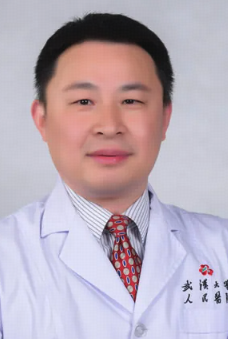 Zhigang Tang (汤志刚)合作论文数Renmin Hospital of Wuhan University3Yuxin Shi (施裕新)合作论文数上海市公共卫生临床中心影像科3Yi-Hua Wu (吴毅华)合作论文数3Tao Bai合作论文数2Lancong Liu合作论文数2Yunsong Yang合作论文数2Xiaobo Zhao合作论文数2Ji Fan合作论文数2MingHui Ou (欧明辉)合作论文数2XueLian Tang (唐雪莲)合作论文数2Lu Qin (秦露)合作论文数2ZhenYong Chen (陈振勇)合作论文数2Tao Peng (彭涛)合作论文数2JianGuo Wang (王建国)合作论文数2
 Xiaoyang Fu (符晓阳)合作论文数郑州大学人民医院2
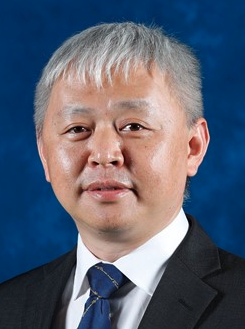 Hua Zhou (周华)合作论文数Guangzhou University of Chinese Medicine;Guangdong Provincial Hospital of Chinese Medicine2
 Yi Yang (杨毅)合作论文数Zhongda Hospital, Southeast University2
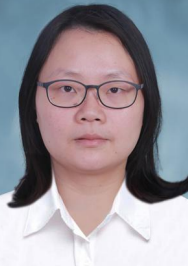 Pei Luo (羅培)合作论文数State Key Laboratory of Quality Research in Chinese Medicine, Macau Institute for Applied Research in Medicine and Health, Macau University of Science and Technology2
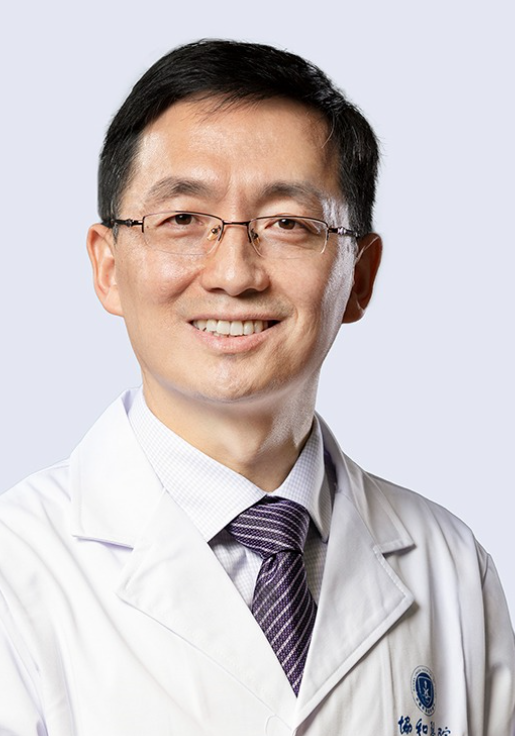 Jinbo Gao (高金波)合作论文数Union Hospital, Tongji Medical College, Huazhong University of Science and Technology2
 Dan Shang (尚丹)合作论文数Union Hospital, Tongji Medical College, Huazhong University of Science and Technology2
 Shilong Huang (黄仕龙)合作论文数Tongji Hospital, Tongji Medical College, Huazhong University of Science & Technology2
 Jianchu Zhang (张建初)合作论文数Union Hospital, Tongji Medical College, Huazhong University of Science and Technology2Yatan Du合作论文数1Yanfen Zhou合作论文数1Huimin Fang合作论文数1




