Sphingosine-1-phosphate (S1P) is a bioactive lipid molecule that governs various functions by embedding its receptor, S1PR, in different cells. Chronic pancreatitis (CP) is characterized by pancreatic fibrosis via activation of pancreatic stellate cells (PSCs). However, the effect of S1P on CP and PSC activation is still unknown. Here, we conducted a series of experiments to explore the effect of S1P on a CP rat model and primary cultured PSCs. In vivo, CP was induced by intravenous injection of dibutyltin dichloride. S1P was administered at a dosage of 200 mu g/kg body weight per day by intraperitoneal injection. After 4 weeks, serum, plasma and pancreas samples were collected for molecular analysis and histological detection. In vitro, PSCs were isolated and cultured for treat-ment with different doses of S1P. 3MA and MCC950 were used to determine the effect of S1P on PSC activation by regulating autophagy and the NLRP3 inflammasome. JTE013 and Si-S1PR2 were applied to verify that the functions of S1P were realized by combining with S1PR2. Cells were collected for RT-PCR, western blotting and immunofluorescence. The results showed that S1P was increased in the plasma and pancreatic tissue of CP rats. When S1P was administered to CP rats, the function and histomorphology of the pancreas were severely impaired. In addition, S1P promoted PSC activation, heightened autophagy and enhanced the NLRP3 inflam-masome in vivo and in vitro. Moreover, S1PR2 mediated the effect of S1P on PSC activation by regulating autophagy and the NLRP3 inflammasome sequentially. In conclusion, S1P binding to S1PR2 promoted PSC activation and pancreatic fibrosis in CP by regulating autophagy and the NLRP3 inflammasome. These findings provide a theoretical basis for targeting S1P/S1PR2 to treat pancreatic fibrosis and further suggest that considering the role of autophagy and the NLRP3 inflammasome may help with the treatment pancreatic fibrosis.
目的:探讨柴芩四君子汤对胆囊切除术后患者粪胆汁酸代谢的影响.方法:选取2017年10月—2019年9月在天津市南开医院诊断为胆囊结石并行胆囊切除术患者43例,采用随机数字表法分为胆囊切除术后对照组22例、柴芩四君子汤组21例,柴芩四君子汤组为胆囊切除术后第1天开始口服柴芩四君子汤,每天1剂,早晚分服,连服14 d.分别留取患者术前1 d、术后7 d和14 d粪便,采用液相色谱质谱法(LC-MS)测定胆酸(CA)、鹅脱氧胆酸(CDCA)、脱氧胆酸(DCA)、石胆酸(LCA)和熊去氧胆酸(UDCA)等5种粪胆汁酸含量,并计算初级胆汁酸(PBA)、次级胆汁酸(SBA)和总胆汁酸(TBA)含量.结果:与对照组比较,柴芩四君子汤组术前1 d粪CA、CDCA、DCA、LCA、UDCA、PBA、SBA和TBA含量差异均无统计学意义.术后14 d粪CA含量升高(P=0.007),CA/TBA、CDCA/TBA均升高(均P<0.05),DCA、LCA含量、DCA/TBA、LCA/TBA均降低(均P<0.05);PBA含量、PBA/TBA均升高(均P<0.05);SBA含量、SBA/TBA均降低(均P<0.05),TBA差异无统计学意义.结论:柴芩四君子汤可以调节CA、DCA、LCA、PBA、SBA含量及各胆汁酸相对含量.
目的:探讨柴芩四君子汤对胆囊切除术后患者肠道菌群的影响。方法:选取2017年10月—2019年9月在天津市南开医院诊断为胆囊结石并行胆囊切除术的患者40例,采用随机数字表法分为对照组19例、柴芩四君子汤组21例。柴芩四君子汤组自术后第1天开始口服柴芩四君子汤,1剂/d,早晚分服,连服14 d。分别于术前1 d和14 d收集患者粪便,采用16S rDNA扩增子测序(16S rDNA Amplicon Sequencing)对肠道菌群进行测序。结果:柴芩四君子汤组与对照组比较,术前1 d,ACE、Chao1、香农和辛普森指数差异无统计学意义(P> 0.05);术后14 d,ACE、Chao1指数差异无统计学意义(P> 0.05),柴芩四君子汤组香农和辛普森指数低于对照组(P=0.001、0.002)。术后14 d,与对照组比较,柴芩四君子汤组中产气柯林斯氏菌减少(P=0.001),Dorea_longicatena减少(P=0.015),布劳特氏菌_obeum减少(P=0.001),克里斯滕森菌科减少(P=0.017),氨基酸球菌科增加(P=0.033),不明瘤胃球菌属和罕见小球菌属减少(P=0.016、0.010)。结论:柴芩四君子汤可以调节胆囊切除术后放线菌门和厚壁菌门中的部分菌群,调节肠道菌群。
胆囊切除可造成肠道菌群、胆汁酸的变化.而胆囊切除术后可能出现多种并发症,其中术后结直肠癌发病对患者影响较大.胆固醇是重要的营养物质,参与机体多种代谢;肠道菌群功能多样;胆汁酸功能复杂,三者之间相互作用、相互影响,密不可分,在机体生理、病理变化中起着重要的作用.本文从胆囊切除术后胆固醇代谢、肠道胆汁酸和肠道菌群改变及结直肠癌发病机制进行综述,为临床治疗在微生态水平提供理论依据.
目的:探讨银花五汁饮治疗全麻术后气管插管患者呼吸道炎症的临床效果.方法:选取2018年10月—2019年2月我院外科病区收治的行腹腔镜胆囊切除术的患者60例,分为对照组和观察组,每组30例.观察组:术后24 h采用常规治疗和银花五汁饮口服,2次/d,50 mL/次,连服3 d.对照组:术后24 h采用常规治疗和盐酸氨溴索注射液雾化吸入治疗,2次/d,连用3 d.比较手术日(治疗前)、术后第3天(治疗后)两组患者的咽喉疼痛症状积分及咳嗽咳痰症状积分,观察并比较患者的总有效率.结果:治疗前,两组的咽喉疼痛症状积分及咳嗽咳痰症状积分差异无统计学意义;治疗后,两组的咽喉疼痛症状积分及咳嗽咳痰症状积分均降低,且观察组明显低于对照组,差异有统计学意义(P<0.05).观察组的总有效率为93.33%(28/30),高于对照组66.67%(20/30),差异有统计学意义(P<0.05).结论:银花五汁饮具有养阴清肺、生津化痰的作用,对于全麻术后气管插管患者呼吸道炎症的治疗具有显著疗效.
目的 探讨重症急性胰腺炎(SAP)合并急性呼吸窘迫综合征(ARDS)的风险因素,并建立SAP合并ARDS的多指标早期联合预测模型.方法 回顾性分析2015年1月至2020年12月山东省日照市中医医院重症医学科、急诊科收治的168例SAP患者的临床资料.根据发病后24 h是否发生ARDS将患者分为ARDS组与非ARDS组,对比两组患者入院后24 h内的临床检验指标;采用单因素分析、有序多分类Logistic回归分析筛选出SAP发生ARDS的独立因素,联合各独立预测指标构建ARDS非加权预测模型(unwScore)和加权预测模型(wScore).采用受试者工作特征曲线(ROC)确定各指标、预测模型的最佳截断值,并分析各独立预测指标及预测模型的临床预测效果.结果 共纳入168例SAP患者,男性90例,女性78例;平均年龄(59.37±15.27)岁;ARDS组69例,非ARDS组99例.单因素及有序多分类Logistic回归分析结果显示,动脉血氧分压(PaO2)、血乳酸(Lac)、降钙素原(PCT)和膀胱压是SAP患者发生ADRS的独立影响因素.利用ROC曲线计算上述指标预测ARDS的截断值,并建立unwScore模型,截断值为1.5时,随着模型分值的增高,ARDS的发生概率增高,ROC曲线下面积(AUC)为0.951,敏感度为94.2%,特异度为79.8%,阳性预测值为76.5%,阴性预测值为87.2%.对PaO2、Lac、PCT和膀胱压进行二分类Logistic回归分析,建立wScore模型,该模型预测SAP患者发生ARDS的AUC为0.987,敏感度为99.6%,特异度为83.1%,阳性预测值98.9%,阴性预测值为95.3%,均优于各独立指标及unwScore模型.结论 PaO2、Lac、PCT和膀胱压为SAP发生ARDS的独立影响因素;SAP发生ARDS的多指标联合预测模型具有良好的临床预测效果,可为SAP发生ARDS的早期预测及治疗提供临床参考.
Chronic pancreatitis (CP) is a progressive fibro-inflammatory syndrome. The damage of acinar cells is the main cause of inflammation and the activation of pancreatic stellate cells (PSCs), which can thereby possibly further aggravate the apoptosis of more acinar cells. Saikosaponind (SSd), a major active ingredient derived from Chinese medicinal herb bupleurum falcatum, which exerted multiple pharmacological effects. However, it is not clear whether SSd protects pancreatic injury of CP via regulating the apoptosis of pancreatic acinar cells. This study systematically investigated the effect of SSd on pancreatic injury of CP in vivo and in vitro. The results revealed that SSd attenuate pancreatic damage, decrease the apoptosis and suppress the phosphorylation level of MAPK family proteins (JNK1/2, ERK1/2, and p38 MAPK) significantly in the pancreas of CP rats. In addition, SSd markedly reduced the apoptosis and inflammation of pancreatic acinar AR42J cells induced by cerulein, a drug induced CP, or Conditioned Medium from PSCs (PSCs-CM) or the combination of PSCs-CM and cerulein. Moreover, SSd significantly inhibited the activated phosphorylation of JNK1/2, ERK1/2, and p38 MAPK induced by cerulein or the combination of PSCs-CM and cerulein in AR42J cells. Furthermore, SSd treatment markedly decreased the protein levels of p-JNK and p-p38 MAPK caused by PSCs-CM alone. In conclusion, SSd ameliorated pancreatic injury, suppressed AR42J inflammation and apoptosis induced by cerulein, interrupted the effect of PSCs-CM on AR42J cells inflammation and apoptosis, possibly through MAPK pathway.
Pancreatic fibrosis is a pathological characteristic of chronic pancreatitis (CP) and pancreatic cancer. Chaihu Guizhi Ganjiang Decoction (CGGD) is a traditional Chinese medicine, which is widely used in the clinical treatment of digestive diseases. However, the potential anti-fibrosis mechanism of CGGD in treating CP remains unclear. Here, we conducted a series of experiments to examine the effect of CGGD on the CP rat model and primary isolated pancreatic stellate cells (PSCs). The results revealed that CGGD attenuated pancreatic damage, decreased collagen deposition, and inhibited PSC activation in the pancreas of CP rats. However, compared with the CP group, CGGD had no effect on body weight and serum amylase and lipase. In addition, CGGD suppressed autophagy by downregulating Atg5, Beclin-1, and LC3B and facilitated phosphorylation of mTOR and JNK in pancreatic tissues and PSCs. Moreover, the CGGD-containing serum also decreased LC3B or collagen I expression after rapamycin (mTOR inhibitor) or SP600125 (JNK inhibitor) treatment in PSCs. In conclusion, CGGD attenuated pancreatic fibrosis and PSC activation, possibly by suppressing autophagy of PSCs through the JNK/mTOR signaling pathway.
目的:探讨清胰陷胸汤联合血液净化对重症急性胰腺炎患者临床疗效及免疫功能的影响.方法:选取重症急性胰腺炎患者92例,依据随机数表法均分为观察组和对照组.两组均给予常规干预治疗,包括胃肠减压/禁食、抗感染、抑酸、抑制腺体分泌、维持水/电解质平衡、营养支持治疗,必要时给予经口气管插管机械通气.对照组在常规治疗基础上,给予连续性血液净化治疗.观察组在对照组的治疗基础上,同时应用中药清胰陷胸汤,一煎经胃管或者空肠营养管注入,二煎经直肠注入.两组持续治疗14 d.观察比较两组患者的临床疗效、治疗前后血清炎性因子水平和血清T淋巴细胞亚群水平.结果:观察组患者膀胱压力恢复正常时间、肠蠕动恢复时间、血液淀粉酶恢复正常时间和患者住院时间均短于对照组,差异有统计学意义(均P<0.05).两组患者治疗后第1、3、7天的TNF-α、IL-6、IL-10水平均显著低于治疗前(均P<0.05);且观察组在治疗第1、3、7天的TNF-α、IL-6、IL-10水平均显著低于对照组同时间点(均P<0.05).两组患者治疗后第1、3、7天的血清CD3+、CD4+及CD8+水平均较治疗前升高,而血清CD3+/CD8+均较治疗前降低,差异有统计学意义(均P<0.05),且治疗后第1、3、7天,观察组血清CD3+、CD4+及CD8+高于对照组,血清CD3+/CD8+低于对照组,差异有统计学意义(均P<0.05).结论:清胰陷胸汤联合血液净化治疗能够清除重症急性胰腺炎患者炎症介质、减轻机体炎症反应,改善机体免疫状态,维持血流动力学稳定,减轻器官的损伤,提高临床治疗效果,值得临床应用和推广.
NLRP3 inflammasome activation plays an important role in the development of pancreatic fibrosis. However, it is unclear whether the activation of the NLRP3 inflammasome is directly involved in the activation of Pancreatic stellate cells (PSCs). The aim of this study was to investigate the role and mechanism of the NLRP3 inflammasome in the activation of PSCs. In vivo, a rat model of chronic pancreatitis (CP) was induced by intravenous injection of dibutyltin dichloride (DBTC). In vitro, rat primary PSCs were isolated from pancreatic tissues and incubated with the NLRP3 inflammasome activator LPS, the NLRP3 inhibitor MCC950, or NLRP3 siRNA. The results showed that the expression of NLRP3, pro-Caspase-1, Caspase-1 and IL-18 was increased in the rat model of CP and during PSCs activation. LPS increased the protein levels of NLRP3, ASC, Caspase-1, IL-1β and IL-18 accompanied by the upregulation of α-SMA, Col I and FN expression. Moreover, MCC950 or NLPR3 siRNA decreased the expression of α-SMA, Col I, FN, TGF-β1 and p-Smad3. Furthermore, MCC950 reversed the LPS-induced upregulation of α-SMA, FN and Col Ⅰ expression in PSCs. This study revealed that the NLRP3 inflammasome is directly involved in the activation of PSCs in vivo and in vitro. Inhibiting NLRP3 suppresses the activation of PSCs through the TGF-β1/Smad3 pathway.
子午流注理论源于中医学《内经》,与国内外近年来新兴的以细胞生物周期理论为基础的医学存在较多相通互补之处,依据肿瘤的生物周期产生的肿瘤时辰化疗是子午流注学说与生物周期理论的成功结合,增加了肿瘤治疗的安全性和有效性.未来肿瘤的治疗以及其它疾病的治疗也将充分遵循子午流注理论与生物周期的结合,提高二者在生命科学中的意义和作用.
Pancreatic stellate cells (PSCs) are the main effector cells in the development of pancreatic fibrosis. Finding substances that inhibit PSC activation is an important approach to inhibiting pancreatic fibrosis. Saikosaponin A (SSa) has numerous pharmacological activities, but its effect on PSCs remains unknown. This study was conducted to explore the effects of SSa on PSC activation in cultured rat PSCs. Cell viability, proliferation, migration and apoptosis were evaluated by MTT assays, the iCELLigence System, Transwell assays and flow cytometry. Markers of PSC activation, autophagy and the NLRP3 inflammasome were measured by real-time PCR, immunofluorescence and western blotting. Rapamycin and phenformin hydrochloride were used to determine the effect of SSa via the AMPK/mTOR pathway. The results showed that SSa suppressed PSC viability, proliferation, and migration and promoted apoptosis. SSa inhibited PSC activation, restrained PSC autophagy and suppressed the NLRP3 inflammasome. In addition, there was interaction between autophagy and the NLRP3 inflammasome during SSa inhibition of PSCs. Moreover, promotion of p-AMPK increased autophagy and the NLRP3 inflammasome. Inhibition of p-mTOR increased autophagy and decreased the NLRP3 inflammasome. Our results indicated that SSa inhibited PSC activation by inhibiting PSC autophagy and the NLRP3 inflammasome via the AMPK/mTOR pathway. These findings provide a theoretical basis for the use of SSa to treat pancreatic fibrosis and further suggest that targeting autophagy and the NLRP3 inflammasome may provide new strategies for the treatment of pancreatic fibrosis.
目的:探讨连续血液净化(CBP)联合鸟司他丁治疗重症脓毒症的疗效.方法:选择重症脓毒症患者120例,随机分为对照组和观察组.两组均给予常规抗感染、液体复苏、穿刺引流控制感染灶,应用多巴胺、去甲肾上腺素等血管活性药物,必要时给予机械通气.同时两组在确诊脓毒症4 h内均采用CBP治疗.在此基础上,观察组静脉注射乌司他丁50万IU/d,连续应用7 d.检测入院时和入院后第1、3、5天取血检测血浆C反应蛋白(CRP)、血清乳酸(Lac)、血清降钙素原(PCT)、白细胞介素-10(IL-10)水平.在患者入院时及入院后第1、3、5天分别进行序贯器官衰竭评估(SOFA)和急性生理学与慢性健康状况评分Ⅱ(APACHE Ⅱ).结果:两组患者治疗后第1、3、5天的CRP、Lac、PCT、IL-10均低于治疗前(均P<0.05);且观察组治疗后各时点的CRP、Lac、PCT和IL-10显著低于对照组.两组患者治疗后第1、3、5天的SOFA评分和APACHElI评分均显著低于治疗前;且观察组在入院第1、3、5天的SOFA评分和APACHElI评分均显著低于对照组,差异有统计学意义(均P<0.05).结论:CBP联合乌司他丁能够清除炎症介质、纠正机体缺血缺氧、改善组织细胞和器官低灌注,维持血流动力学稳定,减少器官的损伤,值得重症脓毒症患者早期应用.
"肺与大肠相表里"是中医脏象学说从整体功能状态把握和认识人体生命活动观念的具体体现.肺和大肠在生理上相互关联,通过调节气机升降出入与气化,实现对呼吸运动、津液敷布、水液代谢和大肠传导功能的有序调节.同时肺与大肠在病理上相互影响,肺病可及肠,肠病可及肺,通过淋巴、血液、神经系统等途径实现疾病传变 [1-2].新型冠状病毒肺炎以发热、乏力、咳嗽为主要症状,可伴有腹泻、恶心、呕吐等胃肠道症状,中医药治疗在减轻发热症状、控制病情进展、减少激素用量、减轻并发症等方面具有优势.中西医结合治疗重型、危重型新型冠状病毒肺炎患者,还可稳定其血氧饱和度、改善呼吸困难.本文基于"肺与大肠相表里"这一基本经典理论,尝试分析新型冠状病毒肺炎之肺肠同病机制及中药治疗作用机理.
Objective:The study is to investigate the relationship between the expression of N-acetylglucosaminyltransferase Ⅴ and Ⅲ (GnT-Ⅴ, GnT-Ⅲ) and invasive or metastasis of pancreatic carcinoma (PCA).Methods:GnT-Ⅴ and GnT-Ⅲ gene was detected in 83 PCA and 10 normal pancreatic tissues by Immunohistochemistry, real-time quantitative reverse transcriptase-polymerase chain reaction (RT-qPCR) and Western blotting.Results:The expression of the GnT-Ⅴ was positively related to the lymph node metastasis pathological stage; The expresion of the GnT-Ⅲ was negatively related to the lymph node metastasis pathological stage. The expression of GnT-Ⅴ protein and mRNA in PCA was significantly higher than in normal pancreatic tissues. The expression of GnT-Ⅲ protein and mRNA in PCA was significantly lower than in normal pancreatic tissues.Conclusion:GnT-Ⅴ and GnT-Ⅲ plays a key role in invasiveness and metastasis of PCA, and GnT-Ⅴ might be a valuable marker in reflecting its behavior of PCA.
Modified Da-chai-hu Decoction (MDD), a traditional Chinese medicinal formulation, which was empirically generated from Da-chai-hu decoction, has been utilized to treat severe acute pancreatitis (SAP) for decades. The aim of the present study was to explore its potential organprotective mechanism in SAP. In the present study, rat SAP model was induced by retrograde injection of 3.5% sodium taurocholate into the biliopancreatic duct, MDD (23.35 g/kg body weight, twelve times the clinical dose) were orally given at 2 h before and 10 h after injection. At 12 h after model induction, blood was taken from vena cava for analysis of amylase, diamine oxidase (DAO), pulmonary surfactant protein-A (SP-A), and C-reactive protein (CRP). Histopathological change of pancreas, ileum and lung was assayed by H&E staining, myeloperoxidase (MPO) activity were determinated using colorimetric assay, and the expressions of occludin and nuclear factor-κB (NF-κB) were detected by real-time RT-PCR and western blot, respectively. In addition, the tissue concentrations of tumor necrosis factor-α (TNF-α), interleukin-1β (IL-1β), and monocyte chemoattractant protein-1 (MCP-1) were measured by enzyme-linked immunosorbent assay (ELISA). The results showed that in SAP rats, MDD significantly alleviated histopathological damage, depressed the MPO activity and the concentrations of TNF-α, IL-1β, and MCP-1 of pancreas, ileum and lung, and reduced the serum levels of amylase [(3283.4 ± 585.5) U·L-1vs (5626.4 ± 795.1)U·L-1], DAO [(1100.1 ± 334.3) U·L-1vs (1666.4 ± 525.3) U·L-1] and CRP [(7.6 ± 1.2) μg·mL-1vs (17.8 ± 3.8) μg·mL-1]. However, the serum SP-A concentration [(106.1 ± 16.6) pg·mL-1vs (90.1 ± 14.9) pg·mL-1] was elevated when treated SAP rats with MDD. Furthermore, MDD increased the occludin expression and reduced the NF-κB expression in pancreas, ileum and lung of SAP rats. Our findings suggested that MDD administration was an effective therapeutic approach for SAP treatment. It could up-regulate occludin expression to protect intercellular tight junction and down-regulate NF-κB expression to inhibit inflammatory reaction of pancreas, ileum and lung.
Objective To compare the clinical effects among single-incision laparoscopic appendectomy (SILA),laparoscopic appendectomy(LA)and open appendectomy(OA)in the treatment of elderly patients with acute appendicitis.Methods A total of 98 consecutive elderly patients undergoing appendectomy in our hospital from November 2014 to December 2016 were retrospectively selected.Among them,31 patients underwent SILA,35 underwent LA and 32 underwent OA.The operation time,the first exhaust time after operation,length of hospital stay,Numerical Rating Scale(NRS)pain score,wound infection rate and incidence of postoperative complications were compared between the three groups.Results The postoperative venting time and length of hospital stay were shorter,NRS was less,wound infection rate and incidence of postoperative complications were lower in the SILA and LA groups than in the OA group[(21.5±5.2) h,(22.1±5.4) h vs.(24.8±5.8) h,(4.5±1.3) d,(4.8±1.4) d vs.(9.4±1.5) d,(3.7±0.5),(4.1±0.7) vs.(6.3±0.9),0%,0% vs.12.5%,9.7% or 3/31,14.3% or 5/35 vs.43.8% or 14/32,respectively,P < 0.05),while the operative time was less in the LA and OA groups than in the SILA group(45.4±10.5) min,(48.6±1.4) min vs.(73.2±12.3)min,P<0.05).The incision NRS pain score was lower in the SILA group than in the LA and OA groups(3.7±0.5 in SILA vs.4.1±0.7 in LA vs.6.3±0.9 in OA,P<0.05).Conclusions LA has advantages of less trauma,less pain,quicker recovery,fewer complications and beautiful incisions.SILA has less pain than LA,but needs longer operative time.SILA is worthy of promotion in the treatment of acute appendicitis especially in the elderly,but still needs further improvement.
肝胆胰腺外科和胃肠外科等相关外科手术疾病一般需要通过手术治疗得到痊愈,然而患者在围手术期中出现的术前准备不当或手术操作所致的创伤、术中麻醉导致的体温过低、术后伤口的疼痛、患者长期卧床休息等诸多因素均会引起患者机体的自我应激反应,最终影响患者术后康复及预后,因此在临床实践中为了减轻手术应激反应及促进患者术后恢复,缩短住院时间,减少住院花费,不增加死亡率和再入院率,加速康复外科显得尤为重要.
急性胰腺炎(AP)是由多种原因导致的胰酶过度激活和胰腺过度炎症反应为主要病理特征的常见腹部疾病.由于该病复杂的病理过程,现有的治疗方案对于降低AP发病率和严重程度作用仍有限.中药复方作为治疗AP的有效手段,在我国已经使用了数十年.大量的临床和基础研究都证实,中药复方可以通过不同的作用机制对AP发挥治疗作用.本文就中药复方治疗AP的作用机制做一综述,以期为AP临床治疗的发展提供新的思路和参考.
 ErPeng Zhao (赵二鹏)合作论文数56
 Shukun Zhang合作论文数53ZhongLian Li (李忠廉)合作论文数40DongHua Li (李东华)合作论文数34
 Yunfeng Cui (崔云峰)合作论文数Tianjin Nankai Hospital;Tianjin Medical University;Tianjin Xiqing Hospital28
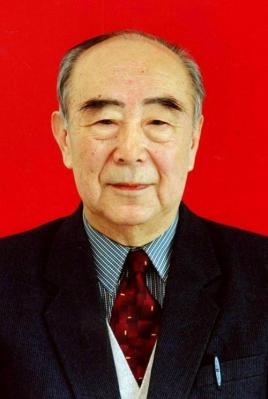 Xianzhong Wu (吴咸中)合作论文数Tianjin Medical University24Qiang Fu (傅强)合作论文数23Yuzhen Zhuo合作论文数22Lihua Cui合作论文数18DaPeng Zhang (张大鹏)合作论文数18Bin Miao (苗彬)合作论文数16GuoWang Me (么国旺)合作论文数15XiBo Zhang (张西波)合作论文数15HongBin Liu (刘洪斌)合作论文数14Caixia Li合作论文数13
 Cui Yunfeng合作论文数13HongTao Zhang (张鸿涛)合作论文数12
 Hongxia Yuan (袁红霞)合作论文数School Of Management, Tianjin University of Traditional Chinese Medicine11
 YongHao Yu (于泳浩)合作论文数The First Clinical School of Tianjin Medical University11HongJun Lu (卢洪军)合作论文数10BaiJun Sun (孙百军)合作论文数10Qi Qiu (邱奇)合作论文数10Qiang Yu (于强)合作论文数天津中医药大学天津市南开医院名中医馆9
 Lei Yang合作论文数8ZhenLiang Qu (屈振亮)合作论文数8XuDong Bi (毕旭东)合作论文数8Dihua Li合作论文数8
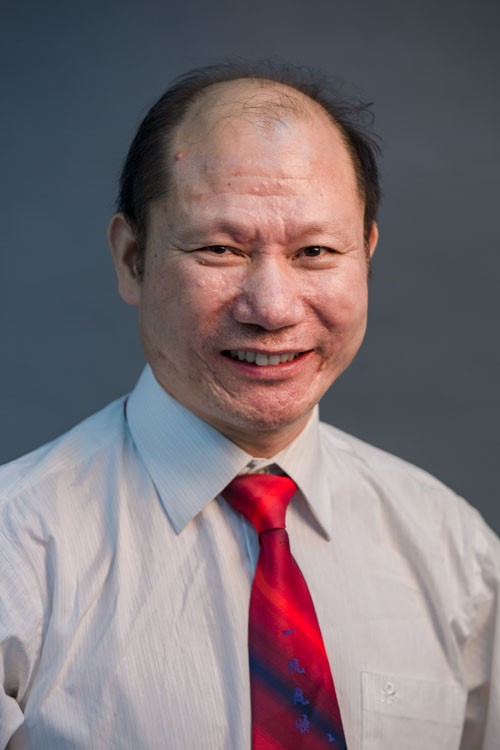 Buwu Fang (方步武)合作论文数天津医科大学8ZhenLi Zhou (周振理)合作论文数7WenLi Yu (喻文立)合作论文数7Di Kong (孔棣)合作论文数7MingFang Qin (秦鸣放)合作论文数7
 Ju Zhang (张琚)合作论文数College of Life Sciences, Nankai University7Ling CHEN (陈凌)合作论文数6PengFei Qu (曲鹏飞)合作论文数6Guang Zhao (赵光)合作论文数6YanMin Zhang (张艳敏)合作论文数6Chao Du (杜超)合作论文数6Yun Zheng (郑云)合作论文数6YanFeng Jia合作论文数5HaoJie Yan (严豪杰)合作论文数5YuQing Zhang (张毓青)合作论文数5YanYing Luo (罗彦英)合作论文数5WeiChuan Zhao (赵卫川)合作论文数5YuChuan Zhong (钟玉川)合作论文数5ZhenYu Hou (侯振宇)合作论文数5
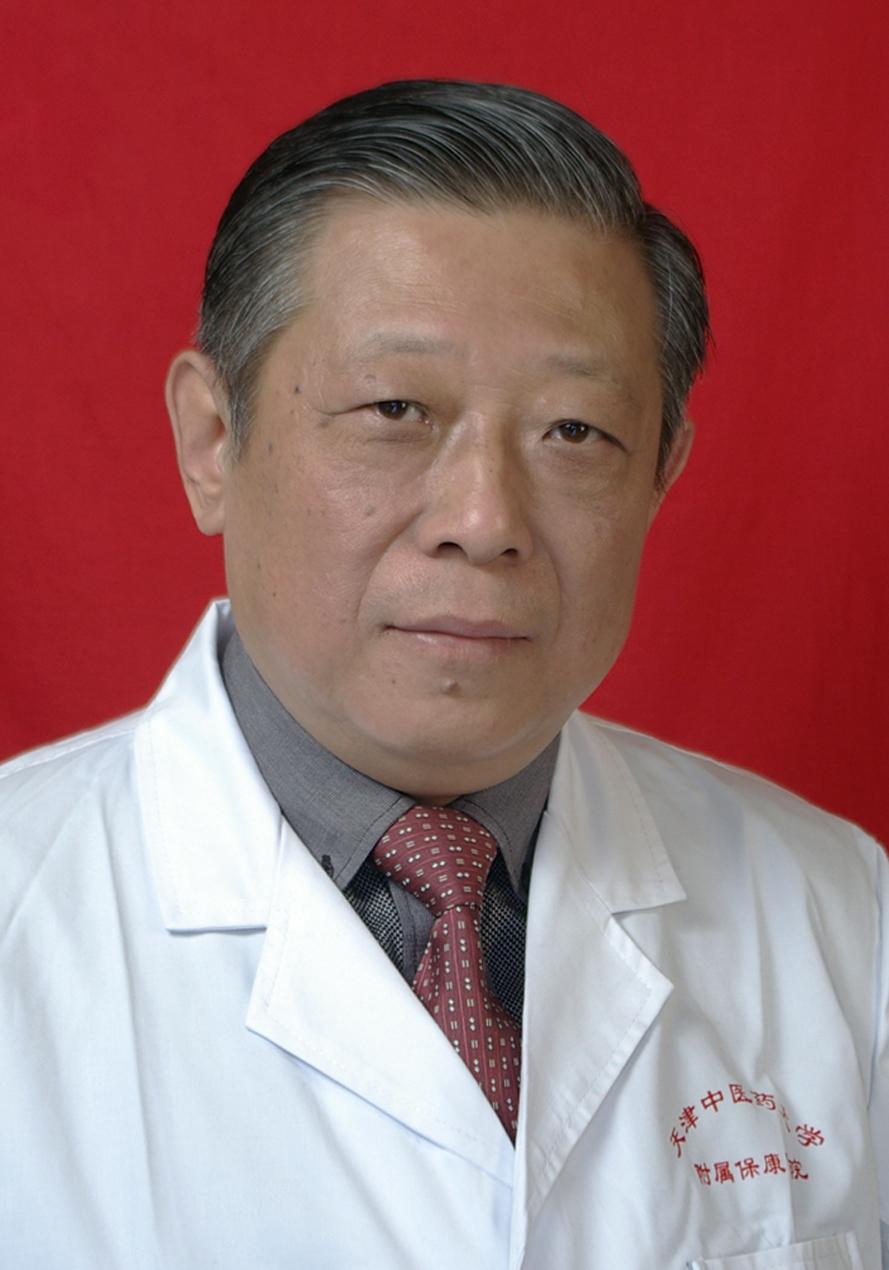 Guojun Zhang (张国骏)合作论文数天津中医药大学中医学院5Yuanchen Zhao (赵元辰)合作论文数5YinFeng Shen合作论文数4




