IMPORTANCE Nontraumatic subarachnoid hemorrhage (SAH) represents the third most common stroke type with unique etiologies, risk factors, diagnostics, and treatments. Nevertheless, epidemiological studies often cluster SAH with other stroke types leaving its distinct burden estimates obscure. OBJECTIVE To estimate the worldwide burden of SAH. DESIGN, SETTING, AND PARTICIPANTS Based on the repeated cross-sectional Global Burden of Disease (GBD) 2021 study, the global burden of SAH in 1990 to 2021 was estimated. Moreover, the SAH burden was compared with other diseases, and its associations with 14 individual risk factors were investigated with available data in the GBD 2021 study. The GBD study included the burden estimates of nontraumatic SAH among all ages in 204 countries and territories between 1990 and 2021. EXPOSURES SAH and 14 modifiable risk factors. MAIN OUTCOMES AND MEASURES Absolute numbers and age-standardized rates with 95% uncertainty intervals (UIs) of SAH incidence, prevalence, mortality, and disability-adjusted life-years (DALYs) as well as risk factor-specific population attributable fractions (PAFs). RESULTS In 2021, the global age-standardized SAH incidence was 8.3 (95% UI, 7.3-9.5), prevalence was 92.2 (95% UI, 84.1-100.6), mortality was 4.2 (95% UI, 3.7-4.8), and DALY rate was 125.2 (95% UI, 110.5-142.6) per 100000 people. The highest burden estimates were found in Latin America, the Caribbean, Oceania, and high-income Asia Pacific. Although the absolute number of SAH cases increased, especially in regions with a low sociodemographic index, all age-standardized burden rates decreased between 1990 and 2021: the incidence by 28.8% (95% UI, 25.7%-31.6%), prevalence by 16.1% (95% UI, 14.8%-17.7%), mortality by 56.1% (95% UI, 40.7%-64.3%), and DALY rate by 54.6% (95% UI, 42.8%-61.9%). Of 300 diseases, SAH ranked as the 36th most common cause of death and 59th most common cause of DALY in the world. Of all worldwide SAH-related DALYs, 71.6% (95% UI, 63.8%-78.6%) were associated with the 14 modeled risk factors of which high systolic blood pressure (population attributable fraction [PAF]=51.6%; 95% UI, 38.0%-62.6%) and smoking (PAF=14.4%; 95% UI, 12.4%-16.5%) had the highest attribution. CONCLUSIONS AND RELEVANCE Although the global age-standardized burden rates of SAH more than halved over the last 3 decades, SAH remained one of the most common cardiovascular and neurological causes of death and disabilities in the world, with increasing absolute case numbers. These findings suggest evidence for the potential health benefits of proactive public health planning and resource allocation toward the prevention of SAH.
AbstractThis paper presents an open dataset of over 50 hours of near infrared spectroscopy (NIRS) recordings. Fifteen stroke patients completed a total of 237 motor imagery brain–computer interface (BCI) sessions. The BCI was controlled by imagined hand movements; visual feedback was presented based on the real– time data classification results. We provide the experimental records, patient demographic profiles, clinical scores (including ARAT and Fugl–Meyer), online BCI performance, and a simple analysis of hemodynamic response. We assume that this dataset can be useful for evaluating the effectiveness of various near– infrared spectroscopy signal processing and analysis techniques in patients with cerebrovascular accidents.
The global extension of human lifespan has intensified the focus on aging, yet its underlying mechanisms remain inadequately understood. The article highlights aspects of genetic susceptibility to impaired brain bioenergetics, trends in age-related gene expression related to neuroinflammation and brain senescence, and the impact of stem cell exhaustion and quiescence on accelerated brain aging. We also review the accumulation of senescent cells, mitochondrial dysfunction, and metabolic disturbances as central pathological processes in aging, emphasizing how these factors contribute to inflammation and disrupt cellular competition defining the aging trajectory. Furthermore, we discuss emerging therapeutic strategies and the future potential of integrating advanced technologies to refine aging assessments. The combination of several methods including genetic analysis, neuroimaging techniques, cognitive tests and digital twins, offer a novel approach by simulating and monitoring individual health and aging trajectories, thereby providing more accurate and personalized insights. Conclusively, the accurate estimation of brain aging trajectories is crucial for understanding and managing aging processes, potentially transforming preventive and therapeutic strategies to improve health outcomes in aging populations.
Nontraumatic subarachnoid hemorrhage (SAH) represents the third most common stroke type with unique etiologies, risk factors, diagnostics, and treatments. Nevertheless, epidemiological studies often cluster SAH with other stroke types leaving its distinct burden estimates obscure. To estimate the worldwide burden of SAH. Based on the repeated cross-sectional Global Burden of Disease (GBD) 2021 study, the global burden of SAH in 1990 to 2021 was estimated. Moreover, the SAH burden was compared with other diseases, and its associations with 14 individual risk factors were investigated with available data in the GBD 2021 study. The GBD study included the burden estimates of nontraumatic SAH among all ages in 204 countries and territories between 1990 and 2021. SAH and 14 modifiable risk factors. Absolute numbers and age-standardized rates with 95% uncertainty intervals (UIs) of SAH incidence, prevalence, mortality, and disability-adjusted life-years (DALYs) as well as risk factor–specific population attributable fractions (PAFs). In 2021, the global age-standardized SAH incidence was 8.3 (95% UI, 7.3-9.5), prevalence was 92.2 (95% UI, 84.1-100.6), mortality was 4.2 (95% UI, 3.7-4.8), and DALY rate was 125.2 (95% UI, 110.5-142.6) per 100 000 people. The highest burden estimates were found in Latin America, the Caribbean, Oceania, and high-income Asia Pacific. Although the absolute number of SAH cases increased, especially in regions with a low sociodemographic index, all age-standardized burden rates decreased between 1990 and 2021: the incidence by 28.8% (95% UI, 25.7%-31.6%), prevalence by 16.1% (95% UI, 14.8%-17.7%), mortality by 56.1% (95% UI, 40.7%-64.3%), and DALY rate by 54.6% (95% UI, 42.8%-61.9%). Of 300 diseases, SAH ranked as the 36th most common cause of death and 59th most common cause of DALY in the world. Of all worldwide SAH-related DALYs, 71.6% (95% UI, 63.8%-78.6%) were associated with the 14 modeled risk factors of which high systolic blood pressure (population attributable fraction [PAF] = 51.6%; 95% UI, 38.0%-62.6%) and smoking (PAF = 14.4%; 95% UI, 12.4%-16.5%) had the highest attribution. Although the global age-standardized burden rates of SAH more than halved over the last 3 decades, SAH remained one of the most common cardiovascular and neurological causes of death and disabilities in the world, with increasing absolute case numbers. These findings suggest evidence for the potential health benefits of proactive public health planning and resource allocation toward the prevention of SAH.
Headache disorders, especially migraines and tension-type headaches (TTHs), are major global public health concerns, as shown by the Global Burden of Diseases, Injuries, and Risk Factors Study (GBD) 2021. We provide updated global estimates of prevalence and years lived with disability (YLDs) from 1990 to 2021 across 204 countries and territories and forecasts through 2050. In 2021, there are 2.0 billion people with TTH and 1.2 billion with migraine. Although TTH is more prevalent, migraine causes higher disability. While crude prevalence and YLDs increased, age-standardized rates remained stable and are projected to continue this trend due to population growth. There is a disproportionately higher burden in women aged 30-44 and countries with higher Socio-demographic Index and Healthcare Access and Quality Index. Despite this, migraines remain underrecognized in health policies and funding. This study emphasizes the urgent need to prioritize headache disorders in global health agendas.
This article presents the results of validation of the Russian-language version of Addenbrooke's Cognitive Examination III (ACE-III) on a sample of 87 neurological patients (53 women and 24 men, median age 60.0 (51.0-67.3) years). Data were collected in two regions of Russia: Moscow and Chita (Zabaykalsky Krai). The Russian-language version of ACE-III demonstrated a high level of internal consistency (Cronbach's alpha coefficient - 0.89 (p < 0.001), test-retest reliability coefficient r = 0.88 (p < 0.0001).
Background. Paired-pulse transcranial magnetic stimulation allows assessing intracortical inhibition. However, a high variability of motor evoked potential (MEP) amplitude is a limitation of its use. Therefore, a new threshold tracking technique became of particular interest, which is based on the measurement not of the amplitude, but of the change of test stimulus intensity required to induce a MEP of a given amplitude.Aim. The assessment of absolute and relative reliability of short-interval intracortical inhibition (SICI) using threshold tracking technique in healthy volunteers.Materials and methods. All healthy volunteers included into the study (n = 12) underwent diagnostic paired-pulse transcranial magnetic stimulation in two consecutive days. The procedure included registration of passive motor threshold; the registration of 30 MEPs with supra-threshold intensity and determination of SICI using threshold tracking technique. At the first day the procedure was performed twice (T1, T2), at the second day – once (T3). Standard error of the measurement (SEM) and SEM% were calculated to assess absolute reliability, and intra-class correlation coefficient – for the assessment of relative reliability.Results. A good or excellent relative reliability were observed for SICI averaged at intervals 1.0–3.0 ms and 1.0–7.0 ms when assessed within a day or at different days. Relative reliability of SICI at separate interstimulus intervals varied in a wide range. SEM% was more than 10 % both for averaged SICI and SICI at all interstimulus intervals. Motor threshold had excellent reliability both assessed within a day and at different days, and low SEM values (5.6 % for Т1–Т2 and 4.39 % for Т1–Т3). High SEM and SEM% were observed for average MEP amplitude, it also had a moderate relative reliability when assessed within a day and a poor one – at different days.Conclusion. Calculation of averaged SICI can be recommended in further studies because of its high reliability values.
Introduction. The rarity of chronic acquired polyneuropathies (PNP) with the demyelinating nature of peripheral nerve damage causes the difficulties of their differential diagnosis that persist in our country and abroad. Objective: to identify significant clinical, neurophysiological and sonographic differential diagnostic markers in chronic inflammatory demyelinating polyradiculoneuropathy (CIDP) and non-IgM paraproteinemic demyelinating polyneuropathies (PDP).Material and methods: 80 patients were included in the study: 30 with CIDP, 30 with non-IgM-PDP associated with monoclonal gammapathy of unclear significance (PDP-MGUS), and 20 with non-IgM-PDP associated with lymphoproliferative disease (PDP-LPD). The patients included in the study underwent clinical evaluation of neurological disorders according to the MRC, NIS, VAS, INCAT, IRODS, SARA scales; ENMG and ultrasound studies of peripheral nerves.Results. The predominance of men in all groups was noted (p > 0.05). Compared with patients with CIDP, patients with PDP were significantly older, they were more likely to have neuropathic pain syndrome and trophic disorders (p < 0.05). In patients with PDP-LPD, in contrast to CIDP and PDP-MGUS, there was a predominance of the distal pattern of muscle weakness distribution and a greater severity of sensitive ataxia (p < 0.05). During NCV studies in patients with CIDP, compared with patients with PDP, blocks of conduction and dispersion of M-waves were signifi -cantly more often recorded in the study of motor fibers of the nerves of the hands (p < 0.05); and in the study of motor nerves of the legs, non-excitability of motor fibers was significantly less often noted (p < 0.05). Ultrasound examination of peripheral nerves showed no significant differences between patients (p > 0.05).Conclusion. Clinical phenotype, neurophysiological and sonographic changes in patients with CIDP and PDP do not have highly specific differences. Electrophoresis of serum proteins with immunofixation makes it possible to differentiate CIDP and PDP, and further examination by an oncohematologist with paraproteinemia makes it possible to distinguish MGUS from LPD.
BACKGROUND: Differential diagnosis of chronic disorders of consciousness remains one of the most difficult problems even for experienced clinicians. AIM: To evaluate the inter-expert consistency and capacity of the researcher-developed structural scale based on magnetic resonance imaging to differentiate chronic disorders of consciousness, named, DOC-MRIDS, on a larger sample of patients. MATERIALS AND METHODS: Sixty patients with a clinically stable status diagnosed with consciousness disorders (vegetative state, n=32; minimally conscious state, n=28) were enrolled. The revised coma recovery scale (CRS-R) was included in the clinical assessment. All patients underwent structural magnetic resonance imaging with 3.0-T Siemens scanners including T2 and T1 sequences. Structural changes were assessed using the DOC-MRIDS scale and included the following features: diffuse cortical atrophy, ventricular enlargement, gyri dilatation, leukoaraiosis, brainstem and/or thalamic degeneration, corpus callosum degeneration, and focal corpus callosum lesions. A total score was calculated. Magnetic resonance imaging data were analyzed by three neuroradiologists, and inter-observer agreement (Krippendorf’s alpha) was assessed. RESULTS: A high inter-examiner agreement of the DOC-MRIDS scale score was found, with α=0.806 (95% confidence interval 0.757–0.849). The vegetative state group had a higher DOC-MRIDS score than the minimally conscious state group (p 0.005). A negative correlation was obtained between CRS-R and DOC-MRIDS scale scores (ρ=–0.457, p 0.0001), individual clinical scale domains, and magnetic resonance imaging features. CONCLUSION: When assessing structural changes in patients with chronic consciousness disorders, the use of the DOC-MRIDS scale helps differentiate the type of such disorders with sufficient specificity, sensitivity, and inter-rater agreement. This scale can be used in clinical practice as an additional differential diagnostic tool.
Background. Assessment of short-interval intracortical inhibition (SICI) using paired-pulse transcranial magnetic stimulation (TMS) and the threshold tracking technique is a promising approach to develop biomarkers of motor cortex damage in amyotrophic lateral sclerosis (ALS). Both high sensitivity and specificity of this approach were shown previously; however, almost all studies in this field were conducted by one group of authors.Aim. The replication of data showing impairment of SICI assessed by threshold tracking technique in patients with ALS.Materials and methods. 18 patients with ALS and 13 healthy volunteers were included into the study. Functional state of the patients was assessed as well as disease duration, form, stage and progression rate. Following values were determined in all participants using TMS: 1) resting motor threshold (MT); 2) mean motor evoked potential (MEP) amplitude of 30 stimuli applied with an intensity of 120 % MT; 3) SICI assessed using an algorithm based on paralleled optimized threshold tracking with interstimulus interval (ISI) of 1.0 ms, 1.5 ms, 2.0 ms, 2.5 ms, 3.0 ms, 3.5 ms, 4.0 ms, 5.0 ms, 7.0 ms, as well as mean inhibition for values with ISI from 1.0 to 3.0 ms and from 1.0 to 7.0 ms.Results. No significant differences between groups were observed for MT and MEP amplitude. Significant decrease of SICI with ISI 1.0 and 2.0 ms as well as mean SICI from 1.0 and 3.0 ms was observed in ALS. No significant correlations of MT, MEP amplitude or SICI with clinical values were found.Conclusion. This replication study has shown the ability of paired-pulse TMS with threshold tracking technique to identify the impairment of intracortical inhibition in patients with ALS.
In recent years, the development of instrumental diagnostics has made it possible to identify a subgroup among patients with prolonged disorders of consciousness (PDoC) in which the phenomenon of “covert cognition” occurs, characterized by a dissociation between the clinical assessment and the data of instrumental diagnostic methods. To identify this phenomenon, we used a set of diagnostic paradigms developed at the Scientific Centre of Neurology in collaboration with a group of neuropsychologists from M.V. Lomonosov Moscow State University and tested on a cohort of healthy volunteers (n = 10) under the control of functional magnetic resonance imaging (fMRI). Objective: to evaluate the results of applying a set of paradigms to diagnose the phenomenon of “covert cognition” in a Russian-speaking cohort of patients with PDoC. Material and methods. In this fragment of a prospective study, after analyzing the medical records of 138 patients, 10 individuals with PDoC of various etiologies were included. Patients underwent a thorough neurological examination and a comprehensive neurophysiological and imaging study with emphasis on fMRI with paradigms. Results. When analyzing the fMRI data, significant activation clusters were detected in five patients in response to some passive paradigms, some of which were comparable to those of healthy subjects. Conclusion. Using the proposed set of fMRI paradigms, we demonstrated the possibility of identifying the phenomenon of “covert cognition” in a Russian-speaking cohort of patients in vegetative state / with unresponsive wakefulness syndrome (1/6), and confirmed by instrumental methods preservation of individual aspects of consciousness in patients in minimally conscious state “minus” (4/4).
Introduction. Cerebral small vessel disease (CSVD) is one of the leading causes of vascular and mixed cognitive impairment (CI). Treatment options for CSVD-associated CI are limited. Repetitive transcranial magnetic stimulation (rTMS) is a promising non-drug treatment option. The aim of the study was to evaluate the effects of 10 rTMS sessions of the left dorsolateral prefrontal cortex (DLPFC) on cognitive functions in CSVD patients. Materials and methods. The study included 30 patients with CSVD and moderate CI randomized to the active (DLPFC stimulation; n = 20) and control (vertex stimulation; n = 10) groups. Both groups received 10 sessions of high-frequency rTMS. The DLPFC target was selected based on the individual paradigm fMRI data with a focus on executive functions. Cognitive function was assessed using the Montreal Cognitive Assessment Scale (MoCA), the Trail Making Test (TMT), the Tower of London Test, and the Rey–Osterrieth Complex Figure Test before, immediately after, and 3 months after the stimulation. Adverse events were assessed using standardized questionnaires. Results. The active group showed a significantly better effect compared to the control group according to MoCA, TMT A and B, The Tower of London Test, delayed recall on the Rey–Osterrieth Complex Figure Test immediately after the stimulation and MoCA, TMT A and B and The Tower of London 3 months after the stimulation. Adverse events in the study were mild and did not affect treatment adherence. Conclusion. rTMS is a promising, safe, and well-tolerated treatment option for mild cognitive impairment in CSVD. However, additional research is needed to make recommendations for its clinical use.
Assessment of the individual level of consciousness on admission of a patient with brain injury to the intensive care unit (ICU) is a priority task and a mandatory step in the overall assessment of neurological status. The Full Outline of UnResponsiveness (FOUR) scale, developed at the Mayo Clinic (USA) in 2005, is a widely used tool for comprehensive assessment of patients with altered state of consciousness. The lack of a validated Russian-language version of the FOUR scale has hindered its widespread use in clinical practice. Therefore, the official Russian version of the FOUR scale was developed and adapted for use in Russia after the first stage of the validation study (linguistic and cultural adaptation).Aim. To evaluate the psychometric properties of the Russian version of the FOUR scale for comprehensive assessment of patients in altered state of consciousness.Materials and Methods. As part of a prospective multicenter validation study, the psychometric properties of the scale (reliability, validity, and sensitivity) were evaluated in a group of 171 adult patients with altered conscious state of various etiologies, such as ischemic and hemorrhagic stroke, neuroinflammatory conditions, and traumatic brain injury. Patients’ responses were assessed on the first day of ICU stay and 2-3 days later by two ICU neurologists with at least three years of experience.Results. High levels of validity and reliability were obtained for the Russian version of the FOUR scale for comprehensive assessment of unresponsive patients, including Spearman’s rank correlation coefficient r=0.99 (P<0.0001), Cohen’s κ=0.77 (P<0.001), Cronbach’s α=0.87 (P<0.0001). Regarding the sensitivity of the FOUR scale, no significant changes were found after comprehensive assessment of unresponsive patients on day 1 in the ICU and 2-3 days later (Wilcoxon test, P=0.906). There was a good correlation between the FOUR and Glasgow Coma Scale scores used to assess patients with altered state of consciousness, confirming the validity of the test with r=0.91 (P<0.0001).Conclusion. The Russian version of the FOUR scale for comprehensive assessment of unresponsive patients is a valid, reliable, and sensitive clinical tool. Sufficiently verified level of psychometric properties allows its authorized use in Russia and other Russian-speaking countries. The scale is available for download via QR code and at the website of the International Scales and Questionnaires Validation Group at the Scientific Center of Neurology.
Little attention has been paid abroad to the problem of the long-term course of multifocal motor neuropathy (MMN). In our country, catamnestic studies of MMN have not been conducted at all. However, the results of such an analysis are extremely important for understanding the course and prognosis of the disease.Objective: to analyse the clinical and neurophysiological data of patients with MMN with a disease duration of more than 5 years.Material and methods. The study included 28 patients with MMN: 9 women (32%) and 19 men (68%); the median age at admission was 50 [44; 56] years; the median disease duration was 10 [8; 13] years. Medical documentation, medical history, complaints, neurological examination results (scored on the MRC and INCAT scales) and results of electroneuromyography (ENMG) of the long nerves of the hands were analysed.Results. The median time between onset of the disease and diagnosis was 5.5 [2; 10] years. Paresis <3 points on the MRC scale was found in the extensor muscles of the hand and fingers (12/28; 43%), in the median (15/28; 53%) and ulnar (20/28; 71%) muscle groups of the hands, in the extensors (11/28; 39%) and flexors (9/28; 32%) of the feet. The median total score for the degree of disability on the INCAT scale was 3 [2; 3] for the hands and 1 [0; 2] for the legs. The comparative analysis of the severity of the neurological deficits on the MRC and INCAT scales at the onset of the disease and in the long-term catamnesis revealed no significant differences (p>0.05). An objective assessment of sensory disorders revealed no changes when testing tactile, pain and temperature sensitivity, while half of the cases (14/28; 50%) showed a disturbance of vibration sensitivity in the lower extremities. The ENMG examination was consistent with the electrophysiological criteria of the disease, one third of the patients showed significant secondary damage to the axons of the motor fibers of the hand nerves, and in half of the cases a slight impairment of the axons of the sensory fibers was registered.Conclusion. MMN is a curable disease. Unfortunately, our retrospective analysis showed that in the Russian Federation there are problems with its diagnosis and quality care of this category of patients. Late diagnosis, delayed start of treatment and non-compliance with the schedule of pathogenetic therapy lead to persistent disability of patients.
Background. A clinical application of scales and questionnaires is essential for the objective evaluation of treatment response, disease course, quality of life and the disability level in patients with chronic inflammatory demyelinating polyneuropathy (CIDP). Neuropathy Impairment Score (NIS) has become widespread in epidemiological and clinical studies of various polyneuropathies, including CIDP. However, its application in Russia is limited by the absence of its validated version for Russian-speaking patients. Aim. To develop the Russian validated version of the NIS for its application in patients with CIDP. Materials and methods. The study involved 50 patients with CIDP (25 with multifocal variant of CIDP (Lewis–Sumner syndrome) and 25 with typical CIDP). The validation process included two stages: translation and linguocultural ratification of the scale according to the standard protocol and an assessment of its psychometric properties, such as reliability, validity and sensitivity. Results. The developed Russian version of the NIS demonstrated the high level of reliability, sensitivity and validity. Conclusion. The validated Russian version of the NIS can be recommended for application in research and clinical practice.
Motor imagery training under the control of a brain-computer interface (BCI) facilitates motor recovery after stroke. The efficacy of BCI based on electroencephalography (EEG-BCI) has been confirmed by several meta-analyses, but a more convenient and noise-resistant method of near-infrared spectroscopy in the BCI circuit (NIRS-BCI) has been practically unexamined; comparisons of the two types of BCI have not been performed.Objective: to compare the control accuracy and clinical efficacy of NIRS-BCI and EEG-IMC in post-stroke rehabilitation.Material and methods. The NIRS-BCI group consisted of patients from an uncontrolled study (n=15; 9 men and 6 women; age – 59.0 [49.0; 70.0] years; stroke duration – 7.0 [2.0; 10.0] months; upper limb paresis – 47.0 [35.0; 54.0] points on the Fugl-Meyer Assessment for motor function evaluation of the upper limb – FM-UL). The EEG-IMC group was formed from the main group of the randomized controlled trial “iMove” (n=17; 13 men and 4 women; age – 53.0 [49.0; 70.0] years; stroke duration – 10.0 [6.0; 13.0] months; upper limb paresis – 33.0 [12.0; 53.0] points on the FM-UL). Patients participated in a comprehensive rehabilitation program supplemented by BCI-guided movement imagery training (average of 9 training sessions).Results. Median of average BCI control rates achieved by the patients was 46.4 [44.2; 60.4]% in the NIRS group and 40.0 [35.7; 45.1]% in the EEG group (p=0.004). For the NIRS-BCI group, the median of the maximum BCI control accuracy achieved was 66.2 [56.4; 73.7]%, for EEGBCI – 50.6 [43.0; 62.3]% (p=0.006). The proportion of patients who achieved a clinically significant improvement according ARAT and the proportion of patients who achieved a clinically significant improvement according FM-UL were comparable in both groups. The NIRS-BCI group showed greater improvement in motor function compared to the EEG-BCI group according to Action Research Arm Test (ARAT; an increase of 5.0 [4.0; 8.0] points compared to an increase of 1.0 [0.0; 3.0] points; p=0.008), but not according to FM-UL scale (an increase of 5.0 [1.0; 10.0] and 4.0 [2.0; 5.0] points, respectively; p=0.455).Conclusion. NIRS-BCI has an advantage in control accuracy and ease of use in clinical practice. Achieving higher control accuracy of BCI provides additional opportunities for the use of game feedback scenarios to increase patient motivation.
Background. The use of rating scales and questionnaires is essential in an evaluation of disease course, treatment response, the disability level and quality of life in patients with chronic inflammatory demyelinating polyneuropathy. The Medical Research Council (MRC) scale and its modification Medical Research Council sum score (MRCss) are widely used for measurement of motor deficit in patients with neuromuscular disorders. However, its usage is limited by the absence of the validated version for Russian-speaking patients.Aim. To validate MRCss scale in patients with chronic inflammatory demyelinating polyneuropathy with development of a Russian version.Materials and methods. We enrolled 50 patients with chronic inflammatory demyelinating polyneuropathy (25 with typical chronic inflammatory demyelinating polyneuropathy and 25 with Lewis–Sumner syndrome). At the first step we conducted linguocultural ratification according to the standard protocol. At the second step the psychometric parameters were evaluated, such as reliability, validity and sensitivity.Results. The developed Russian version of MRCss scale demonstrated the high level of reliability, validity and sensitivity.Conclusion. As a result, we developed a validated Russian version of MRCss scale, recommended for clinical practice and research.
INTRODUCTION. Central post-stroke pain (CPSP) is a neuropathic pain syndrome that results from damage to the central somatosensory system as a result of a cerebral circulation disorder. Up to half of patients do not achieve a clinically significant reduction in pain intensity when using anticonvulsants and antidepressants. Neuromodulation technologies are an alternative to pharmacotherapy. Repetitive transcranial magnetic stimulation (rTMS) is a non-invasive neuromodulation method based on the excitation of neurons in the stimulated area induced by a high-induction alternating magnetic field. The effects of rTMS are mediated through synaptic plasticity-like mechanisms, as well as changes in the secretion of endogenous opioids and dopamine. OBSERVATIONS. The most studied and effective rTMS target is the primary motor cortex contralateral to the localization of pain. Among the other studied targets, a significant effect has been shown only for the stimulation of secondary somatosensory cortex. An effect has been demonstrated for high-frequency protocols, while low-frequency rTMS is not effective. The duration of the effect of one session can reach 3 hours, and a series of sessions up to several weeks. The use of maintenance sessions allows extending the effect up to 1 year. Clinical characteristics of the pain syndrome, parameters of intracortical interactions, and preservation of thalamocortical pathways can be used as predictors of rTMS efficacy. CONCLUSION. Repetitive transcranial magnetic stimulation is a promising and safe method that has an extensive evidence base of effectiveness in CPSP.
Хронические нарушения сознания (ХНС) представляют собой синдромы тяжелого поражения центральной нервной системы, приводящие к длительной грубой инвалидизации и требующие значительных усилий по лечению и реабилитации, которые ложатся на медицинские учреждения и на плечи близких пациентов. ХНС развиваются у пациентов после комы и характеризуются наличием бодрствования при полном или практически полном отсутствии признаков осознанного поведения. К ХНС относятся вегетативное состояние (ВС) и состояние минимального сознания (СМС). Также для описания начальных стадий этих состояний используется термин «продленное нарушение сознания» (ПНС). Отдельно выделяют выход из СМС — состояние, которое формируется по мере восстановления когнитивных функций. Диагностика ХНС основывается на многократном структурированном клиническом осмотре с применением специализированных шкал при условии исключения обратимых причин нарушения сознания. Лечение пациентов с ХНС включает в себя поддержание жизненно важных функций, обеспечение оптимального питания и борьбу с типичными осложнениями и сопутствующими состояниями (пролежни, спастичность, боль, пароксизмальная симпатическая гиперактивность и др.). У пациентов с ХНС должна проводиться реабилитация с участием мультидисциплинарной реабилитационной команды в объеме, который определяется проблемами и возможностями конкретного пациента. Наиболее эффективной реабилитация является при условии ее раннего начала. На данный момент однозначных доказательств эффективности каких-либо специфических методов, направленных на восстановление сознания, не получено; изучается ряд соответствующих фармакологических и нефармакологических вмешательств, обязательным условием применения которых является максимально возможная коррекция соматических проблем пациента. Важную роль в ведении пациентов с ХНС играет вовлечение близких пациента, которые, в свою очередь, нуждаются в получении объективной практической информации о состоянии своего родственника и о направлениях реабилитации, а также в психологической помощи.
Theta -burst stimulation (TBS) is widely used due to induction of the long-lasting effects with short protocol duration. To reduce the variability of the effect, approaches to personalize it, such as using theta -gamma coupling frequencies (TGC), are being investigated. The study was aimed to develop the personalized protocol of navigated intermittent theta -burst stimulation (iTBS-ind) based on TGC, and to compare this protocol with the standard one (iTBS-5/50) and sham stimulation (iTBS-sham). The study involved 16 healthy volunteers (\M - 7; 29.6 years), who were randomized to receive one session of each protocol of the left dorsolateral prefrontal cortex iTBS. The effects were estimated using the n -back test with simultaneous presentation of verbal and spatial stimuli (n = 2, 3), Digit Span test, Corsi blocks task, Tower of London test; testing was performed immediately before, immediately after and 60 min after stimulation. No severe adverse events were reported. Significant effect was obtained when performing assessment after 60 min for iTBS-5/50 in the n -back test with spatial stimuli (n = 3) (pcorr = 0.018), for all protocols in the Tower of London test (pcorr = 0.039 for iTBS-5/50, pcorr = 0.045 for iTBS-ind, pcorr = 0.003 for iTBS-sham). The iTBS-5/50 effect was significantly higher compared to iTBS-sham in the spatial n -back test (n = 3) (pcorr = 0.039), but lower compared to iTBS-ind and iTBS-sham in the Corsi blocks task (pcorr = 0.038 and 0.048, respectively). Thus, we failed to confirm the personalized protocol efficacy and superiority to the standard protocol and sham stimulation. Considering the effect of standard protocol, its further investigation can be promising.
 N. Suponeva合作论文数149Natalia Suponeva合作论文数Neurorehabilitation Department, Institute of Neurology68
 Alexandra Poydasheva合作论文数67
 Sergeev D V合作论文数52
 Dmitry Sinitsyn合作论文数Semenov Institute of Chemical Physics, Russian Academy of Sciences50Chernikova L A合作论文数41И.С. Бакулин合作论文数38Kremneva E I合作论文数33Bakulin Ilya S合作论文数32
 Alexander Chervyakov合作论文数30
 Liudmila Legostaeva合作论文数29А. Г. Пойдашева合作论文数28Elena V Gnedovskaya合作论文数27A. A. Zimin合作论文数25Yu. V. Ryabinkina合作论文数23
 Anton Klochkov合作论文数23A. Khizhnikova合作论文数22A. Poydasheva合作论文数20Ю.В. Рябинкина合作论文数19
 Roman Lyukmanov合作论文数Ctr Neurol, Russian Acad Med Sci18P. R. Prokazova合作论文数17M V Krotenkova合作论文数17D. G. Yusupova合作论文数15Elizaveta G Iazeva合作论文数15R. N. Konovalov合作论文数14J. Ryabinkina合作论文数13D. A. Grishina合作论文数13Alfiia Zabirova合作论文数13Tanashyan Marine合作论文数13
 Olesya A. Mokienko合作论文数13
 Dmitry Lagoda合作论文数12
 Elina Zmeykina合作论文数Department of Clinical Neurophysiology, University Medical Center Göttingen12Sofya N Morozova合作论文数11D. Yu. Lagoda合作论文数10I. Bakulin合作论文数10Gnedovskaia E V合作论文数10Maksimova M Yu合作论文数10
 Suzanne Barker-Collo合作论文数School of Psychology, Faculty of Science, University of Auckland10
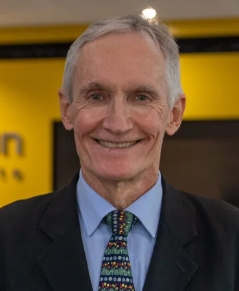 Graeme J Hankey合作论文数Perron Institute for Neurological and Translational Science;Centre for Neuromuscular and Neurological Disorders, The University of Western Australia Medical School10
 Valery Feigin合作论文数National Institute for Stroke and Applied Neurosciences, Auckland University of Technology;Department of Global Health, Institute for Health Metrics and Evaluation, University of Washington;Novosibirsk State Medical University;Capital Medical University;North Shore Hospital10
 A. Yu. Chernyavskiy合作论文数Russian Academy of Sciences Institute of Physics and Technology10А.В. Червяков合作论文数9Д.Г. Юсупова合作论文数9A. B. Zaitsev合作论文数9M. A. Domashenko合作论文数9L. Legostaeva合作论文数9R. V. Polishchuk合作论文数9Elena Gnedovskaya合作论文数9
 Foad Abd-Allah合作论文数9




