Abstract Introduction Postherpetic neuralgia (PHN) is one of the most common complications of Herpes zoster (HZ), yet the mechanism and the treatment for PHN remains elusive. We first performed this feasibility study to verify the safety and efficiency of autologous fat grafting into the paravertebral space in early HZ to prevent PHN. Methods Patients suffering from HZ with a rash in chest, back, or abdomen were arranged for autologous fat grafting to the paravertebral space. The primary endpoint was the incidence of PHN, which was defined as persistence pain in the affected dermal area in 12 weeks after fat grafting. Secondary endpoints including patient‐reported changes in pain intensity, assessed pain threshold and the quality of life during follow‐ups. Results Eight patients accept the intervention and completed all follow‐ups. Most patients report immediate pain relief after injection, one patient has a mild to moderate dizzy symptom after injection. No other short‐ or long‐term adverse events occurred. For primary outcome, all patients have a timely reduced pain intensity, with no PHN events occurred, as all patients report pain intensity ≤3 in the VAS scale in 3 months after treatment. For electrical pain threshold, we identify that fat grafting differentially increases sensation and pain threshold in HZ area and healthy skin of patients. Besides, our results indicate significant improvement in patients’ life quality decrease in analgesic consumption. Discussion Autologous fat transplantation to the paravertebral space is a safe and feasible technique in preventing PHN from HZ in a rash. Further randomized controlled trial to investigate the actual long‐term benefice of autologous fat grafting to the paravertebral space in preventing PHN is needed. Trial registration ChiCTR, (ChiCTR1900025416); registered August 26, 2019.
BACKGROUND:Transmembrane emp24 domain containing (TMED) proteins are known to play pivotal roles in normal development, but have been reported to be implicated in pancreatic disease, immune system disorders, and cancers. As far as TMED3 is concerned, its roles in cancers are controversial. However, evidence describing TMED3 in the context of malignant melanoma (MM) is scarce.RESULTS:In this study, we characterized the functional significance of TMED3 in MM and identified TMED3 as a tumor-promoting factor in MM development. Depletion of TMED3 arrested the development of MM in vitro and in vivo. Mechanistically, we found that TMED3 could interact with Cell division cycle associated 8 (CDCA8). Knocking down CDCA8 suppressed cell events associated with MM development. On the contrary, elevating CDCA8 augmented cell viability and motility and even reversed the inhibitory effects of TMED3 knockdown on MM development. On the other hand, we found that the levels of P-Akt and P-PI3K were decreased in response to TMED3 downregulation, which was partially abolished following SC79 treatment. Thus, our suspicion was that TMED3 exacerbates MM progression via PI3K/Akt pathway. More notably, previously decreased P-Akt and P-PI3K in TMED3-depleted cells were rescued after overexpressing CDCA8. Also, previously impaired cell events due to CDCA8 depletion were ameliorated after SC79 addition, implying that TMED3 regulates PI3K-AKT pathway via CDCA8, thereby promoting MM development.CONCLUSIONS:Collectively, this study established the link between TMED3 and MM, and provides a potential therapeutic intervention for patients with MM harboring abundant TMED3.
目的 调查南沙某岛礁2020年7月普通感冒暴发流行的情况及原因,了解官兵对感冒防治常识的认知情况,为制定预防措施及推进科学施训提供依据.方法 研究对象为南沙某岛礁部队官兵及工程作业人员731人,基于微信"问卷星"平台设计并发放问卷,后台回收数据,对某岛礁2020年7月普通感冒暴发流行的情况,如感冒病情、感冒后单位采取的措施及其对病情的影响、普通官兵对感冒的认知等,进行描述性统计分析;对人员基本情况、暴露的危险因素等进行单因素分析及多因素Logistic回归分析.结果 2020年7月该岛礁普通感冒患病率为42.68%.既往感冒频率、户外长时间淋雨、密切接触感冒患者为导致感冒患病的独立危险因素.单位采取的措施对改善病情、控制流行产生了积极影响.部分人员对感冒的基本常识认知不足.结论 为防止岛礁普通感冒流行的出现,应加强健康教育,落实科学施训,做好公共卫生管理.
目的 对岛礁基层部队外科急腹症进行总结和分析,以进一步提升就医效率和医疗服务质量.方法 回顾性分析2020年1-7月南海某岛礁医疗队接诊的37例外科急腹症患者的临床资料,针对应急响应、诊疗流程及预后效果开展研究.结果 急腹症患者中,因急性阑尾炎施行手术治疗的患者6例(16.2%),泌尿系结石11例(29.7%),急性胃肠炎8例(21.6%),消化道溃疡患者7例(18.9%).急性阑尾炎患者年龄22~31岁,术后平均住院天数6.3 d,其余患者均在起病48 h内归队.结论 由于岛礁环境和医疗条件的特殊性,应重视外科急腹症患者的诊断和治疗,充分利用现有的仪器设备和医疗资源,完善岛礁及野战环境下的人员配置和培训,以更好地为岛礁官兵提供医疗保障.
Background: The reconstructions of defects at the temporal hairline always require more complicated designs and higher surgical skills to acquire better aesthetic results. By taking advantage of the unique anatomy of the temporal region, the authors designed a scalp keystone island flap pedicled by superficial temporal fascia to repair defects on the temporal hairline. Methods: The authors retrospectively analyzed the clinical data of 14 patients who had lesions adjacent to the temporal hairline between April 2018 and June 2020. Patients were diagnosed with basal cell carcinoma, squamous-cell carcinoma, or seborrheic keratosis. These lesions were resected and reconstructed by scalp keystone island flaps. The defects ranged from 2.0 cm × 1.5 cm to 3.0 cm × 3.5 cm. Results: All patients were satisfied with postoperative morphology and reported no recurrence at the 6 to 24 months follow-up. Flaps in two patients were partially necrosed but eventually healed by dressing changes. The rest had the first intention of healing. Conclusions: The scalp keystone island flap is a very useful method to repair small or medium defects at the temporal hairline. This flap can be flexibly designed and easily performed with a high survival rate and good aesthetic results. It provides another surgical option for complicated reconstruction.
OBJECTIVE:To investigate the reconstructive effectiveness for chronic scalp erosion after deep brain stimulation (DBS).BACKGROUND:Deep brain stimulation (DBS) is an effective treatment for Parkinson's disease. However, this surgery is not exempt from hard-ware related complications, especially scalp erosions on scalp. Scalp erosions usually accompanied with chronic infection and wound contamination. If not arrested, infections may spread through the entire equipment which would endanger the patient's life. Along with review of previous literatures, we summarized our experience in the management of scalp erosion and implemented a systemic treatment plan for reconstruction.METHODS:We retrospectively analyzed the clinical data of patients with chronic scalp erosion after DBS in the past 40 months. The treatment plan was composed of three sequential major steps, including wound care and conservative methods, debridement and local flap, and revaluation of the wound. In each of the cases, wound debridement and local scalp flap repair were conducted, and assisted by negative pressure wound therapy (NPWT) device and double cannula irrigation.RESULTS:The local scalp flap survived in all 6 patients. The chronic scalp erosions all healed without refractory. The DBS devices still functioned properly after the treatments in all patients. The average follow-up period was 13.33 months (range: 4 to 23 months), and no infection recurrence or re-erosion of the scalp flap was reported.CONCLUSION:A combination of wound debridement, local scalp flap repair, the use of NPWT device and double cannula irrigation provides effective treatment method for chronic erosion post DBS surgery.
目的 总结某岛礁医院成功抢救重症热射病患者的经过以及对救治过程的思考,为岛礁环境下热射病诊治提供新思路,以期降低重症热射病患者死亡率及并发症发生率,减少非必要后送.方法 采用病例报告的形式,对1例在训练中发病、随后在岛礁医院获得成功救治患者的诊疗过程进行总结和讨论.结果 1例重症热射病患者在没有血气分析、肾脏功能监测等医疗条件下,在岛礁医院救治成功.结论 在医疗资源有限的岛礁医院,通过重视平时科普宣教,强调诊疗的合理规范、充分利用常规检查、合理应用信息技术,实时联动前后方,有望提高热射病的诊疗水平.
经腹会阴联合切除术(abdominal and perineal resection, APR术)自1908年以来一直是直肠肛管癌和低位直肠癌的重要手术方式.该术式创伤大、有永久性造口,对患者术后生活质量有较大影响,尤其是当肿瘤较大、侵犯会阴部时,为了达到根治效果,不得不扩大切除范围,会造成更大的会阴部缺损,无法一期直接缝合.目前,常采用腹直肌肌皮瓣或股薄肌肌皮瓣来重建会阴部缺损,但对于更大范围的缺损如何处理,一直是困扰着临床医师的难题.本文基于1例直肠肛管癌侵犯会阴部、双侧腹股沟及大腿外侧皮肤的复杂病例的诊治过程并参考文献资料[1-5],与同道交流此类病例的诊治经验,现报告如下.
目的 调查南沙某岛礁二级医院就诊官兵的病种情况,了解不同专科病种构成特点及在不同时间最好发疾病的分布情况,为优化岛礁医疗卫生资源的配置提供参考.方法 分析南沙某岛礁医院2020年1—7月门急诊及住院患者相关临床信息,根据内科、外科、专科及就诊时间对临床数据进行分类.结果 共有7084例次官兵就诊,内科最常见病种是呼吸系统疾病、消化系统疾病;外科最常见病种是骨科疾病、普外科疾病;专科前3位病种是皮肤科疾病、口腔科疾病和理疗科疾病.不同时间内呼吸道疾病的发病情况波动较大,而其他疾病的发病情况较为稳定.结论 南沙某岛礁二级医院的病种以呼吸系统疾病、消化系统疾病、骨科疾病、普外科疾病、皮肤科疾病、口腔科疾病最为常见,今后卫勤力量的配置可以此为基础,更精准高效地服务岛礁官兵.
Hypertrophic scarring (HS) is one of the most common skin disorders. The study aimed to investigate the gene expression profile at day 10 (Stage 1), 21 (Stage 2), and day 40 (Stage 3) post-wounding of HS using RNA-sequencing of a scar model from rabbit ears. A total of 17,386 unigenes were annotated using the eggNOG Functional Category database. The study identified significantly differentially expressed genes (DEGs) including 261, 141, and 247 upregulated ones as well as 253, 272, and 58 downregulated ones in three stages respectively. The DEGs varies among each stage measured by Gene Ontology (GO) terms and Kyoto Encyclopedia of Genes and Genomes (KEGG) pathways. DEGs were enriched in 'immune system process' and 'proteinaceous extracellular matrix' in Stage 1, 'anatomical structure development', 'cell differentiation', 'cell adhesion'and some other terms in Stage 2, 'cancers', 'proteinaceous extracellular matrix' and 'signal transduction' in Stage 3. Furthermore, the Wnt signaling pathway was found to play a pivotal role in regression of HS. In conclusion, we revealed comprehensively the gene expression profiles during HS formation providing probable targets in HS treatment.
Cutaneous leiomyomas are rare, sporadic, or inherited benign tumors arising from smooth muscle cells of the skin associated with various disorders. We present a case of multiple cutaneous leiomyomas showing increased FDG uptake with SUVmax of 19.9. This case indicates cutaneous leiomyoma should be considered as a rare differential diagnosis in patients with hypermetabolic cutaneous lesions. Careful correlation with clinical history is needed to avoid misdiagnosis.
跟痛症是临床中最常见的足部疾病,是导致足痛和残疾的常见病因,发病率为3.6%~7.5%.难治性跟痛症平均病程时间可持续13.3~14.1 月之久 [1].
目的 分析南沙某岛礁医疗卫生工作的主要特点,为提高岛礁环境卫勤保障能力及医疗服务质量、保障岛礁官兵及地方工作人员的卫生健康提供参考.方法 根据医务人员在岛礁环境工作的实际经验和切身体会,总结某岛礁单位的医疗卫生保障工作实践.探索特殊环境下的卫勤保障原则,归纳行之有效的方法 .结果 提出南沙某岛礁医疗卫生保障的主要对策:(1)健全突发公共卫生事件应对预案体系.(2)严格落实上礁人员的隔离及健康筛查制度.(3)开展科普教育,提高官兵的卫生保健意识.(4)加强医务人员的业务学习,提高自身的综合素质.(5)组建心理服务站,进行专业的、系统的心理服务.(6)开展定期巡诊,提早发现医疗隐患.通过实施上述管理方法 ,在岛礁官兵中未出现突发公共卫生事件,官兵对卫勤保障的满意度明显提高.结论 定期对岛礁医疗卫生保障工作的特点进行总结,有望不断提高医疗卫生水平,今后的岛礁卫勤保障将更加有针对性.
BACKGROUND: Reconstruction of facial skin defects remains a clinical challenge. With aging, ptosis of tissue over fixed structures creates an important facial feature known as the tear trough. This study aimed to evaluate the efficacy and aesthetic outcome of a novel surgical technique that reproduced this facial feature while avoiding ectropion during midfacial skin defect repair. METHODS: Nineteen patients with midfacial skin defects received local flap reconstruction combined with an anchoring suture. The flap was designed in a unilateral pedicled V-Y pattern. When the flap was advanced to cover the defect, one or two sutures that connected the dermis of the flap with the infraorbital periosteum were made to reproduce the tear trough line. RESULTS: Midfacial defects were successfully repaired with the V-Y flap in all 19 patients. No lower eyelid ectropion or conspicuous scars were noted in any of the patients. Further, the tear trough was successfully reconstructed in each patient. Facial symmetry was maintained with static positioning and animation. CONCLUSIONS: The combination of local V-Y flap reconstruction with anchoring sutures to reproduce facial feature lines is an effective technique in midfacial skin defect repair.
Decompression sickness (DCS) occurs because of an excessively rapid and extensive reduction of the ambient pressure. Bubble-induced spinal cord ischemia is generally considered as a part of neurological DCS pathogenesis. Because helium preconditioning (HPC) recently demonstrated beneficial properties against ischemic damage, we hypothesized that HPC may decrease the neurological deficits of DCS in rats. Seventy-five male Sprague-Dawley rats were divided into a non-HPC group ( n = 25) and a HPC group ( n = 25) and 25 naive animals that were euthanized for histological examination ( n = 5) or anesthetized for baseline somatosensory evoked potential (SSEP) recordings ( n = 20). To induce DCS, rats were compressed with air to a pressure of 709 kPa for 60 min and decompressed at a rate of 203 kPa/min. HPC was administered as three episodes of 79% helium-21% oxygen mixture inhalation for 5 min interspersed with 5 min of air breathing. We found that HPC resulted in significantly decreased DCS incidence and delay of DCS onset. HPC also improved animal performance on the grip test after decompression and significantly ameliorated decompression-induced decrease of platelet number. Furthermore, the incidence of abnormal SSEP waves and histological spinal lesions was significantly reduced by HPC. We conclude that HPC can decrease the occurrence of DCS and ameliorate decompression-induced neurological deficits. NEW & NOTEWORTHY Helium preconditioning ameliorates decompression-induced neurological deficits in rats. Helium breathing before air dives may prevent neurological deficit and attenuate symptoms after decompression.
Postoperative surgical site infections (SSIs) are one of the most common complications. SSIs after laparotomy have a high incidence and are complicated and expensive to heal. The aim of this study was to evaluate the safety and efficacy of a novel therapy of early closure of open abdominal SSIs wound combining wound irrigation with negative pressure wound therapy (NPWT). Open abdominal SSIs wounds were closed with sutures in 42 consecutive patients. Topical NPWT was applied over a closed wound with a deep drain to allow dynamic drainage and wound irrigation. CT scan with contrast medium injected through the deep drain was performed in patients with suspicious tracts detected during debridement surgery three days after surgery to identify a potential fistula. Wound healing and safety of the therapy was evaluated during an average six months follow-up. Closed wounds healed successfully in all the patients without recurrence of wound infection. Fistulas were easily diagnosed in all four fistula patients by using CTscan with contrast medium injection through the wound. Fistula was confirmed in these four patients at re-exploration. All the drain tube wounds healed spontaneously after drain removal. No severe adverse event occurred during therapy in any patients. With the aid of topical NPWT and deep drainage and irrigation, early closure of open SSIs wound can be done safely. We were also able to diagnose gastrointestinal fistulas at an early stage with the use of CTscan imaging after contrast injection into the wound.
Background Negative pressure wound therapy (NPWT) was initially introduced for wound management, but its benefits have stimulated the investigation of its use in new clinical scenarios. Most recently, incisional NPWT has been shown to be a benefit. Incisional NPWT applied to skin-containing free tissue transfer has not been well defined. This may originate from concerns of dressing material obscuring frequent examination of the newly transferred tissue or risk of pedicle compression and potential for increased risk of tissue loss. We aim to describe incisional NPWT in cutaneous free tissue transfer. Methods An institutional review board-approved retrospective review of consecutive free tissue transfer patients was completed over a 3-year period. Free tissue transfer procedures were performed in standard manner. After fixation of the flap to the donor site with interrupted sutures, one or two drainage tubes were inserted in the subflap position. The surface of the flap was protected with Vaseline gauze followed by a 1 cm thick layer of sterile cotton. The vacuum-assisted closure (VAC) sponge (KCI, TX) was then placed in the standard fashion and negative pressure at -125mm Hg was initiated in a continuous mode. A window was routinely made over the flap's distal region to allow for serial flap examination. For extremity procedures, no splints were utilized, and patients were limited to motion in the hospital bed. NPWT was employed continuously for 7 days and subsequently removed along with operative drains. Results A total of 24 consecutive patients underwent free tissue transfer. The average patient age was 39.8 years with a mean body mass index of 23. Tobacco use was noted in 58% of patients in the series. The indication for the free tissue transfer included trauma ( N =21), malignancy ( N =2), and burn reconstruction ( N =1). The areas of reconstruction included scalp ( N =5), lower extremity ( N =11), and upper extremity ( N =8). Skin-containing free flaps employed consisted of the latissimus dorsi myocutaneous free flap ( N =16), anterolateral thigh free flap ( N =6), thoracodorsal artery perforator free flap ( N =1), and radial forearm free flap ( N =1). The average defect size reconstructed was 238.3 cm (2) with a mean operative time of 501 minutes. Postoperatively, patients remained in the hospital an average of 15.5 days (range: 9-32 days) with a mean follow-up of 8.1 months. No hematomas, seromas, surgical-site infections, or deep vein thrombosis/pulmonary embolism occurred in the series. None of the flaps required return to the operating room. There were no documented cases of partial or complete flap loss. Conclusions NPWT may be employed in a fashion similar to the standard incisional application. With this technique, serial flap examination remains possible and is not associated with pedicle compression or increased rates of flap loss. Interestingly, no splints were utilized with the VAC device which itself may serve as a relative immobilizer of an extremity.
The benefits of negative pressure wound therapy (NPWT) have stimulated investigation of its use in new clinical scenarios. Incisional NPWT applied to free tissue transfer has not been well defined. This may originate from concerns of dressing material obscuring frequent examination of the newly transferred tissue or risk of pedicle compression and potential for increased tissue loss. Our aim was to describe NPWT in fasciocutaneous free-tissue transfer.
Backgrounds: The harvesting of great saphenous veins for coronary artery bypass graft (CABG) patients may result in significant complications, including lymphorrhagia, lymphoedema, incision infection, wound dehiscence, and skin flap necrosis. We investigated the function of a self-designed bilayered negative pressure wound therapy (b-NPWT) for reducing the above-mentioned complications using a clinical randomized controlled trial. Methods: A single-center, pilot randomized controlled trial was conducted. From December 2013 to March 2014, a total of 72 coronary heart disease patients (48 men and 24 women) received CABG therapy, with great saphenous veins were selected as grafts. Patients were equally randomized into a treatment and a control group. After the harvesting of the great saphenous veins and direct closure of the wound with sutures, b-NPWT was used for the thigh incision in the treatment group for 5 days (treatment thigh). Traditional surgical pads were applied to both the shank incisions of the treatment group patients (treatment shank) and the entire incisions of the control group (control thigh, control shank). Postoperative complications were recorded and statistically analyzed based on outcomes of thigh treatment, shank treatment, thigh control, and shank control groups. Results: The incidence rates of early complications, such as lymphorrhagia, lymphoedema, infection, wound dehiscence, and skin flap necrosis, of the vascular donor site in the thigh treatment group was significantly lower than those in the 3 other groups. Conclusions: The self-designed b-NPWT can effectively reduce postoperative complications, such as lymphedema, incision infection, wound dehiscence, and skin flap necrosis, in CABG patients who underwent great saphenous veins harvesting. Trial registration: ClinicalTrials.gov. The unique registration number is NCT02010996.
目的 探讨双层负压伤口治疗装置(bilayered negative pressure wound therapy,b-NPWT)预防冠状动脉旁路移植术患者腿部切口淋巴漏发生的效果.方法 纳入我院2013年12月至2014年3月冠心病拟行冠状动脉旁路移植术患者72例,年龄(38.4±18.6)岁,其中男48例、女24例,随机分为试验组与对照组,每组36例.试验组大腿取大隐静脉后,接受b-NPWT治疗5d,小腿取大隐静脉处直接间断缝合.对照组大腿及小腿直接间断缝合.结果 术后早期局部并发症在切口裂开、切口感染、皮缘坏死、切口不愈合方面,试验组均有明显优势(P<0.05).两组均无死亡患者,短期内无新的心脏事件出现,均未发现深静脉血栓形成.术后3个月随访,试验组下肢水肿发生率较对照组明显减少.结论 采用双层负压伤口治疗装置能够有效预防冠状动脉旁路移植术患者腿部切口淋巴漏的发生,减轻患者手术并发症和不适的主诉.
 Xin Xing (邢新)合作论文数第二军医大学附属长海医院26
 JunHui Li (李军辉)合作论文数15
 Chunyu Xue (薛春雨)合作论文数第二军医大学附属长海医院整形外科15
 Guangdong Zhou (周广东)合作论文数Shanghai Ninth People’s Hospital, Shanghai Jiao Tong University School of Medicine5
 Hongxing Shen (沈洪兴)合作论文数Renji Hospital, School of Medicine, Shanghai Jiao Tong University5YaFei Cui (崔雅菲)合作论文数4JingDe Zhang (张敬德)合作论文数4Ji Zhu (朱吉)合作论文数4
 Zhiqing Zhao (赵志青)合作论文数Changhai Hospital4Fang Shuo合作论文数4Jun-Hui Li合作论文数4Chao Yang (杨超)合作论文数4Haiying Dai (戴海英)合作论文数4Wang Xiaoyun合作论文数3Mengyan Sun合作论文数3Ran Tao合作论文数3Jiazi Shi (时佳子)合作论文数3XueYing Zhong (钟雪英)合作论文数3
 Yuchong Wang (王宇翀)合作论文数3Yu Bai (柏愚)合作论文数3
 Shaozong Chen (陈绍宗)合作论文数3LingLi Guo (郭伶俐)合作论文数3Rui Zhao (赵瑞)合作论文数3Hao Tang (唐昊)合作论文数3Xueyong Li (李学拥)合作论文数3Mija Khan合作论文数2Yuntong Zhang合作论文数2
 Chuan Lv (吕川)合作论文数School of Medicine, Tongji University;Shanghai Fourth People's Hospital Affiliated to Tongji University2Gu Qun (顾群)合作论文数2Yongchao Yu合作论文数2Zhuo Shao合作论文数2Anan Liu合作论文数2Xiaoli Lou合作论文数2Bin XIAO (肖斌)合作论文数2Ming LI (李鸣)合作论文数2Dong LIU (刘栋)合作论文数2
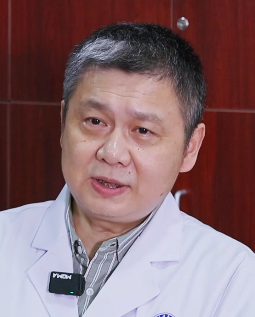 Zhigang Song (宋智钢)合作论文数Changhai Hospital2DanLei Chen (陈丹磊)合作论文数2JiangPing Chen (陈江萍)合作论文数2Yang Xia (夏阳)合作论文数2
 Yingjin Zhou (周英晋)合作论文数Nanchang University2
 Qingqi Han (韩庆奇)合作论文数中国人民解放军第二军医大学2
 Ivo A Pestana合作论文数Department of Surgery, University of Miami School of Medicine2
 Xiao Zhai合作论文数2
 Xuejun Sun (孙学军)合作论文数The Second Military Medical University2
 Zhouheng Ye合作论文数2Yuejun li (李曰俊)合作论文数lnslitute of Geology and Geophysics, Chinese Academy of Sciences2




