Genome-wide association studies (GWAS) have become well-powered to detect loci associated with telomere length. However, no prior work has validated genes nominated by GWAS to examine their role in telomere length regulation. We conducted a multi-ancestry meta-analysis of 211,369 individuals and identified five novel association signals. Enrichment analyses of chromatin state and cell-type heritability suggested that blood/immune cells are the most relevant cell type to examine telomere length association signals. We validated specific GWAS associations by overexpressing KBTBD6 or POP5 and demonstrated that both lengthened telomeres. CRISPR/Cas9 deletion of the predicted causal regions in K562 blood cells reduced expression of these genes, demonstrating that these loci are related to transcriptional regulation of KBTBD6 and POP5. Our results demonstrate the utility of telomere length GWAS in the identification of telomere length regulation mechanisms and validate KBTBD6 and POP5 as genes affecting telomere length regulation.
Overcoming replicative senescence is an essential step during oncogenesis, and the reactivation of TERT through promoter mutations is a common mechanism. TERT promoter mutations are acquired in about 75% of melanomas but are not sufficient to maintain telomeres, suggesting that additional mutations are required. We identified a cluster of variants in the promoter of ACD encoding the shelterin component TPP1. ACD promoter variants are present in about 5% of cutaneous melanoma and co-occur with TERT promoter mutations. The two most common somatic variants create or modify binding sites for E-twenty-six (ETS) transcription factors, similar to mutations in the TERT promoter. The variants increase the expression of TPP1 and function together with TERT to synergistically lengthen telomeres. Our findings suggest that TPP1 promoter variants collaborate with TERT activation to enhance telomere maintenance and immortalization in melanoma.
This chapter provides an overview of genomes and the flow of biological information. Biological information is typically stored in the nucleic acid DNA referred to as the genome. A gene is typically defined as a region of DNA that controls a discrete hereditary characteristic. The first stage of gene expression is transcription, in which an RNA copy of the gene is synthesized. Messenger RNAs (mRNAs) are then translated to produce a protein product in a process mediated by the ribosome. The regulation of gene expression in both time and space is extensive and occurs at every level of expression. The chapter then looks at cellular infrastructure and gene expression. The overall expression of an organism's genome determines its phenotype—that is, its physical features and properties. The chapter also assesses the evolution of the genome and the tree of life, considering the process of natural selection.
This chapter provides an overview of genomes and the flow of biological information. Biological information is typically stored in the nucleic acid DNA referred to as the genome. A gene is typically defined as a region of DNA that controls a discrete hereditary characteristic. The first stage of gene expression is transcription, in which an RNA copy of the gene is synthesized. Messenger RNAs (mRNAs) are then translated to produce a protein product in a process mediated by the ribosome. The regulation of gene expression in both time and space is extensive and occurs at every level of expression. The chapter then looks at cellular infrastructure and gene expression. The overall expression of an organism's genome determines its phenotype—that is, its physical features and properties. The chapter also assesses the evolution of the genome and the tree of life, considering the process of natural selection.
This chapter assesses the mechanism and regulation of chromosome segregation in mitosis and meiosis of eukaryotes, as well as in bacteria. In all cases, chromosomes attach to a segregation apparatus, which separates the chromosomes to form two identical copies of the genome. The one overarching principle of chromosome segregation is that it must be accurate—cells must receive one, and only one, copy of each chromosome. Deviation from this rule will have dire consequences—an abnormal number of chromosomes can lead to severe cellular dysfunction or even cell death. Mitosis includes five main steps: prophase, prometaphase, metaphase, anaphase, and telophase. It concludes at cytokinesis, when the parent cell divides. Chromosomes are segregated by the spindle apparatus, a bipolar structure made of microtubules. Meanwhile, meiosis is the chromosome segregation process that generates gametes.
This chapter highlights regulatory RNAs. RNA molecules can act as regulators by base-pairing with target RNAs or even DNA, or by binding metabolites or proteins, to block or facilitate the binding of other RNAs or proteins and bring molecules into proximity. Most base-pairing RNAs in bacteria are expressed in response to specific environmental conditions. The chapter then looks at microRNAs (miRNAs), small interfering RNAs (siRNAs), and Piwi-interacting RNAs (piRNAs). miRNAs are encoded by distinct genes and modulate translation and mRNA destabilization. siRNAs are generated through excision along the length of a double-stranded RNA of either external origin or endogenous origin and direct RNA interference and transcriptional silencing. Meanwhile, piRNAs are derived from repetitive regions of the genome, are associated with Piwi family Argonaute proteins, and repress the expression of diverse repeat sequences in the nucleus. The chapter also considers the viral defense role of CRISPR systems.
Telomere length regulation is essential for cell viability in eukaryotes. While many pathways that affect telomere length are known, we do not yet have a complete understanding of the mechanism of length regulation. To identify new pathways that might regulate telomere length, we carried out a genetic screen in yeast and identified the cyclin‐dependent kinase complex Bur1/2 as a regulator of telomere length. Mutations in either BUR1 cyclin‐dependent kinase or the associated BUR2 cyclin resulted in short telomeres. This regulation did not function through the known role of BUR1 in regulating histone modification as bur1∆ set2∆ and bur2∆ set2∆ double mutants rescued cell growth but did not rescue the telomere shortening effects. We found that both bur1∆ and bur2∆ set2∆ were also defective in de novo telomere addition, and deletion of SET2 did also not rescue this elongation defect. The Bur1/2 cyclin‐dependent kinase regulates transcription of many genes. We found that TLC1 RNA levels were reduced in bur2∆ set2∆ mutants; however, overexpression of TLC1 restored the transcript levels but did not restore de novo telomere elongation or telomere length. These data suggest that the Bur1/2 kinase plays a role in telomere elongation separate from its role in transcription of telomerase components. Dissecting the role of the Bur1/2 kinase pathway at telomeres will help complete our understanding of the complex network of telomere length regulation.
This chapter evaluates two ways by which discrete segments of DNA can move from one region of the genome to another—by transposition, whereby transposable elements can insert in many different sites around the genome; and by conservative site-specific recombination (CSSR), whereby recombination occurs between pairs of specific, related DNA sites to rearrange sequences bound by those specific sites. These recombination systems are widespread and have a profound impact on chromosome structure and function. Virtually all organisms contain transposable elements, and their mobility is a significant contributor to genetic variation. CSSR systems are found mostly in bacteria where they play important roles in bacterial chromosome segregation and in the interactions of viruses and plasmids with their hosts. The chapter begins with an overview of transposition before considering in more detail the mechanisms of action employed by different elements and the strategies used to regulate these processes. It then explores CSSR.
Objectives Systemic sclerosis (SSc) is an autoimmune fibrotic disease affecting multiple tissues including the lung. A subset of patients with SSc with lung disease exhibit short telomeres in circulating lymphocytes, but the mechanisms underlying this observation are unclear. Methods Sera from the Johns Hopkins and University of California, San Francisco (UCSF) Scleroderma Centers were screened for autoantibodies targeting telomerase and the shelterin proteins using immunoprecipitation and ELISA. We determined the relationship between autoantibodies targeting the shelterin protein TERF1 and telomere length in peripheral leucocytes measured by qPCR and flow cytometry and fluorescent in situ hybridisation (Flow-FISH). We also explored clinical associations of these autoantibodies. Results In a subset of patients with SSc, we identified autoantibodies targeting telomerase and the shelterin proteins that were rarely present in rheumatoid arthritis, myositis and healthy controls. TERF1 autoantibodies were present in 40/442 (9.0%) patients with SSc and were associated with severe lung disease (OR 2.4, p=0.04, Fisher’s exact test) and short lymphocyte telomere length. 6/6 (100%) patients with TERF1 autoantibodies in the Hopkins cohort and 14/18 (78%) patients in the UCSF cohort had a shorter telomere length in lymphocytes or leukocytes, respectively, relative to the expected age-adjusted telomere length. TERF1 autoantibodies were present in 11/152 (7.2%) patients with idiopathic pulmonary fibrosis (IPF), a fibrotic lung disease believed to be mediated by telomere dysfunction. Conclusions Autoantibodies targeting telomere-associated proteins in a subset of patients with SSc are associated with short lymphocyte telomere length and lung disease. The specificity of these autoantibodies for SSc and IPF suggests that telomere dysfunction may have a distinct role in the pathogenesis of SSc and pulmonary fibrosis.
This chapter addresses transcription, which is a key step in gene expression. In order for the information in the genome to be expressed, the cell must synthesize an RNA copy of the DNA. The RNA polymerase enzyme catalyses the synthesis of the RNA from ribonucleotide triphosphate precursors, using the DNA template strand to assemble a copy of the coding strand. RNA is synthesized from the 5' to the 3' end in a defined series of events known as the transcription cycle: initiation, elongation, and termination. Transcription begins with isomerization of RNA polymerase to form the open complex, in which the DNA strands are separated and synthesis of the RNA begins, using the template strand to position the incoming ribonucleotide triphosphates. RNA polymerase may first go through several cycles of abortive initiation, producing very short transcripts, before breaking free of the promoter and entering into the elongation phase.
This chapter explores RNA processing events, which are points for regulation and quality control, and are sources of diversity. Many RNA processing reactions are directed by RNA components. Transfer RNAs (tRNAs) and ribosomal RNAs (rRNAs) are processed out of longer precursor transcripts, and the nucleotides are post-transcriptionally modified. Meanwhile, the maturation of eukaryotic messenger RNAs (mRNAs) requires the addition of a 5' cap and a poly(A) tail—processes that are closely tied to transcription, splicing, transport out of the nucleus, and ultimately translation. The chapter then explains RNA splicing, RNA editing, and RNA degradation. RNA splicing allows the generation of great diversity in RNA products and can be catalysed by the RNA itself (self-splicing) or by a large protein and RNA-containing complex called the spliceosome. The chapter also looks at RNA-binding domains in proteins.
We developed a method to tag telomeres and measure telomere length by nanopore sequencing in the yeast S. cerevisiae. Nanopore allows long-read sequencing through the telomere, through the subtelomere, and into unique chromosomal sequence, enabling assignment of telomere length to a specific chromosome end. We observed chromosome end–specific telomere lengths that were stable over 120 cell divisions. These stable chromosome-specific telomere lengths may be explained by slow clonal variation or may represent a new biological mechanism that maintains equilibrium unique to each chromosome end. We examined the role of RIF1 and TEL1 in telomere length regulation and found that TEL1 is epistatic to RIF1 at most telomeres, consistent with the literature. However, at telomeres that lack subtelomeric Y′ sequences, tel1Δ rif1Δ double mutants had a very small, but significant, increase in telomere length compared with the tel1Δ single mutant, suggesting an influence of Y′ elements on telomere length regulation. We sequenced telomeres in a telomerase-null mutant (est2Δ) and found the minimal telomere length to be ∼75 bp. In these est2Δ mutants, there were apparent telomere recombination events at individual telomeres before the generation of survivors, and these events were significantly reduced in est2Δ rad52Δ double mutants. The rate of telomere shortening in the absence of telomerase was similar across all chromosome ends at ∼5 bp per generation. This new method gives quantitative, high-resolution telomere length measurement at each individual chromosome end and suggests possible new biological mechanisms regulating telomere length.
This chapter examines the repair of DNA double-strand breaks and homologous recombination. DNA double-strand breaks are particularly dangerous lesions—failure to repair them can lead to chromosome fragmentation and cell death. There are two major strategies for double-strand break repair: non-homologous end joining (NHEJ) and homology-directed repair. NHEJ rejoins the ends across a double-strand break in the absence of a DNA template. It is often mutagenic because of nucleolytic processing of the ends prior to joining. Meanwhile, homology-directed DNA synthesis can repair double-strand breaks by synthesizing new DNA across the break. The chapter then explains homologous recombination, which is the reciprocal exchange of large segments of DNA between homologous duplexes. Homologous recombination occurs during meiosis to generate gametes and occurs between the bacterial chromosome and exogenous DNA that enter the cell by conjugation or transformation, or in viruses.
This chapter describes the regulation of transcription. A variety of mechanisms are used to repress or activate transcription initiation in bacteria. Transcription can be repressed by blocking the binding of RNA polymerase (Trp repressor, cI). Transcription can be activated by recruiting the polymerase holoenzyme (CAP), stimulating open complex formation (CAP, NtrC), or altering the structure of promoter DNA (MerR). Meanwhile, eukaryotic genes are regulated by co-activator and co-repressor complexes, which are recruited to the DNA by sequence-specific DNA-binding proteins. These complexes typically contain enzymes that reposition nucleosomes or that add or remove post-translational modifications from histones and other transcription factors. The expression of some bacterial and eukaryotic genes is regulated by controlling transcription elongation or termination. The chapter then considers the concept of gene silencing.
This chapter illustrates the regulation of translation. Translation initiation can be globally affected through the modification of core translational factors in eukaryotes. Both bacterial and eukaryotic organisms respond to amino acid limitation by shutting down overall protein synthesis, although the mechanisms differ. Initiation of specific bacterial mRNAs can be regulated through obstruction of the Shine–Dalgarno sequence by intrinsic RNA structure, metabolites, small RNAs, or proteins. Eukaryotic initiation is most often regulated through interactions of various factors (proteins and RNAs) with the 3' UTR (untranslated region) of the transcript. Meanwhile, translation elongation can be regulated either globally or gene-specifically. Viral systems have evolved ingenious mechanisms for slowing down host protein synthesis so that their own proteins can be more efficiently synthesized.
This chapter evaluates DNA replication, which occurs in three distinct phases: initiation, elongation, and termination. Initiation of replication in bacteria occurs at a unique chromosomal location called an origin, which is recognized by specific proteins. Initiation of replication in eukaryotes, in contrast, usually occurs stochastically at sites marked in the genome by binding of the pre-replication complex. New DNA strands are initiated by RNA or combined RNA and DNA primers, which are synthesized by primase in bacteria and the polymerase α-primase complex in eukaryotes. After their initial synthesis, the primers are then elongated by the replicative DNA polymerase. The termination of replication occurs when two replication forks traveling in opposite directions meet. The chapter then looks at the regulation of the initiation of DNA replication, the end-replication problem, and the replication of chromatin.
This chapter reviews how molecules are built up by linking atoms together with covalent bonds and explores the way in which molecules interact with one another non-covalently in the aqueous environment of the cell. There are four major classes of biological molecules that play essential roles in all organisms: nucleotides, amino acids, carbohydrates, and lipids. Each of them can be found in cells both as individual small molecules or covalently linked to form larger molecules known as polymers or macromolecules. Nucleic acids are polymers of nucleotides that are responsible for carrying genetic information. Proteins, on the other hand, are polymers of amino acids that function as workhorses, carrying out most of the chemical reactions in the cell and giving cells their structure and shape. Many biological molecules can be covalently modified in ways that alter their chemical properties and allow their function to be regulated.
This chapter explores tools and techniques frequently used in molecular biology. Molecular biology methods range from genome-wide analysis to the dissection of interactions between isolated single molecules. A key aspect of molecular biology is the study of processes both in vivo and in vitro. The chapter begins by describing the organisms that have served as models for the study of biology in all types of cells and studies how cells and viruses can be grown in culture. It then looks at genome manipulation and genome sequencing, as well as cellular imaging and molecular structure determination. The chapter considers the amplification and cloning of nucleic acids and how such cloning, known as recombinant DNA technology, can be used both to identify new genes and to construct modified genes and chromosomes.
This chapter evaluates DNA replication, which occurs in three distinct phases: initiation, elongation, and termination. Initiation of replication in bacteria occurs at a unique chromosomal location called an origin, which is recognized by specific proteins. Initiation of replication in eukaryotes, in contrast, usually occurs stochastically at sites marked in the genome by binding of the pre-replication complex. New DNA strands are initiated by RNA or combined RNA and DNA primers, which are synthesized by primase in bacteria and the polymerase α-primase complex in eukaryotes. After their initial synthesis, the primers are then elongated by the replicative DNA polymerase. The termination of replication occurs when two replication forks traveling in opposite directions meet. The chapter then looks at the regulation of the initiation of DNA replication, the end-replication problem, and the replication of chromatin.
 Cynthia Wolberger合作论文数Department of Biophysics and Biophysical Chemistry, Johns Hopkins University26
 Nancy L. Craig合作论文数Howard Hughes Medical Institute;Department of Molecular Biology and Genetics, School of Medicine, Johns Hopkins University;Johns Hopkins Medicine High Throughput Biology Center25
 Rachel Green合作论文数Howard Hughes Medical Institute, School of Medicine, Johns Hopkins University;Department of Molecular Biology and Genetics, School of Medicine, Johns Hopkins University24
 Orna Cohen-Fix合作论文数Lab Cell & Mol Biol, NIH23
 Gisela Storz合作论文数Division of Molecular and Cellular Biology, Eunice Kennedy Shriver National Institute of Child Health and Human Development, National Institutes of Health;Division of Intramural Research, Eunice Kennedy Shriver National Institute of Child Health and Human Development, National Institutes of Health20
 Elizabeth Blackburn合作论文数Department of Biochemistry and Biophysics, University of California, San Francisco14
 María A. Blasco合作论文数Telomeres and Telomerase Group, Molecular Oncology Program, Spanish National Cancer Research Centre14
 Chantal Autexier合作论文数Department of Anatomy and Cell Biology, Faculty of Medicine and Health Sciences, McGill University11
 Ronald DePinho合作论文数Department of Cancer Biology, Division of Basic Science Research, The University of Texas MD Anderson Cancer Center11Margaret A. Strong合作论文数11
 Mary Armanios合作论文数Department of Genetic Medicine, School of Medicine, Johns Hopkins University10
 Jian Chen合作论文数Department of Crop Science;University of Guelph;Department of Crop Science, University of Guelph7MA Strong合作论文数6Geoffrey J. Gottlieb合作论文数6Hw Lee合作论文数6Avilion A A合作论文数6
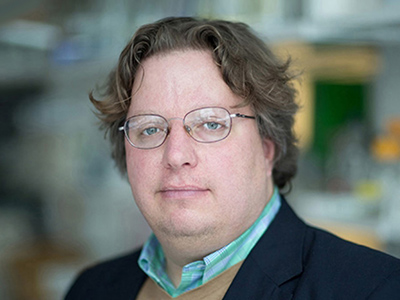 Michael T. Hemann合作论文数MIT Department of Biology6Carla Connelly合作论文数6
 Lynda Chin合作论文数Apricity Health5
 Jack W. Szostak合作论文数Department of Chemistry, The University of Chicago5
 Bryant Villeponteau合作论文数Geron Corporation5S BACCHETTI合作论文数4walter d funk合作论文数4CB Harley合作论文数4junli feng合作论文数4
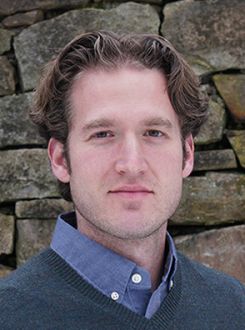 David M. Feldser合作论文数Department of Cancer Biology, Perelman School of Medicine, University of Pennsylvania4
 Christopher M. Counter合作论文数Department of Pharmacology & Cancer Biology, School of Medicine, Duke University;Department of Radiation Oncology, School of Medicine, Duke University;Duke Cancer Institute, Duke University4K. R. Prowse合作论文数4
 Richard Allsopp合作论文数4
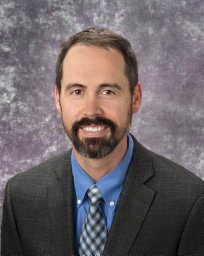 Jonathan K. Alder合作论文数Department of Oncology, Johns Hopkins University School of Medicine4A IJpma合作论文数3L.A. Harrington合作论文数3
 Alexandra M. Pike合作论文数Howard Hughes Medical Institute, Massachusetts Institute of Technology3K Collins合作论文数3E BLACKBURN合作论文数3Karim Baktiar O合作论文数3
 Robert A. Brodsky合作论文数School of Medicine, Johns Hopkins University;Heart and Vascular Institute, Johns Hopkins University;Sidney Kimmel Comprehensive Cancer Center, Johns Hopkins University3
 Shirley M. Tilghman合作论文数Department of Molecular Biology, Princeton University3
 Joan Steitz合作论文数Department of Molecular Biophysics and Biochemistry, School of Medicine, Yale University3Bruce Futcher合作论文数3
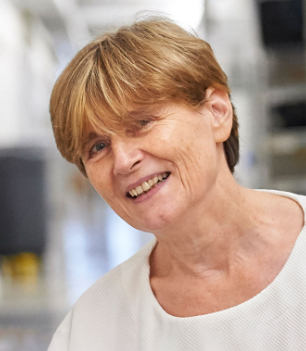 Ruth Lehmann合作论文数Department of Biology, Massachusetts Institute of Technology;Whitehead Institute for Biomedical Research, Massachusetts Institute of Technology3Hao Ly合作论文数3Siyuan Le合作论文数3Sofia L. Vidal-Cardenas合作论文数3
 Erin K. O'Shea合作论文数Howard Hughes Medical Institute3Calvin B. Harley合作论文数3M Rizen合作论文数2Jennifer A. Hackett合作论文数2Stephen G Bolton合作论文数2




