In recent years, autonomous underwater vehicle (AUV) systems have demonstrated significant potential in complex marine exploration. However, effective AUV-based tracking remains challenging in realistic underwater environments characterized by high-dimensional features, including coupled kinematic states, spatial constraints, time-varying environmental disturbances, etc. To address these challenges, this paper proposes a hierarchical embodied-intelligence (EI) architecture for underwater multi-target tracking with AUVs in complex underwater environments. Built upon this architecture, we introduce the Double-Head Encoder-Attention-based Multi-Expert Collaborative Decision (DHEA-MECD), a novel Deep Reinforcement Learning (DRL) algorithm designed to support efficient and robust multi-target tracking. Specifically, in DHEA-MECD, a Double-Head Encoder-Attention-based information extraction framework is designed to semantically decompose raw sensory observations and explicitly model complex dependencies among heterogeneous features, including spatial configurations, kinematic states, structural constraints, and stochastic perturbations. On this basis, a motion-stage-aware multi-expert collaborative decision mechanism with Top-k expert selection strategy is introduced to support stage-adaptive decision-making. Furthermore, we propose the DHEA-MECD-based underwater multitarget tracking algorithm to enable AUV smart, stable, and anti-interference multi-target tracking. Extensive experimental results demonstrate that the proposed approach achieves superior tracking success rates, faster convergence, and improved motion optimality compared with mainstream DRL-based methods, particularly in complex and disturbance-rich marine environments.
In many resource-constrained scenarios, existing deep learning-based Specific Emitter Identification (SEI) methods struggle with high computational overhead and suboptimal feature fusion in multi-source heterogeneous environments. To address these limitations, this paper proposes a Complex-valued Multi-source Broad Learning Network (CV-MSBLN), suitable for distributed authentication in resource-constrained systems such as the internet of unmanned agents. The framework incorporates three key functions: 1) A non-iterative fusion architecture integrating enhancement nodes and fused nodes to achieve lightweight yet discriminative multi-source feature aggregation; 2) An adaptive source-weighting strategy based on Huber loss to dynamically balance contributions from heterogeneous data sources and suppress low-quality inputs; and 3) A complex-valued feature extraction mechanism that decomposes IQ signals into dual-path (real/imaginary) feature nodes to preserve inter-channel coupling characteristics. Extensive experiments on a public ADS-B dataset and a physical USRP testbed validate the approach. The results show that CV-MSBLN achieves recognition accuracies of 83.6% and 76.7% on the ADS-B and USRP datasets, respectively. Furthermore, the model reduces training time on the ADS-B dataset to 71.6 seconds, offering an approximately 7-fold speedup compared to current deep learning baselines, with reduced computational requirements.
Embodied intelligence has emerged as a transformative paradigm in artificial intelligence, representing the convergence of multimodal perception, cognitive reasoning, and physical interaction with the environment. In the context of smart manufacturing, it is increasingly recognized as a key enabler for future intelligent systems capable of adapting to dynamic, unstructured, and human-centric production environments. With the rapid development of large multimodal models, embodied intelligence is poised to achieve unprecedented levels of generalization, autonomy, and task versatility through continuous learning and real-world interaction. Therefore, this article conducts a systematic review of the current research status and development trends of embodied intelligence in smart manufacturing, analyzes its key technologies, summarizes typical application scenarios, and further discusses the challenges and future research directions, aiming to provide new insights and guidance for smart manufacturing driven by embodied intelligence.
The diversified applications including tele-medical treatment, immersive experiences and embodied intelligence pose a tremendous challenge to the ongoing wireless transmission in terms of spectrum resource scarcity and adaptability to complex environments. Semantic communication, acting as an emerging task-oriented transmission paradigm, is viewed as a transformational enabler in future wireless systems. In this paper, a Swin-Transformer-based joint source-channel coding scheme that explores detail-aware enhancement and multi-level semantic fusion (DSF-JSCC) is proposed to improve the transmission quality of high-resolution images over various channel environments. Firstly, the framework of the DSF-JSCC is designed based on the combination of stacked Swin-Transformer blocks and multi-level semantic fusion to enhance the capability of feature representation and channel adaptability. Secondly, a detail-aware enhancement method (DAEM) is designed to facilitate the capture and reconstruction of textures and edges, where human visual attention to the details is modeled through the parallel depthwise separable convolution branches. Thirdly, a progressive-processing-based multi-level semantic fusion (PMSF) is designed to fully exploit multi-level semantic information and to bridge the semantic gap across different stages through spatial alignment, resolution matching and adaptive weighting fusion. Finally, the performance of our DSF-JSCC and relevant variants is evaluated through the comparison with other baselines including separated source-channel coding schemes and joint source-channel coding schemes, and the superiority of our DSF-JSCC is validated in terms of PSNR, MS-SSIM and LPIPS under diverse channel environments.
Intelligent reflecting surface (IRS) aided integrated access and backhaul (IAB) networks have emerged as a key technology for signal enhancement, coverage expansion and energy efficiency (EE) improvement in 6G systems. This correspondence investigates the resource allocation problem in IRS-aided IAB network. Firstly, the resource management including phase shift manipulation at IRS, transmission beamforming and bandwidth partition at IAB-node is formulated and decomposed into two sub-problems to maximize the system’s end-to-end achievable data rate. Secondly, the joint optimization scheme of improved multi-agent deep deterministic policy gradient (MADDPG) combining block coordinate descent (BCD) is proposed, where the IRS phase shift is optimized through the BCD approach, the optimal transmission beamforming and bandwidth partition are dynamically adjusted through the MADDPG. Finally, the proposed scheme performance is evaluated through diversified experimental simulation scenarios in terms of convergence and effectiveness including system EE and end-to-end achievable rate.
We consider the collaborative inference acceleration task via cloud-edge-end collaboration, which involves a series of tightly coupled decision-making steps, including which DNN model to be selected, how much to compress model, how to partition model, and where to offload partitioned submodels. In practical deployments, these decisions jointly affect both fine-tuning and inference performance, and must jointly account for such aspects as the model being used, the computational resources and local datasets available at each device, as well as network latencies, which significantly increases the complexity of optimizing the problem. Yet, no existing studies focus on such joint optimization problem for these tightly coupled decisions. In this paper, we model this problem as a multi-dimensional optimization problem, jointly optimizing collaborative inference and fine-tuning by selecting the DNN model, compression level, partition strategy, and computational resource allocation, with the objective of minimizing the overall energy consumption of the learning-inference process, subject to accuracy and latency constraints. To this end, we propose an algorithmic framework called JQODI combining a time-energy tree diagram to represent the learning process, a dynamic programming solution strategy, and a data-driven theoretical approach to predict the expected total number of training epochs that meet the accuracy requirements. We prove that JQODI approximates the optimal solution with polynomial complexity. Numerical results demonstrate that JQODI surpasses state-of-the-art methods in both energy efficiency and latency.
Visual perception is fundamental to the autonomy of marine platforms, playing a critical role in underwater inspection, ecological monitoring, and infrastructure maintenance. However, deploying robust detection on resource-constrained embedded platforms is a significant challenge due to severe optical degradations (e.g., scattering and absorption) and the stringent energy and computational constraints of onboard systems.To address the tradeoff between detection accuracy and inference speed in complex underwater environments, this article proposes EFUDet, an efficient feature fusion network tailored for real-time underwater object detection. We introduce a hardware-friendly architecture integrating three key components: a hierarchical inception stem to align receptive fields with backbone strides for multiscale prior extraction; a dual-cascade aggregation network that leverages a dual-branch architecture to progressively integrate fine-grained and coarse representations, utilizing lightweight Ghost Bottlenecks to maximize information density with minimal overhead; and a contextual gated fusion module serving as a resource-efficient attention mechanism to mitigate the impact of water turbidity and suspended particles. Extensive experiments on the RUOD and URPC2022 underwater data sets demonstrate that EFUDet achieves a superior balance between performance and efficiency. Compared with state-of-the-art baselines, it reduces parameters and computational complexity by 24.5% and 13.4%, respectively, while improving precision and recall by 3.5–5.7 and 2.6–4.5 percentage points. These results validate EFUDet as a scalable solution for real-time visual feedback in intelligent ocean engineering applications.
Routing-driven timely data collection in Underwater Acoustic Sensor Networks (UASNs) is crucial for marine environmental monitoring, disaster warning, and underwater resource exploration, etc. However, harsh underwater conditions, including high delays, limited bandwidth, and dynamic topologies, make efficient routing decisions challenging in UASNs. In this paper, we propose a smart interrupted routing scheme for UASNs to address dynamic underwater challenges. We first model underwater noise influences from real underwater routing features, e.g., turbulence and storms. We then propose a Software-Defined Networking (SDN)-based Interrupted Software-defined UASNs Reinforcement Learning (ISURL) framework, which ensures adaptive routing through dynamical failure handling (e.g., energy depletion of sensor nodes or link instability) and real-time interrupted recovery. Based on ISURL, we propose the MA-MAPPO algorithm, integrating multi-head attention mask mechanism with MAPPO to filter out infeasible actions and streamline training. Furthermore, to support interrupted data routing in UASNs, we introduce MA-MAPPO_i, MA-MAPPO with interrupted policy, to enable smart interrupted routing decisions in UASNs. The evaluations demonstrate that our proposed routing scheme achieves exact underwater data routing decisions with faster convergence speed and lower routing delays than existing approaches.
With the advances of underwater networking and multi-agent reinforcement learning (MARL), autonomous underwater vehicle (AUV) cluster network-based intelligent formation control is becoming a promising platform for smart-ocean missions. However, severe and time-varying ocean disturbances remain a major barrier, often causing MARL policies trained under nominal conditions to degrade or fail during deployment. To mitigate the above issues, this article, motivated by embodied intelligence, presents an Underwater Multi-Agent Embodied Intelligence (UMAEI) architecture that organizes underwater cluster autonomy as a closed-loop sense–decide–act system. We argue that an underwater multi-agent embodied intelligence architecture should emphasize both data efficiency and robustness. Accordingly, UMAEI incorporates two complementary mechanisms to improve practicality. First, a continuous-time refinement-based sample augmentation method is proposed to densify sparsely sampled underwater trajectories and improve training data efficiency. Second, a disturbance-compensated robust MARL algorithm embeds a lightweight recursive least-squares compensation module with binary gating to handle strong and unseen disturbances. To enable robust and intelligent formation control in AUV cluster networks, we build on UMAEI and develop a dedicated formation scheme. The scheme consists of a decentralized path-planning reward, a UMAEI-based formation control policy, and an empowerment-based training strategy for AUV cluster networks. Evaluation results showcase that the proposed formation scheme can achieve exact and robust AUV cluster network-based formation in high-fidelity marine environment.
With the rapid advancement of underwater net-working and multi-agent coordination technologies, autonomous underwater vehicle (AUV) ad-hoc networks have emerged as a pivotal framework for executing complex maritime missions, such as multi-target tracking. However, traditional data-centricarchitectures struggle to maintain operational consistency under highly dynamic topological fluctuations and severely constrained acoustic communication bandwidth. This article proposes a scene-adaptive embodied intelligence (EI) architecture for multi-AUV ad-hoc networks, which re-envisions AUVs as embodied entities by integrating perception, decision-making, and physical execution into a unified cognitive loop. To materialize the functional interaction between these layers, we define a beacon-based communication and control model that treats the communication link as a dynamic constraint-aware channel, effectively bridging the gap between high-level policy inference and decentralized physical actuation. Specifically, the proposed architecture employs a three-layer functional framework and introduces a Scene-Adaptive MARL (SA-MARL) algorithm featuring a dual-path critic mechanism. By integrating a scene critic network and a general critic network through a weight-based dynamic fusion process, SA-MARL effectively decouples specialized tracking tasks from global safety constraints, facilitating autonomous policy evolution. Evaluation results demonstrate that the proposedscheme significantly accelerates policy convergence and achieves superior tracking accuracy compared to mainstream MARL approaches, maintaining robust performance even under intense environmental interference and fluid topological shifts.
Underwater acoustic sensor networks (UASNs) are extensively utilized in various sectors, including aquaculture, naval operations, and oceanic disaster alert systems. The protection of UASNs, with a specific focus on internal threats, has become an increasing priority. Attacks originating from within the network, involving compromised legitimate nodes, can be more harmful and covert compared to external threats, such as communication interception, data decryption, and identity impersonation. Trust models, which serve as mechanisms for detecting internal threats through interaction data, have proven effective in enhancing UASN security. However, traditional trust models often face scalability issues, particularly in environments characterized by mobile underwater devices, diverse network conditions, and evolving attack strategies. To address these challenges, this work presents a novel trust management scheme based on attention-weighted federated deep reinforcement learning (AFRTM). The AFRTM overcomes the limitations of existing approaches by first improving the evidence quantification methods-encompassing both environmental and behavioral evidence-to better adapt to the uncertainty of underwater scenarios. Subsequently, the acquired trust evidence is input into the respective deep reinforcement learning (DRL)-driven local trust framework to achieve trust estimation and model development. Finally, the model's parameters are periodically aggregated and updated using an attention-weighted federated learning method, ensuring adaptability to changing conditions. The experimental findings demonstrate that the suggested approach delivers commendable outcomes in enhancing trust estimation precision and energy efficiency, and further providing a robust solution to the security challenges faced by UASNs.
Single-hop broadcasting is integral to the efficient information sharing among multi-users in underwater acoustic networks (UANs). The scheduling-based medium access control (MAC) protocol optimizes node transmission time under collision-free transmission constraints, which has great potential for improving channel utilization. Considering that the destination of a single-hop broadcast packet encompasses all nodes within the communication range, employing the collision-free transmission constraint establishment methodology of unicasting directly leads to significant challenges: the number of constraints is proportional to the number of adjacent receivers, and calculating these constraints necessitates knowledge of the positions of all adjacent receivers. This paper presents a low-complexity transmission constraint for achieving collision-free single-hop broadcasting in UANs based on the spatial propagation characteristics of underwater acoustic signals. For a specified pair of broadcasting nodes, we characterize the distribution of receivers that fall within the spatial domain where packet collisions are likely to occur, which we refer to as the “packet collision area”. Subsequently, the upper and lower bounds of the sending time intervals between the broadcasting nodes are derived to mitigate signal overlap at receivers situated within the packet collision area. The above derivation only relies on the relative distance between the pair of broadcasting nodes. In heterogeneous networks that require partial node broadcasting, it relies solely on the distances between broadcasting nodes rather than the locations of all adjacent receivers, thereby reducing information acquisition overhead. The simulation results indicate that our proposed methodology successfully prevents packet collisions while equilibrating time efficiency with computational complexity. Moreover, the performance benefits are particularly pronounced in high-density network scenarios.
Reconfigurable intelligent surface (RIS) has emerged as a promising technology to enhance indoor wireless communication and sensing performance. However, the construction of reliable received signal strength (RSS)-based fingerprint databases for RIS-assisted indoor positioning remains an open challenge due to the lack of realistic and spatially consistent channel modeling methods. In this paper, we propose a novel method with open-source code for generating RIS-assisted RSS fingerprint databases. Our method captures the complex RIS-assisted multipath behaviors by extended cluster-based channel modeling and the physical and electromagnetic properties of RIS and transmitter (Tx). And the spatial consistency is incorporated when simulating the fingerprint data collection across neighboring positions. Moreover, an effective sorting algorithm is proposed to solve the online synchronization issue, a closed-form RIS phase configuration strategy is proposed to improve the localization accuracy, and the modeling method of mutual coupling (MC) effect is provided. Extensive simulations are conducted to evaluate the fingerprint database generated by the proposed method. And the positioning performance on the database using different algorithms is analyzed, providing valuable insights for the system design.
This letter investigates the joint design of beamforming and reflection manipulation for the active reconfigurable intelligent surface-assisted integrated sensing and communication (ARIS-ISAC) system, where multi-user communication and sensing tasks are supported by an active RIS and a base station (BS). The sum rate maximization problem is formulated as a complex non-convex optimization problem, subject to constraints on the Cramer-Rao bound (CRB) for sensing accuracy, BS transmit power, and active RIS reflection coefficients. A hybrid approach combining fractional programming (FP), majorization-minimization (MM) and block coordinate descent (BCD) is proposed to solve the decoupled sub-problems iteratively. Simulation results demonstrate that ARIS-ISAC achieves more efficient collaboration between high-precision sensing and reliable communication than its passive counterparts.
Accurate perception of unstructured off-road environments is essential for reliable traversability understanding. However, existing methods often struggle with visually ambiguous terrain categories, insufficient multi-scale feature interaction, and the loss of fine spatial details that are critical to traversability recognition. To address these challenges, we propose a frequency-guided dual-stream perception network composed of a semantic stream and a spatial stream. The semantic stream improves discrimination of visually similar terrain categories and enhances multi-scale feature interaction, while the spatial stream preserves fine-grained local structures through frequency-guided fusion with deep semantic features. By coordinating high-level semantic reasoning and low-level detail preservation, the proposed network improves recognition of traversable regions in complex off-road scenes. Extensive experiments on the Rellis-3D and RUGD datasets show that the proposed method outperforms existing approaches. Field tests on a custom robotic platform further demonstrate its effectiveness and robustness in real unstructured environments.
In the vibrant domain of Industrial Anomaly Detection (IAD), Knowledge Distillation (KD) based methodologies have witnessed remarkable advancements. Nevertheless, previous KD-based approaches disregard the potential correlation between multi-scale representations of teachers and students, leading to insufficient knowledge transfer. Additionally, the construction of Teacher-Student (T-S) models is either identical or similar, resulting in non-discriminative data streams and substantial computational complexity. To tackle these challenges, we put forward an efficient Cross-scale Distillation Architecture (CDA), which comprises a teacher encoder, a Global-local Compression Module (GCM), and a lightweight student decoder. Simultaneously, a more effective knowledge distillation paradigm is introduced to break through the limitation of transferring knowledge only within the corresponding T-S representation pairs. The proposed GCM further compresses anomalous perturbations from the teacher representation, capturing both global and local patterns, which helps the student model to effectively recover anomaly-free representations. The designed student decoder discards traditional convolutional neural networks and Transformers, incurring only minimal computational cost while possessing strong feature recovery ability. Compared with recent methods, CDA demonstrates a high degree of lightness and achieves competitive outcomes. Source code is available at https://github.com/WHUer-cloud/CDA.
Underwater acoustic backscatter communication technology brings a new perspective on addressing the energy dilemmas of Internet of Underwater Things (IoUT). However, time asynchronism in underwater acoustic backscatter devices (UABDs) can significantly degrade the performance of the UABD-based IoUT system. Existing time synchronization algorithms lose practicability leading to high energy consumption in scenarios where charging delays vary. To address these challenges, we propose UAB-Sync, a time synchronization algorithm specifically designed for the system. UAB-Sync introduces a novel three-stage architecture that uses dual constraints of time and energy to dynamically optimize the duration of the energy signal, achieving adaptive approximation of optimal results. Besides, a closed-form solution for clock parameter estimation that incorporates Doppler factor estimation and accounts for multisource measurement errors is developed, ensuring effective synchronous correction. Simulation results demonstrate that UAB-Sync significantly outperforms existing synchronization schemes in terms of both accuracy and energy efficiency for the UABD-based IoUT system.
The rapid advancement of Internet of Vehicles technology has led to massive growth in vehicular data generation, imposing strict computational demands for latency-sensitive applications. By offloading computational tasks to Road-side Units (RSUs), Vehicular Edge Computing (VEC) offers an efficient solution for those latency-sensitive applications. However, current task offloading schemes generally ignore the time-varying topology caused by vehicle mobility, which poses a risk of task interruption. Moreover, existing task offloading models primarily focus on serial tasks processing and fail to adequately account for the relationships among parallel tasks, leading to inefficient resource utilization and potential latency accumulation in multi-task VEC scenarios. To this end, we propose a mobility-aware Collaborative Task Offloading scheme for Parallel tasks (CoTOP) in VEC. Integrated with vehicle mobility detection, a collaborative task offloading model is designed based on deep reinforcement learning, achieving effective coordination among RSUs to reduce task processing latency. Additionally, a task prioritization algorithm is incorporated to optimize resource allocation. Experimental results show that CoTOP significantly outperforms existing schemes in terms of task processing latency, energy consumption and completion ratio.
Large language models (LLMs) are revolutionizing various fields due to their powerful generation capabilities. However, their immense computational complexity poses significant challenges in resource consumption, inference latency, and data privacy for traditional cloud-centric deployments. Edge artificial intelligence (Edge-AI) offers promising LLMs deployment solutions by leveraging distributed resources at the network edge. However, existing approaches struggle to adapt to dynamic workloads and efficiently utilize heterogeneous resources in Mobile Edge Computing (MEC) environments. This paper proposes a Dynamic Batching and Adaptive Partitioning (DyBAP) scheme for LLMs deployment, which utilizes ubiquitous geo-distributed resources via end-edge-cloud collaboration. Firstly, we formulate a collaboration deployment optimization problem to minimize inference latency and resource usage under heterogeneous resource and user requirements for latency and accuracy constraints, which is NP-hard. Secondly, to solve this, we develop a dynamic batch fusion optimization algorithm that optimizes the batch size of inference by utilizing the parallel processing power of computing units to balance the latency and resource usage. A block-aware partition optimization algorithm based on multi-agent reinforcement learning (MARL) is proposed for efficient transformer block allocation, integrating mobility awareness for optimal partitioning across dynamic network environments. Simulation results demonstrate the superiority of DyBAP over other benchmarks, reducing inference latency by 17.94% and saving 11.12% in memory resource consumption compared to the end-edge-cloud collaboration approaches.
 Lei Shu (舒磊)合作论文数College of Artificial Intelligence, Nanjing Agricultural University;NAU-Lincoln Joint Research Center of Intelligent Engineering;Beyond Intelligent Phytoprotection Research Institute, Nanjing Agricultural University;School of Engineering, College of Health and Science, University of Lincoln124
 Hai Zhao (赵海)合作论文数College of Computer Science and Engineering, Northeastern University55
 Mohsen Guizani合作论文数Mohamed bin Zayed University of Artificial Intelligence54
 Joel Rodrigues合作论文数Instituto de Telecomunicações45
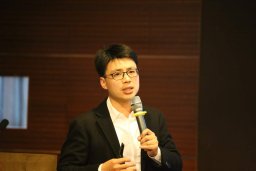 Gangyong Jia合作论文数University of Science and Technology of China (USTC),40
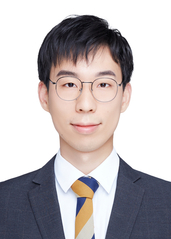 Li
Liu (刘立)合作论文数School of Artificial Intelligence and Computer Science, Jiangnan University37Hao Wang合作论文数32
Li
Liu (刘立)合作论文数School of Artificial Intelligence and Computer Science, Jiangnan University37Hao Wang合作论文数32 Sammy Chan (陳志雄)合作论文数Department of Electrical Engineering, City University of Hong Kong29
 Yan Peng (彭艳)合作论文数School of Future Technology, Shanghai University;Institute of Artificial Intelligence, Shanghai University;Research Institute of USV Engineering, Shanghai University27
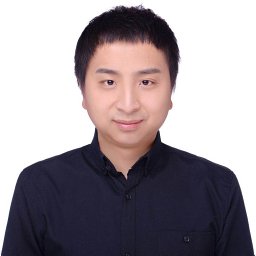 Chuan Lin合作论文数Northeastern University26JinDong Wang (王金东)合作论文数24Wenbo Zhang合作论文数23
 Yuanguo Bi (毕远国)合作论文数School of Computer Science and Engineering, Northeastern University21JiYong Wang (王济勇)合作论文数20
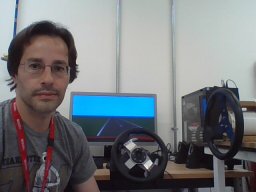 Miguel Martinez-Garcia合作论文数Loughborough Univ, Dept Aeronaut & Automot Engn, Loughborough LE11 3TU, Leics, England19Liangtian Wan合作论文数19
 Tao Lin (林涛)合作论文数Department of Electronic Science and Technology, School of Microelectronics, Tongji University18
 Jiaxin Du合作论文数School of Software, Dalian University of Technology, Dalian, China16
 Tongwei Zhang合作论文数Natl Deep Sea Ctr, Qingdao 266237, Peoples R China14
 Chunsheng Zhu合作论文数12
 Jaime Lloret Mauri合作论文数Department of Communications, Polytechnic University of Valencia12
 Weiwei Yuan (原伟伟)合作论文数Department of Computer Engineering, Kyung Hee University12Donghai Guan合作论文数12
 Chenyu Zhang合作论文数12James Adu Ansere合作论文数Sunyani Technical University11
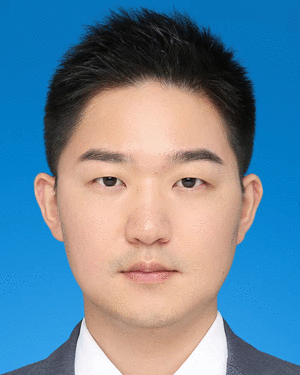 Yu He合作论文数College of Internet of Things Engineering, Hohai University, 200 North Jinling Road, Changzhou 213022, China11
 Deokjai Choi合作论文数10
 Huihui Xu合作论文数10
 Xuan Yang合作论文数Google DeepMind9
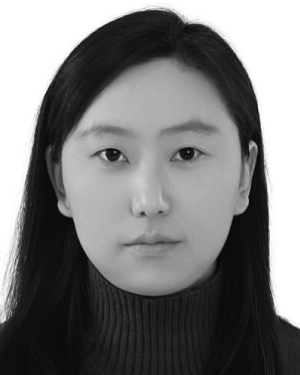 Aohan Li合作论文数8
 Wael Guibene合作论文数Mobile Communications Department, EURECOM8
 Naixing Feng合作论文数Sch. of Electron. & Inf. Eng., Tianjin Polytech. Univ.;c;Sch. of Electron. & Inf. Eng., Tianjin Polytech. Univ.7Hui Guo合作论文数7Aihua Qian合作论文数7
 Ning Sun (孙宁)合作论文数College of Information Science and Engineering, Hohai University7
 Yujie Qian (钱玉洁)合作论文数College of Artificial Intelligence and Automation, Hohai University7
 YongXin Feng合作论文数沈阳理工大学7Jiyong Wang合作论文数7Wontaek Lim合作论文数7Yuhui Dong合作论文数7




