With the rapid development of information and communication technologies, the Internet of Things (IoT) has gradually become a key infrastructure supporting the development of the digital society [...]
Currently, increasing attention is being devoted to the optimization of routing schemes in the field of distributed data collection, as effective data collection relies on efficient data transmission and routing. The crucial role in data transmission is played by routing schemes, while their practical application is constrained by issues such as energy limitations of sensor nodes and security concerns in data transmission. Comparatively popular planar-based and hierarchical-based routing schemes in this field have been investigated over the past five years in this study, objectively evaluating the performance of widely used routing schemes, examining the advantages and disadvantages of current routing scheme improvements, and proposing future research directions. The practical application of routing schemes in this field will be advanced by our work.
IntroductionDiabetic nephropathy (DN) is the leading cause of end-stage renal disease. Due to its complex pathogenesis, new therapeutic agents are urgently needed. Orthosiphon aristatus (Blume) Miq., commonly known as kidney tea, is widely used in DN treatment in China. However, the mechanisms have not been fully elucidated.MethodsWe used db/db mice as the DN model and evaluated the efficacy of kidney tea in DN treatment by measuring fasting blood glucose (FBG), serum inflammatory cytokines, renal injury indicators and histopathological changes. Furthermore, 16S rDNA gene sequencing, untargeted serum metabolomics, electron microscope, ELISA, qRT-PCR, and Western blotting were performed to explore the mechanisms by which kidney tea exerted therapeutic effects.ResultsTwelve polyphenols were identified from kidney tea, and its extract ameliorated FBG, inflammation and renal injury in DN mice. Moreover, kidney tea reshaped the gut microbiota, reduced the abundance of Muribaculaceae, Lachnoclostridium, Prevotellaceae_UCG-001, Corynebacterium and Akkermansia, and enriched the abundance of Alloprevotella, Blautia and Lachnospiraceae_NK4A136_group. Kidney tea altered the levels of serum metabolites in pathways such as ferroptosis, arginine biosynthesis and mTOR signaling pathway. Importantly, kidney tea improved mitochondrial damage, increased SOD activity, and decreased the levels of MDA and 4-HNE in the renal tissues of DN mice. Meanwhile, this functional tea upregulated GPX4 and FTH1 expression and downregulated ACSL4 and NCOA4 expression, indicating that it could inhibit ferroptosis in the kidneys.ConclusionOur findings imply that kidney tea can attenuate DN development by modulating gut microbiota and ferroptosis, which presents a novel scientific rationale for the clinical application of kidney tea.
In the realm of online social networks (OSNs), it has become increasingly crucial to analyze user behavior, establish trustworthy relationships to mitigate social risks, enhance security, and safeguard privacy. Trust evaluation is widely acknowledged as an effective approach for detecting internal attacks and identifying compromised nodes, and deep learning technology can significantly enhance its performance. However, there remains a notable gap for a review paper focused on trust evaluation utilizing deep learning techniqueswithin OSNs. Therefore, conducting a state-of-the-art review on this subject has become imperative. We analyze and compare some recent related research, summarizing prevalent challenges and open issues while proposing optimization strategies to address them. For instance, graph-based neural networks methods often grapple with exponentially increasing computational complexity as network size expands, and imbalanced datasets typically lead to reduced model accuracy and generalization. Lastly, it presents several promising avenues for future research in the field.
As one of data sources in cloud–edge–terminal collaboration enabled artificial intelligence of things (CETC-AIoT), the integrity and confidentiality of sensed information in the terminal side directly impact on the modeling and decision-making for CETC-AIoT. However, due to openness of transmission media among cloud, edge and terminal, it could be vulnerable to pollution attack and eavesdropping attack. Additionally, the constrained resources of some terminals make it difficult to deploy strong security schemes. In this context, how to make a tradeoff between the requirement of security and the limitation of resources needs to be explored. Therefore, toward secure and lightweight data transmission for CETC-AIoT, we propose a novel Gold sequence-based secure network coding (GS-SNC) scheme in this article. Specifically, the Gold sequence is introduced to generate the pseudo-random sequence, which is used to scramble and descramble the original information. The precoding matrix is constructed to encode and decode the scrambled information. The intermediate nodes perform the random linear network coding. The simulation results show that GS-SNC has advantages compared with double prime numbers-based secure network coding (DP-SNC) and secure practical network coding (SPOC), in terms of security, computational complexity, encryption capacity, and space overhead.
With the rapid development and widespread application of Internet of Things (IoT) technology, we are in an era of digital transformation, where the integration between the physical and digital worlds continues to deepen [...]
As a pivotal defense mechanism against cyber-attacks, the intrusion detection system (IDS) is widely recognized. The remarkable accuracy exhibited by IDS in detecting various types of intrusions, owing to the leverage of deep learning (DL), prompts a surge in research endeavors aimed at DL-based IDS design. To facilitate researchers' access to the latest breakthroughs, we delve into recent advancements in DL-based IDS proposed over the past years. These works are systematically categorized into two main application domains: computer networks and the Internet of Things (IoT), and their methodology, accuracy performance, advantages, and disadvantages undergo scrutiny in each work, fostering an insightful comparison. Subsequently, meticulous examination and deliberation are conducted on the shared traits and distinctive features across these works. Drawing from the collective insights gleaned from the reviewed literature, the current developmental landscape is synthesized, and prospective research directions for future works are delineated in the conclusion.
Hyperuricemia (HUA), a metabolic disease caused by excessive production or decreased excretion of uric acid (UA), has been reported to be closely associated with a variety of UA transporters. Clerodendranthus spicatus (C. spicatus) is an herbal widely used in China for the treatment of HUA. However, the mechanism has not been clarified. Here, the rat model of HUA was induced via 10% fructose. The levels of biochemical indicators, including UA, xanthine oxidase (XOD), adenosine deaminase (ADA), blood urea nitrogen (BUN), and creatinine (Cre), were measured. Western blotting was applied to explore its effect on renal UA transporters, such as urate transporter1 (URAT1), glucose transporter 9 (GLUT9), and ATP-binding cassette super-family G member 2 (ABCG2). Furthermore, the effect of C. spicatus on plasma metabolites was identified by metabolomics. Our results showed that C. spicatus could significantly reduce the serum levels of UA, XOD, ADA and Cre, and improve the renal pathological changes in HUA rats. Meanwhile, C. spicatus significantly inhibited the expression of URAT1 and GLUT9, while increased the expression of ABCG2 in a dose-dependent manner. Metabolomics showed that 13 components, including 1-Palmitoyl-2-Arachidonoyl-sn-glycero-3-PE, Tyr-Leu and N-cis-15-Tetracosenoyl-C18-sphingosine, were identified as potential biomarkers for the UA-lowering effect of C. spicatus. In addition, pathway enrichment analysis revealed that arginine biosynthesis, biosynthesis of amino acids, pyrimidine metabolism and other metabolic pathways might be involved in the protection of C. spicatus against HUA. This study is the first to explore the mechanism of anti-HUA of C. spicatus through molecular biology and metabolomics analysis, which provides new ideas for the treatment of HUA.
High-efficiency and low-cost knowledge sharing can improve the decision-making ability of autonomous vehicles by mining knowledge from the Internet of Vehicles (IoVs). However, it is challenging to ensure high efficiency of local data learning models while preventing privacy leakage in a high mobility environment. In order to protect data privacy and improve data learning efficiency in knowledge sharing, we propose an asynchronous federated broad learning (FBL) framework that integrates broad learning (BL) into federated learning (FL). In FBL, we design a broad fully connected model (BFCM) as a local model for training client data. To enhance the wireless channel quality for knowledge sharing and reduce the communication and computation cost of participating clients, we construct a joint resource allocation and reconfigurable intelligent surface (RIS) configuration optimization framework for FBL. The problem is decoupled into two convex subproblems. Aiming to improve the resource scheduling efficiency in FBL, a double Davidon–Fletcher–Powell (DDFP) algorithm is presented to solve the time slot allocation and RIS configuration problem. Based on the results of resource scheduling, we design a reward-allocation algorithm based on federated incentive learning (FIL) in FBL to compensate clients for their costs. The simulation results show that the proposed FBL framework achieves better performance than the comparison models in terms of efficiency, accuracy, and cost for knowledge sharing in the IoV.
Various security threats are faced by the Internet of Things (IoT) as it enriches people's daily lives. Intrusion detection is employed as an effective method to mitigate these threats, encompassing Botnet, DDoS, and Scan attacks. Due to the rapid development of machine learning technology in recent years, deep neural networks (DNNs) emerge as powerful models utilized to significantly enhance the accuracy performance of intrusion detection systems (IDSs) and to increase their adaptability to dynamic networks. In this paper, related works proposed in the last three years are collected and selected, considering both traffic-based and behavior-based intrusion detection. Subsequently, a study and analysis of these related works is conducted. Additionally, we compare their techniques utilized, results, advantages, and disadvantages. Finally, we analyze the existing challenges and open issues and suggest some insightful future research works.
Background: The incidence of gouty arthritis (GA) has gradually increased, and modern drug therapies have obvious side effects. Guizhi Shaoyao Zhimu Decoction (GSZD), a classic prescription in Traditional Chinese Medicine for treating various osteoarthritis, has shown significant advantages in curing GA.Purpose: To verify the therapeutic effect of GSZD on GA and investigate its potential pharmacological mechanism via integrated analysis of the gut microbiota and serum metabolites for the first time.Methods: The chemical composition of GSZD was determined using UPLC-MS. The GA rat model was established by the induction of a high-purine diet combined with local injection. We examined the effects and mechanisms of GSZD after 21 d using enzyme-linked immunosorbent assays, 16S rRNA, and non-targeted metabolomics. Finally, correlation analysis and validation experiment were performed to explore the association among the gut microbiota, serum metabolites, and GA-related clinical indices.Results: In total, 19 compounds were identified as GSZD. High-purine feedstuff with local injection-induced arthroceles were significantly attenuated after GSZD treatment. GSZD improved bone erosion and reduced the serum levels of inflammatory factors (lipopolysaccharide, tumor cell necrosis factor-α, and interleukin) and key indicators of GA (uric acid). 16S rRNA analysis indicated that GSZD-treated GA rats exhibited differences in the composition of the gut microbiota. The abundance of flora involved in uric acid transport, including Lactobacillus, Ruminococcaceae, and Turicibacter, was elevated to various degrees, whereas the abundance of bacteria involved in inflammatory responses, such as Blautia, was markedly reduced after treatment. Moreover, serum metabolite profiles revealed 27 different metabolites associated with the amelioration of GA, which primarily included fatty acids, glycerophospholipids, purine metabolism, amino acids, and bile acids, as well as primary metabolic pathways, such as glycerophospholipid metabolism and alanine. Finally, correlation analysis of the heat maps and validation experiment demonstrated a close relationship among inflammatory cytokines, gut microbial phylotypes, and metabolic parameters.Conclusion: This study demonstrated that GSZD could modulate the gut microbiota and serum metabolic homeostasis to treat GA. In addition, the application of gut microbiota and serum metabolomics correlation analyses sheds light on the mechanism of Traditional Chinese Medicine compounds in the treatment of bone diseases.
Cybersecurity, as a crucial aspect of the information society, requires significant attention. Fortunately, the concept of trust, originating from the field of sociology, has been under extensive research in order to enhance cybersecurity by evaluating the trustworthiness of nodes with artificial intelligence (AI) techniques in distributed networks (DNs). However, the scalability issues faced by AI-enabled trust hinder its integration with the DNs. Currently, there is a lack of a comprehensive review article that explores the current state of AI-enabled trust development applications. This paper aims to address this gap by providing a review of the state-of-the-art AI-enabled trust in DNs. This review focuses on the concept of trust and how it can be facilitated through AI, particularly utilizing machine learning and deep learning methods. Additionally, the paper provides a comprehensive comparison and analysis of three key domains in the field of AI-enabled trust: trust management (TM), intrusion detection system (IDS), and recommender systems (RS). Some open problems and challenges that currently exist in the field are manifested, and some suggestions for future work are presented.
For the application of intelligent and green transportation systems (e.g., autonomous driving), traffic congestion is a severe challenge. So far, when traffic congestion is perceived for a route, a common solution is searching for another congestion-free route. However, it is observed that not all congestion should be tackled with rerouting since the extra overhead (e.g., travel time, fuel consumption, and CO2 emission) caused by specific congestion might be lower than that of rerouting. Against this backdrop, a prediction-based route guidance method (PRGM) is proposed for intelligent and green transportation systems. To begin with, PRGM involves a novel hybrid and dynamic system architecture based on the collaboration of vehicle clusters and the cloud platform. Notably, a backup mechanism between adjacent cluster heads is designed to avoid the problem that the data might be lost during dynamic clustering. Furthermore, PRGM involves a novel traffic congestion control strategy, which is based on four procedures: 1) perception about traffic congestion with three indexes (i.e., speed index, dense index, and acceleration index); 2) judgment about congestion type with four defined congestion types; 3) prediction about congestion duration considering the formation of congestion (i.e., why and how the congestion is formed); and 4) route planning about vehicles considering congestion duration and the extra time overhead of rerouting. Simulations are performed, and they show that the proposed PRGM not only can perceive traffic congestion more precisely and timely but also can reduce the travel time, fuel consumption, and CO2 emission of vehicles.
Due to the technical characteristics and application scenarios of distributed networks, their nodes can easily be invaded and compromised. It will result in information being forged or tampered without difficulty. An effective scheme to guarantee the authenticity and integrity of information is judging how trustworthy nodes are in terms of transmission. In D-S evidence theory (DST), the uncertainty can be expressed to solve the trust fusion issue for multiple nodes. In this paper, for reviewing the DST-based trust evaluation and decision and providing their future research directions systematically. Meanwhile, the DST is briefly reviewed, and two improvements in DST are categorically described. The role and mechanism in DST-based trust models are compared and analyzed. The valuable research directions in the near future are represented. Our contributions could solve the trust problem in resource constrained sensor nodes and improve the decision reliability of network.
Objective: To observe the effects of different doses of asarum decoction on the morphology and functions of liver, kidney and lung in SD rats, and to investigate the toxicity of asarum to liver, kidney and lung. Methods: 50 SPF SD rats were randomly divided into the normal group, the low-dose group, the medium-dose group, the high-dose group and the extremely high-dose group, with 10 rats in each group.The normal group was given normal saline, the rest groups were given different doses of asarum decoction(3 g/kg, 6 g/kg, 12 g/kg and 24 g/kg) by intragastric administration for 28 days. Blood was collected from the tail vein on day 7, day 14, day 21 and day 28 to detect the serum levels of ALT, AST, CRE and BUN. The tissue samples of liver, kidney and lung were collected and stained with HE to observe the tissue morphology.Results: The alveolar wall was slightly thickened in the medium-dose group with a small amount of inflammatory cell infiltration. The serum level of ALT was significantly increased on day 14 and day 28(P <0. 05); the serum level of AST was significantly increased on day 28(P < 0. 05), there were hepatocyte granular degeneration, focal lymphocyte infiltration around local blood vessels, a small amount of inflammatory cell infiltration in renal tissue, moderate thickening of alveolar wall in lung tissues and a large number of lymphocyte inflammatory infiltrates in the high-dose group. In the extremely high-dose group, the serum level of ALT was significantly increased on day 14 and day 21(P < 0. 05), the serum level of ALT was significantly increased on day 14, day 21 and day 28(P < 0. 05, P < 0. 01), and the serum level of BUN was significantly increased on day 7 and day 21(P < 0. 05); there were granular degeneration of liver cells, loose and light stained granular cytoplasm, focal infiltration of local perivascular lymphocytes, a small amount of inflammatory cell infiltration in renal tissues with a moderate amount of collecting duct dilatation, thickening of alveolar wall in lung tissues, a large number of inflammatory infiltration of lymphocytes, and local epithelial cell shedding in bronchus. Conclusion: 6-24 g/kg asarum water decoction can induce different degrees of lung injury, 12-24 g/kg asarum water decoction can induce different degrees of liver and kidney injuries.
Vehicular edge computing (VEC) as a promising computing paradigm has accelerated the reformation of existing dominating computing infrastructures, enabling resource provisioning in close proximity to resource requestors. However, several challenges still exist, including efficient resource scheduling and management, dynamic wireless channel state, and limited bandwidth usage. To address these issues, we introduce the digital twin (DT) technology into VEC, enabling DTs of physical entities in VEC to achieve real-time offloading decision-making in the DT simulation cycle. In particular, we propose a DT-empowered VEC (DT-VEC) architecture, aiming to achieve efficient task offloading while considering extra latency incurred by task migration. We further put forward an efficient algorithm to minimize the response latency for all the tasks in the optimization period. The simulation results have proven that our approach outperforms the other two greedy approaches.
Cancer cells often exhibit defects in the execution of cell death, resulting in poor clinical outcomes for patients with many cancer types. Ferroptosis is a newly discovered form of programmed cell death characterized by intracellular iron overload and lipid peroxidation in the cell membrane. Increasing evidence suggests that ferroptosis is closely associated with a wide variety of physiological and pathological processes, particularly in cancer. Notably, various bioactive natural products have been shown to induce the initiation and execution of ferroptosis in cancer cells, thereby exerting anticancer effects. In this review, we summarize the core regulatory mechanisms of ferroptosis and the multifaceted roles of ferroptosis in cancer. Importantly, we focus on natural products that regulate ferroptosis in cancer cells, such as terpenoids, polyphenols, alkaloids, steroids, quinones, and polysaccharides. The clinical efficacy, adverse effects, and drug-drug interactions of these natural products need to be evaluated in further high-quality studies to accelerate their application in cancer treatment. Natural products play roles in cancer therapy by regulating ferroptosis.image
Recently, Artificial Intelligence (AI) has received more attention for being used in many applications. It is expected to play a key role in Vehicular Ad Hoc Networks (VANET). On the other hand, AI-enabled VANET (AI-VANET) has become an emerging field. However, its cyber security is facing enormous challenges. Although many trust schemes are proposed for addressing these issues, the reliance on only trust updates could increase the risk of long-term attacks before being detected. In this article, we design a human cognition-based trust update scheme (HC-TUS) for AI-VANET. Significantly, the novel trust update scheme is designed by strategically incorporating the Ebbinghaus forgetting theory. The simulation results indicate that 1) HC-TUS could better meet the principle of “Hard to get, easy to lose” for trust than BRSN and BTDS; 2) HC-TUS could detect and resist the collusion attack more quickly than BRSN and BTDS. The open issues in terms of trust for AI-VANET are also investigated and highlighted.
The advent of Intelligent Cyber-Physical Transportation Systems (ICTS) has not only accelerated the reformation and evolvement of smart transportation, but also ushered in a new era of vehicular applications. These applications typically impose stringent latency requirements and demand substantial computing resources. Vehicular edge computing (VEC) has emerged as an efficient solution to address these challenges, leveraging its inherent ability to provide ultra-low latency services. Existing studies primarily concentrate on either optimizing resource allocation or minimizing response latency, while ignoring the fact that the task execution in VEC is more susceptible to failures compared to cloud computing environments. Accordingly, we design a cost-efficient and failure-resistant task offloading strategy for VEC systems with the goal of minimizing the average response latency for all tasks. Specifically, our problem is modeled as a nonlinear multi-constraint continuous optimization problem, with tightly coupled optimization variables in the objective function and constraints. To tackle this issue, we initially decompose the optimization problem into per-slot optimization subproblems. Subsequently, we employ an effective algorithm with low time complexity to solve these subproblems in a slot-by-slot manner. We comprehensively evaluate the performance of our approach through extensive simulations, demonstrating that our method outperforms the baseline approaches in various aspects.
Doxorubicin induced cardiotoxicity (DIC) arises from mitochondrial dysfunction and oxidative stress. Oridonin (Ori), a natural tetracycline diterpenoid, has shown cardiac protective effect; however, its role in DIC remains unclear. This study investigates the protective effect of Ori against DIC and elucidates its underlying molecular mechanisms. The results demonstrate that Ori significantly alleviated DIC by improving myocardial structure, reducing the proportion of apoptotic cells, and alleviating the myocardial oxidative damage and mitochondrial dysfunction both in vivo and in vitro. Doxorubicin significantly decreased Sirt6 and PGC1α levels in cardiac tissues, which was reversed by Ori. Furthermore, Sirt6 overexpression significantly improved myocardial structure and reduced the proportion of apoptotic cells by reducing oxidative stress and improving mitochondrial function. The protective effect of Ori is neutralized by the Sirt6 inhibitor OSS_128167, evidenced by downregulated mRNA and protein expression of PGC1α. The transcription factor E2F1 was upregulated by doxorubicin, leading to decreased Sirt6 expression-an effect mitigated by Ori. Molecular docking simulations indicate direct binding between Ori and specific amino acid residues on E2F1 through hydroxyl bonds. These findings uncover a novel mechanism whereby Ori attenuates DIC by modulating the E2F1/Sirt6/PGC1α pathway.
 Lei Shu (舒磊)合作论文数College of Artificial Intelligence, Nanjing Agricultural University;NAU-Lincoln Joint Research Center of Intelligent Engineering;Beyond Intelligent Phytoprotection Research Institute, Nanjing Agricultural University;School of Engineering, College of Health and Science, University of Lincoln48
 Victor C.M. Leung (梁中明)合作论文数Artificial Intelligence Research Institute, Shenzhen MSU-BIT University;Department of Electrical and Computer Engineering, The University of British Columbia41
 Laurence Tianruo Yang (杨天若)合作论文数School of Computer and Artificial Intelligence, Zhengzhou University;School of Computer Science and Technology, Huazhong University of Science and Technology33
 Joel Rodrigues合作论文数Instituto de Telecomunicações22
 Guangjie Han (韩光洁)合作论文数College of Information Science and Engineering, Hohai University;Dalian University of Technology12
 Chaogang Tang合作论文数China University Mining and Technology11
 Lei Wang (王雷)合作论文数School of Software, Dalian University of Technology10
 Wenxiang Li合作论文数8
 Takahiro Hara (原隆浩)合作论文数Department of Multimedia Engineering, Graduate School of Information Science and Technology, Osaka University8
 Jibo Wei (魏急波)合作论文数National University of Defense Technology8
 Zhou, L.合作论文数7
 Xiping Hu (胡希平)合作论文数School of Medical Technology, Beijing Institute of Technology;Shenzhen MSU-BIT University7
 Yan Zhang (张彦)合作论文数School of Information and Communication Engineering, University of Electronic Science and Technology of China7
 Huan Zhou (周欢)合作论文数School of Computer Science, Northwestern Polytechnical University7
 Xianglin Wei合作论文数7
 Mohsen Guizani合作论文数Mohamed bin Zayed University of Artificial Intelligence6
 Zhihong Tian (田志宏)合作论文数Cyberspace Institute of Advanced Technology, Guangzhou University6
 Xiuhua Li (李秀华)合作论文数School of Big Data & Software Engineering, ChongQing University5
 Zhangbing Zhou (周长兵)合作论文数School of Information Engineering, China University Of Geosciences(Beijing)5
 Kun Wang (王堃)合作论文数Department of Electrical and Computer Engineering, University of California, Los Angeles5
 Bing Chen (陈兵)合作论文数College of Computer Science and Technology/College of Artificial Intelligence/College of Software, Nanjing University of Aeronautics and Astronautics5
 Shojiro Nishio (西尾章治郎)合作论文数Osaka University5Xiangping Zhai合作论文数5
 Huaming Wu (吴华明)合作论文数School of Mathematics, Tianjin University;Center for Applied Mathematics, Tianjin University4
 Xiaofei Wang (王晓飞)合作论文数School of Computer Science and Technology, College of Intelligence and Computing, Tianjin University4
 Hong Ji (纪红)合作论文数Key Laboratory of Universal Wireless Communications, Ministry of Educatio, Beijing University of Posts and Telecommunications;School of Information and Communication Engineering, Beijing University of Posts and Telecommunications4
 Liyun Zuo (左利云)合作论文数4
 Zhengguo Sheng合作论文数Department of Engineering and Design, School of Engineering and Informatics, University of Sussex;Sussex AI Joint Institute, ZJSU4
 Shoubin Dong (董守斌)合作论文数School of Computer Science & Engineering, South China University of Technology4
 Xiaodong Wang (王晓东)合作论文数National Key Laboratory of Parallel and Distributed Computing, National University of Defense Technology, China3
 Yanbin Sun (孙彦斌)合作论文数Guangzhou University3Yajie Ma合作论文数3
 Mithun Mukherjee (米森)合作论文数School of Artificial Intelligence, Nanjing University of Information Science and Technology3Shen Su合作论文数3
 Wei li合作论文数3
 Fei Hao (郝飞)合作论文数School of Computer Science, Shaanxi Normal University3
 Sammy Chan (陳志雄)合作论文数Department of Electrical Engineering, City University of Hong Kong3
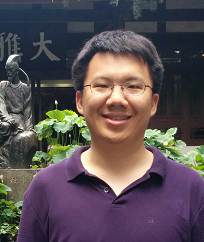 Xuan Dong (董譞)合作论文数School of Artificial Intelligence, Beijing University of Posts and Telecommunications3
 Jiehan Zhou合作论文数Tsinghua Univ, Tsinghua Univ.3Bin Chen合作论文数Anhui University3
 Hai Wang合作论文数Department of Finance, Information Systems, and Management Science, Sobey School of Business, Saint Mary's University3
 Qing Li (黎擎)合作论文数Department of Information Systems, Business Statistics and Operations Management, Business School, The Hong Kong University of Science and Technology3
 Shouzhi Xu合作论文数3
 Jing Qiu合作论文数3




