A phytochemical investigation of Cyclocarya paliurus leaves, traditionally consumed as a herbal tea, resulted in the isolation of 20 triterpenoids. Their structures were elucidated by extensive spectroscopic analysis, including 12 previously undescribed compounds (1-9, 12 and 14-15), while compounds 13, 18 and 20 were identified from this species for the first time. Among these undescribed compounds, 1-9 were characterized as A-seco dammarane-type tetracyclic triterpenoids, a class of tetracyclic triterpenoids rarely encountered in Nature. Network pharmacology combined with molecular docking was performed on all isolated compounds, demonstrating that several constituents could interact with key targets implicated in metabolic regulation, indicating promising metabolic activity. In a palmitate-induced insulin-resistant HepG2 cell model, most compounds significantly enhanced glucose consumption. Furthermore, three representative triterpenoids (4, 6 and 13) reduced intracellular lipid accumulation in a dose-dependent manner. These findings demonstrate that C. paliurus is a rich source of structurally diverse triterpenoids and provide a phytochemical basis for futher investigation of their potential roles in glucose and lipid metabolism.
Chimonanthus salicifolius has traditionally been used for the treatment of gastrointestinal disorders. In this study, a systematic phytochemical investigation of this plant was conducted, leading to the isolation and identification of two previously undescribed furan glycosides, salicifoliosides A (1) and B (2). Structurally, these compounds feature a rare structural motif consisting of an α,β-unsaturated furanone aglycone esterified with a p-coumaroyl unit, a combination scarcely reported in natural products. Spectroscopic and chemical analyses established that 1 and 2 are cis-trans geometric isomers, offering a unique framework to investigate configuration-dependent properties and expanding the structural diversity of furan glycosides. To evaluate their potential relevance to functional dyspepsia (FD), we adopted a prediction‑to‑validation strategy. Network pharmacology analysis and molecular docking identified matrix metalloproteinase-2 (MMP2) as a potential target. In a lipopolysaccharide (LPS)-stimulated Caco‑2 cell model, compounds 1 and 2 significantly inhibited the secretion of MMP2 and tumor necrosis factor-α (TNF-α), consistent with the earlier in silico predictions. Notably, compound 1 also reduced interleukin-2 (IL-2) levels, suggesting a configuration-dependent effect. This study highlights a previously unrecognized natural product scaffold and provides initial evidence linking its structure to anti-inflammatory activity, offering new insights into structure-activity relationship studies and drug discovery.
This research is the first to report the phytochemical investigation of Strobilanthes sarcorrhiza C. Ling. Thirty-three compounds were isolated and characterised (1 to 32), including a pair of undescribed isomers (1a and 1b), one undescribed phenolics (16), and 30 known compounds. Their structures were assessed via spectroscopic and chemical data. The protective effect of all compounds (62.5-500 nM) against lipopolysaccharide (LPS)-induced cytotoxicity in RAW 264.7 was tested. Compounds 1a, 1b, 10, 11-17, 21, 24, and 28-32 showed a significant increase in viability. The 1b potential targets against inflammatory diseases were predicted by network pharmacology, 43 pathways were identified, and chemokine signalling was significantly enriched. The 1b anti-inflammatory activities were further assessed in vitro in LPS-activated RAW 264.7 cells, which indicated that 1b exhibits an anti-inflammatory character by repressing p-AKT, p-PI3K, and p-NF-κB nuclear translocation and IL-6, TNF-α, and IL-1β expression. This research provides the basis for the application of S. sarcorrhiza as a natural anti-inflammatory agent.
Two novel sesquiterpenoids, wenyujinone J and wenyujinone K, alongside a new natural product (3), and three known sesquiterpenoids analogs (4-6), were isolated and identified from Curcuma wenyujin. The structures of the novel sesquiterpenoids were elucidated through comprehensive spectroscopic analysis and chemical methods. Their absolute stereochemistry was determined via electronic circular dichroism (ECD) spectroscopy and computational ECD analysis. The protective effect of all compounds (50-400 mu M) against high glucose-induced apoptosis in pulmonary microvascular endothelial cells (PMVECs) were evaluated. Compounds 4, 5 and 6, particularly compound 5, exhibited significant dose-dependent protective effects. Furthermore, treatment with compound 5 markedly upregulated the nuclear protein expression of phosphorylated protein kinase B (p-AKT).
Background The increasing prevalence of type 2 diabetes mellitus (T2DM) on a global scale has created a pressing demand for novel treatments. Gentianella turkestanorum (Gand.) Holub, a traditional Chinese herbal medicine, has been found to possess hypoglycemic effects. However, the mechanism of its action remains unclear. Objectives This study was to investigate the impact and mechanism of G. turkestanorum ’s water extract (WEG) in reducing insulin resistance (IR) in T2DM. Materials and Methods Db/db mice were administered WEG for 8 weeks, during which their body weight, blood glucose (BG), oral glucose tolerance test, islet tolerance test, fasting insulin, total cholesterol, triglyceride, high-density lipoprotein, and low-density lipoprotein were monitored. Additionally, tumor necrosis factor-α (TNF-α) and interleukin-6 (IL-6) levels in db/db mice were measured using enzyme-linked immunosorbent assay (ELISA). The study also evaluated the impact of WEG on liver injury through hematoxylin-eosin staining. The expression levels of key proteins and genes in both insulin signaling and inflammation-related pathways were detected using western blotting and real-time quantitative polymerase chain reaction. Results WEG has the potential to regulate glycolipid metabolism, reduce inflammation, and alleviate IR. The mechanism of action may involve promoting the insulin signaling pathway and inhibiting inflammation. Conclusion Gentianella turkestanorum could be a viable treatment option for T2DM and IR. Keywords , , chemical composition , T2DM , IR , inflammation
BACKGROUNDQizha Shuangye granules (QSG) comprise six traditional Chinese herbal medicines (TCHMs), which have a long history of treating hyperlipidemia (HLP) in China. This study aimed to evaluate the potential lipid-lowering effects of QSG in an HLP rat model and investigate possible mechanisms. The HLP rat model was induced by a high-fat diet. Lipid-related indicators in serum were detected. Serum and liver metabolites were investigated using a liquid chromatography-mass spectrometry-based metabolomics approach. A herb-compound-target-metabolite (H-C-T-M) network was further constructed to reveal the possible molecular mechanism of QSG to alleviate HLP.RESULTSThe administration of QSG inhibited the HLP-induced changes in total cholesterol, triglyceride, low-density lipoprotein cholesterol, high-density lipoprotein cholesterol, and non-esterified fatty acid (NEFA) levels. Additionally, QSG significantly attenuated the liver histopathological changes induced by HLP. Metabolomic analysis showed the serum and liver metabolic disorders presented in HLP rats. QSG can reverse the abnormal metabolism caused by HLP. Through network pharmacology analysis, key proteins such as androgen receptor, 3-hydroxy-3-methylglutaryl-CoA reductase, and peroxisome proliferator-activated receptor-alpha were screened out, and they were speculated to be possible therapeutic targets for QSG to treat HLP.CONCLUSIONThe present study integrated metabolomics and network pharmacology analysis to reveal the efficacy and possible mechanism of QSG in treating HLP, which provides a new reference for the research and development of QSG as a functional food. (c) 2023 Society of Chemical Industry.
Background The increasing prevalence of type 2 diabetes mellitus (T2DM) on a global scale has created a pressing demand for novel treatments. Gentianella turkestanorum (Gand.) Holub, a traditional Chinese herbal medicine, has been found to possess hypoglycemic effects. However, the mechanism of its action remains unclear. Objectives This study was to investigate the impact and mechanism of G. turkestanorum’s water extract (WEG) in reducing insulin resistance (IR) in T2DM. Materials and Methods Db/db mice were administered WEG for 8 weeks, during which their body weight, blood glucose (BG), oral glucose tolerance test, islet tolerance test, fasting insulin, total cholesterol, triglyceride, high-density lipoprotein, and low-density lipoprotein were monitored. Additionally, tumor necrosis factor-α (TNF-α) and interleukin-6 (IL-6) levels in db/db mice were measured using enzyme-linked immunosorbent assay (ELISA). The study also evaluated the impact of WEG on liver injury through hematoxylin-eosin staining. The expression levels of key proteins and genes in both insulin signaling and inflammation-related pathways were detected using western blotting and real-time quantitative polymerase chain reaction. Results WEG has the potential to regulate glycolipid metabolism, reduce inflammation, and alleviate IR. The mechanism of action may involve promoting the insulin signaling pathway and inhibiting inflammation. Conclusion Gentianella turkestanorum could be a viable treatment option for T2DM and IR.
花青素又称花色素,结构不稳定,在自然界中通常以花色苷的形式存在,作为天然抗氧化剂在自然界中广泛存在,营养价值高,资源丰富,具有抗氧化、抗肿瘤、改善视力、保护心血管、调节血糖、抗菌、抗炎、调节免疫等多种生物活性.总结了花青素类成分的药理作用,为花青素的深入研究提供参考.
胰岛素抵抗(Insulin Resistance,IR)是2型糖尿病(Type 2 diabetes,T2DM)最主要的发病机制之一.治疗T2DM的关键就是改善机体IR的状态.中医药在改善IR方面有其得天独厚的优势,近年来越来越多的医学工作者开始关注中医药在T2DM改善IR方面的作用,对其分子机制方面的研究也越来越深入.鉴于IR与慢性低度炎症之间错综复杂的关系,本文基于经典胰岛素传导及炎症信号两大类通路,从中药活性成分、提取物以及中药复方三个方面综述了近十年中药在改善IR的相关研究,旨在为中药治疗T2DM、改善IR的研究与治疗提供借鉴并为进一步的深入研究打下坚实的基础.
目的:对风轮菜地上部分70%乙醇提取物的正丁醇萃取部位进行化学成分研究.方法:综合运用硅胶、十八烷基硅烷键合硅胶(ODS)、Sephadex LH-20柱色谱及半制备高效液相色谱等方法对风轮菜地上部分70%乙醇提取物的正丁醇萃取部位进行分离纯化,并利用理化性质和波谱学特征进行结构鉴定.结果:从风轮菜的正丁醇萃取物中分离得到11个化合物,分别鉴定为3β,16β,23,28-四羟基-齐墩果烷-11(12),13(18)-二烯-3-O-β-D-吡喃葡萄糖基-(1→2)-β-D-吡喃葡萄糖苷(1)、3β,16β,23,28-四羟基-齐墩果烷-11(12),13(18)-二烯-3-O-[β-D-吡喃葡萄糖基-(1→2)]-[β-D-吡喃葡萄糖基-(1→3)]-β-D-吡喃葡萄糖苷(2)、柴胡皂苷a(3)、异落叶松脂素(4)、梣树脂酚(5)、8-羟基-7′-表松脂醇(6)、三角叶凤毛菊木脂素A(7)、柳叶柴胡酚(8)、异秦皮啶(9)、4-羟基-3-甲氧基苯基-1-丙烷-1,2-二醇(10)和布卢竹柏醇A(11).结论:化合物1和2为新化合物,分别命名为风轮菜皂苷F和风轮菜皂苷G,化合物4~11为首次从风轮菜中分离得到.
Background: The number of diabetic patients worldwide continues to increase. Diabetes mellitus (DM) has become one of the three chronic diseases threatening human health. Mangiferin is a kind of xanthone with multiple biological activities. Studies have confirmed that it has good activity in treating DM. Objectives: The purpose of our study was to investigate the targets and mechanism of mangiferin in the treatment of DM and to analyze its metabolites in vivo. Materials and Methods: We predict the targets and mechanism of mangiferin in DM in view of network pharmacology (NP). Mangiferin's targets were completed using Gene Cards, Swiss Target Prediction, and TCMSP database. DisGeNET database retrieved DM-related targets. The common targets were put into STRING platform to construct a protein-protein interaction (PPI) network model. DAVID platform and Cytoscape were used to achieve GO analysis and KEGG signal pathway enrichment analysis. Then, in metabolites study, LC-MS/MS was used to analyze the metabolites of mangiferin in plasma collected from SD rats. Results: A total of 37 targets for the coaction of mangiferin and DM were screened. Tumor necrosis factor (TNF), epidermal growth factor (EGF), prostaglandin-endoperoxide synthase 2 (PTGS2), estrogen receptor 1 (ESR1), hypoxia-inducible factor-1 alpha (HIF1A), nuclear factor-kappa B p65 (RELA), protein kinase C alpha (PRKCA), and Interleukin-2 (IL2) were selected as the most important targets. The biological functions related to DM were mainly enriched in the signaling pathway in phosphoinositide 3-kinase (PI3K)-protein kinase B (Akt), mitogen-activated protein kinase (MAPK), nuclear factor-kappa B (NF-kappa B), hypoxia inducible factor-1 (HiF-1), and mammalian target of rapamycin (mTOR). With reference to the obtained accurate relative molecular mass, chromatographic retention behavior, and characteristic fragment ions, a total of six metabolites including the original drug were analyzed and identified. Conclusion: This study provides key data for the mechanism of action and targets research on mangiferin, and it provides a basis for its further development into hypoglycemic drugs.
现代药理学研究表明蒙药诃子具有降低血糖的活性,但相关研究均不够深入.本研究运用UP-LC-LTQ-Orbitrap-MS分析法,对诃子水提物(water extract of Terminalia chebula,WET)的主要化学成分进行分析鉴定,得到化合物共107种,主要包含鞣质类、多酚类、黄酮类、挥发油类.通过CCK-8法检测WET对C2C12细胞增殖的影响后,对细胞进行胰岛素抵抗(insulin resistance,IR)造模,葡萄糖氧化酶法检测其对IR-C2C12细胞糖消耗的影响,确定其改善了IR的活性.而后进行蛋白质提取,Westernblot法检测相关蛋白质的表达.结果 发现:WET高浓度(500 μg/mL、250 μg/mL)具有促进IR-C2C12细胞葡萄糖消耗的作用,分别可使细胞葡萄糖消耗增加15.855%和7.943%.同时WET高低剂量均可升高IR-C2C12细胞的磷脂酰肌醇3激酶(phosphatidylinositol 3 kinase,PI3K)、3-磷酸肌醇依赖性蛋白激酶1(3-phosphoinositide dependent kinase 1,PDK1)、蛋白激酶B(protein kinase B,AKT)的表达量,WET高剂量对胰岛素受体底物-1(insulin receptor substrate-1,IRS-1)亦有明显升高作用.该研究结果显示:诃子水提物具有一定的改善C2C12细胞IR的作用,这可能与其激活PI3K/AKT通路有关.
Abstract Two new compounds, including a diterpenoid glycoside (1) and a triterpenoid glycoside (6), along with six known compounds were isolated from Clinopodium chinense. The structures of the new compounds were determined on basis of extensive spectral analysis and chemical method. Compounds 1–8 were evaluated for their insulin resistance effect and cytotoxic activity against the A549 and HepG2 cancer cell lines. None of the compounds were cytotoxic (IC50 > 100 μM), while compounds 1–3 and 5 showed the activity of ameliorating insulin resistance in HepG2. GRAPHICAL ABSTRACT
水蛭素(hirudin)为特异性凝血酶抑制剂,根据其来源可分为天然水蛭素和重组水蛭素两类.水蛭素具有抗凝、抗血栓、抗纤维化、抗细胞凋亡、舒血管和提高随意皮瓣成活率等多种药理作用,对于血管瘤、肝癌、动脉粥样硬化症、肾病综合征、高尿酸血症、输卵管炎性阻塞和白内障等疾病均具有显著的治疗作用.对近年来水蛭素的相关研究进行综述,为其进一步研发提供参考.
BACKGROUND:Diabetic cardiomyopathy (DCM) is a serious complication of diabetes that can lead to significant mortality. Cyclocarya paliurus is a tree, the leaves of which are often utilized to prevent and treat diabetes mellitus. Whether C. paliurus leaves can prevent or treat DCM, however, it remains to be formally assessed. The present study was therefore designed to assess the ability of C. paliurus to protect against DCM in db/db mice.METHODS:Male wild-type (WT) and db/db mice were administered C. paliurus ethanol leaf extracts (ECL) or appropriate vehicle controls daily via gavage, and levels of blood glucose in treated animals were assessed on a weekly basis. After a 10-week treatment, the levels of cardiac troponin I (cTn-I), lactate dehydrogenase (LDH), creatine kinase MB (CK-MB), aspartate transaminase (AST), total triglycerides (TG), and total cholesterol (TC) in serum were measured. Activities of malondialdehyde (MDA), superoxide dismutase (SOD), glutathione peroxidase (GSH-Px), and catalase (CAT) and the levels of tumor necrosis factor-α (TNF-α), interleukin-1β (IL-1β), and IL-6 in heart tissues were detected. Hematoxylin-eosin (HE) and Masson staining were conducted. The protein expression that related with oxidative stress and inflammatory reaction was evaluated by Western blotting.RESULTS:Compared with WT mice, the TG, TC, and blood glucose levels in db/db mice increased significantly, which were reduced by ECL treatment. Compared with WT mice, the levels of LDH, CK-MB, AST, and cTn-I in serum and MDA in heart tissues of db/db mice increased significantly. Activities of SOD, GSH-Px, and CAT in heart tissues of db/db mice decreased significantly. The levels of inflammatory cytokines (TNF-α, IL-1β, and IL-6) in heart tissues of db/db mice increased remarkably. However, ECL treatment improved the above pathological changes significantly. ECL alleviated pathological injury and fibrosis in heart tissues of mice. Western blotting showed that ECL increased Bcl-2 level and decreased Bax, cle-caspase-3, and cle-caspase-9 expression. Furthermore, ECL inhibited NF-κB nuclear translocation and increased PI3K and p-Akt expressions.CONCLUSION:Our results indicate that ECL treatment can markedly reduce pathological cardiac damage in db/db mice through antiapoptotic, antifibrotic, and anti-inflammatory mechanisms. Specifically, this extract was able to suppress NF-κB activation via the PI3K/Akt signaling pathway. Given its diverse activities and lack of significant side effects, ECL may thus have therapeutic value for the treatment of DCM.
目的 探讨芒果苷在体外的降糖效果及对胰岛素传导关键信号蛋白磷酸化蛋白激酶B[p-AKT(Thr308)]、磷酸化糖原合成激酶3β[p-GSK-3β(Ser9)]、腺苷酸活化蛋白激酶(AMPKα)、葡萄糖转运蛋白2(GLUT2)表达的影响.方法 培养HepG2细胞,用CCK-8法检测芒果苷对HepG2细胞增殖的影响;采用浓度为1×10⁻⁶ mol/L的胰岛素刺激细胞36 h建立胰岛素抵抗模型;用葡萄糖检测试剂盒检测芒果苷对胰岛素抵抗HepG2细胞葡萄糖消耗的影响,用western blot法探讨其可能的作用机制.结果 芒果苷浓度在>125μg/mL浓度后对HepG2细胞生长有抑制作用,故采用浓度为60、30、15μg/mL的芒果苷进行葡萄糖消耗实验,发现实验组与模型组比较,葡萄糖消耗量明显增加且具有显著性差异(P<0.01,P<0.05).western blot结果表明,与正常组比较,模型组p-AKT(Thr308)、p-GSK-3β(Ser9)、AMPKα、GLUT2蛋白表达明显降低且存在显著性差异(P<0.05);与模型组比较,实验组蛋白表达均明显增加,且高剂量组均存在显著性差异(P<0.01,P<0.05),低剂量组除GLUT2蛋白表达具有显著性差异(P<0.05),其他蛋白虽有增加但无统计学意义.结论 芒果苷对HepG2细胞胰岛素抵抗有改善作用,其作用机制可能是通过调控p-AKT(Thr308)、p-GSK-3β(Ser9)、AMPKα及GLUT2等蛋白的表达来改善2型糖尿病的胰岛素抵抗.
近年来,假龙胆属植物的研究逐步深入,该属植物有着相似的化学成分与药理作用.本研究通过对近20年的相关文献进行检索,对假龙胆属植物的化学结构与药理活性进行归纳整理,旨在为假龙胆属植物的进一步研究与发展提供参考.
目的:研究风轮菜Clinopodium chinense地上部分的化学成分.方法:采用大孔树脂、正相硅胶、反相十八烷基硅烷(ODS)、Sephadex LH-20等柱色谱和制备型高效液相色谱(HPLC)法进行分离纯化,利用核磁共振(NMR)等波谱学方法对化合物进行结构鉴定.结果:从风轮菜中分离得到化合物1,该化合物为3β,16β,23,28-四羟基-11α-甲氧基-30-醛基-齐墩果-12(13)-烯-3-O-[β-D-吡喃葡萄糖基-(1→2)]-β-D-吡喃葡萄糖基-(1→3)]-β-D-岩藻糖苷.结论:化合物1是1个新的齐墩果烷型的三萜皂苷,命名为风轮菜皂苷H(clinopodiside H).
目的:建立同时测定辅助降糖片中芦丁、异槲皮苷、槲皮素含量的方法.方法:采用高效液相色谱法.色谱柱:Thermo syncronis C18(250 mm×4.6 mm,5μm).流动相:乙腈(A)-0.1%甲酸水(B).梯度洗脱:0~5分钟,12%(B);5~15分钟,22%(B);15~25分钟,28%(B);25~30分钟,30%(B);30~40分钟,35%(B).流速:1 mL/min.柱温:35℃.检测波长:370 nm.进样量为20μL.结果:芦丁、异槲皮苷、槲皮素的进样量分别在50~1000 mg/L(r1=0.998)、20~600 mg/L(r2=0.997)、10~200 mg/L(r3=0.998)范围内与峰面积积分值呈良好线性关系;平均回收率分别为102.62%、98.58%、100.31%.结论:该方法准确、可靠、重复性良好可用于辅助降糖片的质量控制.
Background: Gentianella acuta (Michx.) Hulten is an important type of medicinal plant found in several Chinese provinces. It has been widely used in folk medicine to treat various illnesses. However, there is not enough detailed information about the chemical constituents of this plant or methods for their content determination. Objective: The focus of this work is the isolation and characterization of the major chemical constituents of Gentianella acuta, and developing an analytical method for their determination. Methods: The components of Gentianella acuta were isolated using (1) ethanol extraction and adsorption on macroporous resin. (2) and ethyl acetate extraction and high speed countercurrent chromatography. A HPLC-DAD method was developed using a C18 column and water-acetonitrile as the mobile phase. Based on compound polarities, both isocratic and gradient elution methods were developed. Results: A total of 29 compounds were isolated from this plant, of which 17 compounds were isolated from this genus for the first time. The main components in this plant were found to be xanthones. The HPLC-DAD method was developed and validated for their determination, and found to show good sensitivity and reliability. Conclusion: The results of this work add to the limited body of work available on this important medicinal plant. The findings will be useful for further investigation and development of Gentianella acuta for its valuable medicinal properties.
 Tonghua Liu (刘铜华)合作论文数Dongfang Hospital, Beijing University of Chinese Medicine114
 Yajuan Xu (徐雅娟)合作论文数Jilin Academy of Chinese Medicine Sciences;Jilin University41
 Wen Sun (孙文)合作论文数School of Traditional Chinese Medicine, Beijing University of Chinese Medicine34
 PengShou Li (李朋收)合作论文数32LingLing Qin (秦灵灵)合作论文数31ChunNa Li (李春娜)合作论文数29XiaoJuan Shi (时晓娟)合作论文数28Ying Wei (魏颖)合作论文数27
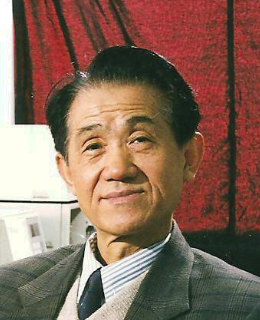 Dongming Xu (徐东铭)合作论文数Jilin Academy of Chinese Medicine Sciences26
 YangYang Liu (刘洋洋)合作论文数北京协和医学院 清华大学医学部 中国医学科学院25
 Yonghong Liu (刘永宏)合作论文数Key Laboratory of Tropical Marine Bio-Resources and Ecology, South China Sea Institute of Oceanology, Chinese Academy of Sciences;University of Chinese Academy of Sciences23XIE Sheng-Xu合作论文数21Zhao Baosheng合作论文数21DongChao Wang (王东超)合作论文数19
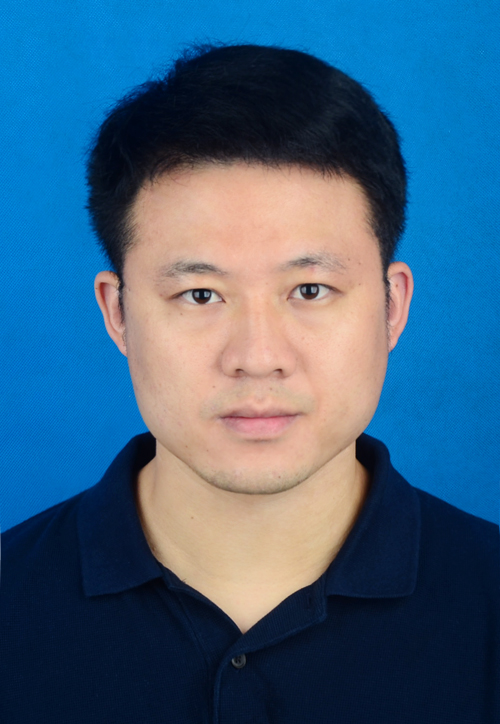 Yindi Zhu (朱寅荻)合作论文数School of Pharmaceutical Sciences, Wenzhou Medical University19ShuYuan Zhang (张舒媛)合作论文数18YunShan Si (司云珊)合作论文数18
 Xuefeng Zhou (周雪峰)合作论文数South China Sea Institute of Oceanology, Chinese Academy of Sciences;University of Chinese Academy of Sciences17
 Xianwen Yang合作论文数17HongFeng Zhao (赵宏峰)合作论文数16BingDuo Fan (范冰舵)合作论文数15
 Cuiyan Lv (吕翠岩)合作论文数Beijing Hospital of Traditional Chinese Medicine15Yue Liu合作论文数15YongQiao Liu (刘永巧)合作论文数14Bo Li (李博)合作论文数14
 Wenjing Zhao (赵文景)合作论文数Beijing Hospital of Traditional Chinese Medicine, Capital Medical University14Shuge Tian (田树革)合作论文数新疆医科大学13Qian Wei (魏茜)合作论文数13
 Shengrong Zhang (张胜容)合作论文数Beijing Hospital of Traditional Chinese Medicine, Capital Medical University13GUI Hai-shui (桂海水)合作论文数13Peng Xu (徐芃)合作论文数12Jing Zhang (张晶)合作论文数12
 Zhuhua Zhang (张竹华)合作论文数Beijing Hospital of Traditional Chinese Medicine12
 Xiangyu Guo (郭翔宇)合作论文数Dongfang Hospital, Beijing University of Chinese Medicine12LingXia Qu (屈玲霞)合作论文数11GuiMin Zheng (郑桂敏)合作论文数11JiaQi Gao (高佳琪)合作论文数11
 Xiaolei Jia (贾晓蕾)合作论文数Third Affiliated Hospital, Beijing University of Chinese Medicine11MeiLi Sun (孙美利)合作论文数10HaoXia Shi (石浩霞)合作论文数10Xuan Guo (郭璇)合作论文数9Lei Li (李蕾)合作论文数8Dong Han合作论文数8
 Lili Wu (吴丽丽)合作论文数School of Traditional Chinese Medicine, Beijing University of Chinese Medicine8
 Bin Yang (杨斌)合作论文数South China Sea Institute of Oceanology, Chinese Academy of Sciences;University of Chinese Academy of Sciences7Yunling Xu合作论文数7WU Yi-wei (伍一炜)合作论文数7HeYu Wang (王和宇)合作论文数7Lin-Yi Li合作论文数7




