BackgroundExposure to high-altitude hypoxia is associated with an increased risk of impaired brain structure and function, with oxidative stress and neuroinflammation widely recognized as key mechanisms involved. In this context, hyperbaric oxygen therapy is considered a potential intervention; however, the mechanism by which it affects cerebral function changes caused by high-altitude exposure remains to be further elucidated.ObjectiveThis study aims to explore and compare the therapeutic effects of normobaric oxygen (NBO) and hyperbaric oxygen (HBO) on high-altitude cerebral injury (HACI), and to elucidate the molecular mechanisms underlying their neuroprotective effects using transcriptomic profiling and targeted validation.MethodsA mouse model of high-altitude cerebral injury was established using a hypobaric hypoxia chamber. Mice were exposed to a simulated altitude of 7,000 m (approximately 9.8% O₂ at 0.47 ATA) for 3 consecutive days to induce severe hypoxia. Animals were divided into four groups: Control (Con), High-Altitude exposure (HH), post-HH treated with normobaric oxygen (NBO; 100% O₂ at 1.0 ATA for 1 h daily for 3 days), and post-HH treated with hyperbaric oxygen (HBO; 100% O₂ at 2.0 ATA for 1 h daily for 3 days). Brain tissues were analyzed using H&E staining, RNA sequencing (RNA-seq), Western blotting for key pathway proteins, immunofluorescence for glial cell activation, and ELISA for inflammatory cytokines. Oxidative stress markers (SOD, MDA, GSH, NO) were also assessed.ResultsHistopathological analysis confirmed cerebral damage in the HH group, which was significantly ameliorated by both HBO and NBO treatments. RNA-seq revealed widespread disruption of the cerebral transcriptome following high-altitude exposure. Oxygen therapy was associated with partial restoration of global gene expression patterns. KEGG pathway analysis highlighted significant enrichment in pathways related to NF-κB signaling, cytokine–cytokine receptor interaction, IL-17 signaling, and PI3K–AKT signaling. Subsequent targeted validation demonstrated that oxygen treatment reduced oxidative stress (increased SOD and GSH; decreased MDA and NO) and modulated the PI3K–AKT signaling pathway (increased p-AKT/AKT). Concurrently, oxygen therapy attenuated neuroinflammatory responses, inhibiting microglial and astrocytic activation, reducing pro-inflammatory cytokine levels (IL-1β, IL-6, TNF-α), and modulating the TLR4–NF-κB signaling axis (decreased TLR4 and p-p65/p65). HBO treatment was associated with broader modulation of several molecular pathways involved in oxidative stress and inflammation.ConclusionExisting evidence suggests that HBO may exert protective effects against altitude-related brain injury. This mechanism likely involves activating the PI3K–AKT/Nrf2 axis to alleviate oxidative stress and inhibiting the TLR4–NF-κB pathway to reduce neuroinflammation, thereby partially restoring transcriptional homeostasis. However, the causal relationships between these pathways and their interactions require further validation and refinement.
Introduction:Severe sudden sensorineural hearing loss (SSNHL) is a challenging otological emergency. Hyperbaric oxygen (HBO₂) treatment is an adjunctive treatment for SSNHL, improving oxygen supply and microcirculation and reducing oxidative stress. While HBO₂ is increasingly used for SSNHL, the temporal patterns of hearing recovery during extended treatment protocols remain poorly characterized. This study investigates the frequency-specific recovery patterns and speech recognition improvements during a 30-session HBO₂ protocol with concurrent steroid treatment in patients with severe SSNHL. Methods:This multi-center, retrospective cohort study included patients diagnosed with severe SSNHL at four medical centers from January 2019 to December 2024. Inclusion criteria included patients who initiated HBO₂ with steroids within five days of onset, completed 30 HBO₂ sessions, and underwent pure-tone audiometry and speech recognition assessments at specified intervals. A total of 103 patients receiving combined HBO₂ and steroid treatment were analyzed using SPSS. Results:Low-frequency hearing (125 Hz, 250 Hz, and 500 Hz) exhibited rapid recovery, with significant enhancements noted after ten sessions of HBO₂ (P < 0.05). In contrast, mid-frequency hearing (1000 Hz and 1500 Hz) and high-frequency hearing (2000 Hz) showed notable improvements after 20 and 30 sessions (P < 0.05), with the 30-session treatment resulting in greater enhancements compared to the 20-session treatment (P < 0.05). Speech recognition rates significantly improved after 20 and 30 sessions of HBO₂ compared to pre-treatment levels (P < 0.05), with the 30-session treatment showing statistically significantly higher rates than the ten-session HBO₂ (P < 0.05). Discussion:Hyperbaric oxygen treatment significantly enhances hearing and speech recognition in severe SSNHL, particularly in the mid-frequency range. Long-term HBO₂ treatment may be a viable option for these patients.
BACKGROUND:High-altitude cerebral edema (HACE) leads to cognitive decline, but the underlying cellular and molecular mechanisms remain unclear. METHODS:We established a mouse model of HACE under hypobaric hypoxia (simulating at an altitude of 6000 m) and analyzed hippocampal changes using single-cell RNA sequencing (scRNA-seq) and spatial transcriptomics (ST) at 3 days and 7 days post-exposure. RESULTS:Hypobaric hypoxia induced HACE and cognitive decline by altering the transcriptomic profiles and interactions of oligodendrocytes (MOL and MOL2) and neurons (ExN-L6-CT-2). Early upregulation of PI3K/mTOR in oligodendrocytes mitigated Rps29-bax-mediated ribosomal stress and oxidative phosphorylation, promoting survival and myelin repair. Prolonged hypoxia suppressed PI3K/mTOR, triggering apoptosis/autophagy via oxidative phosphorylation and ribosomal stress. Enhanced Tnfrsf21-App interactions between MOL2 and ExN-L6-CT-2 exacerbated neuroinflammation and cognitive decline. CONCLUSIONS:Our study reveals that HACE-induced cognitive impairment is closely associated with dysregulated ribosomal stress and oxidative phosphorylation and impaired neuroactive ligand-receptor interactions. Furthermore, we identify PI3K/mTOR dynamics, Rps29-bax-axis, and Tnfrsf21-App as novel regulators, offering potential therapeutic targets.
This study examined alterations in resting-state and task-state functional connectivity (FC) in patients with acute ischemic post-stroke nonfluent aphasia, using a combined resting-state functional magnetic resonance imaging and visuospatial working memory electroencephalography methodology. We recruited a case group (n=7) of patients with acute ischemic poststroke nonfluent aphasia and a matched healthy control group (n=7) with similar age, sex, and education levels. Resting-state FC analysis revealed significantly reduced bilateral interfrontal FC in patients, but enhanced FC within the executive control network. Task-state FC analysis showed stronger FC increases in the left hemisphere for non-target stimuli and task-averaged states, but in the right hemisphere for target stimuli. Five regions of interest (ROIs) were mapped: right inferior frontal gyrus (ROI1), left frontal gyrus (ROI2), left rolandic operculum (ROI3), left Broca’s area (ROI4), and its right-hemisphere homologue (ROI5). In the multimodal FC model of linguistic function subitems, increased F7-C3 connectivity, coupled with decreased ROI2-ROI3 connectivity was associated with enhanced memory and comprehension performance. Concurrent reductions in CP1-P4, ROI1-ROI5, and ROI3-ROI5 connectivity were linked to improvements in visuospatial processing and attention. Enhanced T7-CP1 connectivity paired with reduced ROI2-ROI4 connectivity correlated with improved logical reasoning abilities. Increased CP1-Pz connectivity covaried with enhanced ROI1-ROI4 connectivity, similarly benefiting memory and comprehension subdomains. A multimodal fusion approach examining intra- and interhemispheric FC across resting-state and task conditions, at both local and global scales, in acute nonfluent aphasia patients may elucidate stroke-related neurological deficits and compensatory language mechanisms.
Objective:The etiology and diagnosis of air embolism (AE), including approaches for prevention and management based on experimental and clinical data, have been presented. However, these publications may not reach all the intended audience (e.g., surgeons), and thus, the use of bibliometric analyses is encouraged. Methods:We queried the Web of Science database using bibliometric analysis to identify publications related to AE from 1995 to 2022. Results:The literature search retrieved 2463 publications that met the inclusion criteria. In AE research, the total number of articles published every year was 80±16, and it increased gradually in recent years. Many published articles and most of the top ten research institutions (8/10) were from the USA (n = 826, 33.5%). The USA also has the highest citations and the most extensive cooperation with most countries. However, the proportion of the top ten journals is not too high, and the quality of these papers is not sufficiently good. The mean number of citations for the top ten articles was 105.8 (range: 68-298). Moreover, ten authors contributed to 146 manuscripts from eight countries. A total of 7926 keywords were found. Among these, 135 were hotspot keywords that appeared at least 20 times. The keywords with strong citation bursts changed from dog to risk factors of AE (7.66 versus 9.81). Conclusions:We explore the citation relevance and collaboration map and their hotspots in AE and provide a foundational understanding of the research progress and trends of AE.
IntroductionWorking memory (WM) is suggested to play a pivotal role in relearning and neural restoration during stroke rehabilitation. Using EEG, this study investigated the oscillatory mechanisms of WM in subacute stroke.MethodsThis study included 48 first subacute stroke patients (26 good-recovery, 22 poor-recovery, based on prognosis after a 4-week period) and 24 matched health controls. We examined the oscillatory characteristics and functional connectivity of the 0-back WM paradigm and assessed their associations with prognosis.ResultsPatients of poor recovery are characterised by a loss of significant beta rebound, beta-band connectivity, as well as impaired working memory speed and performances. Meanwhile, patients with good recovery have preserved these capacities to some extent. Our data further identified beta rebound to be closely associated with working memory speed and performances.ConclusionsWe provided novel findings that beta rebound and network connectivity as mechanistic evidence of impaired working memory in subacute stroke. These oscillatory features could potentially serve as a biomarker for brain stimulation technologies in stroke recovery.
Objective. Accurate prediction of unmeasured muscle excitations can reduce the required wearable surface electromyography (sEMG) sensors, which is a critical factor in the study of physiological measurement. Synergy extrapolation uses synergy excitations as building blocks to reconstruct muscle excitations. However, the practical application of synergy extrapolation is still limited as the extrapolation process utilizes unmeasured muscle excitations it seeks to reconstruct. This paper aims to propose and derive methods to provide an avenue for the practical application of synergy extrapolation with non-negative matrix factorization (NMF) methods. Approach. Specifically, a tunable Gaussian-Laplacian mixture distribution NMF (GLD-NMF) method and related multiplicative update rules are derived to yield appropriate synergy excitations for extrapolation. Furthermore, a template-based extrapolation structure (TBES) is proposed to extrapolate unmeasured muscle excitations based on synergy weighting matrix templates totally extracted from measured sEMG datasets, improving the extrapolation performance. Moreover, we applied the proposed GLD-NMF method and TBES to selected muscle excitations acquired from a series of single-leg stance tests, walking tests and upper limb reaching tests. Main results. Experimental results show that the proposed GLD-NMF and TBES could extrapolate unmeasured muscle excitations accurately. Moreover, introducing synergy weighting matrix templates could decrease the number of sEMG sensors in a series of experiments. In addition, verification results demonstrate the feasibility of applying synergy extrapolation with NMF methods. Significance. With the TBES method, synergy extrapolation could play a significant role in reducing data dimensions of sEMG sensors, which will improve the portability of sEMG sensors-based systems and promotes applications of sEMG signals in human-machine interfaces scenarios.
Introduction: Hyaluronic acid (HA) fillers, popular for facial cosmetic enhancements, pose risks of vascular complications like skin necrosis due to arterial blockage, necessitating effective treatments such as hyperbaric oxygen therapy (HBOT). Methodology: This study presents a series of cases where measurements of transcutaneous oxygen pressure (TcPO2) informed the application of HBOT for skin necrosis induced by HA. Clinical presentation and outcomes: In cases 1 and 3, following the injection of HA, potential skin necrosis was observed. In addition to standard treatment, TcPO2 revealed values below 40 mmHg, indicating tissue hypoxia. Treatment with HBOT increased TcPO2 levels to above 200 mmHg, suggesting that HBOT could correct the hypoxia. Monitoring TcPO2 levels also aided in determining the optimal time to discontinue HBOT. In cases 2 and 4, patients received standard treatment, resulting in TcPO2 levels above 40 mmHg, indicating adequate tissue oxygenation, and no additional HBOT was administered. All four patients mentioned above showed good clinical recovery. Conclusion: This study investigates the application of TcPO2 measurement technology in aiding decisions on whether to utilize HBOT in the treatment of complications arising from HA fillers, as well as in optimizing HBOT protocols.
目的 探讨高压氧(HBO)对成年缺氧缺血性脑病大鼠白质损伤的作用机制.方法 48只 300~350 g的 10周龄、清洁级雄性SD大鼠采用完全随机化方法分为四组:对照组(不予任何处理)、假手术组(仅暴露双侧颈动脉后直接缝合皮肤)、模型组(结扎双侧颈动脉 2 周后将大鼠置于通 8%O2、92%N2 混合气的密闭箱中 3 h)、HBO组(在模型组基础上立即进行HBO处理),每组 12只.分别于造模前和第 4周通过水迷宫评价大鼠学习记忆功能;Fast Blue染色观察大鼠海马区白质髓鞘损伤;免疫荧光法测定大鼠海马区离子钙结合衔接分子 1(Iba-1)、胶质纤维酸性蛋白(GFAP)表达;Western blot法分析海马区髓鞘碱性蛋白(MBP)、白细胞介素(IL)-1β、IL-6 及肿瘤坏死因子(TNF-α)的蛋白表达.结果 假手术组与对照组平均潜伏期及平台穿越次数比较,差异无统计学意义(P>0.05).模型组平均潜伏期长于对照组,平台穿越次数低于对照组(P<0.05).HBO组平均潜伏期短于模型组,平台穿越次数高于模型组(P<0.05).假手术组与对照组比较,大鼠海马区染色程度基本相同,髓鞘无较大区别.模型组与对照组比较,大鼠海马区的染色程度减弱,髓鞘减少,部分区域出现空泡.HBO组与模型组比较,大鼠海马区染色程度好转,髓鞘增加及区域空泡明显减少.假手术组与对照组海马区GFAP阳性的活化星形胶质细胞和Iba-1 阳性的激活态小胶质细胞数量比较,差异无统计学意义(P>0.05).模型组海马区GFAP阳性的活化星形胶质细胞及Iba-1阳性的激活态小胶质细胞数量高于对照组(P<0.05).HBO组海马区GFAP阳性的活化星形胶质细胞及Iba-1阳性的激活态小胶质细胞数量低于模型组(P<0.05).假手术组与对照组MBP、IL-1β、IL-6和TNF-α表达比较,差异无统计学意义(P>0.05).模型组脑内MBP蛋白表达低于对照组,IL-1β、IL-6 和TNF-α表达高于对照组(P<0.05).HBO组脑内MBP蛋白表达高于模型组,IL-1β、IL-6和TNF-α蛋白表达水平低于模型组(P<0.05).结论 高压氧可能通过抑制海马区小胶质细胞和星形胶质细胞活化,减少炎症因子释放,减轻髓鞘损伤和促进髓鞘再生,从而改善成年缺氧缺血性脑病大鼠认知损害.
Abstract Background Despite progress in developing wound care strategies, there is currently no treatment that promotes the self-tissue repair capabilities. H2 has been shown to effectively protect cells and tissues from oxidative and inflammatory damage. While comprehensive effects and how H2 functions in wound healing remains unknown, especially for the link between H2 and extracellular matrix (ECM) deposition and epidermal stem cells (EpSCs) activation. Methods Here, we established a cutaneous aseptic wound model and applied a high concentration of H2 (66% H2) in a treatment chamber. Molecular mechanisms and the effects of healing were evaluated by gene functional enrichment analysis, digital spatial profiler analysis, blood perfusion/oxygen detection assay, in vitro tube formation assay, enzyme-linked immunosorbent assay, immunofluorescent staining, non-targeted metabonomic analysis, flow cytometry, transmission electron microscope, and live-cell imaging. Results We revealed that a high concentration of H2 (66% H2) greatly increased the healing rate (3 times higher than the control group) on day 11 post-wounding. The effect was not dependent on O2 or anti-reactive oxygen species functions. Histological and cellular experiments proved the fast re-epithelialization in the H2 group. ECM components early (3 days post-wounding) deposition were found in the H2 group of the proximal wound, especially for the dermal col-I, epidermal col-III, and dermis-epidermis-junction col-XVII. H2 accelerated early autologous EpSCs proliferation (1–2 days in advance) and then differentiation into myoepithelial cells. These epidermal myoepithelial cells could further contribute to ECM deposition. Other beneficial outcomes include sustained moist healing, greater vascularization, less T-helper-1 and T-helper-17 cell-related systemic inflammation, and better tissue remodelling. Conclusion We have discovered a novel pattern of wound healing induced by molecular hydrogen treatment. This is the first time to reveal the direct link between H2 and ECM deposition and EpSCs activation. These H2-induced multiple advantages in healing may be related to the enhancement of cell viability in various cells and the maintenance of mitochondrial functions at a basic level in the biological processes of life.
肺动静脉瘘(PAVF)是一种罕见的血管发育畸形疾病,其肺动脉与肺静脉通过扩张纡曲的血管进行血液交换,形成右向左分流.各种原因形成的栓子可通过右向左分流进入体循环,随血流在不同组织中形成栓塞,以脑栓塞最为常见.
Rationale:Cerebral arterial air embolism is a rare but potentially fatal complication of computed tomography (CT) guided lung biopsy. Hyperbaric oxygen (HBO2) is the first line of treatment for arterial gas embolism and needs to be administered immediately after the event. Early HBO2 can reduce the mortality rate of cerebrovascular air embolism.Patient Concerns:A 65-year-old woman was diagnosed with a pulmonary nodule with a diameter of approximately 0.8 cm in the right lower lung. The patient developed consciousness, convulsions, and arrhythmia after CT-guided lung biopsy.Diagnosis:Cranial CT revealed arborizing/linearly distributed gas in the right temporal, parietal, and occipital lobes and left frontal and parietal lobes. Chest CT showed a small amount of pneumothorax. Interventions: The patient was administered HBO2 twice and received other medical treatments and bone flap decompressive craniectomy.Outcomes:The patient developed multiple acute cerebral infarctions and even brain herniation complicated with acute myocardial infarction. Three months after the event, the patient's consciousness was still "open eyes coma" and GCS score was 8t points (E4VtM4). Head CT showed multiple cerebral infarctions and softening lesions. ECG showed sinus rhythm, normal range of the electrocardiogram axis, T wave change, and low voltage on the limb leads.Lessons:Cerebral arterial air embolism is a serious complication of CT-guided lung biopsy. The recommended standard HBO2 should be used as early as possible. However, too severe an injury caused by severe arterial air embolism may not be significantly improved by one to two sessions of HBO2.
A disintegrin and metalloproteinase 10 (ADAM10) plays an essential role in the regulation of survival, proliferation, migration, and differentiation of various neural cells. Nevertheless, the role of ADAM10 in oligodendrocyte precursors (OPCs) and myelination in the central nervous system (CNS) of developing and adult mouse brains is still unknown. We generated ADAM10 conditional knockout (ADAM10 cKO) mice lacking the ADAM10 gene primarily in OPCs by crossing NG2-Cre mice with ADAM10 loxp/loxp mice. We found that OPCs expressed ADAM10 in the mouse corpus callosum and the hippocampus. ADAM10 cKO mice showed significant loss of back hair and reduction in weight and length on postnatal (30 ± 2.1) day, died at (65 ± 5) days after birth, and exhibited the “anxiety and depression-like” performances. Conditional knockout of ADAM10 in OPCs resulted in a prominent increase in myelination and a decrease in the number of OPCs in the corpus callosum at P30 owing to premyelination and lack of proliferation of OPCs. Moreover, the number of proliferating OPCs and mature oligodendrocytes (OLs) also decreased with age in the corpus callosum of ADAM10 cKO mice from P30 to P60. Western blot and RT-PCR results showed that the activation of Notch-1 and its four target genes, Hes1, Hes5, Hey1, and Hey2, was inhibited in the corpus callosum tissue of ADAM10 knockout mice. In our study, we provided experimental evidence to demonstrate that ADAM10 is essential for modulating CNS myelination and OPC development by activating Notch-1 signaling in the developing and adult mouse brain.
Introduction: Hypoxic-ischemic encephalopathy (HIE) is one of the leading causes of death and neurological disability with limited options for treatment in neonates, children and adults worldwide. The pathogenesis and treatment of white matter (WM) injury in adult patients with HIE remains largely elusive.Methods: Sixty male Sprague-Dawley rats were randomly divided into control group, sham-operated group (HBO treatment 6 days after sham operation), and Hypoxia-ischemia (HI) induced brain damage group (receiving left carotid arteries ligation + hypoxia treatment), 1.5ATA hyperbaric oxygen group (HI + 1.5ATA HBOT) and 2.5ATA HBOT group (HI + 2.5ATA HBOT). All the rats were evaluated by water maze before operation, and 6 days after operation, and the function of learning and memory was evaluated; Demyelination in the hippocampus and prefrontal cortex was observed by Luxol fast blue staining (LFB) and MBP immunostaining; the number of Myelin Oligodendrocyte Glycoprotein (MOG), glial fibrillary acidic protein (GFAP), ionic calcium-binding adaptor (Iba-1) and NG2 positive cells in the hippocampus and prefrontal cortex were determined by immunofluorescence staining. The expression of interleukin-113 (IL-113), IL-6 and tumor necrosis factor (TNF-alpha), Hypoxia Inducible Factor 1 Subunit Alpha (HIF1-alpha) and Superoxide dismutase (SOD) in brain and serum of rats were measured by Western Blot method and Enzyme linked immunosorbent assay (ELISA).Results: Compared with those in the normal control group and sham-operated group, in the HI group, the learning and memory abilities of rats were significantly decreased (P < 0.05), the intensity of LFB and MBP immunostaining in hippocampus and prefrontal cortex was significantly decreased (P < 0.05); the number of MOG positive oligodendrocytes (OLs) significantly decreased (P < 0.05), whereas the number of Iba-1, GFAP, NG2 positive microglias, astrocytes and oligodendrocyte precursors (OPCs) was increased (P < 0.05); the level of IL 113, IL-6, TNF-alpha and HIF-1a in brain and serum were significantly increased (P < 0.05), whereas SOD was significantly decreased in brain and increased in serum. Compared with those in the HI group, in both 1.5ATA and 2.5ATA HBOT group, the learning and memory abilities were significantly increased (P < 0.05); the intensity of LFB and MBP immunostaining in the hippocampus and prefrontal cortex was significantly increased (P < 0.05); the number of MOG positive OLs significantly increased (P < 0.05); the number of Iba-1, GFAP, NG2 positive microglias, astrocytes and OPCs was decreased (P < 0.05); the level of IL-113, IL-6, TNF-alpha and HIF-1a in brain and serum were significantly decreased (P < 0.05); the level of SOD was significantly increased in brain and decreased in serum. Morever, compared with those in the 1.5ATA group, 2.5ATA provided better treatment results (P < 0.05).Conclusion: In the present study, we demonstrated the mechanism of different pressure HBOT on HI induced brain injury from three levels: (1) On a tissue level, HBOT protects against HI induced myelin injury; (2) On a cellular level, HBOT attenuates HI-induced OL loss, suppresss the reactive activation of astrocyte and microglia, and may promote OPC to differentiate into OL; (3) On a molecular level, HBOT inhibites neuroinflammation, and balances oxidative damage and antioxidant capacity. Among the above effects, 2.5ATA HBOT is better than 1.5ATA HBOT. Ongoing research will continue to seek out the signalling pathways and molecules mechanisms on different pressure of HBOT-related myelin protection, and possibly expand suitable HBOT use in adult HIE clinically.
Objective: Clinical manifestations, imaging findings, pathologic features, and genetic mutations of Chinese adult patients with cerebrotendinous xanthomatosis (CTX) were analyzed in order to achieve a greater understanding of CTX that can improve early detection, diagnosis, and treatment. Methods: Clinical data including medical history, neurologic and auxiliary examinations, imaging findings, and genetic profile were collected for an adult patient with CTX admitted to the Sixth Medical Center of Chinese People's Liberation Army General Hospital in August 2020. Additionally, a systematic review of genetically diagnosed Chinese adult CTX cases reported in major databases in China and other countries was performed and age of onset, first symptoms, common signs and symptoms, pathologic findings, imaging changes, and gene mutations were analyzed. Results: The proband was a 39-year-old female with extensive, early-onset nervous system manifestations including cognitive dysfunction and ataxia. Systemic lesions included juvenile cataract and a tendon mass. Cranial magnetic resonance imaging revealed cerebral atrophy, symmetric white matter changes predominantly in the pyramidal tract, and lesions in the cerebellar dentate nucleus. A novel homozygous mutation in the sterol-27-hydroxylase (CYP27A1) gene (c.1477-2A>C) was identified. There were no family members with similar clinical presentation although some were carriers of the c.1477-2A>C mutation. The patient showed a good response to deoxycholic acid treatment. Totally there were 56 cases of adult CTX patients in China, mostly in East China (31/56, 55.4%), at a male-to-female ratio of 1.8 to 1. Multiple organs and tissues including nervous system, tendon, lens, lung, and skeletal muscle were affected in these cases. The most common neurologic manifestations were cognitive dysfunction (44/52, 84.6%) and ataxia (44/51, 86.3%). The cases were characterized by early onset, chronic progressive damage of multiple systems, long disease course, and delayed diagnosis, making the disease difficult to manage clinically and resulting in poor prognosis. The 2 most common genetic mutations in Chinese adult CTX patients were c.1263+1G>A and c.379C>T. Exon 2 of the CYP27A1 gene was identified as a mutation hot spot. Conclusions: Chinese adult patients with CTX have complex clinical characteristics, a long diagnostic cycle, and various CYP27A1 gene mutations. Early diagnosis and intervention can improve the prognosis of these patients.
A 17-year-old girl presented with a long history of cognitive impairment, personality and behavioral changes, dysarthria, and paroxysmal lower-extremity weakness. She was initially suspected of having mitochondrial encephalomyopathy with lactic acidosis and stroke-like episodes because of stroke-like symptoms, such as episodic lower-extremity weakness, as well as abnormal brain MRI findings of generalized cerebral atrophy, extensive high-intensity lesions in the cortex and subcortical white matter on fluid-attenuated inversion recovery images, decreased N-acetyl aspartate/creatine ratio, and a lactate peak in the focal area on spectrum images. However, there were no relatives with similar presentations in the family of the patient. The whole mitochondrial genome and whole-exome sequencing did not suggest pathogenic mutations, and no abnormalities were found in the blood or CSF lactate levels. In this case, we detail the clinical manifestations, diagnostic workup, and imaging findings. This case highlights the importance of assessing cognitive function and the relevant differential diagnoses in an adolescent with cognitive impairment.
Objective:To explore the curative effect of synchronous bionic electrical stimulation in hyperbaric oxygen chamber on patients with sudden deafness(SD)and the changes in hemorheological indicators.Methods:A total of 128 SD outpatients and inpatients treated at the Hyperbaric Oxygen Department of the Sixth Medical Center of the Chinese PLA General Hospital from June 2020 to June 2021 were randomly divided into study group(70 cases treated with synchronous brain bionic electrical stimulator in hyperbaric oxygen chamber)and control group(58 cases given conventional hyperbaric oxygen therapy),respectively. The curative effects of the two groups were evaluated,and the hemorheological indicators,such as the whole blood(high-shear and low-shear)viscosity,plasma viscosity,and red blood cell aggregation,were analyzed by the automatic biochemical analyzer before and after treatment.Results:After two courses of treatments,the overall effective rate of the study group(88.57%)was significantly higher than that of the control group(79.31%),and the difference was statistically significant( P<0.05). After treatment,the whole blood(high-shear and low-shear)viscosities,plasma viscosity,and erythrocyte aggregation indicators of the two groups were significantly decreased compared with those before treatment( P<0.05),and the above indicators in the study group were significantly lower than those in the control group( P<0.05). Conclusions:Synchronous brain bionic electrical stimulation in the hyperbaric oxygen chamber can improve the hemorheological indicators of the SD patients,reduce their blood hypercoagulability,and improve their hearing level and treatment effect. Hence,it is worth of clinical promotion.
Background Neuronal intranuclear inclusion disease (NIID) is a rare chronic progressive neurodegenerative disease, with complex and diverse clinical manifestations and pathological eosinophilic hyaline intranuclear inclusions in the central and peripheral nervous systems and visceral organs. Improvements in diagnostic methods such as skin biopsy and gene testing are helpful in revealing the clinical and genetic characters of NIID. Materials and methods We presented two cases of NIID diagnosed by using NOTCH2NLC gene testing and skin biopsy. Diffusion weighted imaging (DWI) showed high linear intensity in corticomedullary junction. We also reviewed all the published NIID cases with positive NOTCH2NLC GGC repeat expansion and skin biopsy results in PubMed. Results Patient 1 was a 63-year-old male who carried 148 GGC repeats and presented with progressive tremor and limb weakness. Patient 2 was a 62-year-old woman who carried 131 GGC repeats and presented with tremors, memory loss and headaches. The most common clinical manifestation of 63 NIID patients in this study was cognitive impairment, followed by tremors. In our study, almost all the patients were from East Asia, the male to female ratio was 1:1.26, with an age of onset of 54.12 ± 14.12 years, and an age of diagnosis of 60.03 ± 12.21 years. Symmetrical high signal intensity at the corticomedullary junction on DWI were revealed in 80.96% of the patients. For the GGC repeat numbers, the majority of GGC repeats were in the 80–119 intervals, with few GGC repeats above 160. The number of GGC repetitions was significantly higher in patients presented with muscle weakness than in other clinical manifestations. Conclusion NIID is a neurodegenerative disease caused by aberrant polyglycine (polyG) protein aggregation. NIID mostly occurs in the elderly population in East Asia, with cognitive dysfunction as the most common symptom. Staging NIID based on clinical presentation is inappropriate because most patients with NIID have overlapping symptoms. In our study, there was no significant correlation between the number of GGC repeats and different phenotypes except for muscle weakness. Abnormal trinucleotides repeat and PolyG protein aggregation maybe common pathogenic mechanism in neurodegenerative diseases and cerebrovascular diseases, which needs to be confirmed by more studies.
目的 观察预防使用小剂量阿司匹林的老年自发性脑出血患者在急性期的出血量及出血进展情况.方法 回顾性收集2015年1月1日~2021年7月31日发病<6 h就诊于解放军总医院第六医学中心及第八医学中心的老年自发性脑出血患者105例.根据患者既往是否使用阿司匹林分为:预防使用阿司匹林组31例(用药组),未预防使用阿司匹林组74例(未用药组),分别收集患者的一般临床资料、阿司匹林使用剂量、用药规律性及时间等,调取发病<6 h及6~72 h的CT断层扫描资料,人工判断血肿形状(Barras量表).使用倾向性评分匹配方法,去除未匹配数据降低混杂因素干扰后,评估2组匹配后基线水平差异,比较2组患者的出血量、出血进展及血肿形状的差异.结果 倾向性匹配前用药组冠心病、脑梗死比例显著高于未用药组(48.4%vs 21.6%,P=0.006;58.1%vs 32.4%,P=0.014);用药组CT2出血量(>45 cm3)分层比例显著高于未用药组(32.3%vs 14.9%,P<0.05).用药组CT1相对不规则血肿形状比例显著高于未用药组(71.0%vs 43.2%,P<0.05).结论 预防使用阿司匹林可能导致老年自发性脑出血患者发生大量出血的风险增加并存在出血增大的风险.
随着高压氧(HBO)医学的发展,HBO疗法在临床疾病方面的应用越来越广泛。国内外大量研究显示,HBO在骨科领域应用广泛,对开放性骨创伤、软组织挤压伤、骨折及骨折后骨愈合不良、骨坏死、断肢再植术后、皮瓣移植、骨髓炎、脊髓及周围神经损伤、脊髓压迫症、关节运动损伤、骨放射性损伤等均具有较好的治疗效果。笔者主要从HBO疗效确定的骨科相关疾病如挤压伤(CI)、骨筋膜室综合征(SMCS)、糖尿病足、皮瓣移植、骨髓炎、股骨头坏死(ONFH)、脊髓损伤(SCI)等进行综合阐述,为临床治疗提供参考。
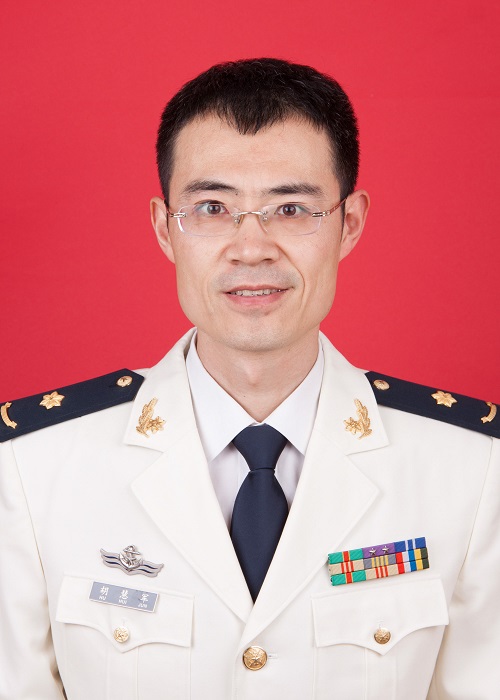 Huijun Hu (胡慧军)合作论文数The Sixth Medical Center of PLA General Hospital54
 Yu Zhang (张禹)合作论文数52
 Dazhi Guo (郭大志)合作论文数中国人民解放军海军总医院高压氧科51XiangEn Meng (孟祥恩)合作论文数46Yan Lv (吕艳)合作论文数39
 Xiaowen Pan (潘晓雯)合作论文数Hyperbaric Oxygen Center of PLA,Naval General Hospital,Beijing ,China32DunXiao Zhang (张敦晓)合作论文数19Dan-Feng Fan (范丹峰)合作论文数18HaiDong Wang (王海东)合作论文数15MingXin Li (李铭鑫)合作论文数14Hang Li合作论文数11Liang Zhang (张良)合作论文数10Juan Meng (孟娟)合作论文数9Li Na合作论文数9Jinjing Zhao (赵津京)合作论文数9YaNan Qi (齐亚南)合作论文数8Yuan Feng (冯园)合作论文数8Chen Yang (杨晨)合作论文数8JianFen Wei (魏建芬)合作论文数7Yan Yang (杨艳)合作论文数7Ruijun Xue合作论文数6NaiKeng Mai (麦乃铿)合作论文数6Hong Xiao (肖宏)合作论文数6Zhuohang Liu合作论文数5
 Pengxiang Zhao (赵鹏翔)合作论文数5Lin Li (李琳)合作论文数5Xiang-En Meng合作论文数4Ruijiao Sun (孙瑞佼)合作论文数4Zhenguang Zhao (赵振广)合作论文数4ShengYuan Wang (王圣元)合作论文数4Qi Zhang (张齐)合作论文数4Xiao Chen (陈晓)合作论文数4Yingxin Yu (俞英欣)合作论文数中国人民解放军总医院4
 Xuejun Sun (孙学军)合作论文数The Second Military Medical University4
 Fei Xie合作论文数4Rugang Zhao (赵儒钢)合作论文数4
 Xuemei Ma (马雪梅)合作论文数College of Life Science and Bioengineering, Beijing University of Technology/Fan Gongxiu Honors College, Beijing University of Technology4Yimo Zhang (张亦默)合作论文数3Zuobing Chen合作论文数3
 Qiang Sun (孙强)合作论文数3shuo li (李硕)合作论文数3fuguo yang (杨富国)合作论文数3jinnan zhang (张津南)合作论文数3




