OBJECTIVE:To summarize the clinical features of collagen type IV alpha 1/2 chain (COL4A)1/2-related epilepsy and the seizure outcomes of patients undergoing epilepsy surgery. METHODS:We retrospectively analyzed the clinical, electroencephalography, and neuroimaging data; genetic characteristics; surgical details; and prognosis of 8 patients (4 boys) treated for COL4A1/2-related epilepsy at Tsinghua University Yuquan Hospital. RESULTS:Two of the probands had COL4A1 variants and six had COL4A2 variants. Four of the variants were de novo. Prenatal abnormalities consisted of intrauterine growth retardation and ventriculomegaly. Three patients had a low birth weight, and one had perinatal retinal hemorrhage. The median age of seizure onset was 8 months, with 75% (6/8) experiencing epilepsy before age 1. Status epilepticus occurred in 38% (3/8) of patients. All patients experienced focal seizures, and 50% (4/8) had focal epileptic spasms. Hemiparesis was observed in 88% (7/8) of patients, and all 8 had developmental delays. The median number of anti-seizure drugs was 5, and all patients had drug-resistant epilepsy. Seven patients had seizures localized to one of the posterior quadrants, consistent with the magnetic resonance imaging features of blurring of the gray-white matter junction and positron emission tomography features of metabolic abnormalities. Other neuroimaging features included bilateral mild white matter abnormalities; unilateral porencephaly near the basal ganglia; ventriculomegaly; focal cerebral calcification; contralateral schizencephaly; and contralateral cortical thickening and cerebellar abnormalities. Six patients underwent unilateral posterior quadrant disconnection, five (83%) of whom had no recurrence for at least 11 months and experienced developmental improvement. No surgical complications were reported. Pathological examination revealed malformations of cortical development in all six surgical cases (five with focal cortical dysplasia [FCD] type Ia and one with FCD type II). SIGNIFICANCE:The results of this case series suggest that early surgical intervention in patients with COL4A1/2-related epilepsy with well-defined epileptogenic zones may improve seizure control and developmental outcomes. PLAIN LANGUAGE SUMMARY:In this case series of eight patients, epilepsy related to variants in the collagen type IV alpha 1/2 chain genes was characterized by drug-resistant localized seizures with an early onset, one-sided muscle weakness, and developmental delay. Neuroimaging revealed various brain abnormalities. Structural abnormalities outside the seizure-onset zone did not appear to affect surgical prognosis. Early surgical intervention in patients with well-defined seizure-onset zones improved seizure control and developmental outcomes.
目的 评估发作间期动脉自旋标记成像(ASL)在药物难治性局灶性癫痫术前评估中的作用.方法 回顾性分析2022年1-9月在清华大学玉泉医院神经外科行术前评估的药物难治性局灶性癫痫患者的临床资料.共纳入29例患者,其中26例为儿童患者.术前根据临床资料、视频脑电图(VEEG)、头颅结构像MRI、正电子发射断层显像(PET)-CT等评估致痫区.所有患者均行发作间期ASL检查,采用视觉阅片对ASL扫描获得的脑血流(CBF)影像进行定性分析,确定是否存在灌注异常及分布模式,分析异常灌注部位与多学科会诊和立体脑电图(SEEG)确认的致痫区的一致性.结果 29例患者中,术前评估28例(97%)致痫区明确,其中25例行手术治疗;1例(3%)不明确,行内科治疗.29例患者中,26例(90%)存在CBF影像异常,其中19例(66%)为局部低灌注,5例(17%)为局部高灌注,2例(7%)为局部低灌注与高灌注共存,3例(10%)无灌注异常区域.23例(79%)ASL结果与术前评估基本一致,2例(7%)部分一致,4例(14%)不一致.4例存在发作间期近持续局灶性癫痫样放电的患者中,3例存在局部高灌注;25例无近持续间期放电的患者中,4例存在局部高灌注,差异有统计学意义(P=0.034).19例CBF影像显示局灶低灌注的患者中,18例与术前评估致痫区基本一致,1例部分一致;7例CBF影像显示存在高灌注的患者中,5例与术前评估的致痫区基本一致,1例部分一致,1例不一致;CBF影像呈低灌注者与术前评估致痫区的一致率与呈高灌注者与术前评估致痫区的一致率比较,差异无统计学意义(P=0.167).行手术治疗的25例患者中,22例(88%)CBF影像显示的灌注异常部位与手术切除或损毁部位一致.所有患者的中位随访时间为10个月(1~12个月),手术治疗的25例中,术后均无癫痫发作.结论 发作间期ASL有助于识别致痫区,在术前评估中具有一定的定位价值.
背景 癫痫性痉挛(ES)是儿童最常见的发作类型之一.关于ES患儿手术疗效的数据却很少,ES既往被认为术后疗效不佳,此外,关于ES的电临床特征及其对术后疗效的影响尚不清楚.由于痉挛发作症状表现的对称性和癫痫发作起始放电的广泛性,致痫区定位困难,癫痫手术难度大.但最新研究表明,若选择适合手术条件的痉挛发作类型,可以达到和其他局灶性癫痫相似的手术疗效.因此,探讨影响儿童ES手术预后的影响因素,有助于帮助更多的药物难治性痉挛发作患儿达到手术治愈的目的.
To investigate surgical prognostic factors in order to establish a surgical plan for children with drug-resistant epileptic spasms. We retrospectively analysed 64 children with drug-resistant spasms who were operated on in Beijing; the electroclinical features, surgical procedures, and surgical outcomes of these children were discussed in detail. We divided the seizure-free patients into several groups according to imaging, aetiology, and application of stereo-electroencephalography in order to investigate the extent of the various influencing factors. Fifty-three (82.8%) patients had favourable outcome, and 11 (17.2%) had unfavourable outcome. Based on the univariate analysis, the factors associated with favourable seizure outcome were interictal high γ frequency (χ 2 = 4.161; p = 0.041), concordance between MRI and interictal epileptic discharges (IEDs) (χ 2 = 6.148; p =0.013), and concordance between PET and IEDs (χ 2 = 4.281; p = 0.039). Concordance between MRI and IEDs (OR = 0.083, 95% CI = 0.014-0.483; p = 0.006) and continuous discharges on electrocorticography (OR = 0.109, 95% CI = 0.019-0.639; p = 0.014) were important factors associated with a favourable surgical outcome. Resective surgery is an effective treatment for drug-resistant ES in children. A deeper understanding of the predictors of seizure outcome is beneficial for establishing a standard, one-stage resection procedure for spasms in order to benefit more patients who have not previously considered surgery. We propose a workflow for presurgical evaluation in children with epileptic spasms.
Objective:To summarize the surgical treatment of tuberous sclerosis with refractory epilepsy in 42 children.Methods:Forty-two children who were clinically and pathologically diagnosed with tuberous sclerosis with refractory epilepsy in Yuquan Hospital from April 2008 to March 2019 were selected. All children underwent magnetic resonance imaging, 41 underwent long time video electroencephalogram (EEG) monitoring, and 30 underwent genetic examination. All children underwent detailed preoperative evaluation, and either direct resection or intracranial electrode thermocoagulation was then selected.Results:Among the 42 children, 31 (73.8%) had Engel grade Ⅰ, 6 (14.3%) had grade Ⅱ, 3 (7.1%) had grade Ⅲ, and 2 (4.8%) had grade Ⅳ. Among the 31 children without seizures, 19 had EEG abnormality, among whom 16 cases had discharge, 3 cases had EEG abnormality in 1 year, but returned to normal after 1 year. The EEG of the other 12 children was normal after operation. One case of generalized seizure was free of seizure in 6 years after surgery.Conclusion:The epileptogenic foci of tuberous sclerosis with refractory epilepsy in children are usually single or have major localized areas. Detailed preoperative evaluation can accurately identify the epileptogenic nodules and help obtain a good surgical effect.
We performed next generation sequencing on 1696 patients with epilepsy and intellectual disability using a gene panel with 480 epilepsy-related genes including all GABAA receptor subunit genes (GABRs), and we identified six de novo GABR mutations, two novel GABRA5 mutations (c.880G>T, p.V294F and c.1238C>T, p.S413F), two novel GABRA1 mutations (c.778C>T, p.P260S and c.887T>C, p.L296S/c.944G>T, p.W315L) and two known GABRA1 mutations (c.335G>A, p.R112Q and c.343A>G, p.N115D) in six patients with intractable early onset epileptic encephalopathy. The α5(V294F and S413F) and α1(P260S and L296S/W315L) subunit residue substitutions were all in transmembrane domains, while the α1(R112Q and N115R) subunit residue substitutions were in the N-terminal GABA binding domain. Using multidisciplinary approaches, we compared effects of mutant GABAA receptor α5 and α1 subunits on the properties of recombinant α5β3γ2 and α1β3γ2 GABAA receptors in both neuronal and non-neuronal cells and characterized their effects on receptor clustering, biogenesis and channel function. GABAA receptors containing mutant α5 and α1 subunits all had reduced cell surface and total cell expression with altered endoplasmic reticulum processing, impaired synaptic clustering, reduced GABAA receptor function and decreased GABA binding potency. Our study identified GABRA5 as a causative gene for early onset epileptic encephalopathy and expands the mutant GABRA1 phenotypic spectrum, supporting growing evidence that defects in GABAergic neurotransmission contribute to early onset epileptic encephalopathy phenotypes.
Objective: Tuberous sclerosis complex (TSC) is a multisystem disease. Variants in the TSC1 and TSC2 genes have been reported to be associated with TSC and are considered pathogenic. The purpose of this study was to determine the genetic mutations and expression patterns of TSC1 and TSC2 in 21 Chinese patients suffering from TSC who were clinically characterized by epilepsy. Methods: Peripheral blood samples were taken from 21 patients, their parents, and other family members. Their TSC1 and TSC2 genes were sequenced through next-generation sequencing to identify all variants. Results: We identified variants in 17/21 patients in either their TSC1 or TSC2 genes: 6 patients had TSC1 mutations and 11 had TSC2 mutations. There were 13 spontaneous mutations, and 3 that had been inherited from a parent. The mutations were classified by types: there were three missense mutations, five frameshift mutations, two splice site mutations, four nonsense mutations, two single codon deletions resulting the loss of an amino acid, and one large fragment deletion. Six of the mutations have not been previously reported. Conclusion: The genotypic analysis of Chinese TSC patients who are clinically characterized by epilepsy can potentially be useful for genetic counseling and prenatal diagnoses for patients and their families.
Objective To investigate the clinical value of MRI morphological analysis in identification of focal cortical dysplasia (FCD) in presurgical evaluation of epileptogenic zone (EZ).Methods We retrospectively analyzed the clinical data of 53 patients who were admitted to Epilepsy Center,Tsinghua University Yuquan Hospital and underwent surgical removal of epileptic foci and were pathologically confirmed as FCD Ⅰ or FCD Ⅱ.Morphometric analysis programme was used to post-process presurgical high-resolution MRI to obtain the gray-white matter junction imaging (MAP+ region) and statistical analysis was used to determine the consistency of the MAP + region and surgical site and postoperative epilepsy control.Results In this series,the probability of postoperative seizure-free (67.9%,36/53) was higher in patients whose MAP* regions were resected than that (7.5%,4/53) in patients whose MAP+ regions were not resected (P=0.002).In the MRl-negative group,the probability of postoperative seizure-free (62.5%,20/32) was higher in patients whose MAP+ regions were resected than that (9.4%,3/32) in patients whose MAP+ regions were not resected (P =0.006).In the MRI positive group,MAP+ regional resection was not associated with the clinical outcome (P =0.352).Conclusions The gray-white matter junction imaging could improve the detection rate of FCD lesions,which might have clinical value in localization of EZ and resection of EZ and making electrode plan of stereotactic electroencephalogram (SEEG).
Objective To compare the efficacy and safety of domestic oxcarbazepine with imported oxcarbazepine.Methods A total of 90 patients with partial epilepsy,who took the imported oxcarbazepine for at least 6 months,were selected.Those patients changed to take domestic oxcarbazepine maintaining the original dosage,method and original drug combination for another 6 months.The effect rate and improvement EEG rate were compared between baseline period with after 1 month and 6 month replacement,the adverse reaction rate and retention rate were counted.Results The effect rate in baseline period was 96.67%,and the effect rates after l month and 6 month replacement were 93.33% and 93.26%.There was no significant difference between baseline period and after replacement (P>0.05).The EEG improvement rate in baseline period was 83.33%,and the EEG improvement rates after 1 month and 6 month replacement were 86.67% and 89.89%.There was no significant difference between baseline period and after replacement (P>0.05).The adverse reaction rate of both baseline period and after replacement was 1.11%,there was no significant difference (P>0.05).The retention rate of domestic drug oxcarbazepine was 98.89%.Conclusion The antiepileptic effect of domestic oxcarbazepine is satisfactory,it has less adverse reactions,low cost and patients have good compliance and tolerance.
Objective To study the diversities of imaging, symptoms, electrophysiology and clinical value of the stereoelectroencephalography(SEEG) in patients with mesial temporal lobe epilepsy.Methods Eight patients with intractable epilepsy in Epilepsy Center of Yuquan Hospital of Tsinghua University who underwent mesial temporal lobectomy were recruited in this study, and their epileptic foci could not be accurately positioned.Therefore stereotactic brain electrodes were implanted, and their usual attack originated from mesial temporal lobe structure were confirmed.There was no seizure in the one year follow-up.Results Symptoms of the eight patients behaved differently, and the onset of the seizures in scalp electroencephalograph or SEEG showed diversities.Epileptic discharges were found originated from the mesial temporal lobe after implanting electrodes: in the early stage of discharges, four cases had the conduction to insular lobe structure;two cases had the conduction to contralateral mesial temporal lobe;one case had the conduction to retrosplenial cortex;one case had the conduction to parietal lobe;one case had the conduction to frontal lobe and rapid generalization (one case had the conduction to insular lobe and contralateral mesial temporal lobe meanwhile).Conclusions There is difference in clinic, imaging and electrophysiology of the patients with mesial temporal lobe epilepsy The non-specificity can be explained by the evolution of the intracranial electroencephalography, which can help us know its network conduction pattern Insular lobe is the most common conduction approach of mesial temporal lobe epilepsy in early stage SEEG can be used as a microinvasive, accurate preoperative localization method, which can help us to locate accurately and understand the discharges and conduction mode.
Objective Exploration of a cerebral stratified reconstruction method for precise identification and localization of critical brain regions that cannot be directly visible by open skull surgery.Methods The neuroimaging system Neurotech was employed to display the 3D brain imaging of the patients,revealing the detailed information such as the scalp,the shape and sickness of skull ,the sature of skull,blood vessel of the scalp and brain,the shape of gyrus.Neurosurgeons then decided on the brain regions need to be resected on the 3D images and designed ways of operation including the incision,the position of burr hole,where and how to cut,the range of brain need to expose,based on pre-surgical evaluation as well as the above mentioned information.During the surgery,the 3D information guided the surgeons to dynamically adjust the surgery actions,avoiding important vessels and brain regions.Results Surgical bleeding were within 160-250 ml.Bridging vein and sinus of cerebral were not injured.All patients showed quick postoperative recovery with no anemia.All were rated as grade I (Engel).Conclusion The cerebral stratified reconstruction method and the intraoperative identification of brain gyri and sulci can greatly facilitate the surgical planning of the neurosurgeons,achieving 3D imaging for brain surgeries,and therefore enhancing the safety,accuracy,minimal invasiveness of brain surgeries and finally a digital information platform for neurosurgery.
Objective To discuss individualized surgical scheme for secondary epilepsy in children with temporal lobe gangliogliomas.Methods A total of 14 children with temporal lobe gangliogliomas received surgical treatment for refractory epilepsy at Epilepsy Center,Yuquan Hospital,Tsinghua University from September 2008 to September 2016 and were enrolled into this study.Their clinical demonstrations,imaging features,electroencephalography (EEG) characteristics and surgical procedures were retrospectively analyzed.Results Among those 14 patients,5 cases received standard anterior temporal lobectomy with amygdalohippocampectomy,2 cases underwent selective amygdalohippocampectomy,and the other 7 cases received selective resection of temporal structures.All patients were followed up for 1-8 years which demonstrated the outcomes of Engle grade Ⅰ in 12 cases and Engle grade Ⅱ in 2 cases.Gangliogliomas (WHO grade Ⅰ) were confirmed in all cases by pathological examination.Conclusions For secondary epilepsy in children with temporal lobe gangliogliomas,good outcomes could be achieved by following individualized surgical scheme based on the tumor locations,symptoms and EEG results.
Objective To explore the seizure originating pattern,high-frequency activity and surgical outcome of mesial temporal lobe epilepsy.Methods A total of 12 patients with intractable epilepsy were retrospectively enrolled in this study,who were admitted to Epilepsy Center of Yuquan Hospital,Tsinghua University,and underwent mesial temporal lobectomy from January 2014 to December 2015.Stereotactic electroencephalography (SEEG) electrodes were implanted and the diagnosis of mesial temporal lobe was confirmed.All patients were divided into hypersynchronous (HYP) group and low voltage fast (LVF) group based on the seizure onset pattern on SEEG.Selective amygdalohippocampectomy (SAH)was performed in 11 cases and standard anterior temporal lobectomy (ATL) in 1 case.Postoperative followup was performed and surgical outcomes were evaluated according to the Engel scale.Results A total of 139 electrodes were implanted in 12 patients with an average of (1 1.6 ± 0.7) electrodes in each,which had 1 705 contacts with an average of (142.1 ± 9.8) contacts in each case.In total,60 seizures were recorded,among which seizures started as HYP in 7 cases,LVF in 4 cases and poly spikes in 1 case.Compared with HYP group,LVF involved more contacts (23 vs.28,P < 0.05) and propagated faster (11.2 ± 2.3 s vs.7.1 ± 1.0 s,P < 0.05).High frequency oscillation existed before both HYP and LVF occurred.Postsurgical follow-up lasted 12 ~ 24 months with an average of (14.7 ± 3.5) months.All patients in HYP group became seizure free and were classified as Engel Ⅰ.In LVF group,1 case reported 2 severe attacks in total and 2 ~ 3 mild attacks per month;and 1 case had 1 ~ 2 severe attacks per month,and both were classified as Engel Ⅲ.Postoperative outcome in HYP group was better than that in LVF group (x2 =4.278,P < 0.05).Conclusions The discharge patterns of seizure onset in mesial temporal lobe epilepsy include HYP and LVF.Patients with HYP as seizure onset pattern seemed to have better surgical outcomes.High frequency activity might start prior to HYP and LVF and serve as electrophysiological evidence and clinical assistance.
Objective To investigate the effect of abnormal electrical activity and seizure on cognitive function in patients with refractory frontal lobe epilepsy.Methods From August 2010 to August 2013,the clinical data of 42 patients with frontal lobe epilepsy (Engel classification grade Ⅰ) treated surgically at the Epilepsy Center,Yuquan Hospital,Tsinghua University were analyzed retrospectively.The reasoning ability,language ability,attention function,and executive function of the patients were analyzed,and the influence of the above factors on different cognitive function was investigated in accordance with abnormal electrical activity discharge index,sides,and seizure characteristics.Results The Wisconsin Card Sorting Test of 42 patients was affected by the sides of abnormal electrical activity,the scores of the left side,bilateral sides,and multifocal abnormal electrical activities were decreased significantly (all P < 0.01).Discharge index and seizure frequency during the waking period were the influencing factors for semantic processing score.When the number of discharges increased (> 50%) or the secondary tonic-clonic seizures occurred frequently (> 1 time/day),the semantic processing scores were decreased (all P < 0.05).The sides of abnormal electrical activity and the secondary tonic-clonic seizures were the influencing factors for the semantic processing scores.When the electrical activity was located on the left side or bilateral sides,and multifoci or secondary tonic-clonic seizures,the speech processing scores of the patients were decreased (all P < 0.05).The scores of three-dimensional mental rotation in patients with combined with frequent discharge during sleep (> 50%) and secondary tonic-clonic seizures were decreased (all P < 0.05).Conclusion Discharge index,sides of abnormal electrical activity,seizure frequency,and seizure types during waking and sleeping periods affects cognitive function in different degrees.
Objective: To investigate the role of scalp EEG in patients underwent functional hemispherectomy.Methods The clinical data of 8 patients with catastrophic epilepsy who underwent functional hemispherectomy were analyzed retrospectively.The etiologies, all pre-and postoperative scalp EEGs were analyzed, including EEG background, both interictal and ictal EEG modality.Results Of 8 patients, the most etiologies were acquired ones.About the EEGs, slow waves of background activity were mostly observed in both hemispheres, interictal EEGs were recorded in multi-focally brain, ictal EEGs were mostly characterized by diffused discharge, postoperative EEGs were recorded respectively in 1 month and half one year later, the short-term EEGs were bilaterally discharged, the long-term ones ipsilaterally.Conclusion As a simple means of inspection, scalp EEG played a great part in preoperative evaluation and postoperative follow-up.
Objective To investigate the value of the characteristics of hypermotor seizures in the localization of epileptogenic zone by studying the clinical symptom characteristics originated from the insularopercular epilepsy.Methods From June 2006 to March 2014,the clinical data of 5 patients with intractable epilepsy of hypermotor seizures including history,imaging,scalp electroencephalogram,and intracranial electrode electroencephalography admitted to the Department of Neurosurgery,Tsinghua University Yuquan Hospital were studied retrospectively.Results In 5 patients,there was 1 with hypermotor seizures type Ⅰ,2 with hypermotor type Ⅱ,and 2 with mixed type.Three patients accompanied with bilateral asymmetric rigidity.They were located in the contralateral epileptic foci.Five patients had an aura before seizures,2 of them had a somatosensory aura on the contralateral side,1 had palpitations,and 2 had a non-specific aura.The seizures of 2 patients originated from the left hemisphere and 3 from the right hemisphere.Four patients had brain area discharge in the intermittent period.They were located on the ipsilateral epileptic zones.No epileptiform discharges were observed in 1 case.Two patients had generalized ictal onset on the ictal electroencephalogram,the other 3 had unilateral hemisphere or unilateral ictal onset.Conclusions Seizures initiated from insular-opercular cortex can show any type in hypermotor seizures.The asymmetric rigidity of specific aura before onset and in hypermotor seizures has the lateralization value.The special facial expression in seizers is more common in hypermotor seizures originated from the insular-opercular cortex.
目的 探讨不同亚型局灶性脑皮质发育不良(focal cortical dysplasia,FCD)癫痫手术部位、影像学及其术后疗效等方面的差异.方法 回顾性分析了我癫痫中心72例FCD患者的术后资料,对其手术部位、术后疗效、药物应用、影像学进行了系统地整理归纳.应用SPSS软件对不同亚型患者进行术后疗效及相关因素分析.结果 FCD癫痫患者最常见手术部位在颞叶(41.67%),其次为额叶(18.06%),FCD Ⅱ型较其他两型在核磁共振图像上主要表现为灰白质分界不清,而较少有异常脑回和皮层信号增高,FCD Ⅲ型更多的是病变部位高信号.FCD术后有91.7%(66例)患者还口服一种或一种以上药物治疗,术后FCD Ⅱ型未服药人数要高于FCD Ⅰ型和FCD Ⅲ型.不同亚型FCD术后半年和一年疗效无明显差异.结论 FCD癫痫患者术后半年总体有效率达到54.2%,不同亚型FCD在手术部位、影像学等方面也存在差异,这为今后FCD型癫痫手术起到指导作用.
Objective To explore the curative effects of vagus nerve stimulation ( VNS ) on intractable epilepsy .Methods The clinical data of 25 patients with intractable epilepsy , who were treated by VNS in our center from November 2009 to July 2016, were analyzed retrospectively . Results The follow up from 4 months to7 years showed that of 25 patients, 6(24%) belonged in MCHugh grade Ⅰ, 12(48%) in gradeⅡ, 4(16%) in gradeⅢand 3(12%) in grades Ⅳ~Ⅴ. Conclusions VNS is a safe and effective method to treat the intractable epilepsy .VNS may make seizure frequency reduce over 50% in more than 60% patients with intractable epilepsy .The present results suggested that the curative effect is correlated with the stimulation parameter and duration.
Objective To investigate effects of combination of transplanted olfactory ensheathing cells(OECs) and Goremor vessel electroacupuncture on the water channel aquaporin-4(AQP-4) expression and hind limbs function recovery in experimental spinal cord injured rats.Methods One hundred and fifty Wistar rats were divided into the normal group, the OECs grafted group(OECs group) and the OECs grafted plus Goremor vessel electroacupuncture group(OECs+EC group), with 50 rats in each group, modified Allen method was used to establish spinal cord injury model in the OECs and OECs+EC group. OECs were grafted into the transected site of spinal cord in OECs group and OECs+EC group after modelling successfully. At the 1st, 3rd, 7th, 14th 21th and 28th day after injury, the hind limbs function of rats were estimated with system of the BBB locomotion score respectively, and the AQP-4 expression in spinal cord tissue was determined by immunohistochemistry technique and quantity analysed with image analyzer.Results From 3 days to 28 days, the BBB locomotion scores of OECs+EC groups was higher than that in the OECs group(P<0.05),At the 1st day after spinal cord injury, the AQP-4 expression was significantly increased in gray matter and white matter of spinal cord in the OECs group and the OECs+EC group, which reached the peak at the 3rd day, but showed significant difference between the two groups (P<0.05), and the difference at the 7th, 14th 21th and 28th day became more significant (P<0.01).Conclusion Combination of transplanted olfactory ensheathing cells(OECs) and Goremor vessel electroacupuncture can down-regulate AQP-4 expression after spinal cord injury, inhibits pinal cord edema for alleviating secondary spinal cord lesion, so as to protect the residual normal spinal cord tissues and promote the regeneration of axons, and enhance the recovery of locomotion function.
目的 总结选择性海马、杏仁核切除术(selective amygdalohippocampectomy,SAH)对颞叶内侧癫痫治疗效果.方法 总结2011年6月至2013年5月在我科接受选择性海马、杏仁核切除术的颞叶内侧患者47例,记录术后重要并发症,随访术后1年癫痫发作频率.结果 术后无偏瘫、失语、死亡.术后1年EngelⅠ级36例(78.3%) Engel Ⅱ级4例(8.7%),Engel Ⅲ-Ⅳ级6例(13%),失访1例.结论 选择性海马、杏仁核切除术治疗颞叶内侧癫痫安全、控制发作疗效良好.
 Jiuluan Lin (林久銮)合作论文数30
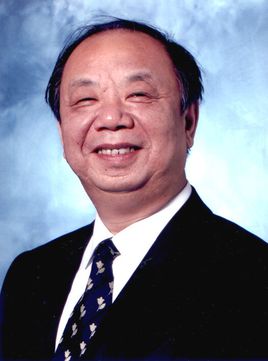 Huancong Zuo (左焕琮)合作论文数School of Medicine, Tsinghua University;Tsinghua University Yuquan Hospital25WenJing Zhou (周文静)合作论文数23
 Bingqing Zhang (张丙青)合作论文数School of Materials Science and Engineering, Hainan University21
 Haixiang Wang (王海祥)合作论文数20YiOu Liu (刘一鸥)合作论文数19
 Wenjing Zhou (周文静)合作论文数School of Chemical Engineering and Technology, Xi'an Jiaotong University10Shi Yan-Fang合作论文数XuanWu Hospital, Capital Medical University10Zuoping Xie (谢佐平)合作论文数School of Life Sciences, Tsinghua University10XianCheng Song (宋宪成)合作论文数9Jing He (贺晶)合作论文数7Jianjun Bai合作论文数5
 Bo Xiu (修波)合作论文数Beijing Chao-Yang Hospital5DongMing Wang (王东明)合作论文数5
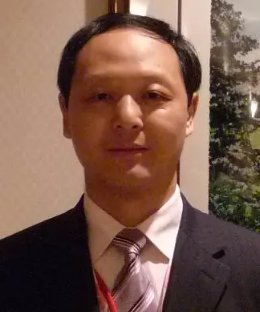 Hongyan Han (韩宏彦)合作论文数Aviation General Hospital, China Medical University;Chinese Academy of Sciences5Min Fu合作论文数4YanLai Lai (赖燕来)合作论文数4Shijie Wang (王世杰)合作论文数4Qian Feng (丰倩)合作论文数3Xin Pan (潘鑫)合作论文数3Xiangping He合作论文数3
 Min Zong合作论文数Key Lab Forest Ecol & Management, CAS2
 Zhao Zhenqiang合作论文数2peng li (李鹏)合作论文数2Yan LI (李妍)合作论文数2SiYu Wang (王思瑜)合作论文数2ZhongYong Peng (彭忠勇)合作论文数2ChengWei Xu (徐成伟)合作论文数2Yan Qi (齐岩)合作论文数2Jie Shi (史洁)合作论文数2ZhiBin Chen (陈志斌)合作论文数2GuangMing Zhang (张光明)合作论文数2Hong Tian (田宏)合作论文数2
 Qiang Ao (敖强)合作论文数College of Biomedical Engineering, Sichuan University;Institute of Regulatory Science for Medical Devices, Sichuan University2
 Xinlin Zhou (周新林)合作论文数State Key Laboratory of Cognitive Neuroscience and Learning, Beijing Normal University2Chen Ye-Tao合作论文数2
 Qiuhang Zhang (张秋航)合作论文数,et al Department of Otorhinolaryngology Head-neck Skull Base Surgery,Xuanwu Hospital of Capital University of Medical Sciences, Beijing ,China2
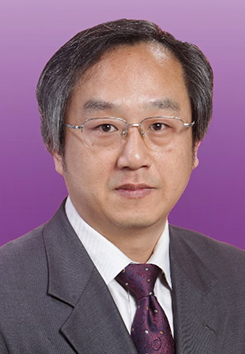 Yuqi Zhang (张玉琪)合作论文数Yuquan Hospital, Tsinghua University2
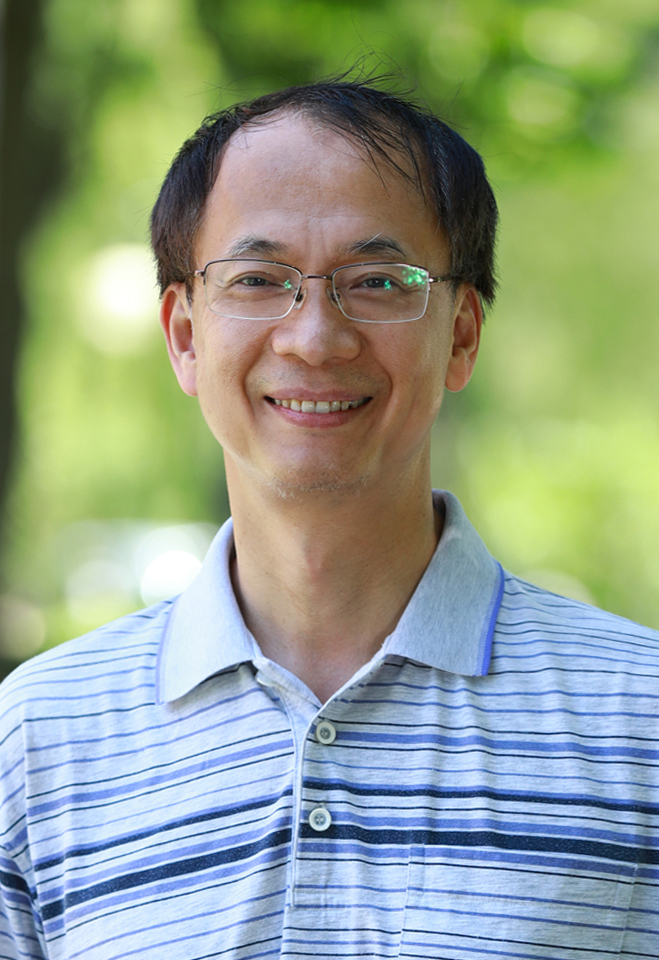 Guoqiang Chen (陈国强)合作论文数School of Life Sciences, Tsinghua University;Department of Chemical Engineering, Tsinghua University2
 Bo Hong (洪波)合作论文数Department of Biomedical Engineering, School of Medicine, Tsinghua University;Tsinghua Laboratory of Brain and Intelligence, Tsinghua University2
 Xiaoyan Liu (刘晓燕)合作论文数Peking University First Hospital2zhiwen ye (叶智文)合作论文数1wenwen ceng (曾文文)合作论文数1Lifang Dai合作论文数1Dingding Shen合作论文数1
 Tianyi Qian (钱天翼)合作论文数Tencent HthCare Co Ltd1




