ETHNOPHARMACOLOGICAL RELEVANCE:Bufei Huoxue capsule (BHC) as a classic Chinese patent medicine formula, has the efficacy of tonifying the lungs and activating the blood. It has been extensively used in China for the treatment of chronic obstructive pulmonary disease (COPD) clinically. However, its mechanism is still unclear, which hampers the applications of BHC in treating COPD.AIM OF THE STUDY:The purpose of the present study was to demonstrate the protective efficacy and mechanism of BHC on COPD model rats by integrating serum metabolomics analysis and network pharmacology study.MATERIALS AND METHODS:A COPD rat model was established by cigarette fumigation combined with lipopolysaccharide (LPS) airway drip for 90 consecutive days. After oral administration for 30 days, the rats were placed in the body tracing box of the EMKA Small Animal Noninvasive Lung Function Test System to determine lung function related indexes. Histopathological alteration was observed by H&E staining and Masson staining. The serum levels of inflammatory cytokine, matrix metalloprotein 9, and laminin were determined by ELISA kits. Oxidative stress levels were tested by biochemical methods. UHPLC-Q-TOF/MS analysis of serum metabolomics and network pharmacology were performed to reveal the bioactive metabolites, key components and pathways for BHC treating COPD. WB and ELISA kits were used to verify the effects of BHC on key pathway.RESULTS:BHC could improve lung function, immunity, lung histopathological changes and collagen deposition in COPD model rats. It also could significantly reduce inflammatory response in vivo, regulate oxidative stress level, reduce laminin content, and regulate protease-antiprotease balance. Metabolomics analysis found 46 biomarkers of COPD, of which BHC significantly improved the levels of 23 differential metabolites including arachidonic acid, leukotriene B4 and prostaglandin E2. Combined with the results of network pharmacology, the components of BHC, such as calycosin, oxypaeoniflora, (S)-bavachin and neobavaisoflavone could play therapeutic roles through the arachidonic acid pathway. In addition, the results of WB and ELISA indicated that BHC could suppress the expressions of COX2 and 5-LOX in lung tissues and inhibit the generation of AA and its metabolites in serum samples. Regulation of arachidonic acid metabolic pathway may be the crucial mechanism for BHC treating COPD.CONCLUSIONS:In summary, the studies indicated that BHC exhibited the protective effect on COPD model rats by anti-inflammatory and anti-oxidative properties through arachidonic acid metabolism pathway. This study provided beneficial support for the applications of BHC in treating COPD.
Qingke Pingchuan granules (QPGs), which contain Houttuynia cordata Thunb, Fritillaria cirrhosa, fired licorice, and fired bitter almonds, among other components, can clear heat and ventilate the lungs, relieving cough and asthma. Clinically, QPGs are mainly used to treat cough, asthma, fever and other discomforts caused by acute or chronic bronchitis. In this study, the antiviral activity of QPGs against respiratory syncytial virus (RSV), influenza A virus A/FM/1/47 (H1N1), oseltamivir-resistant H1N1, A/Beijing/32/92 (H3N2), Sendai virus, and human adenovirus type 3 in Hep-2 or MDCK cells was evaluated using the CCK-8 method, and the cytotoxicity of QPGs to these two cell lines was tested. The effect of QPGs on mice infected with influenza A virus A/FM/1/47 (H1N1) was evaluated by measuring body weight, survival time, and survival rate, as well as virus titers and lesions in the lungs and levels of inflammatory factors in serum. In addition, the expression of TLR-7-My88-NF-κB signaling pathway–related proteins in lung tissues was analyzed by Western blotting and qRT-PCR. The results showed that QPGs had a potent inhibitory effect on the six viruses tested in vitro. Interestingly, QPGs also displayed particularly pronounced antiviral activity against H1N1-OC, similar to that of oseltamivir, a well-known antiviral drug. QPGs effectively protected mice from infection by H1N1, as indicated by significantly increased body weights, survival times, and survival rates and reduced lung virus titers of inflammatory factors and lung tissue injury. The levels of TLR-7-MyD88-NF-κB-pathway-related proteins in the lung tissue of infected mice were found to be decreased after QPG treatment, thereby alleviating lung injury caused by excessive release of inflammatory factors. Taken together, these findings indicate that QPGs have satisfactory activity against influenza virus infection.
Background: Realgar is a mineral Chinese medicine, which has been used in China for thousands of years. A well-known truth is that the quality of traditional Chinese medicines is the basis for their efficacious and reliable roles for clinical use, which is principally determined by elements including the location of production and inner inorganic elements composition. However, there are few studies on the quality control of Realgar at present. Colon cancer, a severe malignant tumor, is known to have a poor prognosis due to a high rate of metastasis. So far, the effects of Realgar against colon cancer have not yet been clarified.Methods: An appropriate X-Ray Diffraction (XRD) method was used to systematically analyze the Realgar medic-inal material samples. Fourier fingerprint combined with similarity evaluation, hierarchical cluster analysis, and principal component analysis was performed to assess and classify the samples on account of the XRD Fourier data. Cell viability, wound-healing, transwell migration, and matrigel invasion assays were performed. West-ern blotting was applied to determine the expression of the epithelial-mesenchymal transition (EMT) and MMPs relevant protein levels. Results: Our explorations showed that the XRD Fourier fingerprints of Realgar medicinal material samples that had the same phase revealed 15 and 12 common peaks, respectively. The similarity evaluation of the established XRD Fourier fingerprint was greater than 0.900, which indicated that the XRD Fourier fingerprints of Realgar medicinal material were successfully established. Our study demonstrated that Realgar inhibited the proliferation, migration, and invasion of colon cancer cells. Realgar suppressed the EMT process and decreased MMP-9 and MMP-2 levels, which could be the reason for Realgar to inactivate colon cancer cell migration and invasion.Conclusions: Our findings could be applied in the quality control of Realgar and strongly demonstrate that Realgar could be a potential anti-tumor agent for colon cancer treatment.
目的 研究补肺活血胶囊(Bufei Huoxue Capsules,BHC)在大鼠血浆、胆汁、尿液、粪便中的原型成分及其代谢产物,归纳总结不同类型化合物的体内代谢规律.方法 大鼠igBHC后,收集血浆、胆汁、尿液和粪便样品并进行预处理,采用超高效液相色谱-飞行时间质谱(ultra-high performance liquid chromatography-time-of-flight mass spectrometry,UPLC-Q-TOF-MS)及质量亏损过滤技术,分别在正、负离子模式下对原型成分及代谢产物进行分析鉴定.结果 共检测到没食子酸、芍药苷、毛蕊异黄酮、新补骨脂异黄酮、(S)-异补骨脂二氢黄酮、补骨脂苷等原型成分及代谢产物67个,其中酚酸类成分10个、单萜类成分7个、黄酮类成分35个、香豆素类成分12个、皂苷类成分3个,主要代谢途径包括氧化、还原、甲基化、葡糖醛酸结合、硫酸结合等.结论 初步阐明了 BHC大鼠体内的代谢产物及其代谢转化特征,为基于体内过程揭示其药效物质基础奠定了基础,为其临床安全用药提供了科学依据.
Objective To investigate the effect and mechanism of Liuling Jiedu Pills on acute pharyngitis caused by Staphylococcus aureus in rats.Methods The rat model of acute pharyngitis was replicated using the method of injecting 1×10⁹ CFU·mL-1 of Staphylococcus aureus solution into the pharynx of rats.SD rats were randomly divided into a blank group,a model group,a Lanqin Oral Solution group(5 mL·kg-1),and a low-,medium-,and high-dose group of Liuling Jiedu Pills(4.375,8.750,and 17.500 mg·kg-1),with 10 rats in each group.Rats in each group were administered the drug by gavage once a day for 7 days.The general conditions of the rats were observed and recorded every day during the modeling and drug administration periods,and the local inflammation in the pharynx was scored;histopathological changes in the pharynx of the rats were observed by hematoxylin-eosin(HE)staining;serum interleukin 1β(IL-1β),interleukin 6(IL-6),tumor necrosis factor α(TNF-α),and tumor necrosis factor-α(TNF-α)were detected by ELISA.Immunohistochemistry and Western Blot were used to detect the protein expression levels of IL-1β,IL-6 and TNF-α in rat pharyngeal tissue.Results Compared with the blank group,rats in the model group had significantly increased pharyngeal erythema,significantly higher inflammation scores(P<0.01),significantly lower body mass on days 5-7 after modeling(P<0.05,P<0.01),significantly higher pathological scores(P<0.01),significantly higher levels of the serum inflammatory factors IL-1β,IL-6,and TNF-α(P<0.01),and significantly higher pharyngeal tissues showed significantly higher levels of IL-1β,IL-6,and TNF-α proteins(P<0.01).Compared with the model group,the pharyngeal erythema was significantly reduced in the Lanqin Oral Solution group and the low-,medium-and high-dose groups of Liuling Jiedu Pills,and the inflammation scores were significantly reduced(P<0.01),and the serum levels of IL-1β,IL-6,and TNF-α were significantly reduced(P<0.01);the body mass of the rats in the Lanqin Oral Solution group,and in the medium-and high-dose groups of Liuling Jiedu Pills,were significantly increased on the seventh day of the modeling(P<0.01);the histopathological scores and the levels of IL-1β,IL-6 and TNF-α proteins in pharyngeal tissue were significantly decreased(P<0.05,P<0.01).Conclusion Liuling Jiedu Pills can significantly improve the symptoms and inflammatory pathological changes of pharyngeal tissues in rats with acute pharyngitis,and its mechanism may be related to the down-regulation of the expression levels of inflammatory factors such as IL-1β,IL-6,and TNF-α.
目的 建立超高效液相色谱法(UHPLC)同时测定补肺活血胶囊(Bufei Huoxue Capsules,BHC)中12种指标成分没食子酸、氧化芍药苷、芍药内酯苷、补骨脂苷、芍药苷、异补骨脂苷、毛蕊异黄酮苷、芒柄花苷、毛蕊异黄酮、补骨脂素、异补骨脂素、苯甲酰芍药苷的含量.方法 采用AcquityUPLCBEHC18色谱柱(100 mm×2.1 mm,1.7 μm);流动相为乙腈-0.1%甲酸水溶液,梯度洗脱;体积流量0.4mL/min,柱温35℃,进样量4μL,检测波长246 nm.结果 BHC中12种指标成分在18 min内色谱峰分离良好,没食子酸、氧化芍药苷、芍药内酯苷、补骨脂苷、芍药苷、异补骨脂苷、毛蕊异黄酮苷、芒柄花苷、毛蕊异黄酮、补骨脂素、异补骨脂素和苯甲酰芍药苷分别在0.38~195.20(r=0.999 9)、0.17~21.44(r=0.999 6)、0.85~433.80(r=0.999 9)、0.68~345.60(r=0.999 9)、1.11~566.60(r=0.999 8)、0.47~241.40(r=0.999 9)、0.08~39.36(r=0.999 8)、0.05~26.16(r=0.999 9)、0.03~16.42(r=0.999 9)、0.25~129.10(r=0.999 8)、0.26~133.10(r=0.999 7)、0.09~47.28 μg/mL(r=0.999 9)线性关系良好;精密度、稳定性、重复性、加样回收率均符合分析要求.11批补肺活血胶囊中没食子酸、氧化芍药苷、芍药内酯苷、补骨脂苷、芍药苷、异补骨脂苷、毛蕊异黄酮苷、芒柄花苷、毛蕊异黄酮、补骨脂素、异补骨脂素和苯甲酰芍药苷平均质量分数分别为2.6242、0.222 4、16.409 9、7.459 5、18.9742、7.887 5、0.505 7、0.109 9、0.170 7、1.364 7、1.170 0、0.203 6 mg/g.结论 所建立的方法分析速度快、准确度高、重复性好,为BHC质量标准提升提供了方法支撑.
目的:对历代本草及古今方剂中有关补骨脂的药性、功效记述及其组方配伍用药特点进行系统的梳理分析,以期深入探究其临床用药规律.方法:借助南京中医药大学方剂文献数据库,收集历代本草及古今方剂中补骨脂的论述,采用频数统计分析、Apriori算法对补骨脂方剂进行分析处理、关联规则等数据挖掘.结果:补骨脂为古波斯国外来药材,后引种于我国并归化为传统中药;补骨脂药用始载于《雷公炮炙论》,言其"性本大燥、毒",后世本草多提示补骨脂性燥,需经炒、盐炙或酒炙等炮制后使用;历代本草对其药性记载相似,为辛、苦、温,功效为温肾助阳,纳气平喘,温脾止泻.同时提示,补骨脂恶甘草,忌铁、芸苔及诸血;阴虚火旺、湿热等患者不宜使用等.经数据挖掘发现补骨脂常与当归、杜仲等补虚药组方,以提高补益气血之功效;与肉桂、附子、小茴香等温里药配伍,以增强温补肾阳的功用;与胡桃肉配伍,得以水火相济,以图延年益气,补添筋骨之目的.结论:基于上述古今知识挖掘分析,阐明了补骨脂的产地出处、饮片炮制、合理伍用、禁忌警示等,为中药补骨脂的临床合理用药提供了有益的借鉴和指引.
The impact of polymer architecture on network dynamics and self-healing is presented using bottlebrushes containing side chains that are end-functionalized with 2-ureido-4[1H]-pyrimidinone (UPy). The synthesis of these materials is straightforward through a three-step process: (1) synthesizing rubbery poly(4-methylcaprolactone) macromonomers (p4MCL-OH) with a norbornene-based initiator, (2) functionalizing the terminal hydroxyl group with UPy-isocyanate (p4MCL-UPy), and (3) statistically copolymerizing p4MCL-OH and p4MCL-UPy via ring-opening metathesis polymerization (ROMP) to form hydrogen-bonding bottlebrushes having a fraction (p) of side chains functionalized with UPy. Attaching UPy to the free end of bottlebrush side chains dilutes the impact of friction from complementary UPy interactions on segmental dynamics, leading to a much weaker dependence of the glass-transition temperature (T-g) on p than observed in linear analogues, while the activation energy to dissociate UPy-UPy bonds (41-47 kJ/mol) remains mostly unchanged. Longer side chains result in a competition between reducing T-g and inducing entanglements that influence hydrogen-bonded network dynamics. Increasing the backbone length extends the sticky Rouse region without affecting the network modulus (G(x)) or UPy-UPy dissociation time (tau(s)). G(x) scales linearly with p and ranges from 27 kPa to 1.6 MPa, while tau(s) remains nearly constant in contrast to linear telechelic ionomers, implying a similar self-healability across bottlebrush networks containing different amounts of UPy. These stretchable networks with p < 0.25 undergo self-healing upon repeated rupture and melt pressing at <= 100 degrees C while retaining similar tensile properties. In summary, decorating bottlebrush polymers with hydrogen bonds creates opportunities to independently manipulate associative network dynamics and mechanical moduli.
Polymer electrolytes (PEs) offer a promising avenue toward safer, more mechanically robust and high power density lithium-ion batteries. In PEs, conduction is achieved through the dissolution and subsequent transport of the lithium cation and organic anion, yet only lithium transport provides useful current between the two electrodes and must be maximized. As such, PEs are rationally designed to include solvation groups that only moderately interact with the Li+ cations to enable high ionic conductivity (Sigma) and a high Li+ transference number (t+). Herein, we report a polysiloxane-based PE grafted with cyano-containing side chains that exhibits a total ionic conductivity of 6.9 x 10⁻⁴ S/cm and a Li+ transference number of 0.48 at 90 degrees C, demonstrating significant performance improvements compared to the typical poly(ethylene oxide) (PEO) benchmark. Wide-angle X-ray scattering data indicate that there is no ion aggregation in these systems up to a salt loading of r = [Li+]/[CN] = 0.3. The high ion dissolution ability of the present PE is attributed to its high dielectric permittivity and the modest Li+-side-chain interaction due to the introduction of the polar cyano group, as probed by electrochemical impedance spectroscopy and infrared/Raman spectroscopy, respectively. Moreover, the side-chain length is critical to ion transport and cation selectivity. With a short alkyl chain length, the polymer matrix effectively solvates salt ions and offers good cation selectivity, while the ion mobility is limited by the chain rigidity; with a longer chain length, the polymer segmental motion increases, while the salt dissolution ability drops and the polymer is less cation-selective. These results demonstrate the vast potential of nonpolar flexible polymers grafted with polar side chains as host materials for PEs.
目的 建立气相色谱–氢火焰离子化检测器(GC-FID)法同时测定消癥丸中莪术酮、藁本内酯和α-香附酮的方法.方法 采用HP-5MS毛细管柱(30 m×0.25 mm×0.25μm),FID检测器:280℃,进样口温度240℃;程序恒温130℃,保持45 min;载气为N2,柱体积流量1.5 mL/min,不分流模式;进样量:1μL.结果 莪术酮、藁本内酯、α-香附酮分别在1.684~168.400、2.496~249.600、2.180~218.000μg/mL线性关系良好;平均回收率分别为97.98%、99.76%、96.06%,RSD值分别为1.62%、0.89%、1.29%.结论 该方法操作简单、重复性好,可为评价消癥丸的质量控制提供依据.
Solid-state polymer electrolytes offer a safer alternative to traditional lithium-ion batteries based on organic electrolytes. The focus is here on imidazole(Im)-functionalized polymer electrolytes, where the Im ligand promotes salt dissolution, while its functionalization allows tuning the dynamic interactions between the cations in solution and the Im ligand tethered to the polymer backbone. Although careful choice of a polymer backbone and Im linker functionality have resulted in polymer electrolytes with increased total ionic conductivities and a boost in the Li+ ion contribution, improvements in performance through modifications of the Im heterocycle remain underexplored. In this work, we systematically investigate poly(methylsiloxane) polymers functionalized with a series of halogen-substituted imidazoles and show that Li+ ion conduction can be tuned by an electron-deficient heterocycle ligand. When the number of halogen substituents increases, the Li+ ion mobility also increases as measured by pulsed-field-gradient nuclear magnetic resonance (NMR) and NMR relaxometry. Although beneficial for Li+ transport, electron-deficient Im ligands result in clustering, as indicated by wide-angle X-ray scattering, and poor salt dissolution, which in turn impedes the overall ionic transport. This work highlights the importance of synthetic design and the necessity for high salt solvation and weak cation-polymer binding to obtain high Li+ transport numbers.
An ultra-high performance liquid chromatography-tandem mass spectrometry(UHPLC-MS/MS) method was established to investigate the pharmacokinetic behaviors of psoralenoside, isopsoralenoside, calycosin-7-glucoside, ononin, psoralen, isopsoralen, methylnissolin, and neobavaisoflavone in rat plasma after oral administration of Bufei Huoxue Capsules. After SD rats were administered with Bufei Huoxue Capsules suspension by gavage, blood samples were collected from the inner canthus at different time points. After protein precipitation, plasma samples were separated on ACQUITY UPLC BEH C_(18) column(2.1 mm×100 mm, 1.7 μm). The mobile phase consisted of acetonitrile(A) and water(B) containing 0.1% formic acid in gradient elution. The positive and negative ions were measured simultaneously in the multi-reaction monitoring(MRM) mode. The pharmacokinetic parameters were calculated and fitted by DAS 3.2.8. Psoralenoside, isopsoralenoside, calycosin-7-glucoside, ononin, psoralen, isopsoralen, methylnissolin, and neobavaisoflavone were detected in the rat plasma after drug administration, with AUC_(0-t) of(3 357±1 348),(3 555±1 696),(3.03±0.88),(2.21±0.33),(1 787±522),(2 295±539),(5.69±1.41) and(3.40±0.75) μg·L~(-1)·h, and T_(max) of(1.56±0.62),(1.40±0.70),(0.21±0.05),(0.25±0.12),(0.26±0.11),(0.34±0.29),(0.74±0.59), and 0.25 h. The method is proved specific and repeatable and is suitable for the determination of psoralenoside, isopsoralenoside, calycosin-7-glucoside, ononin, pso-ralen, isopsoralen, methylnissolin, and neobavaisoflavone in the rat plasma, which can be applied to pharmacokinetic study.
目的:建立补肺活血胶囊超高效液相色谱法(UPLC)指纹图谱.方法:采用ACQUITY UPLC BEH C18色谱柱(100 mm×2.1 mm,1.7μm),乙腈(A)-0.1% 甲酸水溶液(B)为流动相梯度洗脱,流速为0.4 mL·min–1,检测波长为246 nm,建立补肺活血胶囊指纹图谱;采用UPLC串联四极杆飞行时间质谱法结合对照品对所建立的指纹图谱共有峰进行定性分析;采用主成分分析(PCA)进一步对影响补肺活血胶囊质量均一性的差异性成分进行筛选.结果:依据11批样品建立的指纹图谱相似度评价均大于0.969;指纹图谱中共标定20个共有峰,对其中18个共有峰进行了化学成分鉴定.PCA显示,影响补肺活血胶囊批间质量均一性的主要化学组分为补骨脂苷和异补骨脂苷.结论:所建立的UPLC指纹图谱方法专属性强,可用于补肺活血胶囊的质量评价.
Nanoscale compositions and structures of the plasma-treated surfaces of polymers often impart significant consequences on the barrier properties of thin films. Despite their technological importance for packaging and coating applications, a molecular-level understanding of their surface properties has been exceedingly challenging to obtain. This has been due to several factors, including their low external surface areas, nanometer-thin regions of surface modification, subtle differences between their surface versus bulk compositions, and the absence of long-range structural order. Nevertheless, recent advancements in solid-state nuclear magnetic resonance (NMR) spectroscopy, in particular using dynamic nuclear polarization (DNP) enhancement, in combination with X-ray photoelectron spectroscopy (XPS), and Fourier transform infrared (FT-IR) spectroscopy analyses provide detailed insights on the compositions of thin surface layers of plasma-modified poly(ethylene terephthalate) (PET) thin films. Analyses of 2D C-13{H-1} DNP heteronuclear correlation (HETCOR) NMR spectra of plasma-modified PET films enabled signals from sp(3) carbon species associated with thin (30-80 nm) diamond-like carbon (DLC) surface layers to be detected and identified, along with their interactions at embedded DLC-PET interfaces. Complementary XPS spectra provide insights into different surface and subsurface elemental compositions of the plasma-modified PET films, which are corroborated by FT-IR analyses. Subsurface compositions and structures, in particular carbon:oxygen atomic ratios and intermixing of the DLC surface layers and PET regions, are shown to depend on plasma-enhanced chemical vapor deposition conditions, leading to different gas barrier properties of surface-modified PET films.
目的:比较不同来源的珍珠粉中无机元素含量,并探究水飞处理对无机元素含量的影响.方法:建立电感耦合等离子体质谱(ICP-MS)同时分析珍珠粉中As、Pb、Cd、Cu、Hg、Mg、B、Al、Fe、Zn、Cr、Sr、Ti、Sn、Sb、Ba、Mn、Ga、Li、Be无机元素含量的方法,测定江苏苏州(太湖)、浙江诸暨、浙江义乌3个地区的27批珍珠粉中无机元素含量,并分析水飞处理对无机元素含量的影响.结果:ICP-MS测定无机元素线性、检测限、精密度、重复性和稳定性试验结果均良好,平均加样回收率为80.13%~117.67%.浙江省义乌市的珍珠粉中无机元素含量与浙江省诸暨市、江苏省苏州市(太湖)的珍珠粉具有显著差异,浙江省义乌市的珍珠粉中重金属元素Hg平均含量为1.933 mg/kg,远超过药典限度标准0.2 mg/kg.水飞处理可降低珍珠粉中无机元素含量,包括As、Pb、Cd、Cu、Hg、Fe、Zn、Sr、Al、Ti、Mg、B元素.结论:ICP-MS法灵敏度高、准确性好,适用于珍珠粉中无机元素的含量测定.水飞处理可降低珍珠粉中重金属元素含量.
目的:建立HPLC-MS/MS法同时测定珍珠粉中14个氨基酸类成分含量,评价不同来源珍珠粉的质量.方法:采用TSKgel Amide-80(15 mm×2 mm,3μm)分析柱,以0.2%甲酸溶液-乙腈为流动相,梯度洗脱;流速为0.2 mL/min;检测器为QTRAP 5500质谱仪;对50批不同来源珍珠粉中14个氨基酸类成分进行检测.结果:14个氨基酸类成分在一定的浓度范围内与峰面积的线性关系良好,检测限为0.0010~0.0228μg/mL,日内精密度、日间精密度、重复性、稳定性试验结果的RSD依次为1.23%~3.77%、1.86%~3.06%、1.53%~2.82%、0.78%~2.54%,平均加样回收率为82.00%~112.70%.浙江诸暨、太湖、湖北汉阳的珍珠粉氨基酸总含量较高,而浙江义乌收集的珍珠粉的氨基酸总含量较低,均<1.0 mg/g.结论:该方法操作简便、准确,可用于珍珠粉中氨基酸类成分的测定及质量评价.
本研究基于免疫应激大鼠模型,研究补骨脂与赤芍配伍前后对其特异质肝损伤作用的影响及其代谢网络调控机制.采用低剂量脂多糖(lipopolysaccharide,LPS)注射致免疫应激SD大鼠模型,分别比较补骨脂单用及补骨脂-赤芍配伍给药后,模型动物肝脏谷草转氨酶(aspartate aminotransferase,AST)、谷丙转氨酶(alanine aminotransferase,ALT)的活性及肝脏病理变化;通过UHPLC-QTOF/MS分析不同组别大鼠血清代谢轮廓特征,结合主成分分析法(principal component analysis,PCA)、偏最小二乘判别分析法(orthogonal partial least squares discriminant analysis,OPLS-DA),研究补骨脂与赤芍配伍后对特异质肝损伤大鼠血清中内源性代谢产物的影响,并应用HMDB数据库及MetaboAnalyst在线通路富集工具进行生物标志物的鉴定和代谢通路富集分析.结果显示,对于LPS致免疫应激大鼠模型,补骨脂组AST、ALT均显著升高(P<0.01),肝脏切片可见明显的病理损伤,而其配伍赤芍后肝损伤作用显著降低.代谢组学分析显示赤芍主要通过调节花生四烯酸代谢和甘油磷脂代谢等信号通路改善补骨脂致肝毒性大鼠体内的血清代谢异常.
目的 探究天佛参口服液对人非小细胞肺癌A549细胞与裸鼠移植瘤增殖的作用以及相关作用机制.方法 采用Cell Titer-Glo发光法检测天佛参口服液对9种不同基因突变表型的肺癌细胞系增殖的抑制作用;采用流式细胞术检测天佛参口服液对A549细胞周期及凋亡的影响;采用Western blotting法考察天佛参口服液对A549细胞增殖相关蛋白表达的影响.裸鼠sc A549细胞建立裸鼠移植瘤模型,考察天佛参口服液对小鼠皮下移植瘤生长的影响.结果 天佛参口服液抑制A549细胞增殖,呈剂量相关性;天佛参口服液阻滞A549细胞周期于G0/G1期和G2/M期(P<0.05、0.01),并且1%天佛参口服液可以显著诱导A549细胞凋亡(P<0.01);天佛参口服液显著抑制表皮生长因子受体(epidermal growth factor receptor,EGFR)、Raf、丝裂原细胞外信号调节激酶(mitogen extracellular signal-regulated kinase,MEK)以及细胞外调节蛋白激酶(extracellular regulated protein kinase,ERK)蛋白的磷酸化水平(P<0.05、0.01),呈剂量相关性.体内实验结果显示,2.25 mL/kg天佛参口服液对裸鼠移植瘤模型的肿瘤体内生长具有显著抑制作用(P<0.05).结论 天佛参口服液对A549细胞的体内外生长具有显著抑制作用,其作用机制可能与抑制EGFR活性和下调Ras/Raf/MEK/ERK信号通路表达有关.
The addition of redox-active molecules into electrochemical-capacitor electrolytes provides increased specific energy density. Here we illustrate the underlying operational mechanisms and design principles for carbons with hierarchical pore sizes in the micropore (0.6-2 nm) to mesopore (2-3 nm, 5-30 nm) range as electrode materials in redox-enhanced electrochemical capacitors. When using iodide as a model redox additive, we discover that the redox capacity is correlated to the pore volume of the carbon electrodes when void space is included. The fastest rates are typically observed with pore-sizes >1 nm, while slow self-discharge requires pores <1 nm. When used without an ion-selective-membrane separator, the delivered capacity correlated with the quantity of redox species held within the carbon. A commercial microporous carbon, MSC30, with substantial hierarchy in pore size, including small <0.8 nm pores and larger 1.1-3 nm pores, showed the best overall performance, illustrating key design principles.
 Fred Wudl合作论文数Department of Chemistry and Biochemistry, College of Letters and Science, University of California Santa Barbara19
 Quan Li (李全)合作论文数17
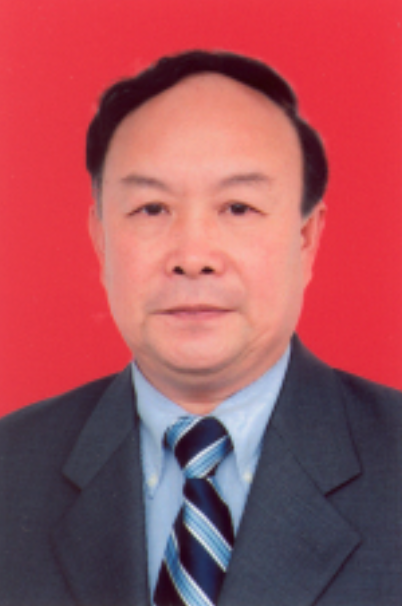 Jinao Duan (段金廒)合作论文数School of Pharmacy, Nanjing University of Chinese Medicine16
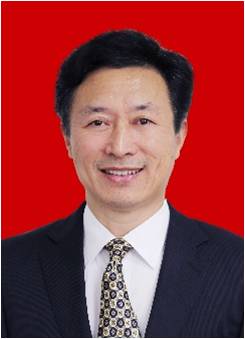 Liuqing Di (狄留庆)合作论文数Nanjing University of Chinese Medicine15
 Michael Chabinyc合作论文数Department of Materials, College of Engineering, University of California, Santa Barbara14Ken Tasaki合作论文数Mitsubishi Chemical USA12
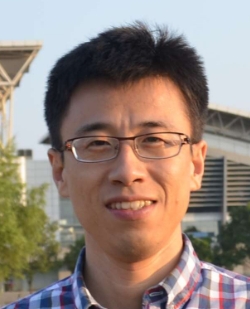 Hongyue Ma (马宏跃)合作论文数Nanjing University of Chinese Medicine11
 Guillermo C. Bazan合作论文数Department of Chemistry, Faculty of Science, National University of Singapore10
 Thuc-Quyen Nguyen合作论文数Department of Chemistry & Biochemistry, University of California, Santa Barbara;Center for Polymers and Organic Solids, University of California, Santa Barbara9
 Galen Stucky合作论文数Department of Chemistry & Biochemistry, University of California, Santa Barbara9
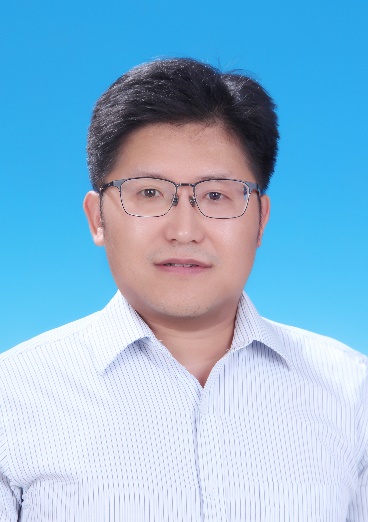 Sheng Guo (郭盛)合作论文数Nanjing University of Chinese Medicine9GASA JEFFREY合作论文数8ryan desousa合作论文数8
 Ming Wang (王明)合作论文数College of Earth Science,Jilin University7
 Read De Alaniz合作论文数Department of Chemistry & Biochemistry, University of California, Santa Barbara;California Nanosystems Institute, University of California, Santa Barbara;NSF BioPACIFIC Materials Innovation Platform7
 Huw Davies合作论文数Winship Cancer Institute, Emory University;Department of Chemistry, Emory University7
 Julia A. Schneider合作论文数Dept Chem, Fordham Univ6
 Craig Hawker合作论文数University of Queensland;California NanoSystems Institute, University of California, Santa Barbara;Materials and Research Laboratory, University of California, Santa Barbara6Niancui Luo (罗年翠)合作论文数6Yanqing Yan合作论文数5Xiang Lv合作论文数5任慧合作论文数南京中医药大学中药资源产业化与方剂创新药物国家地方联合工程研究中心江苏省中药资源产业化过程协同创新中心江苏省方剂高技术研究重点实验室5
 Nathan Jui合作论文数5
 Renxuan Xie合作论文数Penn State Univ, Dept Chem Engn, University Pk, PA 16802 USA5ShanHao Jiang (蒋山好)合作论文数5
 Christopher M. Bates合作论文数Department of Chemistry, University of Texas at Austin5
 Mukherjee Sanjoy合作论文数Department of Inorganic &Physical Chemistry, Indian Institute of Science;Department of Inorganic & Physical Chemistry, Indian Institute of Science5
 Meilin Xie (谢梅林)合作论文数College of Pharmaceutical Sciences, Soochow University5
 Ram Seshadri合作论文数Department of Materials, College of Engineering, University of California, Santa Barbara;Department of Chemistry & Biochemistry, University of California, Santa Barbara5
 John Montgomery合作论文数Department of Chemistry, College of Literature, Science, and the Arts, University of Michigan5Da-Yuan Zhu合作论文数State Key Lab Drug Res, Shanghai Inst Mat Med5
 Dawei Qian (钱大玮)合作论文数Jiangsu Collaborative Innovation Center of Chinese Medicinal Resources Industrialization, Nanjing University of Chinese Medicine5
 Bruno Jousselme合作论文数Groupe Systèmes Conjugués Linéaires, Université d’Angers5
 John G. Labram合作论文数Dept Phys, Univ London Imperial5Jing Zhou (周婧)合作论文数4
 Raphaële Clément合作论文数Department of Materials, College of Engineering, University of California, Santa Barbara4WU Wen-xing (武文星)合作论文数4
 Michael Ford合作论文数4
 Andrei Nikolaev合作论文数Department of Chemistry, York University4Adam E. Levi合作论文数Mat Res Lab, Univ Calif Santa Barbara4Hidenori Nakayama合作论文数4
 Peter Richardson合作论文数4
 Junsong Li (李俊松)合作论文数Nanjing University of Chinese Medicine4
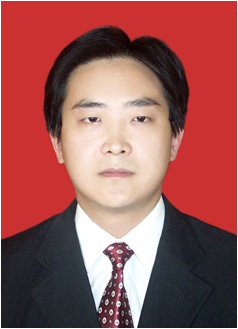 Shengjin Liu (刘圣金)合作论文数Nanjing University of Chinese Medicine4
 Huiqin Xu (许惠琴)合作论文数Nanjing University of Chinese Medicine4
 Jie Xue (薛洁)合作论文数College of Pharmaceutical Sciences, Soochow Medical College of Soochow University4
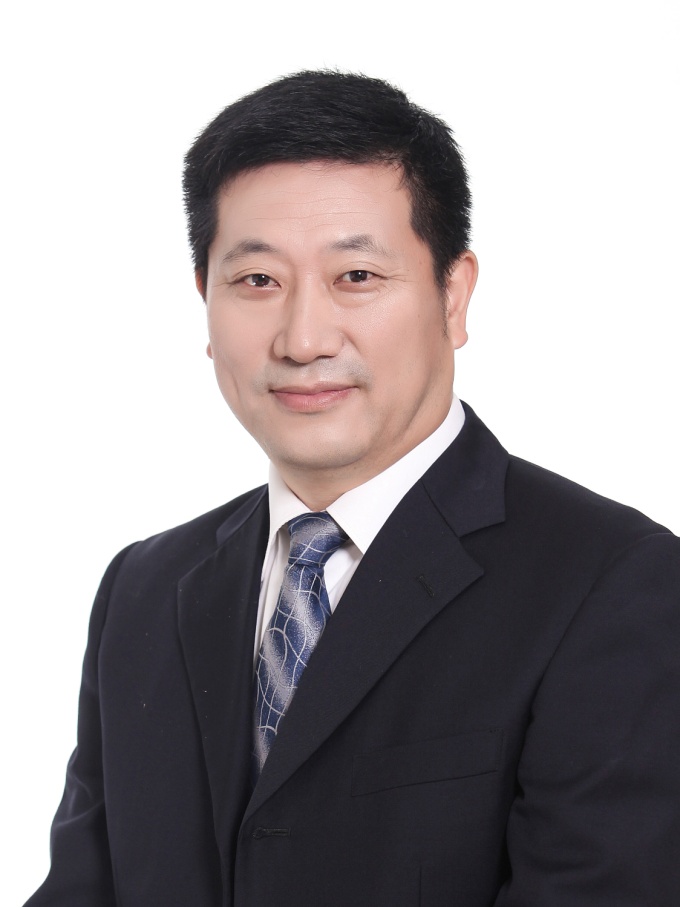 Yiming Li (李医明)合作论文数Shanghai University of Traditional Chinese Medicine4Wanli Geng (耿婉丽)合作论文数4




