Background and aims: Split liver transplantation (SLT) is an effective strategy to expand the donor pool, but its safety in patients with high model for end-stage liver disease (MELD) scores remains uncertain. This study aimed to evaluate the outcomes of SLT in adult recipients with MELD scores ≥30 and to compare them with those of whole liver transplantation (WLT).Methods: Adult recipients who underwent SLT using extended right grafts (ERGs, segment I, IV-VIII) between January 2015 and April 2023 were included. Patients were divided into a high-MELD group (MELD ≥30) and a low-MELD group (MELD <30). Outcomes were compared between high and low MELD recipients. Propensity score matching was performed to compare SLT and WLT among recipients with MELD scores ≥30. Cox regression analysis was used to identify factors associated with patient survival after SLT.Results: Patient survival, death-censored graft survival, and postoperative surgical-related complications did not show significant differences between high and low MELD recipients. Patients with MELD scores ≥30 had greater intraoperative blood loss (p<0.001) and longer ICU duration (p<0.001). After propensity score matching, patient and death-censored graft survival were similar between SLT and WLT groups in high-MELD recipients. In Cox regression analysis, prolonged postoperative ICU duration was associated with patient survival (hazard ratio [HR]:1.26, 95%confidence interval [CI]:1.05-1.52, p=0.015). Infection was the most frequent cause of death.Conclusions: SLT using extended right grafts is a feasible option for recipients with MELD scores ≥30. Optimizing the management of postoperative complications, particularly infections, may improve outcomes. Expanding the use of SLT in this population may increase organ utilization and help alleviate donor shortage.
Background:Surgery is considered the primary treatment for lung cancer, but postoperative complications and functional limitations lead to longer recovery and hospitalization times. Although electrical stimulation (ES) is considered a promising intervention for overcoming these challenges, existing research findings on ES have limitations due to small sample sizes and incomplete outcome measurements. This systematic review aims to evaluate ES on five important aspects: postoperative pain, complications, exercise capacity, length of stay, and respiratory functions. Methods:Databases searched included PubMed, Web of Science, Cochrane Library, Embase, China National Knowledge Infrastructure (CNKI), VIP Chinese Science and Technology Journal Database (VIP), Wanfang, and China Biomedical Literature Database (CBM) up to September 2025. Inclusion criteria consisted of randomized controlled trials (RCTs) of ES post-surgery, including both analgesic and functional ES, in adult patients undergoing resection of lung cancer. Comparison interventions included standard care, sham stimulation, or conventional rehabilitation. Pain intensity was the main outcome of interest. Secondary outcomes included complication rates, exercise capacity, hospital stay duration, and pulmonary functions. Methodological quality of the included RCTs was assessed using the Cochrane Risk of Bias 2 tool. Certainty of evidence for the outcomes of interest was assessed using the Grading of Recommendations Assessment, Development and Evaluation (GRADE) approach. Results are presented as mean difference (MD) or risk ratio (RR) with 95% confidence interval (CI). Results:Analysis of 23 RCTs (n=2,232) indicated that ES reduced postoperative pain (MD: 0.39-0.41 points), although this effect failed to meet the minimum important difference (MID) of 1.0 points. In postoperative morbidity, the ES reduced the incidence of complications and exercise capacity, increasing the 6-minute walk distance (6MWD) by 33.8 m, exceeding the MID of 25 m. Consequently, hospital stay was reduced by 3.2 days. In addition, the improvement in respiratory function, indicated by the increase in forced vital capacity (FVC) (0.25 L), exceeded the MID of 0.15-0.20 L, although the improvement in forced expiratory volume in 1 second (FEV1) (0.13 L) was limited. The quality of evidence for these outcomes, as classified in the GRADE approach, ranged from moderate to low. Conclusions:After lung cancer surgery, ES mainly facilitates functional recovery instead of significant early analgesia. ES can increase cardiopulmonary capacity, lower complication risk, and reduce hospital stay. Being a promising passive technique, its clinical importance is obvious; however, in consideration of current heterogeneity in studies, large-scale standardized RCTs are warranted to optimize ES.
Liver transplantation is an effective treatment for end-stage liver disease. Liver transplantation is technically complex and associated with significant trauma. In recent years, minimally invasive surgical techniques, such as laparoscopy and robotic surgery, have rapidly developed and been widely applied in various surgical fields. Minimally invasive surgery offers advantages including reduced trauma, less bleeding, and faster postoperative recovery, and has become a mainstream trend in surgical development. In the field of liver transplantation, laparoscopic and robotic donor hepatectomy techniques for living donor liver transplantation have made significant progress. However, due to difficulties in exposing the anastomotic sites of the donor liver and challenges in vascular anastomosis, the application of minimally invasive techniques in donor liver implantation has progressed relatively slowly. With advancements in laparoscopic and robotic surgical techniques and related instruments, laparoscopic donor liver implantation has gradually become feasible. Currently, multiple liver transplant centers worldwide have begun to progressively perform laparoscopic or robot-assisted liver transplantation in recipients, demonstrating potential advantages in reducing surgical trauma and accelerating postoperative recovery. However, there is currently a lack of guidelines or consensus on the application of minimally invasive surgery in liver transplant recipients. Therefore, Branch of Organ Transplantation of Chinese Medical Association, Surgery Group of Chinese Society of Surgery of Chinese Medical Association, and Branch of Organ Transplant Physicians of Chinese Medical Doctor Association invited experts in the field to discuss clinical issues. Combining published guidelines, consensus statements, and research advancements, they formulated the "Technical guidelines for laparoscopic-assisted Liver transplantation in recipients," aiming to provide reasonable guidance and references for clinical practitioners in the field of liver transplantation.
Previous studies have demonstrated that lactate accumulation, a common hallmark for metabolic deprivation in solid tumors, could actively drive tumor invasion and metastasis. However, whether lactate influences the biogenesis of tumor-derived exosomes (TDEs), the prerequisite for distant metastasis formation, remains unknown. Here, we demonstrated that extracellular lactate, after taken up by tumor cells via lactate transporter MCT1, drove the release of TDE mainly through facilitating multivesicular body (MVB) trafficking towards plasma membrane instead of lysosome. Mechanistically, lactate promoted p300-mediated Rab7A lactylation, which hereafter inhibited its GTPase activity and promoted MVB docking with plasma membrane. Moreover, lactate administration enriched integrin β4 and ECM remodeling-related proteins in TDE cargos, which promoted pulmonary pre-metastatic niche formation. Combinatorial inhibition of MCT1 and p300 significantly abrogated HCC metastasis in a clinical-relevant PDX model. In summary, we demonstrated that lactate promote TDE biogenesis and HCC pulmonary metastasis, and proposed a potential clinical strategy targeting TDEs to prevent HCC metastasis.
Hepatocellular carcinoma (HCC) poses a major therapeutic challenge due to its immunosuppressive microenvironment and limited efficacy of current immunotherapies. While immune checkpoint inhibitors (ICIs) improve survival in some patients, their effectiveness is hindered by poor T-cell infiltration and tumor vascular abnormalities. To address this, we investigated the therapeutic potential of combining Lenvatinib with Co2+, a strategy aimed at simultaneously targeting PD-L1 expression and activating antitumor immunity. Mechanistic studies revealed that Lenvatinib inhibits MNK1/eIF4E-mediated PD-L1 translation, while Co2+ induce ROS-dependent DNA damage and activate the cGAS-STING pathway, triggering immunogenic cell death (ICD) in HCC cells. Building on these findings, we developed pH-modulated self-assembled nanoclusters (Co + Len@OVA) by co-assembling ovalbumin, Lenvatinib, and Co2+. These nanoclusters exhibited tumor-selective accumulation and enhanced vascular normalization, which promoted anti-PD1 antibody penetration into tumors. In mouse HCC models, Co + Len@OVA combined with anti-PD1 therapy achieved a significant reduction in tumor volume, significantly outperforming monotherapies. This combination also reshaped the immunosuppressive microenvironment by enhancing DCs’ maturation, increasing cytotoxic CD8+ T cells, and suppressing Tregs infiltration. Our study establishes a combinatorial approach that integrates metalloimmunotherapy with vascular modulation, offering a clinically translatable strategy for unresectable HCC.
BACKGROUND AND AIM:The shortage of liver grafts compared to recipients necessitates precise organ assessment. This study aimed to develop a Machine learning (ML) model to predict postoperative delayed graft function (DGF) and visualize the decision-making process for clinical application. METHOD:Data from 5242 donor-recipient pairs who underwent liver transplantation (LT) at the top 10 liver transplant centers in China (January 2017 to December 2022) were collected. The dataset was divided into training and validation sets. Sixty-three variables, including demographics, donor characteristics, diagnosis, preoperative lab results, and surgical information were analyzed. The primary outcome was posttransplantation DGF and the second outcome was posttransplantation 1-month and 3-month survival. Recursive feature elimination selected critical variables, and models were built using ML algorithms and logistic regression. Model performance was evaluated by AUC, accuracy, sensitivity, and specificity. The best model was validated with an independent dataset of 394 LT cases (January to June 2023). The SHapley Additive exPlanations package interpreted the top model's decisions. RESULTS:Among 5242 cases, 328 (6.26%) developed DGF, with 15 cases (3.81%) in the external validation set. Thirty critical features were selected. The eXtreme Gradient Boosting algorithm achieved the highest AUC (0.877) and accuracy (0.936) in the internal set, and a comparable AUC (0.776) and accuracy (0.957) in the external set. SHAP analysis identified short perfusion time, high donor serum sodium, excessive bleeding during transplantation, high donor γ-glutamyl transpeptidase, and blood glucose levels as top predictors of post-LT DGF. The proposed model AUC's 1-month survival prediction was 0.841 and the 3-month survival prediction was 0.834. CONCLUSIONS:The developed model for predicting postoperative DGF demonstrated excellent predictive performance, aiding clinicians in evaluating donor grafts and making informed decisions.
Cold and ischemia/reperfusion (IR)-associated injuries are seemingly inevitable during liver transplantation and hepatectomy. Because Syrian hamsters demonstrate intrinsic tolerance to transplantation-like stimuli, cross-species comparative metabolomic analyses were conducted with hamster, rat, and donor liver samples to seek hepatic cold and IR-adaptive mechanisms. Lower hepatic phosphocholine contents were found in recipients with early graft-dysfunction and with virus-caused cirrhosis or high model for end-stage liver disease scores (>= 30). Choline/phosphocholine deficiency in cultured human THLE-2 hepatocytes and animal models weakened hepatocellular cold tolerance and recovery of glutathione and ATP production, which was rescued by phosphocholine supplements. Among the biological processes impacted by choline/phosphocholine deficiency, 3 lipid-related metabolic processes were downregulated, whereas phosphocholine elevated the expression of genes in methylation processes. Consistently, in THLE-2, phosphocholine enhanced the overall RNA m(6)A methylation, among which the transcript stability of fatty acid desaturase 6 (FADS6) was improved. FADS6 functioned as a key phosphocholine effector in the production of polyunsaturated fatty acids, which may facilitate the hepatocellular recovery of energy and redox homeostasis. Thus, our study reveals the choline-phosphocholine metabolism and its downstream FADS6 functions in hepatic adaptation to cold and IR, which may inspire new strategies to monitor donor liver quality and improve recipient recovery from the liver transplantation process.
Older livers are more prone to hepatic ischaemia/reperfusion injury (HIRI), which severely limits their utilization in liver transplantation. The potential mechanism remains unclear. Here, we demonstrate older livers exhibit increased ferroptosis during HIRI. Inhibiting ferroptosis significantly attenuates older HIRI phenotypes. Mass spectrometry reveals that fat mass and obesity-associated gene (FTO) expression is downregulated in older livers, especially during HIRI. Overexpressing FTO improves older HIRI phenotypes by inhibiting ferroptosis. Mechanistically, acyl-CoA synthetase long chain family 4 (ACSL4) and transferrin receptor protein 1 (TFRC), two key positive contributors to ferroptosis, are FTO targets. For ameliorative effect, FTO requires the inhibition of Acsl4 and Tfrc mRNA stability in a m6A-dependent manner. Furthermore, we demonstrate nicotinamide mononucleotide can upregulate FTO demethylase activity, suppressing ferroptosis and decreasing older HIRI. Collectively, these findings reveal an FTO-ACSL4/TFRC regulatory pathway that contributes to the pathogenesis of older HIRI, providing insight into the clinical translation of strategies related to the demethylase activity of FTO to improve graft function after older donor liver transplantation. Transplanted older livers are prone to injury through unclear mechanisms, precluding effective treatment development. Here, the authors show that decreased FTO expression in older livers inhibits Acsl4 and Tfrc mRNA stability in an m6A-dependent manner, increasing cell death in older donor livers.
Cold-induced injuries severely limit opportunities and outcomes of hypothermic therapies and organ preservation, calling for better understanding of cold adaptation. Here, by surveying cold-altered chromatin accessibility and integrated CUT&Tag/RNA-seq analyses in human stem cells, we reveal forkhead box O1 (FOXO1) as a key transcription factor for autonomous cold adaptation. Accordingly, we find a nonconventional, temperature-sensitive FOXO1 transport mechanism involving the nuclear pore complex protein RANBP2, SUMO-modification of transporter proteins Importin-7 and Exportin-1, and a SUMO-interacting motif on FOXO1. Our conclusions are supported by cold survival experiments with human cell models and zebrafish larvae. Promoting FOXO1 nuclear entry by the Exportin-1 inhibitor KPT-330 enhances cold tolerance in pre-diabetic obese mice, and greatly prolongs the shelf-life of human and mouse pancreatic tissues and islets. Transplantation of mouse islets cold-stored for 14 days reestablishes normoglycemia in diabetic mice. Our findings uncover a regulatory network and potential therapeutic targets to boost spontaneous cold adaptation. How tissues adapt to extreme cold is not well understood. Here, the authors discover a mechanism that promotes FOXO1-mediated cold survival gene transcription at low temperatures, with potential implications for long-term tissue storage for transplantation.
BACKGROUND AND AIMS:Immune cells play a crucial role in liver aging. However, the impact of dynamic changes in the local immune microenvironment on age-related liver injury remains poorly understood. We aimed to characterize intrahepatic immune cells at different ages to investigate key mechanisms associated with liver aging. APPROACH AND RESULTS:We carried out single-cell RNA sequencing on mouse liver tissues at 4 different ages, namely, the newborn, suckling, young, and aged stages. The transcriptomic landscape, cellular classification, and intercellular communication were analyzed. We confirmed the findings by multiplex immunofluorescence staining, flow cytometry, in vitro functional experiments, and chimeric animal models. Nine subsets of 89,542 immune cells with unique properties were identified, of which Cxcl2+ macrophages within the monocyte/macrophage subset were preferentially enriched in the aged liver. Cxcl2+ macrophages presented a senescence-associated secretory phenotype and recruited neutrophils to the aged liver through the CXCL2-CXCR2 axis. Through the secretion of IL-1β and TNF-α, Cxcl2+ macrophages stimulated neutrophil extracellular traps formation. Targeting the CXCL2-CXCR2 axis limited the neutrophils migration toward the liver and attenuated age-related liver injury. Moreover, the relationship between Cxcl2+ macrophages and neutrophils in age-related liver injury was further validated by human liver transplantation samples. CONCLUSIONS:This in-depth study illustrates that the mechanism of Cxcl2+ macrophage-driven neutrophil activation involves the CXCL2-CXCR2 axis and provides a potential therapeutic strategy for age-related liver injury.
Hepatocellular carcinoma (HCC) is a highly aggressive malignant tumor with limited treatment options and poor prognosis. In this study, we reveal the pivotal role of Stratifin (SFN), also recognized as 14-3-3σ, in driving HCC progression. Our investigation underscores a substantial upregulation of SFN within HCC tissues, manifesting a significant association with worse prognostic outcomes among HCC patients. In vitro and in vivo experiments reveal that SFN overexpression significantly amplifies proliferation, mitigates sorafenib-induced effects on HCC cells, and enhances tumorigenesis. While SFN silencing exerts converse effects on HCC progression. Additionally, we unveil a critical interaction between SFN and AKT, where SFN boosts AKT kinase activity by disrupting the binding of PHLPP2 and AKT, thereby intensifying the malignant progression of HCC cells. In conclusion, this study identifies the oncogenic role of SFN and elucidates the regulatory mechanism of the SFN/AKT axis in HCC, which may provide valuable insights into the mechanisms of HCC progression and potential targets for therapeutic intervention.
Objective: To investigate the safety and therapeutic effect of split liver transplantation (SLT) in clinical application. Methods: This is a retrospective case-series study. The clinical data of 203 consecutive SLT, 79 living donor liver transplantation (LDLT) and 1 298 whole liver transplantation (WLT) performed at the Third Affiliated Hospital of Sun Yat-sen University from July 2014 to July 2023 were retrospectively analyzed. Two hundred and three SLT liver grafts were obtained from 109 donors. One hundred and twenty-seven grafts were generated by in vitro splitting and 76 grafts were generated by in vivo splitting. There were 90 adult recipients and 113 pediatric recipients. According to time, SLT patients were divided into two groups: the early SLT group (40 cases, from July 2014 to December 2017) and the mature SLT technology group (163 cases, from January 2018 to July 2023). The survival of each group was analyzed and the main factors affecting the survival rate of SLT were analyzed. The Kaplan-Meier method and Log-rank test were used for survival analysis. Results: The cumulative survival rates at 1-, 3-, and 5-year were 74.58%, 71.47%, and 71.47% in the early SLT group, and 88.03%, 87.23%, and 87.23% in the mature SLT group, respectively. Survival rates in the mature SLT group were significantly higher than those in the early SLT group (χ2=5.560,P=0.018). The cumulative survival rates at 1-, 3- and 5-year were 93.41%, 93.41%, 89.95% in the LDLT group and 87.38%, 81.98%, 77.04% in the WLT group, respectively. There was no significant difference among the mature SLT group, the LDLT group and the WLT group (χ2=4.016, P=0.134). Abdominal hemorrhage, infection, primary liver graft nonfunction,and portal vein thrombosis were the main causes of early postoperative death. Conclusion: SLT can achieve results comparable to those of WLT and LDLT in mature technology liver transplant centers, but it needs to go through a certain time learning curve.
Background: Minimally invasive surgeries are increasingly central to modern medicine, particularly in liver transplantation. These techniques, which offer reduced trauma, precise operations, minimal bleeding, and swift recovery, are, however, unevenly adopted across China. Only a limited number of centers routinely perform minimally invasive donor hepatectomies, indicating a significant imbalance in the development and application of these advanced procedures. Additionally, there lacks a set of standardized guidelines that are tailored to meet China's unique healthcare challenges and conditions. Methods: In August 2023, the Branch of Organ Transplant of Chinese Medical Association and the Branch of Organ Transplant Physicians of Chinese Medical Doctor Association convened a group of national liver transplantation experts to establish a guideline development committee. This committee conducted a thorough review of relevant literature, evaluated existing guidelines and consensus, and assessed factors such as the evidence base, patient preferences, and the cost-effectiveness of interventions within China. After multiple rounds of discussions, both online and offline, the committee finalized the guidelines. Results: This collaborative effort led to the creation of the "Chinese guidelines for minimally invasive donor hepatectomy in living donor liver transplantation (2024 edition)". These guidelines address crucial aspects such as the safety and advantages of minimally invasive surgery for living donor liver transplantation, donor selection criteria, anesthesia strategies, surgical technical details, and learning curves associated with these procedures, resulting in a comprehensive set of 26 recommendations. Conclusions: The formulation of these guidelines represents a significant advancement towards standardizing minimally invasive liver transplantation surgeries in China. They are designed to enhance outcomes for both donors and recipients by synthesizing expert consensus with contemporary research and clinical practices. Moreover, they serve as a crucial reference for surgeons and medical institutions, promoting the refinement and adoption of minimally invasive surgical techniques in liver transplantation.
Background Prostatitis is characterized by high prevalence, low cure rates, and frequent recurrences, and remains one of the most clinically challenging problems. Hence, in this article, we first integrated Mendelian randomization (MR) with expression quantitative trait loci (eQTL) and protein quantitative trait loci (pQTL) data to identify novel therapeutic targets and their potential metabolic mechanisms for prostatitis. Methods Prostatitis-related genetic data, eQTLs, pQTLs, and 1400 metabolites were downloaded from online databases. MR, or summary data-based MR (SMR) analyses were applied to assess the potential causal relationships between exposures and predicted outcomes. Sensitivity analysis was conducted using pleiotropy, heterogeneity, and leave-one-out analysis to evaluate the robustness of our results. Results Based on our results, we first identified and validated GNLY as a novel cis-eQTL and cis-pQTL-mediated susceptibility gene for reducing prostatitis risk in five independent datasets (one discovery dataset and four validation datasets) (all p <0.05). Meanwhile, we also found that the GNLY eQTL could increase the metabolite of sphingomyelin level (d18:0/20:0, d16:0/22:0) risks (p <0.05), and the metabolite of sphingomyelin level (d18:0/20:0, d16:0/22:0) could reduce the risk of prostatitis (p <0.05). According to the above-mentioned relationships, we finally revealed the potential metabolic mechanism of GNLY eQTL in suppressing prostatitis via regulating the metabolite of sphingomyelin level (d18:0/20:0, d16:0/22:0). Conclusions We successfully identified GNLY as a novel cis-eQTL and cis-pQTL-mediated susceptibility gene in suppressing prostatitis and its potential metabolic mechanism via regulating sphingomyelin (d18:0/20:0, d16:0/22:0) levels, providing a novel therapeutic target and paving the way for future GNLY-related studies in prostatitis.
Inadequate remnant volume and regenerative ability of the liver pose life-threatening risks to patients after partial liver transplantation (PLT) or partial hepatectomy (PHx), while few clinical treatments focus on safely accelerating regeneration. Recently, we discovered that supplementing 5-aminolevulinate (5-ALA) improves liver cold adaptation and functional recovery, leading us to uncover a correlation between 5-ALA metabolic activities and post-PLT recovery. In a mouse 2/3 PHx model, 5-ALA supplements enhanced liver regenera-tion, promoting infiltration and polarization of anti-inflammatory macrophages via P53 signaling. Intriguingly, chemokine receptor CX3CR1 functions to counterbalance these effects. Genetic ablation or pharmacological inhibition of CX3CR1 (AZD8797; phase II trial candidate) augmented the macrophagic production of insulin -like growth factor 1 (IGF-1) and subsequent hepatocyte growth factor (HGF) production by hepatic stellate cells. Thus, short-term treatments with both 5-ALA and AZD8797 demonstrated pro-regeneration outcomes superior to 5-ALA-only treatments in mice after PHx. Overall, our findings may inspire safe and effective stra-tegies to better treat PLT and PHx patients.
Background & Aims: Integrin av (ITGAV, CD51) is regarded as a key component in multiple stages of tumor progression. However, the clinical failure of cilengitide, a specific inhibitor targeting surface CD51, suggests the importance of yet-unknown mechanisms by which CD51 promotes tumor progression.Methods: In this study, we used several hepatocellular carcinoma (HCC) cell lines and murine hepatoma cell lines. To investigate the role of CD51 on HCC progression, we used a 3D invasion assay and in vivo bioluminescence imaging. We used periostin-knockout transgenic mice to uncover the role of the tumor microenvironment on CD51 cleavage. Moreover, we used several clinically relevant HCC models, including patient-derived organoids and patient-derived xenografts, to evaluate the therapeutic efficacy of cilengitide in combination with the c-secretase inhibitor LY3039478.Results: We found that CD51 could undergo transmembrane cleavage by c-secretase to produce a functional intracellular domain (CD51-ICD). The cleaved CD51-ICD facilitated HCC invasion and metastasis by promoting the transcription of oxidative phosphorylation-related genes. Furthermore, we identified cancer-associated fibroblast-derived periostin as the major driver of CD51 cleavage. Lastly, we showed that cilengitide-based therapy led to a dramatic therapeutic effect when supplemented with LY3039478 in both patient-derived organoid and xenograft models.Conclusions: In summary, we revealed previously unrecognized mechanisms by which CD51 is involved in HCC progression and uncovered the underlying cause of cilengitide treatment failure, as well as providing evidence supporting the translational prospects of combined CD51-targeted therapy in the clinic.(c) 2023 European Association for the Study of the Liver. Published by Elsevier B.V. All rights reserved.
BackgroundThe Warburg effect is well-established to be essential for tumor progression and accounts for the poor clinical outcomes of hepatocellular carcinoma (HCC) patients. An increasing body of literature suggests that circular RNAs (circRNAs) are important regulators for HCC. However, few circRNAs involved in the Warburg effect of HCC have hitherto been investigated. Herein, we aimed to explore the contribution of circFOXK2 to glucose metabolism reprogramming in HCC.MethodsIn the present study, different primers were designed to identify 14 circRNAs originating from the FOXK2 gene, and their differential expression between HCC and adjacent liver tissues was screened. Ultimately, circFOXK2 (hsa_circ_0000817) was selected for further research. Next, the clinical significance of circFOXK2 was evaluated. We then assessed the pro-oncogenic activity of circFOXK2 and its impact on the Warburg effect in both HCC cell lines and animal xenografts. Finally, the molecular mechanisms of how circFOXK2 regulates the Warburg effect of HCC were explored.ResultsCircFOXK2 was aberrantly upregulated in HCC tissues and positively correlated with poor clinical outcomes in patients that underwent radical hepatectomy. Silencing of circFOXK2 significantly suppressed HCC progression both in vitro and in vivo. Mechanistically, circFOXK2 upregulated the expression of protein FOXK2-142aa to promote LDHA phosphorylation and led to mitochondrial fission by regulating the miR-484/Fis1 pathway, ultimately activating the Warburg effect in HCC.ConclusionsCircFOXK2 is a prognostic biomarker of HCC that promotes the Warburg effect by promoting the expression of proteins and miRNA sponges that lead to tumor progression. Overall, circFOXK2 has huge prospects as a potential therapeutic target for patients with HCC.
Background: CTCs play a critical role in the diagnosis and prognosis of liver cancer. However, there are few studies on whether different types of CTCs can predict the prognosis in patients with HCC following LT. Methods: Retrospective data including CTCs detected by the CanPatrolTM platform combined with RNA-ISH were collected and analyzed on 56 patients from December 2016 to December 2019 at the Third Affiliated Hospital of Sun Yat-sen University, Guangzhou, Guangdong Province, China. Results: During the study period, fifty-six patients (51 males, 5 females) were included with an mean age of 52 +/- 9 years. The 1-, 2-and 3-year recurrence rates of postoperative interstitial CTC-positive and CTC-negative groups were 21.7% vs 10.8%, 37.5% vs 10.8% and 55.5% vs 10.8%, confirming a statistically sig-nificant difference between the 2 groups (p = 0.044). The 1-, 2-and 3-year recurrence rates of the increasing interstitial CTCs group were 25.2%, 36.9% and 66.9%, while 12.6%, 24.4% and 24.4% in the decreasing and unchanged group, indicating a significant difference (p = 0.038). Conclusion: CanPatrolTM platform presents a superior analytical sensitivity, and may be used as a dy-namic monitoring tool for CTCs. And interstitial CTCs which are more aggressive and metastatic caused by EMT can be regarded as a predictor of post-transplant tumor recurrence after LT for HCC. (c) 2021 Asian Surgical Association and Taiwan Robotic Surgery Association. Publishing services by Elsevier B.V. This is an open access article under the CC BY-NC-ND license (http://creativecommons.org/ licenses/by-nc-nd/4.0/).
目的 评价腹腔镜次全脾切除术治疗肝硬化门脉高压症继发性脾功能亢进(脾亢)的安全性和近期疗效.方法 收集中山大学附属第三医院2018年7月-2021年11月75例腹腔镜脾切除术治疗肝硬化门脉高压症继发性脾亢病人的临床资料,其中腹腔镜次全脾切除术(LSS)9例,采用倾向性匹配方法按1∶1匹配选取9例腹腔镜全脾切除术(LTS)9例,比较二者的近期疗效.结果 LSS和LTS两组患者均顺利完成手术.两组术后第7天白细胞和血小板计数与术前相比均升高(LSS组:t白细胞=-6.72,t血小板=-8.59;LTS组:t白细胞=-10.00,t血小板=-24.63,P均<0.05),且LSS组均低于LTS组(t白细胞=-2.26,t血小板=-3.71,P均<0.05).LSS组术后第7天外周血CD4+/CD8+比值升高(t=-0.95,P>0.05),LTS 组术后第7天外周血 CD4+/CD8+比值降低(t=2.64,P<0.05),LSS 组明显高于 LTS 组(t=3.34,P<0.05);LSS组术后第7天血清IgM降低(t=1.54,P>0.05),促吞噬肽升高(t=-0.23,P>0.05),但差异无统计学意义;LTS组术后第7天血清IgM和促吞噬肽降低(tIgM=4.89,t促吞噬肽=2.59,P均<0.05),LSS组术后第7天血清IgM和促吞噬肽高于LTS组(tIgM=3.89,t促吞噬肽=2.57,P均<0.05).结论 LSS治疗肝硬化门脉高压症继发性脾亢安全有效,近期疗效优于LTS.
 Yang Yang (杨扬)合作论文数The Third Affiliated Hospital, Sun Yat-sen University242
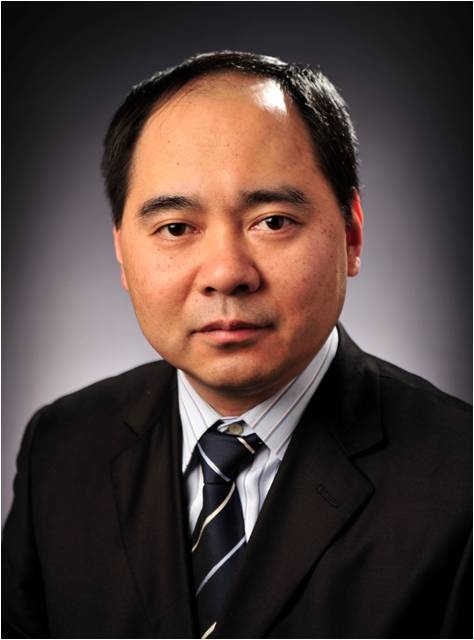 Shuhong Yi (易述红)合作论文数The Third Affiliated Hospital, Sun Yat-sen University196
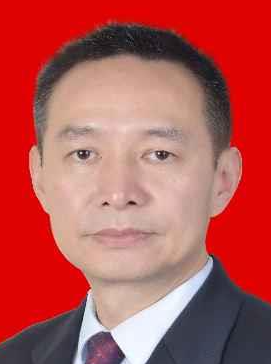 Genshu Wang (汪根树)合作论文数Guangdong Provincial Hospital of Traditional Chinese Medicine195
 Minqiang Lu (陆敏强)合作论文数Guangzhou First People's Hospital189
 ChangJie Cai (蔡常洁)合作论文数164HuiMin Yi (易慧敏)合作论文数137
 Guoying Wang (汪国营)合作论文数中山大学附属第三医院105Chi Xu (许赤)合作论文数102
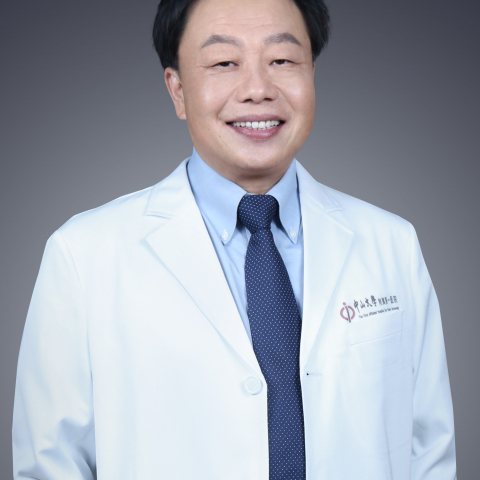 Xiaoshun He (何晓顺)合作论文数The First Affiliated Hospital, Sun Yat-sen University92
 Hua Li (李华)合作论文数The Third Affiliated Hospital, Sun Yat-sen University81
 Binsheng Fu (傅斌生)合作论文数Department of Organ Transplantation Center, The Third Affiliated Hospital,Sun Yat-Sen University76
 Yingcai Zhang合作论文数65
 Qi Zhang (张琪)合作论文数Sun Yat-sen University58Huang Jie-fu合作论文数52MinRu Li (李敏如)合作论文数50
 Changjie Cai (蔡常洁)合作论文数The First Affiliated Hospital, Sun Yat-sen University49Wei Liu (wei liu 刘 炜)合作论文数The Xijing Hospital, The Fourth Military Medical University44JunFeng Zhang (张俊峰)合作论文数39GuoDong Wang (王国栋)合作论文数35Yuling An (安玉玲)合作论文数34Jian Zhang (张剑)合作论文数33
 Nan Jiang合作论文数32
 Hui Tang合作论文数Fudan University, Fudan University30Jia Yao合作论文数28Zaibo Jiang (姜在波)合作论文数24Yi Ma (马毅)合作论文数24Linsen Ye合作论文数23Hui Zhao (赵辉)合作论文数22Deng Yinan合作论文数21Tong Zhang合作论文数19
 Xiaofeng Zhu (朱孝峰)合作论文数Sun Yat-sen University Cancer Center19
 lv Haijin (吕海金)合作论文数19Wei Meng (孟炜)合作论文数18Qing Yang (杨卿)合作论文数18Xiaomeng Yi合作论文数17
 Yinghua Chen (陈颖华)合作论文数中山大学附属第一医院17Y. Yang合作论文数16
 Jun Zheng合作论文数16
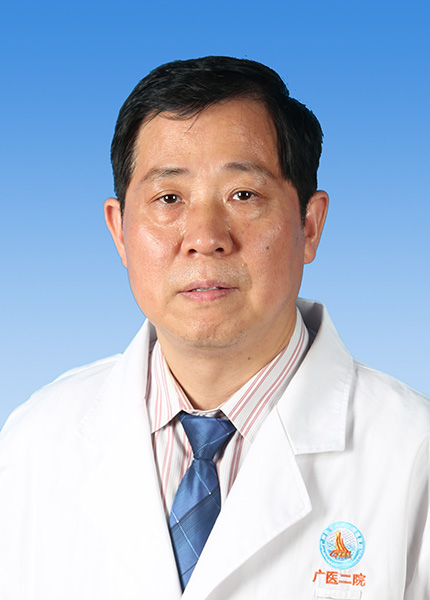 Kangshun Zhu (朱康顺)合作论文数The Second Affiliated Hospital of Guangzhou Medical University16Jianye Cai合作论文数Sun Yat Sen Univ, Affiliated Hosp 3, Dept Hepat Surg, Guangzhou, Guangdong, Peoples R China14




