Background Oligoasthenozoospermia is a major cause of male infertility, with chronic excessive alcohol consumption being a prevalent etiology. Cistanche deserticola Ma., a traditional Chinese medicine historically employed for reproductive improvement. However, the role and mechanism in alcohol-induced reproductive dysfunction remains unexplored. Purpose This study aimed to elucidate the protective effect and underlying mechanism of total glycosides of C. deserticola (TGCD) against alcohol-induced oligoasthenozoospermia. Methods The effects of TGCD were evaluated using a NIAAA mouse model. Mechanisms were elucidated through multi-omics, fecal microbiota transplantation, Lactobacillus reuteri supplementation, spermidine supplementation, and so on. Translational relevance was assessed by patients with alcohol-induced sperm abnormalities and a public single-cell transcriptome dataset. Results TGCD administration significantly improved alcohol-impaired sperm quality, restored testosterone levels and testicular architecture. Mechanistically, TGCD selectively enriched L. reuteri, which enhanced spermidine production. Spermidine activated the Nrf2-mediated antioxidant pathway, thereby reducing ROS accumulation and reinstating the expression of key steroidogenic enzymes. Critically, these findings are corroborated by clinical data showing reduced fecal L. reuteri abundance in patients with alcohol-related sperm abnormalities, as well as human testicular single-cell transcriptomic evidence of concurrent downregulation of spermidine and Nrf2 pathways in infertile patients. Conclusion TGCD alleviates alcohol-induced oligoasthenozoospermia via a gut microbiota-dependent mechanism involving L. reuteri-enhanced spermidine production and subsequent activation of the Nrf2 antioxidant pathway. This study not only highlights the therapeutic potential of TGCD for male infertility but also underscores the gut-testis axis as a promising target. Fecal abundance of L. reuteri emerges as a potential biomarker for clinical translation in this context.
Background Chronic prostatitis/chronic pelvic pain syndrome (CP/CPPS, NIH category Ⅲ) remains a challenging condition with no universally accepted treatment. Although alpha-blockers and antibiotics are commonly used, their efficacy is inconsistent. Purpose In this study, we aimed to evaluate the efficacy and safety of Qianlieshutong Capsules (QLSTCs, a standardized traditional Chinese medicine) combined with tamsulosin versus tamsulosin alone in patients with CP/CPPS. Methods In this post-marketing, multicenter, randomized, double-blind, single-dummy clinical trial, 240 male patients aged 18–50 years diagnosed with CP/CPPS were randomly assigned (1:1) to receive either QLSTCs (0.4 g/capsule, 3 capsules, three times daily) plus tamsulosin (0.2 mg nightly) or a matching placebo plus tamsulosin for 8 weeks. The primary endpoint was the change in the National Institutes of Health Chronic Prostatitis Symptom Index (NIH-CPSI) total score from baseline to week 8. Secondary outcomes included changes in the NIH-CPSI score at week 4, domain-specific scores (pain, urinary symptoms, quality of life), and treatment response rates. Safety was assessed through adverse events (AEs), laboratory tests, vital signs, and ECG. Results Of the 240 randomized patients, baseline characteristics were comparable. At week 8, the combination group showed a significantly greater reduction in the total NIH-CPSI score than the control group (−14.30 ± 0.53 vs. −10.60 ± 0.54; mean difference = 3.70, 95% CI: 2.36–5.04; P < 0.0001). The effective response rate and marked improvement rate were significantly higher in the combination group. Improvements were also significant in all NIH-CPSI domains at week 8. AE incidences were low and comparable between groups (10.00% vs. 9.24%), with no serious AEs reported. Conclusion The combination of QLSTCs and tamsulosin is a safe and more effective treatment than tamsulosin alone for CP/CPPS, offering superior symptom relief, particularly in pain, urinary symptoms, and quality of life. This approach may serve as a promising multimodal therapeutic option in clinical practice.
OBJECTIVE:To systematically evaluate the effect and safety of the combination of Compound Xuanju Capsules (CXC) and Western medicine (WM) in the treatment of type Ш prostatitis complicated by ED. METHODS:We searched for randomized controlled trials (RCT) on the treatment of type Ш prostatitis complicated by ED with CXC+WM or WM in the Chinese and English databases CNKI, VIP, Wanfang Digital, Duxiu Academic Search and Chaoxing Electronic Book Information Retrieval, Fangzheng Apabi Electronic Book, Google Scholar Search, Web of Science, Scopus, PubMed, and others from their establishment to April 2024. According to the Cochrane Handbook requirement, we subjected the identified RCTs to meta-analysis using the RevMan 5.3 software. RESULTS:A total of 16 eligible studies were identified, involving 742 cases treated by combination therapy of CXC+WM and another 742 with WM alone. The results of meta-analysis showed that the rate of clinical effectiveness was dramatically higher in the CXC+WM than in the WM group (P<0.01, MD = 6.19, 95% CI: 4.63-8.28), and so were the IIEF-5 scores (P < 0.004, MD = 2.90, 95% CI: 0.90-4.89), while the quality of life (QOL) scores were significantly lower in the former group than in the latter (P<0.01, MD = -1.94, 95% CI: -2.47--1.40), and so were the NIH-CPSI scores (P<0.01, MD = -3.92, 95% CI: -4.94--2.91). No statistically significant difference was reported in the adverse reactions between the two groups (P = 0.12, MD = 0.03, 95% CI: -0.01-0.08). Publication bias analysis on the effectiveness rate of the results revealed an incomplete symmetry between the two sides of the funnel plot, indicating the possibility of publication biases. CONCLUSION:The combination therapy of CXC+WM is superior to WM alone in the treatment of type Ш prostatitis complicated by ED for its high safety and effect of improving the patients' erectile function, but inferior to the latter in improving the QOL and NIH-CPSI scores of the patients.
This study evaluated the clinical value of penile sympathetic skin response (PSSR) in patients with non-organic erectile dysfunction (ED) and its correlation with psychological status. Based on the results of the nocturnal penile tumescence and rigidity (NPTR) test, the study included 68 patients with non-organic ED, 30 patients with organic ED, and 120 matched control subjects with normal erectile function. All subjects underwent PSSR testing to measure PSSR latency, International Index of Erectile Function-5 (IIEF-5) scores, and self-rating anxiety scale (SAS) scores. The results showed that the PSSR latency in patients with non-organic ED was significantly shorter than that in patients with organic ED and normal controls (NCs) (1179.12 ± 145.38 vs. 1420.00 ± 145.97 vs. 1382.00 ± 179.68 ms, p < 0.001). Furthermore, PSSR latency in patients with non-organic ED was negatively correlated with the SAS anxiety score (p < 0.001, r = −0.681) and positively correlated with the IIEF-5 score (p < 0.001, r = 0.493). Our study results suggest that patients with non-organic ED have excessive sympathetic excitation, and PSSR can be used as an objective electrophysiological indicator to assess autonomic nerve dysfunction, providing a rapid, non-invasive auxiliary tool for clinical differential diagnosis. This study is the first to reveal a significant association between PSSR latency and psychological anxiety, suggesting that enhanced sympathetic nerve activity may be an important pathological mechanism of non-organic ED.
Background:Premature ejaculation (PE) is a common male sexual dysfunction with treatment limitations including side effects and partner dependency. Aim:To evaluate vacuum negative pressure hydropneumatic/pneumatic bubble massage (VNPHP/PBM) efficacy in primary PE (PPE) patients stratified by sexual frequency, focusing on subjective low-frequency (avoidance due to PE) vs objective low-frequency subgroups. Methods:Retrospective analysis of 42 PPE patients: 22 low-frequency (LF; <4 intercourse/month) including 13 subjective (sub-LF) and 9 objective (ob-LF) vs 20 non-low-frequency (NLF; ≥4/month). Outcomes:Primary: intravaginal ejaculation latency time (IELT); secondary: Premature Ejaculation Diagnostic Tool (PEDT), Self-Rating Anxiety Scale (SAS) scores, and sexual frequency changes at 4 weeks. Results:Both groups showed significant improvements in IELT, PEDT, and SAS scores (P < .05). Low-frequency group showed greater improvements than NLF in PEDT reduction (6.36 ± 2.38 vs 7.90 ± 2.02, P = .03), SAS reduction (30.95 ± 9.57 vs 38.45 ± 8.85, P = .01), and sexual frequency increase (0.50 [0.00, 4.00] vs 1.00 [1.00, 2.00], P = .02). Crucially, sub-LF patients exhibited dramatic sexual frequency normalization (6.00 [4.00, 7.50] vs 2.00 [1.00, 2.00], P < .001), while ob-LF unchanged (P = .56). No adverse events. Clinical implications:Vacuum negative pressure hydropneumatic/pneumatic bubble massage is a partner-independent therapy that not only improves ejaculatory control but also restores sexual activity in patients avoiding intercourse due to PE-related anxiety. Strengths and limitations:Strengths: First study analyzing subjective vs objective low-frequency PE, standardized protocols. Limitations: Retrospective design, self-reported IELT data, lack of a control group, and the non-blinded nature of the study. Conclusion:Vacuum negative pressure hydropneumatic/pneumatic bubble massage significantly improves PE symptoms with amplified benefits in low-frequency patients, particularly those with PE-driven sexual avoidance.
Background:Post-stroke thalamic pain (PS-TP), a common form of central pain, is characterized by hyperalgesia and abnormal sensations in the contralateral affected area. Acupuncture treatment has shown increasing promise in treating PS-TP in recent years. This systematic review and meta-analysis aimed to evaluate the efficacy and safety of acupuncture treatment for PS-TP. Methods:According to the established search strategy, randomized controlled trials (RCTs) of acupuncture therapy for PS-TP were retrieved from eight Chinese and English databases as well as two clinical trial registration platforms, up to February 2024. Outcome measures included the total efficacy rate, visual analogue scale (VAS), present pain intensity score (PPI), pain rating index (PRI), β-endorphin (β-EP), substance P (SP) and adverse reactions. Sensitivity analysis and subgroup analysis were conducted to identify the sources of heterogeneity. We evaluated the evidence quality of outcomes via the Grading of Recommendations Assessment, Development, and Evaluation (GRADE) rating system and performed trial sequential analyses using TSA software. Results:The final inclusion comprised 12 articles, which involved 953 patients. Meta-analysis results indicated that acupuncture treatment for PS-TP was more effective than conventional medical treatment in reducing VAS scores [MD = -1.11, 95% CI (-1.33, -0.88), p = 0.002], PPI scores [MD = -0.65, 95% CI (-1.13, -0.16), p = 0.009], and PRI scores [MD = -1.02, 95% CI (-1.41, -0.63), p < 0.00001]. Additionally, acupuncture treatment for PS-TP was superior to the conventional medical treatment in increasing plasma β-EP levels [MD = 8.83, 95% CI (5.42, 12.25), p < 0.00001], and reducing SP levels [MD = -4.75, 95% CI (-7.11, -2.40), p < 0.0001]. Regarding the total efficacy rate, acupuncture treatment was superior to the conventional medical treatment in treating PS-TP [RR = 1.24, 95% CI (1.17, 1.31), p < 0.00001]. The incidence of adverse events was lower in acupuncture treatment than in conventional medical treatment [RR = 0.43, 95% CI (0.14, 1.32), p = 0.03]. The GRADE assessment indicated that the quality of evidence for all outcome measures ranged from moderate to very low. Trial sequential analysis (TSA) results provided compelling evidence for the efficacy of acupuncture in treating PS-TP. Conclusion:Acupuncture treatment emerges as a potentially efficacious and safe treatment option for PS-TP. In the future, more large-sample, high-quality RCTs are needed to provide primarily high-level evidence in evidence-based medicine regarding the safety and sustained effects of acupuncture treatment for PS-TP. Systematic review registration:https://www.crd.york.ac.uk/PROSPERO/view/CRD42024498698, identifier CRD42024498698.
This study aims to analyze the registration information and outcome transparency for five common andrological diseases, as well as the factors influencing result availability. A comprehensive search was performed on ClinicalTrials.gov and the International Clinical Trials Registry Platform (ICTRP) to retrieve all clinical trial registration data related to the five defined andrological diseases from the inception of these databases up to September 1, 2024. The search extracted key trial details, including status, type, intervention, and result availability. Of 8,132 trials retrieved, 642 were analyzed. Among these, 259 trials (40.34%) reported results via ClinicalTrials.gov, ICTRP, or publications, while 113 trials (17.60%) made results publicly available on ClinicalTrials.gov or ICTRP. Among the five andrological diseases, male infertility had the highest rate of result availability (37/74, 50%), whereas benign prostatic hyperplasia exhibited the lowest (71/190, 37.37%). No significant differences were found across diseases (χ 2 = 3.722, df = 4, p = .435). Factors such as study status, blinding, interventions, center type, location, and duration significantly influenced result availability, whereas study type, stage, funding, outcome indicators, and sample size did not. Clinical trials on andrological conditions show major gaps in registration and result disclosure, with low reporting rates and prevalent non-reporting and selective reporting. Developed countries dominate trial registration and result disclosure while developing countries have limited participation. Trial characteristics also influence result disclosure rates. These challenges compromise the integrity and credibility of research data, impede clinical practice, and hinder the progress of medical research. Measures are needed to improve transparency, reduce selective reporting, and enhance the rigor and credibility of andrology research.
Objective: To systematically evaluate the clinical efficacy and safety of Tonifying kidney and activating blood therapy for the treatment of diabetic mellitus erectile dysfunction. Methods: China National Knowledge Infrastructure(CNKI), Wanfang Data, VIP, Chinese Biomedical Database(CBM), PubMed, Cochrane Library, Embase and Web of Science were searched from inception until October 20th of 2024,for randomized controlled trials of Tonifying kidney and activating blood therapy for the treatment of diabetic erectile dysfunction. Literature screening, quality evaluation, and data extraction were carried out in accordance with relevant standards. The software of RevMan5.4 was used for the analysis of publication bias. And meta-analysis was conducted to assess the impact of this therapy on IIEF-5, total effective rate, adverse reactions. The evidence levels according to the analysis results were evaluated. Results: Totally 19 RCTs were included, involving 1 612 patients. The result of meta-analysis indicated that Tonifying kidney and activating blood therapy had advantages on the improvement of IIEF-5 scores (MD=3.59,95%CI[2.14,5.03],P<0.01),total effective rate (OR=4.30,95%CI[3.29,5.32],P<0.000 01). However, there was no statistically significant difference in the incidence of adverse reactions(OR=0.98,95%CI[0.48,2.01],P=0.96) between the two groups. Conclusions: Tonifying kidney and activating blood therapy can improve the clinical efficacy and IIEF-5 score for the patients with diabetic erectile dysfunction. But considering the limited quantity of included studies, more high-quality studies still be needed to validate the therapeutic effect.
BACKGROUND AND AIM:As a classical formula to invigorate blood circulation, Huoxue Tongluo Qiwei Decoction (HTQD) can effectively treat hypertensive erectile dysfunction (ED), but its exact mechanism of action is not yet clear. The goal of this research was to explore the potential mechanism of HTQD in improving hypertensive erectile dysfunction in rats through transcriptomics, network pharmacology, and associated animal experimentations. METHODS:The HTQD chemical constituents were screened using high-performance liquid chromatography- tandem mass spectrometry (HPLC-MS/MS). Furthermore, transcriptomics analysis was performed via mRNA sequencing to identify significantly differentially expressed proteins. Moreover, the key target proteins of HTQD in the treatment of hypertensive ED were screened by network pharmacology and transcriptomics. In addition, the endothelial cells of the corpus cavernosum were assessed using hematoxylin-eosin staining. The transcript and protein expressions were evaluated via western blotting and Real-time reverse transcription-quantitative polymerase chain reaction (RT-qPCR). RESULTS:The network pharmacology and transcriptome mRNA sequencing revealed that KCNE1 may be the target protein of HTQD in improving hypertensive ED. After HTQD treatment, the systolic and diastolic blood pressure (BP) of hypertensive rats decreased, the number of erections increased, and the pathological structure of the penis was improved. Moreover, HTQD downregulated the protein and mRNA expression of AngII, AT1R, DAG, and PKCε, whereas it upregulated the transcript and protein expression of KCNE1. CONCLUSION:HTQD may activate the PKCε pathway through AngII, inhibit the expression of KCNE1 protein, relax vascular smooth muscles, and improve erectile function.
Diabetes-induced erectile dysfunction (DIED) is a type of refractory erectile dysfunction which can be clinically treated using the traditional Chinese medicine leech whose main ingredient is hirudin. Oxidative stress can damage vascular endothelial cells, affect blood circulation, and induce fibrosis of smooth muscle cells. This study assessed the efficacy of hirudin in treating DIED before exploring its potential mechanism of action. DIED was induced in rats using streptozotocin, while experimental apomorphine was used to screen for erectile dysfunction models. The rats were then divided into four groups: a blank control group (NC group), a model group (M group), a hirudin group (H group), and an inhibitor group (YC group). After 2 weeks, the serum levels of malondialdehyde (MDA), superoxide dismutase (SOD), and nitric oxide (NO) were determined. The histological features and HIF-1α/RhoA/ROCK signaling pathway-related proteins of the penile corpus cavernosum were detected. Erectile function improved in the H and YC groups without significantly affecting body weight and blood glucose levels, with histopathological analysis also showing improvement in penile structure in these groups. In addition, the expression of HIF-1α/RhoA/ROCK signaling pathway-related proteins was lower in the penile cavernous tissue of rats in the H and YC groups ( p < .05), with the serum levels of NO and SOD also being higher in these groups ( p < .05). The serum level of MDA decreased in the YC and H groups ( p < .05). In this study, only animal experiments were conducted to investigate the regulation of Rho/ROCK pathway by HIF-1α. Cellular studies of the underlying mechanisms are lacking.
Diabetes mellitus-induced erectile dysfunction (DMED) is a common complication of diabetes. In recent years, clinical and experimental studies have demonstrated the crucial role of vascular endothelial structure and function damage in the pathogenesis of DMED, suggesting the core role of vascular lesions in DMED. Endothelin-1 (ET-1) is currently reported as a potent long-acting vasoconstrictor, which could be upregulated by hyperglycemia and is considered as a biomarkerof diabetic endothelial dysfunction. In this study, we review the increase of ET-1 level in a hyperglycemic environment and the mechanisms by which it contributes to the pathogenesis of DMED. Clinical and experimental evidence demonstrate that hyperglycemia significantly upregulates ET-1 levels, which could arise from the specific signaling pathway or epigenetic changes such as DNA hypomethylation. Prolonged ET-1 elevation could lead to inflammation, oxidative stress, and reduced nitric oxide (NO) generation and utilization rate, which induce the occurrence of penile erectile dysfunction. Furthermore, we explore the therapeutic potential of regulating ET-1 expression for DMED treatment, by interventions targeting ET-1 synthesis or receptor blockade. In a word, our study summarized that DMED could be driven by ET-1 dysregulation, offering new insights for future clinical trials to improve the treatment of DMED and other diabetic complications.
OBJECTIVE:To explore the mechanism of Lingze Tablets (LZT) acting on BPH in rats based on the VEGFA/TNF/IL-6 signaling pathway. METHODS:We equally randomized 30 SPF SD male rats into five groups, normal control, BPH model control, low-dose LZT, medium-dose LZT and high-dose LZT, and established a BPH model in the latter four groups by induction with non-castrate testosterone propionate. After the modeling, we treated the rats in the normal and model groups by intragastrical administration of physiological saline, and those in the latter three groups with low-, medium-, and high-dose LZT respectively, all for 28 successive days. Then we collected the prostate tissue from the animals for observation of the changes in the prostatic indexes and histomorphology, detected the expressions of the proteins related to the VEGFA/TNF/IL-6 signaling pathway, and compared the data obtained among different groups. RESULTS:Compared with the normal controls, the rats in the model control group showed significant prostatic hyperplasia, markedly increased prostatic index ([0.84 ± 0.01] g, P<0.05), thickness of the prostatic epithelia and infiltration of the luminal area, and dramatically up-regulated protein expressions of VEGFA (0.60 ± 0.02, P< 0.05), TNF (0.76 ± 0.02, P< 0.05) and IL-6 (0.64 ± 0.02, P< 0.05). In comparison with the model controls, the rats in the low-, medium- and high-dose LZT groups exhibited significantly decreased prostatic indexes ([0.76 ± 0.02] g, [0.58 ± 0.02] g and [0.52 0.01] g, all P< 0.05), improved prostatic histomorphology, and down-regulated expressions of VEGFA (0.45 ± 0.01, 0.35 ± 0.01 and 0.31 ± 0.02, all P< 0.05), TNF (0.45 ± 0.01, 0.33 ± 0.01 and 0.27 ± 0.01, all P< 0.01) and IL-6 (0.44 ± 0.01, 0.36 ± 0.01 and 0.30 ± 0.01, all P< 0.01) in a dose-dependent manner. CONCLUSION:LZT produces therapeutic effect on BPH by negatively regulating the VEGFA/TNF/IL-6 signaling pathway, reducing the expression levels of VEGFA, TNF and IL-6 proteins, and regulating cell proliferation, apoptosis and inflammatory response.
Asthma is associated with chronic systemic inflammation, and inflammatory factors can damage vascular endothelial cells, thus impairing erectile function (ED). Xuefu Zhuyu decoction (XFZYD) can inhibit inflammation and promote angiogenesis, which in turn improves asthma as well as ED, but its exact mechanism of action is not yet clear. This study investigates the mechanism underlying the beneficial effect of XFZYD on asthma-associated ED. High-performance liquid chromatography-tandem mass spectrometry (HPLC-MS/MS) was used to analyze the constituents of XFZYD, and network pharmacology analysis was used to predict the target genes of XFZYD. Sprague–Dawley rats in the asthma model with erectile dysfunction were divided into the model, XFZYD low-, medium-, and high-dose group (3.09, 6.17, and 12.34 g/kg), with drug intervention for 8 weeks. We assessed the interleukin 6 (IL-6), vascular endothelial growth factor A (VEGFA), and tumor necrosis factor (TNF) protein levels in the penile tissue. We discovered that after treatment with XFZYD (3.09, 6.17, and 12.34 g/kg), the number of erections significantly increased (1.17 ± 0.41, 1.50 ± 0.55, and 1.67 ± 0.52), the density of endothelial cells in the corpus cavernosum of the penis increased, the expression level of IL-6 was reduced (7.5%, 21.2%, and 24.4%), the expression level of VEGFA was reduced (7.8%, 25%, and 28.4%), and the expression level of TNF was reduced (13.5%, 30.6%, and 32.4%). The in vivo experiments indicate that XFZYD may improve ED in asthma model rats by inhibiting inflammation and reducing vascular permeability. This study provides new insights into the mechanism of action of XFZYD in the treatment of asthma leading to ED.
Abstract Objectives:The objective of this study was to assess the causal relationship between obstructive sleep apnea (OSA) and allergic conditions including allergic asthma, allergic rhinitis, allergic conjunctivitis, and atopic dermatitis. Design:We conducted a Mendelian randomization analysis to assess a potential causal relationship between OSA and allergic disease. Setting and participants:All candidate gene data were from the IEU GWAS database, where OSA candidate genes included 16,761 cases and 201,194 controls, and the allergic disease dataset included allergic asthma (4,859 and 135,449 controls), allergic rhinitis (7,308 and 167,849 controls), allergic conjunctivitis (9,431 and 203,517 controls), and atopic dermatitis (7,024 and 198,740 controls). Results:MR analysis using the IVW approach demonstrated that OSA was associated with a slight increase in the risk of allergic asthma (odds ratio [OR]=1.16; 95% confidence interval [CI]: 1.02–1.33; p = 0.019). Furthermore, compelling evidence emerged, indicating that OSA is associated with an elevated risk of other allergic conditions, such as allergic rhinitis (OR=1.16; 95% CI: 1.04–1.29; p = 0.006), allergic conjunctivitis (OR = 1.15; 95% CI: 1.05–1.27; p = 0.002), and atopic dermatitis (OR=1.16; 95% CI: 1.03–1.30; p=0.002). These results collectively contribute to a better understanding of the potential causal relationships between OSA and various allergic diseases. Conclusion: The findings of the two-sample MR analysis indicated that OSA exhibited a potential increased risk of allergic diseases.
Background Semen Cuscutae and Fructus Lycii (SC-FL) is known for its potential therapeutic effects on spermatogenesis dysfunction. However, the underlying mechanisms of SC-FL in alleviating spermatogenesis dysfunction is still being elucidated. Purpose This study aimed to explore the effects of SC-FL on spermatogenesis dysfunction and investigate the involved mechanisms, specifically focusing on the modulation of oxidative stress and ferroptosis. Methods A mouse model of spermatogenesis dysfunction was induced by tripterygium glycosides, followed by treatment with SC-FL. Assessment of testicular spermatogenic function in the mice was performed alongside lipidomics analysis to investigate the metabolic mechanisms of SC-FL. The effects on oxidative stress and ferroptosis-related markers were evaluated, the chemical constituents of SC-FL were identified using liquid chromatography-mass spectrometry, and network pharmacology analysis was carried out. Additionally, an in vitro model of spermatogenesis dysfunction was established using triptolide-induced GC-1 cells, which were treated with Lycium barbarum polysaccharides (LBP) and flavonoids from Semen Cuscutae (FSC) to explore their impact on cell damage, oxidative stress-mediated damage, and ferroptosis. Results SC-FL improved the mouse model of spermatogenesis dysfunction by inhibiting oxidative stress-mediated ferroptosis. In vitro experiments demonstrated that LBP and FSC relieved GC-1 cell damage, with their mechanisms also associated with the inhibition of oxidative stress-mediated ferroptosis. Conclusion SC-FL alleviates spermatogenesis dysfunction in animal and cell models, potentially through the modulation of the Nrf2/HO-1 signaling pathway, which consequently inhibits oxidative stress-mediated ferroptosis in spermatogonial cells.
OBJECTIVE:To explore the mechanism of hypertension inducing erectile dysfunction (ED) using transcriptomics and network pharmacology. METHODS:We randomly divided 12 male rats with spontaneous hypertension (SHT) into an L-arginine (LA) group (n = 6) and an SHT model control (MC) group (n = 6), took another 6 Wistar Kyoto male rats as normal controls (NC), and treated the animals in the LA group by intraperitoneal injection of LA at 400 mg/kg and those in the latter two groups with physiological saline, once a day, all for 7 days. Then we observed the blood pressure and penile erection of the rats, and determined the expressions of the cGMP/PKG signaling pathway-related proteins and mRNAs in different groups using ELISA, Western blot and RT-qPCR. RESULTS:Transcriptomics combined with network pharmacology showed that the cGMP/PKG signaling pathway played a key role in hypertension-induced ED. In vivo animal experiments revealed a significantly lower frequency of penile erections in the MC than in the NC group (1.33 ± 0.52 vs 2.67 ± 0.51, P<0.05). The protein expressions of eNOS, PKG and sGC were markedly decreased in the model controls compared with those the normal controls (P<0.05), but remarkably upregulated in the LA group compared with those in the MC group (P<0.05). CONCLUSION:Hypertension decreases the expressions of eNOS, NO, sGC, cGMP and PKG proteins and the level of testosterone by inhibiting the cGMP/PKG signaling pathway, which consequently suppresses the relaxation of the penile vascular smooth muscle and reduces erectile function.
BACKGROUND AND AIM:Diabetes and Urinary Tract Infections (UTIs) are both common and serious health problems. Shuangdong capsule, a Chinese patent medicine, has been used to treat these conditions. This study assesses its efficacy and mechanism in treating diabetes combined with UTIs. METHODS:We induced diabetes in rats using streptozotocin and UTIs with Escherichia coli, dividing the rats into five groups: control, model, levofloxacin, Shuangdong capsule, and levofloxacin + Shuangdong capsule. After two weeks, we measured blood glucose, insulin, infection indicators, and bladder histology. We also detected the expression of insulin receptor substrate 1 (IRS1)-phosphoinositide 3-kinase (PI3K)-protein kinase B (Akt)-C-X-C motif chemokine ligand 2 (CXCL2) signaling pathway by Western Blot and the myeloperoxidase (MPO) levels by Enzyme-Linked Immunosorbent Assay (ELISA). Additionally, we conducted a Mendelian randomization study using genetic variants of the insulin receptor to assess its causal effect on UTI risk. RESULTS:Shuangdong capsule improved bladder pathology and infection indicators, similar to levofloxacin. It did not affect blood glucose or insulin levels. Moreover, it reversed the suppression of the IRS1-PI3K-Akt-CXCL2 pathway and MPO levels caused by UTI in diabetic rats. The Mendelian randomization study showed that increased insulin receptor expression reduced UTI risk, which was consistent with the results of the animal experiments. CONCLUSION:The Shuangdong capsule was effective in treating diabetes with UTIs. It may function by activating the IRS1-PI3K-Akt signaling pathway, thereby increasing CXCL2 and MPO levels, enhancing innate immunity, and promoting bacterial clearance. The Mendelian randomization study provided further evidence supporting the causal role of the insulin receptor in UTI prevention.
Background: Observational studies indicated that serum uric acid (SUA) was associated with male sexual hormones and erectile dysfunction (ED). However, their relationship was still heterogeneous. Aim: This study conducted 2-sample univariate mendelian randomization (UVMR) and multivariate mendelian randomization (MVMR) to explore the causal relationship between SUA and sexual hormones as well as ED. Methods: Genetic variants associated with SUA were derived from the UK Biobank database (N = 437 354). Outcomes from the IEU Open GWAS and summary data sets were sexual hormones (sex hormone-binding globulin [SHBG], testosterone, estradiol [E2], follicle-stimulating hormone, luteinizing hormone) and ED, with 3301 to 625 650 participants. UVMR analysis primarily utilized the inverse variance weighted method, complemented by MVMR analysis. Thorough sensitivity analyses were carried out to ensure the reliability of results. Moreover, mediation analysis was conducted to estimate the mediated effect between SUA and outcomes. Outcomes: The primary outcomes included results of UVMR and MVMR analysis and mediation analysis, along with sensitivity analyses involving the Cochran Q test, the MR Egger intercept test, leave-1-out analysis, and the MR-PRESSO method (mendelian randomization pleiotropy residual sum and outlier). Results: UVMR analysis revealed that an elevated SUA level could decrease levels of SHBG (beta = -0.10, P = 1.70 x 10(-7)) and testosterone (beta = -0.10, P = 5.94 x 10(-3)) and had a positive causal effect on ED (odds ratio, 1.10; P = .018). According to reverse mendelian randomization results, increased levels of SHBG (beta = -0.06, P = 4.82 x 10(-4)) and E2 (beta = -0.04, P = .037) could also reduce SUA levels. As shown by MVMR analysis, SUA had a negative effect on SHBG and testosterone levels (P < .05), while the significant causal relationship between SUA and ED disappeared. Furthermore, SHBG mediated 98.1% of the effect of SUA on testosterone levels. Results of other mendelian randomization analyses were not statistically significant. No pleiotropy was found by sensitivity analysis in this study. Clinical Implications: Given the causal relationship between SUA and sexual hormones, we must focus on SUA and E2 levels in men, especially patients with hypogonadism and ED. Strengths and Limitations: This study evaluated the causal effect of SUA on male sexual hormones and ED genetically for the first time, clarifying the common biases in observational studies and confirming the negative relationship between SUA and testosterone level. Limitations include a population based on European ancestry, some crossover of the samples, and unobserved confounding factors. Conclusion: Genetic studies provide evidence for the causal relationship between SUA and male sexual hormones (SHBG, testosterone, E2), while the relationship between SUA and ED should be further evaluated.
Guijiajiao-Lujiaojiao (GL) is a combination of Traditional Chinese Medicine (TCM) that can be used to treat oligoasthenozoospermia (OAS). However, its mechanistic role in OAS needs to be better understood and necessitates more studies. This study was planned to investigate GL’s therapeutic effects and its mechanistic role in the tripterygium wilfordii polyglycoside (GTW)-induced OAS rat model. In total, 60 Sprague–Dawley (SD) rats at 8 weeks of age were assigned to six groups: blank (NC), model (GTW), GL low-dose (GL-L, 0.3 g/kg/day), GL medium-dose (GL-M, 0.6 g/kg/day), GL high-dose (GL-H, 1.2 g/kg/day), and GL high-dose + PI3K inhibitor LY294002 (GL-H 1.2 g/kg/day + LY 1.2 mg/kg/day) groups. The model was characterized after 8 weeks to examine sperm concentration and viability, serum hormone levels, testes histopathology, and specific protein markers. The treatment efficacy was evaluated by mRNA and protein expression levels, among other parameters. Compared with the GTW group, the viability and concentration of rat spermatozoa were significantly increased after GL intervention ( p < .01). Meanwhile, the serum levels of luteinizing hormone (LH), follicle-stimulating hormone (FSH), and T hormones in rats in the GL-M and GL-H groups were significantly higher than those in the GTW group ( p < .05). Furthermore, GL enhanced the proliferation of spermatogenic cells by modulating the PI3K/AKT signaling pathway, increasing and decreasing the levels of Bcl-2 and Bax proteins, respectively. It is concluded that the mechanism by which GL effectively enhanced the spermatogenic function of the GTW-induced OAS model may be attributed to the PI3K/AKT signaling pathway activation and the elevation of serum LH, FSH, and T hormone levels.
Daozhuo massage therapy for chronic prostatitis is an external treatment method that uses pointing, pressing, pushing, and kneading on specific acupoints to dredge meridians, regulate qi, and activate blood circulation. This therapy has a noticeable clinical therapeutic effect on chronic prostatitis, which is the core syndrome type of blood stasis. This article reviews the Traditional Chinese Medicine (TCM) pathogenesis of chronic prostatitis, the historical overview, clinical application, and operational precautions of Daozhuo massage therapy. It also includes a case study to discuss the significant role, effectiveness, and practical application of Daozhuo massage therapy in the clinical diagnosis and treatment of chronic prostatitis.
 Haisong Li (李海松)合作论文数Dongzhimen Hospital, Beijing University of Chinese Medicine206
 JiSheng Wang (王继升)合作论文数115HengHeng Dai (代恒恒)合作论文数89Binghao Bao合作论文数73Sheng Deng合作论文数63
 Jin Dang (党进)合作论文数Dongzhimen Hospital, Beijing University of Chinese Medicine45FENG Junlong (冯隽龙)合作论文数37
 Xuwei Mo (莫旭威)合作论文数Dongzhimen Hospital, Beijing University of Chinese Medicine37
 Bing Zhao (赵冰)合作论文数Dongzhimen Hospital, Beijing University of Chinese Medicine34JianXiong Ma (马健雄)合作论文数33YuTian Zhu (祝雨田)合作论文数30
 Fanchao Meng合作论文数28Junlong Feng合作论文数27Xiao LI (李霄)合作论文数23HuangFu Ma (马凰富)合作论文数21Ji-Sheng Wang合作论文数19XiHao Gong (宫僖浩)合作论文数18XU Hong-sheng (徐洪胜)合作论文数17
 Yang Liu (刘洋)合作论文数Dongfang Hospital, Beijing University of Chinese Medicine16
 Song Sun (孙松)合作论文数Dongzhimen Hospital, Beijing University of Chinese Medicine15
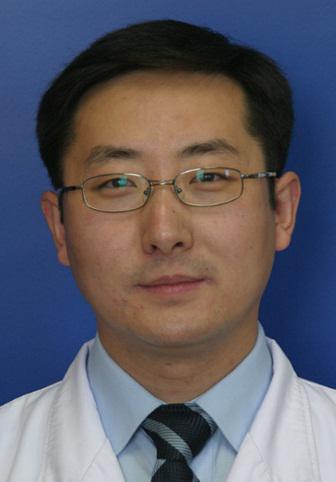 Qi Zhao (赵琪)合作论文数Dongzhimen Hospital, Beijing University of Chinese Medicine14
 Liang Han (韩亮)合作论文数Beijing University of Chinese Medicine13
 Xiao Li (李潇)合作论文数Dongzhimen Hospital, Beijing University of Chinese Medicine13
 Yueqing Li (李曰庆)合作论文数Zaozhuang Hospital, Beijing University of Chinese Medicine;Dongzhimen Hospital, Beijing University of Chinese Medicine13WANG Shizhen (王世桢)合作论文数12Lei Dong (董雷)合作论文数12Yue Zhang (张玥)合作论文数12Siqi Guan合作论文数11Zhongwen LONG (龙中闻)合作论文数11WangQiang Chen (陈望强)合作论文数10BenZhi Li (李本志)合作论文数9
 Ming Liu (刘明)合作论文数山东中医药大学附属医院周围血管病科8
 jingshang Wang (王景尚)合作论文数Dongzhimen Hospital, Beijing University of Chinese Medicine8ZHANG Hua-nan (张华南)合作论文数7Xudong Yu (于旭东)合作论文数7XueFeng Gong (弓雪峰)合作论文数7ZhiHua Xuan (宣志华)合作论文数7ZeYu Yao (姚泽宇)合作论文数7YuDong Zhang (张玉冬)合作论文数7Cong Zhao合作论文数6Hong ZHOU (周洪)合作论文数6JinHai Geng (耿金海)合作论文数6PengMing Mao (毛鹏鸣)合作论文数5XiaoXiao Zhang (张霄潇)合作论文数5CaiFei Ding (丁彩飞)合作论文数5
 Jianwei Shang (商建伟)合作论文数Dongzhimen Hospital, Beijing University of Chinese Medicine5Zi-Long Chen合作论文数4




