Antiferroelectrics exhibit tremendous potential for achieving high energy storage density by leveraging their unique electric field-driven phase transition. However, the polarization hysteresis effects induced by this phase transition simultaneously constrains the improvement of energy storage efficiency and device longevity. Here, we propose an intriguing local diverse antiferroelectric polarization configuration by perturbing the long-range antipolar order, manifested as the strategic embedding of local nonpolar regions and polymorphic polar regions within a sixfold commensurate-modulated antiferroelectric polarization framework, which can synergistically boost the breakdown field strength, enhance maximum polarization, reduce remanent polarization, and delay polarization saturation. By diversifying polarization, an extraordinary recoverable energy density of 14.1 J cm-3 with a high efficiency of 86.4% can be achieved in lead-free relaxor antiferroelectrics, showing breakthrough progress in the overall performance for NaNbO3-based bulk ceramics. This work demonstrates an effective strategy of local diverse antiferroelectric polarization to develop antiferroelectrics with ultrahigh energy storage performance.
Recuperators are critical components in space reverse Brayton cryocoolers, where even slight effectiveness degradation directly causes significant cooling capacity loss. Printed circuit heat exchangers (PCHEs) offer a promising solution through their compact design and high performance, manufactured by chemical etching and diffusion bonding. However, etching effects directly influence flow passage geometry and consequently impact PCHE hydraulic-thermal performance, necessitating detailed investigation. This study quantifies etching impacts on high-effectiveness pin-fin PCHEs through the comprehensive analysis of 180 full-scale etched plates and systematic characterization of test samples with varying geometric parameters. Statistical models for channel depth and wall thickness distributions, along with descriptions for anisotropic etching-induced pin-fin tapering, are developed and validated. Results reveal that the etching process significantly deteriorates PCHE performance through channel-level dimensional deviations and pin-fin-level deviations. First, channel-level variations observed at etched channel geometries produce 4.5% reduced average etching depth and 8.5% increasing wall thickness, resulting in 0.34% effectiveness loss and 41%-45% pressure drop increase with 95% confidence. Second, pin-fin-level deviations prove more severe observed at etched pin-fin geometry, comprising height reduction, diameter oversizing, and sidewall tapering that collectively reduce effectiveness by 0.5% (corresponding to 57% system cooling capacity loss) and increase pressure drop by up to 193%. Meanwhile, the geometric sensitivity analysis reveals size-dependent responses to etching effects. Small-diameter pin-fin configurations suffer greater thermal degradation, while large-diameter designs experience more severe hydraulic penalties and compactness reduction. These findings provide essential design guidelines for high-effectiveness PCHEs that must account for etching-induced deviations, with applications extending to other etched pin-fin systems in thermal management.
Supercritical fluid is extensively used in aero-engine cooling, high temperature superconducting cables and liquefied air energy storage. The cryogenic and high-pressure operating parameters pose great difficulties in obtaining experimental data on supercritical nitrogen heat transfer. Fluid-to-fluid scaling is an effective method for acquiring heat transfer data for supercritical cryogenic fluids. Currently, most scaling laws focus on data conversion between supercritical water, carbon dioxide and organic fluids, while few studies are developed for supercritical nitrogen. This paper proposes a new scaling law using dimensionless parameters to convert heat transfer data from supercritical water and carbon dioxide to supercritical nitrogen. A series of dimensionless parameters, such as dimensionless temperature, pressure, mass flux, and heat flux, are verified by an indirect verification method. The results indicate that the mean absolute relative deviations for converting supercritical water and carbon dioxide data are 19.0% and 25.5%, respectively, which are better than the existing scaling laws. This paper offers an approach to predict the heat transfer characteristic of supercritical cryogenic fluids.
Printed circuit heat exchangers (PCHEs) with micro pin-fins offer a promising solution for recuperators in space Brayton cryocooler. However, multilayer PCHE structures impose unique mechanical stress and pressure drop constraints, requiring wide-spacing, low-profile pin-fin configurations that differ fundamentally from the narrow-spacing, high-profile geometries extensively studied for electronic cooling applications. Moreover, cryogenic working fluids exhibit different heat transfer and flow behavior compared to conventional fluids, requiring specific investigation. Therefore, this study develops multi-level numerical models to investigate heat transfer and flow characteristics in low-profile, wide-spacing micro pin-fin channels (Hf/d = 0.3-0.8, S/d = 2-5), focusing on cryogenic fluids (helium, neon, and nitrogen) operating at 20 K to 300 K. The sensitivity analysis systematically examines key geometric parameters, including longitudinal spacing (SL/d = 2-5), transverse spacing (ST/d = 2-5), and pin-fin height (Hf/d = 0.3-0.8) on both channel-level thermal-hydraulic characteristics and system-level PCHE performance. Field synergy theory and secondary flow intensity analysis are employed to elucidate the underlying mechanisms. Subsequently, new correlations for Nusselt number (Nu) and friction factor (f) are developed for micro pin-fins with cryogenic fluids. These correlations demonstrate good agreement with numerical data, achieving average relative deviations in Nu and f predictions of 8.0 % and 18.5 %, respectively. Validation against 80 K experimental PCHE data, the proposed correlations significantly improve prediction accuracy by 54.6-93.1 % for heat transfer effectiveness. The findings provide essential design guidelines for applications requiring low-profile, wide-spacing micro pin-fin configurations, including PCHEs, micro-reactors, and cryogenic thermal management systems.
Liquid nitrogen spray cooling, which uses liquid nitrogen as the cooling medium, has certain differences from traditional room-temperature spray cooling. A semi-closed phase change cooling experimental platform for liquid nitrogen spray was established to test the cooling effect of liquid nitrogen spray on heating surfaces. It addresses the adiabatic issues and moisture interference of liquid nitrogen spray in open systems, while avoiding the impact of high pressure from rapidly expanding nitrogen on the experiment. The test bench enables regulation of different heating conditions, as well as precise adjustment of parameters such as nozzle flow rate, spray chamber pressure, and spray height, facilitating experiments on the influencing factors of spray-cooled surfaces. The research shows that: The maximum heat flux density of this semi-closed liquid nitrogen spray cooling system reaches 284 W & sdot;cm-2, with a corresponding surface superheat of 33.8 K. Changes in environmental and structural parameters have little impact on the range of the high-efficiency heat transfer zone of liquid nitrogen spray cooling, which is basically stable between 50 W & sdot;cm-2 and 150 W & sdot;cm-2. The low viscosity and low surface tension of liquid nitrogen enable the liquid nitrogen spray-cooled surface to achieve higher superheat and heat flux density, referred to as "critical heat flux (CHF) hysteresis" in this study. When approaching critical heat flux, changes in environmental and structural parameters do not significantly affect the surface heat transfer coefficient as they do for the maximum surface heat transfer coefficient. Instead, the surface heat transfer coefficient at the onset of CHF under various operating conditions falls within the range of 70 to 90 W & sdot;m-2 & sdot;K-1.
The helium refrigeration cycle is a critical component of small- and medium-scale hydrogen liquefaction plants, where the efficiency of high-speed helium turbo-expander plays a decisive role. Unlike previous studies focused on geometry or single loss mechanisms, this work proposes an integrated predictive framework that combines multiple loss correlations with one-dimensional governing equations to capture the flow behavior in the turbo-expander. Based on this framework, a mathematical model was developed to evaluate thermodynamic performance under design and off-design conditions, explicitly incorporating key parameters: inlet/outlet pressures, rotational speed, and gas temperature. Validation experiments on an upgraded cryogenic test platform show that the loss-model-based methodology accurately predicts turbo-expander performance across operating conditions, with the maximum relative error controlled within 7.09% and the average relative error at 3.54%. The study reveals efficiency patterns versus expansion ratio, specific speed, and temperature, and identifies optimal operating regimes to improve isentropic efficiency. These findings confirm the method’s accuracy and applicability and provide a solid theoretical and experimental basis for optimizing helium turbo-expanders in practical hydrogen liquefaction systems.
Lead-free dielectric ceramics are considered pivotal for next-generation pulsed power capacitors, yet their low energy storage density critically impede progress toward high-performance and miniaturized devices. Herein, we design high-entropy superparaelectrics in lead-free perovskite ceramics to enhance energy storage properties. This strategy can induce the formation of small-sized nanodomains, multiple types of oxygen octahedral tilts, and refined grain microstructures, collectively enabling rapid polarization response, delayed polarization saturation, large polarization difference, and enhanced breakdown electric field. By leveraging this design, an outstanding recoverable energy density of 14.7 J cm−3 is achieved in the 1/3NaNbO3-1/3Bi0.5Na0.5TiO3-1/3SrTiO3 lead-free ceramic under an ultrahigh breakdown field of 78 kV mm−1, accompanied by excellent frequency and temperature stability as well as superior pulsed charge-discharge performance. This work demonstrates that designing high-entropy superparaelectrics is an effective approach to enhance energy storage properties, offering significant potential for advanced energy storage applications.
Cryogenic liquids, characterized by boiling points well below ambient temperature, are highly susceptible to evaporation losses due to external heat infiltration. Ineffective mitigation of these losses during storage and transport leads to substantial energy waste. However, the design of low-heat-leakage insulation structures for cryogenic containers remains a significant research challenge. To address this, a high-precision heat leakage measurement platform was designed and constructed to test the insulation performance of cryogenic systems. The system features a configurable vapor-cooled shield (VCS), enabling comparative experiments with and without the VCS. The results show that under various conditions, the composite insulation structure with VCS reduces heat flux by approximately 20% compared to conventional multilayer insulation. The study also clarifies the influence of VCS structure and configuration on insulation performance, identifying the optimal structure as a U-shaped VCS placed at the 21st layer within the multilayer insulation structure for the liquid nitrogen temperature range. Based on interlayer temperature distribution, it is demonstrated that in the liquid nitrogen experiment, the VCS primarily improves insulation by suppressing heat conduction through solids and residual gases. This research confirms the significant insulation advantages of VCS, offering key experimental support and structural optimization insights for large-scale storage and transportation of liquid hydrogen and other cryogenic media.
Accurately predicting liquid hydrogen phase change and the associated unsteady heat and mass transfer, along with identifying the dominant mechanisms governing pressurization, remains a significant challenge for liquid hydrogen storage and transportation systems. To address this, an evaporation-pressurization prediction model is proposed for liquid hydrogen tanks. This model accounts for para-hydrogen and ortho-hydrogen conversion driven by vapor-liquid temperature and property differences. The model’s accuracy is validated against experimental data. A quantitative analysis method is introduced to evaluate how hydrogen vapor thermophysical parameters influence the pressurization rate under varying operational conditions. Using this method, the effects of tank volume, vapor superheat, and liquid filling level on internal pressure, temperature, and phase change are investigated. The results indicate that the pressurization rate decreases with increasing tank volume. Concurrently, a more rapid vapor temperature rise enhances the heat absorption associated with para to ortho hydrogen conversion, which further suppresses evaporation. Vapor superheat influences the internal temperature and evaporation rate via its effect on vapor phase enthalpy and by driving para to ortho hydrogen conversion. Under high vapor superheat conditions, variations in the corrected density become the dominant factor affecting the pressurization rate. Furthermore, the filling level primarily governs the vapor temperature rise, thereby regulating both the evaporation rate of liquid hydrogen and key pressurization factors. Higher filling levels correspond to a lower pressurization rate.
The high integration and miniaturization of electronic devices have driven a sharp rise in heat flux density; sluggish heat dissipation induces thermal accumulation and thermally induced stress warping, severely constraining the devices' long-term operational reliability. Graphene/copper (Gr/Cu) composites exhibit outstanding electrothermal performance and align closely with the thermal-management requirements of microelectronics, making them promising candidates for next-generation device interconnects, thermal interface materials, and high-efficiency conductive pathways. However, the weak interfacial bonding between graphene and copper severely limits their thermal conductivity and mechanical properties. Elucidating the interfacial coupling mechanisms at the atomic scale can effectively enable simultaneous enhancement of thermal conductivity and mechanical strength. In this study, based on density functional theory (DFT), we investigated the effects of site-specific B and N chemical doping on the thermoelectric transport mechanisms of the Gr/Cu composite interface. Considering that the interfacial atomic structure may impart different chemical reactivities to different dopant sites, we ultimately selected the fcc site doped with B and the top site doped with N, both of which exhibited relatively stable interfacial interactions, for subsequent model calculations. In the Gr/Cu interface system, phonon propagation in the atomic layers adjacent to the interface plays a dominant role in thermal transport efficiency. Accordingly, B doping at the fcc site yields the highest interfacial phonon density of states matching, with a value of 0.17. Using a computational framework that combines Kubo-Greenwood theory with first-principles molecular dynamics, we found that B doping at the fcc site benefits the system's thermal conductivity without significantly impairing its electronic transport performance, the electrical conductivity remaining at 70.82 x 10(6) Omega(-1) center dot m(-1). This study not only provides a new feasible strategy for controlling the spatial distribution of dopants at the graphene and copper interface, but also deepens understanding of the contact behavior of B- and N-doped graphene on copper surfaces, thereby laying a theoretical foundation for predicting the performance of related micro- and nanoelectronic devices.
Performance testing and optimization of multilayer insulation structure with low heat leakage are essential for extending storage duration and minimizing evaporation losses in cryogenic fluids. This study developed a performance testing system for multilayer insulation, and reliability verification of the experimental setup was conducted to ensure the accuracy of the data. Liquid nitrogen experiments were performed to investigate the effects of perforation rate, vacuum pressure, number of layers, and layer density on insulation performance. Based on the experimental results, both the Lockheed and Layer-by-Layer heat leakage models were fitted. Subsequently, the fitted models were applied to conduct preliminary model-based prediction and structural optimization under liquid hydrogen boundary-temperature conditions. The findings indicate that non-perforated radiation shield layers are ineffective at evacuating interlayer residual gas. The optimal perforation rate range was determined to be 0.25∼0.50%. Moreover, as the vacuum pressure increases, gas conduction gradually becomes increasingly important relative to radiation and solid conduction, causing the temperature distribution to shift from a nonlinear radiation-dominated profile toward a more linear conduction-dominated profile. Using the fitted prediction models, the predicted optimal layer density for a uniform structure was determined to be 13 layers/cm, with a predicted optimal total of 50 layers for the liquid hydrogen temperature range. Additionally, for every five radiation shield layers as a group, arranging the glass fiber paper layers in the sequence 5-3-2-2-2-2-1-1-1-1 minimized the heat flux of variable density multilayer insulation structure. Under the structural constraints considered in this study, this configuration resulted in a 5.15% reduction in heat flux compared with the optimized uniform-density multilayer insulation structure.
The efficient and reliable operation of liquid hydrogen (LH2) storage and transport equipment and their key components is critical to the large-scale application of hydrogen energy and the security of its industrial chain. This paper provides a systematic review of the research progress in this field. First, the development status and technological evolution of representative stationary and mobile LH2 storage tanks worldwide are outlined, categorized according to geometric configuration, scale, and application scenario. Second, the application status and innovative research findings for key components operating in LH2 environments are detailed. These components include support structures (encompassing inter-tank supports and pillars), insulation materials and methodologies, and cryogenic structural materials. An in-depth analysis is conducted on aspects where current research remains insufficient. Finally, in light of development trends and existing challenges, future technological directions and system optimization pathways are proposed, to provide a reference for related research and engineering practice.
To meet the demands of lightweight design and real-time control in short-duration, high-heat-load thermal management systems, this study investigated the transient discharge performance of a fin-and-tube phase-change cold storage unit to address the limitations of conventional numerical simulations in simultaneously providing physical insight and online prediction efficiency. First, a three-dimensional transient model for the external phase change material based on the enthalpy-porosity method and a one-dimensional transient flow model for the internal refrigerant were established. A coupled three-dimensional/one-dimensional bidirectional thermal framework was developed to reveal the transient response of the cold storage unit under the combined effects of phase-change heat transfer and along-tube pressure drop. The results show that, under typical operating conditions, the average heat transfer rate reaches 88.29 kW over an 80 s operating period. As the phase change proceeds, the thickened liquid layer increases thermal resistance and continuously weakens the heat transfer capacity of the unit. At 80 s, the along-tube pressure drop approaches 0.3 MPa, and the pressure-drop-induced decrease in saturation temperature is identified as the primary cause of the non-monotonic inflection in the outlet temperature. To enable rapid performance prediction, a particle swarm optimization Extreme Gradient Boosting surrogate model embedded with a transport delay criterion and thermodynamic consistency constraints was developed. The prediction results show that the coefficients of determination for the outlet pressure, outlet enthalpy, and average phase change material temperature of the independent test set exceed 0.98. Crucially, the transport delay criterion reduces the root mean square error of the refrigerant outlet temperature prediction from 1.214 ℃ to 0.580 ℃, providing technical support for the rapid performance evaluation of phase-change cold storage systems and system-level model predictive control.
Liquid hydrogen (LH2) presents promising prospects for large-scale storage and transportation applications. However, its widespread adoption is limited by the high energy demand of hydrogen liquefaction. Consequently, effective optimization of hydrogen liquefiers is essential for process design. In this study, a hybrid genetic algorithm-simulated annealing (GA-SA) algorithm is proposed that integrates a GA with a SA algorithm to achieve high-efficiency optimization of hydrogen liquefiers. By coupling with the SA, the robustness and search capability of the proposed algorithm are significantly enhanced compared to those of the standard GA. Based on the thermodynamic model of the proposed hydrogen liquefier, parallel and serial GA-SA algorithms are employed to optimize the specific energy consumption, considering the liquid nitrogen consumption (SECLN2). The serial GA-SA achieves a 74% reduction in computational time. The parallel GA-SA demonstrates superior optimization capability with an optimal SECLN2 of 10.54 kWh⋅kgLH2−1 and an exergy efficiency (EXE) of 48.2%. Economic and environmental analyses show that the optimized system reduces the total annualized cost by 8.8% to $1.52 million, with annual CO2 savings of 1,497 tonnes. Furthermore, a novel hydrogen liquefier design incorporating a liquid expander for the final depressurization process is proposed, which improves the liquefaction rate from 94.9% to 99.2% and further reduces SECLN2 to 10.09 kWh⋅kgLH2−1. This study also provides a comprehensive comparison of the different algorithms applied to hydrogen liquefier optimization.
Rubrene single crystals, renowned for their record-high hole mobility among organic semiconductors, are widely used in organic electronics where thermal management is essential. This study reports a comprehensive investigation of thermal transport in rubrene along its three primary crystallographic directions, integrating crystal growth, structural characterization, thermal measurements, and molecular dynamics (MD) simulations. Contrary to the well-established 2D nature of charge transport favored in the ab-plane, we observe that the room-temperature thermal conductivity along the interlayer c-axis (Λc = 0.29 W m-1 K-1) exceeds those along the a- and b-axes (Λa = 0.22 W m-1 K-1 and Λb = 0.24 W m-1 K-1), despite strong π-π stacking in the ab-plane. MD simulations reveal the origins of this counterintuitive observation, highlighting the pivotal role of phenyl side groups in facilitating phonon transport along the c-axis. Phonon dispersion and density of states analyses indicate enhanced low-frequency vibrational modes (0-3.7 THz) associated with the side groups. Participation ratio analyses confirm that vibrational modes in both the side groups and backbone have comparable degrees of spatial localization for carrying heat; however, higher phonon group velocities along the c-axis suggest more efficient thermal transport through the phenyl groups. Additionally, the 1/T temperature dependence of thermal conductivities along all three axes suggests crystalline behavior in rubrene as might be expected despite its complex molecular structure. These findings uncover a previously underappreciated role of side group dynamics in phonon transport in molecular crystals and provide new insights into developing thermal management strategies for organic electronic devices.
An experimental visualization was used to explore the flow pattern and bubble behavior in S-shaped micro- channel heat sink. The micro-channel and micro-fin width is 0.5 mm and 0.35 mm, respectively, and the micro- fin height is 0.29 mm. The heat flux over 180 W/cm2 can be dissipated by a relatively low inlet flow rate of 15 mL/min using HFE7100 as the coolant. PDMS was used as the visual test assembly and the bubble behavior was observed by a high-speed camera. Results show that the two-phase flow patterns in the heat sink are as follows: bubbly flow, slug flow, churn flow, annular flow and local irregular bubbles by extrusion. Small bubbles re- perform the bubble behavior in the S-shaped microchannel: bubble formation- bubble growth- bubble deformation- bubble assemblage- bubble breakage- bubble growth. The main reasons for the instability of the twophase flow are the flow mal-distribution, the flow pattern transition, the bubble behavior and periodic local drying. Moreover, the heat transfer performance was investigated and results show that the S-shaped micro- channel heat sink with 3 inlets and 4 outlets has the maximum effective heat transfer coefficient of 1.1 x 10⁵ W/ m2 & sdot;K and two-phase heat transfer coefficient of 9.9 x 10⁵ W/m2 & sdot;K when the heat flux is 61.91 W/cm2 with a pressure drop of 18.3 kPa.
Heat transfer performance of supercritical cryogenic fluid plays a pivotal role in hypersonic vehicle engine cooling and cryogenic fuel vaporization. Heat transfer becomes highly complicated due to the complex physical properties of supercritical fluids (SFs). Heat transfer deterioration (HTD) occurs in SFs similar to the departure from nucleate boiling of subcritical fluids, resulting in a sudden temperature rise. In this study, a pseudo-boiling model is used to investigate HTD of supercritical nitrogen (SC-N2) in vertical tubes. The distribution of the pseudo-vapor phase is analyzed to understand the heat transfer behavior in both normal heat transfer (NHT) and HTD regions. Simulation results show that the accumulated pseudo-vapor film weakens the heat transfer from the wall to the mainstream region, resulting in HTD. The critical heat flux (CHF) of SC-N2 is observed in the simulation and verified by experimental data. Further investigation into buoyancy and thermal acceleration elucidates the absence of CHF under large mass flux conditions. The forced convection of high turbulent kinetic energy hinders the accumulation of pseudo-vapor film, resulting in NHT under large mass flux conditions. This paper provides a new approach and insights to investigate HTD of SFs using the pseudo-boiling model.
Growing space cooling demand has made reverse Brayton cryocooler a promising technology, requiring higher effectiveness and lighter weight recuperative heat exchangers. This study proposes a novel cryogenic printed circuit heat exchanger (PCHE) design for an 80 K space Brayton cryocooler, with both high thermal performance and compactness. Unlike conventional PCHEs, the proposed cryogenic PCHE features high-density micro-fins (114 cm-2) and a thin wall (wall thickness of 0.1 mm), achieving a compactness of 4548 m2 center dot m-3, 82 % higher than conventional designs. A counter-flow heat transfer model is developed, incorporating axial heat conduction effects typically overlooked in PCHE design models. Through systematic optimization, the cryogenic PCHE achieves a heat duty of 2.2 kW for gas neon between 80 K and 313 K, with compact core dimensions of 460 mm x 86 mm x 82 mm. Experimental testing demonstrated the exceptional performance of the cryogenic PCHE, achieving a heat transfer effectiveness of 97.3 %, surpassing conventional PCHEs, with only a 7.6 kPa total pressure drop. Compared to conventional plate-fin heat exchangers (PFHE) used in ground Brayton cryocoolers, the cryogenic PCHE shows superior performance. This design achieves a performance evaluation criterion of 1.8, while reducing 80 % volume requirements at equivalent thermal effectiveness. Additionally, the analysis reveals a 1.2 % effectiveness deterioration due to axial conduction, which leads to an 87.4 % overestimation of the cryocooler's cooling capacity, highlighting its significance in high-effectiveness cryogenic heat exchanger design.
Hydrogen liquefaction has aroused substantial attention because of various applications in hydrogen storage and transportation. A hydrogen liquefaction system employing tetra-path circulating hydrogen refrigeration is proposed with a two-phase hydrogen turbo-expander. The system is established in Aspen HYSYS and optimized through genetic algorithm. The results show that when the liquid fraction at the last turbo-expander outlet increases from 0 to 15.5 %, the refrigerant volume flow rate flowing into the proposed system cold box is reduced by 43.2 %, which will contribute to decreasing the size of the cold box within hydrogen liquefaction systems. The sensitivity and exergy analysis are conducted to evaluate the liquefaction performance. The specific energy consumption (SEC), coefficient of performance (COP), and exergy efficiency (EXE) of the system with a liquid fraction of 15.5 % at the two-phase hydrogen turbo-expander outlet are 10.03 kWh center dot kgLH2-1, 13.14 %, and 34.65 %, respectively. The system has superior performance compared with similar systems.
 Yu Hou (侯予)合作论文数School of Energy and Power Engineering, Xi'an Jiaotong University117
 Shuangtao Chen (陈双涛)合作论文数School of Energy and Power Engineering, Xi'an Jiaotong University75
 Ze Zhang合作论文数24
 Rong Xue (薛绒)合作论文数School of Energy and Power Engineering, Xi'an Jiaotong University20
 Xiufang Liu (刘秀芳)合作论文数School of Energy and Power Engineering, Xi'an Jiaotong University19Hongyu Lv (吕宏宇)合作论文数17
 Satish Kumar合作论文数George W. Woodruff School of Mechanical Engineering, Georgia Institute of Technology17
 Runfeng Xiao合作论文数16Yixiao Ruan合作论文数9Qian Wang合作论文数9Xiaoling Yang (杨潇翎)合作论文数8Zhou Kaimiao (周楷淼)合作论文数7
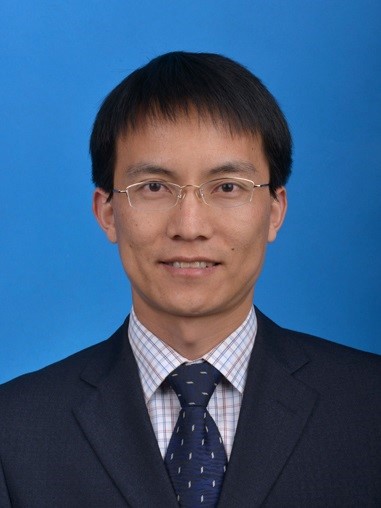 Tianwei Lai (赖天伟)合作论文数School of Energy and Power Engineering, Xi'an Jiaotong University7Xingya Chen (陈兴亚)合作论文数6Zixin Zhang合作论文数6GaoQiao Luo (罗高乔)合作论文数6JiaPeng Li (李家鹏)合作论文数6
 Xingqun Zhang (张兴群)合作论文数City College, Xi'an Jiaotong University;School of Energy and Power Engineering, Xi'an Jiaotong University6Zhefeng Wang合作论文数5Zhang Yu合作论文数5Pingtao Zhang (张平涛)合作论文数5ShanFeng Li (李山峰)合作论文数5Qiaoyu Zhang合作论文数5Shujian Song (宋书建)合作论文数4Xufeng Fang合作论文数4Ye Bin合作论文数4kunpeng lv (吕坤鹏)合作论文数4
 Kai Wu (吴锴)合作论文数School of Electrical Engineering, Xi'an Jiaotong University4
 Yonghong Cheng (成永红)合作论文数School of Electrical Engineering, Xi'an Jiaotong University4
 Jiangping Chen (陈江平)合作论文数The Institute of Refrigeration and Cryogenics, School of Mechanical Engineering, Shanghai Jiao Tong University4Yijie Cai合作论文数3Xinyi Lin合作论文数3Kang Zhao合作论文数3Beile Zhang合作论文数3Jie Cai合作论文数3Yang Meng合作论文数3Yicheng Zhang合作论文数3Zhen Huang合作论文数3Lei Xiong合作论文数3Xue YANG (杨雪)合作论文数3
 Lili Liu (刘丽丽)合作论文数School of Mathematics and Statistics, Shaanxi Normal University3Niru Kumari合作论文数Hewlett Packard Co.;c;Hewlett Packard Co.3
 Xiaojia Wang合作论文数3
 Jun Chen (陈骏)合作论文数School of Chemistry and Chemical Engineering, Hainan University;School of Materials Science and Engineering, Hainan University3
 Lu Niu合作论文数3
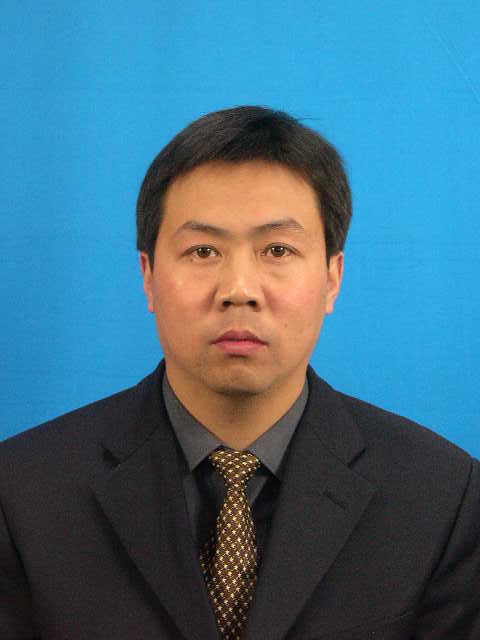 Hongli Zhao (赵红利)合作论文数School of Energy and Power Engineering, Xi'an Jiaotong University3
 Yongtao Zhao (赵永涛)合作论文数School of Physics, Xi'an Jiaotong University;The First Affiliated Hospital of Xi'an Jiaotong University3
 Jian Zhu (朱键)合作论文数School of Life Science and Technology, Xi'an Jiaotong University3




