Objective:To develop hemoglobin (Hb) percentiles and thresholds for defining anemia among infants aged 0-5 months in China. Methods:The National Nutrition and Health Systematic Survey for children aged 0 -17 years in China, a nationwide cross-sectional study, was conducted between 2019 and 2021. Hb levels were measured in infants using the HemoCue 201+ analyzer. Age- and sex-specific Hb distributions were constructed for "healthy infants", defined as those with adequate iron reserves at birth, exclusive breastfeeding, normal weight-for-age Z-score and weight growth velocity, normal neuropsychological development, and absence of acute or chronic diseases. A generalized additive model for location, scale, and shape was applied to fit the Hb percentiles. The 5th percentile of the Hb distribution was defined as the threshold for anemia. Results:A total of 10,174 infants aged 0-5 months participated in the study, among whom 2,155 healthy infants were included in the analysis. Hb levels peaked at birth, gradually decreased to a nadir around 60 days after birth, and then rose to a plateau. The Hb thresholds defining anemia were 102.7 g/L, 96.3 g/L, 92.8 g/L, 95.4 g/L, 97.1 g/L, and 95.8 g/L for the 0-, 1-, 2-, 3-, 4-, and 5-month age groups, respectively. Conclusion:This study establishes hemoglobin thresholds for defining anemia in infants aged 0-5 months based on a nationwide, population-based dataset in China.
Parental absence in China, predominantly driven by labor migration, has created a substantial population of left-behind children, who face increased vulnerability to mental health disorders, particularly depression. However, the specific characteristics and interrelationships of depressive symptoms in this vulnerable population remain poorly elucidated, limiting the development of targeted interventions. This study recruited 3,458 adolescents (aged 12–17) from seven representative counties across China. Network analysis was employed to examine depressive symptom structures, and mediation analyses with bootstrap resampling were conducted to assess the indirect effects of lifestyle and dietary factors. E-value analyses were used to evaluate robustness to unmeasured confounding. Depressive symptoms were significantly elevated only in double-parent left-behind children, not in single-parent left-behind children. Symptom networks differed markedly: sadness, fatigue, and fearfulness were central in single-parent left-behind children, whereas loneliness and depressed mood dominated in double-parent left-behind children. Mediation analyses revealed substantial mediation by lifestyle and dietary factors in both subgroups. Screen time and low-intake dietary patterns were shared mediators across both subgroups. Reduced parental companionship mediated depression in single-parent left-behind children subgroup, whereas reduced outdoor activity mediated depression in double-parent left-behind children subgroup. E-value analyses indicated moderate robustness for total indirect effects. This study reconceptualizes left-behind status from a uniform risk factor to a differentiated construct, revealing that distinct patterns of parental absence are associated with unique depressive symptom profiles through diverging behavioral pathways. Interventions should shift from addressing psychological crises in isolation toward comprehensive psychosomatic promotion strategies—strengthening parental engagement for single-parent left-behind children, promoting outdoor activities alongside managing screen time and diet for double-parent left-behind children.
BackgroundThe rising prevalence of childhood obesity poses a significant public health challenge in China, with rates among primary school students increasing from 6.8% in 2002 to 19% in 2020. Concurrently, coarse-cereal intake—a source of dietary fiber and bioactive compounds with potential protective effects against obesity—has declined markedly. School-based interventions represent a feasible strategy to address this issue. This protocol describes a cluster-randomized pragmatic controlled trial (pRCT) aimed at evaluating the effectiveness of a comprehensive intervention to increase coarse-cereal intake for obesity prevention among Chinese primary school students.MethodsA two-arm pragmatic cluster-RCT will be conducted in public primary schools in Huairou District, Beijing. Two schools will be randomly assigned to intervention or control groups, with 400 students (grades 3–4, aged 8–12 years) enrolled. The intervention group will receive a daily 50 g coarse-cereal substitution in school meals, aligned with Chinese dietary guidelines, alongside a multi-level nutrition education program targeting students, parents, and school staff. The control group will continue standard practices. Primary outcomes include changes in body mass index standard deviation score (BMI-SDS), body composition, waist circumference, and blood pressure, assessed at baseline, 3 months, and 6 months. Secondary outcomes encompass metabolic indicators and gut microbiota profiles in overweight/obese subgroups. Data will be analyzed using mixed-effects linear models, accounting for cluster effects. Implementation fidelity will be monitored through quantitative and qualitative methods.DiscussionThis trial will address a critical evidence gap by testing a culturally adapted, school-based intervention to promote coarse-cereal consumption. If effective, the findings will inform the integration of coarse cereals into national student meal policies, contributing to sustainable obesity prevention strategies in China. The study design emphasizes practical implementation through a socio-ecological framework, with potential for scalability.Clinical trial registrationIdentifier ChiCTR2500114773.
Introduction Handgrip strength (HGS) is an important indicator of muscular strength in children and adolescents. A Body Shape Index (ABSI) reflects central adiposity-related body shape, but its association with HGS in pediatric populations remains unclear. Methods This cross-sectional study included 6,129 Chinese children and adolescents aged 7–17 years from a national nutrition and health survey. HGS was measured using an electronic dynamometer. ABSI was calculated from waist circumference, height, and BMI and standardized as ABSI_Z. Multivariable linear regression, interaction, and stratified analyses were performed. Results ABSI was negatively correlated with HGS ( r = -0.255, P < 0.001), whereas BMI was positively correlated with HGS ( r = 0.524, P < 0.001). After adjustment for age, sex, height, and BMI, higher ABSI_Z was independently associated with lower HGS (coefficient: -0.47; 95% CI: -0.60, -0.33; P < 0.001). The inverse association was stronger in boys and older age groups (both P for interaction < 0.001). Conclusions Among Chinese children and adolescents, higher ABSI_Z was independently associated with lower HGS after adjustment for BMI and other covariates. These findings suggest that ABSI_Z may capture central adiposity-related body shape characteristics that are adversely associated with handgrip strength during growth and development.
Childhood adiposity is associated with adverse cardiovascular changes, yet the longitudinal relationships of general and regional body fat mass with cardiovascular structure and function in children remain incompletely understood. Furthermore, whether these associations are partially mediated by traditional cardiometabolic risk factors is unclear. Therefore, this study aimed to investigate these longitudinal associations in Chinese children and to assess the potential mediating role of cardiometabolic risk factors. A total of 1064 children aged 10–15 years from the Huantai Childhood Cardiovascular Health Cohort Study with complete baseline and 2-year follow-up data were included. Multivariable linear regression models and mediation analyses were performed to examine the associations. Children with elevated baseline fat mass percentage (FMP) exhibited higher left ventricular (LV) measures at follow-up, including LV end-diastolic internal dimension (β = 2.10, 95
Objectives: The objective of this study was to investigate the association between yogurt consumption and body fat percentage among Chinese children and to analyze the potential influence of factors such as sex, pubertal stage, and physical activity level on this association. Methods: This study conducted a nationwide survey using multi-stage stratified random sampling, including 48,305 children aged 6-17 years. Body fat percentage (BFP) was measured using bioelectrical impedance analysis (BIA). Daily yogurt consumption was adjusted using the density method (daily yogurt consumption = daily yogurt consumption × 1000/total energy consumption). The association between yogurt consumption and body fat percentage was analyzed using quantile regression, with covariates adjusted for participants' age, pubertal development stage, geographical region, total daily energy consumption, physical activity duration, annual household income, parental educational attainment, and consumption of other food categories. Results: Boys aged 6-10 years, 11-14 years, and 15-17 years had median daily yogurt consumptions of 28.6 g, 28.6 g and 21.4 g per day, with BFP values of 19.6, 19.5 and 17.5. Girls in the same age groups showed consumption of 28.6 g, 29.6 g and 28.6 g, with BFP values of 20.3, 26.4 and 31. The quantile regression results for boys showed that daily consumption of yogurt was significantly correlated with their BFP at the 0.25, 0.50, 0.75, 0.85 and 0.95 quartiles, with regression coefficients of -0.207, -0.300, -0.688, -0.570, and -0.465 after adjusting for potential confounders. For girls, there was a significant correlation in the 0.75 and 0.85 quartiles, with regression coefficients of -0.290 and -0.582, after adjusting for potential confounders. Conclusions: A significant inverse association was observed between yogurt consumption and body fat percentage, with notable differences between boys and girls. Further intervention studies are warranted to evaluate the long-term effects of incorporating yogurt into the diets of Chinese children and adolescents on body fat percentage and obesity risk.
OBJECTIVE:To analyze the breakfast dining situation and related factors of adult residents aged 18-60 years old in urban China. METHODS:A cross-sectional survey method was used to collect survey respondents' breakfast dining and related demographic and socioeconomics indicators through the online social platform WeChat and Weixin in July-August 2021 using the survey tool, Questionnaire Star v2.0.96, which was used to analyze the frequency of breakfast eating and related factors in urban residents aged 18-60 years. A total of 11 162 urban residents aged 18 to 60 years old in 31 provinces, autonomous regions and municipalities directly under the central government were included to analyze the frequency of eating breakfast on weekdays and rest days, and to analyze the factors related to survey respondents' daily breakfast eating on weekdays and rest days using a multifactorial logistic regression model. RESULTS:On the 5 weekdays, the number of respondents who never ate breakfast, ate breakfast 1-2 days a week, ate breakfast 3-4 days a week, and ate breakfast every day were 227(2.0%), 428(3.8%), 1418(12.7%), and 9089(81.4%), respectively; and on the 2 rest days, the number of respondents who never ate breakfast, ate breakfast 1 day a week, and ate breakfast every day were 1278(11.4%), 2063(18.5%), and 7821(70.1%), respectively. The result of multifactorial logistic regression model analysis showed that on both weekdays and rest days, 30-39 years old(OR_(weekday)=1.60, 95% CI 1.37-1.88; OR_(rest day)=2.38, 95% CI 2.08-2.74), 40-49 years old(OR_(weekday) =3.06, 95% CI 2.56-3.67; OR_(rest day) =3.82, 95% CI 3.28-4.46), 50-60 years old(OR_(weekday)=5.62, 95%CI 4.48-7.05; OR_(rest day) =5.51, 95%CI 4.61-6.58), married(OR_(weekday) =1.29, 95%CI 1.11-1.49; OR_(rest day) =1.56, 95%CI 1.37-1.78), and with a per capita household income of ≥70 000 yuan per year(OR_(weekday) =1.46, the 95%CI 1.27-1.67; OR_(rest day) =1.37, 95%CI 1.22-1.54) survey respondents were more likely to eat breakfast every day(P<0.05). CONCLUSION:In 2021, the behavior of daily breakfast consumption among Chinese urban adult residents aged 18-60 still needed improvement. The behavior of eating breakfast every day was influenced by factors including age, marital status, average annual household income per capita, city type, and BMI. Additionally, on weekdays, this behavior was also affected by gender, while on rest days, it was further influenced by education level.
Objective:This study aimed to describe 24-hour movement behaviors, including physical activity, sedentary behavior, and sleep period, among Chinese preschoolers using nationally representative data, and examine disparities by age, gender, and residence. Methods:A cross-sectional analysis was conducted using data from the China National Nutrition and Health Systematic Survey for Children (2019-2021), including 10,935 children aged 3-5 years. Daily total time of physical activity (TPA), total time of sedentary behaviors (TSB), and total sleep period (TSP) was collected via validated structured questionnaires. Physical inactivity was defined as < 180 minutes of TPA per day. Results:Median TPA was 121.4 ( IQR: 71.4-209.6) minutes/day, and TSB was 231.4 ( IQR: 175.0-304.3) minutes/day, with 11.46 ± 1.00 hours/day average TSP. Overall, 68.8% were physically inactive, with higher prevalence in rural (73.3%) versus urban areas (64.8%, P < 0.001). TPA and TSB increased with age, while TSP decreased (all P < 0.001). No significant gender differences were observed. Conclusion:Most Chinese preschoolers exhibit insufficient physical activity and excessive sedentary behaviors, with notable urban-rural disparities and an escalating trend of ageing. Continuous monitoring and targeted interventions, especially in rural areas, are urgently needed.
BACKGROUND:Selenium is essential for children's health and either deficiency or excess could pose serious health risks. However, nationwide data on selenium nutrition in Chinese children are still lacking, as current studies were primarily limited to historically deficient regions affected by Keshan disease and Kashin-Beck disease. OBJECTIVES:This study aims to investigate the relationship between the living environment, geographic factors, dietary intake, and the selenium status of Chinese children aged 3-17 y. METHODS:Data were derived from the National Nutrition and Health Systematic Survey for children aged 0-17 y (CNHSC), conducted between 2019 and 2021. Field surveys were conducted to collect general demographic information, and a food frequency questionnaire was used to assess dietary intake. Blood selenium concentrations were measured using inductively coupled plasma mass spectrometry (Agilent 7700x), with a cutoff value of 70 μg/L indicating inadequate selenium status. RESULTS:The results revealed that the blood selenium concentration of children aged 15-17 y (92.93 μg/L) was higher than that of other age groups. Additionally, children from rural western areas, with a selenium concentration of 83.28 μg/L, were significantly more vulnerable to inadequate selenium status compared with those from eastern cities [odds ratio (OR) = 20.56 (10.77-39.25)]. Dietary intake of dairy products [OR = 0.58 (0.44-0.75)], meats [≥7 times/wk: OR = 0.48 (0.36-0.64), 3-7 times/wk: OR = 0.65 (0.48-0.90)], and aquatic products [OR = 0.53 (0.37-0.75)] were identified as protective factors against inadequate selenium status (P < 0.001). CONCLUSION:This study suggests that children in rural western areas may be a priority population for future interventions to improve selenium status. A moderate increase in the consumption of selenium-rich foods, such as dairy products, meats, and aquatic products, is recommended to reduce the prevalence of inadequate selenium status in these regions.
An increasing number of epidemiological studies have suggested that ambient exposure to particular matter (PM) contributes to child obesity. However, whether variations in PM influence body mass index remains unknown. This study aimed to estimate the association between variability in ambient PM exposure and body mass index and the related urban-rural disparities, independent of air pollution exposure. This research utilized a cohort data set from the National School-aged Children and Adolescents Health Monitoring Project of China, encompassing over 1 million school-aged children and adolescents aged 6 to 19 from 2013 to 2021. Pollution levels were defined by assigning each student the nearest grid according to the longitude and latitude of each student’s school. Subsequently, the monthly coefficients of variation in PM over 30 days preceding the physical examination date were calculated. Panel multilevel and panel quantile regression models were applied. In panel multilevel model, inverse probability weighting was introduced to adjust for bias in our study sample. After controlling for pollution concentration, a 1
Background:Dietary patterns play an important role in the management of metabolic syndrome (MetS). Previous meta-analyses have shown that the ketogenic diet, the Dietary Approaches to Stop Hypertension (DASH) diet, the vegetarian diet, the Mediterranean diet, the low-fat diet, and the low-carbohydrate diet are beneficial for patients with MetS, but there is still a lack of direct comparison of the intervention effects of the above six dietary patterns. Objective:This study aimed to explore the intervention efficacy of different dietary patterns on MetS and to evaluate and compare the corresponding effects. Methods:A comprehensive search was carried out in electronic databases such as Embase, Cochrane Library, PubMed, Web of Science, Scopus, CNKI, Wanfang, VIP, and CBM. The search covered studies published from the establishment of the databases up to 1 April 2025, with a focus on dietary patterns that can improve metabolic syndrome. A network meta-analysis was carried out using Stata 16.0 software. Results:Eventually, 26 randomized controlled trials were included, involving 2,255 patients. The results of the network meta-analysis showed that the DASH diet [MD = -5.72, 95% CI (-9.74, -1.71)] and the vegan diet [MD = -12.00, 95% CI (-18.96, -5.04)] were more effective in reducing the waist circumference of patients with MetS than the control diet group. In terms of lowering blood pressure, the DASH diet [MD = -5.99, 95% CI (-10.32, -1.65)] and the ketogenic diet [MD = -11.00, 95% CI (-17.56, -4.44)] were more effective in reducing systolic blood pressure in patients with MetS than the control diet group. The ketogenic diet [MD = -9.40, 95% CI (-13.98, -4.82)] was more effective in reducing diastolic blood pressure in patients with MetS than the control diet group (p < 0.05). According to the ranking results, a vegan diet is the best choice in terms of reducing waist circumference and increasing high-density lipoprotein cholesterol levels. The ketogenic diet is highly effective in lowering blood pressure and triglyceride levels. The Mediterranean diet is highly effective in regulating fasting blood glucose. Conclusion:The current evidence indicates that the vegan diet, the ketogenic diet, and the Mediterranean diet might have more pronounced effects in ameliorating MetS. Further high-quality research is needed to validate these findings. Systematic review registration:https://www.crd.york.ac.uk/PROSPERO/, identifier (CRD420251052075).
Differentiated thyroid carcinoma (DTC) is the most frequent endocrine cancer, with a high incidence in young population. Patients with postoperative DTC are usually considered with increased risk of bone loss, possibly due to the thyroid stimulating hormone (TSH) suppression therapy. However, it remains unclear whether vitamin D and calcium supplementation is beneficial on bone metabolism of young patients with vitamin D malnutrition after thyroidectomy of DTC. In this one-year prospective study, adult men younger than 50 years or premenopausal women with DTC and vitamin D insufficiency or deficiency were enrolled after thyroidectomy, who were administered with daily supplements of 1000–2000 IU vitamin D3 and 600 mg of elemental calcium (calcium-D3) or not. Propensity score matching (PSM) was applied to identify baseline-matched cohorts. A total of 458 patients with a median age of 37 (range 21–50) years were enrolled, with 94 (20.5
Against the dual background of implementing the fundamental task of fostering virtue through education and cultivating and developing new-quality productive forces, constructing an ideological and political education community for postgraduates has become an important direction for the reform of higher education. Focusing on colleges and universities in Heilongjiang Province, this paper combines the Marxist community thought and the concept of “whole-process, all-round, and all-staff education” to construct a “five-in-one” framework of the postgraduate ideological and political education community, which includes “value synergy, subject synergy, curriculum synergy, process synergy, and environment synergy.” By analyzing the practical difficulties faced by colleges and universities in Heilongjiang Province, such as the uneven distribution of ideological and political education resources for postgraduates and insufficient subject collaboration, this paper discusses the construction logic and implementation strategies of the postgraduate ideological and political education community in colleges and universities of Heilongjiang Province from three dimensions: theoretical foundation, practical expansion, and guarantee mechanism. It aims to provide references for promoting the high-quality development of postgraduate talent cultivation in the Northeast Old Industrial Base.
OBJECTIVE:To explore the current status of dietary fiber intake in Chinese children and adolescents. METHODS:Using the data from the 2019-2021 China Nutrition and Health System Survey for Children Aged 0-18, 6116 school-age children from 28 rural and urban survey sites in 14 provinces of China were recorded for their food intake using a continuous 3-day 24-hour dietary review method, and their dietary fiber intake was calculated based on the Chinese Food Composition Table. RESULTS:The median dietary fiber intake for school-aged children aged 6-17 was 7.30 grams per day, and the energy standardized intake was 3.41 grams per 1000 calories. The dietary fiber intake of urban children(3.66 g/1000 kcal) is higher than that of rural children(3.21 g/1000 kcal), and the difference is significant(P<0.05). However, only 8.68% of school-age children aged 6-17 have reached the recommended dietary fiber intake, with urban boys aged 9-11(16.46%) having the highest intake and rural boys aged 6-8(5.41%) having the lowest. CONCLUSION:The dietary fiber intake of school-age children and adolescents in China is insufficient, especially in rural areas and younger age groups.
Purpose: The aims of this study were to explore the differences in total body water and hydration status among Chinese children aged 6–17 years. Methods: A cross-sectional study was implemented among children aged 6–17 years in China. The total body water (TBW), intracellular water (ICW), and extracellular water (ECW) were determined by bioelectrical impedance analysis (BIA). The participants were divided according to age—age 6–8 years, age 9–11 years, age 12–14 years, age 15–17 years—and body mass index (BMI) of China—underweight, normal weight, overweight, and obese groups. The differences of variables of groups were compared using analysis of variance, Student’s t-test, and Kruskal–Wallis test. Significance levels were set at 0.05 (p < 0.05). Results: A total of 59,643 participants (30,103 males and 29,540 females) completed the study. As children became older, the TBW, ICW, ECW, ICW/TBW, and TBW/FFM (TBW to fat free mass ratio) increased simultaneously (all p < 0.05); concurrently, the ECW/TBW decreased with age (all p < 0.05). Boys had higher TBW, ICW, ECW, ICW/TBW, TBW/BW, and TBW/FFM than those of girls at each age (all p < 0.05). For all BMI groups, increases in TBW, ICW, ECW were observed from the underweight group to the obese group, both in boys and girls (all p < 0.001). For the increase in BMI in all age groups, the values of TBW made a significantly lower percentage compared to BW. The higher BMI groups showed higher levels of TBW/FFM, both in girls and boys (all p < 0.001). Conclusions: The body water contents of children aged 6–17 years varied according to their age, sex, and BMI. Overweight and obese individuals may have inferior hydration status compared to those with normal weight.
Background: Vitamin D and lifestyle behaviors are closely related to children's health. However, current research on the combined influences of vitamin D and adherence to 24-Hour Movement Guidelines (24-HMG) on childhood obesity remains scarce. Our study aimed to examine individual and joint associations of vitamin D status and the number of recommendations for adhering to 24-HMG with obesity among Chinese children and adolescents. Methods: In this cross-sectional study, a total of 4625 participants from Shenzhen, China, were recruited. Vitamin D status was classified into two categories: adequacy and inadequacy. The 24-HMG was obtained from a validated questionnaire, including moderate-to-vigorous physical activity, screen time, and sleep duration. General obesity and metabolically unhealthy obesity (MUO) were the outcomes of this study. The logistic regression model was performed to examine the associations between vitamin D status, the number of guidelines met, and obesity. Results: Vitamin D inadequacy was associated with increased odds of general obesity and MUO, with adjusted odds ratios (95% CIs) of 1.551 (1.080-2.226) and 2.205 (1.319-3.686). Meeting 2-3 recommendations of 24-HMG was associated with decreased odds of general obesity, with adjusted odds ratios (95% CIs) of 0.777 (0.626-0.965). Compared with the vitamin D adequacy/meeting 2-3 guidelines group, the vitamin D inadequacy/meeting 0-1 guideline group was positively related to general obesity (adjusted odd ratio, 1.826 [95% CI: 1.167-2.857]) and MUO (2.160, 1.175-3.972). In addition, the population-attributable fractions of vitamin D inadequacy or/and meeting 0-1 guideline were 28.4% (95% CI: 2.5-54.4%) for general obesity and 42.3% (95% CI: 11.5-73.1%) for MUO. Conclusions: Our findings displayed that the combined associations of vitamin D inadequacy and meeting 0-1 recommendations of 24-HMG were linked to high odds of general obesity and MUO, respectively. Understanding these relationships could provide a theoretical basis for effective preventive strategies and interventions for childhood obesity.
What is already known about this topic? Childhood overweight and obesity pose significant risks to physical and mental health. The Nutrition Improvement Programme for Rural Compulsory Education Students (NIPRCES) has demonstrated effectiveness in reducing malnutrition. What is added by this report? From 2012 to 2023, obesity prevalence increased more rapidly (AAPC=10.6%) than overweight prevalence (AAPC=2.0%) among children aged 6-15 years in central and western rural China. A quicker increase in the trends of overweight and obesity was observed in rural western China (AAPC for overweight=3.0%, AAPC for obesity=11.8%), among males (AAPC for overweight=2.1%, AAPC for obesity=10.8%). Additionally, while the prevalence of overweight/ obesity was lower in older age groups of children, these cohorts showed more rapid increases. What are the implications for public health practice? Continuous monitoring of prevalence and implementation of targeted interventions are essential to prevent and control the expansion of overweight and obesity.
Background/Objectives: The prevalence of both myopia and obesity is increasing among children and adolescents around the world. We aimed to examine the association between weight status and myopia in Chinese children and adolescents. Methods: The analysis included 35,108 participants aged 6–17 from a nationwide cross-sectional survey. Results: Our results indicated that girls with overweight and obesity had higher odds ratio (OR) of myopia and mild myopia: ages 6–8 (OR = 1.33, 95% CI: 1.01–1.76; OR = 1.71, 95% CI: 1.14–2.55) and 9–11 (OR = 1.22, 95% CI: 1.03–1.44; OR = 1.31, 95% CI: 1.06–1.62). Myopic boys had higher body fat percentages (BFP) at ages 6–8 (β = 1.18, 95% CI: 0.38–1.98), 9–11 (β = 0.58, 95% CI: 0.08–1.07), and 15–17 (β = 0.42, 95% CI: 0.03–0.80), and higher body mass index (BMI) at ages 9–11 (β = 0.30, 95% CI: 0.12–0.48) and 12–14 (β = 0.19, 95% CI: 0.02–0.38). Girls had higher BFP at ages 9–11 (β = 0.62, 95% CI: 0.19–1.05) and 12–14 (β =0.53, 95% CI: 0.19–0.88) and higher BMI at 9–11 (β = 0.53, 95% CI: 0.34–0.73). Furthermore, the dose–response curves revealed a significant gender- and age-specific association between BMI, BFP, and myopia odds ratio. Conclusions: the study found an association between overweight or obesity and myopia in girls aged 6–11, and indicated that high BFP and BMI are associated with myopia, varying by sex and age.
Porcine epidemic diarrhea virus (PEDV) causes severe intestinal damage, posing significant threats to the swine industry. Fucoidan (FUC), a biologically active compound, exhibits antiviral activity against multiple viruses. This study aimed to investigate the protective effects of FUC on PEDV-induced intestinal injury in piglets and explore its underlying mechanisms. A total of 28 healthy crossbred piglets were randomly allocated into four experimental groups using a 2 × 2 factorial design: (1) a control group, (2) an FUC group, (3) a PEDV group, and (4) an FUC+PEDV group. From day 4 to day 10, the piglets in the FUC and FUC+PEDV groups were orally administered fucoidan at a dosage of 20 mg/kg body weight (BW) each day. On day 8, the piglets in the PEDV and FUC+PEDV groups were orally administered PEDV at a dose of 3 × 105.5 TCID50. The results show that FUC supplementation significantly decreased plasma DAO activity (p < 0.05) and increased the villus height, villus area, as well as the villus height/crypt depth (p < 0.05) in the intestine when compared to the PEDV-infected piglets. This indicates that FUC could alleviate the disruption of intestinal morphology and function caused by PEDV infection. FUC enhanced the antioxidant capacity of the piglets by increasing SOD and GSH-Px activity. Transcriptional profiling combined with quantitative analysis revealed that FUC regulates immune responses, substance transport, and arginine metabolism. Notably, FUC downregulated arginase 1 expression, which may redirect arginine toward nitric oxide synthesis, thereby establishing an antiviral state in the host. These findings highlight the potential application of FUC as a natural agent for mitigating PEDV-induced intestinal damage and improving gut health. Additionally, monitoring the health status of piglets is necessary when FUC is applied in practical applications.
 XiaoQi Hu (胡小琪)合作论文数116
 Guansheng Ma (马冠生)合作论文数School of Public Health, Peking University103Hui Pan (潘慧)合作论文数89
 Qian Gan (甘倩)合作论文数71PeiPei Xu (徐培培)合作论文数51
 Ailing Liu (刘爱玲)合作论文数National Institute for Nutrition and Health, Chinese Center for Disease Control and Prevention48Wei Cao (曹薇)合作论文数46Li Li (李荔)合作论文数45
 Wenhua Zhao (赵文华)合作论文数National Institute for Nutrition and Health, Chinese Center for Disease Control and Prevention41Juan Xu (许娟)合作论文数40
 Xiaoqi Hu (胡小琪)合作论文数National Institute of Nutrition and Health, Chinese Center for Disease Control and Prevention38ShiShi Yang (杨媞媞)合作论文数34
 Songming Du (杜松明)合作论文数Chinese Nutrition Society33
 Haiquan Xu合作论文数31Yang Titi合作论文数23
 Yanping Li合作论文数Harvard T.H. Chan School of Public Health, Harvard University19hongliang wang (王宏亮)合作论文数17
 Yuying Wang (王玉英)合作论文数14
 Xianwen Shang合作论文数13
 Hongwei Guo (郭红卫)合作论文数College of Environmental Sciences and Engineering, Hebei University of Science and Technology13
 Jun Ma (马军)合作论文数School of Public Health, Peking University13Yang Zhenyu合作论文数12
 Ying Li (李颖)合作论文数Department of Geriatrics,The Second Affiliated Hospital of Harbin Medical University,Harbin ,China12
 Guifa Xu (徐贵法)合作论文数School of Public Health, Shandong University12JiaoLei Zuo (左娇蕾)合作论文数11
 Hongyun Fang合作论文数11
 Tao Xu (徐韬)合作论文数中国疾病预防控制中心妇幼保健中心10Weijing Du (杜维婧)合作论文数10Ruihe Luo合作论文数9David Fraser合作论文数Sydney School of Veterinary Science, Faculty of Science, The University of Sydney9BiKe Zhang (张必科)合作论文数9
 Zhu Kun合作论文数Dept Endocrinol & Diabet, Sir Charles Gairdner Hosp9Yifan Duan (段一凡)合作论文数9
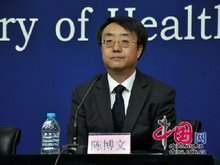 Bowen Chen (陈博文)合作论文数Children's Hospital Capital Institute of Pediatrics9
 Heather Greenfield合作论文数Department of Food Science and Technology, The University of New South Wales9Lu-lu WANG (王璐璐)合作论文数8LiNan Hao (郝利楠)合作论文数8QingQing Wang (王情情)合作论文数8Xueqin Du合作论文数8Xiaoyi BI (毕小艺)合作论文数7Cao Wei合作论文数7Xuehong Pang合作论文数7RuiLi Li (李瑞莉)合作论文数7Lin Du (杜琳)合作论文数7Jing Yin合作论文数7
 Lichen Yang (杨丽琛)合作论文数7BingJu Guan (关炳菊)合作论文数6XiaoJun Tang (唐晓均)合作论文数6




