Background:This investigation aimed to evaluate the therapeutic impact of the Yigan Xiaozheng formula on liver cirrhosis in rats,particularly induced by diethylnitrosamine(DEN).The study focused on analyzing liver structure,cell apoptosis,and the modulation of the Janus kinase 2/signal transducer and activator of transcription 3(JAK2/STAT3)signaling pathway,employing a combination of network pharmacology and experimental approaches.Methods:A DEN-induced rat model of liver cirrhosis was established to assess the formula's effectiveness.Parameters such as overall health,liver morphology,and survival were monitored.Network pharmacology was employed to decipher the active compounds and key targets of the formula in addressing liver cirrhosis.Predictions made via network pharmacology were substantiated through experimental validation in the animal model.Results:Administration of the Yigan Xiaozheng formula led to noticeable improvements in clinical symptoms of liver cirrhosis in rats,marked by enhanced body weight,lessened liver pathology,and higher survival rates.Network pharmacological analysis unveiled intricate interactions between active ingredients of the formula and cirrhosis-related targets.Protein-protein interaction(PPI)networks pinpointed crucial proteins and regulatory modules.Enrichment analysis underscored a significant involvement of the JAK2/STAT3 signaling pathway.On a molecular scale,the formula was observed to reduce the expression of BCL-2 associated X protein(Bax)and cytochrome C(Cyt-C),diminish the Bax/B-cell lymphoma 2(Bcl-2)ratio,and impede JAK2/STAT3 pathway activation,thereby curtailing liver fibrosis and cellular apoptosis.Conclusion:The study demonstrates the Yigan Xiaozheng formula's capacity to ameliorate liver cirrhosis in a DEN-induced model,primarily through its active ingredients' interactions with cirrhosis targets and modulation of the JAK2/STAT3 pathway.These findings endorse the potential of this traditional Chinese medicinal formula as a viable treatment option for liver cirrhosis.
Objective:Air pollution is a major environmental risk to human health, with increasing evidence linking it to non-alcoholic fatty liver disease (NAFLD). However, findings remain inconsistent. This meta-analysis aimed to assess the relationship between air pollutants and the risk of NAFLD. Methods:PubMed, Embase, and Web of Science were systematically searched for studies published up to March 20, 2025. A random effects model was used to estimate combined odds ratios (ORs) and 95% confidence intervals (95% CIs). Subgroup analysis, sensitivity analysis, funnel plots, and Egger's test were conducted. Results:A total of 12 studies, including 49,549,903 participants (published between 2022 and 2024), were analyzed. For each 10 μg/m3 increase in pollutants, the ORs were 1.22 (1.16-1.29) for particulate matter with aerodynamic diameter ≤ 2.5 μm (PM2.5), 1.15 (0.95-1.40) for particulate matter between 2.5 and 10 μm in aerodynamic diameter (PM2.5 - 10), and 1.07 (1.01-1.13) for particulate matter with aerodynamic diameter ≤ 10 μm (PM10). For gaseous pollutants, the ORs were 1.45 (0.92-2.28) for sulfur dioxide (SO2) and 1.10 (1.06-1.14) for nitrogen dioxide (NO2). No notable connection emerged between ozone (O3) or carbon monoxide (CO) and NAFLD. Subgroup analysis revealed stronger associations for PM2.5, PM10, and NO2 with NAFLD in developed countries, Europe, and cohort studies, compared to developing countries, Asia, and cross-sectional studies. Conclusion:This analysis supports a positive relationship between air pollution and NAFLD risk. Geographic region and economic development appear to moderate this association. Systematic review registration:https://www.crd.york.ac.uk/PROSPERO/view/CRD42024594146, Identifier: CRD42024594146.
BACKGROUND:In China, Niuxi-Mugua formula (NMF) has been widely used to prevent and treat coronavirus disease 2019 (COVID-19). However, the mechanism of NMF for treating COVID-19 is not yet fully understood. OBJECTIVE:This study aimed to explore the potential mechanism of NMF for treating COVID- 19 by network pharmacology, computational biology, and surface plasmon resonance (SPR) verification. MATERIALS AND METHODS:The NMF-compound-target network was constructed to screen the key compounds, and the Molecular Complex Detection (MCODE) tool was used to screen the preliminary key genes. The overlapped genes (OGEs) and the preliminary key genes were further analyzed by enrichment analysis. Then, the correlation analysis of immune signatures and the preliminary key genes was performed. Molecular docking and molecular dynamic (MD) simulation assays were applied to clarify the interactions between key compounds and key genes. Moreover, the SPR interaction experiment was used for further affinity kinetic verification. RESULTS:Lipid and atherosclerosis, TNF, IL-17, and NF-kappa B signaling pathways were the main pathways of NMF in the treatment of COVID-19. There was a positive correlation between almost the majority of immune signatures and all preliminary key genes. The key compounds and the key genes were screened out, and they were involved in the main pathways of NMF for treating COVID-19. Moreover, the binding affinities of most key compounds binding to key genes were good, and IL1B-Quercetin had the best binding stability. SPR analysis further demonstrated that IL1B-Quercetin showed good binding affinity. CONCLUSION:Our findings provided theoretical grounds for NMF in the treatment of COVID-19.
ObjectiveThis meta-analysis aims to assess the efficacy and safety of adding pegylated interferon (Peg-IFN) to long-term nucleos(t)ide analogs (NAs) treatment for achieving functional cure in patients with chronic hepatitis B (CHB).MethodsThis meta-analysis was registered in PROSPERO (CRD42024519116). We searched PubMed, Embase, Cochrane Library and Web of Science for randomized controlled trials that compared adding Peg-IFN to long-term NAs with NAs alone for the treatment of CHB. Relative risks (RR) and 95% confidence interval (CI) were pooled using a random-effects model.ResultsSeven trials with 692 participants were included. Compared to NAs monotherapy, sequential combination therapy significantly increased the HBsAg seroclearance rate (RR 4.37, 95%CI: 1.92–9.55; I2 = 0%) and HBsAg seroconversion rate (RR 3.98, 95%CI: 1.50–10.54; I2 = 0%), and the results reached statistical significance. Compared to NAs monotherapy, sequential combination therapy showed a significant increase in HBeAg seroclearance rate (RR 2.04; 95%CI: 0.47–8.82; I2 = 73%) and HBeAg seroconversion rate (RR 2.10; 95%CI: 0.41–10.71; I2 = 67%), but did not reach statistical significance. Sequential combination therapy was more likely to experience adverse events. Although most reactions are mild and reversible, vigilant monitoring for treatment-related adverse events is essential, with prompt intervention when needed.ConclusionFor CHB patients on long-term NAs treatment, sequential combination therapy boosts HBsAg seroclearance and HBsAg seroconversion rates compared to monotherapy. However, it may increase adverse events. Additional studies are needed to thoroughly evaluate its clinical effectiveness, given the current limited research available.Systematic Review Registration:PROSPERO, identifier CRD42024519116.
目的 探讨解毒活血方灌肠对溃疡性结肠炎(ulcerative colitis,UC)小鼠结肠炎症的抑制作用及对肠道菌群组成、多样性和代谢功能的影响.方法 80 只雄性C57BL/6 小鼠,随机分为正常组、模型组、西药组、中药组,每组20 只.自由饮用 3%葡聚糖硫酸钠溶液 7 天建立UC模型,造模成功后西药组以浓度为1.33 g/kg美沙拉秦灌肠剂灌肠,中药组以生药浓度为12.24 g/kg混悬液灌肠,模型组、正常组给予生理盐水灌肠.干预 14 天后计算小鼠疾病活动指数(disease activity index,DAI),测量结肠长度,观察结肠黏膜形态作黏膜损伤指数(colonic mucosa damage index,CMDI),结肠组织行苏木精—伊红(hematoxylin-eosin,HE)染色行组织学损伤评分(colon his-topathological score,CHS).留取小鼠结肠内粪便,采用 16S rRNA 测序技术检测粪便肠道菌群丰度、多样性及代谢功能的变化.结果 (1)与正常组相比,模型组DAI升高(P<0.01)、结肠长度缩短(P<0.05),CMDI、CHS升高(P<0.01);与模型组比较,中药组及西药组DAI下降,结肠长度增加(P<0.05),中药组CMDI、CHS降低(P<0.05).(2)经 16S rRNA技术测序后共得到 9628 个操作分类单元(operational taxonomic units,OTU),包括11 个门,109 个属.厚壁菌门、拟杆菌门、疣微菌门、变形菌门和放线菌门丰度>10%,为优势菌群.各组间菌群比较显示,与正常组比较,模型组Allobaculum菌、Turicibacter菌、双歧杆菌、梭状芽孢杆菌、Mucispirillum菌、消化链球菌、萨特氏菌、肠球菌OTU升高(P<0.05,P<0.01),AKK菌、Arthromitus菌、乳杆菌OTU降低(P<0.01).与模型组比较,西药组双歧杆菌、AKK菌OTU升高(P<0.05,P<0.01),肠球菌、梭状芽孢杆菌、萨特氏菌OTU降低(P<0.05,P<0.01);中药组Turicibacter菌、双歧杆菌、AKK菌、Allobaculum菌OTU升高(P<0.05,P<0.01),肠球菌、乳杆菌、梭状芽孢杆菌、Mucispirillum 菌、萨特氏菌 OTU 降低(P<0.05,P<0.01).与西药组比较,中药组双歧杆菌、Turicibacter 菌 OTU 升高(P<0.05,P<0.01),消化链球菌、萨特氏菌、乳杆菌、Mucispirillum菌OTU降低(P<0.05,P<0.01).与正常组比较,模型组 Alpha多样性指数 Observed OTUs、Chao1 下降(P<0.05),Beta 多样性距离 Bray Curtis、Weighted Unifrac、Unweighted Unifrac缩小(P<0.01);与模型组比较,中药组Bray Curtis增大(P<0.01),Observed OTUs、Chao1 升高(P<0.05),西药组 Bray Curtis、Unweighted Unifrac 增大(P<0.05);与西药组比较,Chao1、Bray Curtis增大(P<0.05).与正常组比较,模型组碳水化合物代谢降低、AMPK信号通路表达、脂类、萜类、聚酮代谢降低(P<0.05,P<0.01),氨基酸、维生素、辅酶代谢、多糖生物合成与代谢升高(P<0.01).与模型组比较,西药组AMPK通路表达、碳水化合物、多糖生物合成与代谢升高(P<0.05),萜类、聚酮代谢降低(P<0.05);中药组AMPK通路表达、碳水化合物、脂类、萜类、聚酮代谢升高(P<0.05,P<0.01),氨基酸、维生素、辅酶代谢,多糖生物合成与代谢降低(P<0.05).与西药组比较,中药组脂类、萜类、聚酮代谢升高(P<0.01),维生素、辅酶代谢,多糖生物合成与代谢降低(P<0.05,P<0.01).结论 解毒活血方灌肠能显著改善结肠炎症,可能与增加肠道益生菌,抑制病原菌及机会致病菌生长,提高肠道微生物的多样性,调整菌群代谢功能有关.
目的:通过单组率合并Meta分析的方法,探讨乙肝肝硬化的中医证候分布特点.方法:计算机检索国家知识基础设施数据库(CNKI)、中国生物医学文献数据库(CBM)、中国学术期刊数据库(CSPD)及中文科技期刊数据库(CCD)、PubMed、EMBASE、Web of knowledge及Cochrane library数据库,检索时间自1963年1月1日至2020年6月30日.由2位研究者根据纳入、排除标准独立筛选文献,提取相应研究信息并交叉核对,以美国卫生保健质量和研究机构(AHRQ)横断面研究量表进行质量评价,采用Stata16.0软件进行中医证候单组率的Meta分析.结果:共纳入35篇文献,其中中文文献33篇,英文文献2篇,涉及乙肝肝硬化患者4805例、主要证候11种,其中8种证候可进行Meta分析:肝气郁结证分布频率为0.22(95%CI为0.18~0.26,P<0.01),水湿内阻证分布频率为0.19(95%CI为0.14~0.24,P<0.01),湿热蕴结证分布频率为0.22(95%CI为0.19~0.25,P<0.01),肝肾阴虚证分布频率为0.19(95%CI为0.19~0.24,P<0.01),瘀血阻络证分布频率为0.16(95%CI为0.12~0.21,P<0.01),脾肾阳虚证分布频率为0.11(95%CI为0.09~0.14,P<0.01),肝郁脾虚证分布频率为0.32(95%CI为0.14~0.50,P<0.01),脾虚湿盛证分布频率为0.16(95%CI为0.13~0.19,P<0.01);亚组分析显示,湿热蕴结证、肝肾阴虚证、肝郁气滞证及水湿内阻证在南方、北方不同地域分布比较,差异有统计学意义(P<0.01).结论:乙肝肝硬化中医证候以肝郁脾虚证、肝气郁结证、湿热蕴结证比例最高,不同地域对乙肝肝硬化的中医证候分布有一定影响.
The Chinese traditional medicine KangXianYiAi formula (KXYA) is used to treat hepatic disease in the clinic. Here we aim to confirm the therapeutic effects and explore the pharmacological mechanisms of KXYA on hepatitis B virus (HBV)-related hepatocellular carcinoma (HCC). We first collected and analyzed clinical data of 40 chronic hepatitis B (CHB) patients with precancerous liver lesions under KXYA treatment. Then, the cell viability, migration, cell cycle, and apoptosis of HepAD38 cells with KXYA treatment were examined. Next, we performed network pharmacological analysis based on database mining to obtain the key target pathways and genes of KXYA treatment on HBV-related HCC. We finally analyzed the expression of the key genes between normal and HBV-related HCC tissues in databases and measured the mRNA expression of the key genes in HepAD38 cells after KXYA treatment. The KXYA treatment could reduce the liver nodule size of CHB patients, suppress the proliferation and migration capabilities, and promote apoptosis of HepAD38 cells. The key pathways of KXYA on HBV-related HCC were Cancer, Hepatitis B, Viral carcinogenesis, Focal adhesion, and PI3K-Akt signaling, and KXYA treatment could regulate the expression of the key genes including HNF4A, MAPK8, NR3C1, PTEN, EGFR, and HDAC1. The KXYA exhibited a curative effect via inhibiting proliferation, migration, and promoting apoptosis of HBV-related HCC and the pharmacological mechanism was related to the regulation of the expression of HNF4A, MAPK8, NR3C1, PTEN, EGFR, and HDAC1.
目的:系统评价大黄相关复方联合西医常规治疗急性胆囊炎的临床疗效及其安全性.方法:计算机检索CNKI、VIP、WanFang、SinoMed、PubMed、Embase等数据库,对有关采用大黄相关复方联合西药治疗急性胆囊炎的临床随机对照试验(RCT)研究进行筛选,运用RevMan5.3软件对数据进行Meta分析.结果:共纳入42项研究,合计4145例急性胆囊炎患者(大黄实验组2101例,对照组2044例).纳入的研究质量一般,Meta分析结果显示:大黄实验组的临床总有效率高于对照组[RR=1.18,95%CI(1.15,1.21)];从临床症状缓解时间上看,与对照组相比,大黄实验组腹痛缓解时间短[MD=-2.20,95%CI(-2.87,-1.54)];退热时间短[MD=-1.55,95%CI(-2.04,-1.07)];恶心呕吐缓解时间短[MD=-3.08,95%CI(-3.65,-2.51)],差异均有统计学意义(P<0.001);大黄实验组不良反应发生率较小[RR=0.51,95%CI(0.31,0.85)];不同的主治偏向的大黄相关复方中,检验无异质性,但对急性胆囊炎都有一定的治疗作用(P<0.001).结论:大黄相关复方能够明显提高急性胆囊炎临床有效率,缩短临床症状持续时间,减少不良反应的发生,各主治偏向之间无异质性.
肝纤维化是各种慢性肝病发展的归宿,中医药可一定程度上逆转纤维化的进程,其病机虚实夹杂,以其阴亏、阳衰、脾损、肾耗、气血不养为正虚之基本,而络阻、气塞、血瘀、毒聚、湿浊为邪实之根由."肝苦欲补泻"理论是根据肝脏性质,其苦为急,其欲为散,通过四气五味理论,体现顺其性为补,逆其性则泻的治疗特点.肝纤维化病机特点与苦欲补泻理论相系紧密,并对肝纤维化进行分证论治,归纳了该理论指导下同时具有临床与实验基础的经典药物,可为肝纤维化治疗提供新的思考.
Background: Hepatocellular carcinoma (HCC) is the fourth leading cause of cancer-related death worldwide. Steroid 5 alpha-reductase 3 (SRD5A3) was reported to be up-regulated in many types of cancer. However, its expression and role in HCC remains to be elucidated. We aim to evaluate the significance of SRD5A3 expression in HCC by using analysis of a public dataset from The Cancer Genome Atlas (TCGA). Methods: The relationship between clinical pathologic features and SRD5A3 were analyzed with the Kolmogorov‐Smirnov test and the logistic regression. Cox regression and the Kaplan-Meier method were used to assess the clinicopathologic characteristics associated with overall survival (OS) in TCGA patients. In addition, GSEA was used to predict potential hallmarks associated with different expression of SRD5A3 on transcriptional sequences from TCGA database. Results: SRD5A3 was highly expressed in HCC tumor tissue compared to normal tissue. A total of 184 upregulated DEGs (differentially expressed genes) and 58 downregulated DEGs were identified between high expression and low expression of SRD5A3. Among them, 22 hub genes mainly belonging to the keratin and MUC family demonstrated by connectivity degree in the PPI network were screened out. Kaplan-Meier method showed that HCC patients in the high SRD5A3 expression group had poorer overall survival (OS, HR=2.26(1.58-3.24), p<0.001). In addition, cell cycle mitotic, cell cycle checkpoints, mitotic nuclear division, Q-glycan processing, protein O-linked glycosylation were differentially enriched in the high SRD5A3 expression phenotype pathway. In addition, SRD5A3 expression level has significant correlations with infiltrating levels of Th17 (R = -0.238, p < 0.001), Cytotoxic cells (R = -0.234, p < 0.001) and Th2 cells (R = 0.258, p < 0.001) in HCC. Conclusions: High expression of SRD5A3 was significantly correlated with poor prognosis in HCC patients. It may be a potential biomarker in HCC.
病毒性肝炎是由嗜肝病毒感染导致的传染性疾病,是临床的常见病之一,也是西医内科学与传染病学临床教学的重要组成,由于其内容庞杂,典型患者接触机会较少,学生难以理解,给临床教学带来一定困难.而传统教学方法与模式存在局限性.近年来,强调学习主动性、社会性和情境性的建构主义广泛应用于各学科教学,取得一定效果.文章以病毒性肝炎为例,将学习作为学习者主动构建知识的过程,探索建构主义在传染病、西医内科学课堂教学中应用,以期为中医院校传染病、西医内科学临床教学提供新思路.
[目的]比较分析新型冠状病毒肺炎(简称新冠肺炎)中医药预防方案不同用药途径的组方用药规律.[方法]检索2020年8月1日(含)前中文数据库(中国知网、万方数据库、维普数据库),国家及各省、自治区和直辖市卫生健康委员会,中医药管理局官方发布的新冠肺炎相关诊疗方案及国医大师、院士、知名中医专家等通过公开渠道发表的预防方案作为数据源,筛选文献、提取资料并建立数据库,运用频数统计、关联规则等方法,对核心药物及其归经、性味、组方规律、核心组合等进行分析.[结果]共纳入133个内服方剂,含中药141味,使用频次最高的药物是甘草,其次为黄芪、金银花、白术、藿香、防风、连翘、桔梗、苍术等;出现频次30次以上的药对分别为黄芪-防风、白术-防风、黄芪-白术、金银花-甘草、黄芪-甘草、黄芪-白术-防风、甘草-防风、白术-甘草、金银花-黄芪.纳入36个外用方剂,含中药51味,使用频次最高的是苍术,其次为艾叶、藿香、白芷、石菖蒲、佩兰等;出现频次最高的药对为艾叶-苍术,其次为艾叶-藿香、藿香-苍术等.从药性归经来看,内服和外用方剂均以温性药物使用最多,主要归肺、脾、胃经.[结论]新冠肺炎中医药预防方案以健脾益气、解毒化湿为主,内服与外用相结合.
目的:基于文献分析探讨中医药治疗乙型肝炎肝硬化腹水的用药特点.方法:检索1963年1月1日至2021年1月1日中国学术期刊全文数据库、万方数据知识服务平台、维普网数据库及PubMed、EMBASE、Cochrane Library数据库治疗肝硬化腹水的中医文献报道,提取文献中的药物组成,根据不同病因进行分组比较,并进行统计和评价.结果:纳入文献119篇,中药复方126个;其中治疗乙型肝炎肝硬化腹水的复方占比34.12%.上述复方所含药物按功效可分为17类,频率前5位分别为补虚药、利水渗湿药、活血化瘀药、清热药、理气药,累计占比72.82%.清热药及具有清热解毒功效的药物在治疗乙型肝炎肝硬化腹水中的应用频率更高,其占比高于未明确提及病因的肝硬化腹水.结论:乙型肝炎肝硬化腹水以湿热之邪稽留人体为因,以气虚为主,以水停为著,治法上以益气健脾、利水渗湿为基础,针对病因治疗以清热解毒,辨病机对应施治.
目的 应用生物信息学筛选出乙型肝炎病毒(HBV)相关肝细胞癌的关键基因及潜在药物.方法 从GEO数据库下载HBV相关肝癌高通量芯片数据集GSE121248和GSE49713,通过GEO2R法分析获得差异表达基因(DEGs).通过DAVID数据库对DEGs进行GO和KEGG分析.String数据库建立蛋白-蛋白互作网络(PPI),利用Cytoscape软件构建hub基因及可视化网络.通过Kaplan-Meier Plotter和UALCAN数据库确认有临床预后价值的关键基因.通过cBioPortal数据库分析关键基因在肝癌组织中的表达相关性、突变和生存预后,通过CTD数据库获取对关键基因有潜在作用的化合物并进行比较.结果 共获得93个DEGs,这些基因主要富集在氧化还原、蛋白质水解和有丝分裂核分裂等生物学过程;主要富集在细胞外小体、细胞外区域和细胞外隙等细胞成分;主要与血红素结合、铁离子结合和染色质结合等功能;主要集中在代谢途径,丙氨酸、天冬氨酸和谷氨酸代谢以及色氨酸代谢3条通路.筛选分析hub基因并从中得到10个关键基因,在突变、表达相关性及预后上均有统计学意义(P<0.05).基于以上靶点筛选出白藜芦醇、雷公藤甲素、穿心莲内酯、黄芩提取物、水飞蓟宾、姜黄素、槲皮素、隐丹参酮等候选药物.结论 本研究通过数据挖掘与生物信息学分析,找到多个关键基因与潜在药物,为临床HBV相关肝癌治疗靶点的选择及药物方案的优化提供了参考.
目的:观察益肝消癥方对二乙基亚硝胺诱导的大鼠肝癌前病变肝细胞凋亡因子Bcl-2、Bax mRNA及蛋白质表达的影响.方法:将40只Wistar雄性大鼠随机分为对照组10只、模型组15只和益肝消癥组15只,除对照组外,其余各组大鼠以二乙基亚硝胺腹腔注射诱导肝癌前病变模型,持续14周.第8周起,每天分别以生理盐水、益肝消癥颗粒的水溶剂给予相应组大鼠灌胃给药,第14周末给药后取材,检测大鼠0、7、14周体重,Bcl-2、Bax mRNA及蛋白质表达,观察肝脏病理情况.结果:益肝消癥方可改善肝癌前病变大鼠一般状况、肝脏病理,下调Bcl-2、Bax mRNA、Bax蛋白表达及Bax/Bcl-2比值.结论:益肝消癥方通过Bcl-2/Bax途径抑制肝细胞凋亡,减轻肝星状细胞增殖,从而对大鼠肝癌前病变具有一定改善作用.
缺氧微环境是肝病的一种普遍现象,贯穿于肝病发生发展的始终.近年来对肝纤维化及肝细胞癌组织缺氧微环境的研究也越来越受到重视.缺氧诱导因子是目前发现的最重要的缺氧应激因子.综述了肝脏及肝病的缺氧微环境特点,进一步探讨了缺氧诱导因子的过表达与肝细胞损伤、纤维化形成及肝细胞恶性转化的关系.
Traditional Chinese medicine (TCM) is widely accepted and prescribed in China alongside Nucleoside analogs (NAs). In this double-blind, placebo-controlled, randomized, multi-center trial, we evaluated whether entecavir (ETV) plus TCM formulas Tiao-Gan-Yi-Pi granule (TGYP) and Tiao-Gan-Jian-Pi-Jie-Du granule (TGJPJD) increase the rate of hepatitis B e antigen (HBeAg) loss in Chinese patients. 596 eligible participants were randomly assigned, in a 1:1 ratio, to two study groups in this 108-week trial: The experiment group was assigned ETV plus the TCM formula. The control group was assigned ETV plus a TCM placebo. We compared the rate of HBeAg loss by the end of week 108 between the two arms as the primary outcome. Secondary outcomes included hepatitis B surface antigen (HBsAg) level, proportion of undetectable HBV-DNA, and liver enzymes (ALT, AST, GGT) at week 108. The combination therapy achieved superior HBeAg loss at 108 weeks, without additional adverse events. The rate of HBeAg loss at week 108 was 37.54% (95% CI 31.9–43.2%) in the experiment group and 27.21% (95% CI 22.0–32.4%) in the control group. There was a statistically significant difference between the two arms of 10.33% (95% CI 8.4–12.3%, p = 0.008). The DNA loss rate, serum HBsAg level, and liver enzymes were similar between the groups by the end of 108th week. Combining the Chinese herbal formula with ETV therapy demonstrated superior HBeAg clearance compared with ETV monotherapy. This finding indicates that this combined therapy could produce an improved therapeutic effect and safety profile. ChiCTR-TRC-12002784 (Chinese Clinical Trial Registry).
目的 通过文献回顾分析,探讨乙型肝炎肝硬化中医证型、证素分布特点.方法 检索1963年1月1日至2018年12月31日中国期刊全文数据库、中文科技期刊数据库、万方数据库出版平台、中国中医药数据库及MEDLINE、EMBASE、Web of knowledge、Cochrane library数据库,纳入乙型肝炎肝硬化的临床研究文献,对纳入文献中患者的中医证型、证素进特点进行分析.结果 共纳入文献81篇,乙型肝炎肝硬化患者11 912例,其中有明确肝硬化分期代偿期1780例,失代偿期2942例.中医证型不含兼夹证前5位为湿热内蕴、肝肾阴虚、瘀血阻络、肝郁脾虚、肝郁气滞,累积占比为58.23%;含兼夹证前5位证型依次为湿热内蕴、肝郁脾虚、瘀血阻络、肝肾阴虚、肝郁气滞,累积占比为72.49%;病位证素以肝、脾为主,累积频率为75.53%,病性证素以湿、气滞、气虚、热、血瘀为主,累积频率为86.85%.代偿期主要中医证型为湿热内蕴、肝郁气滞、瘀血阻络,失代偿期主要为湿热内蕴、脾肾阳虚、肝肾阴虚.失代偿期复合证8种、复杂证19种,较代偿期复合证3种、复杂证7种明显增多.结论 乙型肝炎肝炎肝硬化核心病机为肝郁脾虚,湿瘀热互结,随病情进展,证型、证素构成逐渐复杂.
BackgroundNucleos(t)ide analogues (NAs) are the first-line option against chronic hepatitis B (CHB). NAs produce potent suppression of viral replication with a small chance of HBsAg seroclearance and a high risk of virological relapse after discontinuation. The combined therapy of NAs plus traditional Chinese medicine (TCM) is widely accepted and has been recognized as a prospective alternative approach in China. Based on preliminary works, this study was designed to observe the therapeutic effect of TCM plus entecavir (ETV) against HBeAg-positive chronic hepatitis B with respect to reducing the recurrence risk after NA withdrawal.Methods/designThe study is a nationwide, multicenter, double-blind, randomized, placebo-controlled trial with a duration of 120weeks. A total of 18 hospitals and 490 eligible Chinese HBeAg-positive CHB patients will be enrolled and randomly allocated into the experimental group and control group in a 1:1 ratio. Patients in the experimental group will be prescribed TCM formulae (Tiaogan-BuXu-Jiedu granules) plus ETV 0.5mg per day for consolidation therapy for 96weeks. Patients in the control group will be prescribed TCM granule placebo plus ETV 0.5mg per day for the same course. After consolidation therapy, all patients will discontinue their trial drugs and be closely monitored over the next 24weeks. Once clinical recurrence (CR) occurs, ETV treatment will be restarted. The primary outcome is the cumulative rate of CR at the end of this trial.ConclusionThis study is the first of its kind to observe therapeutic effects with respect to reducing recurrence after NA withdrawals after unified integrative consolidation therapy in the CHB population.Trial registrationChinese Clinical Trial Registry No. ChiCTR1900021232. Registered on February 2, 2019
结合传统中医疫病防控文献相关记载与现代研究成果,对中医药在新型冠状病毒肺炎疫情防控实践中的问题包括中医疫病防治的理论价值、存在问题及发展方向进行探讨.中医疫病防治理论具有特色及实践价值,其理论来自实践,而认识具有特色甚至超前性,如环境因素与疫病性质相关、不同属性的疫病会有不同发展规律等;中医疫病理论体系是一个比对数据库,其以经典理论为依托,以现场调研为基础,围绕核心病机配合个体化辨证的防治体系,对于新发传染病的防控是一种成功模式.目前传染病的中医预防理论缺乏完整体系,其方法众多但基础研究及系统评价不足;常见预防方法已经涵盖了传染病的基本要素,但存在缺陷;疫病预防理论基础需要再讨论,预服中药预防需要研究证据支撑.以现代传染病规律为基础,多学科协作,做好基础贮备,可提升中医疫病精准预防及治疗能力,而加强中医疫病理论内涵研究与多学科基础研究储备是中医疫病事业未来发展的方向.
 Yongan Ye (叶永安)合作论文数Dongzhimen Hospital, Beijing University of Chinese Medicine30
 XiaoKe Li (李小科)合作论文数Dongzhimen Hospital, Beijing University of Chinese Medicine11
 RuiJie Liu (刘蕊洁)合作论文数10
 Hongbo Du (杜宏波)合作论文数Dongzhimen Hospital, Beijing University of Chinese Medicine10YunTao Jiao (焦云涛)合作论文数8Ying Li (李莹)合作论文数8Zhiguo Li合作论文数6
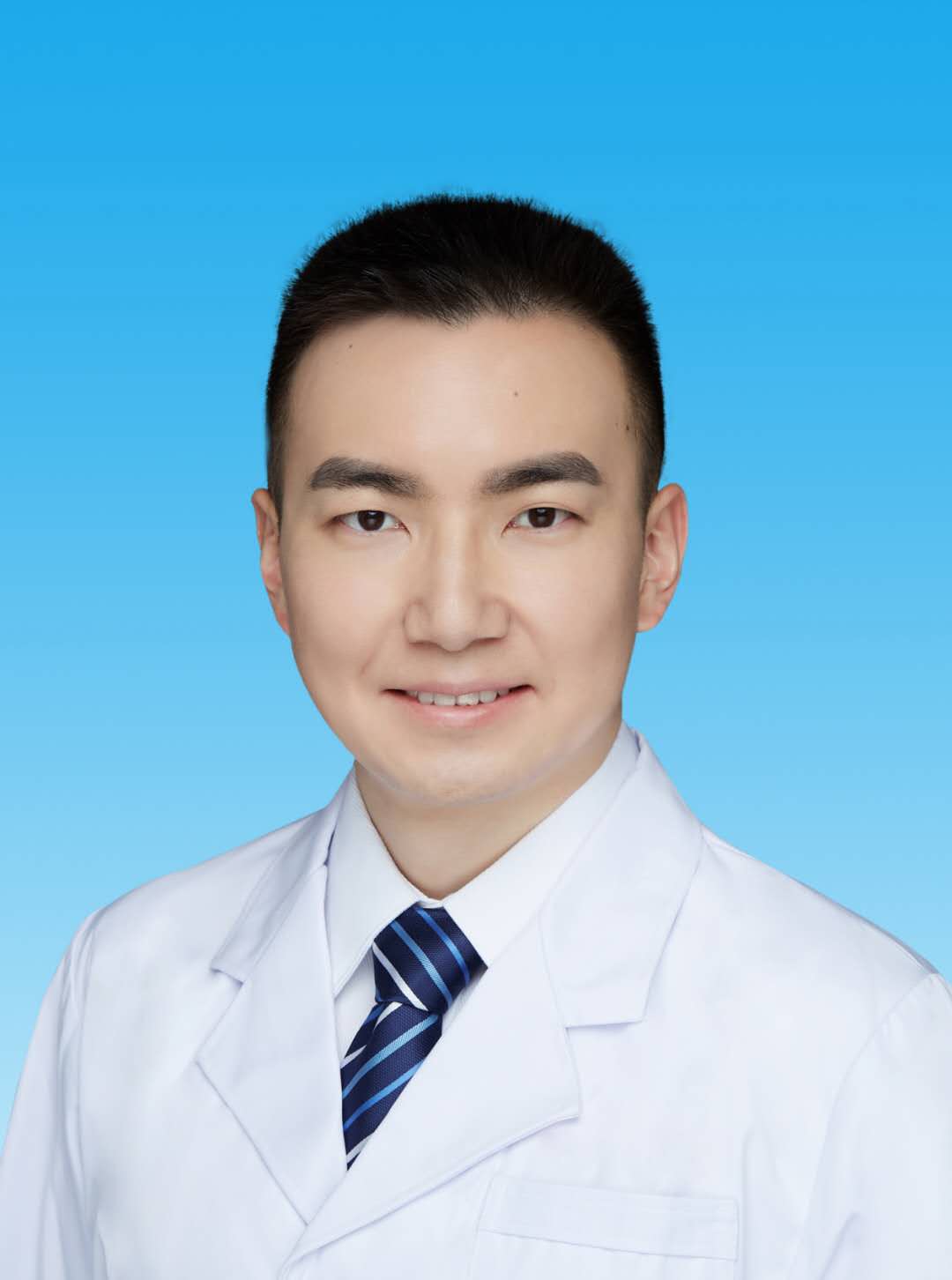 Danan Gan (甘大楠)合作论文数Dongzhimen Hospital, Beijing University of Chinese Medicine6MingXiang Zhang (张明香)合作论文数5ZhiGuo Li (李志国)合作论文数5
 Bingjiu Lu (卢秉久)合作论文数辽宁中医药大学附属医院5Li Wang合作论文数4Ludan ZHANG (张露丹)合作论文数4ShuYing Ru (茹淑瑛)合作论文数4Jiaxin Zhang合作论文数4
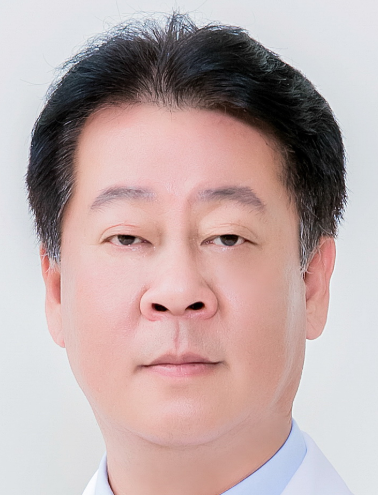 Wei Lu (陆伟)合作论文数Tianjin Medical University Cancer Institute & Hospital4
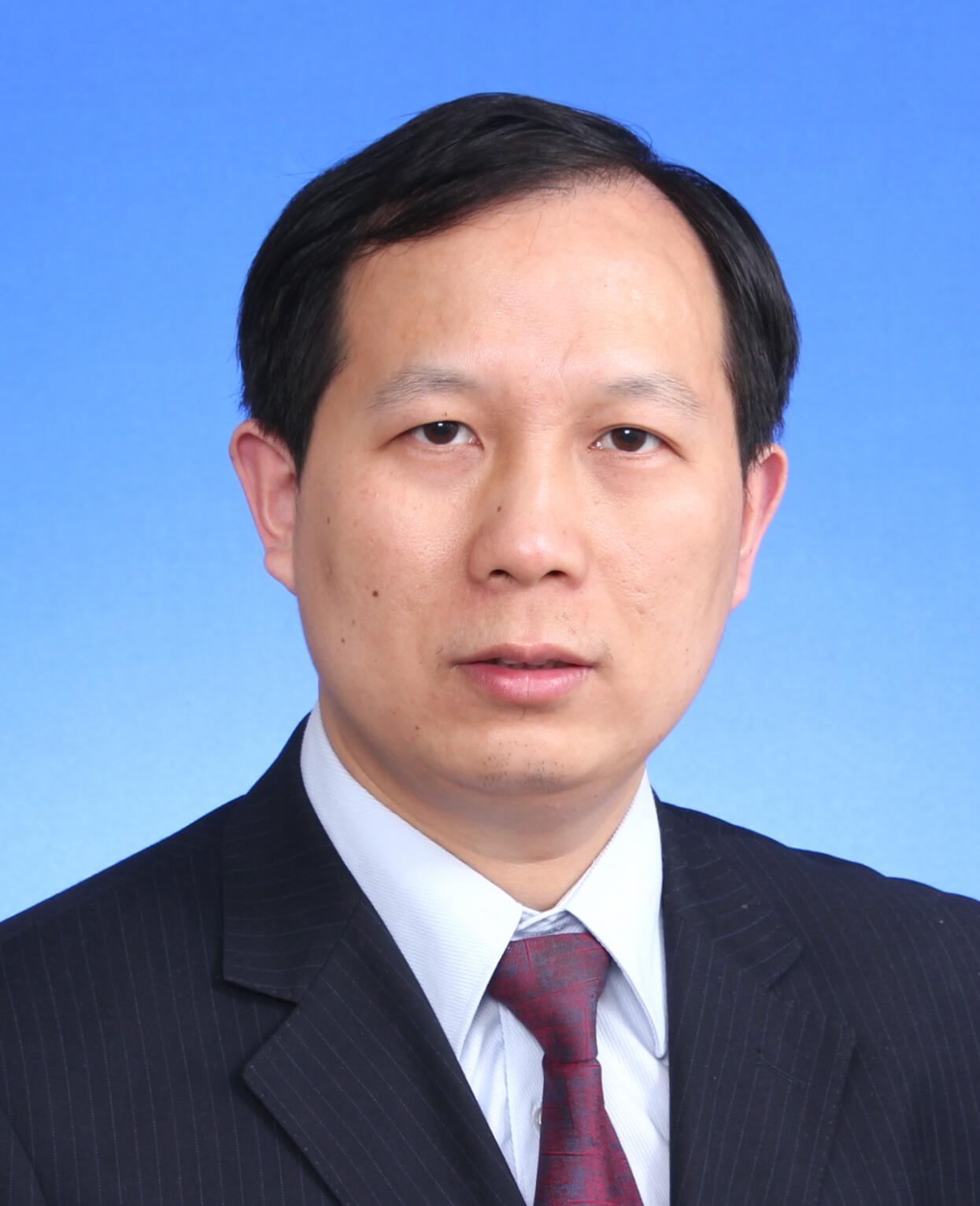 Feng Jiang (江锋)合作论文数Dongzhimen Hospital, Beijing University of Chinese Medicine4Qikai Wu (吴其恺)合作论文数4HU Lanshuo (胡蓝烁)合作论文数3Xiaobin Zao (糟小宾)合作论文数3JingDong Xue (薛敬东)合作论文数3DaQiao Zhou (周大桥)合作论文数3DeWen Mao (毛德文)合作论文数3
 Xianbo Wang (王宪波)合作论文数Beijing Ditan Hospital Capital Medical University3Li Qin合作论文数3
 Cao Xu (许操)合作论文数Institute of Genetics and Developmental Biology, Chinese Academy of Sciences;National Key Laboratory of Center for Genome Biology, Centre of Excellence for Plant and Microbial Science, Chinese Academy of Sciences - John Innes Centre3Xiaoling Chi (池晓玲)合作论文数3
 Yong Li (李勇)合作论文数山东中医药大学附属医院3Mei Qiu合作论文数2Fuli Long合作论文数2Jianguang Sun合作论文数2HUANG Xuanchun (黄炫淳)合作论文数2
 Guang Chen合作论文数2Xinwei Zhang合作论文数2Hui Lin合作论文数2Yijun Liang合作论文数2Ludan Zhang合作论文数2Hui Guo合作论文数2Yi Huang合作论文数2Xiaoning Zhu合作论文数2jinqiao zou (邹金桥)合作论文数2JueYun Wang (王珏云)合作论文数2JinYu He (何瑾瑜)合作论文数2Lin Luo合作论文数2
 Weili He (赫伟丽)合作论文数Dongzhimen Hospital, Beijing University of Chinese Medicine2
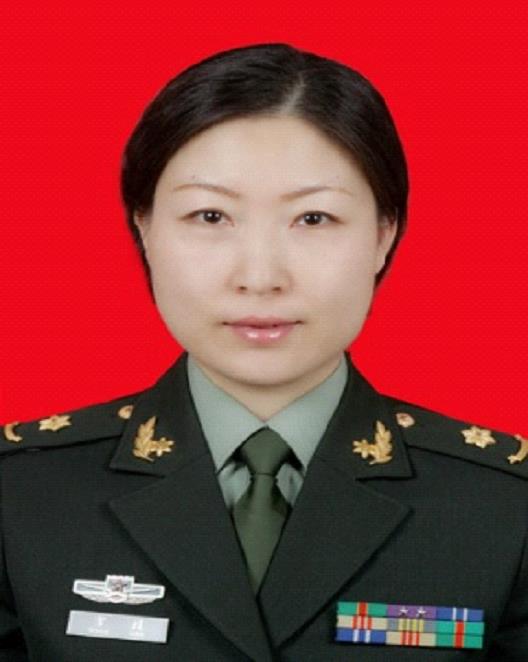 Man Gong (宫嫚)合作论文数解放军总医院第五医学中心中西医结合诊疗与研究中心2Huanming Xiao (萧焕明)合作论文数2
 Fengxia Sun (孙凤霞)合作论文数Beijing Hospital of Traditional Chinese Medicine2




