The excessive use of conventional agrochemicals has led to severe environmental contamination, low utilization efficiency, and increasing concerns regarding ecological safety and sustainability. In recent years, metal-organic frameworks (MOFs) have emerged as a versatile class of porous materials for advanced agrochemical delivery owing to their high surface area, tunable pore structure, and modular chemical design. This review systematically summarizes the recent progress in MOF-based agrochemical delivery systems, with particular emphasis on their synthesis evolution, structural characteristics, functional modification strategies, and environmentally responsive release behaviors. MOF-based nanoformulations are categorized according to their agricultural applications, including insecticides, fungicides, herbicides, and plant growth regulators. Representative systems are discussed to elucidate structure-performance relationships in terms of loading capacity, release kinetics, biological efficacy, and field-relevant performance. In addition, the multifunctional roles of MOFs as both delivery carriers and potential sources of beneficial macro- and micronutrients are highlighted, demonstrating their capacity to integrate crop protection with plant health management. Furthermore, critical challenges associated with MOF-based agrochemical systems are analyzed, including synthesis sustainability, environmental fate, biosafety, economic feasibility, and regulatory acceptance. Application-specific ecological risks, long-term behavior in soil-plant-water systems, and the need for standardized evaluation frameworks are discussed in detail. Finally, future perspectives are proposed to guide the rational design and practical implementation of MOF-enabled agrochemical technologies, emphasizing green synthesis, cost reduction, scalability, and farmer adoption. Overall, this review provides a comprehensive overview of MOF-based agrochemical delivery systems and offers insights into their potential role in advancing sustainable and intelligent modern agriculture.
The development of novel stimuli-responsive pesticide delivery systems is a highly effective strategy for improving pesticide utilization efficiency while minimizing environmental risks. A pH-, glutathione-, and chitinase-responsive pesticide delivery system (PYR@MONs-COS) was designed by conjugating chitosan oligosaccharide (COS) with biodegradable disulfide bond-bridged mesoporous silica nanoparticles (MONs) loaded with pyraclostrobin (PYR). The loading capacity of PYR in the nanoparticles was approximately 13.6%. The covalent attachment of COS to the modified MONs could effectively protect the active ingredient from photodegradation and prevent premature release of PYR. During the infection process, physiological and biochemical changes at the infection site, including reduced pH values, increased glutathione levels, and enhanced chitinase activity, facilitated the rapid degradation of disulfide bonds and COS in PYR@MONs-COS, resulting in the rapid release of PYR. Furthermore, PYR@MONs-COS significantly enhanced the foliar penetration of PYR, improved the adhesion of pesticide droplets, and stimulated callose deposition in rice leaves, thereby enhancing rice immunity. In antifungal activity assays, PYR@MONs-COS exhibited superior efficacy and prolonged efficacy against Magnaporthe oryzae compared to PYR microcapsules in both in vitro and in vivo experiments. The phytotoxicity assessment indicated that PYR@MONs-COS was safe for rice plants. More importantly, PYR@MONs-COS demonstrated a 7.3-fold reduction in acute toxicity to zebrafish compared to PYR technical. Therefore, the triple-stimuli pesticide delivery system has great potential for rice disease management and provides a promising pathway for the development of sustainable agriculture.
Lodging is one of the key and long-term factors restricting rice production, which not only causes a decrease in yield and quality and economic losses, but also hinders the development of mechanization. The factors that affect rice lodging include both internal and external factors. In this review, we discuss the main factors that have been reported to be significantly correlated with rice stem lodging, including stem morphology, chemical composition, and lodging resistance genes, as well as cultivation management, pests and diseases, meteorological conditions, and their mechanisms of influence on lodging. This article also summarizes the evaluation methods of rice lodging resistance and proposes a critical wind speed model considering wind and rain factors in exploring interdisciplinary evaluation methods. Finally, suggestions were put forward for the future development direction and establishment of new evaluation methods to enhance the lodging resistance of rice stems, in order to provide valuable information for improving the potential of rice stem lodging resistance.
Context: In the intensive rice-wheat system of the middle and lower reaches of the Yangtze River, improper fertilization and irrigation practices lead to reactive nitrogen (Nr) loss and greenhouse gas (GHG) emissions, and pose significant risks to ecosystems and human health. Objective: While side-deep placement of controlled-release urea (S-CRU) and alternate wetting and drying (AWD) have individually demonstrated effectiveness in increasing rice yield and nitrogen use efficiency (NUE), the combined life-cycle impacts of these practices on economic benefits, environmental performance, and human health remain uncertain. Methods: To address this gap, the combined effects of three fertilization strategies (conventional urea application in split doses, CU; broadcasting controlled-release urea, B-CRU; and S-CRU) and two irrigation regimes (conventional irrigation (CI) and AWD) on rice yield, NUE, economic returns, Nr and GHG emissions, nitrogen emissions (NE) and carbon footprints (CF), and their environmental and human health impacts were systematically evaluated. Results: The results revealed that AWD+S-CRU increased rice yield, NUE, and agricultural net profit (ANP) by 7.89-18.48 %, 15.54-34.24 %, and 11.26-27.56 %, respectively. Compared with CI+CU, AWD+S-CRU also significantly reduced NH3 volatilization by 50.77-50.86 %, NH4+ -N leaching by 34.70-39.66 %, N2O emissions by 6.00-9.77 %, and CH4 emissions by 47.94-49.39 %, but it increased NO3- -N leaching by 110.99-118.88 %. The NE and CF of AWD+S-CRU decreased by 42.99-43.31 % and 34.75-35.00 %, respectively, with NH3 volatilization and CH4 emissions as the dominant contributors. An environmental assessment revealed that AWD+S-CRU yielded the lowest total environmental impact potential (TEIP), total endpoint damage potential (TEDP), and damage to both human health and ecosystems, with human health damage exceeding ecosystem damage. Implications: AWD+S-CRU achieves synergy among yield improvement, economic profitability, resource use efficiency, and environmental and health benefits, providing a sustainable and regionally adaptable strategy for achieving cleaner production in intensive rice systems.
In wheat-rice rotation systems, wheat production is constrained by cumbersome fertilization procedures, high nitrogen (N) leaching risk, and severe post-anthesis plant senescence, which limits the synergistic improvement of grain yield and N use efficiency. Therefore, a 3-year field experiment was conducted. With split application of normal urea (U) as the control treatment (CK), two fertilizer types (normal U and slow-release blended fertilizer (SRBF)) and two one-time fertilization methods (broadcast (B) and deep application (D)) were arranged to explore the field application performance of one-time deep application of SRBF. One-time application of SRBF increased soil inorganic N in the 0-40 cm soil layer from the jointing to maturity stage compared with one-time application of urea. Deep application enhanced inorganic N in the 0-40 cm layer, with D-U and D-SRBF increasing it by 3.94 and 11.86% relative to B-U and B-SRBF, respectively. D-SRBF treatment significantly increased root length density, root surface area density and root volume ratio in the 10-30 cm soil layer compared with other treatments, with average increases of 30.70, 33.25 and 52.65%, respectively. It also maintained higher post-anthesis root and leaf physiological activities, mainly due to improved soil inorganic N and root growth. Relative to CK, D-SRBF increased post-anthesis dry matter accumulation by 7.04% and yield by 5.82%, mainly via a 4.79% higher total grain filling mass. One-time deep application of SRBF optimizes soil N distribution and supply, improves root growth, and delays post-anthesis root and leaf senescence, which enhances population grain filling capacity and grain yield. Therefore, in rice stubble wheat, this fertilization strategy can serve as an effective alternative to split fertilization.
Rice grain lipids, though constituting a minor fraction of brown rice weight, exert a pivotal influence on grain quality, encompassing eating and cooking quality, nutritional value, and storage stability. Lipids are unevenly distributed within the caryopsis, predominantly localized in the embryo and aleurone layers, and consist of neutral triacylglycerols and polar glycerolipids with a characteristic fatty acid profile rich in oleic, linoleic, and palmitic acids. The application of advanced lipidomics and imaging techniques, such as liquid chromatography-mass spectrometry, matrix-assisted laser desorption/ionization mass spectrometry imaging, and nuclear magnetic resonance, has enabled detailed profiling and spatial visualization of lipid species, revealing their interactions with starch and proteins. Molecular studies have identified key genes (e.g., OsFAD2, OsLOX, OsPLDα1, OsWRI1), enzymes, and QTLs that govern lipid content, composition, and stability. Grain lipids determine eating quality by forming amylose-lipid complexes that influence texture, digestibility, and aroma, while their oxidative degradation, mediated by lipases and lipoxygenases, is a primary cause of quality deterioration during storage. Genetic strategies, including breeding for high-oleic acid, lipoxygenase-null, or high-lysophospholipid genotypes via genetic engineering, and biotechnological interventions are emerging as powerful tools to tailor lipid profiles for enhanced palatability, extended shelf life, and improved nutritional outcomes. Consequently, integrating lipid-centric approaches with traditional starch- and protein-focused breeding paradigms is essential for the holistic improvement of rice quality in the future.
Late spring coldness constitutes a significant meteorological threat to the production of winter wheat in China. We simulated late spring coldness under controlled conditions in artificial climate chambers and examined the regulatory effects of foliar-applied 2,4-epibrassinolide (EBR) on low-temperature tolerance across different wheat organs (leaf, stem, and spike) at the booting stage by using the winter wheat cultivar Ningmai 13 as experimental material. The results showed that under low-temperature stress, EBR treatment significantly increased grains per spike, 1000-grain weight, and grain yield by 15.0%, 11.8%, and 29.1%, respectively, compared with the water-treated control. Additionally, EBR treatment enhanced whole-plant dry matter accumulation and promoted the allocation of dry matter to spikes by 27.4%. EBR markedly elevated the activities of key antioxidant enzymes. The activities of catalase and glutathione reductase in leaves increased by 23.1% and 14.1%, respectively. The activities of superoxide dismutase, peroxidase, catalase, and glutathione reductase in stems increased by 22.6%, 18.7%, 20.0%, and 30.1%, respectively. The activities of peroxidase, catalase, and ascorbate peroxidase in spikes increased by 18.7%, 20.2%, and 82.1%, respectively. These responses effectively alleviated membrane lipid peroxidation across all organs, reducing malondialdehyde content in leaves, stems, and spikes by 11.9%, 32.2%, and 27.3%, respectively. Furthermore, EBR treatment significantly increased the content of osmotic adjustment substances. In leaves and spikes, total soluble sugar, soluble protein, and free proline increased by 8.2%, 18.1%, 36.5% and 3.9%, 31.0%, 10.7%, respectively, while stems exhibited increases of 4.0% in total soluble sugar and 72.9% in soluble protein content. In summary, foliar EBR application significantly enhanced the antioxidant and osmotic adjustment capacities of leaves, stems, and spikes under low-temperature stress, systematically improved low-temperature tolerance at the booting stage, promoted dry matter accumulation and its translocation from source to sink organs, thereby effectively mitigating yield losses induced by low-temperature stress.
Context: Rice yield relies on the efficient allocation of carbon assimilates from source to sink organs. The regulation of carbon flow direction through phloem transport and carbon metabolism is a key factor in determining yield. Identifying factors that determine the allocation of carbon assimilates is crucial for balancing biomass and yield in rice. Objectives: This study investigated the effects of stem-grain carbohydrate allocation on yield and elucidated the underlying physiological mechanisms in different rice varieties. Methods: A 2-year field experiment was performed to investigate differences in structural and non-structural carbohydrate (NSC) allocation, physiological and molecular mechanisms related to NSC translocation and vascular bundle characteristics in stems between two chromosome single-fragment substitution lines with striking differences in biomass allocation and yield. Results: The two rice lines contained the same amount of biomass; however, the high-yielding line had more biomass allocated to grains. High NSC accumulation in stems, activities of starch-sucrose transformation enzymes in stems (e.g. alpha-amylase, beta-amylase and sucrose phosphate synthase), activities of starch biosynthesis enzymes (e.g. sucrose synthase and adenosine diphosphate glucose pyrophosphorylase) in grains, expression of sucrose translocation genes in stems (e.g. OsSUT1, OsSUT2 and OsSWEET13) and grains (e.g. OsSUT1, OsSUT2, OsSWEET11 and OsCIN1), a high proportion of vascular bundles and large phloem area contributed to the enhanced remobilisation of stem NSCs to grains, resulting in increased grain filling percentage and yield in the high-yielding rice line. Conversely, the high expression of cellulose synthesis genes (e.g. OsCES4 and OsCES9) in the low-yield line indicated that the plant utilised photosynthates preferentially for the synthesis of structural carbohydrates, resulting in a high biomass content in stems and low carbohydrate allocation to grains. Conclusion: Vascular transport, enzymes involved in carbon metabolism and genes involved in sucrose translocation promoted biomass allocation to rice grains and explained differences in biomass allocation and yield between the two rice lines. These findings highlight the importance of source-sink coordination in optimizing carbon partitioning for yield improvement in rice.
High temperature often leads to low seed setting rates and yield losses in rice, which are mainly associated with pollen abortion. However, systematic studies on the anther structure and ultrastructure changes of pollen abortion in popular cultivars are still lacking. In this pot experiment, four popular indica rice varieties (YD6, HHZ, LY6326, TYHZ) were subjected to high temperature (38°C) for 15 consecutive days from the fourth stage of panicle initiation. Using paraffin sectioning, scanning electron microscopy (SEM), and transmission electron microscopy (TEM), we systematically investigated anther wall structure, tapetum development, pollen morphology, and pollen viability, seed setting percentage and grain yield. The results revealed cultivar‑specific anther damage fingerprints in four rice varieties under high temperature, characterized by distinct developmental arrest windows (pre‑vacuolation arrest in LY6326, stage‑10 arrest in YD6, delayed pollen starch filling in HHZ), and a comprehensive ultrastructural damage syndrome including disordered tapetum degradation, collapsed microspores with degraded protoplasm, missing exine layers (columella and tectum), and abnormal Ubisch bodies. Among the varieties, TYHZ exhibits relatively milder damage and retains some fertile pollen, indicating better heat tolerance. Furthermore, the integrated application of paraffin sectioning, SEM, and TEM establishes a multi‑scale technical system for rapid and reliable screening of heat‑tolerant rice germplasm. By integrating paraffin sectioning, SEM, and TEM techniques, this study reveals the cytological features underlying yield loss and pollen abortion at the cellular morphology, surface structure, and subcellular levels in popular rice varieties exposed to high temperature during the booting stage, offering a theoretical basis for breeding heat‑tolerant rice.
ABSTRACT Seeding rate and seedling age are key cultivation factors affecting rice seedling quality, lodging resistance, and grain yield. In recent years, the pot‐tray mat seedling technique has demonstrated significant potential for producing robust seedlings and increasing the yield in the middle and lower reaches of the Yangtze River. Meanwhile, in cold‐region rice production systems characterized by limited heat resources, the interactive effects of seeding rate and seedling age within this technique on comprehensive seedling quality, lodging resistance, and grain yield remain unclear. To address this, a field experiment was conducted using the cold‐region japonica rice cultivar Longken 2021 with conventional mat seedling as the control (CK). Four seeding rates (60, 80, 100, and 120 g tray−1, denoted as R1, R2, R3, and R4, respectively) were combined with three seedling ages (35, 40, and 45 days, denoted as A1, A2, and A3, respectively). The results indicated that the pot‐tray mat seedling method significantly improved seedling quality compared to the conventional CK, and the combination of low seeding rate and long seedling age (R1A3) increased stem base width and seedling plumpness by 45.8%–46.2% and 11.8%–19.0%, respectively, relative to CK. Regarding lodging resistance, the pot‐tray mat seedling method improved stem mechanical properties, and treatments with medium seeding rate and medium seedling age (R2A2 and R3A2) increased the section modulus by 16.5%–24.4% and decreased the lodging index by 15.2%–22.2% compared to CK. For grain yield, the highest values were achieved under the medium seeding rate with medium seedling age (R2A2 and R3A2), which increased yield by 9.2%–24.2% over CK. Although low seeding rates enhanced seedling quality, insufficient basic seedling numbers reduced the number of effective panicles, limiting yield potential. In summary, under the pot‐tray mat seedling system for cold‐region rice, a low seeding rate combined with a long seedling age favors the cultivation of robust seedlings, while a medium seeding rate combined with a medium seedling age achieves a better balance between seedling vigor and population growth structure, thereby significantly enhancing stem lodging resistance and increasing grain yield. Therefore, considering seedling quality, lodging resistance, and yield performance, the combination of a medium seeding rate and a medium seedling age is recommended as the optimal strategy for pot‐tray mat seedling production in cold‐region rice, providing a theoretical basis and technical support for high‐yield and stress‐resistant cultivation.
Rice yield formation depends on the efficiency of photosynthetic carbon assimilation and its spatiotemporal partitioning into grains. Despite advances in identifying key genes and pathways, an integrated framework linking dynamic carbon flow regulation across source, sink, and vascular transport (flow) remains elusive. This article reviews recent insights into the physiological and molecular networks controlling source-sink carbon allocation and environmental response mechanisms in rice, emphasizing the crosstalk between sugar signaling (T6P-SnRK1), phytohormones, and transcriptional regulation. We further propose a carbon flow engineering framework that combines precision gene editing, growth regulator intervention, and climate-smart cultivation to synchronize carbon fixation, transport, and storage. This integrative approach provides novel targets for developing high-yielding, resource-efficient rice varieties resilient to environmental fluctuations.
[Objective]This study aimed to establish an one-time side-deep application technology of slow/controlled-release nitrogen(N)fertilizer with high yield,high-N efficiency and low-carbon emission,so as to provide a new way for green and simplified ecological cultivation of rice in the middle and lower reaches of the Yangtze River.[Method]The late-maturing medium japonica rice of Nanjing 9108 and Taixiangjing 1402 with high-yield,high-quality and similar growth period were selected in this study.The controlled-release N fertilizer with resin-coated urea(N 43%,the hydrostatic controlled-release cycle was 100 d)and common urea(46%N)were used as N fertilizer.Five different application ratios of controlled-release N fertilizer rate to common urea rate were set for different treatments of 100%﹕0(S1),80%﹕20%(S2),60%﹕40%(S3),50%﹕50%(S4)and 40%﹕60%(S5).The N fertilizer as base fertilizer was applied using the one-time side-deep application.Conventional N fertilization(CK)and no N fertilization(0N)control treatments were also included.The effect of different treatments on rice yield,N absorption and utilization efficiency,and greenhouse gas emissions were investigated.[Result](1)Compared with CK treatment,the rice yield under S1 treatment was significantly reduced,S2 treatment had no significant difference,S3 and S4 treatments were significantly increased,and S4 treatment was significantly higher than S3 treatment.The yield of Nanjing 9108 under S3 and S4 treatments increased by 2.2%-3.2%and 3.6%-5.4%than that under CK,respectively,while the yield of Taixiangjing 1402 under S3 and S4 treatments increased by 0.9%-3.4%and 3.1%-5.0%,respectively.The most important thing was that there was a consistent law between years and varieties.(2)Compared with CK treatment,the N uptake under S1-S5 treatments decreased significantly at tillering stage and jointing stage(except S4 treatment),but it increased significantly at heading stage and maturity stage(except S1 treatment).The N accumulation under S1-S5 treatments at seeding-tillering stage.However,it increased significantly at tillering-jointing stage and jointing-heading stage decreased significantly compared with CK treatment.Finally,the N agronomic efficiency,N uptake efficiency,and N partial factor productivity under S1-S5 treatments were significantly higher than that under CK(except S1 treatment);among them,that of Nanjing 9108 decreased by 3.0%-14.7%,11.6%-23.2%,and 0.4%-3.7%,respectively,and Taixiangjing 1402 decreased by 2.3%-14.8%,11.3%-24.6%,and 0.8%-5.0%,respectively.The increase under S4 treatment was the largest,followed by S3.(3)Compared with CK treatment,the accumulation of CH4 emissions of S1-S5 treatments at tillering-jointing stage,heading-maturity stage,and the whole growth period decreased significantly.Among them,Nanjing 9108 decreased by 48.0%-64.1%,55.1%-68.7%,and 26.8%-35.6,respectively,and Taixiangjing 1402 decreased by 42.4%-49.2%,46.4%-61.9%,and 24.9%-37.5%,respectively.The increase under S4 treatment was the largest,followed by S3.The accumulation of N2O emissions of S1-S5 treatments at transplanting-tillering stage,tillering-jointing stage,and the whole growth period decreased significantly compared with CK treatment.Among them,Nanjing 9108 decreased by 42.9%-60.8%,40.8%-73.0%,and 33.9%-58.9%,respectively,and Taixiangjing 1402 decreased by 24.5%-53.3%,39.5%-57.6%,and 29.9%-30.7%,respectively.The increase under S5 treatment was the largest.Finally,the GWP(Global Warming Potential)and GHGI(Greenhouse Gas Emission Intensity)of S1-S5 treatments decreased significantly compared with CK treatment,among which Nanjing 9108 decreased by 26.7%-35.3%and 25.3%-37.9%,respectively,and Taixiangjing decreased by 26.6%-37.9%and 28.1%-40.4%,respectively.The largest decrease was under S3 treatment,followed by S4 treatment.[Conclusion]The combined application ratios of slow/controlled-release N fertilizer to common urea was 50%-60%:50%-40%at one-time with using the side-deep application,which had better high-yield,high-N efficiency and low-carbon emission outcome.It could be used as a light and simplified N application technology for high-yield,high-efficiency,green and low-carbon rice in the middle and lower reaches of the Yangtze River.
The early panicle initiation stage plays a pivotal role in rice yield formation and nitrogen use efficiency. Rapid and accurate estimation of the Nitrogen Nutrition Index (NNI) during this stage is essential for guiding precise fertilization in high-yield rice cultivation. Although discrete wavelet transform (DWT) serves as an effective feature extraction tool, its application to crop NNI estimation remains unexplored. In this study, three-year field experiments involving ten rice varieties and five nitrogen application levels were conducted in Jiangsu Province, China. NNI data at the early panicle initiation stage and multispectral Unmanned Aerial Vehicle (UAV) imagery were collected. The sets of vegetation indices (VIs), texture indices (TIs), and DWT feature variables were extracted and fused from the imagery. Three feature selection methods were each combined with four machine learning algorithms to build distinct NNI estimation models, followed by an assessment of model accuracy. The results indicated that the overall estimation accuracy of models developed from different feature sets followed this order: VIs+TIs+DWT > VIs+DWT > VIs+TIs > VIs > TIs+DWT. RFECV-RF models constructed with the VIs+TIs+DWT and VIs+DWT feature sets both exhibited significantly higher estimation accuracy than the two existing methods using VIs and VIs+TIs, reaching a level suitable for precise quantitative analysis. The ratio of performance to deviation (RPD) of the model built with the VIs+TIs+DWT feature set was significantly higher than that of the model using the VIs+DWT feature set. Integrating DWT with VIs and TIs has significantly enhanced the accuracy of remotely sensed NNI estimation during the early panicle initiation stage, providing a method for precise nitrogen status diagnosis in rice at this critical growth phase.
The nitrogen application rate strongly influences the eating quality (EQ) of rice. However, the starch molecular structure mechanism underlying the differences in taste quality between superior (SG) and inferior grains (IG) and their response to nitrogen application rates must be further studied. In this study, the starch molecular structure (SMS), starch physicochemical properties (SPP) and EQ of SG and IG were determined under four nitrogen application rates (N1:0, N2:195, N3:270 and N4:345 kg ha- 1 ). We found that the SMS-related indicators of excessive nitrogen application (ENA, N4) were 8.45%-32.59% lower than those of N1. ENA decreased the EQ by 11.2%-30.3%. ENA has a strong influence on both the SMS and SPP. The fa and (fa + fb1)/(fb2 + fb3) of ENA were significantly greater than those of N1. ENA decreased the percentage of A and B chains by 11.2-47.2% and increased the percentage of C chains by 46.8-80.6%. Correlation analysis revealed that the amylose chain length distribution was closely related to the rice EQ. The SMS and SPP of IG were more sensitive to the ENA. The relatively high contents of C chains and fb1 in IG contribute to poor EQ. In summary, the starch physicochemical properties and molecular structure of IG are more susceptible to the effects of ENA, resulting in poor EQ.
Nitrogen (N) is one of the most important nutrients determining crop growth performance. With the increasing demand for sustainability in global agriculture, improving nitrogen use efficiency in rice has become a critical issue. Nitrogen use efficiency (NUE) in rice is a complex trait influenced by multiple factors, among which phytohormones play a key role. NUE is primarily regulated through the influence of phytohormones on absorption, transport, assimilation, and utilization processes. In this review, we focus on these interactions and summarize the relationships between major hormones and nitrogen use efficiency in rice. Finally, we outline the current challenges and future research prospects in this field. Although studies have shown promising results for their role in improving crop NUE, the specific mechanisms remain unclear. Additionally, the interactions among phytohormones and the influence of environmental factors on their effectiveness require further investigation. This review provides theoretical support and technical guidance for understanding the role of phytohormones in rice NUE and offers insights into improving NUE in rice.
IntroductionDeep placement technology has gradually become a key direction for simplified cultivation. However, few studies have explored the effects of different deep-band placement under the application of slow-release nitrogen fertilizer (SRNF) combined with urea on wheat yield and quality.MethodsIn this study, four treatments were designed: conventional split application of urea (CK), one-time broadcasting of SRNF combined with urea (M1), and two different one-time deep-band placement treatments of SRNF combined with urea (M2 and M3).ResultsThe results showed that compared with CK and M1, M2 could increase the nitrogen content in rhizosphere soil after the jointing stage, which in turn affected the activities of nitrogen assimilation enzymes and promoted nitrogen uptake and utilization in the aboveground parts of wheat. In addition, the M2 maintained a relatively high leaf area index and net photosynthetic rate, ultimately increasing the post-anthesis dry matter accumulation and laying a material foundation for yield improvement. The wheat yield under the M2 was significantly by 4.8% higher than that of the CK, which was mainly attributed to the increase in spike number and grains per spike. In contrast, M3 could maintain a stable yield while reducing grain protein content, thereby improving the quality of weak-gluten wheat.DiscussionThis study provides a theoretical basis and practical guidance for the development of deep fertilization technology for wheat following rice.
Weedy rice (Oryza spp.) has become one of the most harmful weeds in rice fields worldwide. It is a conspecific plant of cultivated rice (Oryza sativa L.) belonging to the genus Oryza, widely occurring in global rice production systems with a cosmopolitan distribution across major rice-growing regions. Due to its unique biological characteristics, such as strong environmental adaptability, stress resistance, seed shattering propensity, seed dormancy, and competitive dominance, weedy rice can rapidly proliferate and persist in fields, posing a severe threat to rice production systems. This review summarizes the current research progress on the biological characteristics of weedy rice and introduces the significant differences in biological characteristics between weedy and cultivated rice, such as phenotypic diversity, seed shattering, dormancy, strong competitiveness, stress resistance, and early maturity. These distinct biological traits, which significantly differ from cultivated rice, serve as essential mechanisms in the survival strategy of weedy rice. Our review will provide a theoretical reference for a deeper understanding of weedy rice and its integrated management.
Accurately estimating leaves’ relative chlorophyll contents (widely represented by Soil and Plant Analysis Development (SPAD) values) across growth stages is crucial for assessing crop health, particularly in regions characterized by varying sowing dates. Unlike previous studies focusing on high-resolution UAV imagery or specific growth stages, this research incorporates satellite-derived texture indices (TIs) into a SPAD value estimation model applicable across multiple growth stages (from tillering to grain-filling). Field experiments were conducted in Jiangsu Province, China, where winter wheat sowing dates varied significantly from field to field. Sentinel-2 imagery was employed to extract vegetation indices (VIs) and TIs. Following a two-step variable selection method, Random Forest (RF)-LassoCV, five machine learning algorithms were applied to develop estimation models. The newly developed model (SVR-RBFVIs+TIs) exhibited robust estimation performance (R2 = 0.8131, RMSE = 3.2333, RRMSE = 0.0710, and RPD = 2.3424) when validated against independent SPAD value datasets collected from fields with varying sowing dates. Moreover, this optimal model also exhibited a notable level of transferability at another location with different sowing times, wheat varieties, and soil types from the modeling area. In addition, this research revealed that despite the lower resolution of satellite imagery compared to UAV imagery, the incorporation of TIs significantly improved estimation accuracies compared to the sole use of VIs typical in previous studies.
Context: Mineral nitrogen (N) management and organic matter management in the paddy fields directly affect yield and soil greenhouse gas (GHG) emissions in the rice-wheat rotation system of China. However, comprehensive research on the combined impacts of these two practices remains insufficient, and there is a lack of quantitative analyses on a large regional scale as well as identification of the main drivers. Objective: This study aimed to elucidate the impact of mineral N management and organic matter management on rice yield and global warming potential (GWP) and their spatial distribution patterns, and to investigate influential factors. Methods: We combined machine learning algorithms based on meta-analysis to assess the effect of mineral N management (synthetic N fertilizer, slow-/controlled- release fertilizer) and organic matter management (organic fertilizer, biochar amendment, and straw return) on rice yield and GHG in the rice-wheat system by compiling 163 peer-reviewed journal articles and high-resolution multi-source databases in China. Results: Mineral N management significantly increased rice yield (412 %) and N2O (162.3 %), and reduced GHG emissions intensity (GHGI; 20.1 %). Organic matter management increased CH4, GWP, and GHGI by 74.4 %, 60.8 %, and 55.1 %, respectively. Machine learning (random forest (RF), support vector machine, multiple layer perceptron, and gradient boosting machine) suggested that RF was the optimal method for predicting rice yield and GHG (R2 = 0.43-0.90). The spatial distribution indicated that mineral N management boosted rice yield and N2O while reducing GHGI, especially in the Middle-lower Yangtze River (MLY) region, by 37.6 %, 277 %, and 25.2 %, respectively. Structural equation modeling and RF analysis revealed that field management practices and edaphic factors had major contributions to rice yield, while climatic factors were positively with CH4 and N2O emissions. Implications: Our findings provide insights into the importance of inorganic and organic managements to ensure food security and environmental sustainability, thereby contributing to the promotion of sustainable rice production.
Climate change threatens rice production by increasing the frequency of adverse weather conditions, such as continuous rainy and overcast days, which lead to combined low temperature and weak light stress (LTWL) during the rice growing stage. To investigate the impact of LTWL stress on rice grain yield and its physiological mechanisms, we conducted a 2-year study focusing on the panicle differentiation stage. Two rice cultivars were examined: conventional japonica rice and indica-japonica hybrid rice. The experimental treatments consisted of varying durations of LTWL exposure during panicle differentiation, namely T1 (0-7 days), T2 (0-14 days), T3 (0-21 days), T4 (8-14 days), and T5 (15-21 days) in 2021 and 2023, with the addition of T6 (22-28 days) in 2023. In addition, the normal temperature and sunlight treatment were conducted as the control (CK). The results revealed that, compared to the CK treatment, LTWL during panicle differentiation reduced rice grain yield by 6.25%-26.84% for NG9108 and by 3.05%-20.51% for YY2640. This yield reduction was primarily attributed to a decrease in the number of grains per panicle, with NG9108 experiencing a range of 4.60%-22.62% and YY2640 showing a range of 1.76%-20.14%, which resulted from reduced spikelet differentiation and increased spikelet degeneration. Among the 7-day LTWL treatments, the T5 treatment caused the most significant yield loss. Furthermore, as the duration of the LTWL stress increased, the decline in grain yield became more substantial. For the two types of cultivars, conventional japonica rice was more sensitive to LTWL treatments compared to the indica-japonica hybrid rice. Physiological analysis indicated that LTWL treatments enhanced internode elongation and increased leaf SPAD values. Additionally, the activity of antioxidant enzymes was elevated, suggesting a stress response to mitigate oxidative damage. However, LTWL stress also reduced leaf photosynthetic rates and root activity, which collectively contributed to the observed decline in grain yield during panicle differentiation.
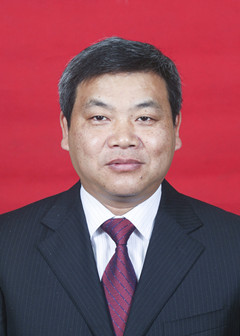 Qigen Dai (戴其根)合作论文数Agricultural College of Yangzhou University318
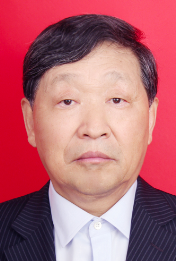 Hongcheng Zhang (张洪程)合作论文数Agricultural College of Yangzhou University318
 Ke Xu (许轲)合作论文数222
 Haiyan Wei (魏海燕)合作论文数Agricultural College, Yangzhou University;Research Institute of Rice Industrial Engineering Technology, Yangzhou University193BaoWei Guo (郭保卫)合作论文数96
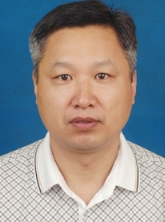 Xu Ke (许轲)合作论文数College of Agricultural, Yangzhou University67YaJie Hu (胡雅杰)合作论文数56JinLong Gong (龚金龙)合作论文数41
 Weiling Wang合作论文数37Zhipeng Xing合作论文数34
 Guohui Li (李国辉)合作论文数24Qun Ma (马群)合作论文数24
 Jie Li合作论文数24You Liang合作论文数Jiangsu Key Lab Crop Genet & Physiol, Yangzhou Univ19DeJian Li (李德剑)合作论文数19Tian-Yao Meng合作论文数18YouYan Zhou (周有炎)合作论文数18Yong Chang (常勇)合作论文数17WenGe Wu (吴文革)合作论文数17Dawei Zhu合作论文数16AnQin Sha (沙安勤)合作论文数16MengJie Ge (葛梦婕)合作论文数16HaiHe Wei (韦还和)合作论文数15GuiCheng Wu (吴桂成)合作论文数15Yanyang Liu (刘艳阳)合作论文数15
 Guisheng Zhou (周桂生)合作论文数College for Overseas Education, Yangzhou University;Institutes of Agricultural Science and Technology Development, Yangzhou University14Guangming Liu合作论文数13Jiehui Song合作论文数13Qiang Zhang (张强)合作论文数13Yinfei Qian (钱银飞)合作论文数13HaiJun Qian (钱海军)合作论文数12DaShan Huang (黄大山)合作论文数12HouYuan Long (龙厚元)合作论文数12
 Min Li (李敏)合作论文数Guizhou Academy of Agricultural Sciences;Guizhou Rice Research Institute12Xiong Yang (杨雄)合作论文数12jingdu chen合作论文数11Huan-He Wei合作论文数11Feihu Cheng (程飞虎)合作论文数江西省农业技术推广总站11HouCun Chen (陈厚存)合作论文数11Li Chao合作论文数10Xian WANG (王显)合作论文数10Jin Hua (花劲)合作论文数10YueCheng Xiao (肖跃成)合作论文数10GuoYe Li (李国业)合作论文数10ZhongPing Chen (陈忠平)合作论文数10GuoLin Liu (刘国林)合作论文数10
 Shiping Liu (刘世平)合作论文数扬州大学江苏省作物遗传生理重点实验室10Jie Hang (杭杰)合作论文数10ZHANG Sheng-fei (张胜飞)合作论文数10




