The association between estrogen and hepatocellular carcinoma (HCC) remains controversial. This study explored estradiol (E2)'s effect on HCC recurrence post-minimally invasive treatment and age's critical modifying role. 247 male HCC patients were prospectively enrolled, underwent radiofrequency ablation, and followed up for 36 months. Confounding factors were analyzed via cubic spline regression Cox model, with hierarchical analysis for age-specific effects. E2 and age showed a nonlinear correlation with HCC recurrence, with age identified as a confounding factor for E2. The cutoff values were 53/67 years (age) and 42 pg/ml (E2). For patients <53 years, E2 ≥42 pg/mL was linked to a significantly lower cumulative recurrence rate (CRR, p = 0.002); for 53-67 years (p = 0.065), no significant difference was observed; for >67 years, E2 ≥42 pg/mL was associated with a significantly higher CRR (p < 0.001). Thus, age modulates E2's dual role: protective (<53 years), transitional (53-67 years), and risk-promoting (>67 years).
e16162 Background: Advanced intrahepatic cholangiocarcinoma (ICC) carries a dismal prognosis, with limited second-line options after failure of gemcitabine-based chemotherapy. Adebrelimab (anti-PD-L1 antibody) plus lenvatinib has shown potential in hepatobiliary cancers. This study evaluated the efficacy and safety of this combination in advanced ICC patients with heavy tumor burden and impaired liver function. Methods: This single-arm, open-label, phase II study enrolled patients with histologically confirmed unresectable or metastatic ICC who progressed on or were intolerant to first-line chemotherapy. Patients received adebrelimab (20 mg/kg IV Q3W) and oral lenvatinib (8 mg/day for weight < 60 kg; 12 mg/day for ≥60 kg). The primary endpoint was overall survival (OS). Secondary endpoints included progression-free survival (PFS), objective response rate (ORR), and safety (CTCAE v5.0). Results: As of January 12, 2026, 28 patients were enrolled (median age, 60.0 years). The cohort represented an exceptionally high-risk population: 18 patients (64.3%) had extrahepatic metastases, 13 (46.4%) had vascular invasion, and 20 (71.4%) were Child-Pugh class B. Furthermore, 24 patients (85.7%) met the "up-to-seven" criteria. After a median follow-up of 8.5 months (95% CI, 4.5 to 12.2), the median OS reached 12.2 months (95% CI, 6.3 to not reached), with a 12-month OS rate of 59.5% (95% CI, 40.9% to 86.5%). The median PFS was 6.3 months (95% CI, 4.0 to 12.4). In the ITT population, the ORR was 7.1% (2 of 28) and the DCR was 53.6% (15 of 28); however, response assessment was confounded by early treatment discontinuation or pending evaluations in 12 patients (42.9%). Treatment-related adverse events (TRAEs) of any grade occurred in 27 patients (96.4%). Grade 3-4 TRAEs were reported in 6 patients (21.4%), most commonly hepatic encephalopathy (3 patients, 10.7%), limb/shoulder pain (2 patients, 7.1%), and hyperbilirubinemia (2 patients, 7.1%). No treatment-related deaths were observed. Conclusions: Adebrelimab combined with lenvatinib demonstrated an unprecedented median OS of 12.2 months in second-line advanced ICC. Importantly, this survival benefit was maintained even in a population predominantly comprised of Child-Pugh class B patients with significant tumor burden. This combination represents a potential breakthrough for this difficult-to-treat population and warrants further validation in a randomized controlled trial. Clinical trial information: ChiCTR2300078869.
Aim: To evaluate the efficacy and safety of transarterial chemoembolization (TACE) plus regorafenib and PD-1 inhibitor (T-R-P) versus regorafenib plus PD-1 inhibitor (R-P) as the second-line treatment for unresectable hepatocellular carcinoma (uHCC). Methods: In this retrospective, single-center cohort study, 130 uHCC patients who received second-line therapy between February 2020 and July 2024 were enrolled. Among the 130 enrolled patients, 69 received T-R-P and 61 received R-P. Propensity score matching (PSM) and inverse probability treatment weighting (IPTW) were used to minimize confounding factors. Outcomes included overall survival (OS), progression-free survival (PFS), objective response rate (ORR) and disease control rate (DCR). Multivariate Cox regression analysis was used to identify prognostic factors. Subgroup analyses were conducted to assess the treatment benefits in specific patient populations. Results: After PSM, the T-R-P regimen showed significantly improved OS (14.3 vs 8.1 months) and PFS (8.4 vs 4.3 months) compared to the R-P regimen (P < 0.001). According to mRECIST, ORR (56.5% vs 15.2%) and DCR (69.6% vs 37.0%) were also significantly higher with the T-R-P regimen. Multivariate Cox regression analysis identified the T-R-P regimen as an independent protective factor for both OS (hazard ratio [HR] = 0.33, P < 0.001) and PFS (HR = 0.39, P < 0.001). These consistent survival benefits in the T-R-P regimen were maintained in both the unmatched cohort and after IPTW. Subgroup analyses further confirmed the consistent survival benefits of the T-R-P regimen across the most predefined patient subgroups. No treatment-related deaths occurred during the study period. Conclusion: After PSM, the T-R-P regimen continued to demonstrate statistically significant and clinically meaningful improvements in both OS and PFS, coupled with a manageable safety profile, compared to the R-P regimen in patients with uHCC. These findings provide a rationale for considering the T-R-P regimen as a potential second-line treatment option.
BackgroundChronic liver disease (CLD) is a significant global health threat and has emerged as one of the leading causes of mortality worldwide. Anemia is a prevalent complication observed in patients with CLD, with 75% of these patients being susceptible to the condition. The utility of anemia-associated biomarkers for the diagnosis and management of this condition remains inadequately defined. In this study, we collected hematological data from patients with CLD and analyzed a panel of anemia-related biomarkers, aiming to investigate the correlations between these markers in patients with anemia secondary to chronic liver disease.MethodsThe first cohort of 119 patients from the Department of Hepatology at Qilu Hospital of Shandong University was recruited for the study. Demographic data of the patients were included and ANOVA analysis based on anemia types was conducted. A subset of 64 patients with available serum samples for hepcidin measurement was included as a second cohort for downstream analysis. The model for end-stage liver disease (MELD), aspartate aminotransferase to platelet ratio index (APRI), and fibrosis-4 (FIB-4) scores were used to evaluate liver functions. The correlation of these markers was also calculated. SPSS software and R program were utilized to perform statistical analysis and plot graphs.ResultsThis study indicates that anemia in CLD is closely associated with disease severity and related complications. We found that in patients with macrocytic and normocytic anemia, the level of erythropoietin (EPO) was positively correlated with soluble transferrin receptor (STFR). While mean corpuscular volume (MCV) was positively correlated with MELD and APRI scores, total bilirubin (TBIL) was positively correlated with FIB-4 scores. WBC and ferritin were positively correlated. Additionally, various biomarkers were statistically significant across macrocytic, normocytic, and microcytic anemia groups, as well as different groups by the bilirubin level.ConclusionAnemia in chronic liver disease should not be overlooked. This exploratory study suggests that anemia-related biomarkers may hold promise for evaluating liver function and could inform the management of anemia in these patients, though future validation in larger cohorts is necessary to confirm these preliminary findings and establish their clinical utility.
e16215 Background: Intrahepatic cholangiocarcinoma (ICC) is a highly aggressive malignancy with limited efficacy of second-line treatment following intolerance or failure of first-line therapy. This study aimed to explore the efficacy, safety, and effectiveness-related biological characteristics of adebrelimab combined with lenvatinib as second-line regimen in patients with advanced ICC. Methods: This single-arm, open-label phase II study enrolled patients with unresectable or metastatic ICC who had experienced progression or intolerance to first-line chemotherapy. Adebrelimab was administered via intravenous infusion (20 mg/kg, Q3W), combined with oral lenvatinib (8 mg for body weight < 60 kg or 12 mg for ≥ 60 kg, once daily). The primary endpoint was overall survival (OS). Secondary endpoints included progression-free survival (PFS), objective response rate (ORR), time to deterioration(TTD), and disease control rate (DCR), safety and quality of life (QoL). Exploratory endpoints focused on identifying molecular markers in sensitive populations, biomarkers of treatment response, and mechanisms of resistance. Results: As of the data cut-off in January 2025, 10 patients were enrolled, of whom 7 were evaluable. The median age was 53.5 years (IQR, 10.5), and 40.0% had HBV infection history. Most patients (70.0%) were classified as Child-Pugh A and 90.0% met “up to seven” criteria. Two patients (20%) underwent surgery and 80% received transcatheter arterial chemoembolization (TACE) as prior locoregional treatment. Among 7 patients available for imaging evaluation, the ORR was 10.0% (1 partial response (PR), 4 stable disease (SD) , and 2 progressive disease (PD)) and the DCR was 50.0%, based on mRECIST and RECIST 1.1. The most frequently reported treatment-related AEs (any grade) were leukopenia (100.0%), anemia (70.0%), abdominal pain (70.0%), and thrombocytopenia (50.0%). The most common grade 3 or 4 AEs included leukopenia, abdominal pain, thrombocytopenia, vomiting and limb pain, each occurring in 10.0% of patients. Conclusions: Adebrelimab combined with lenvatinib showed promising antitumor activity and manageable safety profile in patients with unresectable or metastatic ICC who had progressed on or were intolerant to first-line chemotherapy. These findings provide a rationale for further investigation of this regimen as a second-line treatment option. Clinical trial information: ChiCTR2300078869 .
IntroductionDysregulation in lipid metabolism contributes to the occurrence and development of various cancers. The connection between changes in lipid metabolism and the development of intrahepatic cholangiocarcinoma remains uncertain. Our objective was to investigate the significance of blood lipid levels in patients with intrahepatic cholangiocarcinoma who have undergone surgery.MethodsNinety-seven ICC patients who underwent surgery were retrospectively enrolled. After 92.2 months of follow-up, the Kaplan-Meier analysis and Cox proportional hazard model were used to calculate overall survival and recurrence-free survival.ResultsThe median age of this cohort was 56 years, and 79 (81.4%) of them were male. Eighty-eight (90.7%) patients presented with tumor recurrence and 73 (75.3%) died. In multivariate analyses, high-density lipoprotein cholesterol level (< 0.91 vs. ≥ 0.91 mmol/L, hazard ratio [HR] = 2.55; 95% CI: 1.38-4.71), lymph node metastasis (Yes vs. No, HR = 2.58; 95% CI: 1.28-5.19), etiology factor (chronic HBV infection vs. others, HR = 0.5; 95% CI: 0.28-0.88) and multiple tumor lesions (Yes vs. No, HR = 1.85; 95% CI: 1.01-3.39) were independent predictors of overall survival. However, only high-density lipoprotein cholesterol level (HR = 1.86; 95% CI: 1.19-2.92) emerged as the independent factor for recurrence-free survival. High-density lipoprotein cholesterol level (HR = 2.07; 95% CI: 1.26-3.41), etiology factor (HR = 0.49; 95% CI: 0.29-0.84), and multiple tumor lesions (HR = 2.00; 95% CI: 1.14-3.51) were independent predictors of early recurrence. For patients who did not experience the spread of cancer to the lymph nodes, there was a significant correlation between the level of high-density lipoprotein cholesterol and their overall survival, recurrence-free survival, and early recurrence. For patients with low pre-operation high-density lipoprotein cholesterol levels, high post-operation high-density lipoprotein cholesterol levels were associated with better prognosis.ConclusionsLow serum high-density lipoprotein cholesterol level might serve as a sign of poor clinical outcomes (overall survival and recurrence-free survival) and early recurrence among intrahepatic cholangiocarcinoma patients. Strengthening the monitoring and intervention of intrahepatic cholangiocarcinoma patients with poor prognosis might be critical for improving the prognosis.
Metallofullerenes are an important type of metallic nanomaterial with promising applications in several medical fields. Thermal ablation, including radiofrequency ablation (RFA) and microwave ablation (MWA), is an important treatment strategy for advanced hepatocellular carcinoma (HCC). The thermal expansion of fullerenes makes them good adjuncts to thermal ablation treatment of HCC. In this study, we used an innovative method of emulsification and cross-linking to produce CS-C 60 -Fe 3 O 4 (Chitosan-C 60 -Fe 3 O 4 ) nanoparticles, which have the advantages of uniform particle size and high bioavailability, as a kind of novel nano-pharmaceutical. The CS-C 60 -Fe 3 O 4 nanoparticles were prepared by the cross-linking reaction from chitosan–acetic acid solution, Fe 3 O 4 nanoparticles by Fe 2 SO 4 ·7H 2 O and FeCl 3 ·6H 2 O, and C 60 . The average particle size of CS-C 60 -Fe 3 O 4 was 194.3 nm. Because CS-C 60 -Fe 3 O 4 is magnetic, it can achieve specific and tissue aggregation in HCC tumor tissues. Moreover, compared with normal soluble C 60 (EL35-C 60 ), CS-C 60 -Fe 3 O 4 prolonged the retention time of C 60 in the blood of mice. CS-C 60 -Fe 3 O 4 alone is not cytotoxic to cultured cells or tumor tissues, but when combined with thermal ablation strategies (RFA and MWA), it significantly upregulates the antitumor effects of thermal ablation on HCC tissues, that is, it acts as a sensitiser to thermal ablation. In the presence of thermal ablation, CS-C 60 -Fe 3 O 4 interfered with iron metabolism in HCC cells and induced ferroptosis of HCC cells in the tumor tissues. These results not only expand our understanding of metallofullerenes but also provide additional options for the treatment of advanced HCC.
BackgroundHepatocellular carcinoma (HCC) is the major cause of malignancy-related deaths worldwide, and its incidence is likely to increase in the future as life expectancy increases. Therefore, the management of elderly patients with HCC has become a global issue. Aim of this study was to assess whether elderly patients with small HCC could obtain survival benefit from cryoablation (CRYO) in a real-world.Materials and methodsFrom July 2007 to June 2013, 185 patients with small HCC who underwent curative-intent percutaneous CRYO. All patients were divided into three groups according to age distribution. Overall survival (OS) and tumor-free survival (TFS) were compared between among of groups before and after the 1:1 propensity score matching, respectively. Univariate and multivariate Cox analyses were performed to determine the potential relationships between variables and prognostic outcomes.ResultsOne hundred and eighty-five patients (144 men, 41 women) received CRYO for small HCC, including 59 patients with age <50 years, 105 patients with age between 50 and 65 years, and 21 patients with age >65 years. The three age groups showed significant differences in the terms of underlying chronic liver disease and the number of patients with minor postoperative complications. After propensity score matching, the younger and elderly groups showed significant differences in mean OS (P=0.008) and tumor progression (P=0.050). However, no significant differences were shown in mean progression-free survival (PFS) (P=0.303). The Cox multivariate analysis showed that the Child-Pugh grade (HR=3.1, P<0.001), albumin (HR=0.85, P=0.004) and total of bilirubin (HR=1, P=0.024) were the independent prognostic factor for mean OS.ConclusionOur propensity-score-matched study suggested that elderly patients with small HCC can achieve acceptable prognostic outcomes with PFS similar to those of younger patients with small HCC after treatment with CRYO, while Child-Pugh grade, bilirubin and serum albumin levels were associated with the prognosis of small HCCs.
e16151 Background: Targeted therapy is the most effective therapeutic approach for middle and late-stage hepatocellular carcinoma (HCC). Regorafenib or PD-1 as a second-line treatment of patients with advanced HCC has achieved good results. Argon-helium cryoablation is one commonly used method for local ablation of liver cancer. Whether systemic therapy combined with local therapy can benefit patients with advanced liver cancer is a hot topic. This study is aimed to investigate the efficacy and safety of regorafenib and PD-1 combined with cryoablation in the treatment of patients with advanced HCC after the failure of second-line targeted treatment. Methods: In this retrospective study, unresectable HCC patients received regorafenib and PD-1combined with cryoablation after the failure of second-line targeted treatment from January 2019 to December 2021 were enrolled. Depending on whether combining local therapy, patients were grouped as RP (regorafenib and PD-1), or RPC groups (regorafenib and PD-1 combined with cryoablation). Objective response rate (ORR), disease control regorafenib rate (DCR), progression free survival (PFS), and safety were recorded. The PFS was defined as the time from the first dose of RP, or from the time of using RPC until disease progression or death. Results: A total of 50 patients were reviewed, including 21 patients in RP group and 29 patients in RCP group. One patient was classified as Barcelona Clinic Liver Cancer (BCLC) stage B and 20 patients were at BCLC stage C in RP group, while one patient was at BCLC stage B and 28 patients were at BCLC stage C in RPC group. The ORR and DCR were 4.8% and 23.8% in PR group respectively, and 31.0% and 69.0% in RPC group respectively. The 6-month PFS rate of RP group and RPC group was 14.3% and 53.6% respectively. Thirteen (61.9%) and eighteen (62.1%) patients experienced adverse events (AEs) in two groups respectively. Two (9.5%) and three (10.7%) patients experienced grade 3 AEs that occurred in RP group and RPC group respectively. The most frequency AE was hand-foot-skin reaction in both groups (58.0% and 50.0%, respectively). No patient discontinued regorafenib and PD-1 due to AE in these two groups. Conclusions: Regorafenib and PD-1 combined with cryoablation showed potential anti-tumor effect and tolerance on unresectable HCC after the failure of second-line targeted treatment. [Table: see text]
BackgroundOrthotopic liver transplantation (OLT) is a life-saving option for patients with hepatocellular carcinoma (HCC), but the expanded OLT criteria remain controversial.ObjectiveThe study aimed to explore whether expanded OLT criteria can be applied to Chinese cirrhotic patients with HCC.MethodsThis retrospective study analyzed risk factors for HCC recurrence and death and compared patients’ tumor characteristics and outcomes in groups of Milan, “Up-to-seven,” and Hangzhou criteria, and groups between met and unmet the combinative criteria of “Up-to-seven” and AFP of < 1000 ng/mL.ResultsAmong 153 patients who underwent OLT for HCC from January 2015 to February 2019 in 4 years of follow-up, 20 (13.1%) patients had HCC recurrence, and 11 (7.2%) had HCC-related death. Multivariate Cox regression analysis showed that preoperative alpha-fetoprotein (AFP) of > 1000 ng/mL (hazard ratio [HR]: 10.05, 95% confidence interval [CI]: 2.45–41.13, P = 0.001) was an independent risk factor for HCC recurrence and HCC-related death (HR: 6.63, 95%CI: 1.31–33.52, P = 0.022). Patients who did not meet Milan criteria but satisfied the “Up-to-seven” criteria had no differences in overall survival (OS) (P = 0.69) and disease-free survival (DFS) (P = 0.35) than patients who met the Milan criteria. The combination of “Up-to-seven” criteria and AFP of < 1000 ng/mL differed significantly (HR: 18.9; 95% CI: 4.0–89.2; P < 0.001). Patients with HCC who met the “Up-to-seven” criteria and AFP of < 1000 ng/mL (n = 121) had excellent survival with 4-year OS of 91.6% (P < 0.001) and DFS of 90.8% (P < 0.001), which is significantly better compared to the other group (n = 32) (OS of 67.5% and DFS of 46.5%) and patients who met the Milan criteria (n = 108, OS of 89.8%, DFS of 89.6%), allowing 28.9% (13/45) of patients who did not meet the Milan criteria to benefit from OLT.ConclusionChinese cirrhotic patients with HCC who met the combinative criteria of “Up-to-seven” and AFP of < 1000 ng/mL had better survival than those who met the Milan criteria, and these combinative criteria benefited more patients and may become a better option for OLT.
ObjectiveThe objective of the study was to explore the CT and ultrasound features and clinical significance of perivascular epithelioid cell tumor (PEComa) of the liver.MethodsEleven hepatic PEComa patients treated in our hospital were retrospectively analyzed based on the characteristics of the imaging results of the patients, including conventional ultrasound, CDFI, contrast-enhanced ultrasound (CEUS), and contrast-enhanced CT (CECT).ResultsCT scans showed that all lesions were hypodense. Ultrasonography showed that lesions were either hyperechoic (4/11, 36.36%), hypoechoic (4/11, 36.36%), isoechoic (1/11, 9.09%), or heterogeneously echoic (2/11, 18.18%). CDFI showed that most of the lesions had an abundant blood supply (9/11, 81.82%). Whether on CT scan or ultrasonography, the margins of the lesions were dominated by clear margins. Ultrasonography revealed more features: hyperechoic patterns around lesions (3/11, 27.27%) and lateral shadow (5/11, 45.45%). The CDFI showed that large blood vessels were observed around the lesions (9/11, 81.82%). CECT shows two enhancement patterns: “fast in and fast out (FIFO)” (8/11, 72.72%) and “fast in and slow out (FISO)” (3/11, 27.27%). CEUS shows that all lesions had the enhancement pattern of “FISO,” which was different from CECT. All lesions displayed rapid enhancement during HAP in CEUS during 7–20 s. Four patients (36.36%) washed out at 60–180 s, another four (36.36%) washed out at 180–300 s, and the remaining three patients (27.27%) showed no signs of washout even at 360 s.ConclusionSome imaging features, such as clear margins, peripheral hyperechoic around the lesion, lateral shadow, the large blood vessels around lesions, and the “FISO” enhancement pattern, may indicate expansive growth of the tumor and be helpful in the diagnosis of PEComa. Ultrasound images may provide more details for clinical reference.
OBJECTIVE:To investigate the MRI features and clinical significance of hepatic epithelioid hemangioendothelioma (HEHE).METHODS:Clinical records and MRI findings were retrospectively evaluated in nine HEHE patients from May 2010 to January 2020.RESULT:There were 121 lesions in nine patients with a predominantly peripheral distribution. Five lesions (4.13%) in two patients (22.22%) had evidence of capsular retraction, and three patients had lung metastasis (33.33%). Dynamic contrast-enhanced MRI showed progressive enhancement, mainly in two ways: ring enhancement with hypovascularity in four patients (44.44%) and ring enhancement with hypervascularity in five patients (55.56%). Imaging demonstrated a multilayer ring appearance, which was typically observed on T2-weighted imaging (T2WI). The most common appearance consisted of two layers of varying signal, with some images displaying up to four layers. There were significant differences in the size of lesions between different layers of multilayer ring appearance (p < 0.001). All lesions exhibited a two-layer appearance on diffusion-weighted imaging (DWI), with hyperintensity at the periphery and a slightly high signal at the center (except for those with a single layer on T2WI). The "vascular penetration sign" was observed in most lesions, and the blood vessels of 112 lesions (92.56%) were portal vein branches, and five (4.13%) were hepatic vein branches. Pulmonary metastasis was found in three patients with the "vascular penetration sign" of hepatic vein branches.CONCLUSION:The multilayer ring appearance on T2WI, the "vascular penetration sign", and the two enhancement patterns may be of great significance in the diagnosis and treatment of HEHE. The "vascular penetration sign" of hepatic vein branches may indicate extrahepatic metastasis.
Advanced osteosarcoma (OSA) is highly aggressive and can lead to distant metastasis or recurrence. Here, a novel small-molecule inhibitor/antagonist of DNA methyltransferase 1 (DNMT-1) named DI-1 (inhibitor of DNMT-1) was explored to enhance the antitumor effect of a molecular-targeted agent, cabozantinib, on OSA cell lines. In patients with OSA, expression of DNMT-1 was negatively related with that of microRNA (miR)-34a and associated with a poor prognosis. In OSA cell lines (OSA cell line U2OS and an OSA cell line U2OSR resistance to cabozantinib), DI-1 treatment enhanced miR-34a expression by inhibiting hypermethylation of the promoter region of miR-34a mediated by DNMT-1. DI-1 enhanced the sensitivity of OSA cells (U2OS, 143B and MG63) to cabozantinib and other molecular-targeted agents by enhancing miR-34a expression and repressing activation of the Notch pathway. Mechanistically, DI-1 repressed recruitment of DNMT-1 to the promoter region of miR-34a and, in turn, decreased the methylation rate in the promoter region of miR-34a in OSA cells. These results suggest that repressing DNMT-1 activation by DI-1 enhances miR-34a expression in OSA cells and could be a promising therapeutic strategy for OSA.
Objective To investigate SPARC (osteonectin), cwcv and kazal like domains proteoglycan 1 ( SPOCK1) gene expression across The Cancer Genome Atlas (TCGA) cancers, both in cancer versus normal tissues and in different stages across the cancer types. Methods This integrated bioinformatics study used data from several bioinformatics databases (Cancer Cell Line Encyclopedia, Genotype-Tissue Expression, TCGA, Tumor Immune Estimation Resource [TIMER]) to define the expression pattern of the SPOCK1 gene. A survival analysis was undertaken across the cancers. The search tool for retrieval of interacting genes (STRING) database was used to identify proteins that interacted with SPOCK1. Gene Set Enrichment Analysis was conducted to determine pathway enrichment. The TIMER database was used to explore the correlation between SPOCK1 and immune cell infiltration. Results This multiomic analysis showed that the SPOCK1 gene was expressed differently between normal tissues and tumours in several cancers and that it was involved in cancer progression. The overexpression of the SPOCK1 gene was associated with poor clinical outcomes. Analysis of gene expression and tumour-infiltrating immune cells showed that SPOCK1 correlated with several immune cells across cancers. Conclusions This research showed that SPOCK1 might serve as a new target for several cancer therapies in the future.
Objective To investigate SPARC (osteonectin), cwcv and kazal like domains proteoglycan 1 ( SPOCK1 ) gene expression across The Cancer Genome Atlas (TCGA) cancers, both in cancer versus normal tissues and in different stages across the cancer types. Methods This integrated bioinformatics study used data from several bioinformatics databases (Cancer Cell Line Encyclopedia, Genotype-Tissue Expression, TCGA, Tumor Immune Estimation Resource [TIMER]) to define the expression pattern of the SPOCK1 gene. A survival analysis was undertaken across the cancers. The search tool for retrieval of interacting genes (STRING) database was used to identify proteins that interacted with SPOCK1 . Gene Set Enrichment Analysis was conducted to determine pathway enrichment. The TIMER database was used to explore the correlation between SPOCK1 and immune cell infiltration. Results This multiomic analysis showed that the SPOCK1 gene was expressed differently between normal tissues and tumours in several cancers and that it was involved in cancer progression. The overexpression of the SPOCK1 gene was associated with poor clinical outcomes. Analysis of gene expression and tumour-infiltrating immune cells showed that SPOCK1 correlated with several immune cells across cancers. Conclusions This research showed that SPOCK1 might serve as a new target for several cancer therapies in the future. Keywords Pan-cancer analysis , multiomic analysis , SPOCK1 , bioinformatics
Background: Cryoablation of hepatocellular carcinoma (HCC) close to major organs or viscus is challenging because it can cause complications. This retrospective study aimed to investigate the safety and efficacy of percutaneous argon-helium cryoablation of small HCC located adjacent to major organs or viscus. Material/Methods: Ninety-two patients who underwent percutaneous argon-helium cryoablation between February 2012 and December 2018 at the Fifth Medical Center of the Chinese People's Liberation Army General Hospital were included. Treatment efficacy was evaluated by magnetic resonance imaging or triphasic computed tomography scan within 1 week after each cryoablation procedure. Local tumor progression, distant recurrence, and overall survival were analyzed using the Kaplan-Meier method and log-rank test. Results: A total of 92 patients with small HCC located adjacent to major organs or viscus who underwent cryoablation were retrospectively reviewed. The number of patients with tumors adjacent to the gallbladder, portal or hepatic vein, diaphragm, stomach, heart, and intestine was 22, 1, 39, 6, 8, and 16, respectively. Cumulative local tumor progression rates at 1 and 2 years were 2.8% and 7.3%, respectively. Cumulative distant recurrence rates at 1, 2, and 3 years were 11.1%, 17.6%, and 20.7%, respectively. The overall survival rates at 1, 2, and 4 years were 100%, 93.6%, and 74.9%, respectively. Major complications were observed in 5 (5.4%) patients. Minor complications were observed in 85 (92.4%) patients. Conclusions: This experience from a single center showed that percutaneous argon-helium cryoablation was safe and effective in the management of small HCC that is located adjacent to major organs or viscus.
BACKGROUND:Serum amyloid A1 (SAA1) is an acute-phase protein involved in acute or chronic hepatitis. Its function is still controversial. In addition, the effect of the expression of SAA1 and its molecular function on the progression in hepatocellular carcinoma (HCC) is still unclear.AIM:To demonstrate the expression of SAA1 and its effect on the prognosis in HCC and explain further the correlation of SAA1 and immunity pathways.METHODS:SAA1 expression in HCC was conducted with The Cancer Genome Atlas-Liver Hepatocellular Carcinoma (TCGA-LIHC) in GEPIA tool, and the survival analysis based on the SAA1 expression level was achieved in the Kaplan-Meier portal. The high or low expression group was then drawn based on the median level of SAA1 expression. The correlation of SAA1 and the clinical features were conducted in the UALCAN web-based portal with TCGA-LIHC, including tumor grade, patient disease stage, and the TP53 mutation. The correlation analysis between SAA1 expression and TP53 mutation was subjected to the TCGA portal. The tumor purity score and the immune score were analyzed with CIBERSORT. The correlation of SAA1 expression and tumor-infiltrating lymphocytes was achieved in TISIDB web-based integrated repository portal for tumor-immune system interactions. GSE125336 dataset was used to test the SAA1 expression in the responsive or resistant group with anti-PD1 therapy. Gene set enrichment analysis was applied to evaluate the gene enrichment signaling pathway in HCC. The similar genes of SAA1 in HCC were identified in GEPIA, and the protein-protein interaction of SAA1 was conducted in the Metascape tool. The expression of C-X-C motif chemokine ligand 2, C-C motif chemokine ligand 23, and complement C5a receptor 1 was studied and overall survival analysis in HCC was conducted in GEPIA and Kaplan-Meier portal, respectively.RESULTS:SAA1 expression was decreased in HCC, and lower SAA1 expression predicted poorer overall survival, progression-free survival, and disease-specific survival. Furthermore, SAA1 expression was further decreased with increased tumor grade and patient disease stage. Also, SAA1 expression was further downregulated in patients with TP53 mutation compared with patients with wild type TP53. SAA1 expression was negatively correlated with the TP53 mutation. Lower SAA1 predicted poorer survival rate, especially in the patients with no hepatitis virus infection, other than those with hepatitis virus infection. Moreover, the SAA1 expression was negatively correlated with tumor purity. In contrast, SAA1 expression was positively correlated with the immune score in HCC, and the correlation analysis between SAA1 expression and tumor-infiltrating lymphocytes also showed a positive correlation in HCC. Decreased SAA1 was closely associated with the immune tolerance of HCC. C-X-C motif chemokine ligand 2 and C-C motif chemokine ligand 23 genes were identified as the hub genes associated with SAA1, which could also serve as favorable prognosis markers for HCC.CONCLUSION:SAA1 is downregulated in the liver tumor, and it is closely involved in the progression of HCC. Lower SAA1 expression indicates lower survival rate, especially for those patients without hepatitis virus infection. Lower SAA1 expression also suggests lower immune infiltrating cells, especially for those with immune cells exerting anti-tumor immune function. SAA1 expression is closely associated with the anti-tumor immune pathways.
中国人民解放军总医院第五医学中心作为北京市新型冠状病毒肺炎定点收治单位,同时承担将部分患者前接转运回我中心的工作.依据国家卫生健康委办公厅印发的《新型冠状病毒感染的肺炎病例转运工作方案(试行)》,结合实际任务需要,我中心以该方案为指导原则细化转运流程,在前接转运工作中积累了一些经验和体会,主要有:①根据实际尽量细化转运工作流程;②在确保安全的前提下提高效率;③重视医护人员自身防护;④危重患者转运中需要注意的一些事项.
 Yinying Lu (陆荫英)合作论文数Chinese PLA General Hospital;Beijing Syngentech Co., Ltd.44
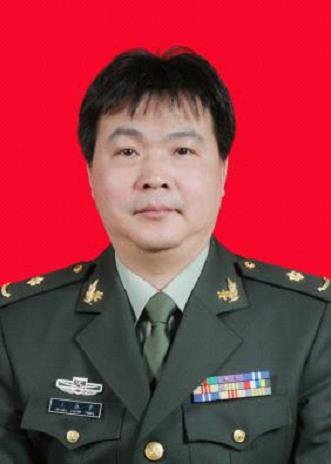 Chunping Wang (王春平)合作论文数Chinese PLA General Hospital39
 Yongping Yang (杨永平)合作论文数Center of Therapeutic Research for Hepatocellular Carcinoma, 302 Hospital of PLA34
 Xiujuan Chang (常秀娟)合作论文数31
 JianHui Qu (曲建慧)合作论文数解放军总医院第五医学中心肝脏肿瘤诊疗与研究中心25
 Wenlin Bai (白文林)合作论文数Chinese PLA General Hospital21Min Lou (楼敏)合作论文数20
 Zhen Zeng (曾珍)合作论文数19GuiLin Xu (许桂林)合作论文数13Zhen Ceng (曾珍)合作论文数13Dong Zheng合作论文数12Huifang Kong合作论文数11
 Fan Feng合作论文数11Hong Wang (王鈜)合作论文数11Yihui Rong (荣义辉)合作论文数10Yan Chen合作论文数Department of Ophthalmology and Visual Science, University of Texas Medical Branch9
 Junlan Yang (杨俊兰)合作论文数Chinese PLA General Hospital8Jiagan Huang合作论文数7
 Yunfeng Zhu (朱运峰)合作论文数School of Science, Beijing Jiaotong University7Linjing An (安林静)合作论文数7
 Guanghua Rong (荣光华)合作论文数Chinese PLA General Hospital7Bai-long ZHANG (张百龙)合作论文数6W. G. Zhang合作论文数5Huixin Zhang合作论文数5Chen Li (李晨)合作论文数5Hongyan Li合作论文数4HuiJuan Duan (段惠娟)合作论文数4Yutao Yang (杨予涛)合作论文数首都医科大学基础医学院4
 WenGang Li (李文刚)合作论文数Chinese PLA General Hospital4
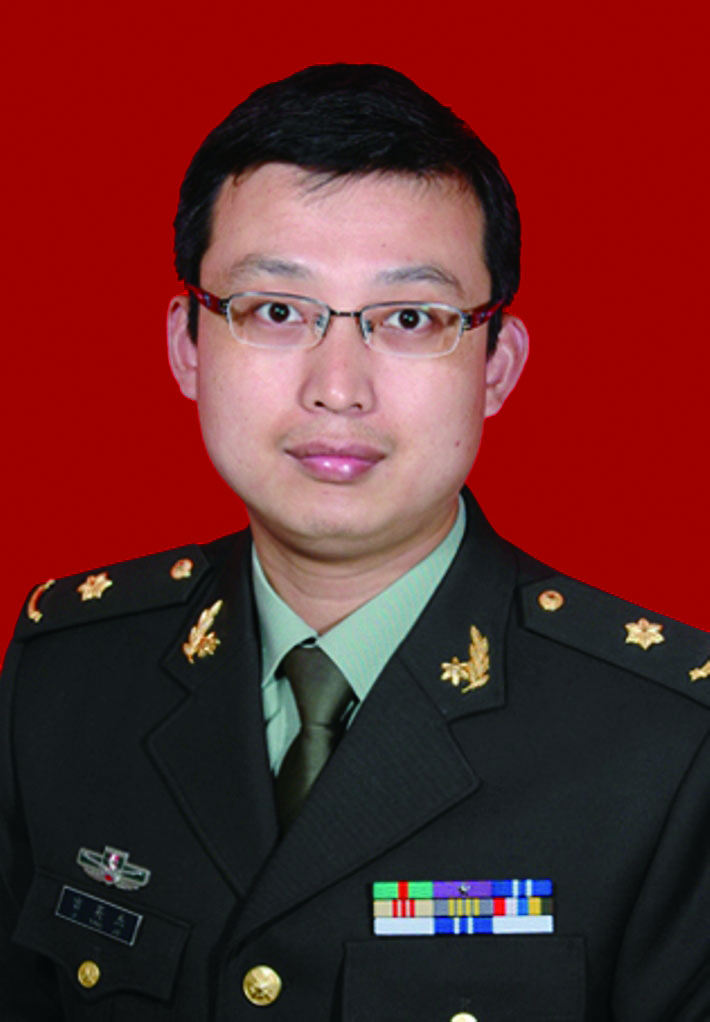 Yingjie Ji (吉英杰)合作论文数解放军总医院第五医学中心干部医疗保健(老年肝病诊疗)中心4Jiajun Cui合作论文数Academy of Military Medical Sciences, Academy of Military Medical Science4
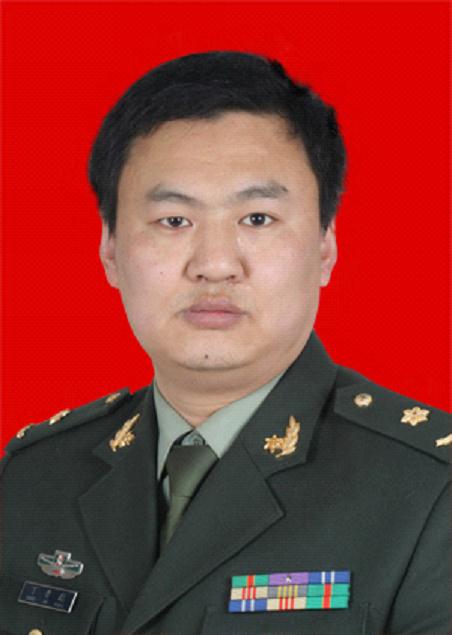 Jingfeng Bi (毕京峰)合作论文数Chinese PLA General Hospital4xiaodong guo合作论文数3Changchun Liu合作论文数3Jianhui Qu合作论文数3Jie Sun合作论文数3LiFu Wang (王立福)合作论文数3Ze Liu (刘泽)合作论文数3Hui Xia (夏晖)合作论文数3ZhiQiang Sun (孙志强)合作论文数3LingHu RuiXia合作论文数3Zhongxian Xu合作论文数3
 Fan Zhang (张凡)合作论文数Laboratory of Advanced Materials, Department of Chemistry, Fudan University3




