CD19-directed chimeric antigen receptor (CAR) T-cell therapy has transformed the management of relapsed or refractory large B-cell lymphoma (LBCL), producing durable remissions in a subset of patients whose disease previously had few curative options. Axicabtagene ciloleucel, tisagenlecleucel, and lisocabtagene maraleucel established CAR T-cell therapy in the third-line setting, and randomized studies subsequently moved axicabtagene ciloleucel and lisocabtagene maraleucel into second-line treatment for primary refractory or early relapsed disease. This review provides a clinically anchored, mechanism-focused synthesis of CAR T-cell therapy in LBCL. We critically compare pivotal trials, long-term follow-up, patient-selection principles, and real-world evidence, emphasizing that apparent differences across products must be interpreted in light of eligibility criteria, analytic denominators, bridging therapy, manufacturing intervals, toxicity grading, and treatment crossover. We then examine resistance and relapse as systems-level phenomena arising from antigen modulation, tumor-intrinsic evolution, impaired CAR T-cell fitness, suppressive myeloid and stromal networks, systemic inflammation, metabolic stress, and incomplete immune recovery. The biological basis and clinical implications of cytokine release syndrome, immune effector cell-associated neurotoxicity syndrome, prolonged cytopenias, infections, and late nonrelapse mortality are also reviewed. Finally, we discuss circulating tumor DNA, metabolic imaging, single-cell and multi-omic profiling, artificial intelligence, dual-target and armored constructs, allogeneic platforms, and in vivo CAR programming as components of precision cellular therapy. The central clinical challenge is no longer whether CAR T-cell therapy can work, but how to select patients, deliver treatment rapidly, anticipate failure, and preserve long-term immune and functional health.
Importance:Epigenetic dysregulation is associated with the pathogenesis and progression of diffuse large B-cell lymphoma (DLBCL). MYC/BCL2 double-expressor lymphoma (DEL), a distinct population of DLBCL defined by MYC and BCL2 coexpression, refers to poor prognosis after standard rituximab plus cyclophosphamide, doxorubicin, vincristine, and prednisone (R-CHOP) immunochemotherapy. Tucidinostat (or chidamide), an oral, selective histone deacetylase inhibitor, has shown promising activity in DEL. Objective:To evaluate efficacy and safety of tucidinostat plus R-CHOP vs R-CHOP alone as first-line treatment for patients with DEL. Design, Setting, and Participants:This randomized, double-blind, placebo-controlled phase 3 trial enrolled patients from May 21, 2020, through July 25, 2022, with follow-up to June 26, 2025. The trial was conducted at 40 study centers in China; a total of 423 eligible patients were enrolled. Interventions:Patients were randomly assigned in a 1:1 ratio to receive oral tucidinostat (20 mg on days 1, 4, 8, and 11 of each 21-day cycle) or matching placebo, plus 6 cycles of R-CHOP. Patients with a complete response after combination therapy received either tucidinostat or placebo maintenance up to 24 weeks. Main Outcomes and Measures:The primary end point was event-free survival. Secondary end points included complete response rate, progression-free survival, disease-free survival, overall survival, and tolerability. Results:Among 423 patients randomized (median age, 63 years; 47.5% male), the median follow-up duration from randomization was 41.3 months. The tucidinostat group demonstrated a 28% lower risk of disease progression, relapse after complete response, death, or initiation of new therapy for residual disease compared with the placebo group (stratified hazard ratio, 0.72 [95% CI, 0.54-0.96]; P = .02), with a 2-year event-free survival rate of 60.3% vs 50.5%, respectively. The complete response rate was 73.0% vs 61.8% (difference, 11.1% [95% CI, 2.3%-20.0%]), respectively. Increased toxicity associated with treatment was observed in the tucidinostat group but generally manageable with supportive care. Conclusions and Relevance:Tucidinostat plus R-CHOP significantly improved event-free survival, with manageable toxicity in patients newly diagnosed with DEL. This trial is the first to demonstrate the benefit of an epigenetic modulator in DLBCL, offering a new first-line therapeutic approach dually targeting MYC and BCL2 oncoprotein for this high-risk population. Trial Registration:ClinicalTrials.gov Identifier: NCT04231448.
ABSTRACT The influence of bone marrow (BM) involvement at diagnosis on hematopoietic stem cell (HSC) mobilization outcomes remains to be fully elucidated, particularly in the contemporary plerixafor era. To address this issue, this multicenter retrospective cohort study including four lymphoma treatment centers evaluated patients who underwent their first autologous HSC mobilization procedure between January 2017 and June 2023. Mobilization success was defined as achieving a minimum CD34+ cell yield ≥ 2.0 × 10⁶ cells/kg. Propensity score matching (PSM) was performed to rigorously adjust for baseline confounders and ensure robust group comparisons. The study cohort comprised 669 patients, of whom 138 (20.6%) presented with BM involvement at the time of diagnosis. Analyzes revealed that mobilization success rates were highly comparable between patients with and without BM involvement, both before (79.0% versus [vs.] 81.2%; p = 0.563) and after (79.1% vs. 83.5%; p = 0.500) PSM. Furthermore, the median CD34+ cell yield did not differ significantly between the 2 cohorts either before (3.2 vs. 3.7 × 10⁶/kg; p = 0.192) or after (3.2 vs. 3.5 × 10⁶/kg; p = 0.639) PSM. These findings indicate that initial BM involvement does not significantly impair the success of HSC mobilization in patients with lymphoma, a conclusion that remained highly consistent even after controlling for baseline variables.
PURPOSECombined-modality therapy (CMT) improves survival in patients with early-stage extranodal natural killer-/T-cell lymphoma (ENKTCL) compared with radiotherapy (RT) alone. However, the effect is inadequate for low-risk patients as defined by nomogram-revised risk index (NRI). As such, it remains unclear whether the survival benefits outweigh the additional costs.MATERIALS AND METHODSA Markov model was constructed to compare CMT versus RT alone for patients with early-stage ENKTCL, according to five risk groups defined by NRI model. Transition probabilities, effectiveness, and cost data were derived from the China Lymphoma Collaborative Group cohort, while health utility data were estimated from adverse effects. Life-years, costs, quality-adjusted life-years (QALYs), and incremental cost-effectiveness ratios were calculated from the perspective of Chinese payers. Evaluations for customized countries or settings can be accomplished using a web-based tool.RESULTSOver the 6-year horizon, CMT increased life-years by 5.47, 5.19, 4.82, 4.62, and 4.49 years at $517,472 US dollars (USD)/QALY, $22,871 USD/QALY, $7,865 USD/QALY, $4,598 USD/QALY, and $2,278 USD/QALY for the low-risk (NRI = 0), intermediate-low-risk (NRI = 1), intermediate-high-risk (NRI = 2), high-risk (NRI = 3), and very high-risk (NRI = 4) groups, respectively. The probabilities of cost-effectiveness at a willingness-to-pay threshold of $5,208 USD/QALY were 0.00%, 0.01%, 7.40%, 72.07%, and 99.10% for each risk group. Over the lifetime horizon, all risk groups, except for low-risk group, had a probability of over 90% of being cost-effective. Estimates were varied according to country settings, integrated through a web-based customized analysis.CONCLUSIONCMT is unlikely to be cost-effective for low-risk patients but highly likely to be cost-effective for high-risk and very high-risk patients. As for intermediate-low or intermediate-high-risk patients, the cost-effectiveness of CMT varies depending on the time horizon and willingness-to-pay threshold.
Rocbrutinib is a fourth-generation Bruton’s tyrosine kinase (BTK) inhibitor that binds covalently to the wild type BTK and non-covalently to the cysteine 481 mutant variant. This phase I study evaluated the pharmacokinetics (PK), safety, and efficacy of rocbrutinib in Chinese patients with relapsed or refractory (R/R) non-germinal center B cell-like (non-GCB) diffuse large B cell lymphoma (DLBCL). Eligible participants were adults with non-GCB DLBCL and had received ≥ 2 prior lines of systemic therapy, including an anti-CD20 antibody-based regimen. Patients received rocbrutinib at 100, 150, 200 or 300 mg once daily (QD) as single agent till disease progression or unacceptable toxicity. Response was evaluated using computerized tomography (CT) and positron emission tomography (PET)-CT at the protocol-defined timepoints by the investigators. PK samples and adverse events were collected per protocol. A total of 45 patients were enrolled, of whom 44.4
Lymphoma is one of the most common hematological malignancies (1). In China,an estimated 5,840 new cases and 2,232 deaths were attributable to Hodgkin lymphoma,whereas 108,327 new cases and 39,905 deaths were attributable to non-Hodgkin lymphoma in 2023 (2,3).
The aim of this study was to evaluate the effect of upfront autologous stem cell transplantation (ASCT) on the prognosis in patients with advanced-stage extra-nodal NK/T-cell lymphoma (NKTCL) achieving first complete remission (CR1) after frontline therapy. To this end, we retrospectively reviewed data from patients diagnosed with stage III or IV NKTCL who achieved CR1 after frontline treatment between 2006 and 2023 at 14 medical centers in China. A total of 107 patients were included in this study. The majority of patients (87%) received non-anthracycline-based first-line chemotherapy, and 38 (36%) received upfront ASCT consolidation at the time of CR1. With a median follow-up time of 39.8 months, progression-free survival (PFS) and overall survival (OS) rates were significantly better in the ASCT group than in the non-ASCT group (3-year PFS: 78.2% vs. 54.6%, p = 0.005; 3-year OS: 86.0% vs. 68.9%, p = 0.04). However, in the subgroup of patients receiving non-anthracycline-based chemotherapy (N = 93), ASCT was significantly associated with better PFS (3-year PFS: 77.6% vs. 59.3%, p = 0.025) but not with OS (3-year OS: 85.6% vs. 74.8%, p = 0.164). In multivariate analyzes, upfront ASCT was an independent predictor of better PFS (hazard ratio [HR] = 0.37, 95% confidence interval [CI]: 0.15-0.88, p = 0.025) but not OS after adjusting for baseline prognostic index of NK-cell lymphoma (PINK), types of first-line chemotherapy, and local radiotherapy. After propensity score matched analyzes, upfront ASCT remained significantly associated with better PFS but not with OS. These real-world data suggest upfront ASCT prolongs PFS in patients with advanced-stage NKTCL in CR1, yet its impact on OS remains unclear.
CD19-directed chimeric antigen receptor T-cell (CAR T-cell) therapy has markedly improved the prognosis of patients with relapsed or refractory large B-cell lymphoma (R/R LBCL). However, disease progression during the manufacturing period remains a major barrier to successful treatment. Bridging therapy (BT), defined as anti-lymphoma treatment administered between leukapheresis and lymphodepleting chemotherapy, serves two primary purposes: to prevent disease progression ensuring eligibility for CAR T-cell infusion, and to modulate the immune microenvironment to potentially enhance CAR T-cell efficacy or mitigate its toxicity. This review provides a comprehensive overview of current strategies and clinical evidence regarding BT in the context of CAR T-cell therapy. We systematically examine the efficacy and safety profiles of various BT strategies, including chemotherapy, targeted or immunotherapy agents, and radiotherapy. Furthermore, we summarize and compare findings from pivotal clinical trials and real-world studies, offering insights into the practical application and outcomes of BT in diverse clinical settings. Unresolved questions remain, including the optimal implementation of bispecific antibodies as BT regimens, the timing and duration of Bruton’s tyrosine kinase inhibitors administration, the safety and efficacy of reusing polatuzumab vedotin in previously exposed patients, and the standardization of radiotherapy protocols. In conclusion, the rational selection and application of BT strategies hold promise for improving the clinical outcomes of R/R LBCL patients undergoing CAR T-cell therapy.
BackgroundAngioimmunoblastic T-cell lymphoma (AITL) is an aggressive subtype of peripheral T-cell lymphoma with poor clinical outcomes and limited therapeutic options. The contribution of metabolic reprogramming and immune microenvironmental alterations to AITL progression remains insufficiently defined.MethodsWe conducted integrative transcriptomic and proteomic analyses of AITL samples compared with reactive lymphoid hyperplasia to identify molecules associated with treatment response and prognosis. Immune infiltration and pathway enrichment analyses were performed, and findings were validated in independent GEO cohorts (GSE19069 and GSE58445). Key protein expression was confirmed by immunohistochemistry and multiplex immunofluorescence.ResultsDifferential expression analyses revealed that lysosomal alpha-glucosidase (GAA), a key enzyme involved in glycogen metabolism, was significantly upregulated at both the RNA and protein levels in patients who failed to respond to standard chemotherapy. Elevated GAA expression was associated with inferior overall survival in multivariate analysis. Immunohistochemistry staining and multiplex immunofluorescence further confirmed the spatial expression pattern of GAA in AITL tissues. Immune deconvolution and pathway enrichment analyses suggested that GAA-high tumors exhibited increased CD8+ T-cell infiltration accompanied by transcriptional features of T-cell exhaustion, as well as transcriptionally inferred metabolic alterations characterized by enhanced glycolysis-related signatures and reduced oxidative phosphorylation-related signatures. These findings were further validated in an independent AITL cohort from the GEO database.ConclusionsOur study identifies GAA as a candidate biomarker associated with adverse clinical outcomes, immune microenvironmental features, and metabolic pathway alterations in AITL, highlighting glycogen metabolism as a previously underexplored biological axis and a potential therapeutic vulnerability warranting further functional investigation.
Elderly people are facing an increasing burden of non-Hodgkin lymphoma. However, accurate information on the NHL burden among elderly people remains limited. On the basis of the Global Burden of Diseases 2021, we described the global burden of non-Hodgkin lymphoma in people aged ≥ 65 years and estimated the effects of age, period, and birth cohort on disease burden. The estimated number of prevalent cases among people aged ≥ 65 years was 1,147,321 worldwide in 2021. The age-standardized prevalence rate was 148.21 per 100,000 population. There were 306,296 new cases and 158,813 deaths. The age-standardized rates of incidence and mortality were 59.20 and 21.46 per 100,000 population, respectively. The disease burden was greater in men than in women, and it varied across regions. High-sociodemographic index countries recorded the highest age-standardized incidence and mortality rates, while low-sociodemographic index countries exhibited relatively low incidence rate but high mortality rate. From 1990 to 2021, the incidence and prevalence tended to increase, whereas mortality and disability-adjusted life years tended to decrease. Age effects tended to increase overall mortality risk with increasing age. Period effects showed improvements in mortality after 2004, and cohort effects revealed progressively lower mortality risks in successive birth years after 1922. It is estimated that the age-standardized incidence rate will be relatively stable, whereas the age-standardized mortality rate is expected to decline rapidly by 2035. A focus on elderly men and the implementation of region-specific improvements in clinical diagnosis and treatment are needed.
Atopic dermatitis (AD) is a chronic inflammatory skin disease characterized by epidermal barrier dysfunction and immune dysregulation. Increasing evidence suggests that dysregulated programmed cell death in keratinocytes and immune cells contributes critically to AD pathogenesis; however, the integrated mechanisms underlying these processes remain poorly understood. Here, we report the construction of a zinc-glycyrrhizic acid supramolecular hydrogel (ZnGA) via metal-ligand coordination and investigate its therapeutic potential and mechanism in AD. ZnGA exhibits excellent injectability, self-healing ability, and biocompatibility, enabling controlled release of Zn2+ and exerting anti-inflammatory activity. In a murine AD model and corresponding in vitro systems, ZnGA significantly alleviates skin inflammation, epidermal hyperplasia, and immune infiltration. Transcriptomic analysis reveals that ZnGA markedly suppresses inflammation-associated programmed cell death pathways, particularly those converging on PANoptosis. Mechanistic studies demonstrate that AD is accompanied by coordinated activation of apoptosis, pyroptosis, and necroptosis in keratinocytes and macrophages. ZnGA simultaneously inhibits these death modalities, thereby exerting a broad-spectrum anti-PANoptotic effect, while exerting an immune protective effect. Further investigation identifies the TLR4/NLRP12 signaling axis as a critical upstream regulator of PANoptosis in AD. ZnGA negatively regulates TLR4 and NLRP12 expression, effectively blocking downstream activation of PANoptosome-associated apoptotic, pyroptotic, and necroptotic pathways. Collectively, this study identifies PANoptosis as a key pathogenic mechanism in AD and presents ZnGA as a novel supramolecular therapeutic that alleviates AD by targeting the TLR4-NLRP12-PANoptosis axis. These findings provide new mechanistic insight and a promising materials-based strategy for the treatment of inflammatory skin diseases.
QuestionDoes adding the histone deacetylase inhibitor tucidinostat to R-CHOP improve clinical outcomes in patients with newly diagnosed MYC/BCL2 double-expressor lymphoma?FindingsIn this randomized phase 3 clinical trial that included 423 patients, event-free survival was significantly improved with tucidinostat plus R-CHOP compared with placebo plus R-CHOP (hazard ratio, 0.72), with a generally manageable safety profile.MeaningThese findings support the use of an epigenetic modulator (tucidinostat) combined with R-CHOP as a first-line treatment for MYC/BCL2 double-expressor lymphoma, a biologically distinct entity of diffuse large B-cell lymphoma associated with poor prognosis after standard R-CHOP immunochemotherapy. ImportanceEpigenetic dysregulation is associated with the pathogenesis and progression of diffuse large B-cell lymphoma (DLBCL). MYC/BCL2 double-expressor lymphoma (DEL), a distinct population of DLBCL defined by MYC and BCL2 coexpression, refers to poor prognosis after standard rituximab plus cyclophosphamide, doxorubicin, vincristine, and prednisone (R-CHOP) immunochemotherapy. Tucidinostat (or chidamide), an oral, selective histone deacetylase inhibitor, has shown promising activity in DEL.ObjectiveTo evaluate efficacy and safety of tucidinostat plus R-CHOP vs R-CHOP alone as first-line treatment for patients with DEL.Design, Setting, and ParticipantsThis randomized, double-blind, placebo-controlled phase 3 trial enrolled patients from May 21, 2020, through July 25, 2022, with follow-up to June 26, 2025. The trial was conducted at 40 study centers in China; a total of 423 eligible patients were enrolled.InterventionsPatients were randomly assigned in a 1:1 ratio to receive oral tucidinostat (20 mg on days 1, 4, 8, and 11 of each 21-day cycle) or matching placebo, plus 6 cycles of R-CHOP. Patients with a complete response after combination therapy received either tucidinostat or placebo maintenance up to 24 weeks.Main Outcomes and MeasuresThe primary end point was event-free survival. Secondary end points included complete response rate, progression-free survival, disease-free survival, overall survival, and tolerability.ResultsAmong 423 patients randomized (median age, 63 years; 47.5% male), the median follow-up duration from randomization was 41.3 months. The tucidinostat group demonstrated a 28% lower risk of disease progression, relapse after complete response, death, or initiation of new therapy for residual disease compared with the placebo group (stratified hazard ratio, 0.72 [95% CI, 0.54-0.96]; P = .02), with a 2-year event-free survival rate of 60.3% vs 50.5%, respectively. The complete response rate was 73.0% vs 61.8% (difference, 11.1% [95% CI, 2.3%-20.0%]), respectively. Increased toxicity associated with treatment was observed in the tucidinostat group but generally manageable with supportive care.Conclusions and RelevanceTucidinostat plus R-CHOP significantly improved event-free survival, with manageable toxicity in patients newly diagnosed with DEL. This trial is the first to demonstrate the benefit of an epigenetic modulator in DLBCL, offering a new first-line therapeutic approach dually targeting MYC and BCL2 oncoprotein for this high-risk population.Trial RegistrationClinicalTrials.gov Identifier: NCT04231448 This randomized clinical trial conducted in China evaluates the efficacy and safety of the histone deacetylase inhibitor tucidinostat plus R-CHOP (rituximab, cyclophosphamide, doxorubicin, vincristine, and prednisone) vs R-CHOP alone as first-line treatment for patients with MYC/BCL2 double-expressor lymphoma.
BACKGROUND:Primary central nervous system lymphoma (PCNSL) is a rare extranodal lymphoma characterized by a poor prognosis due to high relapse rates and a lack of standardized treatment. This study aimed to evaluate the impact of induction/consolidation therapy on long-term survival and to provide extended follow-up data. METHODS:In this retrospective analysis, 140 immunocompetent patients with diffuse large B-cell PCNSL (DLBCL-PCNSL) treated at two centers between 2014 and 2024 were enrolled. Treatment efficacy was assessed based on baseline characteristics, therapeutic regimens, and treatment response. Progression-free survival (PFS) and overall survival (OS) were estimated using the Kaplan-Meier method, and prognostic factors were identified using multivariate Cox proportional hazards regression models. RESULTS:With a median follow-up of 5.3 years (range: 0.1-11.0 years), the 2- and 5-year PFS rates were 50.4% (95% CI: 42.1-60.2) and 34.1% (95% CI: 25.5-45.0), respectively, while the corresponding OS rates were 85.3% (95% CI: 79.4-91.6) and 60.8% (95% CI: 52.0-71.1). No survival plateau was observed. Among patients, 94% received methotrexate-based induction therapy: 94 received rituximab-methotrexate-temozolomide (R-MT) and 17 received MT alone, with 2-year PFS rates of 57.7% and 39.7%, respectively. Overall, 75% of patients achieved remission (CR/CRu/PR) after induction, and among these, 55% underwent consolidation therapy, predominantly autologous stem cell transplantation (ASCT, 90%) or whole-brain radiotherapy (10%). Patients receiving ASCT exhibited superior survival outcomes compared to those who did not. CONCLUSIONS:R-MT induction combined with ASCT consolidation is associated with improved survival in PCNSL, although relapse risk remains substantial. Outcomes remain poor in refractory subgroups, highlighting the need for novel therapeutic strategies.
Rocbrutinib is a fourth-generation Bruton’s tyrosine kinase (BTK) inhibitor with a unique dual covalent/non-covalent binding mechanism. Its efficacy and safety were evaluated in covalent BTK inhibitor-pretreated patients with mantle cell lymphoma in this phase 2 pivotal study. Patients received rocbrutinib until disease progression or unacceptable toxicities. The primary endpoint was overall response rate (ORR) assessed by independent review committee (IRC). Among 62 enrolled subjects, median age was 61 years (range, 37-79), and median number of prior therapies was 3 (range, 1-10). The IRC-assessed ORR was 63.9% (95% CI, 50.6-75.8), including 23.0% with complete response; Median duration of response was 16.46 months (95% CI, 8.25-not reached). Adverse events were primarily grade 1-2 hematologic events. Grade≥3 hemorrhage occurred in 3.2% of patients, and no atrial fibrillation/flutter cases were reported. Rocbrutinib achieved high response rate and durable response, with a favorable safety profile in this difficult-to-treat population. ClinicalTrials.gov registration: NCT05716087.
Despite the promising efficacy of anti-CD19 CAR-T cells in treating B-cell lymphoma, T cell dysfunction and exhaustion remains a critical barrier to achieving durable responses. Based on the immunomodulatory effect in the clinical trial enrolled lymphoma patients, this study aims to explore the potential of the first in class highly selective ITK inhibitor soquelitinib in enhancing the persistence and antitumor functionality of CAR-T cells. We employed flow cytometric analysis to characterize T cell populations, RNA sequencing for gene expression profiling, and tumor bearing mice models to evaluate therapeutic efficacy. Our results demonstrated that the cytotoxic and anti-tumor activities of CAR-T cells were significantly increased post ITK inhibition treatment through elevation of cytotoxic and effector molecules, such as GZMB, TNF-α and IFN-γ. Meanwhile, soquelitinib promoted the expansion of CD8+ naïve and effector T cells while preventing exhaustion, as indicated by the downregulation of exhaustion markers such as TIM3, LAG3, and PD-1. Additionally, ITK inhibitor-treated CAR-T cells also exhibited increased cytotoxicity against malignant B cells and prolonged survival in tumor-bearing mice. Importantly, the modulation of transcription factors like TOX and TCF1 suggested a delay in T cell exhaustion and maintenance of effector functions. These findings provide a compelling rationale for the integration of clinical stage ITK inhibitor soquelitinib with CAR-T therapy, highlighting its potential to improve treatment outcomes in hematological malignancies and solid tumors.
Abstract: Relmacabtagene autoleucel (relma-cel), an anti-CD19 chimeric antigen receptor T-cell (CAR-T) therapy, is approved in China for relapsed/refractory (R/R) large B-cell lymphoma and follicular lymphoma. This phase 2, open-label, single-arm, multicenter study evaluated its efficacy and safety in Chinese patients with heavily pretreated R/R mantle cell lymphoma (MCL). A total of 70 patients with R/R MCL who had received 1 to 9 previous therapies (including anthracycline or bendamustine chemotherapy, anti-CD20 antibodies, and Bruton tyrosine kinase [BTK] inhibitors) were enrolled. Of these, 59 received a single infusion of 100 × 106 CAR-positive T cells following leukapheresis. The primary end point was the objective response rate (ORR) at 3 months after infusion, assessed using the Lugano 2014 criteria. Secondary end points included the duration of response (DOR), progression-free survival (PFS), overall survival (OS), and safety. At 3 months, the ORR was 71.19% (95% confidence interval [CI], 57.92-82.24) with a complete response rate of 59.32% (95% CI, 45.75-71.93). After a median follow-up of 13.3 months (95% CI, 9.04-18.69), the median DOR was 18.1 months, PFS was 15.5 months, and OS was 19.5 months. Grade 3 or higher treatment-emergent adverse events were common, including neutropenia (76.3%), leukopenia (69.5%), and lymphopenia (47.5%). Severe cytokine release syndrome and neurotoxicity occurred in 6.8% of patients each, and all cases resolved fully. No fatal events were reported. These findings demonstrate that relma-cel offers high response rates, durable remissions, and manageable safety in Chinese patients with R/R MCL. This trial was registered at www.clinicaltrials.gov as #NCT04718883.
BACKGROUND:Diffuse large B-cell lymphoma (DLBCL) is an aggressive malignancy where many patients relapse after standard therapy, necessitating novel approaches. Pyroptosis is an inflammatory cell death that can stimulate antitumor immunity. Histone deacetylases are frequently overexpressed in DLBCL and contribute to immune evasion. This study investigates whether combining the HDAC inhibitor chidamide with cisplatin and etoposide induces pyroptosis and enhances antitumor immune responses. METHODS:We evaluated chidamide combined with cisplatin and etoposide in diffuse large B-cell lymphoma cell lines and syngeneic mouse models. Cell death mechanisms were analyzed using immunoblotting and imaging. Tumor growth and immune cell infiltration were assessed in immunocompetent mice, with the role of adaptive immunity evaluated through CD8-positive T cell depletion. Statistical analyses included analysis of variance where appropriate. RESULTS:Here we show that chidamide synergistically potentiates cisplatin and etoposide efficacy by upregulating gasdermin E expression and promoting its caspase-3-dependent cleavage, thereby triggering pyroptosis. This combination remodels the tumor microenvironment, increasing infiltration of dendritic cells, natural killer cells, and CD8-positive T cells while reducing immunosuppressive macrophages. Depletion of CD8-positive T cells abolishes the therapeutic benefit, demonstrating their essential role. CONCLUSIONS:The chidamide-cisplatin-etoposide combination triggers immunogenic pyroptosis via the caspase-3/gasdermin E axis and activates adaptive immunity. This regimen represents a promising therapeutic strategy for relapsed diffuse large B-cell lymphoma warranting clinical investigation.
 Yuqin Song (宋玉琴)合作论文数Beijing Cancer Hospital, Peking University412
 Weiping Liu (刘卫平)合作论文数The Pathology Department of West China Hospital, Sichuan University130
 Xiaopei Wang (王小沛)合作论文数128Yan Xie合作论文数126
 Lingyan Ping (平凌燕)合作论文数Peking Cancer Hospital110Zhitao Ying (应志涛)合作论文数108Ningjing Lin合作论文数86Lijuan Deng (邓丽娟)合作论文数78Meifeng Tu (涂梅峰)合作论文数77Wen Zheng (郑纹)合作论文数School of Physics, Peking University65
 Huilai Zhang (张会来)合作论文数Tianjin Medical University Cancer Institute and Hospital59Lan Mi合作论文数58Haiyan Yang合作论文数55Chen Zhang (张晨)合作论文数School of Life Sciences, Peking University48
 Ning Ding (丁宁)合作论文数Beijing Cancer Hospital45
 Keshu Zhou (周可树)合作论文数Henan Cancer Hospital42
 Huiqiang Huang (黄慧强)合作论文数Sun Yat-Sen University Cancer Center39
 Hui Zhou (周辉)合作论文数Department of Medical Oncology, Hunan Cancer Hospital37
 Hongmei Jing (景红梅)合作论文数Peking University Third Hospital34
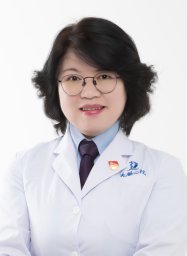 Xiuhua Sun (孙秀华)合作论文数The Second Hospital, Dalian Medical University33
 Jie Jin (金洁)合作论文数The First Affiliated Hospital, Zhejiang University School of Medicine;Zhejiang University Cancer Center33Kaiyang Ding合作论文数31Meng Wu合作论文数30
 Wei Xu (徐卫)合作论文数Jiangsu Province People Hospital28
 Yexiong Li (李晔雄)合作论文数Cancer Hospital Chinese Academy of Medical Sciences27YunTao Zhang (张运涛)合作论文数26Junyuan Qi (齐军元)合作论文数26
 Mingzhi Zhang (张明智)合作论文数He Nan Sui Xian People's Hospital25Dehui Zou (邹德慧)合作论文数25
 Zhengming Jin (金正明)合作论文数The First Affiliated Hospital of Soochow University25Sujun Gao合作论文数25
 Jun Ma (马军)合作论文数哈尔滨血液病肿瘤研究所24
 Junning Cao (曹军宁)合作论文数Department of Medical Oncology, Fudan University Shanghai Cancer Center24Wenyu Li合作论文数23Hang Su合作论文数23Zhang Chen (张琛)合作论文数23
 Qingqing Cai (蔡清清)合作论文数Sun Yat-Sen University Cancer Center23
 Yuankai Shi (石远凯)合作论文数Cancer Hospital Chinese Academy of Medical Sciences23Jianqiu Wu合作论文数22
 Xiaoyan Ke (克晓燕)合作论文数Peking University Third Hospital22
 Weili Zhao (赵维莅)合作论文数Shanghai Institute of Hematology;Ruijin Hospital, Shanghai Jiao Tong University School of Medicine22Shu-Nan Qi合作论文数22
 Tao Wu (吴韬)合作论文数National University of Defense Technology21WeiBen Yong (勇威本)合作论文数21
 Ting Liu (刘霆)合作论文数West China Hospital of Sichuan University21
 Li Zengjun (李增军)合作论文数21
 Eric Schadt合作论文数Icahn School of Medicine at Mount Sinai;Pathos;Sage Bionetworks20
 Xiaonan Hong (洪小南)合作论文数Fudan University Shanghai Cancer Center20




