Esophageal squamous cell carcinoma (ESCC) is highly lethal owing to its early and aggressive metastasis, yet the underlying multi-layer molecular mechanisms remain incompletely understood, limiting therapeutic advances. We performed integrative multi-omics profiling (including genomics, transcriptomics, proteomics, and lactylome) on 99 matched primary tumor, metastatic lymph nodes, and normal esophagus tissue samples from 36 patients with metastatic ESCC. Molecular changes and cross-omics interactions associated with the metastatic cascades were characterized. Key findings were validated by immunohistochemistry and survival analysis in an independent cohort of 116 ESCC patients. Further functional and mechanistic studies were conducted using in vitro and a tail-vein experimental lung metastasis model. Our analysis revealed pronounced disturbance in immune-related pathways closely associated with metastatic progression and poor prognosis. Intercellular adhesion molecule 1 (ICAM1) was identified as a critical factor of ESCC invasion and metastasis. Additionally, lysine-lactylated proteins were predominantly involved in cytoskeleton, focal adhesion and glycolysis pathways during ESCC metastasis. Integrative analysis revealed that the lactylome interacts with the genome and transcriptome through both cis- and trans-regulatory mechanisms, primarily in immune and metabolic pathways. Notably, lactylation of phosphoglycerate mutase 1 (PGAM1) at residue K251 enhances its interaction with actin gamma 1 and promotes metastatic phenotypes. ICAM1 and PGAM1 K251 lactylation represent two independent metastasis-associated mechanisms identified from the same multi-omics dataset. This integrative multi-omics characterization provides a comprehensive resource for metastatic ESCC research and identifies K251-lactylated PGAM1 as a candidate prognostic biomarker and mechanistic lead warranting further preclinical validation.
Abstract Patients with peripheral T cell lymphoma (PTCL) who achieved tumor response with first-line standard therapy were at high risk of disease relapse. We explored golidocitinib (150 mg once daily) as maintenance therapy for this group of patients (JACKPOT26, NCT06511869). This study included two cohorts: patients achieving a complete response (Cohort 1 (CR), N = 30) and a partial response (Cohort 2 (PR), N = 18) during induction stage. All enrolled patients were transplant ineligible or did not have a transplant plan. All dosed patients were included in the efficacy and safety analysis. In Cohort 1, the 24-month disease free survival (DFS) rate was 74.2% with golidocitinib treatment. In nodal subtypes (AITL, NOS, ALK- ALCL), the 24-month DFS rate was 62.7%. In Cohort 2, median progression free survival (PFS) was 17.4 months, and 24-month PFS rate was 48.6%. Nine out of 18 patients with initial PR achieved complete response, leading to a complete response rate of 50.0%, and median duration of response of 23.9 months. The most common ≥grade 3 treatment-related treatment-emergent adverse events (TRAEs) were hematological adverse events in nature, including neutrophil count decreased (47.9%), white blood cell count decreased (31.3%), lymphocyte count decreased (14.6%) and leukopenia (12.5%). The majority of these TRAEs were reversible and clinically manageable. TRAEs leading to treatment interruption and discontinuation occurred in 60.4% and 10% of patients, respectively. No TRAEs leading to fatal outcomes were reported. This study suggests the potential of golidocitinib as maintenance therapy for patients with PTCL.
Esophageal squamous cell carcinoma (ESCC) remains a leading cause of cancer-related mortality worldwide. Long non-coding RNAs (lncRNAs) play essential roles in ESCC progression. In this study, we profiled lncRNA expression in ESCC cells following serum deprivation and identified LHFPL3-AS2 as a serum starvation-inducible, oncogenic lncRNA. LHFPL3-AS2 could promote invasion and metastasis of ESCC cells in vitro and in vivo. Mechanistically, LHFPL3-AS2 directly binds to hnRNPA0 protein, enhances its interaction with its kinase MAPKAP-K2 (MK2), and promotes MK2-mediated phosphorylation of hnRNPA0 at serine 84. The phosphorylated hnRNPA0 binds to several oncogenic transcripts, such as the BMP7 mRNAs, stabilizes these mRNAs and elevates their expression in ESCC cells. Importantly, LHFPL3-AS2 enhances polarization of macrophages toward an immunosuppressive M2 phenotype via upregulating BMP7 secretion by cancer cells, thereby facilitating tumor immune evasion and ESCC progression. Overall, our study identified a previously unappreciated LHFPL3-AS2-MK2-hnRNPA0-BMP7 axis in cancer progression under serum starvation conditions and provides mechanistic insight for ESCC.
Orelabrutinib is a potent, irreversible, and highly-selective BTK inhibitor that has been approved for the treatment of relapsed/refractory chronic lymphocytic leukaemia/small lymphocytic lymphoma (CLL/SLL). This randomized, phase 3 study (ClinicalTrials.gov identifier: NCT04578613) compared orelabrutinib with chemoimmunotherapy in patients with treatment-naïve CLL/SLL. From February 20, 2021, to July 8, 2024, 192 eligible patients were randomly assigned (1:1) to receive either orelabrutinib (91 patients) or chlorambucil plus rituximab (101 patients), comprising the intention-to-treat population. At a median follow-up of 21.4 months (data cutoff, May 17, 2024), the primary endpoint of progression-free survival (PFS) per independent review committee (IRC) was not reached (NR; 95% CI, not estimable [NE]-NE) with orelabrutinib versus 19.4 months (95% CI, 16.6-NE) with chlorambucil plus rituximab (hazard ratio [HR], 0.32; 95% CI, 0.18-0.58; p < 0.0001; crossing the efficacy boundary). The IRC-assessed overall response rate (90.1% vs 79.2%; p = 0.041) and duration of response (HR, 0.30; 95% CI, 0.15-0.60; p = 0.0003) also favored orelabrutinib over chlorambucil plus rituximab. In the safety population, treatment-related adverse events occurred in 82 of 91 patients (90.1%) receiving orelabrutinib and 89 of 98 patients (90.8%) receiving chlorambucil plus rituximab, with 32 (35.2%) and 59 (60.2%) at grade 3 or worse, respectively. Orelabrutinib maintained or improved patient-reported outcomes compared with chemoimmunotherapy. In summary, orelabrutinib significantly improved PFS and response versus chemoimmunotherapy in patients with treatment-naïve CLL/SLL, with a manageable safety profile, supporting it as an effective alternative first-line option.
In this phase 2 TAI-SHAN9 study, we evaluated the safety and efficacy of birelentinib, a first-in-class oral dual inhibitor of LYN and BTK, in patients with relapsed/refractory diffuse large B-cell lymphoma (r/r DLBCL). A total of 58 patients were enrolled and received birelentinib at doses ranging from 25 to 75 mg once daily (QD). Antitumor efficacy was observed at 50 mg and above, among 42 efficacy-evaluable patients treated at 50 mg or 75 mg QD, overall objective response rate (ORR) was 47.6% (20/42) and complete response rate (CRR) was 31.0% (13/42). Responses were observed across GCB (ORR 58.3%) and non-GCB (ORR 44.8%) subtypes, as well as across the MCD-like, TP53Mut, and NOS molecular subtypes (each ORR 50.0%). At a median follow-up of 9.2 months for complete responders, the median DoR was not reached, with the longest ongoing CR exceeding 9.3 months. The grade ≥3 treatment-related adverse events included thrombocytopenia (20.7%), neutropenia (12.1%), and pneumonia (5.2%). No major bleeding, atrial fibrillation, or drug-related death was reported. These results suggest that birelentinib is a promising oral treatment for r/r DLBCL across molecular subtypes. Further clinical evaluation of LYN/BTK dual inhibition is warranted. Clinical trial information: ClinicalTrials.gov NCT06539195.
Radiation enteritis is the most common complication during radiotherapy for malignant tumors in the abdominal cavity, retroperitoneum, and pelvis. Bleeding is one of the common and severe complications in patients with radiation enteritis (Eur J Med Res 30(1):23, 2025). Endoscopic radiofrequency ablation (RFA) has emerged as a potential treatment, but data on its efficacy and safety are limited. This study conducted a retrospective analysis of the clinical data of patients with radiation enteritis whom we treated, aiming to evaluate the efficacy and safety of radiofrequency ablation (RFA) in the treatment of hemorrhagic chronic radiation proctopathy (CRP). In this single-center retrospective study, 18 patients with hemorrhagic CRP who underwent endoscopic RFA were included. Patient demographics, clinical variables, endoscopic features, and treatment outcomes were analyzed. Univariate analysis was performed to identify factors associated with treatment failure, and multivariate analysis was not conducted due to the extremely low number of treatment failure events which would lead to statistically unreliable results and high overfitting risk. The cohort (median age 75 years; 72.2
The effect of NAD+ in enhancing mitochondrial function and energy metabolism in human cells is closely linked to NAD+-dependent sirtuins (i.e. SIRT1 and SIRT3). SIRT2 primarily functions in the cytoplasm, where it can serve as a key deacetylase for tubulin and modulates stability of microtubules. Microtubule plays a pivotal role in regulating mitochondrial dynamics, including mitochondrial movement, fission/fusion, repair, and mitophagy-dependent clearance. However, the potential role of NAD+ in modulating SIRT2-related microtubule stability, and the potential involvement of the NAD+-SIRT2-microtubule axis in regulating mitochondrial and mitophagy functions remains unexplored. In this study, we demonstrate that senescent muscle cells exhibit microtubule hyper-stabilization and reduced dynamics, concomitant with SIRT2 inactivation and tubulin hyperacetylation. These alterations impair microtubule-dependent mitochondrial repair and mitophagy function, resulting in mtDNA leakage, CGAS-STING1 activation and subsequently accelerated senescence. Notably, treatment with nicotinamide mononucleotide (NMN) effectively reactivates SIRT2, restores microtubule dynamics, and enhances mitochondrial quality control by promoting repair and mitophagy. Consequently, NMN mitigates CGAS-STING1-driven senescence. Our findings reveal a novel mechanism by which NMN preserves mitochondrial health in senescent cells via a SIRT2-microtubule axis, highlighting its protective role beyond canonical NAD+-sirtuin pathways, and suggesting microtubule dynamics as a promising therapeutic target for improving cellular defects associated with mitochondrial and mitophagy dysfunctions.Abbreviations: D-gal: D-galactose; EdU: 5-ethynyl-20-deoxyuridine; HDAC6: histone deacetylase 6; LAMP1: lysosome associated membrane protein 1; MSCs: mesenchymal stem/stromal cells; mtDNA: mitochondrial DNA; NAD+: nicotinamide adenine dinucleotide; NMN: nicotinamide mononucleotide; PBS: phosphate-buffered saline; SA-GLB1/β-gal: senescence-associated galactosidase beta 1; SIRT2: sirtuin 2.
Chimeric antigen receptor T-cell (CAR-T) therapy represents a revolutionary immunotherapy modality that has fundamentally transformed treatment paradigms for relapsed/refractory (r/r) hematological malignancies. For patients with r/r diffuse large B-cell lymphoma (DLBCL), CD19-targeted CAR-T cell therapy is currently approved in second-line and post-second-line settings, achieving substantial clinical responses in selected B-cell leukemia/lymphoma subgroups. Nevertheless, a significant proportion of B-cell lymphoma patients exhibit primary resistance or unsatisfactory long-term disease control after CAR-T infusion, substantially constraining therapeutic utility across both hematological and solid malignancies. Beyond the well-documented phenomenon of target antigen (CD19) loss, multifaceted resistance mechanisms against CAR-T therapy have been increasingly recognized. This review comprehensively explores potential resistance mechanisms in DLBCL through mechanistic insights from four interconnected dimensions: molecular alterations underlying tumor-associated CD19 expression loss; cell-intrinsic factors driving CAR-T cell differentiation arrest and functional exhaustion; immunomodulatory escape programs within the tumor microenvironment; and innate tumor cell resistance pathways. Elucidating these determinants provides critical foundations for developing novel therapeutic targets to overcome resistance. This knowledge promises to guide rational engineering of next-generation CAR-T cells with enhanced anti-tumor potency and reduced toxicity profiles, ultimately improving clinical outcomes across diverse malignancies.
Bispecific antibodies engaging CD3 have transformed the treatment landscape of B-cell malignancies but remain constrained by T-cell overactivation and cytokine release. Here, we describe PSB202, a first-in-class bifunctional antibody co-targeting CD20 and CD37 to deplete malignant B cells independently of T-cell engagement. In this multicenter, open-label phase Ia trial (NCT05003141), adults with relapsed or refractory (R/R) CD20⁺ B-cell non-Hodgkin lymphoma (B-NHL) received escalating doses of PSB202 from 12 to 300 mg. Primary endpoints were dose-limiting toxicities (DLTs) and maximum tolerated dose (MTD). Secondary endpoints were safety, pharmacokinetics, pharmacodynamics, and efficacy. Fifteen heavily-pretreated patients were enrolled, with a median age of 67.7 years (range, 54–78). One DLT of grade 4 neutropenia occurred at 100 mg. MTD was not reached. PSB202 showed a manageable safety profile, with grade ≥ 3 neutropenia and leukopenia both occurring in 60
Introduction: Brentuximab vedotin (BV), a CD30-specific antibody-drug conjugate (ADC), is approved for the treatment of previously untreated advanced-stage and relapse/refractory(R/R) classical Hodgkin lymphoma (cHL). While clinical trials, including ECHELON-1 and SGN35-003, have demonstrated significantly improved outcomes with BV in both frontline and salvage treatment settings, data in Asian populations or real-world (RW) settings are limited. This study evaluated the safety profile and effectiveness of BV in Chinese adults with cHL, providing valuable insights into its real-world application. Methods: This is a subgroup analysis from a multicentre, prospective, observational RW study (BRAVE study; NCT04837222), which enrolled patients across 32 centers from June 7, 2021, to June 19, 2024. Eligible participants included patients (pts) aged ≥18 years, confirmed with CD30-positive cHL, who received BV-containing treatment regimens. The primary endpoint was serious adverse events (SAEs), and the secondary endpoints included adverse events (AEs), disease characteristics, BV dose intensity, objective response rate (ORR), complete response (CR), progressive-free survival (PFS), and overall survival (OS), etc. Results: A total of 512 patients with cHL were included, comprising 340 (66.4 %) newly diagnosed (ND) pts, and 172 (33.6%) R/R pts, with a median age of 35 years (range, 27–55), and with 19.4% classified as elderly pts (aged ≥60 years) ,and 24.9% in ND pts. The majority were males (N=287, 56.1%), and 5.1% had an ECOG performance status (PS) >2. Among ND patients, 122 (35.9%) and 205 (60.3%) were classified as Ann Arbor stage I-II and III-IV, with 118 (35.0%) pts exhibiting extranodal involvement and 37 (11.0%) having bone marrow infiltration. In the R/R group, 122 patients (70.9%) had stage III-IV disease, and 52.4% had experienced two or more relapses. AEs were observed in 344 patients (67.2 %), including 44 SAEs (8.6%), both lower than those reported in the ECHELON-1 trial (AEs, 99%; SAEs, 39%). Grade ≥3 AEs were observed in 123 patients (24.0%). Hematological SAEs were reported in 15 patients (2.4%). The most common non-hematological SAEs were infections (4.1%) and respiratory disorders (1.0%). Among elderly pts, the incidence of AEs was 70.4%, SAEs were 16.3%, and grade ≥3 AEs were 30.6%. Among ND patients, the median dose intensity was 1.19 (range, 1.03–1.28) mg/kg with a median number of 7.0 (range, 4.0–11.0) doses. More than 85% of pts received BV+AVD, while the remaining patients were treated with BV+PD-1 or BV monotherapy. The ORR and CRR were 86.9% and 59.9%, respectively. For elder pts, the ORR was 79.5% and CR was 45.5% ,while in patients aged <60 years, the ORR and CR were 88.5% and 63%, respectively. Patients with Ann Arbor stage I-II disease had an ORR of 86.7% and CR of 68.9%, while those with stage III-IV disease had an ORR of 87.7% and CR of 54.8%. T The 1-year OS rate was 100 in pts with Ann Arbor stage I-II disease and 97.9% in pts with stage III-IV disease. In the R/R group, the median dose intensity was 1.54 (range, 1.25–1.77) mg/kg with a median number of 5.0 (range, 2.0–7.0) doses. The most commonly used treatment regimen was BV + chemo, followed by BV + PD1 inhibitors. The ORR and CRR were 78.0% and 44.1%, respectively. No significant differences in ORR or CR were observed between BV+chemo (ORR:82%; CR,44%) and BV+PD1 (ORR, 80%; CR, 43.3%). The 1-year OS rate was 94.1 with a median follow-up of 10.7 (9.5–11.9) months. The 1-year OS rate was 82.8% in elderly patients, while the same was 96.6% for those aged <60 years. Conclusion: This is the largest real-world study of brentuximab vedotin in Asian patients with classical Hodgkin lymphoma. No new safety signals were identified relative to clinical trials. Outcomes with BV were similar across Arbor stages in newly diagnosed disease, yet efficacy remains suboptimal in elderly and RR populations, underscoring the need for optimizing BV-based therapeutic protocols.
Central nervous system (CNS) involvement in peripheral T-cell lymphoma (PTCL) is rare and is associated with poor prognosis. This report presents two pathologically confirmed PTCL cases. Although cerebrospinal fluid (CSF) flow cytometry did not detect tumor cells, CSF analysis revealed significantly elevated interleukin (IL)-10 levels and an increased IL-10/IL-6 ratio, suggesting CNS involvement. Following effective chemotherapy, which crossed the blood-brain barrier, IL-10 levels and the IL-10/IL-6 ratio decreased significantly, with clinical improvement. These findings suggest that IL-10 is a valuable supplementary diagnostic marker for CNS involvement in PTCL. Whole-brain radiation therapy, as a consolidative treatment, may be effective for residual or refractory lesions and improve prognosis. We review these patients' clinical and diagnostic features and discuss the role of radiotherapy in the treatment of CNS involvement in PTCL.
Background Endoscopic ultrasound (EUS) is important for diagnosing and staging esophageal cancer. However, substantial variability in the diagnostic and staging accuracy of EUS, especially in early-stage cancers, affects patients' treatment choices and quality of life.Aims To explore whether conventional endoscopic ultrasonography (EUS-C) combined with submucosal saline injection (EUS-SSI) improves diagnostic accuracy in preoperative T1a and T1b staging in superficial esophageal squamous cell carcinoma (SESCC).Methods Patients with SESCC first underwent EUS-C. Then, they received SSI and underwent a repeat EUS. The diagnostic accuracy of EUS-C and EUS-SSI was evaluated based on the final postoperative pathology results.Results A total of 92 patients with endoscopically diagnosed SESCC were included in the study. Postoperative pathology confirmed superficial SESCC in all patients (T1a stage, n = 77; T1b stage, n = 15). EUS-C correctly identified 54 of 77 patients with T1a cancer and nine of 15 patients with T1b cancer, whereas EUS-SSI identified 68 of 77 patients with T1a cancer and 10 of 15 patients with T1b cancer. EUS-SSI was more accurate than EUS-C in diagnosing T1a and T1b stage SESCC (84.8 and 68.5%, respectively).Conclusion EUS-SSI differentiates between T1a and T1b stages of superficial SESCC with better diagnostic accuracy than EUS-C, thereby reducing the rate of over-staging.
IntroductionPlasmablastic lymphoma (PBL) is a rare and highly aggressive form of non-Hodgkin lymphoma that is associated with a poor prognosis. Traditional chemotherapy has demonstrated limited efficacy for PBL. There is currently no standard treatment for patients with refractory or relapsing PBL. While CAR-T therapy has shown promising outcomes in leukemia, lymphoma and myeloma, evidence of its application in PBL remains scarce.Case presentationWe describe a 56-year-old patient diagnosed with PBL. The patient achieved short-term remission with bortezomib in combination with etoposide, dexamethasone, cyclophosphamide, and doxorubicin as first-line therapy. After disease progression, the patient received daratumumab combined with GemOx as second-line treatment but showed no response. Tumor biopsy after disease progression revealed strong positive CD22 and partial positive CD19 expression. The patient received CD19 and CD22 CAR-T therapies as the third-line treatment and achieved durable complete remission for more than one year with good tolerance.ConclusionA patient with refractory PBL achieved durable complete remission after CD19 and CD22 CAR-T therapies, suggesting this treatment may be effective for patients with refractory or relapsing PBL.
Introduction: Inaticabtagene autoleucel (Inati-cel), featuring a CD19 scFv derived from the HI19a clone and a 4-1BB/CD3-ζ costimulatory domain, was approved in China for adult patients with r/r B-ALL and demonstrated high MRD-negative CR/CRi rate (85.4%) and an estimated 2-year OS rate of 55.2% (Wang Y et al. Blood Adv. 2025). Here, we report the real-world outcomes with more patients and key subgroups described. Methods: The multi-center real-world study (NCT06450067) was conducted from 2023. The endpoints included overall remission rate (ORR), minimal residual disease (MRD) negativity rate, overall survival (OS), relapse-free survival (RFS) and other relevant measures. Both OS and RFS were calculated from the day of Inati-cel infusion. Results: From November 20, 2023, to July 22, 2025, 210 patients underwent leukapheresis, with 156 receiving Inati-cel and 145 included in efficacy and safety analyses. Fifty-four patients underwent apheresis but did not receive the infusion due to manufacture failure (4 pts: 1 for insufficient lymphocytes in the apheresis product, 1 for low CD4/CD8 ratio, and 2 for unknown reasons) or infection (2 pts), or still waiting for infusion. The median age was 39 years (range, 13-76), with 28 patients aged≥60 years. Patients were pretreated with a median of 1 prior lines of therapy (range 1-5). Prior immunotherapies included: HSCT (21.4%), inotuzumab ozogamicin (18.6%), and blinatumomab (28.3%). There were 81 (55.9%) R/R ALL patients:15 (10.3%) primary refractory and 26 (17.9%) with extramedullary lesions, and 64 (44.1%) in CR1 (12 MRD-positive and 52 MRD-negative). About 50% carried high-risk genetic abnormity such as TP53 deletion or mutation (7.6%), MLL rearrangement (9.7%), alterations of IKZF1 (16.6%), Ph-like (4.8%), alterations of PAX5 (5.5%). The median infusion dose was 0.60 (range: 0.42-1.14) ×108CAR-T live cells, with 88% of patients receiving bridge therapy. With a median follow-up of 6.18 months (range: 0.85–19.13months), the BOR in all patients was 92.4% (134/145), and among the cases with remission, the MRD negativity rate was 97.8%. In R/R ALL caess, the BOR and MRD negativity rate were 86.4% (70/81) and 97.1%, respectively. Among the 12 patients with MRD-positive, the MRD-negativity rate reached 100%. Of the 26 patients with extramedullary disease, the ORR was 80%; notably of the 16 patients with CNSL, 15 attained CR. Of the 71 patients with available MRD results assessed by q-PCR or NGS for IG rearrangement after Inati-cel, 87.3% achieved MRD negative. Following infusion, expansion of Inati-cel was observed, even in patients with MRD-negative CR prior to infusion, with peaking around day 14. The longest detectability lasted up to 15 months post-infusion in a patient maintaining CR. The median OS, RFS and DOR have not been reached. The estimated 1-year OS, RFS and DOR rates were 89.3%, 78.1% and 84.7%, respectively. Seven proceeded to allo-HSCT following Inati-cel. Among all responsed patients no significant differences were observed in OS and RFS (P = 0.59 and 0.60, respectively) regardless of the subsequent transplant status, however, significant difference in RFS was observed between patients with subsequent anti-tumor treatment and those without (P = 0.003). Thirteen relapses were observed, with 6 CD19-positive, 6 CD19-negative, and 1 with unknown CD19 status. In the univariate analysis, the number of prior treatment lines, age, previous exposure to blinatumomab, or inotuzumab ozogamicin, and prior history of HSCT were not identified as significant prognostic factors for RFS and OS. A total of 9 patients died: 5 died from disease progression, 2 from transplant-related complications, 1 from infection, and 1 from unknown causes. The most common adverse events (AEs) of special interest were cytokine release syndrome (CRS) and immune effector cell-associated neurotoxicity syndrome (ICANS). The incidence rates of CRS and ICAN were 53.8% and 4.9%, respectively, while grade ≥3 CRS and ICANS occurring in 2.8% and 2.8%, respectively. All patients recovered without sequelae, with 38 treated with corticosteroids, and 33 with tocilizumab or siltuximab. Conclusion: Real-world data on Inati-cel corroborates its robust response rate, favorable toxicity profile, and survival benefits. Inati-cel demonstrates efficacy in patients with active extramedullary diseases, particularly those with CNSL. In vivo expansion was observed across different disease states.
 Lugui Qiu (邱录贵)合作论文数Institute of Hematology and Blood Diseases Hospital, Chinese Academy of Medical Sciences155
 Shuhua Yi (易树华)合作论文数103
 Dehui Zou (邹德慧)合作论文数77Yan Xu (徐燕)合作论文数Peking Union Medical College Hospital, Chinese Academy of Medical Sciences51Gang An (安刚)合作论文数47
 Yuqin Song (宋玉琴)合作论文数Beijing Cancer Hospital, Peking University45
 Tingyu Wang (王婷玉)合作论文数42Wei Liu合作论文数41
 Keshu Zhou (周可树)合作论文数Henan Cancer Hospital40Zhen Yu (于珍)合作论文数37Rui Lv合作论文数35Junyuan Qi (齐军元)合作论文数35Yaozhong Zhao (赵耀中)合作论文数34Wenjie Xiong合作论文数33Shuhui Deng (邓书会)合作论文数中国医学科学院血液学研究所血液病医院淋巴瘤诊疗中心33Yanlai Sun合作论文数32
 Fei Li (李菲)合作论文数The First Affiliated Hospital of Nanchang University31Weiwei Sui合作论文数30
 Zhiming Li (李志铭)合作论文数Cancer Institute, Cancer Center, Sun Yat-sen University of Medical Sciences27
 Zhongfa Xu (徐忠法)合作论文数The Third Affiliated Hospital of Shandong First Medical University27
 Hui Zhou (周辉)合作论文数Department of Medical Oncology, Hunan Cancer Hospital27
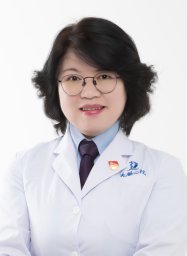 Xiuhua Sun (孙秀华)合作论文数The Second Hospital, Dalian Medical University24
 Dengju Li (李登举)合作论文数Tongji Hospital, Tongji Medical College of Huazhong University of Science and Technology24Heng Li (李姮)合作论文数23Huijing Wu合作论文数20
 Lijie Xing (邢立杰)合作论文数Shandong Canc Hosp & Inst, Shandong First Med Univ20Hao Mu合作论文数20
 Jun Zhu (朱军)合作论文数Peking University Cancer Hospital20
 Wei Zhang (张薇)合作论文数Department of Hematology, PUMC Hospital20Yuting Yan (阎禹廷)合作论文数Chinese Academy of Medical Science, Peking Union Medical College18Lihua Qiu (邱立华)合作论文数18
 Zhen Cai (蔡真)合作论文数The First Affiliated Hospiatl, School of Medicine, Zhejiang University18Jie Jin合作论文数17Hang Su合作论文数17Hanying Bao合作论文数16Zhifeng Li合作论文数16Zusheng Xu合作论文数16ZHANG Zhi-hui合作论文数16Yu Yang (杨瑜)合作论文数16
 Junmin Li (李军民)合作论文数Ruijin Hospital, Shanghai Jiao Tong University School of Medicine16
 Junning Cao (曹军宁)合作论文数Department of Medical Oncology, Fudan University Shanghai Cancer Center16
 Hongmei Jing (景红梅)合作论文数Peking University Third Hospital16Hui Wang合作论文数15XueKui Gu (古学奎)合作论文数15
 Weijun Fu (符伟军)合作论文数中国人民解放军总医院(301医院) 泌尿外科15Weixin Wu合作论文数15
 Ru Kun (汝昆)合作论文数Department of Pathology and Lab Medicine, Institute of Hematology and Blood Diseases Hospital, Chinese Academy of Medical Sciences15
 Jianxiang Wang (王建祥)合作论文数Institute of Hematology, Chinese Academy of Medical Sciences14Liqun Zou合作论文数14




