This article addresses the ethical issues of respect for autonomy and informed consent, focusing on how clinicians should deal with these concepts in clinical practice. We first clarify the concept of respect for autonomy and its practical application, as well as informed consent. We then track the origin and development of informed consent both in western countries and in China. Followed by describing several challenges that limit the practice of informed consent, we make our suggestions so as to help clinicians handle the informed consent in daily practice.
目标温度管理是心脏骤停复苏后昏迷患者的重要治疗手段,能够减轻神经系统损伤,改善神经功能预后.我国心脏骤停后的目标温度管理起步较晚,临床医师对其认识不充分,尚未形成规范化的治疗方案.北京大学第三医院急诊科是国内率先开展目标温度管理的单位之一,制定了标准化的实施规范和针对常见并发症的应对策略.本实施规范是本单位多年来的临床经验,分享规范旨在为同行开展目标温度管理提供借鉴.
随着信息技术及医疗数据信息化的不断发展,越来越多的临床医生认识到人工智能或将彻底改变医学实践.机器学习可对大量医疗数据进行学习,探索数据集中的依赖关系,从而形成相应的医学模型;模型可对新的数据进行快速准确预测,有利于疾病早期诊断分级、辅助制定临床决策等.急诊医学面临着医疗资源相对短缺、急危重症患者识别及快速诊治需求等现状.在大数据时代,以临床需求为导向,机器学习为手段的智慧医疗或将成为解决上述问题的关键之一.
目的 探究心脏骤停后患者外周血细胞变化与近期预后的相关性.方法 回顾性收集2016年至2019年因心脏骤停就诊于我院急诊科并自主循环恢复(ROSC)患者中符合纳入标准的98例患者人口学、基础疾病、心肺复苏相关信息以及ROSC后即刻(0 h)、8 h、12 h、24 h、48 h、72 h血常规和0 h凝血功能.根据出院是否存活将患者分为存活出院组(n=27)与死亡组(n=71),对外周血细胞指标进行统计分析,观察其与预后的相关性.结果 样本总体白细胞计数在ROSC后8 h达峰[15.2(10.4~22.8)×109/L]后逐渐下降,至72 h仍高于正常值;淋巴细胞绝对数在ROSC后即出现显著下降,至12 h达最低值[0.6(0.5~0.9)×109/L];中性粒细胞绝对数在ROSC后早期即出现显著上升,至72 h[8.9(6.9~12.8)×109/L]仍高于正常水平;血小板计数在ROSC后出现缓慢下降趋势,但均在正常范围,上述变量各时间点与0 h比较差异有统计学意义(P<0.05).死亡组患者外周血淋巴细胞绝对数较存活出院组更低,且两组患者外周血淋巴细胞绝对数在ROSC后24 h差异有统计学意义[0.7(0.5~0.9)×109/L vs.0.9(0.8~1.2)×109/L,P<0.05];死亡组患者血小板计数在ROSC后8~72 h均低于存活出院组(P<0.05).结论 心脏骤停患者在ROSC后24 h淋巴细胞绝对数降低、8~72 h血小板计数降低,与院内死亡结局相关.
Objective:At present, the postgraduate education of emergency medicine in China mainly relies on the internal medicine system and lacks specialty pertinence. The purpose of this study is to establish a compulsory curriculum system for professional postgraduates of emergency medicine.Methods:Modified Delphi method was used to subscribe questionnaires to experts, and the contents were mainly about medical education management and research of emergency in the affiliated teaching hospitals of Peking University. Microsoft Excel 2016 was used for double entry of questionnaire contents, and SPSS 22.0 software was used for statistics.Results:The panel was consisted of 14 experts in total and two rounds of Delphi questionnaires were completed. The response rate of the two rounds were both 100%. The authority coefficient of experts was > 0.9 and the average score of each evaluation index was 4.07-5.00 points. The coefficient of variation of each index was 0-0.22 and the Kendall coefficient of concordance was 0.07-0.10.Conclusion:As a result, a comprehensive emergency professional postgraduate curriculum system has been established.
Objective:To investigate the clinical characteristics and predictors of outcomein patients with bloodstream infection (BSI) in emergency department(ED).Methods:This was a retrospective cohort study on patients with BSI in ED of a tertiary hospital in Beijing in 2018. A total of 141 patients were divided into two groups, based on patient outcome on hospital discharge. Data were collected from electronic medical records including demographics of the patients and characteristics of the blood culture as well as treatment during hospital stay. Multivariable binary logistic regression was then performed to explore the predicting factors associated with unfavorable outcome.Results:The median age of patients was 69 years (IQR 61-81 years) with 88 males (62.4%). There were 115 (81.6%) patients received intensive care, and 47 (33.3%) had septic shock.Univariate analysis revealed that comorbidities, immunosuppression treatment, multi-site infection, central vein catheterization, shock and intensive care were associated with poor prognosis. The most common sources of BSI in ED patients were urinary tract (29.8%), hepatobiliary system (22%) and lower respiratory tract (21.3%); Escherichia coli, Klebsiella pneumoniae and Staphylococcus aureus were the most common strains. Multivariate binary logistic regression showed that the number of comorbidities, shock and drug-resistant bacteria infection were independent risk factors for unfavorable prognosis in patients with BSI, while the prognosis of BSI from urinary system was relatively good.Conclusions:ED physicians should optimize antibiotics according to the comorbidities, source of infection, severity of disease and risk of drug-resistant bacteria infection aiming to improve the prognosis of patients with BSI.
The novel coronavirus is a newly discovered pathogen in late December 2019, and its source is currently unknown, which can lead to asymptomatic infection, new coronavirus pneumonia or serious complications, such as acute respiratory failure. Corona virus disease 2019 (COVID-19) is a new type of respiratory disease that is currently spreading all over the world and caused by this coronavirus. Its common symptoms are highly similar to those of other viruses, such as fever, cough and dyspnea. There is currently no vaccine or treatment for COVID-19. Everyone is susceptible to infection with this disease, and owing to the long-term use of immunosuppressants, the immunity of kidney transplant recipients is suppressed, and it is more likely to be infected with the disease. At present, its impact on kidney transplant recipients is unclear. This article reports the clinical features and therapeutic course of novel coronavirus infection in a patient after renal transplantation. A 37-year-old female patient who received a kidney transplant 6 months before was diagnosed with novel coronavirus pneumonia. The patient's symptoms (such as fever, chills, dry cough, muscle aches), laboratory tests (such as decreased white blood cell count, elevated liver enzymes and D-dimer, positive viral nucleic acid test), and chest CT (multiple left lower lung plaque ground glass shadow) were similar to those of non-transplanted novel coronavirus pneumonia patients. In terms of treatment, because the immunity of kidney transplant recipients has been suppressed for a long time, it is a very common strategy to suspend the use of immunosuppressive agents. Therefore, the patient immediately discontinued the immunosuppressive agent after admission, so that she could restore immunity against infection in a short time. At the same time, the use of glucocorticoids was also very important. Its immunosuppressive and anti-inflammatory effects played a large role in the treatment process.In addition, prophylactic antibiotics was needed, and nephrotoxic drugs should be used with caution. Finally, following discounting the use of immunosuppressant and a low-dose glucocorticoid-based treatment regimen, COVID-19 in this renal transplant recipient was successfully cured. The cure of this case was of great significance, and this adjuvant nonspecific antiviral therapy could provide a template for the treatment of other such patients.
目的 分析北京某三甲医院急诊科社区发病的血流感染(community-onset bloodstream infection,CO-BSI)病原学和临床特征.方法 本研究为单中心回顾性队列研究,纳入北京某三甲医院急诊科2018年CO-BSI患者的临床资料和血培养结果,对病原体分布、临床特征和细菌耐药情况进行分析.结果 共纳入107例患者,培养出112株病原体,大肠埃希菌(34.8%)、肺炎克雷伯菌(28.6%)和金黄色葡萄球菌(10.7%)是急诊CO-BSI最常见的病原体.①革兰阳性(gram-positive,G+)菌BSI中存在慢性肾脏病(32.1% vs.11.4%,P=0.026)的比例高于革兰阴性(gram-negative,G-)菌BSI.G+菌BSI患者28 d病死率(46.4% vs.22.8%,P=0.018)和住院病死率(53.6% vs.26.6%,P=0.009)均高于G-菌BSI.②大肠埃希菌约2/3来源于泌尿系统感染,肝胆系统感染不到1/3;肺炎克雷伯菌则来源于肝胆系统(40.6%)、下呼吸道(28.1%)和泌尿系统(25.0%)为主;金黄色葡萄球菌以下呼吸道(33.3%)和皮肤软组织(16.7%)来源多见.③分离菌株中多重耐药(multidrug resistant,MDR)菌比例为44.4%.三代头孢和喹诺酮类耐药的大肠埃希菌分别为30.8%和48.7%,三代头孢耐药的肺炎克雷伯菌为9.4%,耐甲氧西林的金黄色葡萄球菌为8.3%.肠杆菌对丁胺卡那霉素、碳青霉烯类、除头孢曲松外的三代头孢菌素、除氨苄西林/舒巴坦外的β内酰胺类/β内酰胺酶抑制剂及替加环素敏感率均在80%以上.葡萄球菌对万古霉素、利奈唑胺100%敏感.结论 急诊科CO-BSI的病原体以G-杆菌多见,但G+菌BSI病死率高.CO-BSI的病原体存在多重耐药现象,但对大多数临床常用的抗菌药物保持着较好的敏感性.
The standard training of emergency residents is still in its early phase. Computer-based simulation teaching overcomes the drawbacks of traditional teaching mode, because of its high reducibility, simple operation , repeatability , low risks and feasibility for standardized assessment , which is the development trend of emergency medicine teaching. But at present, there are many deficiencies in the application and research of simulation teaching, including low popularity, low level of application, neglect of Teachers' training , research lagged behind , etc . In the future , these aspects should be continuously improved , including popularizing the understanding of computer simulation teaching and attaching importance to teachers' training and research work, so that simulation teaching procedures could meet the needs of modern medical development and practical clinical work.
Objective To analyze the application of Delphi method in clinical medical education in China, to get acknowledge of the current status of implementation, to obtain the quality of research, and to propose improvements. Methods A systematic review was implemented to search the literature in China National Knowledge Infrastructure and MEDLINE database before February 28, 2019. The study design, questionnaire process, expert qualifications, results report and statistics were extracted by reading full text. Results All 35 studies met the inclusion criteria. Almost all of the experts had more than 10 years of experience. The response rates of first rounds were all above 80. 0%. All 34 studies had ranked opinion intensity; most studies conducted an analysis of the degree of concentration and coordination. However, 40. 0%( 14/35) of studies did not define screening criteria;77. 1%( 27/35) of studies did not give feedback;97. 1%( 34/35) of the studies did not define quantitative criteria of consensus. Conclusions The process of Delphi method in the field of clinical medical education in China needs to be further standardized.
体外心肺复苏在一定条件下可以提高心脏骤停患者的存活率,改善心肺复苏患者的神经功能预后,近年来被广泛运用.文章从体外心肺复苏的启动开始,到终止及终止后的过程中涉及到的一系列医学伦理问题进行综述,讨论了体外心肺复苏的适应证、患者及代理人意愿,以及心肺复苏后的生活质量、体外心肺复苏的成本效益及社会公平考虑、器官捐献等问题.体外心肺复苏在伦理方面存在的问题是多角度和多层次的,需结合我国目前社会及医疗卫生环境综合考量,也需要在未来的临床实践中有更多的高质量证据来获得解决方案.
1 病例报告 患者1,男,20岁,既往体健,因“意识丧失15h”于2015-05-02入院.入院诊断:心搏骤停、心肺复苏术后,心律失常-心室颤动,急性心力衰竭,低钾血症.查体:体温37.3℃,血压87/40 mmHg(1 mmHg=0.133 kPa),脉搏114次/min,呼吸频率30次/min.GCS评分3分,双侧瞳孔等大等圆,直径3 mm,对光反射存在.双肺呼吸音粗,可闻及散在湿性啰音,心律齐,各瓣膜听诊区未闻及明显心脏杂音,腹软,肠鸣音4次/min.四肢温暖,皮肤无花斑,双下肢无水肿.四肢肌力、肌张力低,双侧肱二、三头肌腱反射正常,双侧膝腱反射正常,病理征未引出.
Now the visiting physicians are usually trained without effective supervision and guidance mechanism.Since 2017,the Emergency Department of Peking University Third Hospital has adopted the training model under tutor system for visiting physicians.Tutors and visiting physicians are matched 1∶1.Personalized training program is made by tutors and visiting physicians depending on the level of the hospital where visiting physicians practice in,educational background,clinical experience,length and the goal of study.The training plan is refined according to the timeline in order to facilitate the tutor and training physician's own precise management.Since implementation of this training model,the visiting physicians say they are more efficient to complete the training program and learned more than before.The teaching ability of tutors has further been enhanced.
Tracheal intubation is one of the most important emergency techniques, and it is a key and difficult point in advanced life support training for cardiopulmonary resuscitation. Our treatment is trying to combine standard video with visual laryngoscopes for tracheal intubation teaching. Firstly, the students watch the standard video. Then, the teacher shows how to perform a tracheal intubation by visual laryngo-scope. Finally, the students practice the intubation process on the simulation device. In this way, the teach-ing process is more intuitive, easier to be mastered, more normalized and repeatable. This method is worth to be promoted.
目的 提高临床医师对神经阻滞剂恶性综合征(NMS)的认识并探讨重症NMS患者的治疗策略.方法 收集北京大学第三医院2008-2014年经急诊科治疗的3例NMS患者的临床资料,回顾性分析3例患者的易患因素、临床表现、实验室检查和诊治经过,并进行相关文献复习.结果 3例患者均在使用抗精神病药的过程中出现发热、意识障碍、肌强直和大汗.2例患者2~3周后才明确诊断.患者3诊断及时,经过镇静、物理降温及器官支持治疗后痊愈.结论 NMS容易被误诊和漏诊,提高对NMS的诊断意识很重要.如果使用抗精神病药的患者临床表现出感染无法解释的发热、意识障碍、肌强直、肌酸激酶升高、大汗等,要考虑到NMS.对重症NMS患者,早期充分镇静、物理降温、加强器官支持治疗是关键.
>随着心肺复苏技术水平的提高,接近50%的心脏骤停患者经心肺复苏可以恢复自主循环,但仅有10%的患者复苏后神经功能恢复良好,绝大多数患者由于神经功能严重受损而死亡或致残。低温治疗广泛应用于临床之后,在相当程度上减少了神经后遗症的发生,改善了长期存活患者的生活质量 [1] ,但神经功能恢复良好的患者也仅49%一55% [2] 。既往已有一些研究发现,脑电图痫样复合波、双
Transient receptor potential vanilloid 1(TRPV1) is a nonselective cation channel with high permeability for Ca(2+). It may play a role in the development and maintenance of visceral pain and hypersensitivity states, which has generated a major interest in the development of specific vanilloid antagonists. In this review, a summary of the contribution of TRPV1 in the development of visceral hypersensitivity in functional dyspepsia and irritable bowel syndrome is presented with the structure, location, and related molecular mechanisms.
急性肺栓塞(APE)是一种临床常见的心血管急症。许多心血管急症如急性心肌梗死(AMI)、主动脉夹层、卒中和心源性猝死等的发生存在着季节变化节律[1-3],然而APE的发生是否与季节变化相关尚存在争议[4-5]。通过回顾分析本院急诊科近16年来收治APE患者的发病季节特点,以明确APE的发生是否存在季节变化节律,报告如下。
 Qingbian Ma (马青变)合作论文数Emergence Department, Peking University Third Hospital15
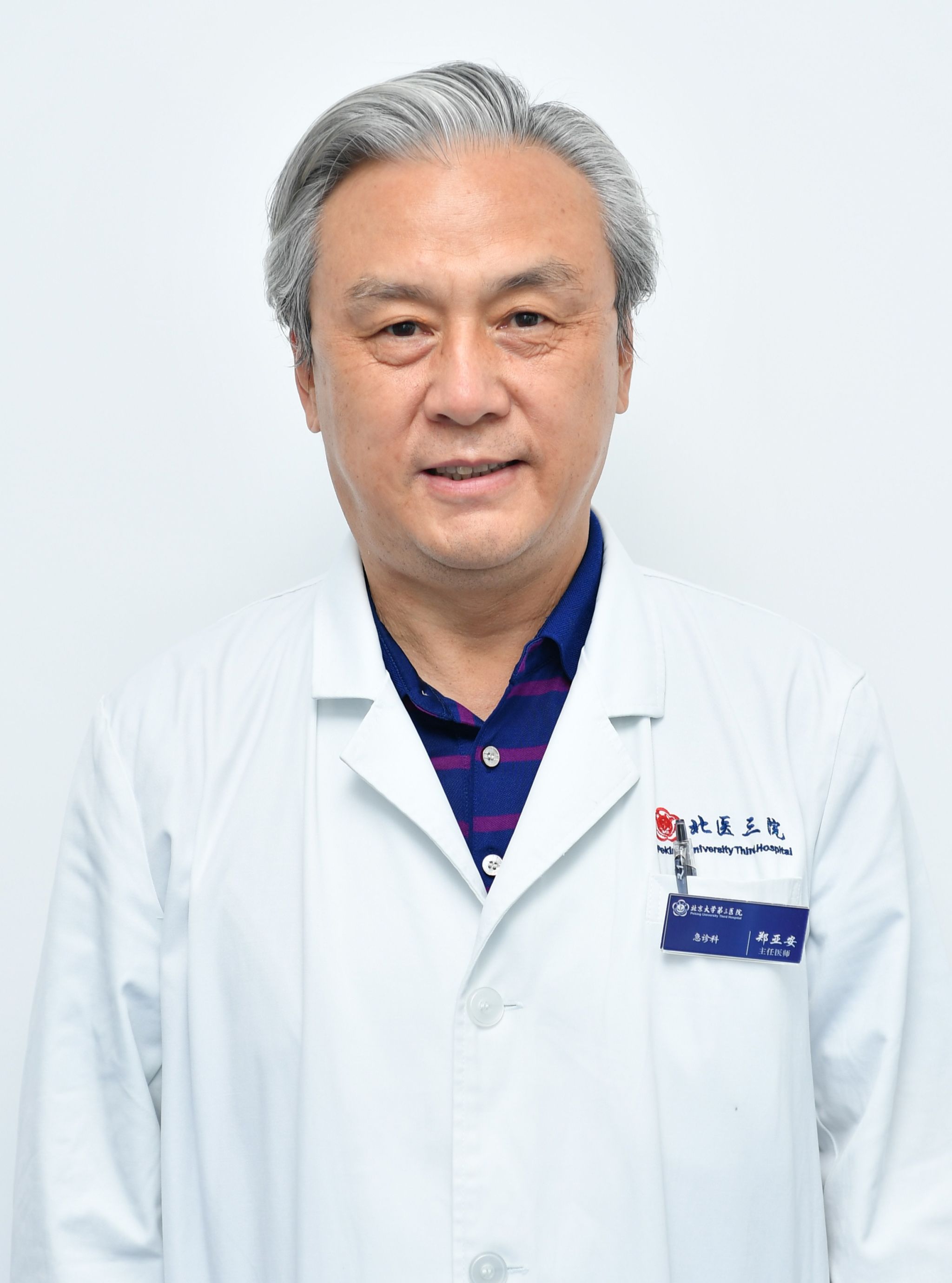 Yaan Zheng (郑亚安)合作论文数Peking University Third Hospital6
 Hongxia Ge (葛洪霞)合作论文数Emergency Department, Peking University Third Hospital4
 Lanfang Du (杜兰芳)合作论文数Emergency Department, Peking University Third Hospital3
 Shuo Li (李硕)合作论文数Emergency Department, Peking University Third Hospital3
 Shaoyu Liu (刘韶瑜)合作论文数Department of Emergency, Peking University Third Hospital2
 Rui XIE (谢蕊)合作论文数2Bei Yao (姚贝)合作论文数Department of Laboratory Medicine, Peking University Third Hospital2Qiang-rong Zhai (翟樯榕)合作论文数1Liwen Jia合作论文数1
 Shuyang Zhang (张抒扬)合作论文数Peking Union Medical College Hospital;Chinese Academy of Medical Sciences & Peking Union Medical College1Lihua Yu合作论文数1XU Yaoke (许尧珂)合作论文数1REN Zhen (任珍)合作论文数1Lin Zeng合作论文数1Xin-Chao ZHANG (张新超)合作论文数1Chao LI (李超)合作论文数1Qin Cheng合作论文数1Shixian Gu合作论文数1Yu-jiao Chen (陈玉娇)合作论文数1
 Ci Tian (田慈)合作论文数Department of Emergency, Peking University Third Hospital1Yuan-wei Fu (付源伟)合作论文数1Yi BAI (白颐)合作论文数1Ling ZHU (朱玲)合作论文数1Lu Feng (冯璐)合作论文数1Junhong Wang合作论文数1Yi Bai合作论文数1
 Qiuyu Li合作论文数1Jing-jing ZHAO (赵静静)合作论文数1BaoLan Ge (葛宝兰)合作论文数1Shuang Cui (崔爽)合作论文数1Wei Guo (郭炜)合作论文数1Hui Xiong (熊辉)合作论文数1
 Jihong Zhu (朱继红)合作论文数北京大学人民医院急诊科1
 Qinggang Ge (葛庆岗)合作论文数Department of Intensive Care Unit, Peking University Third Hospital1
 Lan Zhu (朱兰)合作论文数Tongji Hospital, Tongji Medical College, Huazhong University of Science and Technology1Xiuli Dong (董秀丽)合作论文数1Yang Wang (汪炀)合作论文数1
 Liping Duan (段丽萍)合作论文数Gastroenterology Department, Peking University Third Hospital1
 Ning Shen (沈宁)合作论文数Peking University Third Hospital1
 Wanzhen Yao (姚婉贞)合作论文数Haidian Section of Peking University Third Hospital1Yan Gong (巩燕)合作论文数1
 Yan Wang (王妍)合作论文数Department of Obstetrics and Gynecology, Peking University Third Hospital1Zhiling Zhao (赵志伶)合作论文数Department of Intensive Care Unit, Peking University Third Hospital1
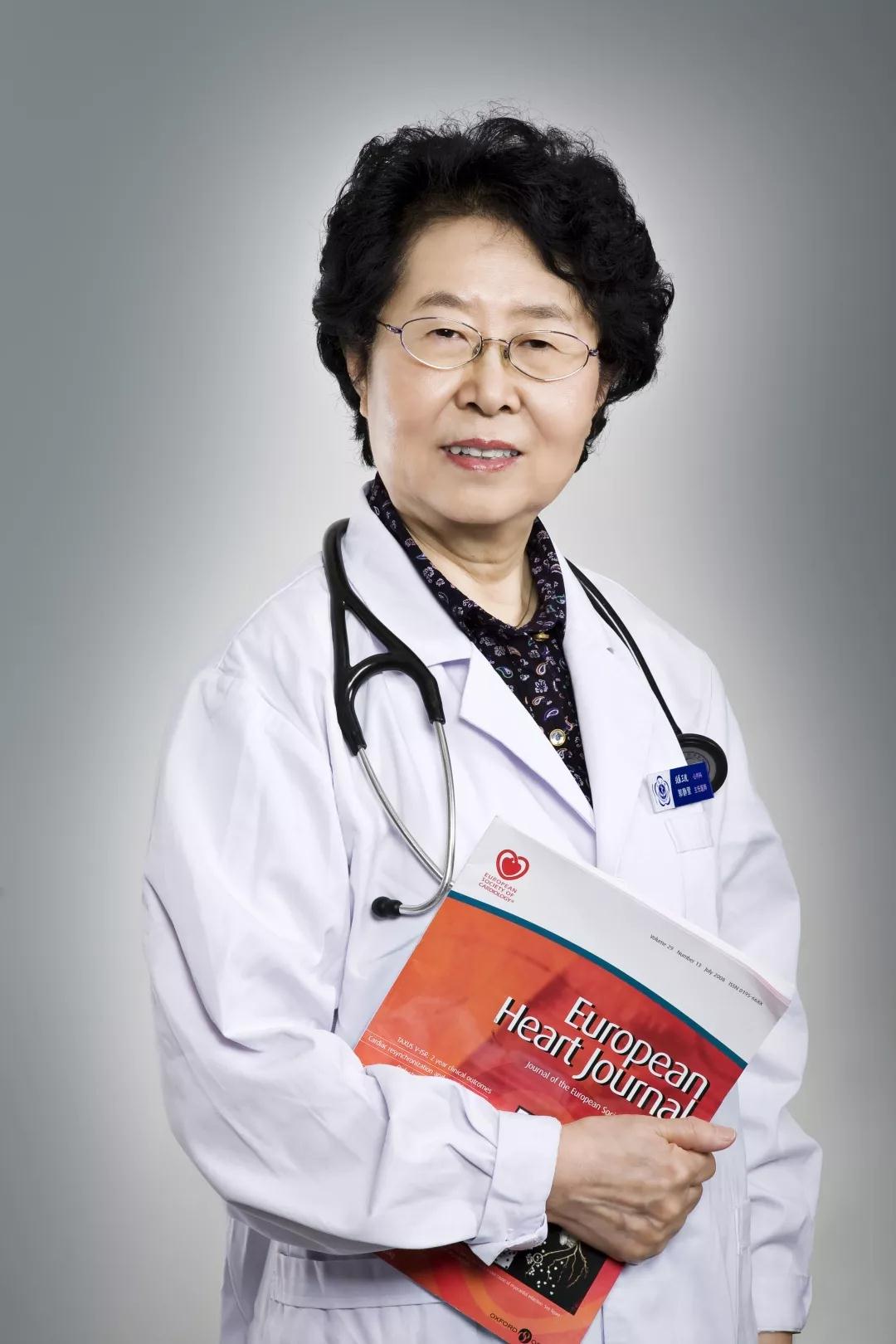 Jingxuan Guo (郭静萱)合作论文数Peking University Third Hospital1
 Hua Zhang (张华)合作论文数Department of Pharmaceutics, School of Pharmaceutical Sciences, Peking University1
 Kang Zheng (郑康)合作论文数Department of Emergency, Peking University Third Hospital1




