BACKGROUND:Advances in emergency and critical care have improved outcomes, but gaps in communication and decision-making persist, especially in the emergency department (ED), prompting the development of a checklist to aid in serious illness conversations (SIC) in China. METHODS:This was a single-centre prospective interventional study on the quality improvement of SIC for life-sustaining treatment (LST). The study recruited patients consecutively for both its observational baseline and interventional stages until its conclusion. Eligible participants were adults over 18 years old admitted to the Emergency Intensive Care Unit (EICU) of a tertiary teaching hospital, possessing full decisional capacity or having a legal proxy. Exclusions were made for pregnant women, patients deceased upon arrival, those who refused participation, and individuals with incomplete data for analysis. First, a two-round Delphi process was organized to identify major elements and generate a standard process through a checklist. Subsequently, the efficacy of SIC in adult patients admitted to the EICU was compared using the Decisional Conflict Scale (DCS) score before (baseline group) and after (intervention group) implementing the checklist. RESULTS:The study participants presented with the most common comorbidities, such as diabetes, myocardial infarction, cerebrovascular disease, moderate-to-severe renal disease, congestive heart failure, and chronic pulmonary disease. The median Charlson Index did not differ between the baseline and intervention cohorts. The median length of hospital stay was 11.0 days, and 82.9% of patients survived until hospital discharge. The total DCS score was lower in the intervention group than in the baseline group. Three subscales, including the informed, values clarity, and support subscales, demonstrated significant differences between the intervention and baseline groups. Fewer intervention group patients agreed with and changed their minds about cardiopulmonary resuscitation (CPR) compared to the baseline group. CONCLUSION:The use of a SIC checklist in the EICU reduced the DCS score by increasing medical information disclosure, patient value awareness, and decision-making support.
Background Cardiac arrest (CA) can activate the coagulation system. Some coagulation-related indicators are associated with clinical outcomes. Early evaluation of patients with cardiac arrest-associated coagulopathy (CAAC) not only predicts clinical outcomes, but also allows for timely clinical intervention to prevent disseminated intravascular coagulation. Objective To assess whether CAAC predicts 30-day cumulative mortality. Methods From the Medical Information Mart for Intensive Care IV (MIMIC-IV) database, we conducted a retrospective cohort study from 2008 to 2019. Based on international normalized ratio (INR) value and platelet count, we diagnosed CAAC cases and made the following stratification of severity: mild CAAC was defined as 1.4 > INR≧1.2 and 100,000/µL < platelet count≦150,000/µL; moderate CAAC was defined with either 1.6 > INR≧1.4 or 80,000/µL < platelet count≦100,000/µL; severe CAAC was defined as an INR≧1.6 and platelet count≦80,000/µL. Results A total of 1485 patients were included. Crude survival analysis showed that patients with CAAC had higher mortality risk than those without CAAC (33.0% vs 52.0%, P < 0.001). Unadjusted survival analysis showed an incremental increase in the risk of mortality as the severity of CAAC increased. After adjusting confounders (prehospital characteristics and hospitalization characteristics), CAAC was independently associated with 30-day mortality (hazard rate [HR] 1.77, 95% confidence interval [CI] 1.41–2.25; P < 0.001); moderate CAAC (HR 1.48, 95% CI 1.09–2.10; P = 0.027) and severe CAAC (HR 2.22, 95% CI 1.64–2.97; P < 0.001) were independently associated with 30-day mortality. Conclusion The presence of CAAC identifies a group of CA at higher risk for mortality, and there is an incremental increase in risk of mortality as the severity of CAAC increases. However, the results of this study should be further verified by multicenter study.
AimTo investigate (1) the association between pre-hospital emergency medical resources and pre-hospital emergency medical system (EMS) response time among patients with Out-of-hospital cardiac arrest (OHCA); (2) whether the association differs between urban and suburbs.MethodsDensities of ambulances and physicians were independent variables, respectively. Pre-hospital emergency medical system response time was dependent variable. Multivariate linear regression was used to investigate the roles of ambulance density and physician density in pre-hospital EMS response time. Qualitative data were collected and analyzed to explore reasons for the disparities in pre-hospital resources between urban areas and suburbs.ResultsAmbulance density and physician density were both negatively associated with call to ambulance dispatch time, with odds ratios (ORs) 0.98 (95% confidence interval [CI] 0.96–0.99; P = 0.001) and 0.97 (95% CI; 0.93–0.99; P < 0.001), respectively. ORs of ambulance density and physician density in association with total response time were 0.99 (95% CI: 0.97–0.99; P = 0.013) and 0.90 (95% CI: 0.86–0.99; P = 0.048). The effect of ambulance density on call to ambulance dispatch time in urban areas was 14% smaller than that in suburb areas and that on total response time in urban areas was 3% smaller than the effect in suburbs. Similar effects were identified for physician density on urban–suburb disparities in call to ambulance dispatch time and total response time. The main reasons summarized from stakeholders for a lack of physicians and ambulances in suburbs included low income, poor personal incentive mechanisms, and inequality in financial distribution of the healthcare system.ConclusionImproving pre-hospital emergency medical resources allocation can reduce system delay and narrow urban-suburb disparity in EMS response time for OHCA patients.
OBJECTIVE:To summarize and analyze the clinical characteristics of patients diagnosed with hepatic portal venous gas (HPVG).METHODS:This was a single center retrospective observational study. All of the patients were diagnosed with HPVG. The patients were admitted to Peking University Third Hospital from January 2017 to January 2021. Demographic characteristics, clinical manifestations, laboratory tests, abdominal imaging, treatment of the primary disease, and clinical outcomes of the patients were collected via electronic medical records. The study was approved by institutional review board and the information of all the patients was kept de-identified.RESULTS:A total of seven cases were included in the study. The median age of the patients was 67 (63, 81) years. Six of the patients were male. The seven patients all presented with sudden onset of severe abdominal pain, which was the most common symptom. Six patients developed septic shock after admission. The signs of HPVG were detected by CT scans in all the patients, showing gas embolization. It might also be found as unique "aquarium sign" in abdominal ultrosonography. Four cases were caused by intestinal lesions, including acute volvulus, intestinal obstruction, and rectal abscess. Two were caused by ischemic bowel disease and the other one was caused by severe acute pancreatitis. The gas accumulation could disappear after effective anti-shock therapy and surgery (Cases 1, 2, and 6). Two patients had good postoperative outcomes, and one patient was discharged after non-surgical treatment. However, the prognosis was poor in the patients with intestinal ischemia necrosis accompanied by shock and multiple organ dysfunction (Cases 3, 4, 5, and 7 all died).CONCLUSION:The HPVG patients generally have acute abdominal pain and show up at Emergency Department. The prognosis depends on the potential cause of HPVG. The mechanism and clinical management for the appearance of gas in the portal vein is not well understood. Patients complicated with shock, ascites, and peritonitis may have intestinal necrosis, which indicates surgical intervention and higher mortality. CT is the preferred diagnostic method in standard clinical practice. Physicians need to have a comprehensive understanding of the proactive diagnostic strategy, and active treatment for the primary disease.
BACKGROUND: Shared decision-making (SDM) has broad application in emergencies.Most published studies have focused on SDM for a certain disease or expert opinions on future research gaps without revealing the full picture or detailed guidance for clinical practice.This study is to investigate the optimal application of SDM to guide life-sustaining treatment (LST) in emergencies. METHODS:This study was a prospective two-round Delphi consensus-seeking survey among multiple stakeholders at the China Consortium of Elite Teaching Hospitals for Residency Education.Participants were identified based on their expertise in medicine, law, administration, medical education, or patient advocacy.All individual items and questions in the questionnaire were scored using a 5-point Likert scale, with responses ranging from "very unimportant" (a score of 1) to "extremely important" (a score of 5).The percentages of the responses that had scores of 4-5 on the 5-point Likert scale were calculated.A Kendall's W coeffi cient was calculated to evaluate the consensus of experts. RESULTS:A two-level framework consisting of 4 domains and 22 items as well as a ready-touse checklist for the informed consent process for LST was established.An acceptable Kendall's W coeffi cient was achieved.CONCLUSION: A consensus-based framework supporting SDM during LST in an emergency department can inform the implementation of guidelines for clinical interventions, research studies, medical education, and policy initiatives.
The shortage of emergency and critical care resources has become increasingly prominent,seriously reducing the quality and safety of care.How to improve the efficiency of the emergency and critical care platform is an urgent problem to be solved.Since 2020,the emergency department of Peking University Third Hospital has achieved an increase of 10%-20%in the annual visits of emergency and critically ill patients,the reduction of the emergency department length of stay and the improvement of survival rate using Objectives and Key Results(OKR)as an advanced management tool.It provides a new paradigm for improving efficiency of emergency department in large general hospitals.
BACKGROUND A low survival rate in patients with cardiac arrest is associated with failure to recognize the condition in its initial stage. Therefore, recognizing the warning symptoms of cardiac arrest in the early stage may play an important role in survival. AIM To investigate the warning symptoms of cardiac arrest and to determine the correlation between the symptoms and outcomes. METHODS We included all adult patients with all-cause cardiac arrest who visited Peking University Third Hospital or Beijing Friendship Hospital between January 2012 and December 2014. Data on population, symptoms, resuscitation parameters, and outcomes were analysed. RESULTS Of the 1021 patients in the study, 65.9% had symptoms that presented before cardiac arrest, 25.2% achieved restoration of spontaneous circulation (ROSC), and 7.2% survived to discharge. The patients with symptoms had higher rates of an initial shockable rhythm (12.2% vs 7.5%, P = 0.020), ROSC (29.1% vs 17.5%, P = 0.001) and survival (9.2% vs 2.6%, P = 0.001) than patients without symptoms. Compared with the out-of-hospital cardiac arrest (OHCA) without symptoms subgroup, the OHCA with symptoms subgroup had a higher rate of calls before arrest (81.6% vs 0.0%, P < 0.001), health care provider-witnessed arrest (13.0% vs 1.4%, P = 0.001) and bystander cardiopulmonary resuscitation (15.5% vs 4.9%, P = 0.002); a shorter no flow time (11.7% vs 2.8%, P = 0.002); and a higher ROSC rate (23.8% vs 13.2%, P = 0.011). Compared to the in-hospital cardiac arrest (IHCA) without symptoms subgroup, the IHCA with symptoms subgroup had a higher mean age (66.2 ± 15.2 vs 62.5 ± 16.3 years, P = 0.005), ROSC (32.0% vs 20.6%, P = 0.003), and survival rates (10.6% vs 2.5%, P < 0.001). The top five warning symptoms were dyspnea (48.7%), chest pain (18.3%), unconsciousness (15.2%), paralysis (4.3%), and vomiting (4.0%). Chest pain (20.9% vs 12.7%, P = 0.011), cardiac etiology (44.3% vs 1.5%, P < 0.001) and survival (33.9% vs 16.7%, P = 0.001) were more common in males, whereas dyspnea (54.9% vs 45.9%, P = 0.029) and a non-cardiac etiology (53.3% vs 41.7%, P = 0.003) were more common in females. CONCLUSION Most patients had warning symptoms before cardiac arrest. Dyspnea, chest pain, and unconsciousness were the most common symptoms. Immediately recognizing these symptoms and activating the emergency medical system prevents resuscitation delay and improves the survival rate of OHCA patients in China.
血栓栓塞性疾病的栓塞和出血风险并存已成为临床困境.疾病的多元化与药物更迭使抗栓治疗日益复杂和专业化,单一学科已不能胜任疑难病例的抗栓治疗.为更好地整合医疗资源,确保患者从规范化抗栓治疗中获益,北京大学第三医院突破学科间壁垒,组建了以心内科为主体,联合药剂科、检验科、神经内科、急诊科、消化科、心脏外科、呼吸科、介入血管外科、神经外科、风湿免疫科和血液科等12个科室参与的抗栓诊治专业团队,致力于制定合理的抗栓策略,着力解决临床血栓性疾病抗凝、抗血小板治疗中的关键问题,旨在探索一个"以心房颤动患者为中心"的多学科联合诊疗和精细化管理模式.
Toxic epidermal necrolysis (TEN) and Stevens-Johnson syndrome (SJS) are potentially fatal mucocutaneous diseases characterized by extensive necrosis and exfoliation of the epidermis. TEN and SJS are most often caused by various kinds of drugs. Other risk factors for SJS/TEN include pneumonia infection, HIV infection, genetic factors, underlying immune diseases, and tumors. SJS and TEN were first identified in 1922, but at present, a widely recognized view is that SJS and TEN represent phases in the continuous progress of the same disease. SJS/TEN has a very high mortality, but is rare, and cases of SJS/TEN combined with systemic lupus erythematosus (SLE) are even less common. Occasionally, acute cutaneous manifestations of SLE and SJS/TEN can be phenotypically similar, both causing extensive epidermal necrosis. In this paper, we present a recent case of a 32-year-old female SLE patient with a drug-induced (the health product, astaxanthin) TEN/SJS. To provide context to this case, we have reviewed relevant case studies published in English, accessed via PubMed databases. The search covers all published case studies from 1988 to 2019. We collected a total of 30 cases in the literature, and analyzed their characteristics from the aspects of gender, suspicious medication history, and treatment in order to expand clinicians' approach to diagnosis and treatment.
Background: Both the American Heart Association (AHA) and European Resuscitation Council (ERC) have strongly recommended targeted temperature management (TTM) for patients who remain in coma after return of spontaneous circulation (ROSC). However, the role of TTM, especially hypothermia, in cardiac arrest patients after TTM2 trials has become much uncertain. Methods: We searched four online databases (PubMed, Embase, CENTRAL, and Web of Science) and conducted a Bayesian network meta-analysis. Based on the time of collapse to ROSC and whether the patient received TTM or not, we divided this analysis into eight groups (<20 min + TTM, <20 min, 20–39 min + TTM, 20–39 min, 40–59 min + TTM, 40–59 min, ≥60 min + TTM and ≥60 min) to compare their 30-day and at-discharge survival and neurologic outcomes. Results: From an initial search of 3,023 articles, a total of 9,005 patients from 42 trials were eligible and were included in this network meta-analysis. Compared with other groups, patients in the <20 min + TTM group were more likely to have better survival and good neurologic outcomes (probability = 46.1 and 52.5%, respectively). In comparing the same time groups with and without TTM, only the survival and neurologic outcome of the 20–39 min + TTM group was significantly better than that of the 20–39 min group [odds ratio = 1.41, 95% confidence interval (1.04–1.91); OR = 1.46, 95% CI (1.07–2.00) respectively]. Applying TTM with <20 min or more than 40 min of collapse to ROSC did not improve survival or neurologic outcome [ <20 min vs. <20 min + TTM: OR = 1.02, 95% CI (0.61–1.71)/OR = 1.03, 95% CI (0.61–1.75); 40–59 min vs. 40–59 min + TTM: OR = 1.50, 95% CI (0.97–2.32)/OR = 1.40, 95% CI (0.81–2.44); ≧60 min vs. ≧60 min + TTM: OR = 2.09, 95% CI (0.70–6.24)/OR = 4.14, 95% CI (0.91–18.74), respectively]. Both survival and good neurologic outcome were closely related to the time from collapse to ROSC. Conclusion: Survival and good neurologic outcome are closely associated with the time of collapse to ROSC. These findings supported that 20–40 min of collapse to ROSC should be a more suitable indication for TTM for cardiac arrest patients. Moreover, the future trials should pay more attention to these patients who suffer from moderate injury. Systematic Review Registration: [ https://inplasy.com/?s=202180027 ], identifier [INPLASY202180027]
临床上常见混合药物中毒,地高辛为常见的中毒药物之一。地高辛用途广泛、容易获得,因此容易被滥用于自杀或谋杀 [1]。地高辛中毒,可影响消化系统、神经系统及心脏传导系统,严重者可导致心脏骤停(cardiac arrest,CA),即使在充分复苏的条件下过量的地高辛仍阻碍自主循环的恢复,但这是一种可逆病因,强化的药物清除能够有效降低地高辛药物浓度,但该过程需要花费时间。体外心肺复苏(extracorporeal cardiopulmonary resuscitation,ECPR)技术可以作为药物清除期间有效的心肺支持技术。本文报道1例以地高辛中毒为主要表现的混合药物中毒所致难治性CA的患者,使用ECPR、目标温度管理(Targeted temperature management,TTM)及血液净化技术,最终恢复神经功能。
患者男,23岁,面部痤疮5年。4年前曾间断口服米诺环素治疗半年,未见明显好转,仍有大量新发皮损。3年前曾口服异维A酸治疗40 d,1年前口服维胺酯治疗4个月,均于痤疮好转后停药,服药过程中无明显不适,未做实验室检查。半年前因痤疮加重,开始(2021年5月14日)口服异维A酸30 mg/d。治疗2个月后,痤疮较前明显减轻,实验室检查(7月2日)发现,胆固醇、总胆红素升高,异维A酸遂减为20 mg/d治疗。本次就诊(7月30日)实验室检查发现,肌酸激酶10 438 U/L(参考值30 ~ 170 U/L,下同)、丙氨酸转氨酶144 U/L(ALT,5 ~ 40 U/L)、天冬氨酸转氨酶403 U/L(AST,8 ~ 40 U/L)、乳酸脱氢酶397 U/L(LDH,109 ~ 245 U/L),均显著升高,考虑可能与异维A酸有关,遂停用。追问病史,患者于本次就诊前2周开始每周2 ~ 3次高强度间歇性运动课程,近几日自觉四肢肌肉较前明显酸痛、乏力,休息后无明显缓解,与既往运动后肌肉酸痛感相比明显加重,尿色较前略加深,同日(7月30日)急诊进一步查肌酸激酶同工酶> 300 U/L(CKMB,0 ~ 24 U/L)、肌红蛋白> 900 U/L(23 ~ 112 U/L),明显升高。综合上述临床表现及实验室检查结果,诊断:横纹肌溶解症。嘱停止高强度间歇性运动课程,并予补液及静脉滴注谷胱甘肽1.2 g/d、碳酸氢钠(静脉滴注12.5 g/d治疗1 d后改为口服3 g/d治疗5 d)、维生素C 2 g/d、氯化钾1.5 g/d。治疗1 d后(8月1日)复查,肌酸激酶(10 436 U/L)、ALT (127 U/L)、AST(264 U/L)较前略降低;治疗4 d后(8月3日)复查:肌酸激酶6 916 U/L、CKMB 136 U/L、肌红蛋白251.8 U/L、ALT 113 U/L、AST 72 U/L、LDH 248 U/L,均较前显著降低,肌肉酸痛消失。治疗11 d后复查(8月10日):肌酸激酶179 U/L,趋近正常,CKMB、肌红蛋白、ALT、AST、LDH恢复正常。患者痤疮改为仅外用果酸治疗。1个月后(10月14日)复诊时诉近1周恢复每周2 ~ 3次高强度间歇性运动课程,期间双上肢肌肉持续酸痛感,休息后无明显缓解,无其他不适,尿色无明显变化,嘱实验室检查,发现肌酸激酶11 741 U/L、CKMB 150 U/L、ALT 73 U/L、AST 311 U/L、LDH 591 U/L,全部再次显著升高,再次诊断:横纹肌溶解症。停高强度间歇性运动课程,给予静脉补液、谷胱甘肽、葡醛酸钠治疗5 d后复查(10月19日),肌酸激酶381 U/L、ALT 45 U/L,CKMB、AST、LDH恢复正常。1周后(10月27日)再次复查,肌酸激酶、CKMB、ALT、AST、LDH均恢复正常。发病期间尿常规、血肌酐、电解质未见异常,尿量未见明显变化。患者既往长期保持运动习惯,以跑步为主,每周2 ~ 3次,每次约1 h或10 km。两次横纹肌溶解后未再进行高强度间歇性运动课程,恢复每周跑步1 ~ 2次。
Purpose At present, not enough is known about the symptoms before cardiac arrest. The purpose of this study is to describe the precursor symptoms of cardiac arrest, focusing on the relationship between symptoms and cardiac arrest, and to establish a quick scoring model of symptoms for predicting cardiac arrest. Patients and Methods. A retrospective case-control study was carried out on cardiac arrest patients who visited the emergency department of Peking University Third Hospital from January 2018 to June 2019. Symptoms that occurred or were obviously aggravated within the 14 days before CA were defined as warning symptoms. Results More than half the cardiac arrest patients experienced warning symptoms within 14 days before cardiac arrest. Dyspnea (p < 0.001) was found to be associated with cardiac arrest; syncope and cold sweat are other symptoms that may have particular clinical significance. Gender (p < 0.001), age (p < 0.001), history of heart failure (p=0.006), chronic kidney disease (p=0.011), and hyperlipidemia (p=0.004) were other factors contributing to our model. Conclusions Warning symptoms during the 14 days prior to cardiac arrest are common for CA patients. The Quick Scoring Model for Cardiac Arrest (QSM-CA) was developed to help emergency physicians and emergency medical services (EMS) personnel quickly identify patients with a high risk of cardiac arrest.
Objective This retrospective multicentre observational study was performed to assess the predictors of acute kidney injury (AKI) in patients with acute decompensated heart failure (ADHF) in emergency departments in China. Methods In total, 1743 consecutive patients with ADHF were recruited from August 2017 to January 2018. Clinical characteristics and outcomes were compared between patients with and without AKI. Predictors of AKI occurrence and underdiagnosis were assessed in multivariate regression analyses. Results Of the 1743 patients, 593 (34.0%) had AKI. AKI was partly associated with short-term all-cause mortality and cost. Cardiovascular comorbidities such as coronary heart disease, diabetes mellitus, and hypertension remained significant predictors of AKI in the univariate analysis. AKI was significantly more likely to occur in patients with a lower arterial pH, lower albumin concentration, higher creatinine concentration, and higher N-terminal pro-brain natriuretic peptide (NT-proBNP) concentration. Patients treated with inotropic agents were significantly more likely to develop AKI during their hospital stay. Conclusion This study suggests that cardiovascular comorbidities, arterial pH, the albumin concentration, the creatinine concentration, the NT-proBNP concentration, and use of inotropic agents are predictors of AKI in patients with ADHF.
背景 盐酸地芬尼多是用于治疗各种原因所致眩晕的非处方药物.近年来因过量服用盐酸地芬尼多急性中毒的个案时有报道,但至今尚无基于急性中毒患者血药浓度的临床特征报道.目的 通过总结9例因过量服用盐酸地芬尼多中毒患者的临床特征及诊疗结果,分析血药浓度检测在因过量服用盐酸地芬尼多急性中毒患者诊治过程中的价值.方法 本文回顾性分析了2019年6月—2020年5月因过量服用盐酸地芬尼多急性中毒就诊于北京大学第三医院急诊科的9例患者的临床表现、血药浓度、治疗经过及预后.结果 9例盐酸地芬尼多急性中毒患者中女7例,男2例;平均年龄(20.7±1.9)岁;平均服药剂量(2700±1478)mg;中位服药至就诊间隔时间为3.5(6.5)h;血药浓度为3.15(26.27)mg/L.2例盐酸地芬尼多最高血药浓度≥35 mg/L的患者出现昏迷〔格拉斯哥昏迷量表(GCS)评分为3分〕、抽搐、呼吸衰竭、持续性低血压及心脏骤停的严重中毒表现,其中1例死亡.4例最高血药浓度≤2.5 mg/L的患者中毒表现相对较轻,主要为头晕、恶心呕吐、肢体乏力、肢体震颤等症状.首次血液灌流治疗前后动态监测盐酸地芬尼多血药浓度下降(47.51±22.16)%.出院时8例存活,存活率为88.9%,平均住院天数为(4.7±3.3)d.结论 在盐酸地芬尼多中毒患者的诊治中,服药剂量与最高血药浓度的关系不明确,监测血药浓度可能有利于对疾病严重程度及预后的评估.当患者出现昏迷、持续性低血压和呼吸衰竭时要警惕心脏骤停的风险,血液灌流可有效降低盐酸地芬尼多血药浓度.
目标温度管理是心脏骤停复苏后昏迷患者的重要治疗手段,能够减轻神经系统损伤,改善神经功能预后.我国心脏骤停后的目标温度管理起步较晚,临床医师对其认识不充分,尚未形成规范化的治疗方案.北京大学第三医院急诊科是国内率先开展目标温度管理的单位之一,制定了标准化的实施规范和针对常见并发症的应对策略.本实施规范是本单位多年来的临床经验,分享规范旨在为同行开展目标温度管理提供借鉴.
Background: Malignant ventricular arrhythmias caused by thyroid storm, such as ventricular tachycardia (VT) or ventricular fibrillation (VF), which are life-threatening, are rare. We report the case of a patient who suffered from cardiac arrest caused by thyroid storm and the rare VF; the patient showed a favorable neurologic outcome after receiving targeted temperature management (TTM) treatment by intravascular cooling measures. Case presentation: A 24-year-old woman who had lost 20 kg in the preceding 2 months presented to the emergency department with diarrhea, vomiting, fever, and tachycardia. Thyroid function testing showed increased free triiodothyronine (FT3) and free thyroxine (FT4), decreased thyroid-stimulating hormone (TSH), and positive TSH-receptor antibody (TRAB). She was diagnosed with hyperthyroidism and had experienced sudden cardiac arrest (SCA) due to ventricular fibrillation (VF) caused by thyroid storm. The patient was performed with targeted temperature management (TTM) by intravascular cooling measures. Regular follow-up in the endocrinology department showed a good outcome. Conclusions: Our case not only suggests a new method of cooling treatment for thyroid storm, but also provides evidence for the success of TTM on patients resuscitated from in-hospital cardiac arrest (IHCA) who remain comatose after return of spontaneous circulation (ROSC).
The growing burden of eye disease worldwide has aroused increasing concern upon its environmental etiology. This study aims to evaluate the associations of air pollutants with emergency room visits for eye diseases and the effect modification by temperature. Based on 24,389 cases from a general hospital during 2014–2019 in Beijing, China, this study used generalized additive models to examine the associations of air pollutants and emergency room visits for total eye diseases (ICD10: H00-H59) and conjunctivitis (ICD10: H10). Short-term exposures to PM2.5, PM10, CO, and NO2 were associated with increased visits for total eye diseases and conjunctivitis, and stronger effect estimates were observed in high (>75th) temperature group for PM2.5, PM10, CO, and NO2 and low (<75th) temperature group for CO and NO2. For instance, a 10 μg/m3 increase in PM2.5 at lag0–1 were associated with a 0.73% (95% CI: 0.23%, 1.24%) increase in total eye disease visits and a 1.34% (95% CI: 0.55%, 2.13%) increase in conjunctivitis visits, respectively. Meanwhile, a 10 μg/m3 increase in PM2.5 was associated with a 1.57% (95% CI: 0.49%, 2.64%) change in high temperature group and a 0.48% (95% CI: −0.24%, 1.19%) change in medium temperature group (P for interaction = 0.04) in total eye disease visits. Our study emphasizes the importance of controlling the potential hazards of air pollutants on eyes, especially on days with relatively higher or colder temperature.
BACKGROUND:Computed tomography (CT) findings of COVID-19 patients were demonstrated by cases series and descriptive studies, but quantitative analysis performed by clinical doctors and studies on its predictive value were rarely seen. The aim of the study is to analyze CT score in COVID-19 patients and explore its predictive value.MATERIALS AND METHODS:We conducted a retrospective cohort study among confirmed COVID -19 patients with available CT images between February 8, 2020 and March 7, 2020. The lung was divided into six zones by the level of tracheal carina and the level of inferior pulmonary vein bilaterally on CT. Ground-glass opacity (GGO), consolidation, crazy-paving pattern and overall lung involvement were rated by Likert scale of 0-4 or binary as 0 or 1. Global severity score for each targeted pattern was calculated as total score of six zones.RESULTS:There were 53 patients and 137 CT scans included in the study. There were 18(34%) of the patients classified as moderate cases while 35(66%) patients were severe/critical cases. Severe/critical patients had higher CT scores in several types of abnormalities than moderate patients from the second week to the fourth week post symptom onset. Overall lung involvement score in the second week demonstrated predictive value for severity with a sensitivity of 81.0% and specificity of 69.2%.CONCLUSIONS:Our modified semi-quantitative CT scoring system for COVID-19 patients demonstrated feasibility. Overall lung involvement score on the second week had predictive value for clinical severity and could be indicator for further treatment.
 Qingbian Ma (马青变)合作论文数Emergence Department, Peking University Third Hospital49
 Yuhua Liao (廖玉华)合作论文数Union Hospital, Tongji Medical College, Huazhong University of Science and Technology21
 Xiang Cheng (程翔)合作论文数Union Hospital, Tongji Medical College, Huazhong University of Science and Technology21
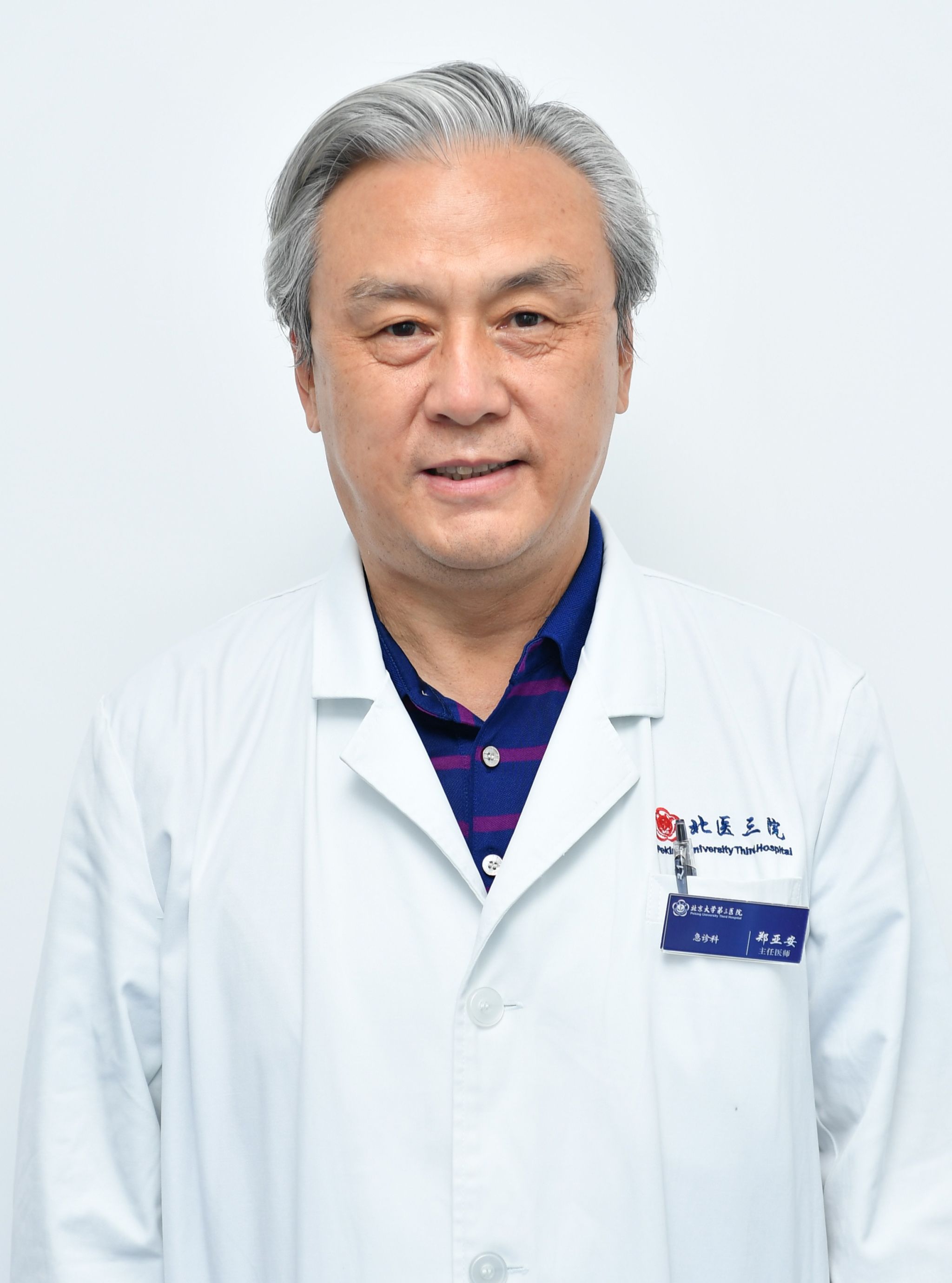 Yaan Zheng (郑亚安)合作论文数Peking University Third Hospital21
 Zhangqiang Guo (郭张强)合作论文数17Bin Li (李彬)合作论文数15Ying Liu (刘英)合作论文数10
 Ling Zhang (张玲)合作论文数Institute of Reproductive Health, Tongji Medical College of Huazhong University of Science and Technology10
 Lanfang Du (杜兰芳)合作论文数Emergency Department, Peking University Third Hospital9
 Yumei Zhang (张玉梅)合作论文数Department of Emergency Medicine, Peking University Third Hospital8
 Shuo Li (李硕)合作论文数Emergency Department, Peking University Third Hospital8Qiangrong Zhai合作论文数7
 Hua Zhang (张华)合作论文数Department of Pharmaceutics, School of Pharmaceutical Sciences, Peking University7JinYing Zhang (张金盈)合作论文数6
 Zhiguo Guo (郭治国)合作论文数Emergency Department, Peking University Third Hospital6Heping Guo合作论文数6Yuan-wei Fu (付源伟)合作论文数4BaoJun Lu (逯保军)合作论文数4BaoLan Ge (葛宝兰)合作论文数4
 Wei Gao (高炜)合作论文数Peking University Third Hospital4
 Min Wang (王敏)合作论文数Tongji Hospital affiliated to Tongji Medical College of Huazhong University of Science & Technology4
 Kang Zheng (郑康)合作论文数Department of Emergency, Peking University Third Hospital4
 Liu Ying合作论文数3Jin Zhang (张金盈)合作论文数3Yi Bai合作论文数3
 Liang Yang合作论文数Central-south University, Central South University3
 Lingyun Zu (祖凌云)合作论文数Peking University Third Hospital3
 Shu Li (李舒)合作论文数Beijing Cancer Hospital3
 Ning Shen (沈宁)合作论文数Peking University Third Hospital3Baomin Duan合作论文数2Jing-wei Duan (段经玮)合作论文数2Jing-jing Zhao合作论文数2Shaoyu Liu合作论文数2Ci Tian合作论文数2Jing Chen合作论文数Dept Med, Tulane Univ2Wen-ting Su (苏文亭)合作论文数2Rui XIE (谢蕊)合作论文数2Yang Liang (梁杨)合作论文数2YanXia He (何彦侠)合作论文数2YongZhong Ning (宁永忠)合作论文数2WenJie Wu (吴文杰)合作论文数2Bing Xue (薛兵)合作论文数2
 Jing Yuan (袁菁)合作论文数Wuhan National Laboratory for Optoelectronics, Huazhong University of Science and Technology2




