Aqueous amine-mediated CO2 mineralization coupled with the treatment of distiller waste from ammonia-soda plants has been regarded as a promising carbon reduction route, with the product CaCO3 serving as an important raw material in paper, rubber, and coating industries. In this study, uniform design (UD) combined with response surface methodology (RSM) was employed for systematic analysis and optimization of CaCO3 synthesis. Based on UD experimental data with temperature (25–65 °C), reaction time (60–120 min), and stirring rate (200–600 rpm) as independent variables, two regression models for mean particle size and coefficient of variation (CV) were established. RSM analysis indicated that the interactions of reaction time with stirring rate and temperature exhibited significant effects on mean particle size and CV, respectively. The temperature governing the dominant polymorphic transformation was identified as the key factor affecting CaCO3 particle size distribution, and the formation mechanism of urchin-like aragonite at elevated temperatures was preliminarily attributed to non-crystallographic branching and aggregation. These variables were further optimized using the desirability function to maximize mean particle size and minimizing CV, resulting in optimal conditions of 40 °C, 110 min, and 200 rpm, corresponding to a mean particle size of 39.10 μm and a CV of 0.302, which increased the mean particle size by approximately 52% while nearly maintaining the minimum CV. This study provides valuable guidance into the low-cost and controllable synthesis of CaCO3 with target PSD, and is of significant importance for realizing the Carbon-Calcium cycle in the ammonia-soda industry.
The recycling of spent LiFePO4 batteries is hindered by economic inefficiencies, primarily due to poor selectivity during lithium recovery. Here, we introduce a thermodynamic-assisted electrochemical delithiation strategy to achieve high-purity lithium extraction. By refining the thermodynamic models of the Li-Fe-P-H2O system, we delineate a precise operational window (pH 4.0-5.2 and an oxidation potential of 0.15-0.4 V) that favors Li+ removal while stabilizing the FePO4 framework, as verified by in situ electrochemical quartz crystal microbalance measurements. Crucially, we uncover that trace yet persistent iron dissolution originates from a proton-coupled reaction that forms an unstable HFePO4 intermediate, a previously overlooked mechanism that redefines the stability limits of the material in aqueous media. This study establishes a targeted, energy-efficient recycling pathway and provides fundamental insights into ion-exchange dynamics in olivine-type cathodes.
In continuous lithium extraction using aluminum-based adsorbents, the decrease in total salt concentration of residual high-salinity brine during fixed-bed washing alters lithium adsorption equilibrium and affects lithium loss. To describe this behavior, a modified homogeneous surface diffusion model (HSDM) was developed by coupling multivariable adsorption equilibrium, total salt transport, and lithium diffusion, using granular Li/Al-LDHs as the adsorbent. Based on 270 batch equilibrium datasets, artificial neural network (ANN) and symbolic regression (SR) models were established to describe the effects of equilibrium lithium concentration, total salt concentration, and temperature on adsorption capacity. Although ANN gave higher prediction accuracy, SR provided an explicit equation and was therefore incorporated into the modified HSDM. A total-salt transport submodel was further introduced to describe the displacement and attenuation of residual high-salinity brine during washing. The results showed that Mg2+ could reasonably represent total salt variation in the early washing stage, while inclusion of Li+ improved the description in the middle-to-late stage. The modified HSDM effectively described outlet lithium concentration during washing, with an R2 of 0.969 and an RMSE of 56.6mg/L at 35mL/min.
Li/Al-LDHs are the preferred adsorbents for lithium extraction from salt lake brines due to their acid-free application and negligible dissolution loss, yet their constrained adsorption performance limits practical implementation. Herein, an effective Sn2+-doping strategy was developed and demonstrated to significantly enhance Li+ adsorption performance. The modified Sn/Li/Al-LDHs presented a stable 48.5% enhancement in Li+ adsorption capacity and a dramatic increase in selectivity (with coefficients rising from 7.02 to 14.81 to 19.76-90.00). Further, combined experimental and computational results revealed that the partial substitution of Sn2+ for Al3+ induced local charge redistribution and lattice distortion. This structural modulation promoted the formation of active and mesoporous LDH phases which improved Li+ affinity and transport pathway, thereby effectively reinforcing the overall lithium adsorption performance. This work provides a facile modification strategy to overcome the application limitations and advance efficient lithium extraction by Li/Al-LDHs from diverse salt lake resources.
This paper reports the chiral separation of menthol enantiomers using the VARICOL process to improve productivity. Amylose 3,5-dimethylphenylcarbamate coated on silica gel was employed as the chiral stationary phase, and n-hexane/2-propanol (95/5, v/v) was used as the eluent. To design and optimize the VARICOL process, a linear driving-force model was developed to predict the separation performance. Separation regions of the conventional simulated moving bed (SMB) and VARICOL processes were evaluated and compared. It was found that, under an outlet purity requirement of 95.0%, the five-column VARICOL process has a separation region comparable to that of the six-column conventional SMB process. As an illustrative example, a five-column VARICOL unit and a six-column conventional SMB unit, both operating under the same conditions, were employed to resolve the menthol racemate. Purities for both the extract and raffinate were above 95.0%, and a productivity of 0.400 gracemate/(LCSP center dot min) and a solvent consumption of 0.355 L/gracemate were achieved in the VARICOL process. Productivity increased by 20% while solvent consumption maintained relative to the conventional SMB process, though product purities decreased slightly.
Bioaccumulation of lithium by lithium-accumulating bacteria is a promising alternative approach for unconventional lithium resources extraction. Current researches on the bioaccumulation of lithium remain insufficient. To isolate lithium-accumulating bacteria, 10 lithium-tolerant bacteria strains with various lithium tolerance (30-100 g/L LiCl) were isolated from sediment of the Zongmahai Salt Lake in Qinghai Province. Brevibacterium profundi NCSL-YWD1 and Staphylococcus saprophyticus NCSL-YWH2 exhibited the highest lithium tolerance by secreting more extracellular polymeric substances (EPS) with fulvic-acid and aromatic protein substances and altering the morphologies with irregular shapes. Also, they demonstrated promising lithium removal potential in 3 simulated systems including seawater (0.17 mg/L Li), oilfield brine (40 mg/L Li), and salt lake brine (180 mg/L Li). Typically, NCSL-YWH2 performed excellent lithium-accumulating capacity (2.59 mg Li/g dry cell) with the removal ratio of 23.7% from the solution of 40 mg/L Li, which was the highest microbial lithium-enrichment among the publicly available studies. Furthermore, electrical stimulation (electric field of 0.8 V/cm) was applied for the first time to enhance lithium-accumulation to 4.08 mg Li/g dry cell, with the increased removal ratio of 35.6% and reduced time of 1 h from the solution of 40 mg/L Li, attributed to mechanisms of the electroporation, electrophoresis, and possible depolarization. This study isolated a lithium-accumulating bacteria strain with the highest Li accumulation and first revealed the enhancement potential of electrical stimulation on lithium accumulation.
Lithium–aluminum layered double hydroxides (Li/Al-LDHs) were first industrialized successfully as Li+ adsorbents in lithium resource extraction from salt lakes due to the unique advantages of acid-free desorption without dissolution loss. This chapter offers a comprehensive review of the research and application progress related to Li/Al-LDH adsorbents. The structural properties of Li/Al-LDHs and the underlying mechanism of acid-free lithium extraction are introduced in detail. Furthermore, the quantitative influence of desorption intensity and the regeneration method are elucidated, which are of great significance for the long-term cycle stability of Li/Al-LDHs. Synthesis methods for Li/Al-LDH powders and diverse molding technologies, which are indispensable for industrial applications of Li/Al-LDHs, are systematically summarized. Addressing the challenges in the production and application of Li/Al-LDHs, starting from the structural properties and the adsorption/desorption mechanism, the current innovative modification strategies and optimization processes for continuous lithium extraction are listed, offering labor-saving directions for lithium extraction enhancement from brines. Furthermore, optimized Li+ adsorption processes and performances of Li/Al-LDHs in different types of low-grade brines are comprehensively introduced. Finally, the chapter anticipates potential development trends for Li/Al-LDHs, providing novel perspectives on the advancement of functional Li/Al-LDHs in Li+ adsorption and the comprehensive extraction and utilization of brine resources.
Conventional lithium extraction methods exhibit limited efficiency in strongly acidic solutions. This study developed a brand-new and universal lithium recovery strategy from strongly acidic systems using Li+ migration between directionally formed solid phase of lithium-aluminum layered double hydroxides (Li/Al-LDHs) and alternate aqueous solutions. Li+ ions in strongly acidic solutions with massive coexisting cations (Na+, K+, Fe2+, Ca2+, Mg2+, Al3+, etc.) were inductively converted into the solid precipitate through a precise crystal phase regulation. A non-equilibrium thermodynamic model was developed and revealed that the lithium deintercalation flux exhibited a linear dependence on the chemical potential gradient, systematically elucidating the critical parameters governing extraction efficiency. Subsequently, lithium extraction from Li+-enriched solid could be accomplished easily using neutral aqueous solutions with a complete delithiation, and the overall lithium recovery from acidic systems exceeded 96% with the residual solid recycling process and waste-free disposal. Furthermore, the lithium extraction strategy was proven applicable in authentic multi-component acidic solutions with efficient lithium recovery and low costs. This work is expected to significantly promote the development of universal extreme system lithium separation technology.
CaO-based adsorbents play a crucial role in industrial flue gas carbon capture, and the accurate prediction of their adsorption performance is essential for optimizing adsorbent design and process operation. In practice, Research on the preparation and performance enhancement of CaO-based sorbents often relies on particle-scale simulation analysis for guidance and optimization. However, traditional particle-scale models, such as grain models and shrinking-core models, typically assume simplified or fixed pore structures, limiting their ability to accurately capture the complex evolution of internal pore networks and the associated heat and mass transfer phenomena. To address this challenge, this study develops a novel particle-scale model aimed at high-precision simulation of coupled heat and mass transfer during the CO2 adsorption process on CaO-based sorbents. A fractal pore size distribution model (FPSDM) and a dynamic random pore model (DRPM) are introduced in this study, allowing for the systematic quantification of key features of CaO particle pore structures at the particle scale for the first time, significantly enhancing the model’s description of complex pore structure evolution. Simulation results demonstrate that the proposed model significantly improves the accuracy of predicting CO2 capture performance of CaO-based sorbents, providing more reliable theoretical tools for the rational design of high-performance CaO-based adsorbents and the optimization of carbon capture processes.
Adsorption has become a central approach for industrial salt lake lithium extraction. A structural engineering strategy is developed to rationally fabricate hollow fiber-structured Li/Al layered double hydroxide granules (HF-LDHs) with enhanced mass transfer to overcome the extraction efficiency limitation from conventional granulation methods. The hollow architecture provides shortened diffusion pathways through a favorable pore microstructure and dual accessible surfaces for Li+ directional migration with markedly accelerating intraparticle transport. HF-LDHs are characterized by good hydrophilicity and structural integrity with a compressive of 4.99 MPa, and the optimized granules can reach adsorption equilibrium within 60 min, which is shortened by over half to that of these traditional lithium adsorbent granules. Fixed-bed dynamic evaluation further demonstrates a rapid 2 h saturation and high effluent quality with a Mg2+/Li+ ratio below 2. Moreover, HF-LDHs maintain a stable working capacity of about 7.20 mg/g over 20 cycles, with a high Li+ extraction rate of 2.70 (mg/(g·h)), highlighting their potential for low-grade lithium recovery.
The excessive accumulation of bischofite waste following potassium extraction poses a significant threat to the ecological environment of chloride-type salt lakes, while CO2 mineralization of Mg-rich minerals shows great potential for achieving carbon neutrality. Previous studies have identified Mg(HCO3)2 as an inevitable intermediate in the synthesis of the high-value MgCO3·3H2O product from bischofite waste, yet the atomic-level mechanism of Mg(HCO3)2 converting to MgCO3·3H2O remains unclear. In this study, the decomposition-crystallization process and solvent effects were systematically investigated by integrating molecular dynamics (MD) simulations, DFT calculations, in-situ, and ex-situ characterization methods. In-situ analysis using ATR-FTIR, pH, and conductivity measurements indicated that the ionization of Mg(HCO3)2 is the primary kinetic obstacle, followed by zeroth-order kinetics. EtOH accelerated the ionization rate of Mg(HCO3)2 and reduced the average aspect ratio of MgCO3·3H2O crystals from 21.6 to 7.5. MD simulations quantitatively proved that EtOH could replace H2O molecules in the first solvation shell of Mg(HCO3)2 and disrupt the bulk H2O-H2O hydrogen-bond network. DFT calculations revealed that the OC adsorption mode of the growth unit on the (0 1 1) surface was predominant, causing the (0 1 1) surface to evolve into the axial faces of acicular MgCO3·3H2O crystallite. EtOH inhibited the axial growth by altering the relative growth rates of crystal surfaces, rather than by adsorbing onto the (0 1 1) surface to impede growth. These findings offer mechanistic understanding of MgCO3·3H2O morphology control, enhancing the CO2 mineralization efficiency and Mg-rich resources sustainability.
The direct hydrothermal regeneration of spent ternary cathode materials represents a promising and sustainable strategy for recycling lithium-ion batteries due to its cost-effectiveness and environmental benignity. However, this approach faces limitations when applied to deeply degraded cathodes, where lithium loss, structural deterioration, and impurity contamination hinder effective reconstruction. Herein, we demonstrate a homogenized regeneration strategy for severely degraded LiNi0.5Co0.2Mn0.3O2 (NCM523) by integrating mechanochemical prelithiation with hydrothermal treatment. Microstructural characterization confirms that ball milling disrupts degraded particle morphology, increasing interfacial contact area and facilitating lithium replenishment. The pre-lithiation step not only compensates for lithium deficiency but also promotes reconstruction of a well-ordered layered structure and uniform morphology. Density functional theory (DFT) calculations reveal that the regeneration process mitigates Li/Ni cation mixing, reducing the Li+ migration energy barrier and enhancing lattice oxygen stability. As a result, the regenerated NCM523 cathode delivers an initial discharge capacity of 148.9 mAh center dot g(-1) from less than 31 mAh center dot g(-1), coupled with a high initial Coulombic efficiency of 98.8%. This work provides an efficient route for direct upcycling of end-of-life lithium-ion batteries.
In view of the sharp surge in lithium demand from the new energy industry, making efficient lithium recycling from secondary waste streams is increasingly essential. Herein, a novel granular aluminum-based layered double hydroxide adsorbent (DW-LDHs) was fabricated using Sn-doped Li/Al-LDHs powder for selective lithium recovery from high‑sodium low-grade industrial wastewater. DW-LDHs outperforms conventional extruded granules (C-LDHs), reaching equilibrium in 30 min with 3.41-fold higher capacity, enabled by the small granule size, well-developed pore structure that eliminates diffusion constraints, and Sn doping that promotes uptake in low-Li+ environment. Fixed-bed cycling experiments confirmed its stable lithium recovery efficiency of over 95% and a saturated capacity of 9.78 mg/g in complex wastewater with 30.4 mg/L Li+. Benefiting from remarkable anti-interference ability toward coexisting Na+, DW-LDHs produced high-purity eluent with a low Na/Li mass ratio of 0.40. Material-balance estimation indicated a theoretical yield of 145.70 g Li2CO3 per m3 of wastewater, valued at $3.63, demonstrating its laboratory-scale potential for lithium recovery from high‑sodium industrial wastewater.
l-menthol is one of the most popular flavors in the world. The separation of menthol enantiomers is crucial because of the unpleasant taste of d-menthol. This work presents the chiral separation of racemic menthol by simulated moving bed chromatography for the first time. Six preparative columns packed with amylose 3,5-dimethylphenylcarbamate coated on silica gel were used for separation, and a mixture of n-hexane/isopropanol was selected as the mobile phase. The hydrodynamic properties of the SMB columns were studied to minimize the packing asymmetry in the SMB experiment. The binary adsorption isotherm of menthol enantiomers was measured by the adsorption–desorption method. Fixed-bed batch chromatography was carried out to evaluate the adsorption kinetic behavior. Mathematical models, considering the mass transfer resistance and axial dispersion, were applied to describe the dynamics of the chromatographic separation process. The SMB process for chiral separation of racemic menthol was designed by evaluating the separation region using simulations. Reasonable agreements were achieved between the predicted results and the experimental results. Purities for both the extract and raffinate were above 99.0%, and a productivity of 0.267 gracemate/(LCSP∙min) and a solvent consumption of 0.431 L/gracemate were achieved.
Strontium is critical for modern industries, yet efficient Sr2+ from low-grade liquid resources remains challenging. Herein, sodium titanate (NTO) was prepared via one-pot alkaline hydrolysis with the addition of several metal ions. Among them, the sample with Al3+-tuned morphology (M-NTO) shows better Sr2+ adsorption performance, despite negligible Al incorporation into the framework. Sr2+ adsorption is governed by interlayer Na+ exchange, complemented by surface complexation and electrostatic attraction. pH plays an essential role during Sr2+ recovery, as alkaline conditions favor adsorption with a maximum capacity of 189.26 mg/g at pH 12, while mild acidic treatment (pH 2.0, 60 min) enables efficient desorption without Ti dissolution. Density functional theory calculations indicate that H+ possesses stronger intrinsic framework affinity than Sr2+, yet the spontaneous acid–base neutralization can overcome the unfavorable Na+/H+ exchange thermodynamics to regenerate active sites. An alkali activation strategy was therefore proposed and incorporated into fixed-bed operation using wet-spun M-NTO granules. This process retains stable performance over 10 cycles with a capacity about 91.2 mg/g and a desorption rate near 90% without any structural degradation, showing great potential for continuous practical Sr2+ recovery.
Lithium aluminum layered double hydroxides (Li/Al-LDHs), the most widely industrialized lithium adsorbents dependent on the unique acid-free desorption, while exhibited limited capacity in low-salinity systems. Herein, an anion regulation strategy was developed to enhance Li+ extraction by introducing and controlling multivalent anions. Experiments confirmed Li+ adsorption capacity of Li/Al-LDHs could increase from 0.40 mg/g to 5.83 mg/ g by introducing SO42- in a chloride solution containing 2 g/L Mg2+. It was well explained by density functional theory (DFT) calculations that the highly charged anions in solution would induce higher ionic strength and adsorption energy to enhance Li+ extraction of Li/Al-LDHs. Furthermore, an interlayer repair method effectively replaced accumulated divalent anions within the interlayers using easily elutable Cl- ions, facilitating Li+ release from the laminates and ensuring cycling stability. Besides, multiple cycles remaining stable enhanced capacities further confirmed the sustained effectiveness of this strategy for boosting Li+ capture from low-salinity systems.
Bioinspired ion-selective transport with high precision has long been a key pursuit in artificial membrane engineering and process industries. However, developing angstrom-scale ion channels remains a significant challenge due to the difficulty of precisely controlling the internal structure and chemical microenvironment of pore channels. Herein, we present a biomimetic membrane fabricated by sub-nanoconfining fully crosslinked ammonium-functionalized crown ethers (diaminobenzo-15-crown-5-ether, DAB15C5) within the pore channels of a polyamide (PA) nanofilm via surface polymerization for electromembrane desalination. The resulting DAB15C5@PA membrane exhibits a high K+ permeation rate of 1.83 molm-2h-1 under multi-component conditions, along with excellent single-ion selectivity, achieving mono/monovalent (K+/Li+) and mono/divalent (K+/Mg2+) ratios of 5.2 and 33.5, respectively. Theoretical operando analysis suggests that the preferential single-ion K+ extraction/separation mechanism stems from the significant disparities in transport energy barriers among ions, synergistically governed by different extents in local dehydration, enhanced size-exclusion effects, and preferential interaction screening.
The treatment of distiller waste (DW) remains a significant technical challenge for ammonia-soda plants, while the need for carbon emission reduction is more urgent than ever. The comprehensive utilization of the two offers multiple benefits but remains limited. Herein, we proposed an aqueous amine-mediated CO2 mineralization process that synergistically treated distiller waste to produce CaCO3, integrating amine regeneration by bipolar membrane electrodialysis (BMED). Seven typical aqueous amines were evaluated for process feasibility. Results indicated that the CaCO3 yields (>90 %), Ca2+ conversion efficiencies (>95 %), amine regeneration efficiencies (>83 %), current efficiencies (>71 %) and energy consumption (<55 kWh/kmol) across various amines, with monoethanolamine (MEA) emerging as the optimal amine. The mechanistic influence of amine type on the mineralization process also was investigated, revealing that the overall mineralization performance of different amines is governed by a linear relationship dictated by CO2 absorption mechanisms, with deviations attributed to the effects of amine structures on the CaCO3 crystallization. To achieve larger CaCO3 particles for industrial filtration, conditions were investigated, resulting in 32 mu m particles under the dropwise feeding method, amine-CaCl2 molar ratio of 2.25, 1 M MEA, 55 degrees C, 400 r/min stirring rate, and 90 min reaction time. These conditions primarily promote larger CaCO3 particles by reducing supersaturation and facilitating aragonite formation. During this process, every ton of treated DW could sequester 39.7 kg of CO2 and earn 3.70 $. This study is significant for realizing the Carbon-Calcium cycle in the ammonia-soda industry, offering a sustainable solution to distiller waste treatment and CO2 sequestration.
Sluggish internal mass transfer within granulated adsorbents constrains the efficiency of Li+ extraction from low-grade salt lakes. In this study, Li+ diffusion behavior simulations using finite element analysis indicated that reducing the granule dimensionality enhanced Li+ transfer in aluminum-based lithium adsorbents, with ionic strength as the driving force. Hence, low-dimensional aluminum-based adsorbent granules (LD-LDHs) with fast transport channels and highly accessible adsorption sites were directionally prepared via a wet-spinning method. Adsorption kinetics suggested LD-LDHs with reduced internal diffusion resistance achieved equilibrium in less than 30 min, which was significantly shorter than the 36 h required for larger granules prepared by conventional extrusion molding, while maintaining the performance of the encapsulated active components. During continuous lithium extraction from low-grade Qarhan old brine, LD-LDHs reached adsorption saturation in 60 min, with a 1.8-fold increased working capacity, and the desorption solution was of higher quality, favorable for subsequent lithium carbonate production processes.
 Xingfu Song (宋兴福)合作论文数School of Resources and Environmental Engineering, East China University of Science and Technology;School of Chemical Engineering, East China University of Science and Technology222
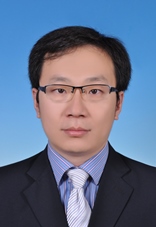 Ze Sun (孙泽)合作论文数华东理工大学资源与环境工程学院102
 Ping Li (李平)合作论文数School of Chemical Engineering, East China University of Science and Technology93
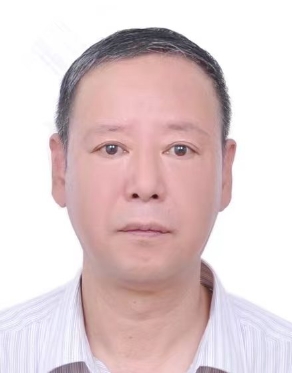 Guimin Lu (路贵民)合作论文数Department of Resource Recycling Science and Engineering, School of Resources and Environmental Engineering, East China University of Science and Technology92
 Shuying Sun (孙淑英)合作论文数School of Resources and Environmental Engineering, East China University of Science and Technology74
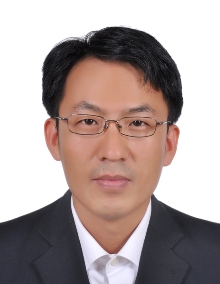 YuZhu Sun (孙玉柱)合作论文数School of Resources and Environmental Engineering, East China University of Science and Technology61
 Chenglin Liu (刘程琳)合作论文数School of Resources and Environmental Engineering, East China University of Science and Technology55
 Yanxia Xu (许妍霞)合作论文数School of Resources and Environmental Engineering, East China University of Science and Technology51
 Sen Lin (林森)合作论文数School of Resources and Environmental Engineering, East China University of Science and Technology49
 Hang Chen (陈杭)合作论文数School of Resources and Environmental Engineering, East China University of Science and Technology35
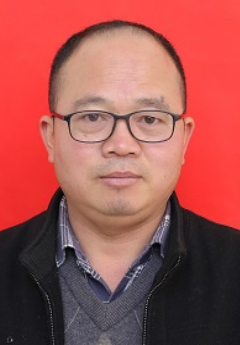 Gousheng Liu (刘够生)合作论文数School of Chemistry and Chemical Engineering, Nanchang University33
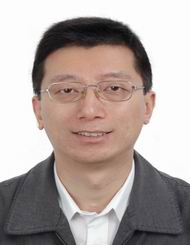 Qinhui Zhang (张钦辉)合作论文数College of Chemical Engineering, China University of Petroleum30
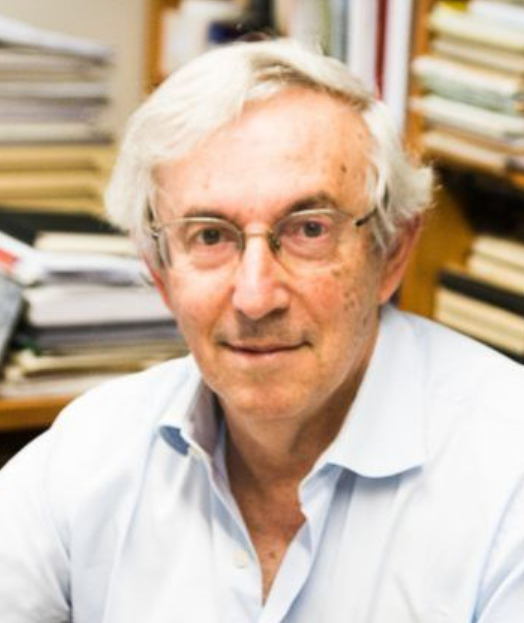 Alírio Rodrigues合作论文数Laboratory of Separation and Reaction Engineering, Department of Chemical Engineering, Faculty of Engineering, University of Porto;Laboratory of Catalysis and Materials, Department of Chemical Engineering, Faculty of Engineering, University of Porto26
 Ying Yang合作论文数23
 Haiou Ni合作论文数17
 Xushen Han合作论文数National Engineering Research Center for Integrated Utilization of Salt Lake Resources, East China University of Science and Technology17
 Shuai Gu (顾帅)合作论文数College of Chemistry and Chemical Engineering, Central South University16Xiansheng Yin合作论文数16
 Yuqing Lin合作论文数Institute of Chemistry, The Chinese Academy of Sciences (CAS),16Mengjie Luo合作论文数14
 Rongzhen Liao (廖荣臻)合作论文数School of Chemistry and Chemical Engineering, Huazhong University of Science & Technology14
 Matsuyama Hideto (松山秀人)合作论文数Research Center for Membrane and Film Technology, Kobe University14Yan Luo (罗妍)合作论文数13
 Ruozhuang Liu (刘若庄)合作论文数College of Chemistry, Beijing Normal University13Yan Jin合作论文数12Guilan Chen合作论文数12
 Xiuchen Qiao (乔秀臣)合作论文数School of Resources and Environmental Engineering, East China University of Science and Technology12Yiren Zhang合作论文数11Zhen Liu合作论文数11Jin Xue合作论文数11
 Yongnan Zhao (赵永男)合作论文数School of Material Science and Engineering, Tiangong University11
 yi-jiang wu合作论文数11
 Bing Li (李冰)合作论文数School of Mechanical and Power Engineering, East China University of Science and Technology10Youfa Jiang合作论文数9
 Weihai Fang (方维海)合作论文数College of Chemistry, Beijing Normal University9
 Zunhong Yu合作论文数East China University of Science and Technology9Dong-Fan Liu合作论文数8
 Jie Zhang合作论文数8Jie Wu (邬洁)合作论文数8
 Xiaoxue Sun合作论文数8JiangNing Liu (刘江宁)合作论文数8Jin Wang (王进)合作论文数中国科学技术大学8
 Fahmi Himo合作论文数Arrhenius Laboratory, Department of Organic Chemistry, Stockholm University8
 Kefeng Tong合作论文数8
 Yunzhao Li合作论文数8




