Lung cancer is the leading cause of cancer-related morbidity and mortality in China, and it poses significant treatment challenges. Ablation therapy has gained prominence for local control of early-stage and oligometastatic disease. The cyclic GMP-AMP synthase-stimulator of interferon genes (cGAS–STING) pathway plays a central role in the activation of innate immune and durable anti-tumor responses by reshaping the tumor microenvironment. Emerging evidence suggests that ablation not only directly destroys tumor tissue, but it also activates immune pathways, including cGAS–STING, thereby enhancing anti-tumor immunity. These insights have fueled interest in combining ablation with STING agonists to potentiate immune checkpoint therapies. In this review, current understanding of the immunomodulatory effects of ablation is summarized, and the synergistic potential of integrating cGAS–STING-targeted strategies into lung cancer immunotherapy.
PURPOSE:Despite existing signatures, there remains a lack of robust autophagy-based biomarkers validated across multi-omics datasets and independent clinical cohorts in ESCC. The aim of our study was to develop an autophagy-related prognostic model for ESCC. METHODS:Using transcriptomic data of ESCC from GEO/TCGA and autophagy-related genes (ARGs) from five autophagy-specific datasets, we identified the intersection between ARGs and tumor-normal differentially expressed genes (DEGs). We constructed a prognostic model using stepwise multivariate Cox regression based on these genes in GSE53625 (n = 179), validated in TCGA-ESCC (n = 94) through survival analysis and ROC curve, and analyzed the prognostic value of candidate genes in in-house ESCC samples. RESULTS:We successfully established a robust prognostic 4-ARGs model comprising NBEA, CLOCK, NLRX1, and MAGEA3 (training: p < 0.0001, validation: p = 0.013). In the in-house ESCC cohort (n = 14), NLRX1 was verified as a reliable prognostic factor for disease-free survival (p = 0.043). Significant correlations were observed between signatures and the immune microenvironment, and the model effectively predicted patients' responses to immunotherapy. CONCLUSION:We developed a novel 4-ARGs prognostic model and identified NLRX1 as a potential autophagy-dependent biomarker. These findings underscore its utility as a valuable tool for prognosis, risk stratification, and therapy guidance in ESCC.
This study aims to establish and validate a multi-dimensional clinical indicator-based risk prediction model for prostate cancer biopsy decision-making, and to develop an associated online visualization tool. This retrospective study enrolled 718 prostate biopsy patients from three Grade-A tertiary hospitals in Wuhan, with biopsy procedures spanning from October 2021 through October 2024. The data were randomly divided into training set and validation set at a ratio of 7∶3. The training set was divided into two groups based on the presence or absence of prostate cancer. LASSO regression was used for variable selection, Logistic regression analysis was used to identify the risk factors of prostate cancer, and a nomogram prediction model was constructed based on the results. Then the receiver operating characteristic (ROC) curve was used to evaluate the discrimination of the model. The calibration curve and Hosmer-Lemeshow test were used to verify the calibration of the model. Finally, the decision curve analysis (DCA) was used to evaluate the clinical application value of the model. In addition, an online visualization tool was generated using the Shiny package from R Studio. Prostate cancer was diagnosed in 280 patients, accounting for 38.9% of the study cohort. The logistic regression analysis identified age > 65 years, prostate volume < 35 ml, PI-RADS scores > 3, free prostate specific antigen / total prostate specific antigen < 0.16, prostate-specific antigen density > 0.15, and platelet < 125 mmol/L as significant risk factors for prostate cancer (P < 0.05). The discrimination efficiency of the prediction model was verified by ROC curve, and the area under the ROC curve was 0.763 (95%CI, 0.721–0.805). In terms of calibration, the calibration curve showed that the predicted value was in good agreement with the observed value, which was confirmed by Hosmer-Lemeshow test results (χ2 = 11.553, P = 0.116). DCA further verified the clinical application value of the prediction model. Development of online visual tools can promote the clinical application of forecasting model (see the link: https://xiafuhai.shinyapps.io/dynnomapp/). This study successfully developed and validated the first multidimensional risk prediction model for prostate cancer biopsy decision-making specifically tailored for the Chinese population. The model demonstrated improved diagnostic efficacy compared with single clinical indicators. Through clinical implementation via nomogram visualization and an online interactive tool, the model exhibited moderate-to-good discrimination and calibration performance. This model provides a quantitative risk assessment tool for patients with clinically suspected prostate cancer who meet the indications for biopsy, and facilitates more accurate and targeted decision-making regarding prostate needle biopsy for both clinicians and patients.
Non-invasive prediction of Gleason Grade Group (GGG) in prostate cancer using multiparametric MRI (mpMRI) is clinically vital for reducing unnecessary biopsies. Existing GGG prediction methods face two major limitations. First, they often overlook non-image information critical for GGG prediction, including age, prostate-specific antigen (PSA), and expert priors embedded in radiology reports. Second, they tend to oversimplify GGG as flat categorical labels, failing to account for its intrinsic hierarchy of primary and secondary Gleason patterns. To this end, we propose a novel Knowledge-Driven Ordinal-Aware Learning (KOAL) framework with three synergistic modules. Specifically, the Clinical-Context Modulation (CCM) module uses clinical variables (e.g., age and PSA) to dynamically modulate discriminative image representations. The Knowledge-Guided Prototype Alignment (KGPA) module leverages an LLM to extract group-specific expert knowledge from training radiology reports and clinical guidelines, producing offline semantic anchors describing grade-specific radiological findings without requiring patient-specific reports at inference. Through prototype contrastive alignment, patient-specific mpMRI representations are matched with these anchors to promote pathology-aligned representation learning. The Hierarchical Ordinal-aware Constraints (HOC) module decouples primary and secondary Gleason pattern prediction and maps their probabilistic outputs to GGG via a Differentiable Bio-logic Mapping Layer (DBML), ensuring pathological grading consistency. Experiments on public PI-CAI and in-house datasets demonstrate that KOAL outperforms state-of-the-art methods. Code is available at: https://github.com/Gother-GZ/KOAL.
Radiation-induced pulmonary fibrosis (RIPF) is a chronic fibrotic lung disease triggered by ionizing radiation exposure and is characterized by abnormal epithelial-mesenchymal transition (EMT), fibroblast proliferation and activation, and excessive extracellular matrix (ECM) deposition. As a late-stage pulmonary complication of radiation exposure, RIPF lacks effective clinical interventions. Although nintedanib and pirfenidone are approved antifibrotic drugs for idiopathic pulmonary fibrosis (IPF), their efficacy against RIPF remains insufficiently validated. The precise pathogenesis of RIPF remains incompletely understood; however, accumulating evidence highlights the critical regulatory role of epigenetic modifications, particularly microRNAs (miRNAs), in the development and progression of RIPF. Here, we summarize the regulatory mechanisms of miRNAs in RIPF, and highlight their clinical potential and current research challenges, aiming to advance miRNA-related research in RIPF.
The intratumoral mycobiome plays a crucial role in the tumor microenvironment, but its impact on renal cell carcinoma (RCC) remains unclear. We collected and quantitatively profiled the intratumoral mycobiome data from 1044 patients with RCC across four international cohorts, of which 466 patients received immunotherapy. Patients were stratified into mycobiota ecology-depauperate and mycobiota ecology-flourishing (MEF) groups based on fungal abundance. The MEF group had worse prognosis, higher fungal diversity, down-regulated lipid catabolism, and exhausted CD8+ T cells. We developed the intratumoral mycobiota signature and intratumoral mycobiota-related genes expression signature, which robustly predicted prognosis and immunotherapy outcomes in RCC and other cancers. Aspergillus tanneri was identified as a potential key fungal species influencing RCC prognosis. Our findings suggest that the intratumoral mycobiome suppresses lipid catabolism and induces T cell exhaustion in RCC.
Dedifferentiated liposarcoma (DDLPS) accounts for 15-20% of liposarcoma (LPS) and has high rates of local recurrence and distant metastasis. Hyperactivation of yes-associated protein (YAP) has been implicated in DDLPS development. However, the mechanisms that drive aberrant YAP signaling remain largely unknown. Here, we show that tumor protein p53 inducible nuclear protein 2 (TP53INP2) is a potential negative modulator of the malignant progression of DDLPS. The TP53INP2 protein expression level in tumor tissues from 79 patients with DDLPS decreased progressively. Compared with primary tumors, recurrent tumors also exhibited reduced TP53INP2 expression. More importantly, low TP53INP2 expression is correlated with poor prognosis. TP53INP2 gain- or loss-of-function experiments in DDLPS cell lines showed profound inhibitory effects on processes and properties linked with cancer malignancy, such as proliferation, migration, stemness and dedifferentiation. Mechanistically, TP53INP2 is located mainly in mitochondria and promotes mitophagic degradation of YAP in a VDAC1-dependent manner. The WW domain in YAP and the PPTY motif in VDAC1 are required for their interaction. Taken together, these data demonstrate that TP53INP2 represses the malignant progression of DDLPS by inactivating YAP via a mitophagy-dependent mechanism and that TP53INP2 may constitute a novel prognostic biomarker for advanced DDLPS.
Introduction Transurethral resection of the prostate (TURP) is the gold standard surgical treatment to lower urinary tract symptoms and benign prostatic obstruction (LUTS/BPO). Although it has been proven to have substantial efficacy in improving functional outcomes, it has shown a high incidence of complications, including transurethral resection syndrome, massive bleeding, urinary incontinence and sexual dysfunction. High-frequency irreversible electroporation (H-FIRE) is a novel non-thermal ablation technique that delivers pulsed high-voltage but low-energy electric current to the cell membrane, thereby leading to cell death. H-FIRE has been reported to be tissue-selective, which leads to fewer side effects. However, no data are available on whether H-FIRE is non-inferior compared with TURP in treating patients with LUTS/BPO regarding safety and efficacy.Methods and analysis This trial is a prospective, single-centre, randomised controlled, double-blinded and non-inferiority study in which all men with LUTS/BPO are included. This study aims to determine whether the HI-FIRE is non-inferior to TURP for achieving better functional outcomes as measured by the co-primary outcome of the change from baseline in maximal flow rate (Qmax) and the urinary symptoms by questionnaire of International Prostate Symptom Score (IPSS) scoring at 3 months after surgical treatment. The main inclusion criteria are men with prostatic volume range 30 to 100 mL, Qmax<15 mL/s and IPSS>8. A sample size of 118 participants is required, accounting for a 20% loss. All participants will be randomly allocated at a ratio of 1:1 to the H-FIRE arm (n=59) and the TURP arm (n=59). The primary outcome is to assess the change from baseline in Qmax and IPSS scoring at 3 months after surgical treatment.Ethics and dissemination Ethical approval was obtained from the ethics committee of Shanghai East Hospital, Tongji University School of Medicine, Shanghai, China. The results of the study will be disseminated and published in international peer-reviewed journals.Trial registration number ClinicalTrials.gov: NCT05306145.
Background:Primary retroperitoneal neoplasms (PRNs) are a diverse group of tumors that pose significant diagnostic challenges. Currently, no multicenter-validated diagnostic model exists for multiple PRN types based on computed tomography (CT) images. This study aimed to develop and validate an end-to-end deep learning model, REMIND (REtroperitoneal neoplasMs artificial-INtelligence Diagnosis), for the accurate diagnosis and segmentation of PRNs using enhanced CT images. Methods:Patients from 12 Chinese centers between January 2012 and June 2024 were involved in this study. The dataset comprised patients with histologically confirmed PRNs, including seven types of PRNs: dedifferentiated liposarcoma, well-differentiated liposarcoma, leiomyosarcoma, ganglioneuroma, lymphoma, schwannoma, and paraganglioma. The REMIND model was trained using retrospective data from a single hospital in China (n = 606; five-fold cross validation), and externally validated using retrospectively collected data from 11 different hospitals (n = 736) and prospectively validated using prospectively collected data from the same hospital as the training set (n = 188) enrolled from January 2024 to June 2024. Additionally, a reader study involving 30 radiologists from 11 hospitals in China was conducted to assess REMIND's clinical utility. Findings:REMIND demonstrated high predictive accuracy across different cohorts. For classifying neoplasm types, ROC curves showed AUCs over 0.80 for most types. For 7-way classification task, REMIND achieved top-1 accuracies of 0.66 (95%CI 0.61-0.69), 0.61 (95%CI 0.46-0.73), 0.63 (95%CI 0.54-0.69), and top-2 accuracies of 0.82 (95%CI 0.79-0.85), 0.79 (95%CI 0.77-0.83), 0.77 (95%CI 0.71-0.83) in the training, external validation, and prospective validation cohorts, respectively. For segmentation tasks, REMIND achieved average Dice scores of 0.75 (95%CI 0.73-0.76), 0.72 (95%CI 0.70-0.74), and 0.73 (95%CI 0.70-0.77) in training, external validation, and prospective validation cohorts. The reader study indicated the top-1 classification accuracy of REMIND was higher than junior radiologists (64.0% vs. 42.6%, p = 0.006), and attending radiologists (64.0% vs. 57.4%, p = 0.009) and equivalent to senior radiologists (64.0% vs. 64.3%, p = 0.905). When assisted by REMIND, the diagnostic accuracy of junior and attending radiologists significantly improved. Meanwhile, REMNID reduced interpretation time and increased diagnostic certainty in all groups of radiologists. Interpretation:REMIND represents a first-in-class model for the diagnosis and segmentation of PRNs. Its integration into clinical practice has the potential to enhance diagnostic accuracy, increase predictive certainty, and reduce interpretation time. This study highlights the clinical applicability of AI in improving the diagnostic accuracy and reducing the workload for radiologists handling these rare and complex tumors. Funding:This study was supported by the National Natural Science Foundation of China (82272905 and 82473385).
Suppressor of Tumorigenicity 14 Protein (ST14), a type II transmembrane serine protease, is a well-documented oncogenic driver in multiple malignancies. Paradoxically, its pathobiological functions in non-small cell lung cancer (NSCLC) remain incompletely defined. This study uncovers a previously unrecognized tumor-suppressive role for ST14: we demonstrate that ST14 overexpression significantly suppresses NSCLC cell proliferation in vitro and tumor growth in vivo. Mechanistically, we identify a novel ST14-Transketolase (TKT) regulatory axis, in which ST14 modulates cellular metabolism through post-translational modifications. Specifically, we establish the following: (i) TKT physically interacts with O-GlcNAc transferase (OGT) to undergo functional O-GlcNAcylation; (ii) ST14 competitively disrupts the TKT-OGT interaction, thereby ablating TKT O-GlcNAcylation; (iii) Such suppression of TKT glycosylation attenuates glycolytic flux, as evidenced by reduced glucose uptake and lactate production; (iv) The resulting metabolic impairment directly inhibits cellular proliferation. Collectively, these findings provide the first mechanistic evidence that ST14 constrains NSCLC cell proliferation via glycosylation-dependent metabolic reprogramming.
Objective:Many studies have stressed the necessity of repeat transurethral resection (reTURB) following the initial conventional transurethral resection of the bladder for non-muscle invasive bladder cancer (NMIBC) patients. However, there have been few studies focusing on the role of reTURB after en bloc resection of bladder tumor (ERBT) for NMIBC by far. This study aimed to evaluate whether reTURB can be avoided after ERBT. Materials and methods:We conducted research in PubMed, Web of Science, EMBASE, and the Cochrane Library up to November 14, 2024, to identify studies on the reTURB after initial ERBT. For data conversion and the combined calculation of the incidence rate, we utilized R software (R Foundation for Statistical Computing, Vienna, Austria) and Cochrane Review Manager 5.4 (The Cochrane Collaboration, London, UK) along with the double arcsine method. This systematic review protocol was registered at the International Prospective Register of Systematic Reviews (PROSPERO) under number 1082989. Results:A total of 17 studies involving 1051 participants were included. The rates of residual tumor and tumor upstaging detected by reTURB or cystoscopy after ERBT were 9% (95% confidence interval (CI) = 4%-16%) and 0% (95% CI = 0%-1%). No statistically significant positive effect of reTURB after initial ERBT was exhibited in recurrence-free survival (RFS), tumor recurrence, and progression. The pooled hazard ratios of 1-year and 5-year RFS were 0.77 (95% CI = 0.41-1.44, p = 0.41) and 0.83 (95% CI = 0.58-1.20, p = 0.33). The pooled odds ratio of progression and recurrence were 1.13 (95% CI = 0.53-2.41, p = 0.75) and 0.78 (95% CI = 0.53-1.16, p = 0.23). Conclusion:ERBT can successfully regulate the rate of tumor upstaging and residual tumor to an acceptable level. For patients with NMIBC, subsequent reTURB may not be required following the initial ERBT.
Prostate cancer stands as the foremost cause of cancer-related mortality among men globally, with its incidence and mortality rates increasing alongside the aging population. The FOXA1 gene assumes a pivotal role in prostate cancer pathology, which is potential as a prognostic indicator and a potent therapeutic target across various stages of prostate cancer. Mutations in FOXA1 have been shown to amplify, supplant, and reconfigure Androgen Receptor function, thereby fostering prostate cancer proliferation. FOXA1 is the most common molecular mutation type in Asian prostate cancer patients, with a mutation rate reaching an astonishing 41% in China. It is also an important molecular subtype in Western populations. Currently, targeted therapy for FOXA1 is rapidly developing. Therefore, effective identification of FOXA1 mutations is of great clinical significance. Gene mutation detection is usually carried out by molecular biological methods, which is expensive and has a long-time cycle. To address this problem, we proposed a multi-modal deep learning network. This network can predict the FOXA1 gene mutation status using only Hematoxylin-Eosin (H&E) stained pathological images and clinical data. Following five-fold cross-validation, our model achieved an optimal Area Under the receiver operating characteristic Curve (AUC) of 0.808, with an average predicted AUC of 0.74, surpassing other comparative models. Furthermore, we observed a discernible correlation between FOXA1 mutations and ISUP grade.
ABSTRACT:Prostate cancer (PCa) ranks as the second most prevalent malignancy among men worldwide. Early diagnosis, personalized treatment, and prognosis prediction of PCa play a crucial role in improving patients' survival rates. The advancement of artificial intelligence (AI), particularly the utilization of deep learning (DL) algorithms, has brought about substantial progress in assisting the diagnosis, treatment, and prognosis prediction of PCa. The introduction of the foundation model has revolutionized the application of AI in medical treatment and facilitated its integration into clinical practice. This review emphasizes the clinical application of AI in PCa by discussing recent advancements from both pathological and imaging perspectives. Furthermore, it explores the current challenges faced by AI in clinical applications while also considering future developments, aiming to provide a valuable point of reference for the integration of AI and clinical applications.
Advancing cancer research depends significantly on developing accurate and reliable models that can replicate the complex tumor microenvironment. Tumor spheroids─three-dimensional clusters of cancer cells─have become crucial tools for this purpose. The overarching goal of tumor spheroid culture is to develop biomaterials that mimic the dynamic mechanical behavior of the native extracellular matrix, enabling high-fidelity culture models. In this study, we developed dynamic hydrogels based on dual-dynamic covalently cross-linked polyglycerol, using boronate bonds and Schiff-base interactions. In addition to good biocompatibility and long-term stability, the hydrogels showed tunable mechanical properties that enabled cells to actively remodel their surrounding microenvironment. This platform was used for successful 3D culture of various cancer cell lines, including HeLa, A549, HT-29, BT-474, and SK-BR-3, which were encapsulated in situ and formed 3D tumor spheroids. These results demonstrate the feasibility and versatility of our dynamic hydrogel system in supporting tumor spheroid culture.
Soft tissue sarcomas (STS) are a rare and heterogeneous group of malignant tumors that arise in soft tissues throughout the body. Accurate classification from whole slide images (WSIs) is essential for diagnosis and treatment planning. However, STS classification faces a significant challenge due to patient-specific biases, where WSIs from the same patient share confounding non-tumor-related features, such as anatomical site and demographic characteristics. These biases can lead models to learn spurious correlations, compromising their generalization. To address this issue, we propose a novel multiple instance learning framework that explicitly mitigates patient-specific biases from WSIs. Our method leverages supervised contrastive learning to extract patient-specific features and integrates a bias-mitigation strategy based on propensity score matching. Extensive experiments on two STS datasets demonstrate that our approach significantly improves classification performance. By mitigating patient-specific biases, our method improves the reliability and generalization of the model, contributing to a more accurate and clinically reliable STS classification. To facilitate direct clinical application and support decision-making, the code, trained models, and testing pipeline will be publicly available at https://github.com/Lanman-Z/MPSF.
PURPOSE:This study investigates the potential of DALL·E 3, an artificial intelligence (AI) model, to generate synthetic pathologic images of prostate cancer (PCa) at varying Gleason grades. The aim is to enhance medical education and research resources, particularly by providing diverse case studies and valuable teaching tools. METHODS:This study uses DALL·E 3 to generate 30 synthetic images of PCa across various Gleason grades, guided by standard Gleason pattern descriptions. Nine uropathologists evaluated these images for realism and accuracy compared with actual hematoxylin and eosin (H&E)-stained slides using a scoring system. RESULTS:The average realism and representativeness scores were 6.04 and 6.17, indicating satisfactory quality. Scores varied significantly among Gleason patterns (P < .05), with Gleason 5 images achieving the highest scores and accurately depicting critical pathologic characteristics. Limitations included a lack of fine nuclear detail, essential for identifying malignancy, which may affect the images' diagnostic utility. CONCLUSION:DALL·E 3 shows promise in generating customized pathologic images that can aid in education and resource expansion within pathology. However, ethical concerns, such as the potential misuse of AI-generated images for data falsification, highlight the need for responsible oversight. Collaboration between technology firms and pathologists is essential for the ethical integration of AI in pathology practices.
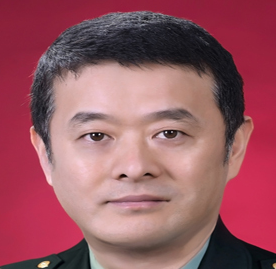 Yinghao Sun (孙颖浩)合作论文数Naval Medical University44
 Shancheng Ren (任善成)合作论文数Department of Urology, Shanghai Changzheng Hospital32
 Chuanliang Xu (许传亮)合作论文数Changhai Hospital20
 Fubo Wang (王富博)合作论文数Changhai Hospital, Second Military Medical University19
 Jian Zhao合作论文数14Zijian Song合作论文数14
 Xiao-Lei Shi (施晓雷)合作论文数Nanjing Drum Tower Hospital14Zhang Wei合作论文数13
 Jianguo Hou (侯建国)合作论文数Department of Urology,Changhai Hospital,Second Military Medical University,Shanghai ,China12
 Xu Gao (高旭)合作论文数Harbin Medical University12
 Xuyu Zhou (周旭宇)合作论文数Changhai Hosipital, Second Military Medical University12
 Yajun Guo (郭亚军)合作论文数School of Pharmaceutical Sciences and Food Engineering, Liaocheng University;School of Pharmacy, Liaocheng University11
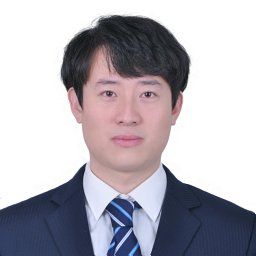 Zhu Yasheng合作论文数Shanghai Changhai Hospital, Second Military Medical University10
 Hao Wang (王浩)合作论文数Key Laboratory for Biomedical Effects of Nanomaterials and Nanosafety, National Center for Nanoscience and Technology, Chinese Academy of Sciences;University of Chinese Academy of Sciences10Xiaoyu Fan (樊孝玉)合作论文数10
 Jing Wei合作论文数9
 Linhui Wang (王林辉)合作论文数School of Health Science and Engineering, University of Shanghai for Science and Technology;Changhai Hospital of Shanghai9Jia Rongjie合作论文数9
 Min Qu合作论文数9Taile Jing (景泰乐)合作论文数8hanxiao wu (吴涵潇)合作论文数8Yaoming Li合作论文数8
 Liping Xie (谢立平)合作论文数Department of Urology, The First Affiliated Hospital, School of Medicine, Zhejiang University8
 Yiran Huang (黄翼然)合作论文数Renji Hospital, School of Medicine, Shanghai Jiao Tong University8Biming He合作论文数7Yifan Chang合作论文数7Yue Yang合作论文数Shanghai Changhai Hosp, Dept Urol, Shanghai, Peoples R China7
 Danfeng Xu (徐丹枫)合作论文数Ruijin Hospital, Shanghai Jiao Tong University School of Medicine7
 Zhangqun Ye (叶章群)合作论文数Tongji Hospital, Tongji Medical College of Huazhong University of Science and Technology;The First Affiliated Hospital of Xiamen University7Lei Cao合作论文数7
 Qiang Wei (魏强)合作论文数West China Hospital, Sichuan University7
 Dingwei Ye (叶定伟)合作论文数Institutes of Biomedical Sciences, Fudan University;Fudan University Shanghai Cancer Center7
 Jianquan Hou (侯建全)合作论文数The First Affiliated Hospital of Soochow University7
 Liqun Zhou (周利群)合作论文数Peking University First Hospital7
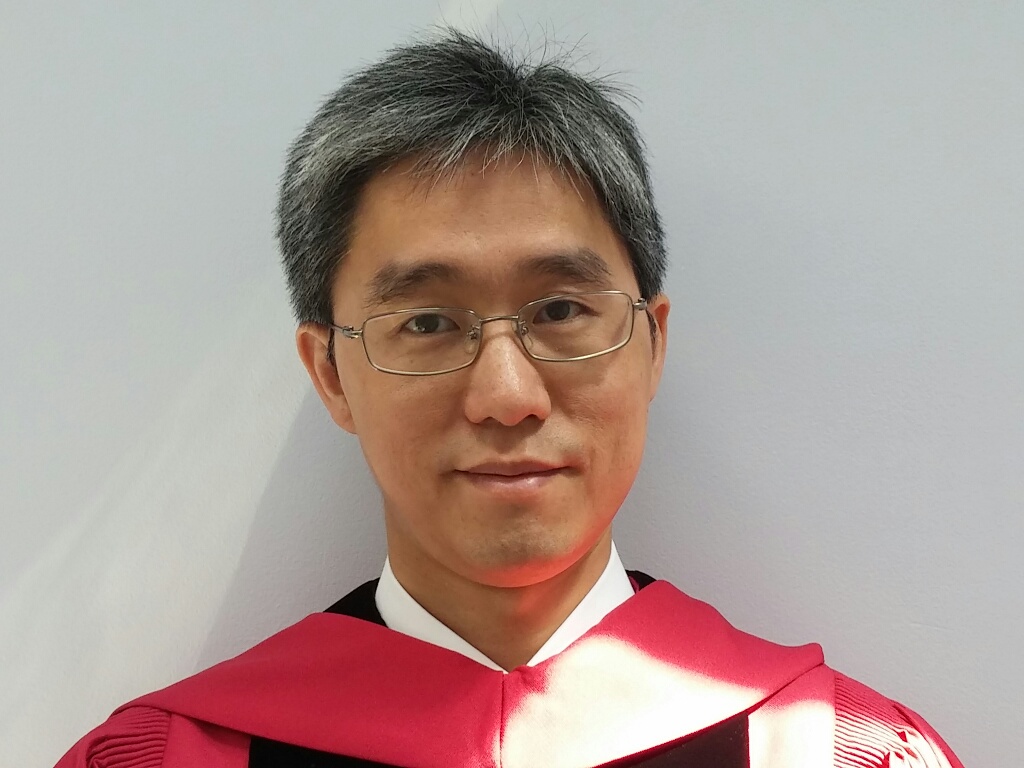 George C. Tseng (曾建城)合作论文数Department of Biostatistics, School of Public Health, University of Pittsburgh7Chao Cheng合作论文数6Yan P Yu合作论文数6
 Ziyu Fang合作论文数6
 Lulin Ma (马潞林)合作论文数Peking University Third Hospital6Bei-Bei Liang合作论文数6
 Dalin He (贺大林)合作论文数The First Affiliated Hospital of Xi’an Jiaotong University;Xi'an Jiaotong University6Chen Lu合作论文数6Chunlei Zhang (张春雷)合作论文数6Lingxuan Zhu合作论文数5
 Depei Kong合作论文数5Minhui Zhu合作论文数5Fei Guo合作论文数5
 Weiming Mou合作论文数Shanghai Jiao Tong University5




