Liver fibrosis (LF) is a central pathological process in the progression of chronic liver disease toward cirrhosis and hepatocellular carcinoma. Currently, there is a lack of effective pharmacological agents capable of reversing liver fibrosis in clinical settings. Although liver transplantation remains the definitive treatment for end-stage disease, it is constrained by several limitations, including donor scarcity, surgical complexity, and immune rejection. In this context, bioengineered materials have emerged as a promising strategy for reversing liver fibrosis, owing to their superior capabilities in targeted delivery, microenvironment regulation, and tissue regeneration. Critically, these materials exert multi-faceted effects rather than targeting a single pathological pathway; they simultaneously intervene in key processes including hepatic stellate cell (HSC) activation, excessive extracellular matrix (ECM) deposition, inflammatory signaling activation, and pathological angiogenesis, thereby enabling precise reconstruction of the liver microenvironment and restoration of function. This review first systematically elaborates the multifaceted pathological mechanisms and key therapeutic targets of liver fibrosis, clarifying the interconnections between different pathological events. It then provides a comprehensive analysis of the categories and design strategies of biomaterials used for liver fibrosis treatment, with an in-depth discussion on the rationale for matching material properties with specific pathological targets. The review highlights the therapeutic mechanisms and application advantages of cutting-edge strategies such as engineered exosomes, biomimetic nanoparticles, and inorganic nanozymes, supplemented with clinical-stage material cases. Finally, it addresses the challenges in clinical translation and potential directions for breakthroughs, aiming to provide a theoretical foundation and technical insights for the development of next-generation anti-fibrotic biomaterials and to facilitate their transition from basic research to clinical application, while also offering valuable references for the treatment of other fibrotic diseases.
Orelabrutinib is a potent, irreversible, and highly-selective BTK inhibitor that has been approved for the treatment of relapsed/refractory chronic lymphocytic leukaemia/small lymphocytic lymphoma (CLL/SLL). This randomized, phase 3 study (ClinicalTrials.gov identifier: NCT04578613) compared orelabrutinib with chemoimmunotherapy in patients with treatment-naïve CLL/SLL. From February 20, 2021, to July 8, 2024, 192 eligible patients were randomly assigned (1:1) to receive either orelabrutinib (91 patients) or chlorambucil plus rituximab (101 patients), comprising the intention-to-treat population. At a median follow-up of 21.4 months (data cutoff, May 17, 2024), the primary endpoint of progression-free survival (PFS) per independent review committee (IRC) was not reached (NR; 95% CI, not estimable [NE]-NE) with orelabrutinib versus 19.4 months (95% CI, 16.6-NE) with chlorambucil plus rituximab (hazard ratio [HR], 0.32; 95% CI, 0.18-0.58; p < 0.0001; crossing the efficacy boundary). The IRC-assessed overall response rate (90.1% vs 79.2%; p = 0.041) and duration of response (HR, 0.30; 95% CI, 0.15-0.60; p = 0.0003) also favored orelabrutinib over chlorambucil plus rituximab. In the safety population, treatment-related adverse events occurred in 82 of 91 patients (90.1%) receiving orelabrutinib and 89 of 98 patients (90.8%) receiving chlorambucil plus rituximab, with 32 (35.2%) and 59 (60.2%) at grade 3 or worse, respectively. Orelabrutinib maintained or improved patient-reported outcomes compared with chemoimmunotherapy. In summary, orelabrutinib significantly improved PFS and response versus chemoimmunotherapy in patients with treatment-naïve CLL/SLL, with a manageable safety profile, supporting it as an effective alternative first-line option.
Background:Natural killer (NK) cells represent a highly promising form of cancer immunotherapy. Recent studies have utilized umbilical cord blood (UCB) as a source of NK cells and achieved encouraging results. However, several challenges remain, including the limited number of NK cells that can be obtained from UCB, as well as the difficulty of ex vivo expansion and functional persistence, which hinder large-scale clinical applications. In addition, the absence of standardized culture systems leads to inconsistent cell purity and cytotoxic activity, thereby limiting the efficacy and translational potential of NK cell-based tumor therapy. Method:We demonstrated that in vitro activation by a combination of cytokines, followed by prolonged expansion with high doses of IL-2, can induce and expand memory-like NK cells from UCB. We performed both in vivo and in vitro investigations into the unique properties of these memory-like NK cells, and analyzed their heterogeneity via single-cell sequencing. Results:These memory-like NK cells displayed augmented proliferation and sustained cytotoxic efficacy. Via single-cell analysis, we detected considerable heterogeneity among UCB-derived NK cells. We identified six cell subsets with well-defined functional characteristics in expanded UCB-derived NK cells, conducted a systematic and in-depth analysis of the gene expression profile of each subset, obtained findings distinct from previous studies, and unraveled the unique transcriptional features of umbilical cord blood-derived NK cells. Moreover, memory-like NK cells exhibited a markedly higher proportion displaying a proliferative phenotype. Notably, we found the HOPX is required in the generation of memory-like NK cells derived from UCB. Conclusion:In conclusion, memory-like NK cells derived from umbilical cord blood exhibit excellent ex vivo expansion capacity and sustained cytotoxicity in vitro and in vivo. HOPX protein is required for the generation and functional maintenance of these cells. Therefore, such cells hold promising clinical potential in tumor immunotherapy.
Objective: To investigate the mechanism of FOXN3 in acute leukemia. Methods: ChIP-seq experiments were performed using FOXN3-specific antibodies to identify FOXN3 target genes in acute myeloid leukemia (AML). Bioinformatics analyses were conducted to determine the enrichment of biological processes and pathways related to cell cycle regulation and apoptosis among the target genes. The transcriptional regulation of the gene of interest was confirmed through RTqPCR, Western blotting, and luciferase reporter assays. Additionally, we examined the significance of FOXN3 on the prognosis of AML patients. Functional studies were performed following the knockdown and overexpression of the target gene in AML cells. Furthermore, we investigated the interaction between FOXN3 and the target gene by co-transfecting AML cells with lentiviruses overexpressing the target gene, followed by examinations of downstream signaling pathways through RNA-seq and pathway enrichment analyses. Results: FOXN3 regulates E2F5 expression, leading to decreased mRNA and protein levels of E2F5 upon FOXN3 overexpression, though additional factors may contribute to this repression. Notably, E2F5 expression was elevated in AML patients and cell lines, correlating with unfavorable clinical outcomes. Functional investigations revealed that E2F5 functions as an oncogene in AML, promoting cell proliferation, inhibiting apoptosis, and influencing cell cycle progression. Co-transfection experiments demonstrated that E2F5 could counteract the proliferation-inhibitory effect of FOXN3. Additionally, FOXN3 was found to modulate the MAPK signaling pathway and its downstream target, EZH2. Conclusion: This study reveals a novel regulatory axis involving FOXN3 and E2F5 in AML. FOXN3 acts as a tumor suppressor by regulating E2F5 and modulating downstream MAPK signaling pathways.
Objective: Aspergillosis is a serious public health concern worldwide; however, its epidemiology and clinical predictors remain poorly characterized among cancer patients in China, particularly in regions such as Jiangxi, where regional data are limited. This study aimed to evaluate the epidemiology, risk factors, and potential utility of routine inflammatory biomarkers in distinguishing Aspergillus colonization from infection in this population. Methods: In the current retrospective study, the epidemiology, risk factors, and blood biomarkers of Aspergillus cases among cancer patients at Jiangxi Cancer Hospital in Nanchang, China, were investigated from 2021 to 2025. Results: There were 354 cases in all, with 14.1% colonization, 43.5% possible infections, and 42.4% probable infections. Almost half of the patients had underlying lung cancer (n = 161, 45.48%), and Aspergillus fumigatus (n = 313, 88.42%) was the most frequently detected species. The use of steroids (OR 18.16, p < 0.001), chemotherapy (OR 5.41, p = 0.003), and high glucose levels (OR 1.68, p = 0.02) were shown to be independent risk factors for infection in all cancer populations. In lung cancer patients, smoking (OR 4.11, p < 0.001), chronic obstructive pulmonary disease (COPD) (OR 3.83, p = 0.02), and steroid usage (OR 3.06, p = 0.03) were independently related to higher infection risk. Biomarker analysis revealed that probable infection was associated with higher neutrophil and white blood cell (WBC) counts, a higher neutrophil-to-lymphocyte ratio (NLR), and metabolic markers, including glucose and creatinine. Principal component analysis (PCA) demonstrated distinct clustering driven by inflammatory signatures. Conclusion: This study provides comprehensive epidemiological data on aspergillosis in a large cohort of cancer patients in Jiangxi, China, and highlights the potential value of routinely available inflammatory markers in differentiating colonization from infection. These findings may support early risk stratification and improve clinical decision-making, particularly in resource-limited settings where advanced fungal diagnostics are not readily available.
Currently, there are no effective pharmacological interventions in clinical practice to reverse liver fibrosis. This study explores the therapeutic potential of regenerated silk fibroin (RSF) scaffolds loaded with dual growth factors for reversing hepatic fibrosis. A chronic liver fibrosis mouse model was induced using carbon tetrachloride (CCl4) combined with a high-fat diet. RSF scaffolds, with or without hepatocyte growth factor (HGF) and fibroblast growth factor-4 (FGF-4), were implanted onto the liver surface to assess antifibrotic efficacy. Liver function was evaluated using biochemical analysis. Compared with controls, the RSF/HGF/FGF-4 group showed significantly reduced serum levels of C-reactive protein (CRP), alanine aminotransferase (ALT), and aspartate aminotransferase (AST). Histopathological analyses (H&E and Masson's trichrome staining) on days 7, 14, and 30 demonstrated marked improvements in liver architecture and a significant reduction in fibrosis (SAF scores, P < 0.05). Immunohistochemistry further revealed neovascularization and bile duct formation by day 14. Transcriptomic profiling showed upregulation of bile duct development pathways and downregulation of inflammatory signaling. Quantitative PCR confirmed increased expression of bile secretion genes (FXR, OAT) and decreased expression of NF-κB pathway genes (TRAF2, Bax). These findings highlight the RSF/HGF/FGF-4 scaffold as a promising cell-free strategy for promoting functional liver regeneration and reversing chronic liver fibrosis.
Heparin-induced thrombocytopenia (HIT) is now recognized as one subset of a broader group of disorders: anti-platelet factor 4 (anti-PF4) disorders. This review provides an updated framework for anti-PF4 immunothrombosis without proximate heparin exposure—a clinical syndrome with phenotypic and laboratory features resembling classic HIT but with no recent heparin use (no heparin exposure within 14 days before onset). The core characteristics are a ≥50% platelet count decrease from baseline or an absolute platelet count <100×109/L, often associated with elevated arterial or venous thrombosis risk. Historically, these heparin-independent syndromes encompass spontaneous HIT-like syndrome, vaccine-induced immune thrombotic thrombocytopenia (VITT/TTS), and autoimmune HIT (aHIT)—notably, nearly all aHIT cases are initiated by prior heparin exposure before progressing to sustained heparin-independent platelet-activating antibodies. This review exclusively focuses on patients with no heparin exposure within 14 days of symptom onset, including: (1) patients with prior heparin exposure >14 days ago whose antibodies have evolved heparin-independent pathogenicity (aHIT), (2) patients with truly spontaneous HIT-like syndrome without any prior heparin, and (3) VITT. For aHIT specifically, prior heparin exposure is the initiating event in >95% of cases, but the antibodies become heparin-independent over time; thus these patients fall within our 14-day window of interest when presenting with delayed-onset thrombocytopenia beyond the acute heparin exposure phase. Pathogenesis centers on PF4-driven abnormal immune responses: PF4 forms complexes with polyanions (von Willebrand factor [VWF], pathogen surface molecules, etc.), inducing pathogenic antibodies that activate platelets via FcγRIIA, creating a self-amplifying “immune activation–thrombosis” cycle. Diagnosis requires combined clinical, laboratory, and imaging evaluation to distinguish from other thrombocytopenia-with-thrombosis disorders. Current treatment includes non-heparin anticoagulation plus high-dose IVIG for heparin-independent forms. Future research should validate diagnostic criteria, biomarkers, and targeted therapies.
Endoscopic submucosal dissection (ESD) is the preferred treatment for early esophageal cancer. However, extensive mucosal dissection frequently results in esophageal stricture. This study aimed to evaluate the efficacy of Three-dimensional (3D)-printed silk fibroin scaffolds (SFS) loaded with adipose-derived stem cells (ADSCs) in preventing post-ESD esophageal stricture, and to explore the underlying mechanisms. A near-circumferential ESD model was established in pigs, three groups were set: Control, SFS and ADSCs-SFS. The dynamic change of postoperative esophageal healing and stricture formation were monitored endoscopically. On postoperative Day 28, esophageal specimens were collected to measure mucosal contraction rate, followed by histological evaluation of inflammation and fibrosis, as well as mRNA transcriptome sequencing to analyze gene expression and the change of the enriched signaling pathways. On Day 28, the ADSCs-SFS group showed significantly less weight loss and a markedly reduced mucosal contraction rate. Histological examination revealed more complete mucosal regeneration and significantly reduced collagen deposition in the ADSCs-SFS group. Molecular analyses indicated significant downregulation of inflammatory and fibrotic markers in the ADSCs-SFS group. Transcriptome analysis suggested that ADSCs-loaded SFS effectively alleviates esophageal stricture following ESD in pigs, likely through suppression of the PI3K/AKT signaling pathway and reduction of inflammation and fibrosis.
Introduction Despite recent advances in treating myelofibrosis (MF)-associated splenomegaly and symptoms, disease- and treatment-associated cytopenias remain challenging.Gecacitinib (GCA), a JAK and ACVR1 dual inhibitor, demonstrated spleen, symptom, and anemia benefits in intermediate- and high-risk MF. A matching-adjusted indirect comparison of GCA versus ruxolitinb (presented on 2025 EHA congress; PS1839) reported GCA offered a trend of higher splenic benefits and was associated with significantly less grade 3/4 anemia and neutropenia compared with ruxolitinib (RUX). To evaluate the efficacy and safety of GCA in patients with MF and thrombocytopenia (platelet counts <100 × 109/L), we conducted a post-hoc analyses with pooled data sets from 4 clinical studies: ZGJAK016 (phase 3; GCA versus hydroxyurea; JAK inhibitor naïve), ZGJAK002 (phase 2; GCA optimal dosing frequency exploration; JAK inhibitor naïve), ZGJAK006 (phase 2; GCA single arm; intolerant to RUX), and ZGJAK017 (phase 2; GCA single arm; refractory or relapsed to RUX). Methods Detailed study designs for these studies have been published. In the ZGJAK016 study, patients received randomized treatment for 24 weeks (main study period); thereafter, patients who didn't achieved a 35% reduction in spleen volume from baseline (SVR35) at week 24 could receive open-label GCA 100 mg BID for an extension period, whereas patients who achieved a SVR35 could continue receiving the initially assigned treatment. In the other 3 studies, patients received open-label GCA at different doses (100 mg BID, 150 mg QD and 100 mg QD) for 24 weeks (main study period) and then could continue in the extension period. The primary endpoint of these study was 24-week rate of SVR35. The key secondary endpoints included 24-week rate of total symptom score reduction by 50% or more (TSS50), improvement in anemia at week 24 (including the conversion rate of baseline transfusion-dependence to independence, proportion of non-transfusion-dependent patients with baseline hemoglobin ≤100 g/L achieving an increase of ≥20 g/L, and reduction in red blood cell transfusion frequency or unit by ≥50%). Data were pooled from patients with platelet counts <100 × 109/L at baseline who received at least one dose of GCA, with enrollment dates from 2019 to 2022. Only 1 patient in the hydroxyurea group from ZGJAK016 had platelet counts <100 × 109/L, thereby being excluded. These post hoc, exploratory, efficacy and safety analyses are descriptive. Results A total of 24 of 273 patients (9%) received GCA in ZGJAK016 (n=1), ZGJAK002 (n=3), ZGJAK006 (n=12) and ZGJAK017 (n=8) had baseline platelet counts <100 × 109/L (moderate thrombocytopenia) and only 1 patient (6%) had baseline platelet counts <50 × 109/L (severe thrombocytopenia). Of the 24 patients, 19 patients received 100 mg BID as initial dose (JAKi-naïve, n=4; RUX-intolerant, n=7; RUX-refractory/relapsed, n=8), 4 and 1 received 150 mg QD and 100 mg QD (all were RUX-intolerant). The SVR35 rate at week 24 were 75%, 42% and 25% in the JAKi-naïve, RUX-intolerant and RUX-refractory/relapsed patients. The TSS50 rate at week 24 were 50%, 33% and 50%, respectively. The proportion of non-transfusion-dependent patients with baseline hemoglobin ≤100 g/L achieving a ≥20 g/L increase in hemoglobin level by week 24 were numerically higher in the JAKi-naïve patients (67%, 50% and 50%). Mean platelet counts either increased or were maintained from baseline levels over the 24-week main period. Overall, 79% of 24 patients completed the main study period. Half of the patients had dose suspension or reduction due to adverse events and 3 patients with lower starting dose had a dose increase to 100 mg BID (2 in the main period and 1 in the extension period). After study termination, 8 patients continued to take GCA for compassionate use. As of the data cutoff (25 June 2025), 4 patients were receiving GCA, with all remaining on therapy for >4 years. A median duration of treatment was 17.4 months (range, 0.5-69.4 months). The most common (occurring in ≥10% of patients) treatment-emergent adverse events during the initial 24-week treatment were generally consistent with those reported in the overall population. One exception was a higher incidence of thrombocytopenia (Any grade: 67%; Grade ≥3: 46%), however most were manageable and only 2 led to discontinuation. Conclusions GCA represents a safe and effective treatment option for MF patients with moderate thrombocytopenia.
This study evaluates the safety and efficacy of cold snare polypectomy (CSP) and hot snare polypectomy endoscopic mucosal resection (HSP-EMR) for small sessile colorectal polyps in the elderly population. Patients with small sessile colorectal polyps were randomized to either CSP or HSP-EMR, including 80 patients in the observation group (CSP) and 125 patients in the control group (HSP-EMR). General data, titanium clip utilization rates, complete resection rates, immediate bleeding rates, specimen recovery rates, incidence of delayed bleeding, perforation rates, and incidence of abdominal discomfort were compared between the 2 groups. There were no significant differences in the distribution of general data (age, gender, location, morphology, and pathological type) or underlying diseases (hypertension and diabetes) between the 2 groups ( P > .05). There were no significant differences in the complete resection rate, specimen recovery rate, or delayed bleeding rate between the 2 groups ( P > .05). The utilization rate of titanium clips and the incidence of abdominal discomfort in the observation group were significantly lower than those in the control group. The immediate bleeding rate was higher in the observation group than that in the control group. The difference between the 2 groups was statistically significant ( P < .05). No perforation occurred in either of the groups. Group discussion was conducted according to whether postoperative complications occurred. Univariate and binary logistic regression analysis was used to analyze the risk factors of postoperative complications. The average polyp diameter, body mass index and surgical method were independent risk factors for postoperative complications ( P < .05). CSP and HSP-EMR are safe and efficacy in the treatment of small sessile colorectal polyps in elderly people. For overweight and obese people with large polyps, HSP-EMR patients should be closely observed for postoperative complications.
Objective:This study aims to identify key risk factors associated with the development of breakthrough invasive fungal infections (BIFI) in pediatric acute leukemia patients to improve early detection and intervention strategies. Method:A retrospective analysis was conducted on 160 pediatric patients with acute leukemia admitted to Anhui Provincial Children's Hospital between October 2018 and June 2022. The study evaluated the impact of various clinical parameters on BIFI risk using univariate and multivariable analyses, with data including patient demographics, treatment regimens, and infection outcomes. The predictive model was assessed using receiver operating characteristic (ROC) curve analysis, calibration plots, and decision curve analysis (DCA). Result:Among the 160 pediatric acute leukemia patients, 34 (22.22%) developed BIFI. Univariate analysis identified longer durations of neutrophil deficiency (P < 0.001), broad-spectrum antibiotic use (P < 0.001), higher volumes of red blood cell transfusions (P = 0.001), and elevated C-reactive protein (CRP) levels (P < 0.001) as significant factors associated with BIFI. Multivariable analysis confirmed these as significant predictors, with odds ratios for neutrophil deficiency (OR = 1.38, 95% CI [1.15, 1.69]), antibiotic use (OR = 1.41, 95% CI [1.10, 1.84]), transfusions (OR = 2.54, 95% CI [1.39, 5.13]), and CRP levels (OR = 1.10, 95% CI [1.04, 1.17]). The model validation showed strong predictive performance with an AUC of 0.890 (95% CI: 0.828-0.952), good calibration (Brier score = 0.099), and demonstrated clinical utility across a range of risk thresholds. Conclusion:The study highlights the importance of considering these key predictors in the management of pediatric acute leukemia patients to mitigate the risk of BIFI. Incorporating these factors into personalized treatment strategies could enhance early intervention, reduce infection rates, and improve overall patient outcomes.
Liver fibrosis (LF) is an important process in the progression of chronic liver disease to cirrhosis. We have previously demonstrated that a regenerated silk fibroin scaffold loaded with adipose-derived stem cells (RSF + ADSCs) can repair acute liver injury. In this study, we established a chronic LF animal model using carbon tetrachloride (CCl4) and a high-fat diet. We then investigated the liver repair capacity after transplanting RSF + ADSC scaffolds and RSF scaffolds onto the liver surface of mice. Compared with the control group, the concentrations of ALT and AST in the serum were significantly reduced in the RSF and RSF + ADSC groups. HE staining and Masson trichrome staining revealed a decrease in the SAF score in both the RSF and RSF + ADSC groups. Meanwhile, the biomarkers of blood vessels and bile ducts, such as CD34, ERG, muc1, and CK19, were significantly elevated in the RSF + ADSC group. Finally, transcriptome analysis showed that the PPAR signaling pathway, which inhibits liver fibrosis, was significantly upregulated in both the RSF and RSF + ADSC groups. Our study suggests that, compared with RSF scaffolds alone, RSF + ADSCs have a significant repair effect on chronic LF in mice.
IntroductionThe prognosis of relapsed or refractory mature T- and natural killer (NK)-cell lymphoma remains dismal. Novel agents are urgently needed to improve the outcomes for this population.MethodsIn this phase 2, multicenter, open-label, single-arm study (NCT03776279), the authors report the efficacy and safety of liposomal mitoxantrone (Lipo-MIT) monotherapy in patients with relapsed or refractory mature T- and NK-cell lymphoma. Lipo-MIT was administered intravenously at 20 mg/m2 once every 4 weeks. The primary end points were the objective response rate (ORR) determined by the independent review committee (IRC) and investigators. Secondary end points included duration of response (DoR), progression-free survival (PFS), overall survival (OS), and safety.ResultsFrom April 26, 2018, to August 10, 2022, 108 eligible patients were enrolled and treated at 26 study centers in China. The ORRs were 41.7% (95% confidence interval [CI], 32.3-51.5%) per IRC and 46.3% (95% CI, 36.7%-56.2%) per investigators; 25 (23.1%) and 15 (13.9%) patients, respectively, achieved complete response. With a median follow-up of 29.5 months, median PFS per IRC was 8.5 months (95% CI, 6.0-11.9); median OS was 23.3 months (95% CI, 12.0-not evaluable); median DoR per IRC was not reached. The most frequent treatment-emergent adverse events were decreased white blood cell count (75, 69.4%), decreased neutrophil count (73, 67.6%), and decreased platelet count (47, 43.5%).ConclusionsLipo-MIT monotherapy showed robust and durable antitumor activity with a manageable safety profile, representing a new therapeutic option in relapsed or refractory mature T- and NK-cell lymphoma.
IntroductionCircular RNAs (circRNAs) have been reported to be important in the development and progression of breast cancer. Nevertheless, the biological functions and mechanisms underlying the action of circRNAs in triple-negative breast cancer (TNBC) remain poorly understood. The present study aimed to explore the role of hsa_circ_0001910 (also termed circWWC3) interacting with vimentin in regulating the secretion of Colony Stimulating Factor 2 (CSF2) and its effects on the malignant biological behavior of triple-negative breast cancer as well as the cytotoxic activity of NK cells.MethodsRNA-Seq was utilized to investigate potential circRNAs involved in five pairs of breast cancer (BC) tissues and their corresponding normal tissues. Fluorescence in situ hybridization (FISH) was conducted to verify the relationship between circWWC3 expression and patient clinical pathological parameters, as well as its intracellular localization. Gain- and loss-of-function assays were conducted to investigate the biological functions of circWWC3 in TNBC. A microarray analysis of mRNA expression profiles was conducted to explore the downstream target genes of circWWC3. RNA pull-down assays, RNA immunoprecipitation (RIP), and mass spectrometry were carried out to uncover the proteins interacting with circWWC3. Rescue experiments were performed to investigate the potential regulatory role of circWWC3 in the progression of TNBC in vivo and in virto.ResultsIn our present study, Circular RNA sequencing analysis revealed that the expression of circWWC3 was significantly upregulated in breast cancer (BC). FISH assay results indicated that circWWC3 is highly expressed in TNBC, and its elevated expression is associated with the patient’s T stage and lymph node metastasis, and it is primarily localized in the cytoplasm. The results of gain- and loss-of-function assays indicate that knockdown of circWWC3 significantly suppressed the proliferation, invasion, and migration of TNBC cells, while enhancing the killing efficiency of NK-92MI cells against TNBC cells. In contrast, overexpression of circWWC3 exhibited the opposite effects. The microarray analysis data indicated that CSF2 may be a downstream target of circWWC3. Interaction of circWWC3 with vimentin and their downstream target genes was confirmed by RNA pull-down, RIP, and mass spectrometry. Rescue experiments confirmed that vimentin knockdown partially counteracted the tumor-promoting effects of circWWC3. Further analysis revealed that circWWC3 upregulates CSF2 secretion mainly through its interaction with vimentin, a core component of the Epithelial-mesenchymal transition (EMT) signaling pathway, thereby facilitating the malignant progression of TNBC.ConclusionOverall, our findings reveal that elevated expression of circWWC3 serves a role in the malignant progression of TNBC by directly interacting with the S56 phosphorylation site of vimentin, an interaction that is associated with increased secretion of CSF2. Furthermore, circWWC3 emerges as a potential biomarker for breast cancer diagnosis and presents an attractive therapeutic target for the treatment of TNBC.
Recent studies have linked beta-blocker (BB) use in critical care settings with improved survival outcomes, potentially due to beta-adrenergic receptor (β-AR) blockade and associated anti-inflammatory effects. Given the immune system’s role in the development of graft-versus-host disease (GVHD)—a major complication of allogeneic hematopoietic stem cell transplant (allo-HCT)—we conducted a single-center retrospective review to assess the impact of BB use on acute GVHD (aGVHD) and other survival outcomes in patients undergoing their first allo-HCT. We analyzed 10 years of data (January 2010 to May 2020), including 105 patients who received a BB for more than four days before and after HCT, and 669 control patients who did not receive a BB. Patients on BBs had a lower incidence of aGVHD (55.2% vs. 65.8%, p = 0.036); however, this difference was not statistically significant in multivariate analysis (p = 0.150). When stratified by BB mechanism, outcomes varied: non-selective BBs were associated with lower post-HCT weight (p = 0.034), and vasodilating BBs showed a borderline reduction in length of stay (LOS) (p = 0.054). While our findings confirm the pharmacological safety of BBs in this population, they do not support their routine use for modifying allo-HCT outcomes. Future prospective studies with larger cohorts are needed to further explore the role of BBs in peri-HCT management and to clarify their clinical implications and therapeutic potential.
How to maintain the efficacy of blood coagulation while minimizing thermal damage has been a significant challenge in the optimization of clinical electrosurgical units (ESUs). Recent studies have reported that reactive species produced by low-temperature plasma (LTP) can promote blood coagulation. In this study, two forms of home-made atmospheric pressure plasma jets (APPJs) were compared to argon plasma coagulation (APC) and utilized in three different porcine bleeding models. The results indicated that APPJ can effectively generate reactive oxygen and nitrogen species (RONS), including OH radicals, excited nitrogen molecules and O atoms. Although no significant differences in coagulation rates were observed among the three devices, APPJs exhibited lower maximum operating temperatures. The results of H&E staining revealed that APPJs resulted in reduced thermal damage as well. In conclusion, two self-developed APPJs demonstrated reliable coagulation efficacy with reduced thermal damage in comparison to APC. The study provides valuable insights and empirical support for the future optimization of ESUs.
 Li Yu (于力)合作论文数Shenzhen University General Hospital37
 Rui Zhang合作论文数21
 Jianda Hu (胡建达)合作论文数2nd Affiliated Hospital, Fujian Medical University20Yonghui Li合作论文数19Na Lv (律娜)合作论文数17
 Xiaojun Huang (黄晓军)合作论文数Peking University People's Hospital;Institute of Hematology, Peking University;Center for Life Sciences17
 Jianyong Li (李建勇)合作论文数Jiangsu Province Hospital17
 Jie Jin (金洁)合作论文数The First Affiliated Hospital, Zhejiang University School of Medicine;Zhejiang University Cancer Center16
 Yu Jing (靖彧)合作论文数Chinese PLA General Hospital15
 Depei Wu (吴德沛)合作论文数The First Affiliated Hospital of Soochow University;State Key Laboratory of Radiation Medicine and Protection, Soochow University14
 Xiaojing Yan (颜晓菁)合作论文数中国医科大学附属第一医院血液科14Wang Lili合作论文数12
 Xin Du (杜欣)合作论文数Guangdong Provincial People's Hospital12Huang Sai合作论文数11
 Ting Liu (刘霆)合作论文数West China Hospital of Sichuan University11
 Jun Ma (马军)合作论文数哈尔滨血液病肿瘤研究所11
 Kang Yu (俞康)合作论文数The First Affiliated Hospital of Wenzhou Medical University10
 Wenrong Huang (黄文荣)合作论文数Chinese PLA General Hospital10
 Yu Hu (胡豫)合作论文数Union Hospital, Tongji Medical College, Huazhong University of Science and Technology10
 He Huang (黄河)合作论文数The First Affiliated Hospital, Zhejiang University School of Medicine;Zhejiang University Institute of Hematology10Sujun Gao合作论文数10Li Shibo合作论文数9
 Bing Xu (徐兵)合作论文数The First Affiliated Hospital of Xiamen University9
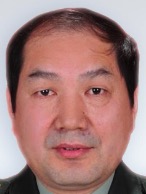 Chunji Gao (高春记)合作论文数School of Medicine, NanKai University;Chinese People's Liberation Army General Hospital9
 Jianmin Wang (王健民)合作论文数Changhai Hospital9Wenbin Mo (莫文斌)合作论文数9
 Yongping Song (宋永平)合作论文数Henan Cancer Hospital9Huanling Zhu合作论文数8PingPing Wang (王萍萍)合作论文数8
 Honghua Li (李红华)合作论文数Chinese PLA General Hospital8Juan Li (李娟)合作论文数School of Medicine, Xiamen University8
 Yue Wang合作论文数8Jinjing Zhang合作论文数8
 Chun Wang (王椿)合作论文数GoBroad Medical Institute of Hematology (Shanghai Center)8
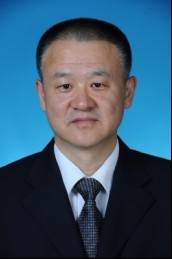 Chunyan Ji (纪春岩)合作论文数Qilu Hospital of Shandong University8
 Jianfeng Zhou (周剑峰)合作论文数Tongji Hospital, Tongji Medical College, Huazhong University of Science and Technology8
 Yaopeng Zhang (张耀鹏)合作论文数College of Materials Science and Engineering, Donghua University;Department of Human Resources, Donghua University;State Key Laboratory for Modification of Chemical Fibers and Polymer Materials, Donghua University8
 Hongmei Jing (景红梅)合作论文数Peking University Third Hospital8Shuo Zhao合作论文数7Zi-Long Yao合作论文数7Xianglan Lu合作论文数7Zhanbo Wang合作论文数Chinese Peoples Liberat Army Gen Hosp, Dept Pathol, Beijing 100853, Peoples R China7Qingyu Xu合作论文数Heidelberg Univ, Med Fac Mannheim, Dept Hematol & Oncol, Mannheim, Germany7
 Daihong Liu (刘代红)合作论文数School of Medicine, Nankai University;Chinese PLA General Hospital7
 Linhua Yang (杨林花)合作论文数Department of Hematology, The Second Hospital of Shanxi Medical University7
 Junling Zhuang (庄俊玲)合作论文数Peking Union Medical College Hospital7
 Wei Xu (徐卫)合作论文数Jiangsu Province People Hospital7
 Wei Zhang (张薇)合作论文数Department of Hematology, PUMC Hospital7
 Qian Jiang (江倩)合作论文数Peking University People's Hospital, Qingdao7




