Supplemental Figure S3. A, Efficacy of anti-CLDN6 mouse antibodies in CLDN6 positive OV90 ovarian cancer cell line xenografts. B, Efficacy in CLDN6 positive UMUC4 bladder cancer cell line xenografts. C, No efficacy in CLDN6 negative M202 melanoma cell line xenografts. All antibodies are dosed at 10 mg/kg QW IV in each study. Errors bars represent SEM of 8 replicate animals per group.
Supplemental Figure S6: In vivo efficacy of a range of doses of CLDN6-23-ADC in M202 xenograft models. ADC dosing is IV QW as indicated by the arrows
Supplemental Figure S8. A. Layout of tissues and B. Scanned whole-slide image of BN1021, normal human tissue microarray stained for CLDN6 expression showing no staining.
IntroductionAcute lung injury (ALI) is a life-threatening respiratory disorder characterized by excessive inflammation and oxidative stress, with no specific pharmacological therapy currently available. Cornuside (CNS), a bioactive iridoid glycoside derived from Cornus officinalis (Sieb. et Zucc.), has garnered increasing attention for its bone-protective, neuroprotective, anti-inflammatory, and anti-diabetic properties, yet its effects on ALI remain unclear.MethodsMale C57BL/6J mice received intratracheal lipopolysaccharide to induce ALI and intragastric CNS (25 or 50 mg/kg) 1 h before and 3 h after LPS. Lung injury was assessed by survival, wet/dry ratio, bronchoalveolar lavage fluid (BALF) protein, histology, and open-field testing. Oxidative stress was evaluated by MPO, MDA, and GSH-PX assays. Keap1-Nrf2 pathway activation was analyzed by Western blot and immunofluorescence of Keap1, Nrf2, GPX4, and NQO1, including Nrf2 nuclear translocation. In vitro, bone-marrow-derived macrophages and J774A.1 cells were used to measure NLRP3 inflammasome activation, caspase-1 cleavage, IL-1β release, and GSDMD-mediated pyroptosis by ELISA, Western blot, confocal imaging, and propidium iodide staining. Lung RNA sequencing identified differentially expressed genes and enriched pathways related to oxidative stress and inflammation.ResultsCNS significantly improved survival, reduced pulmonary edema, and alleviated lung inflammation and locomotor deficits in LPS-challenged mice. Transcriptomic analysis revealed downregulation of oxidative stress- and inflammation-related pathways. CNS inhibited NLRP3 inflammasome activation, as shown by decreased caspase-1 cleavage, IL-1β release, GSDMD processing, and ASC speck formation in vivo and in vitro. In parallel, CNS activated the Keap1-Nrf2 pathway, increasing nuclear Nrf2 translocation and the expression of antioxidant proteins (GPX4, NQO1), while reducing oxidative stress markers MPO and MDA.DiscussionThese findings demonstrate that CNS protects against LPS-induced ALI by concurrently suppressing NLRP3 inflammasome-mediated pyroptosis and enhancing Keap1-Nrf2 antioxidant signaling. This dual mechanism highlights CNS as a promising natural therapeutic candidate for ALI and related oxidative stress-driven lung diseases.
Supplemental Figure S4: Binding of CLDN6-23-ADC (5 μg/ml) in artificial cell lines overexpressing CLDN3, CLDN4, CLDN6 or CLDN9 by flow cytometry.
Supplemental Figure S7. CLDN6 expression in ovarian and endometrial cancer tissue samples.
目的:初步总结精准测量指导经导管主动脉瓣置换术(TAVR)治疗重度主动脉瓣反流的中短期疗效.方法:连续纳入 2019 年 1 月至 2022 年 10 月期间在中国医学科学院阜外医院诊断重度主动脉瓣反流并行TAVR治疗的 37 例患者,采用两款国产自展式瓣膜Venus A瓣膜(杭州启明)和VitaFlow瓣膜(上海微创)完成TAVR.收集并分析患者的基线信息、CT测量和解剖分型、围术期情况和 1 年内随访指标.结果:37 例重度主动脉瓣反流患者的年龄为(73.1±8.7)岁,男性 23 例(62.2%).美国胸外科医师协会(STS)评分为(8.6±2.1)%.37 例患者的CT解剖分型分为 4 型:1 型 17 例(45.9%)、2 型 3 例(8.1%)、3 型 13 例(35.1%)和 4 型 4 例(10.8%).19 例(51.3%)置入VitaFlow瓣膜,18 例(48.6%)置入Venus A瓣膜.TAVR即刻器械成功率为67.6%(25/37),手术成功率为 86.5%(32/37),"瓣中瓣"置入 8 例(21.6%),永久性起搏器植入 9 例(24.3%).单因素Logistic回归分析显示,窦管交界直径、人工瓣膜类型和CT解剖分型是器械失败的影响因素(P均<0.05).1 年随访死亡 2 例,1 例 3 型患者单瓣置入成功后 3 个月瓣膜下移实施"瓣中瓣"置入.与基线相比,患者术后 1 年内左心室射血分数逐渐增高,左心室舒张末期内径持续缩小,N末端B型利钠肽原水平显著降低.结论:应用自展式瓣膜行TAVR治疗解剖分型合适的重度主动脉瓣反流安全、可行且 1 年效果显著.
Newer generation bioresorbable scaffolds (BRSs) with thinner struts and improved deliverability are expected to enhance safety and efficacy profiles. Bioheart (Bio-Heart, Shanghai, China) BRS is constructed from a PLLA (poly-l-lactic acid) backbone coated with a PDLLA (poly d-l-lactic acid) layer eluting sirolimus. We report 2-year serial intracoronary imaging findings. In this first-in-human study, 46 patients with single de novo lesions in native coronary vessels (vessel size 3.0–3.75 mm, lesion length ≤ 25 mm) were enrolled at a single institution. Baseline intravascular ultrasound (IVUS) and post-implantation IVUS and optical coherence tomography (OCT) examinations were mandatory. After successful implantations of BRS, the 46 patients were randomized to two different follow-up cohorts in a 2:1 ratio. Thirty patients in cohort 1 had to undergo angiography, IVUS, and OCT follow-ups at 6 and 24 months, respectively. The 16 patients in cohort 2 underwent the same types of imaging follow-ups at 12 and 36 months, respectively. Clinical follow-ups were scheduled uniformly in both cohorts at 1, 6, and 12 months and annually up to 5 years for all patients. Between August and November 2016, a total of 54 patients were assessed. However, 8 patients could not meet all the inclusion criteria; thus, the remaining 46 patients (age 57.5 ± 8.7 years, 34.8% female, 50.0% with unstable angina, 26.1% diabetics) with 46 target lesions were enrolled in this study. All patients in both cohorts were required to complete clinical follow-up uniformly and regularly. In cohort 1, one patient had definite scaffold thrombosis within 6 months of follow-up; thus, after 6 months, cohort 1 had 96.7% patients . Imaging follow-up was available in 24 patients, and in-scaffold late loss was 0.44 ± 0.47 mm; intracoronary imaging confirmed the late loss was mainly due to to neointimal hyperplasia, but not scaffold recoil. Serial 2-year clinical and imaging follow-up results confirmed the preliminary safety and efficacy of Bioheart BRS for treatment of simple coronary lesions.
This study aimed to investigate the long-term biocompatibility, safety, and degradation of the ultrathin nitrided iron bioresorbable scaffold (BRS) in vivo, encompassing the whole process of bioresorption in porcine coronary arteries. Fifty-two nitrided iron scaffolds (strut thickness of 70 mu m) and 28 Vision Co-Cr stents were randomly implanted into coronary arteries of healthy mini-swine. The efficacy and safety of the nitrided iron scaffold were comparable with those of the Vision stentwithin 52 weeks after implantation. In addition, the long-term biocompatibility, safety, and bioresorption of the nitrided iron scaffold were evaluated by coronary angiography, optical coherence tomography, micro-computed tomography, scanning electron microscopy, energy dispersive spectrometry and histopathological evaluations at 4, 12, 26, 52 weeks and even at 7 years after implantation. In particular, a large number of struts were almost completely absorbed in situ at 7 years follow-up, which were first illustrated in this study. The lymphatic drainage pathway might serve as the potential clearance way of iron and its corrosion products.
经导管主动脉瓣置换术(TAVR)和经导管二尖瓣置换(TMVR)能用于治疗主动脉瓣位和二尖瓣位的外科瓣生物瓣衰败,然而一站式经股同期行TAVR和TMVR治疗双生物瓣衰败鲜有报道.本报告将展示一例主动脉瓣位与二尖瓣位双外科生物瓣衰败患者的详细CT评估,围术期经食道超声心动图测量和完整经导管双瓣膜置换操作.
目的:分析冠状动脉低开口(≤10 mm)的症状性重度主动脉瓣狭窄患者接受经导管主动瓣置换术(TAVR)治疗的有效性及安全性.方法:选择2012年12月至2021年12月中国医学科学院阜外医院行TAVR治疗的患者622例,分为冠状动脉开口高度>10 mm组(n=556);冠状动脉开口高度≤10 mm组(n=66,均经术前影像学筛选,排除冠状动脉阻塞高风险后接受TAVR治疗);对两组患者的基线临床资料、手术方法及效果进行回顾性分析.结果:两组患者各项基线临床资料差异均无统计学意义(P均>0.05).全部患者早期手术成功率较高(83.28%);冠状动脉开口高度≤10 mm组和冠状动脉开口高度>10 mm组术中使用第二枚瓣膜、术后早期植入起搏器、早期全因死亡、脑卒中、严重血管并发症发生率差异均无统计学意义(P均>0.05).与术前比较,两组患者术后主动脉瓣平均跨瓣压差均明显减低(P<0.01),主动脉瓣瓣口面积均明显扩大(P<0.01),但两组间比较差异均无统计学意义(P均>0.05).冠状动脉阻塞发生率两组间差异无统计学意义(0.72%vs.0%,P=0.49).冠状动脉开口高度≤10 mm组需要进行冠状动脉保护的患者比例较冠状动脉开口高度>10 mm组明显增高(6.06%vs.1.44%,P<0.01),经冠状动脉保护后无患者出现冠状动脉阻塞或围术期死亡、脑卒中等并发症.结论:经术前细致影像学筛选的冠状动脉低开口患者接受TAVR治疗安全、有效.对冠状动脉低开口患者结合形态学特征、冠状动脉开口水平瓣叶结构及窦部宽度评估冠状动脉阻塞风险,并进行适当冠状动脉保护,是避免冠状动脉阻塞的可行方法.
Objective: To summarize the single center experience of transcatheter aortic valve replacement (TAVR) with a simplified operative protocol. Methods: Consecutive patients who underwent transfemoral TAVR (TF-TAVR) from July 2020 to December 2020 in Fuwai Hospital were retrospectively analyzed. We compared the baseline characteristic, procedure information, 30-day follow-up outcomes of the patients who underwent TF-TAVR without the simplified operative protocol (routine group) or with the simplified operative protocol (simplified protocol group). Results: 93 patients were collected, 42 patients belonging to routine group, 51 patients belonging to simplified protocol group. In simplified protocol group, there were 51 patients planned to use ultrasound-guided femoral access puncture, procedure was successful in all 51 patients (100%). There were 49 patients planned to use the radial artery as the secondary access, procedure was successful in 45 patients (92%). There were 48 patients planned to use the strategy of avoidance of urinary catheter, this strategy was achieved in 35 patients (73%). There were 12 patients planned to use the left ventricular guidewire to pace, procedure was successful in 11 patients (92%). There were no differences in baseline characteristics, major clinical endpoints and 30-day follow-up outcomes between the two groups. Meanwhile, the procedure time ((62.5±17.9)min vs. (78.3±16.7)min, P<0.001), operation room time ((133.7±25.1)min vs. (159.2±42.6)min, P<0.001), X-ray exposure time ((17.2±6.5)min vs. (20.2±7.7)min, P=0.027) were significantly shorten in simplified protocol group compared with the routine group. Conclusion: Our study results indicate that the simplified operative protocol of TF-TAVR is as effective and safe as the routine operative protocol, meanwhile using the simplified operative protocol can significantly increase the operative efficiency of TF-TAVR.
经导管主动脉瓣置换术(transcatheter aortic valve replacement,TAVR)操作首要考虑的问题为入路问题,股动脉入路是TAVR的优先入路,约95%以上的患者临床选择股动脉入路 [1].然而部分患者因合并严重的外周动脉疾病,导致经下肢动脉入路进行TAVR较为困难 [2-3],一旦出现出血等并发症可危及患者生命[4-5].因此TAVR下肢入路的术前评估尤为重要[6-7],术中处理也十分具有挑战性和技巧性 [8-9].
Objective:To investigate the safety and efficacy of left ventricular guidewire pacing during transcatheter aortic valve replacement (TAVR).Methods:This is a retrospective study. Thirteen patients, who underwent TAVR with left ventricular guidewire pacing from October 2019 to December 2019 in Fuwai Hospital, were included. Clinical data and operational procedure data of the patients were collected. Changes in blood pressure and electrocardiogram were observed during operations. Ascending aorta angiography was performed to evaluate the regurgitation of aortic valve after valve implantion. The incidence of major adverse cardiac events during hospitalization and at 3-months after discharge was recorded.Results:There were 7 male and 6 female patients in this cohort,and age was (73.8±8.3) years old. Among the 13 patients, 9 were tricuspid aortic valves, 3 were bicuspid aortic valves, and 1 was degenerated bioprosthetic surgical aortic valve. TAVR were successfully performed in all of the 13 cases using pacing through the left ventricular guidewire. During balloon dilation, the blood pressure decreased to below 60 mmHg (1 mmHg=0.133 kPa) after 180 beats/min pacing, and the valve release process was smooth and the position was stable. The results of aortography showed that there was no regurgitation in 7 cases, mild regurgitation in 5 cases and moderate regurgitation in 1 case. Three patients required temporary pacing during the procedure due to complete heart block, among whom 1 patient was implanted with permanent pacemaker during hospitalization, and the other 2 patients recovered within 24 hours after operation. In another case, there was no significant change of electrocardiogram during the operation, and complete heart block occurred 10 days after the operation, and treated with permanent pacemaker. The other 10 patients began to carry out bedside activities and rehabilitation training 24 hours after operation. There was no death, myocardial infarction, stroke and other major adverse cardiac events during hospitalization and at 3-month follow-up after discharge.Conclusion:Left ventricular guidewire pacing is a safe and effective strategy for TAVR.
目的:总结"一站式"经皮冠状动脉介入治疗(PCI)+经导管主动脉瓣置换术(TAVR)临床应用经验.方法:回顾性分析2015年10月至2020年4月中国医学科学院阜外医院行"一站式"PCI+TAVR的合并冠状动脉狭窄的主动脉瓣重度狭窄或反流患者35例,记录术中、术后不良事件及6个月随访结果.结果:35例患者平均年龄(77.0±6.6)岁,平均心胸外科协会风险评分(6.8±2.1)%.术前平均主动脉瓣最大流速(4.6±0.8)m/s,跨瓣压差(53.4±23.0)mmHg(1 mmHg=0.133 kPa).35例患者均进行了PCI,其中处理冠状动脉靶病变≥2处共5例,左主干病变8例,重度钙化病变予以旋磨3例,所有患者PCI过程无并发症.PCI后立即应用国产自膨胀瓣膜行TAVR,1例术中死亡,2例急诊转外科,2例置入第二个TAVR瓣膜,无术后即刻中度及以上瓣周反流,无急性冠状动脉闭塞.住院期间永久起搏器植入5例,无大出血及脑卒中发生,6个月随访全因死亡2例,无新发冠状动脉血运重建及脑卒中.二叶瓣比三叶瓣瓣叶钙化程度更为严重[(529.5±277.8)mm3 vs.(301.8±316.2)mm3,P=0.041],二叶瓣患者术中死亡、急诊转外科及瓣中瓣比例相对三叶瓣患者更高,但差异均无统计学意义(P均>0.05).二、三叶瓣比较30 d全因死亡率、早期安全率以及6个月全因死亡率、脑卒中发生率,差异均无统计学意义(P均>0.05).结论:在具备成熟PCI和TAVR经验的中心行"一站式"PCI+TAVR安全、有效,在二、三叶瓣患者均具有可行性.
Objective: To explore the feasibility of the single-stage stent implantation following rotational atherectomy combined with transcatheter aortic valve replacement (TAVR) in treating patients with severe aortic stenosis(AS) and severe calcified coronary artery stenosis. Methods: Three patients who received single-stage stent implantation following rotational atherectomy combined with TAVR in Fuwai hospital from April to October 2019 were included in this retrospective analysis. Clinical and anatomical features (including echocardiography and aortic CT) of the patients were collected, efficacy and safety of this operation strategy were observed and 6 months follow up results were summarized. Results: Three patients (2 females, 66-80 years old) were included. The mean Society of Thoracic Surgeons (STS) risk score was 7.8%. The mean maximum velocity of aortic valve was 4.4 m/s, the mean transvalvular pressure gradient was 53.2 mmHg (1 mmHg=0.133 kPa), mean left ventricular ejection fraction (LVEF) was 48.6%. All three patients had severe calcified coronary artery stenosis: left anterior descending artery (LAD, n=2) and left main coronary artery (LM, n=1), requiring rotary grinding. The mean SYNTAX score was 20. All the procedures were performed through transfemoral access. After aortic valve crossing, all coronary lesions were successfully treated with stent implantation following rotational atherectomy, transfemoral TAVR was then immediately performed with a self-expandable Venus-A valve. One patient underwent"valve-in-valve"implantation due to the high-implantation position of the first valve. The procedures were completed without complications in all the three patients. The immediate effect was satisfactory. Echocardiography results showed that the mean maximum velocity of aortic valve was 2.1 m/s, mean gradient was 9.3 mmHg, and mean LVEF was 59% after the procedure. There was no death and revascularization during the 6 months follow-up. Conclusion: In patients with severe calcified coronary artery and severe AS with high risk of cardiac surgery, the single-stage stent implantation following rotational atherectomy combined with TAVR is feasible and results are satisfactory in this patient cohort.
目的:探讨经椎旁肌间隙入路椎弓根螺钉固定术治疗胸腰椎骨折中的价值。方法:以100例胸腰椎骨折患者为对象。随机分为观察组(经椎旁肌间隙入路椎弓根螺钉固定术)与对照组(保守治疗)。对比两组治疗效果。结果:两组治疗后1个月、末次随访VAS评分均低于治疗前,观察组VAS评分低于对照组(P<0.05)。治疗后1个月、末次随访伤椎前缘高度均高于治疗前,观察组伤椎前缘高度高于对照组(P<0.05)。治疗后1个月、末次随访观察组伤椎后凸Cobb角低于治疗前,对照组伤椎后凸Cobb角高于治疗前,观察组伤椎后凸Cobb角低于对照组(P<0.05)。结论:经椎旁肌间隙入路椎弓根螺钉固定治疗TLICA评分≤4分的胸腰椎骨折患者创伤小,术中出血少,患者的疼痛感轻,优于保守治疗。
目的 探讨术前计算机断层扫描(CT)评估外科主动脉生物瓣环内径中多平面曲线瓣环测量法及三维重建法测量间的差异以及基于CT结果指导外科生物瓣毁损患者使用Venus-A瓣膜行经导管主动脉瓣置换术(TAVR)的有效性及安全性.方法 回顾性分析2013年3月至2019年10月连续10例在外科毁损生物瓣中采用Venus-A瓣膜行TAVR患者,通过术前CT扫描图像确认外科瓣膜类型,采用多平面曲线瓣环测量法及三维重建法测量外科瓣膜内径并进行对比,并基于CT结果制定TAVR策略.通过术中即刻效果、术后不良事件及血流动力学指标评估其安全性及有效性.结果 患者中男性8例,平均年龄(72.4±5.4)岁,平均心胸外科协会风险评分(7.4±2.1%),外科瓣膜置换术(均为有瓣架生物瓣)后平均(8.0±5.4)年.CT多平面曲线瓣环测量法与三维重建瓣环测量法瓣环内径结果无统计学差异[(20.9±1.8)mm比(20.4±2.1)mm,P=0.438],且均与厂家参数瓣架内径吻合(P>0.05).所有患者窦部内径、窦管交界内径、瓣膜冠脉距离均符合预防冠脉闭塞解剖结构要求.根据CT测量结果选择TAVR瓣膜型号及扩张策略,术中1例颈动脉路径余经股动脉路径,2例进行球囊预扩张,均顺利植入Venus-A瓣膜,除1例术后残余狭窄外余9例均达到器械成功标准.30天随访1例出现脑出血外余无不良事件,30天超声心动平均主动脉瓣最大流速2.6(2.5,2.8)m/s,平均跨瓣压差13.5(13.0,17.0)mmHg,无中度及以上瓣周反流.术后12个月随访无死亡及致残性卒中发生,超声心动平均主动脉瓣最大流速2.7(2.5,3.1)m/s,平均跨瓣压差15(13.5,21.0)mmHg,无中度及以上瓣周反流.结论 术前CT中多平面曲线瓣环测量法及三维重建法均可准确反映毁损瓣膜内径,基于CT评估结果指导外科物瓣毁损患者使用Venus-A人工瓣膜行TAVR早期结果安全有效.
经导管主动脉瓣置换(TAVR)开展近20年以来,早期遵循与外科手术类似的复杂流程,比如手术操作在杂交手术室或外科手术室,全身麻醉(全麻)与气管插管后经食道超声心动图和X线引导进行,需要建立动脉和中心静脉等多条有创通路进行血流动力学监测,并应用血管活性药物维持循环;以双侧股动脉切开或经皮穿刺入路;需要经静脉系统植入临时起搏器辅助瓣膜置入;术后转入重症监护室拔除气管插管,等待患者清醒病情稳定后,再转入普通病房进行功能恢复,因此住院时间一般较长.随着TAVR技术的飞速发展,极简式TAVR理念应运而生,简化TAVR操作流程包括导管室内局部麻醉(局麻)加镇静,不导尿,左肘正中静脉留置针行静脉输液;右股静脉植入临时起搏电极或左心室导丝直接起搏;动脉超声引导穿刺及ProGlide预埋;右桡动脉作为辅入路;术后即刻经胸超声心动图评估.然而,目前国内尚无报道完全局麻且无镇静的清醒状态下极简式TAVR操作.
 Yongjian Wu (吴永健)合作论文数Fuwai Hospital, CAMS & PUMC21
 Runlin Gao (高润霖)合作论文数Fuwai Hospital, Chinese Academy of Medical Sciences18
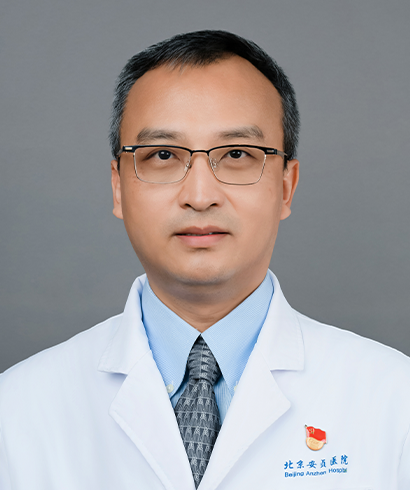 Guangyuan Song (宋光远)合作论文数Beijing Anzhen Hospital, Capital Medical University15
 Yuejin Yang (杨跃进)合作论文数Fuwai Hospital, CAMS & PUMC14
 Siyong Teng (滕思勇)合作论文数中国医学科学院阜外医院国家心血管病中心结构性心脏病一病区14
 Hong Qiu合作论文数13Guannan Niu合作论文数10Martina McDermott合作论文数10Kevin Chau合作论文数10Gong Ke-Wei合作论文数10
 Neil O'Brien合作论文数Jonsson Comprehensive Cancer Center, University of California, Los Angeles;David Geffen School of Medicine, University of California, Los Angeles10John Glaspy合作论文数10
 Ming Lu (路明)合作论文数Dongfang Hospital, Beijing University of Chinese Medicine10
 Leonard Presta合作论文数10
 Shubin Qiao (乔树宾)合作论文数Fuwai Hospital, Chinese Academy of Medical Sciences & Peking Union Medical College10
 Benjamin G. Hoffstrom合作论文数School of Medicine, University of Virginia Health Sciences System10Xiaoying Hu合作论文数9
 Zhang Jun合作论文数Neuroimmunology Research R&D-31, VA Portland Health Care System;Neuroimmunology Research R&D-31, VA Portland Health Care System9Wang Moyang合作论文数9Qian Zhang (张倩)合作论文数8
 Jenny J. Hong合作论文数6Weiping Jia合作论文数6Zheng Zhou合作论文数6Simon Davenport合作论文数6Zhang Hongliang合作论文数6Bin Xie合作论文数6
 Panayiotou Richard合作论文数Department of Cancer Biology, Mayo Clinic Comprehensive Cancer Center6
 Abram Handly-Santana合作论文数6
 Joan Brugge合作论文数Department of Cell Biology, Harvard Medical School;Ludwig Cancer Center, Harvard Medical School6Xue-yan Zhao合作论文数5Yunqing Ye合作论文数5Xiaojin Gao合作论文数5Ying Yuan合作论文数5GuanNan Niu (牛冠男)合作论文数5YanWen Zhou (周燕文)合作论文数5WeiMin Yuan (袁卫民)合作论文数5Yuan Wu (吴元)合作论文数5Yi Tian (田毅)合作论文数5
 Michael Frederick Press合作论文数Department of Pathology, Keck School of Medicine, University of Southern California5
 Dennis J. Slamon合作论文数Division of Hematology-Oncology, Department of Medicine, University of California, Los Angeles5
 Bin Lv (吕滨)合作论文数Fuwai Hospital, Chinese Academy of Medical Sciences;Peking Union Medical College, Chinese Academy of Medical Sciences5Athena M Madrid合作论文数4Raul Ayala合作论文数4
 Yang Chen合作论文数4M Y Wang合作论文数4Zhenyan Zhao合作论文数4Qingrong Liu合作论文数4Chao Wu合作论文数4
 Timothy Donahue合作论文数Department of Molecular and Medical Pharmacology, University of California, Los Angeles4




