BackgroundHereditary hearing loss demonstrates significant genetic heterogeneity, involving diverse genes and variation types. Autosomal dominant forms present particular challenges in variant interpretation due to variable expressivity.ObjectivesThis study aimed to clinically and molecularly characterize a multi-generational family with autosomal dominant hereditary hearing loss, and to functionally validate the pathogenicity of an identified novel variant.MethodsComprehensive clinical evaluations included audiometric testing and medical history review. Genetic analysis employed whole-exome sequencing followed by Sanger validation. Functional characterization involved minigene splicing assays and transcript analysis to assess the impact on splicing mechanisms.ResultsAffected individuals exhibited post-lingual, bilateral, symmetric, progressive sensorineural hearing loss, initially affecting high frequencies. We identified a novel GSDME mutation (NM_001127453.2:c.1123G>T; p.Glu375Ter) that disrupts an exon splicing enhancer, causing exon 8 skipping and frameshift alterations. Functional assays confirmed reduced enhancer activity and aberrant splicing. Literature review of 20 reported mutations revealed substantial phenotypic variability and highlighted limitations of splice prediction algorithms.ConclusionsOur findings expand the GSDME mutation spectrum and provide functional evidence supporting a pathogenic role for non-sense variants through splicing disruption mechanisms. This study reinforces the potential gain-of-function hypothesis for GSDME-associated hearing loss and emphasizes the necessity of functional validation for accurate variant interpretation.
GJB2-related hearing loss is the most common type of hereditary hearing loss worldwide. However, its complex inheritance patterns, diverse phenotypic manifestations, and population-specific variant spectrum present significant challenges for both clinical practice and research. This review synthesizes evidence from 215 studies (7142 individuals) to quantitatively analyze the natural history and genotype-phenotype correlations across different inheritance patterns, including recessive, dominant, and digenic forms. Among V37I, the V37I/NT genotype is associated with a high proportion of mild-to-moderate hearing loss (84.15%), and the V37I/T genotype shows a flatter configuration than V37I/V37I. An analysis of 178 syndromic cases reveals complex phenotypes involving both the skin and auditory system, characterized by early-onset and severe hearing loss, with clear genotype-phenotype correlations for specific variants. We also summarize genomic and epigenetic mechanisms contributing to phenotypic severity. With a focus on clinical translation, we review the trajectory of GJB2 gene therapy research, from foundational animal studies to innovative therapeutic strategies approaching clinical application. By evaluating the natural history and genotype-specific auditory profiles, this work provides a practical evidence base to guide prognosis, genetic counseling, and crucially, the design of upcoming clinical trials, including patient selection and efficacy assessment. This review is registered with PROSPERO (CRD420251243620).
Age-related hearing loss is a prevalent and growing public health issue among the elderly. Here, we perform a multi-ancestry genome-wide association study comprising 456,613 cases and 1,053,834 controls, identifying 140 independent loci associated with age-related hearing loss, including 44 novel signals. We further fine-map 9 likely causal missense variants for age-related hearing loss and provide evidence of purifying selection for age-related hearing loss-associated variants. Notably, genetic risk for age-related hearing loss is strongly correlated with behavior traits such as neuroticism score and irritability. Integration of molecular phenotypes identifies 22 genes and 85 DNA methylation sites significantly associated with age-related hearing loss. Moreover, analyses incorporating spatial and single-cell transcriptomic identify the inner ear as a crucial site of age-related hearing loss, emphasizing the importance of hair cells, supporting cells, basal and root cells of the stria vascularis to its pathogenesis. Our study provides genetic and cellular insights into age-related hearing loss and advance our understanding of its genetics architecture.
BackgroundThe Chengdu Plain and surrounding regions (CPS) host a diverse mosaic of archaeological cultures and ethnolinguistic groups, yet the origins of these populations and the extent of Western Eurasian and East Asian influences remain unclear and underrepresented in genomic studies. As a molecular archaeological archive, Y-chromosome data provide vital insights into the paternal genetic history of ancient Shu populations and their descendants.MethodsHere, we combine our newly generated genomic data with publicly available large-scale whole-Y-chromosome sequences from East Asia to reconstruct the phylogeny and paternal history of both modern and ancient CPS populations. Our merged dataset includes 2737 whole-Y sequences and 312 ancient samples, revealing a complex regional paternal genetic history.ResultsWe identify 970 Y-chromosome clades, covering both common East Asian indigenous haplogroups (O, C, D, N) and rare incoming haplogroups (Q, J, R, F, H), and observe distinct distribution patterns across ethnically diverse Han, Tibetan, Yi, Qiang, and Hui groups in CPS. Population modeling uncovers fine-scale substructures influenced by ethnolinguistic and geographic factors, emphasizing the dominant paternal contributions of indigenous East Asian millet- and rice-farming groups. Time-calibrated phylogenies indicate that the founding populations of the ancient Shu civilization primarily derived from East Asian millet- and rice-based agricultural communities, with limited gene flow from Western steppe pastoralists.ConclusionsOur findings enhance the understanding of the paternal genetic landscape of CPS populations and shed light on key demographic transitions during the Neolithic and Bronze Age.
Inherited retinal degenerations are a group of genetically heterogeneous disorders characterized by progressive photoreceptor degeneration. Despite the widespread use of targeted gene panels and exome sequencing, many cases remain genetically unresolved because structural and other complex variants may be missed. CEP290 is a major cause of early-onset retinal degeneration, and although most pathogenic variants are sequence-level changes, structural rearrangements have increasingly been recognized through genome-wide sequencing approaches. This study aimed to identify the genetic cause in a child with early-onset retinal degeneration and to characterize the molecular mechanism of the underlying variant. A 4-year-old boy with presumed rod-cone dystrophy underwent comprehensive clinical evaluation and trio whole-genome sequencing. Compound heterozygous CEP290 variants, consisting of a maternally inherited splice-site variant and a paternally inherited large intragenic duplication, were identified and evaluated. The duplication breakpoint was subsequently characterized by structural variant analysis, gap-PCR, and Sanger sequencing, followed by analysis of breakpoint-associated microhomology, GC content, and repeat elements. Variants were interpreted according to ACMG/AMP and ClinGen recommendations, as appropriate. Trio-WGS detected compound heterozygous CEP290 variants: a maternal splice-site variant c.6012–2 A > G and a paternal exons 31–53 tandem duplication (chr12:88050034–88089159dup). Gap-PCR and Sanger sequencing validated this rearrangement and defined a 7-bp junction microhomology (AAATTCT). Breakpoint analysis showed low GC and abundant repeats, supporting FoSTeS/MMBIR as the causal replicative mechanism. This duplication is predicted to alter CEP290 transcripts, triggering frameshift, premature termination and C-terminal domain loss. To our knowledge, this study represents the first breakpoint-resolved characterization of a pathogenic CEP290 tandem duplication encompassing exons 31–53 identified in compound heterozygosity with a pathogenic splice-site variant in a patient with early-onset retinal degeneration. The duplication is predicted to disrupt the CEP290 coding sequence, resulting in a frameshift, premature termination codon, and loss of the C-terminal functional domain. These findings expand the spectrum of pathogenic structural variants in CEP290 and underscore the value of whole-genome sequencing and breakpoint-level analysis for resolving genetically unexplained inherited retinal disorders.
Atherosclerotic cardiovascular disease remains the leading cause of global mortality, with hypercholesterolemia serving as a critical driver of atherogenesis. Although current lipid-lowering therapies substantially improve circulating lipid profiles, strategies that provide more durable, safe, and efficient control of lipid metabolism are still needed. Epigenome editing offers a promising approach for long-lasting repression of disease-modifying genes without altering the underlying DNA sequence. Here, we develop CRISPRoff platforms delivered by adeno-associated virus or lipid nanoparticle to epigenetically silence hepatic Hmgcr or Pcsk9 in vivo. In both C57BL/6J wild-type and ApoE-/- mice, CRISPRoff mediates robust and durable repression of these targets, leading to marked reductions in circulating total cholesterol, low-density lipoprotein cholesterol, and triglycerides. In the ApoE-/- context, epigenetic silencing of Pcsk9 confers pronounced vascular protection, including decreased lipid accumulation in the liver and aortic root, reduced necrotic core formation, diminished macrophage infiltration, and enhanced plaque stability. Together, these results provide proof of principle that CRISPRoff-based epigenome editing enables stable repression of clinically relevant targets and ameliorates key features of atherosclerotic disease. This work lays the foundation for broader therapeutic applications of epigenetic modulation in cardiovascular disorders.
Heterozygous TBX2 mutations cause a novel syndrome with hearing loss and incomplete nystagmus, while its pathogenic mechanism remains unclear. Here, we established the iPSC line IRDWCHi001-A from peripheral blood mononuclear cells of a patient carrying TBX2 c.977delA (p.D326Afs*42) via Sendai virus reprogramming. The generated iPSC line showed typical stem cell morphology, pluripotency marker expression, normal karyotype, and trilineage differentiation potential. It provides a valuable resource for modeling TBX2-associated hearing loss and investigating its underlying mechanisms.
The origins and movements of early East Asians remain unclear due to limited ancient genomes and Y chromosome data. Here, we report a large-scale Y chromosome resource, including 1045 newly sequenced genomes from previously underrepresented groups, revealing high-resolution phylogenetic patterns in F and N1b lineages. We constructed a time-calibrated phylogeny that traces early paternal roots to diverged C/D/F lineages and indicates Paleolithic migrations from the southern Himalayas. These early movements, together with later Neolithic expansions, shaped the paternal landscape observed today. We find long-lasting bottlenecks in early F lineages and reveal inland and coastal migration routes linking South China and Southeast Asia, followed by rapid diversification during the Neolithic period associated with millet and rice farming. Distinct inland and coastal southward expansions of N1a/b hunting-gathering and farming groups, including those linked to Tibeto-Burman speakers, and demographic shifts among northern coastal populations further shaped genomic diversity. These findings provide insights into how ancient divergence and agriculture-driven expansions influenced East Asian paternal history.
POU4F3 (DFNA15) is an established causative gene for autosomal dominant non-syndromic hearing loss (ADNSHL); however, its mutational spectrum in the Chinese population remains incompletely characterized. This study aimed to expand the mutational spectrum of POU4F3 in the Chinese population, to characterize the clinical phenotypes of affected individuals, to describe the proportion of POU4F3-related families in this referral cohort, and to summarize the global reporting distribution of pathogenic POU4F3 variants in ADNSHL. Among 83 unrelated ADNSHL families evaluated at two tertiary referral centers, nine families harboring POU4F3 variants were identified through whole-exome sequencing and validated by Sanger sequencing with co-segregation analysis. Comprehensive audiological assessments, including pure-tone audiometry, extended high-frequency audiometry, and tinnitus evaluation, were performed on all available family members. Variants were classified according to ACMG/AMP guidelines. Genotype–phenotype correlations were analyzed by integrating data from our cohort with 43 previously published variants. Nine distinct POU4F3 variants were identified, including four novel variants (c.149_152dup, c.687_688delCA, c.704 C > T, and c.709_710delTC) and five previously reported variants (c.371 C > A, c.592 C > A, c.706 C > T, c.952G > A, and EX1-EX2E Del). POU4F3 variants accounted for 10.8
Abstract Hereditary hearing loss, the most prevalent genetic sensory disorder, lacks approved pharmacological therapies and represents a compelling target for gene correction. Pathogenic variants in KCNQ4 account for ~9.5% of autosomal dominant nonsyndromic cases. Prior gene-editing strategies disrupting mutant alleles have failed to achieve durable auditory rescue. Here we employed a knock-in mouse model harboring the human KCNQ4 c.961 G > A (p.G321S) mutation to evaluate precise base editing. Dual-AAV delivery of the adenine base editor ABE8e achieved 21.4–28.9% correction in the organ of Corti—the highest efficiency reported for genetic hearing loss. A dose-dependent therapeutic window emerged: higher doses promoted rapid recovery, whereas optimized lower doses minimized long-term toxicity and sustained functional benefit for at least 32 weeks. Treatment reduced auditory brainstem response thresholds by up to 49.09 dB SPL at optimal frequencies, mitigated degeneration of hair cells, spiral ganglion neurons, and auditory nerve fibers, and partially restored outer hair cell electrophysiology. These findings demonstrate the durability of precise mutation correction over allele-disruptive approaches and support clinical translation for KCNQ4-associated hearing loss.
BACKGROUND:Standardised variant interpretation frameworks inadequately accommodate the distinct mutational and phenotypic architectures inherent to specific genes or diseases. POU3F4 exemplifies this limitation in X-linked hearing loss, where stringent genotype-phenotype correlations and localised mutational hotspots dominate the pathogenic landscape. We sought to establish a calibrated, gene-specific evidentiary model to resolve interpretive inconsistencies for POU3F4. METHODS:We sequenced 20,666 unrelated individuals with hearing loss and 7,258 controls using targeted panel and genome sequencing to capture single-nucleotide, indel, and structural variants in POU3F4. By integrating clinical phenotyping, paralog-based residue constraint modelling, and Bayesian likelihood-ratio analysis, we redefined evidence criteria for this gene. Representative stop-loss alleles underwent functional characterisation to elucidate their molecular consequences. FINDINGS:Genomic analysis identified 123 distinct POU3F4 variants, 87 of which were classified as pathogenic (P) or likely pathogenic (LP). Structural variants accounted for 29 of these P/LP variants, with breakpoints enriched in repeat-dense sequence across the locus. Incomplete partition type III cochlear malformation showed near-diagnostic coupling to POU3F4, with 96.4% of affected cases carrying P/LP variants, supporting escalation of PP4 to strong evidence. P/LP missense variants were significantly concentrated at paralog-conserved residues, and Bayesian modelling of this constraint produced a positive likelihood ratio of 33.0 (95% confidence interval 10.68-102.28), consistent with moderate-strength hotspot evidence of PM1. Applying the calibrated rules reclassified 17 single nucleotide variants or small indels and resolved 16 of 34 variants of uncertain significance. Functional assays demonstrated that stop-loss variants generate hydrophobic C-terminal extensions that destabilise POU3F4, driving nuclear depletion and loss of transcriptional activity. Enforced nuclear targeting restored localisation but not transcription, implicating protein instability rather than impaired nuclear import as the dominant mechanism. INTERPRETATION:POU3F4 pathogenicity is defined by a highly specific cochlear signature and profound topological constraint. Quantitative calibration of these features substantially refines diagnostic resolution in POU3F4-mediated hearing loss. The convergence of genomic modelling and functional validation establishes a calibrated evidentiary framework for consistent variant classification. FUNDING:This work was supported by National Natural Science Foundation of China (82530036, 82471889, 82171836), National Key Research and Development Program of China (2024YFC3405704), West China Hospital, Sichuan University 1.3.5 Project for Disciplines of Excellence grant ZYJC20002, Sichuan Provincial Natural Science Foundation (2024NSFSC0648).
BACKGROUND:Hereditary hearing loss is one of the most common disabling disorders in children and lacks effective pharmacological treatments. Recent breakthroughs in OTOF gene therapy clinical trials necessitate standardized frameworks to guide emerging therapies. This study aims to establish the first international consensus on the clinical application of gene therapy for hereditary hearing loss. METHODS:A modified Delphi process was conducted from March 2024 to March 2025, involving 46 multidisciplinary experts from several countries across otology, genetics, audiology, gene therapy, and hearing rehabilitation. After a systematic literature review, as well as integration of research and clinical expertise and experience, three iterative voting rounds (two anonymous surveys and one online consensus meeting) were performed. Statements required ≥75% agreement for inclusion. FINDINGS:From 9,093 publications, 69 were used to draft and support the consensus statements. A total of 30 statements relevant to six domains achieved consensus on gene therapy for hereditary hearing loss, including ethical review (1 statement), patient selection criteria (12 statements), diagnosis and preoperative evaluation (9 statements), gene therapy drug delivery (4 statements), follow-up (3 statements), and post-treatment auditory and speech rehabilitation (1 statement). CONCLUSIONS:This consensus provides the first globally endorsed framework for gene therapy in hereditary hearing loss. It standardizes clinical trial design and patient management, accelerating translation from research to practice while ensuring safety. The guidelines are immediately applicable to OTOF-related hearing loss and adaptable to other genetic forms. FUNDING:This work was supported by the National Natural Science Foundation of China, the German Research Foundation (DFG) via the Cluster of Excellence, and others.
The underrepresentation of Central Asian genomic data has constrained our understanding of their demographic history and hindered advancements in precision medicine and health equity. Despite the region’s rich historical tapestry, characterized by numerous trans-Eurasian migrations following the advent of agriculture and pastoralism, the genetic contributions of ancient Eurasians to modern Central Asians remain poorly understood. To address this gap, we performed an anthropologically informed Central Asian Genomic Diversity Project and reported the results of pilot whole-genome sequencing work on 166 Central Asians and Afghanistan Hazaras (CAAH) from 20 populations to investigate their demographic history, local adaptation, medical relevance, and archaic introgression. Significant genetic differentiation among CAAH populations was revealed. Tajik, Karluks, Turkmen, and Uzbek individuals exhibited higher proportions of West Eurasian ancestry, whereas the Kyrgyz, Karakalpak, Uyghur, and Hazara populations presented increased ancestry related to ancient Northeast Asians. In contrast, Dungans demonstrated a predominance of East Asian-derived ancestry. Four Turkic-related genetic clusters corresponding to geographic distribution were identified, supporting the “Northeast Asia origin” hypothesis for Turkic groups. Additionally, two Indo-European genetic clines were detected, with Hazaras being notably isolated. Strong genetic affinities were observed between Hazaras and Altaic groups in Siberia and between Dungans and Sino-Tibetan-speaking East Asians, underscoring the impact of ancient long-distance migrations on Eurasian genetic diversity. The recent east-west admixture in CAAH was estimated to have occurred 23-31 generations ago, aligning with the Song and Yuan dynasties and the Mongol Empire period. The mutation spectra of candidate disease-causing variants and pharmacogenomic genes were characterized, indicating that differentiated demographic histories significantly influence the genetic architecture of diseases among different Central Asians. Differential post-admixture adaptation signatures identified in the four genetically distinct groups have substantial effects on immune, metabolic, neural, and physical traits. Shifts in subsistence strategies significantly shaped the genetic architecture of complex traits in Central Asians. Neanderthal-like sequences exhibited varying phenotypic effects across genetically distinct CAAH strains, including susceptibility to immune and psychiatric conditions in West Eurasian-biased CAAH individuals and drug metabolism in East Eurasian-biased CAAH individuals. Denisovan-like segments were primarily linked to type 2 diabetes, etc. This research on Central Asian genomic diversity enhances the understanding of their evolutionary history and admixture events, promoting health equity and advancing precision medicine initiatives. He et al. conducted a pilot study on the Central Asian Genomic Diversity Project, utilizing whole-genome sequencing of 166 individuals from 20 Central Asian populations. They identified fine-scale population substructures shaped by complex ancient trans-Eurasian migration and admixture processes. Their comprehensive analysis revealed post-admixture adaptations and archaic introgressions, shedding light on demographic events that influenced medically relevant mutation spectra and adaptations affecting immune, metabolic, neural, and physical traits. Neanderthal introgression segments significantly influence phenotypic traits, including susceptibility to immune and psychiatric disorders, whereas Denisovan-derived sequences have effects on disease susceptibility. This work advances our understanding of Central Asian genomic diversity and evolutionary history as well as their implications for health.
Recent breakthroughs in gene therapy for autosomal recessive deafness 9 (DFNB9) caused by OTOF mutations have transformed treatment paradigms for hereditary hearing loss (HHL). To date, eight clinical trials targeting DFNB9 have been registered in 51 centers across eight countries, demonstrating the rapid progress of gene therapy in auditory medicine. These pioneering studies establish the framework for the clinical translation of gene therapy targeting HHL. This review synthesizes progress in OTOF-related clinical trials, highlighting translational foci such as inner ear drug delivery, trial design, safety assessments, and auditory restoration outcomes. Key challenges in optimizing future therapeutic strategies - including addressing anatomical constraints, refining patient selection criteria, and standardizing outcome measures - are critically examined.
The origins of Tibeto-Burman populations on the eastern Tibetan Plateau (TP), especially within the Tibetan-Yi Corridor, remain unresolved. We sequenced whole genomes of 293 individuals from 21 Tibeto-Burman-speaking groups and genotyped 799 individuals from 60 Sino-Tibetan-speaking groups to reconstruct regional population history. Our analyses reveal fine-scale substructure and extensive admixture along the underrepresented Tibetan-Yi and Hexi corridors, driven by gene flow from Eastern Eurasian rice/millet farmers and Western Eurasian steppe pastoralists. We estimate that Tibetans diverged from their common ancestors with Han Chinese in the early Neolithic (∼9.9 kya), followed by differentiation among Tibetan-Yi Corridor populations in the middle Neolithic (∼4.6 kya). These splits coincide with distinct cultural trajectories that produced a pronounced north-south genetic structure among Tibeto-Burman groups. QpAdm modeling indicates that northern Tibeto-Burman speakers derive most of their ancestry from Neolithic millet farmers. Along the Hexi Corridor, an essential axis of Eurasian connectivity, fine-scale analyses show a dominant legacy of millet-farming populations with additional ancestry from incoming Eurasian herders. Together, these findings clarify the settlement history of eastern TP populations and underscore the role of geographic and cultural corridors in structuring ancient intercontinental gene flow across Eurasia.
The advancements in second-/third-generation sequencing technologies, alongside computational innovations, have significantly enhanced our understanding of the genomic structure of Y-chromosomes and their unique phylogenetic characteristics. These researches, despite the challenges posed by the lack of population-scale genomic databases, have the potential to revolutionize our approach to high-resolution, population-specific Y-chromosome panels and databases for anthropological and forensic applications. This study aimed to develop the highest-resolution Y-targeted sequencing panel, utilizing time-stamped, core phylogenetic informative mutations identified from high-coverage sequences in the YanHuang cohort. This panel is intended to provide a new tool for forensic complex pedigree search and paternal biogeographical ancestry inference, as well as explore the general patterns of the fine-scale paternal evolutionary history of ethnolinguistically diverse Chinese populations. The sequencing performance of the East Asian-specific Y-chromosomal panel, including 2999-core SNP variants, was found to be robust and reliable. The YHSeqY3000 panel was designed to capture the genetic diversity of Chinese paternal lineages from 3500 years ago, identifying 408 terminal lineages in 2097 individuals across 41 genetically and geographically distinct populations. We identified a fine-scale paternal substructure that was correlating with ancient population migrations and expansions. New evidence was provided for extensive gene flow events between minority ethnic groups and Han Chinese people, based on the integrative Chinese Paternal Genomic Diversity Database. This work successfully integrated Y-chromosome-related basic genomic science with forensic and anthropological translational applications, emphasizing the necessity of comprehensively characterizing Y-chromosome genomic diversity from genomically under-representative populations. This is particularly important in the second phase of our population-specific medical or anthropological genomic cohorts, where dense sampling strategies are employed.
Genomic resources from Tibeto-Burman (TB)-speaking populations are underrepresented in human genome research, limiting the understanding of their evolutionary history and health-related genetic influences. We genotyped 95 individuals, including Baima and Amdo Tibetans from Jiuzhaigou on the eastern Qinghai–Xizang Plateau and Qiang from Mianyang Prefecture in Sichuan Province. These data were jointly analyzed with 1722 genomes from modern and ancient East Asian populations. Clustering patterns revealed by principal component analysis suggested that the Tibetan and Qiang populations formed three distinct genetic clines, which were supported by model-based ADMIXTURE and fineSTRUCTURE analyses, highlighting complex population histories and unique genetic clusters among the Qiang and Tibetan people. Shared genetic drift estimated via f3/f4-statistics revealed significant gene flow between the Qiang and Han groups, suggesting that interactions with geographically proximate Han populations likely drove genomic affinity. Comparisons among TB groups (Amdo, Baima, Ü-Tsang, and Qiang) revealed varying levels of genetic affinity with ancient populations, particularly those from the Qinghai-Xizang Plateau and Yellow River Basin. Identity-by-descent and runs of homozygosity analyses indicated the persistence of stable population structures over approximately 2700 years and revealed relative demographic similarities among culturally different Tibetan groups, characterized by smaller effective population sizes than Han groups. Twenty-five high-confidence regions under selection were identified in Tibetans through XP-EHH, PBS, and Fisher score statistics, whereas 28 regions were detected in Qiangs, most of which were first identified here. The Tibetan-specific selection signals included genes related to hypoxia adaptation (e.g., TNNI3K), whereas the Qiang populations presented selection related to skin pigmentation (e.g., SLC44A5) and alcohol metabolism. The results of functional enrichment analyses suggested that the shared and distinct adaptations among these populations involved cardiovascular, metabolic, and immune processes. Overall, our findings reveal the complex genetic structure, population history, and evolutionary adaptations of Tibetan and Qiang populations in northern Sichuan. The results emphasize the role of geographic and historical factors in shaping genetic diversity and adaptive traits, contributing to our understanding of human adaptation to high-altitude environments and UV radiation in East Asia.
Introduction:Atypical hemolytic uremic syndrome (aHUS) is a rare and potentially life-threatening condition, often linked to dysregulation of the complement system. Case Presentation:In this study, a novel heterozygous CFB mutation was identified in both the index patient and her sister, who both developed aHUS following respiratory infections. While the index patient succumbed to the condition, her sister achieved remission following treatment with eculizumab. Interestingly, other family members carrying the mutation remained asymptomatic, illustrating intrafamilial variability. Conclusion:This study provides valuable insights for genetic counseling, prenatal diagnosis, and potential therapeutic strategies for aHUS patients with CFB mutations.
 Dongyi Han (韩东一)合作论文数Chinese PLA General Hospital91
 Pu Dai (戴朴)合作论文数Chinese PLA General Hospital81
 JuYang Cao (曹菊阳)合作论文数45Dongyang Kang合作论文数44
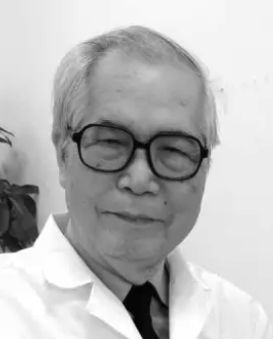 Weiyan Yang (杨伟炎)合作论文数Chinese PLA General Hospital40Yu Lu合作论文数32Xin Liu (刘新)合作论文数31Feng-Xiao Bu合作论文数31
 Jing Cheng (程京)合作论文数School of Biomedical Engineering, Tsinghua Medicine, Tsinghua University;CupitaiBio Corporation29Fei Yu (于飞)合作论文数26Mengge Wang合作论文数18
 Xin Zhang (张昕)合作论文数Chinese PLA General Hospital18Guanglin He合作论文数17ShuZhi Yang (杨淑芝)合作论文数17Deliang Huang (黄德亮)合作论文数Chinese People's Liberation Army General Hospital17
 Yongyi Yuan (袁永一)合作论文数The Sixth Medical Center of PLA General Hospital;The First Medical Center of Chinese PLA General Hospital17LIU Xue-zhong合作论文数16
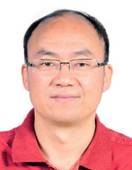 Chao Liu (刘超)合作论文数School of Forensic Medicine, Southern Medical University15
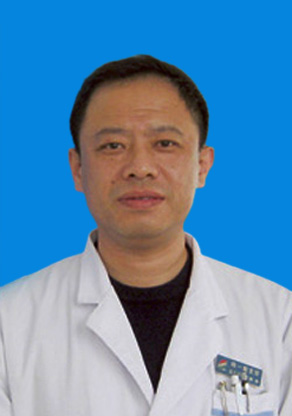 Bing Han (韩冰)合作论文数Daqing Hospital of TCM15Qing Sun (孙勍)合作论文数14
 Guojian Wang (王国建)合作论文数Chinese PLA General Hospital14
 Jia Geng (耿佳)合作论文数Sichuan University13Fei Ji (冀飞)合作论文数12
 Yanping Lu (卢彦平)合作论文数School Of Chinese PLA, Chinese PLA General Hospital Medical12
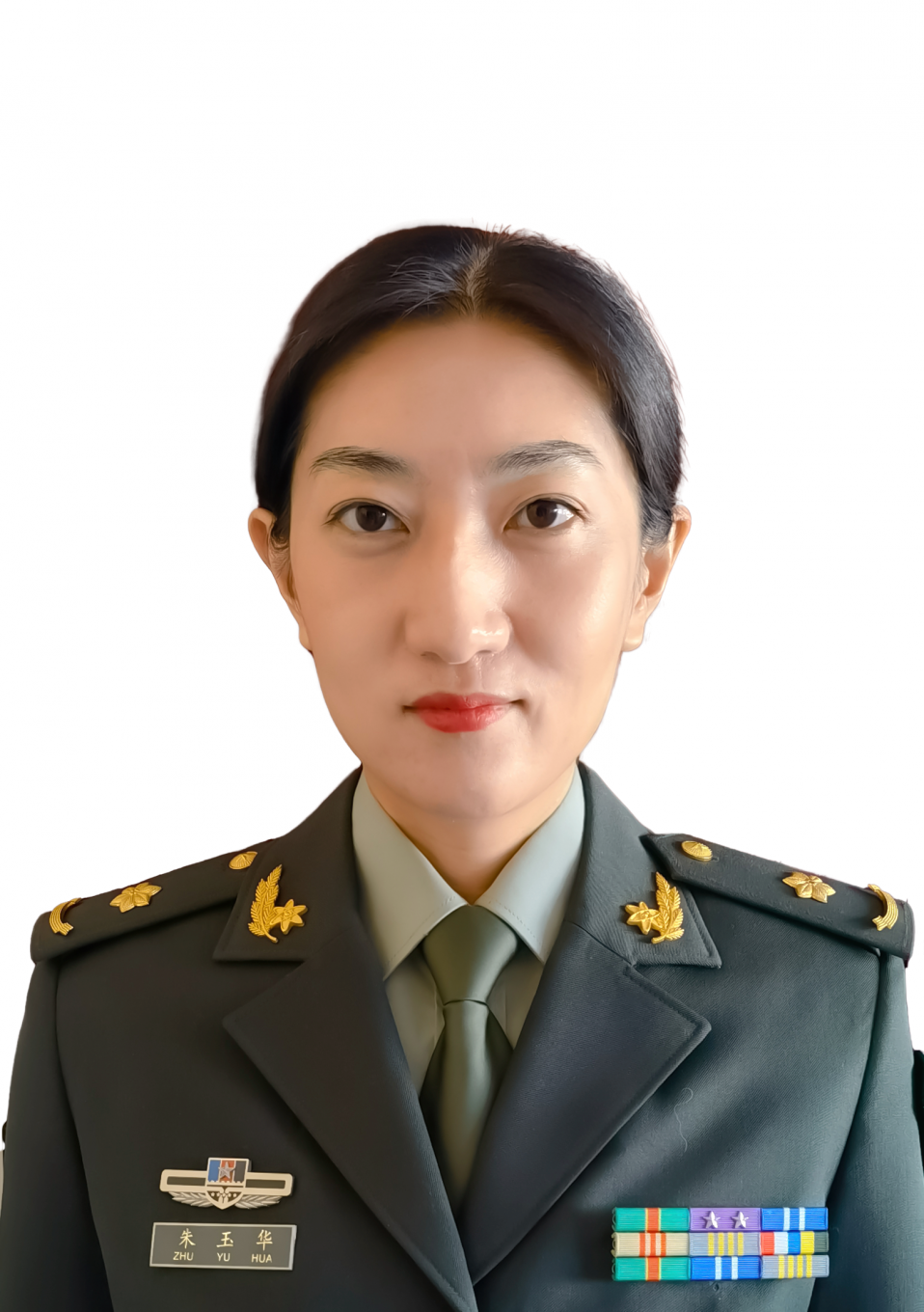 Yuhua Zhu (朱玉华)合作论文数Chinese PLA General Hospital12Zhanguo Jin合作论文数12Renkuan Tang合作论文数11Mingjun Zhong合作论文数11Suoqiang Zhai合作论文数11Denise Yan合作论文数11SuoQiang Di (翟所强)合作论文数Chinese PLA General Hospital10Qian Zhang合作论文数9Wenyu Xiong合作论文数9LiXian Liu (刘丽贤)合作论文数9Yi Sun (孙艺)合作论文数8QingWen Zhu (朱庆文)合作论文数8WeiDong Shen (申卫东)合作论文数8JianZhong Li (李建忠)合作论文数8
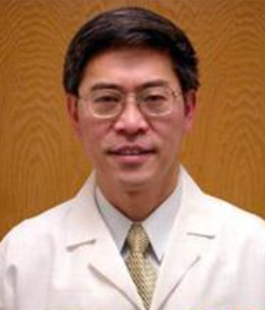 Bai-Lin Wu (吴柏林)合作论文数Institutes of Biomedical Sciences, Fudan University;Boston Children's Hospital, Harvard University;Claritas Genomics8
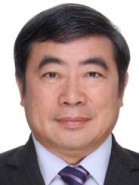 Min-Xin Guan (管敏鑫)合作论文数Institute of Genetics, International School of Medicine, Zhejiang University;University of Toronto8Li Lin Du合作论文数8Xiaomei Ouyang (欧阳小梅)合作论文数8Hong Duan合作论文数7YouQin Wang (王幼勤)合作论文数7XiuJu Zhang (张秀菊)合作论文数7




