Objective:To investigate the safety of endoscopic retrograde cholangiopancreatogra-phy(ERCP)and its associated treatments in the elderly aged 65 years and over, and analyze the related factors leading to postoperative complications.Methods:Totally 512 patients who received ERCP and its associated treatments in the Department of Gastroenterology, Peking University People's Hospital from January 2013 to January 2019 were included retrospectively.The clinical data, operative procedures and postoperative complications were collected.The differences in underlying diseases, operative procedures and postoperative complications between the elderly group(≥65 years old, n=301)and the non-elderly group(n=211)were compared, and the correlations between them were analyzed.Results:The proportion of hypertension, diabetes, heart disease and diverticulum beside the nipple was higher in the elderly group than in the non-elderly group(all P<0.01). The proportion of preoperative medication of anticoagulant and antiplatelet drugs was higher in the elderly group than in the non-elderly group(all P<0.01). There were no significant differences in cholelithiasis, history of biliary surgery, history of ERCP, immunity disease and tumor between the two groups(all P>0.05). Endoscopic sphincterotomy was the most common ERCP-associated treatments in both groups, followed by the order of endoscopic balloon dilation of the nipple, endoscopic biliary stent drainage, pancreatic duct intubation, and pancreatic duct stenting.The proportions of endoscopic papillary balloon dilation and endoscopic biliary stent drainage were 34.6%(104 cases)and 18.9%(57 cases)respectively, in the elderly group, which were statistically significantly higher than 25.6%(54 cases)and 11.4%(24 cases)in the non-elderly group(all P<0.05). The common bile duct diameter and maximum stone diameter were(1.32±0.43)cm and(1.04±0.53)cm, respectively in the elderly group, which were statistically significantly higher than those in the non-elderly group(1.16±0.40)cm and(0.81±0.03)cm respectively, ( t values were -4.23 and -4.76, respectively, all P<0.01). The proportions of endoscopic papillary balloon dilation and biliary stent drainage were statistically significantly higher in elderly patients than in non-elderly patients(all P<0.05). The incidence of intraoperative bleeding was 4.0%(12 cases)and 5.7%(12 cases)in the elderly group and non-elderly group, respectively, with no statistical significance( χ2=0.08, P>0.05). There was no significant difference in the incidence of postoperative pancreatitis, bleeding, perforation, infection and contrast agent-related complications(all P>0.05). Conclusions:Clinically widely used high-risk endoscopic papillary balloon dilation and endoscopic biliary stent drainage(ERCP-associated treatments)are frequently performed in elderly patients, and do not increase intraoperative bleeding and postoperative complications in the elderly.Therefore, ERCP-associated treatments are safe for the elderly.
Objective:To observe the clinical characteristics of esophageal reflux after total gastrectomy (ERATG), and to explore the mechanism of occurrence.Methods:Fourteen gastric cancer patients who underwent total gastrectomy were prospectively enrolled in this study. The postoperative symptoms were observed and recorded and 24 h MII-pH with pH monitoring was performed to investigate the characteristics of postoperative reflux.Results:After total gastrectomy patients were with different degrees of ERATG as heartburn, appetite loss, chest tightness and belching. The overall nature of ERATG is mainly weak acid, with a pH between 4 and 7. ERATG involved esophageal-jejunal anastomosis and a length of esophagus 7 cm above the anastomosis. Patients with typical reflux symptoms had a lower pH minimum in the upright position than those without typical symptoms[(4.76±0.71) vs.(5.68±0.37), t=2.866, P<0.05]. Patients with typical reflux symptoms had a higher frequency of reflux of mixed liquid and liquid-air reflux than those without typical symptoms[liquid(31.25±29.76) vs.(4.50±9.14), t=0.011, P<0.05; liquid-air(19.50±12.99) vs.(2.00±2.61), t=0.004, P<0.05]. Conclusion:ERATG is mainly a upward reflux of weakly acidic gas, with typical symptoms of heartburn, appetite loss, chest tightness and belching. Patients with typical symptoms usually have lower pH in the upright position.
1 病历资料 患者女性,71岁,因"瘙痒5个月余,尿色加深4个月"于2017年7月4日入本院.患者入院5个月前出现全身瘙痒,伴食欲减退、乏力.入院4个月前尿色加深为浓茶色并出现巩膜黄染,于外院查:ALT 1395 U/L、AST 1198 U/L、GGT 104 U/L、Alb 36. 2 g/L,TBil 189. 2 μmol/L、DBil 124. 68 μmol/L、PT 15. 8 s、PTA 50. 4%,IgG 27. 8 g/L,ANA 1:320,肝炎病毒(甲、乙、丙、戊)抗体检查均阴性,CMV/EBV DNA测定均阴性,腹部核磁+磁共振胰胆管造影未见胰胆管梗阻.追问患者近2年不规律服用他汀类降脂药(发病前3个月停用)、发病前7个月曾服中药调节甲状腺功能(具体不详).
Castleman病(Castleman disease,CD)是一种以不明原因淋巴结肿大为特征的慢性淋巴组织增生性疾病,其临床表现不具特征性,对临床大夫的诊断治疗提出了挑战.现报道我院1例以多浆膜腔积液为突出表现的Castleman病,以提高临床医师对该病的认识. 1病历资料 患者男,27岁,因“间断发热1个月,腹胀半个月余”入院.患者1个月前无明显诱因出现发热,最高38℃,多于下午及夜间发作,伴阵发性干咳,查血常规:白细胞(WBC)9.59×10⁹/L,中性粒细胞百分比(NE%)0.711,血红蛋白(Hb) 128 g/L,予头孢、奥硝唑抗感染无效.
Objective To analyze the clinical characteristics and endoscopic findings in patients with cirrhosis and upper gastrointestinal variceal bleeding (UGIB) and to evaluate the risk factors of rebleeding after endoscopic therapy.Method Between May 2010 and May 2017,383 patients who diagnosed with cirrhosis and UGIB were enrolled.Results The incidence of rebleeding was 8.88% (n =34).In the univariate analysis,advanced age (P =0.362,OR =0.662),male (P =0.036,OR =2.975),cause of cirrhosis (P =0.047,OR =2.512),Child-Pugh scores (P =0.026,OR =1.852),prothrombin time (P =0.017,OR =3.746),thrombocytopenia (P =0.445,OR =0.577),severe varices (P =0.314,OR =0.745),red color sign (P =0.016,OR =4.013),portal vein diameter (P =0.365,OR =1.026),portal thrombosis (P =0.027,OR =1.954) were risk factors for rebleeding following endoscopic therapy.In the non-condition multivariate logistic regression analysis,male (P =0.036,OR =2.975),autoimmune liver disease (P =0.047,OR =2.512),Child-Pugh scores (P =0.026,OR =1.852),prothrombin time (P =0.017 OR =3.746),red color sign (P =0.016,OR =4.013),portal thrombosis (P =0.027,OR =1.954) were independent risk factors for rebleeding following endoscopic therapy.Conclusions Esophagogastric variceal rebleeding is common after a successful initial endoscopic therapy.Independent risk factors for rebleeding are male,autoimmune liver disease,elevated Child-Pugh scores,prolonged thrombin time,portal vein thrombosis and red color sign.
1 病例介绍 患者,男,43岁,主因"间断腹泻4年余,加重2个月余,呕吐、腹痛伴停止排气排便1 周"入院. 患者4年前无诱因出现腹泻,每天2~4次黄色成形或不成形便,便前有腹部不适,便后可缓解,便量无明显增加.无恶心、呕吐,无呕血、黑便,无发热、皮疹,未予重视.1年余前当地医院行肠镜检查,提示"结肠多发浅溃疡,伪膜性肠炎?
Objective To analyze the clinical characteristics and endoscopic findings in the elderly cirrhotic patients with variceal bleeding.Method In this study,181 cirrhotic patients with variceal bleeding cltnically and endoscopically diagnosed from May 2011 to May 2016 were divided into ≥60 years of age group (58 cases) and control group (< 60 years of age,123 cases).Clinical data and endoscopic findings were compared retrospectively.Results The cirrhosis caused by virus and alcohol (15/58,62/123) was less in elderly group,but autoimmune disease and non-alcoholic fatty liver disease was more common (14/58,12/58)(x2 =7.452,P =0.004).The incidence rate of hypertension and coronary artery disease was higher in elderly group (20/58,7/58,x2 =6.124,12.764,P =0.012,0.001).However,there was no difference in the incidence rate of diabetes between the two groups (P < 0.05).Gastric varices bleeding was higher in the elderly group (x2 =3.965,P =0.049).The gastric varices located in cardia were more in the elderly group (37.93%,22/58) than control (34.96%,43/123),(x2 =4.124,P =0.044).The rate of EIS was higher in the elderly group and cyanoacrylate injection was less than control (x2 =3.621,P =0.046).Conclusions Compared with those of < 60 years of age,the causes and endoscopic findings and treatment are different cirrhotic variceal bleeding in patients ≥60 years of age.
1病例资料 患者女性,24岁,因“腹围增大9个月余,发现肝脏增大7个月余”于本院就诊.患者9个月余前(孕26周)自觉腹围增长迅速,伴有腹壁静脉曲张,无恶心呕吐,无视物模糊,于本院查血常规:WBC 5.88×10⁹/L,Hb 84 g/L,PLT 52×109/L,ALT26 U/L,AST 40 U/L,TBil 22.2 μmol/L,DBil 7.9 μmol/L,Alb30.4 g/L,查骨髓涂片无异常,腹部彩超示羊膜腔右侧液性暗区,考虑“营养性贫血,低白蛋白血症”,予补充铁剂、叶酸及维生素B12治疗.此后出现双下肢及腰骶部水肿,予补充Alb、利尿治疗后好转.
Background Current and emerging challenges to public health in the 21st century are vastly different from those faced in previous centuries. And the shortage of health personnel and their low level of educational qualifications hindered the development of Chinese public health services. In order to fulfill this requirement, the Ministry of Education initiated a full-time, Master of Public Health (MPH) graduate programme in 2009. This study aimed to evaluate the level of graduate students’ satisfaction with full-time Master of Public Health (MPH) education in China, and whether they would apply again for an MPH graduate degree if they had another opportunity to do so, as well as to identify the factors influencing their decision-making process. Methods An anonymous, web-based survey questionnaire containing 61 items was distributed to 702 MPH students in 35 universities or colleges. The questions covered the categories of student admission, training goals, lecture courses, practical training, research activities and mentorship. Levels of satisfaction were compared between MPH students who would choose MPH again as their graduate degree if they had another opportunity to do so and those who would not. Key influencing factors of training satisfaction were identified using logistic regression models. Results A total of 65.10% of the participants would apply again for MPH education if they had another opportunity to do so. The factors influencing students’ willingness included their university type, the time since admission and their initial willingness. In addition, the four common factors (admissions & lecture courses, research activities & mentorship, practical training and training goals) emerging from factor analysis were all significantly positively correlated with student willingness ( p < 0.001). Conclusions Most MPH students surveyed were highly satisfied with their MPH education and, although they advocated for improvements and reforms in some aspects, they would still choose MPH as their graduate degree again if they had another opportunity to do so.
黏膜相关淋巴组织( mucosa-associated lymphoid tissue,MALT)淋巴瘤是淋巴结外非霍奇金淋巴瘤的常见类型;占结外淋巴瘤的20%~40%,可发生在多种淋巴结外器官,胃是最常见部位;胃MALT淋巴瘤常表现为惰性淋巴瘤,5 a生存率80%~95%,根除Hp治疗、药物化疗是主要的治疗措施,并且强调规律随访[1-3]。现将2012年4月北京大学人民医院消化科收治的1例胃MALT淋巴瘤的诊治体会总结如下。
Objective To improve the recognition of small bowel lymphangioma among physicians. Methods The clinical data of a patient with small bowel lymphangioma in our hospital and other 33 cases followed by a review of litera-ture were collected and analyzed. Results Male/female ratio was 1. 27∶1, ages from 4 days to 65 years old, 13 patients≤18 years, 17 patients from 18 to 45 years, 4 patients from 45 to 65 years. The median duration of disease was 0. 9 months (Q=10. 37 months). 23 cases (67. 6%) were acute process, whose median duration was 6 days (Q =28 days), while the rest were chronic process, whose median duration was 24m (Q=98 months). The distribution of le-sions were 13/34 duodenum and jejuno-ileum ( 38 . 2%) , 16/34 mesentery involved and 5/34 ileocecal junction (14. 7%). Lesions located in duodenum and jejuno-ileum often presented as gastrointestinal hemorrhage. Mesentery in-volved patients often complained about abdominal pain, nausea and vomiting. There was a high percentage of intestinal obstruction in these cases. Ileocecal lesions also presented as acute abdomen. Radiography had a limitation in diagnosis of small bowel diseases, while capsule endoscopy and small bowel endoscopy made the compensation. 32/34 cases un-derwent surgery, including exploratory procedures. 1 case died 3 days after the surgery. Conclusion Lymphangioma in small intestine is rare, while specific clinical presentation is absent. Capsule endoscopy and single-balloon enteroscopy are valuable assistant examination, which compensate the defect of traditional imaging examination. Surgery is the first choice of treatment,and patients will have a favorable prognosis.
病历摘要患者男,68岁.因“结肠癌术后2年半,发现腹腔积液10个月,胸腔积液3个月,加重40 d”于2010年9月29日入院.患者2年半前于北京大学肿瘤医院行乙状结肠癌根治术,术中见肿物为2.5 cm ×2.0 cm,术后病理提示为隆起型中分化腺癌,有脉管癌栓,侵犯肠壁肌层,淋巴结未受累(0/10),分期为T3N0M0.术后FOLFOX6方案(奥沙利铂150 mg,亚叶酸钙0.4g,替加氟4.6g)规律化疗11次.
患者女,72岁,因“间断便血5d,呕血1 d”于2010年9月收入消化科.患者5d前无明显诱因出现排成形黑便,每天2次,共400ml,无腹痛,胸痛,无恶心、呕吐.1d前患者进食苹果后0.5h出现头晕,出现一过性意识丧失,持续1 min,意识恢复后呕吐暗红色液体400ml,混有血块,无食物,无腹痛,我院急诊给予禁食、抑酸、补液、止血及输注400 ml红细胞治疗.人院当天患者再次呕吐暗红色液50 ml,混有血块,有苦味,伴黑便,混有黄色粪便,量约300ml,病程中Hb最低为64 g/L,为进一步诊治收入院.
>患者男性,32岁,江西人,农民。因"间断腹痛、腹泻及停止排气、排便2个月余,加重5 d"于2010年12月20日收入我院消化内科。患者于2010年10月初(约2个月前)无明显诱因出现腹痛,以中下腹为主,绞痛伴阵发性加重,伴有腹泻,大便为水样,未见黏液及脓血,4~5次/d,就诊于当地医院诊断为"急性肠炎",予抗感染治疗2 d后患者症状消失。后患者无明显诱因又出现2次明显腹痛、腹胀,伴恶心呕吐及腹泻,就诊于多家医院,腹部X线检查示肠管明显扩
>患者男,68岁。因"结肠癌术后2年半,发现腹腔积液10个月,胸腔积液3个月,加重40 d"于2010年9月29日入院。患者2年半前于北京大学肿瘤医院行乙状结肠癌根治术,术中见肿物为2.5 cm×2.0 cm,术后病理提示为隆起型中分化腺癌,有脉管癌栓,侵犯肠壁肌层,淋巴结未受累(0/10),分期为T 3 N 0 M 0 。术后FOLFOX6方案(奥沙利铂150 mg,亚叶酸钙0.4 g,替加氟4.6 g)规律化疗11次。后
对1例主诉为"结肠癌术后5年,直肠癌术后2年,咳嗽咳痰、痰中带血半个月"的患者进行病例讨论.该患者5年前曾行结肠癌根治术,2年前行直肠癌根治术,目前发现肺多发转移灶.通过多学科讨论,意见1认为该病例虽为肺部多发转移,但仍可完全切除,建议手术治疗:意见2认为该患者除了肺部,其他部位可能存在潜在转移灶,建议保守治疗,采用FORFIRI方案化疗.该患者最终采取手术切除肺转移灶,术后采用FOLFIRI方案辅助化疗.
炎症性肠病(inflammatory bowel disease,IBD)是一类不明原因的慢性非特异性肠道炎症性疾病,主要包括溃疡性结肠炎(u|eemtive colitis,UC)和克罗恩病(Crohn's disease,CD).IBD可伴有贫血、凝血功能异常等多种血液学改变,现对IBD的血液学表现进行综述.
 Yulan Liu (刘玉兰)合作论文数Peking University People's Hospital46
 Yuanmin Zhu (朱元民)合作论文数Department of Gastroenterology, Peking University People's Hospital11
 GuoYan Zhang (张国艳)合作论文数9Xuan Jiang (蒋绚)合作论文数7GuoDong Chen (陈国栋)合作论文数6
 Xuemei Wang (王雪梅)合作论文数Peking University People's Hospital6
 Jingtong Wang (王晶桐)合作论文数Peking University People's Hospital5
 Yingjiang Ye (叶颖江)合作论文数Peking University People's Hospital5Yanhua ZHOU (周艳华)合作论文数4
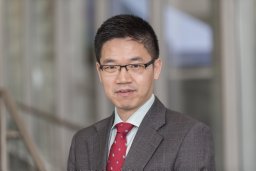 Wenbin Xiao合作论文数Department of Pathology, Memorial Sloan Kettering Cancer Center4JinDe He (何晋德)合作论文数4ShanShan Zhang (张珊珊)合作论文数4
 Shan Wang (王杉)合作论文数Department of Gastroenterological Surgery, Peking University People's Hospital4Pengyan Ni (倪鹏燕)合作论文数4YongMei Deng (邓咏梅)合作论文数3Lin Su (苏琳)合作论文数3XueSong Zhang (张雪松)合作论文数3
 Shan Cao (曹珊)合作论文数School of Landscape Architecture, Beijing Forestry University3Chenchen Shi (史晨辰)合作论文数2Xinyi Liu合作论文数2Kai-min WU (巫凯敏)合作论文数2Zhaoqing LI (李照青)合作论文数2ye shi (时晔)合作论文数2
 Zhidong Gao (高志冬)合作论文数Peking University People’s Hospital2
 Daihong Liu (刘代红)合作论文数School of Medicine, Nankai University;Chinese PLA General Hospital2
 Zhiyong Gao (高志勇)合作论文数College of Life Sciences, Wuhan University;State Key Laboratory of Hybrid Rice, Wuhan University2
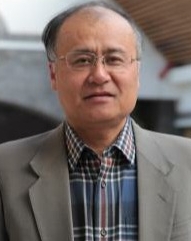 Gang Liu (刘刚)合作论文数School of Pharmaceutical Sciences, Tsinghua University2Dingting Xu (徐定婷)合作论文数2
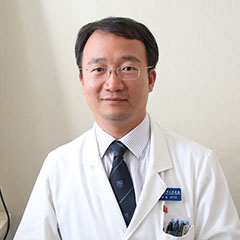 Bin Liang (梁斌)合作论文数Peking University People's Hospital2Ru Jia (贾茹)合作论文数2
 Huan Chen (陈欢)合作论文数Peking University People‘s Hospital2
 Yuhong Chen (陈育红)合作论文数Peking University People's Hospital2
 Danhua Shen (沈丹华)合作论文数Peking University People's Hospital;Peking University Health Science Center2Mujun Yin合作论文数2Qianyun Hao合作论文数1minfang gao (高敏芳)合作论文数1Liping Duan (段丽萍)合作论文数1zhang chi合作论文数1xiaoli cui (崔晓丽)合作论文数1lili zhao (赵丽莉)合作论文数1huijun liu (刘慧君)合作论文数1LIU Xin (刘欣)合作论文数1Wei-jue XIONG (熊玮珏)合作论文数1Zhiyuan Zheng (郑智元)合作论文数1Ke Wu合作论文数1Qing LIU (刘晴)合作论文数1Xin-yi LIU (刘心怡)合作论文数1Yu-Shi Zhou合作论文数1Ke TIAN (田珂)合作论文数1




