Most patients with cancer are older adults living with several other chronic illnesses, and both the tumour and its commonest companions-cardiometabolic disease, type 2 diabetes and depression-are sustained by a shared, immunosuppressive inflammatory milieu. In this setting many tumours are immunologically "cold": poorly infiltrated by cytotoxic T and natural killer (NK) cells, enriched for regulatory T cells (Tregs) and M2 macrophages, and embedded in a chronically inflamed "soil" that also drives the comorbidities. Here we advance a mechanistic hypothesis: that two low-harm modalities applied together can reawaken antitumour immunity in this host while sparing the physiological reserve that radical treatment consumes. Minimally invasive cryoablation destroys tumour in situ and releases tumour antigens together with damage-associated molecular patterns (calreticulin, ATP, HMGB1), driving immunogenic cell death, dendritic-cell maturation and CD8+ T-cell priming; multi-target Traditional Chinese Medicine (TCM) acts on the same inflammatory substrate-dampening NF-κB, IL-6 and TNF-α signalling, lowering lactate, and reducing regulatory-T-cell and M2 dominance-to remodel the tumour microenvironment. We propose that their convergence turns a "cold" microenvironment "hot" and, because the targeted substrate is shared, yields a one-to-many benefit that extends from the tumour to its inflammatory comorbidities. We situate this hypothesis within the three-stage Tumour Green Therapy framework-Dominant Control (bà dào, ), Supportive Integration (wáng dào, ) and Harmonisation and Maintenance (dì dào, )-which sequences local immunogenic debulking, systemic immune support and microenvironmental harmonisation according to tumour urgency and host constitution, and maps TCM syndrome patterns onto measurable immune and inflammatory readouts (neutrophil-to-lymphocyte ratio, CRP, IL-6/TNF-α) that could serve as biomarkers. We define the immunological phenotype of this host, specify which patients should and should not receive the approach, remain candid about its limitations-herb-drug interactions, product quality and the scarcity of randomised data-and pre-specify both a two-stage prospective test and the observations that would refute each element of the hypothesis. Its central, falsifiable claim is that cryoablation plus multi-target TCM reawakens antitumour immunity and reduces total treatment burden, including polypharmacy, without compromising survival or quality of life.
ETHNOPHARMACOLOGICAL RELEVANCE:The compounds reviewed here originate from plants with long-standing use in East Asian traditional medicine. Epimedium brevicornu Maxim. (Yin Yang Huo), Scutellaria baicalensis Georgi (Huang Qin), Coptis chinensis Franch. (Huang Lian), and Curcuma longa L. (Jiang Huang) are documented in the Chinese pharmacopoeia for indications including liver insufficiency, heat-clearing, and abdominal masses-a traditional category encompassing hepatic tumours. AIM OF THE STUDY:To examine how traditional Chinese medicine (TCM) bioactive compounds and classical formulations reprogram tumour lactate metabolism in hepatocellular carcinoma (HCC) and overcome immune checkpoint blockade (ICB) resistance, and to propose a translational framework. MATERIALS AND METHODS:Narrative review with structured literature search across PubMed, Web of Science, Embase, China National Knowledge Infrastructure, and ClinicalTrials.gov through March 2025. Studies reporting experimental or clinical evidence of TCM-mediated effects on glycolysis, lactate, or immune cell function in HCC were included; formal risk-of-bias grading was not performed, consistent with the narrative-review framing. RESULTS:Elevated tumour lactate is associated with ICB resistance through T cell exhaustion, M2 macrophage polarisation, and PD-L1 stabilisation. TCM compounds-including baicalin (HIF-1α/CXCL9), berberine (AMPK), curcumin (HIF-1α/MCT4), and icaritin (JAK2/STAT3/PD-L1)-attenuate glycolysis and partially restore immune effector function in preclinical HCC. Selective MCT4 inhibition sensitises HCC to anti-PD-1 in immunocompetent models. Icaritin achieved Phase III validation (NCT03236636; HR = 0.40, p = 0.0046) in biomarker-enriched HCC. CONCLUSIONS:TCM-mediated lactate metabolic reprogramming is a biologically plausible strategy warranting further investigation for ICB-resistant HCC. The current evidence linking lactate to ICB resistance in human HCC remains largely supportive and correlative rather than definitively causal-several pivotal mechanistic findings derive from non-HCC models-and should be interpreted accordingly. Biomarker-enriched, pharmacokinetically informed TCM-ICB combination trials with direct intratumoural lactate measurement are required.
Large language models (LLMs) offer a modern approach to help inherit traditional Chinese medicine (TCM). This article discussed the progress of LLM applications in TCM and proposed future development directions by reviewing the existing research. We have found that LLMs and related technologies have excellent applications and performance in the management of TCM knowledge and data. They are often applied in information extraction, knowledge graph construction, and data standardization processing. However, data quality and security issues need to be given more attention. In clinical diagnosis and treatment, LLMs can imitate the thinking of TCM by disassembling and reconstructing its diagnostic process and can achieve functions such as prescription recommendation and question and answer (Q&A). However, this approach involves LLMs making inferences and predictions based on existing corpora and thus may not flexibly handle complex environments and tasks. Moreover, the current evaluation criteria for TCM LLMs can be summarized into 3 categories: general evaluation metrics, technical framework evaluation, and evaluation criteria for the characteristics of TCM (such as consistency rates of prescriptions and diagnostic suggestions). However, the lack of a unified and standardized evaluation system hinders the clinical application of TCM LLMs. The future progress of TCM LLMs should focus on the 3 aforementioned critical aspects to achieve technological breakthroughs. In addition, we are promoting the research on vertical TCM LLMs and application terminals. We believe this will bring new ideas to the research on TCM LLMs.
Lung cancer remains the leading cause of cancer mortality worldwide. Accurate prognostic prediction can support clinical decision-making and resource allocation, yet many existing models use limited predictors and lack independent validation. We developed and externally validated machine-learning models to predict mortality in patients with lung cancer using routinely collected clinical, laboratory, and treatment-related variables. We conducted a multicenter retrospective cohort study including 2,783 patients with primary lung cancer from seven hospitals in China (January 2011 to end of data collection). Six centers formed the development cohort (n = 2,398; 70% training [n = 1,678] and 30% internal test [n = 720]), and one independent center served as external validation (n = 385). Predictors were selected using Boruta followed by LASSO. We compared six algorithms (logistic regression, random forest, support vector machine, gradient boosting machine, XGBoost, and neural network). Discrimination, calibration, and clinical utility were assessed using AUC, calibration plots/Brier score, and decision curve analysis. Model interpretation used SHAP. Seventeen predictors were retained from 51 candidates, spanning treatment (chemotherapy, intervention), tumor stage (T stage, M stage, stage group, distant metastasis), inflammatory markers (white blood cell count, neutrophil percentage, monocyte-to-lymphocyte ratio), nutrition/hematology (albumin, red blood cell count), tumor markers (CYFRA21-1, CEA), coagulation (PT, APTT), and electrolytes (sodium, potassium). Random forest performed best in the internal test set (AUC 0.861, 95% CI 0.835–0.886). In external validation, performance attenuated but remained acceptable (AUC 0.749, 95% CI 0.693–0.799; accuracy 72.7%; sensitivity 80.0%; specificity 49.4%), with reasonable calibration (Brier score 0.159) and net benefit across relevant thresholds. SHAP identified T stage, chemotherapy status, white blood cell count, albumin, and M stage as key contributors. We developed a web-based risk calculator. A multicenter machine-learning model integrating routinely available variables achieved moderate externally validated performance for mortality prediction in lung cancer. The accompanying web-based calculator may facilitate individualized risk stratification, pending further validation and potential recalibration in new settings.
Background Lung cancer remains the leading cause of cancer-related mortality worldwide. Large language models (LLMs), including ChatGPT, DeepSeek, and Grok, have shown promise in clinical decision support, but differences in training and alignment may lead to variable performance. Current evaluations often rely on aggregate metrics or isolated tasks, which may not capture real-world clinical complexity. Methods We conducted a structured evaluation of three LLMs using nine simulated lung cancer cases across five clinical domains. LLMs’ outputs were anonymized, randomized, and independently scored by five senior lung cancer specialists under a double-blind design using a five-point Likert scale evaluating accuracy, comprehensiveness, relevance, and clinical applicability. Qualitative error analysis was also performed. Results Inter-rater agreement was moderate (Fleiss’ κ = 0.463; ICC (2, k) = 0.675). All LLMs achieved high scores across evaluation dimensions without statistically significant differences (P > 0.05). Given the limited number of simulated cases, these findings should be interpreted cautiously. Descriptive analyses suggested context-dependent performance patterns across clinical domains: Grok tended to show more consistent performance in diagnosis and treatment decision-making, DeepSeek showed comparatively lower descriptive performance in therapeutic decisions but higher applicability in prognosis and rehabilitation, and GPT exhibited relatively stable intermediate performance. No single LLM consistently outperformed others across all clinical scenarios. Conclusion LLMs demonstrate substantial potential in supporting lung cancer clinical workflows, but their performance appears to be context-dependent. The present findings are exploratory and suggest that task-specific evaluation may provide a more clinically informative framework than overall model ranking. Continued validation using larger and more diverse clinical datasets, together with appropriate governance and specialist oversight, remains essential for the safe integration of LLMs into clinical practice.
Elderly patients with tumors face unique challenges due to age-related decline in organ function, multiple comorbidities, and poor tolerance to treatment, often limiting the applicability of the traditional “maximum tolerated therapy” approach in this population. This article aims to explore the “green therapy” system tailored for tumors in elderly patients. Proposed by Professor Hu Kaiwen in 2003, this system replaces “cure” with “control,” integrating modern minimally invasive techniques with holistic regulation from Traditional Chinese Medicine to form a treatment strategy that balances local and systemic approaches. This paper systematically elucidates the construction and application of this system in tumors in elderly patients, highlighting its core value of achieving long-term peaceful coexistence between patients and tumors through low-damage methods, thereby offering a new treatment option aligned with the physiological characteristics of this population.
Cancer vaccines face limitations due to the immunosuppressive tumor microenvironment (TME) and the low immunogenicity of tumor antigens. Immunogenic cell death (ICD), triggered by mitochondrial dysfunction, provides a promising strategy to enhance tumor antigen release and immune activation. However, actively amplifying mitochondrial damage-induced ICD remains challenging. In this study, we developed a vaccine in which liquid metal nanoparticles (LMPs) target tumor cells, undergo self-assembly and aggregation on the cell surface to achieve efficient uptake, fuse intracellularly to prolong retention, and release Ga3+ ions through an iron-substitution pathway to induce mitochondrial damage, thereby triggering ICD. In combination with irreversible electroporation (IRE), this approach mediates durable tumor-specific immunotherapy. Specifically, LMPs target tumor cell integrin αvβ6 to initiate self-assembly and aggregation, leading to efficient cellular internalization. Within the acidic lysosomal environment, LMPs undergo fusion and partially escape into the cytosol, enabling prolonged intracellular retention and sustained release of Ga3+ ions. The released Ga3+ disrupts mitochondrial structure and inhibits electron transport via iron substitution, resulting in pronounced mitochondrial damage. Synergistic IRE and LMPs increase the liberation of mitochondrial damage-associated DAMPs and tumor antigens, driving robust ICD and long-term systemic antitumor immunity. This dual-modality strategy provides a blueprint for nanomaterial-enabled amplification of ICD in cancer immunotherapy.
The tumor invasive front is a critical interface for tumor-host interactions that impacts patient prognosis. Although the tumor-node-metastasis (TNM) staging system and single-parameter assessments such as tumor budding, T-cell density, tertiary lymphoid structures (TLS), and stromal features provide important prognostic information, they capture only partial aspects of this spatially organized tumor-host interface. Inspired by the traditional Chinese medicine concept of "Huchang", used here as a metaphorical descriptor of host-protective organization at the tumor boundary, and informed by recent advances in spatial immunology, we propose the Huchang-Barrier (HB) framework. HB conceptualizes the invasive front as a dynamic tumor-host interface whose biological state is determined by the balance between tumor invasive burden and host physical/tissue and spatial immune barriers. Unlike fixed single-marker scores or tumor-type-specific microenvironmental indices, HB integrates three conserved functional elements while allowing cancer-adapted readouts, thereby providing a modular framework for evaluating the invasion-barrier balance at the invasive front. To improve operability, we outline a two-tier assessment strategy and provide a minimal executable HB-Standard example in resected non-small cell lung cancer (NSCLC). The HB framework is proposed as a hypothesis-generating spatial pathology model that requires retrospective calibration, independent validation, and prospective testing before clinical implementation.
Traditional Chinese Medicine (TCM) clinical practice depends on both codified theoretical knowledge and practitioner-specific experience, which differ in their data sources, reasoning patterns, and scope of generalization. We developed DFGLM-TCM, a modular large language model-based service system that separately models these two knowledge types through task-oriented components and coordinates them within a unified multi-task architecture. The knowledge-oriented component integrated a curated 22-GB TCM corpus containing approximately 3 million structured entries, a manually validated knowledge graph with more than 200,000 entities, and retrieval-augmented generation for literature retrieval and general TCM question answering. The experience-oriented component was trained using approximately 5000 authentic outpatient records from a senior TCM practitioner and 2000 expert-reviewed augmented cases to provide practitioner-specific diagnostic and prescription references. Through standardized interfaces and role-based access, the system supports knowledge retrieval, question answering, structured consultation, and prescription reference for clinicians, patients, and students. In an expert-rated evaluation of 100 TCM knowledge questions, DFGLM-TCM achieved the highest descriptive mean score among the evaluated models (4.48 ± 0.76). In 454 independent pulmonary-nodule cases, the experience-oriented component achieved a prescription-consistency score of 8.95 ± 0.63, exceeding that of the model additionally trained with general TCM knowledge (7.52 ± 0.44). A one-month assessment involving 35 physicians at three primary-care institutions suggested favorable short-term usability and acceptance. These findings highlight the value of separating general TCM knowledge from practitioner-specific experience while coordinating task-oriented training and multi-task services within a unified system, and support further evaluation of DFGLM-TCM as an auxiliary reference tool in broader clinical settings.
Introduction:Xingxiao Pill (XXP), a typical traditional Chinese medicine (TCM) prescription drug used to treat NSCLC in clinic. However, the mechanism underlying its regulatory effects remains unclear. This study aimed to evaluate the potential efficacy of XXP in treating NSCLC and to investigate how XXP regulates fatty acid biosynthesis in NSCLC. Methods:A lung carcinoma mouse model was created by transplanting Lewis lung carcinoma (LLC) cells into male C57BL/6 mice. Lung cancer cell models using LLC and A549 cells were also constructed. XXP's therapeutic efficacy on NSCLC was assessed via oral gavage. Bioinformatics analysis and transcriptome sequencing identified XXP's potential targets and mechanisms. These findings were verified by in vitro cell assays, Western blotting, immunofluorescence staining, and Oil Red O staining. Results:XXP inhibited lung tumor growth, suppressed cell proliferation and impeded cell migration. Additionally, it influenced the processes of apoptosis and cell cycle in both A549 and LLC cells. Bioinformatics analysis suggested that regulation of fatty acid biosynthesis and phosphoinositide-3-kinase (PI3K)/protein kinase B (AKT)/mammalian target of rapamycin (mTOR) signaling pathway were crucial mechanisms underlying the antitumor effects of XXP in lung cancer. XXP reduced the levels of the fatty acid biosynthesis products, such as total cholesterol (TC), triglycerides (TG), lipids, and free fatty acids in A549 cells, and downregulated the expression of sterol regulatory element binding protein 1 (SREBP1) and fatty acid synthase (FASN). Furthermore, XXP decreased the expression level of PI3K, AKT, mTOR, phospho-PI3K, and phospho-AKT. Discussion:XXP exerts its inhibitory effect on lung cancer tumor growth by controlling the biosynthesis of fatty acids and the PI3K/AKT/mTOR signaling pathway. The research suggests that targeting this metabolic pathway could be a viable strategy for cancer therapy and emphasizes the value of TCM in providing a rich source of innovative pharmaceuticals for cancer treatment.
Therapeutic cancer vaccines offer several advantages, including maintaining antitumor immune memory, preventing tumor recurrence and metastasis, and excellent safety profiles, positioning them as highly promising candidates for cancer immunotherapy. However, their clinical development has encountered bottlenecks, facing several challenges such as complex preparation processes, high costs, tumor heterogeneity, low antigen utilization efficiency, and immunosuppressive tumor microenvironment. The challenge in further developing personalized cancer vaccines lies in simplifying the in vitro preparation process while simultaneously retaining the ability to disrupt tumors, adsorb autologous tumor antigens, actively target immune cells, and enhance antigen utilization efficiency. In this study, we leveraged the multifunctional properties of macrophages to develop autologous cancer vaccine targeting tumor-associated macrophages (astragalus polysaccharide [APS]@ poly (lactic-co-glycolic acid) [PLGA]-polyethylene glycol-mannose [Man], APM). APM promotes M1 polarization leading to the production of abundant anti-tumor cytokines and the induction of PANoptosis in lung cancer but also adsorb damage-associated molecular patterns (DAMPs) and neoantigens generated from tumor destruction. Subsequently, via the antigen-presenting capacity of macrophages, APM stimulates cytotoxic T-lymphocyte expansion and modulates the tumor microenvironment, ultimately eliciting systemic anti-tumor immunity. Furthermore, combining APM with immune checkpoint blockade therapy (anti-programmed death-ligand 1) can further alleviate the immunosuppressive tumor microenvironment, bridge innate and adaptive immunity to effectively eliminate primary tumors, inhibit distant tumor growth, and prolong the survival of mice. Overall, this study demonstrates the potential of APM as an autologous cancer vaccine that offers superior biosafety, anticancer efficacy, and low-cost preparation, making it suitable for widespread clinical application and providing novel personalized immunotherapy for patients with cancer.
Background In routine practice, complete TNM staging is often unavailable, limiting the prognostic utility of staging alone. We investigated whether a pragmatic clinical-variable–only Cox model based on routinely collected data could provide robust short- to mid-term risk stratification for overall survival (OS) compared with a simple stage-only model using an ordinal three-level system (early/mid/late). Methods We undertook a multicentre retrospective cohort study across seven hospitals in China. Consecutive adults with pathologically confirmed lung cancer diagnosed between 2011 and 2023 were screened; after prespecified exclusions, 865 patients were included and split into training (n=584) and internal validation (n=281) cohorts. Median follow-up was 8 months (range, 1–114). Prespecified predictors were smoking status, white blood cell count (WBC), lymphocyte count (LYM), prothrombin activity (PTA), D-dimer level, receipt of chemotherapy in the initial treatment window, and age. The comparator was a staging-only Cox model (three-level staging). The primary outcome was OS (diagnosis to death; censored at last contact). Performance was evaluated using time-dependent AUCs at 6/12/18 months and the C-index; calibration intercept/slope and plots; decision-curve analysis (DCA); and categorical and continuous net reclassification improvement (NRI). Risk-stratified Kaplan–Meier curves assessed separation. Results Multivariable Cox regression showed independent associations with OS for smoking (HR 1.57, 95% CI 1.26–1.96), WBC (HR 1.015, 95% CI 1.000–1.030), LYM (HR 0.98, 95% CI 0.966–0.993), PTA (HR 0.986, 95% CI 0.981–0.992), D-dimer (HR 1.036, 95% CI 1.019–1.053), chemotherapy (HR 0.434, 95% CI 0.273–0.688), and age (HR 1.038, 95% CI 1.027–1.048). Discrimination at 6/12/18 months was acceptable to good (training AUCs 0.729/0.761/0.761; validation AUCs 0.804/0.789/0.803), with overall good calibration (close alignment with the ideal line in the 0.30–0.80 range). Versus the staging-only model, validation AUCs for the comparator were ~0.512/0.516/0.525, and the clinical model achieved greater net benefit across DCA thresholds ~0.10–0.80; time-dependent discrimination substantially favored the clinical model (ΔC, fit2−fit1 = −0.253; 95% CI −0.292 to −0.204; p=6.56×10⁻³⁰). Reclassification improved at each horizon (categorical NRI 0.839/0.473/0.473; continuous NRI 0.879/0.884/0.884). Kaplan–Meier curves showed clear, monotonic separation of low-, intermediate-, and high-risk groups. Conclusions In this seven-centre real-world cohort, a clinical variable–only Cox model built from routinely available data outperformed a staging-only approach for predicting 6–18-month OS, showing superior discrimination, acceptable calibration, greater net benefit, and substantial reclassification gains. These findings support the use of readily obtainable clinical data for short- to mid-term risk stratification and shared decision-making when detailed TNM information is scarce.
Traditional Chinese Medicine (TCM), as a treasure of the Chinese nation, plays a significant role in maintaining public health. In 2019, the Central Committee of the Communist Party of China and the State Council proposed for the first time the establishment of a TCM registration and evaluation evidence system that integrates TCM theory, personal experience and clinical trials (referred to as the “Three-in-One” System) to promote the inheritance and innovation of TCM. Subsequently, the National Medical Products Administration issued several guiding principles to advance the improvement and implementation of this system. Owing to the complexity of its implementation, there are still differing understandings within the TCM industry regarding the positioning of the “Three-in-One” Registration and Evaluation Evidence System, as well as the connotation and value orientation of the “personal experience.” To address this, Academician Qi Wang, President of the TCM Association, China International Exchange and Promotion Association for Medical and Healthcare and TCM master, led a group of academicians, TCM masters, TCM pharmacology experts and clinical TCM experts to convene a “Seminar on Promoting the Implementation of the ‘Three-in-One’ Registration and Evaluation Evidence System for Chinese Medicinals.” Through extensive discussions, an expert consensus was formed, clarifying the different roles of the TCM theory, “personal experience” and clinical trials within the system. It was further emphasized that the “personal experience” is the core of this system, and its data should be derived from clinical practice scenarios. In the future, the improvement of this system will require collaborative efforts across multiple fields to promote the high-quality development of the Chinese medicinal industry.
BACKGROUND:Lung adenocarcinoma (LUAD) remains a leading cause of cancer mortality due to resistance, metastasis, and recurrence. Unlike conventional cytotoxic therapies, Xingxiao Pills (XXP), a classic traditional Chinese medicine formula, offers a complementary approach to treating LUAD, while its non-cytotoxic anti-cancer mechanisms remain unclear. PURPOSE:To investigate the effect and mechanism of XXP on LUAD progression and stemness via lipid metabolism regulation. METHOD:UHPLC-MS/MS was used to analyze the chemical constituents of XXP. The effects of XXP on LUAD cell proliferation, migration, invasion, and stemness were evaluated using CCK-8, Transwell, and tumor sphere assays. A LUAD xenograft model confirmed XXP's anti-tumor effects. Transcriptomics, metabolomics, ELISA, qRT-PCR, and Western blot were used to investigate the underlying mechanisms. Kaplan-Meier (KM) survival analysis and stemness index scores were performed for LUAD patients based on the TCGA dataset. Statistical analyses were performed using Student's t-test, ANOVA, and KM survival analysis (p< 0.05 considered significant). RESULTS:XXP inhibits LUAD progression in mouse and cell models by targeting lipid metabolism reprogramming. It suppresses FA synthesis, elongation, oxidation, and glycerophospholipid (GPL) metabolism while upregulating arachidonic acid (AA) metabolism. Mechanistic studies revealed that XXP attenuates tumor stemness by inhibiting PLA2G4A (cPLA2), lowering AA release, and disrupting SMO/GLI1/SOX2 signaling, an effect also observed with the cPLA2 inhibitor AACOCF3. KM analysis showed that higher PLA2G4A expression correlated with a worse 5-year prognosis in LUAD (p = 0.0047). The low GPL/high AA group (consistent with XXP's metabolic pattern) had better survival (p = 0.0028) and a lower stemness index (p< 0.0001) than the high GPL/low AA unrelated group. CONCLUSION:Xingxiao Pill modulates GPL and AA metabolism and downregulates the PLA2G4A (cPLA2)-AA/SMO/GLI1/SOX2 axis. Through this mechanism, XXP effectively inhibits tumor growth and stemness by targeting lipid metabolism.
In the era of data and intelligence, Artificial Intelligence (AI), especially Large Language Model (LLM), has been widely applied in the medical field. The aim of this systematic review is to discuss the progress of LLM application in lung cancer, including clinical, educational and research aspects, and to explore the potential of LLM application in the full-cycle management of lung cancer. We searched six electronic databases according to PRISMA guidelines. Information was screened and extracted independently by two authors according to the inclusion criteria. Quality assessment was performed using the QUADAS-2, PROBAST and ROBINS-I tools. The literature search yielded 706 relevant studies, resulting in the inclusion of a total of 28 studies published between 2023 and 2024.LLMs are widely used in lung cancer-related tasks, including assisted diagnosis, information extraction, question and answer science, and therapeutic decision support.ChatGPT is the most commonly used model and shows significant potential for improving diagnostic accuracy and patient communication. The importance of cue engineering and fine-tuning in optimising the performance of LLMs in specific clinical tasks is also highlighted. LLMs have the potential to transform lung cancer management by improving diagnostic accuracy, patient communication and treatment planning. However, issues such as data security, ethical regulations, economic costs and clinical validation need to be addressed and LLMs need to be used rationally as effective tools rather than misused or even replaced by healthcare professionals.
Current cancer immunotherapy faces two significant challenges: the high cost and low efficiency of in vitro-prepared antigen vaccines hinder their clinical translation, while local minimally invasive therapies, though capable of inducing immunogenic cell death to release endogenous antigens, often fail to initiate robust systemic antitumor immunity due to insufficient antigen release and rapid degradation. To address these limitations, the “In situ tumor nanovaccines” strategy employs a multi-step mechanism: first, it efficiently captures and stabilizes tumor-associated antigens and damage-associated molecular patterns released from ablated tumors; second, it facilitates targeted delivery of these antigens to lymph nodes, synergized with potent adjuvants (e.g., Toll-like receptor agonists) to activate dendritic cells and other antigen-presenting cells; finally, it remodels the immunosuppressive tumor microenvironment by inhibiting regulatory T cells and myeloid-derived suppressor cells. This review systematically analyzes the synergistic mechanisms of this strategy with existing therapies, evaluates its technical advantages and limitations, and discusses future research directions and clinical translation prospects.
Background:In the era of data and intelligence, artificial intelligence has been widely applied in the medical field. As the most cutting-edge technology, the large language model (LLM) has gained popularity due to its extraordinary ability to handle complex tasks and interactive features. Objective:This study aimed to systematically review current applications of LLMs in lung cancer (LC) care and evaluate their potential across the full-cycle management spectrum. Methods:Following PRISMA (Preferred Reporting Items for Systematic Reviews and Meta-Analyses) guidelines, we conducted a comprehensive literature search across 6 databases up to January 1, 2025. Studies were included if they satisfied the following criteria: (1) journal articles, conference papers, and preprints; (2) studies that reported the content of LLMs in LC; (3) including original data and LC-related data presented separately; and (4) studies published in English. The exclusion criteria were as follows: (1) books and book chapters, letters, reviews, conference proceedings; (2) studies that did not report the content of LLMs in LC; and (3) no original data, and LC-related data that are not presented separately. Studies were screened independently by 2 authors (SC and ZL) and assessed for quality using Quality Assessment of Diagnostic Accuracy Studies-2, Prediction Model Risk of Bias Assessment Tool, and Risk Of Bias in Non-randomized Studies - of Interventions tools, selected based on study type. Key data items extracted included model type, application scenario, prompt method, input and output format, outcome measures, and safety considerations. Data analysis was conducted using descriptive statistics. Results:Out of 706 studies screened, 28 were included (published between 2023 and 2024). The ability of LLMs to automatically extract medical records, popularize general knowledge about LC, and assist clinical diagnosis and treatment has been demonstrated through the systematic review, emerging visual ability, and multimodal potential. Prompt engineering was a critical component, with varying degrees of sophistication from zero-shot to fine-tuned approaches. Quality assessments revealed overall acceptable methodological rigor but noted limitations in bias control and data security reporting. Conclusions:LLMs show considerable potential in improving LC diagnosis, communication, and decision-making. However, their responsible use requires attention to privacy, interpretability, and human oversight.
e14641 Background: Autologous cancer vaccines hold significant promise in personalized cancer immunotherapy; however, their clinical application is hindered by challenges such as tumor heterogeneity, low antigen utilization efficiency, and the immunosuppressive tumor microenvironment. The key challenge in developing personalized cancer vaccines lies in how to generate and adsorb autologous antigens in vivo , actively target immune cells, and adequately stimulate immune cells. Designing novel cancer vaccines based on the tumor destruction and antigen presentation functions of tumor-associated macrophages following M1 polarization could address these issues. Methods: APS@PLGA (AP) nanoparticles were synthesized via double-emulsion and modified with NH 2 -PEG-Man to create mannosylated APS@PLGA (APM). Particle size, structure, encapsulation efficiency, and drug release at different pH were evaluated. Proteomics and BCA assays assessed antigen adsorption. Cytotoxicity, macrophage uptake, and in vivo effects on LLC tumor-bearing mice (body weight, tumor volume, survival) were studied. Immune response was evaluated using flow cytometry, ELISA, ELISpot, immunohistochemistry, and 5'RACE-TCR sequencing. PANoptosis was measured by Western blot/qPCR, and transcriptomics revealed related pathways and biomarkers. Targeting and biodistribution were analyzed by imaging, with biosafety assessed by histology and biochemical tests. Results: APM particles (145 ± 1.53 nm, -17.17 ± 0.84 mV) encapsulated 77.81 ± 0.01% polysaccharides and showed pH-responsive release with high antigen adsorption (664.293 ± 1.513 mg/mg). No macrophage toxicity was observed at 500 μg/mL. APM increased macrophage proliferation, antigen uptake, and polarized macrophages toward M1. In vivo , APM and APM+αPD-L1 reduced tumor volumes (9.03 and 22 times vs control) and improved survival. Flow cytometry showed increased M1 macrophages, Th1 and CD8+ T cells, and PANoptosis activation was confirmed by transcriptomic analysis, western blot and qPCR. Imaging and biosafety tests indicated favorable outcomes. Conclusions: Overall, this study demonstrates that APM, as an autologous tumor vaccine, can significantly enhance tumor cell killing and antigen presentation, thereby strengthening the body's anti-tumor immune response. It offers several advantages, including high biological safety, significant anti-tumor efficacy, a simple preparation process, and low cost, making it particularly suitable for widespread clinical application. APM also exhibited a strong synergistic effect with PD-L1 inhibitors in vivo experiments. This research offers additional therapeutic options for lung cancer and potentially other types of cancer, further promoting the personalized and precise development of cancer immunotherapy.
Chordin-like 1 (CHRDL1) is a secreted antagonist of bone morphogenetic proteins, and has been implicated in various biological processes and cancer prognosis. This study offered a detailed examination of CHRDL1 expression across 33 diverse cancer types, leveraging data from The Cancer Genome Atlas (TCGA) and supplementary public datasets. We demonstrated that, for the majority of cancer types, CHRDL1 expression was reduced in tumor tissues compared to normal adjacent tissues. Notably, lower CHRDL1 expression led to negative prognosis in malignancies such as lung adenocarcinoma (LUAD), melanoma (SKCM), and mesothelioma (MESO). Furthermore, CHRDL1 expression was positively correlated with the infiltration of CD4⁺ T cells, CD8⁺ T cells, B cells, neutrophils, macrophages, and dendritic cells in most tumors. Higher CHRDL1 expression correlated with more favorable immune profiles and a reduction in tumor stemness. To assess the effect of CHRDL1 overexpression on LUAD progression, we conducted CCK-8, wound healing, and invasion assays in vitro, along with subcutaneous tumor formation experiments in nude mice. The results showed that the proliferation, migration, and invasion abilities of A549 and H1299 cells with high CHRDL1 expression were reduced, and the growth of A549 cells was also significantly inhibited in nude mice. These findings underscored CHRDL1’s potential as a prognostic biomarker and its influence on tumor immunology and cellular dynamics.
 Tian Zhou (周天)合作论文数113QuanLi Wang (王全立)合作论文数57
 Chuanbo Liu (刘传波)合作论文数Dongfang Hospital, Beijing University of Chinese Medicine57
 Minghuan Zuo (左明焕)合作论文数Dongfang Hospital, Beijing University of Chinese Medicine44
 Min Jiang (姜敏)合作论文数Dongfang Hospital, Beijing University of Chinese Medicine40
 Chao An (安超)合作论文数Dongfang Hospital Beijing University of Chinese Medicine39
 Tao Sun (孙韬)合作论文数Dongfang Hospital, Beijing University of Chinese Medicine30
 Fen Wang (王芬)合作论文数Dongfang Hospital Beijing University of Chinese Medicine23Haoyue Pang合作论文数21Hua Duan合作论文数18
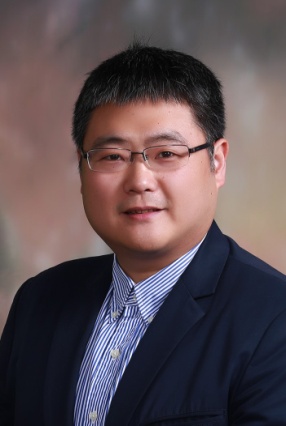 Li Xiao (肖俐)合作论文数Dongfang Hospital, Beijing University of Chinese Medicine18
 Xiulan He (何秀兰)合作论文数Dongfang Hospital, Beijing University of Chinese Medicine16
 Yang Cao (曹阳)合作论文数Dongfang Hospital, Beijing University of Chinese Medicine;Dongzhimen Hospital, Beijing University of Traditional Chinese Medicine15Xueni Fang合作论文数14Dianna Liu合作论文数14LiHui Yang (杨丽惠)合作论文数14Qin Zhou (周琴)合作论文数14
 Quanwang Li (李泉旺)合作论文数Dongfang Hospital, Beijing University of Chinese Medicine14Zhongyang Yu合作论文数13Zhiming LI (李志明)合作论文数13Zhen TIAN (田桢)合作论文数12ManQiang Sun (孙满强)合作论文数12XiaoYi Chi (迟笑怡)合作论文数11XiaoDan Zhu (朱晓丹)合作论文数11Kerui ZHANG (张可睿)合作论文数10GaoFei Feng (冯高飞)合作论文数10Lei Gao合作论文数Dept Grad Sch, Dalian Med Univ9PeiShan He (何佩珊)合作论文数9
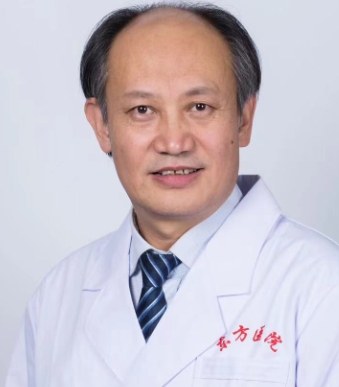 Zhanbing Qiao (乔占兵)合作论文数Dongfang Hospital, Beijing University of Chinese Medicine9
 Robert Hoffman合作论文数AntiCancer, Inc.;Department of Surgery, Medical Center, University of California, San Diego8
 Jingxiao Wang合作论文数Department of Bioengineering and Therapeutic Sciences and Liver Center, University of California8Jian-feng WANG (王剑锋)合作论文数8MengKe He (和梦珂)合作论文数8
 Wuwei Yang (杨武威)合作论文数Chinese PLA General Hospital8
 Dan Wang (王丹)合作论文数Third Affiliated Hospital, Beijing University of Chinese Medicine8ZHOU Xiangnan (周相男)合作论文数7Xin-jie YANG (杨新阶)合作论文数7
 Chi Zhang合作论文数7Si-qi ZHANG (张思奇)合作论文数7Yang JIANG (江洋)合作论文数7ShuJing Yi (易舒婧)合作论文数7
 Wei Rao (饶伟)合作论文数Technical Institute of Physics and Chemistry, Chinese Academy of Sciences;University of Chinese Academy of Sciences7
 Xinyi Chen (陈信义)合作论文数Dongzhimen Hospital, Beijing University of Chinese Medicine7PENG Zhaowen (彭昭文)合作论文数6Yinan FAN (范毅南)合作论文数6Ximing LIN (林细明)合作论文数6Qi CHEN (陈琪)合作论文数6YuanTao Zhong (钟元涛)合作论文数6Xuan Tu (涂轩)合作论文数6




