OBJECTIVE:A simplified mitral valve transcatheter edge-to-edge repair workflow under sole transesophageal echocardiographic guidance, without fluoroscopy, has been developed. This study aimed to compare its real-world outcomes with the conventional procedures under the combined guidance of fluoroscopy and transesophageal echocardiography. METHODS:We retrospectively analyzed 386 patients undergoing mitral valve transcatheter edge-to-edge repair between January 2021 and December 2025, including 286 in the sole transesophageal echocardiography guidance group and 100 in the combined guidance group. The primary end points were cardiovascular mortality, all-cause mortality, and a composite of all-cause mortality and heart failure hospitalization. Propensity score matching and overlap weighting were performed as sensitivity analyses. RESULTS:Technical success was achieved in 98.3% and 97.0% of patients in the sole transesophageal echocardiography group and combined guidance group, respectively, and 30-day major adverse events occurred in 2.8% and 7.0%, respectively (P > .05). The median follow-up was 16.5 months. At 1 year, the estimated cumulative incidence rates of the 3 primary end points were 4.4%, 6.0%, and 11.3% in the sole transesophageal echocardiography guidance group and 6.4%, 8.5%, and 11.3% in the combined guidance group, respectively (P > .05). Mitral valve transcatheter edge-to-edge repair failure at 1 year was 4.8% and 6.3%, respectively (P > .05). The corresponding adjusted hazard ratios (95% CIs) for the 3 primary end points were 1.52 (0.61-3.79), 0.96 (0.42-2.18), and 0.93 (0.48-1.81), respectively. Findings were consistent in sensitivity and subgroup analyses. CONCLUSIONS:In this real-world observational cohort, mitral valve transcatheter edge-to-edge repair performed under sole transesophageal echocardiography guidance was associated with favorable procedural and follow-up outcomes, supporting the feasibility of this simplified workflow in experienced centers.
Background Ventricular free wall rupture (VFWR) and acute mitral regurgitation (MR) are life-threatening complications of acute myocardial infarction (AMI). Although surgical intervention is standard, alternatives are needed for those unfit for immediate operation. Case Summary An 81-year-old woman developed a VFWR with tamponade and severe MR after inferior AMI. Conservative management with pericardiocentesis and extracorporeal membrane oxygenation (ECMO) stabilized her hemodynamics, allowing spontaneous VFWR sealing. After ECMO weaning, refractory heart failure due to severe MR prompted transcatheter edge-to-edge repair (TEER). TEER successfully reduced MR from 4+ to 1+, enabling recovery to NYHA functional class I. Discussion This case demonstrates that a small VFWR may heal conservatively under ECMO support, challenging the dogma of mandatory emergency surgery. TEER after stabilization is feasible for post-AMI MR in high-risk patients. Take-Home Messages Conservative management with ECMO support can be a viable option for small VFWR in selected high-risk patients. TEER is a valuable therapeutic alternative for severe MR in patients with concomitant VFWR or those at prohibitive surgical risk.
The increasing incidence of structural heart disease has emerged as a significant global health challenge. Recently, ultrasound-guided interventional techniques have demonstrated the potential to replace traditional treatment methods due to their advantages, including the absence of radiation risks and the ability to provide real-time monitoring during surgeries. This study addresses challenges in instrument identification caused by factors such as low imaging resolution, variable instrument morphology in different sections, and the tendency for instruments to disappear or become obstructed. To tackle these issues, we propose a deep learning-based method for Video Instance Segmentation (VIS). The proposed method consists of three key components: 1) A frame-level detector extracts features from each image frame and generates queries for object instances. 2) A model architecture integrates the spatial feature extraction capabilities of convolutional neural networks with the temporal modeling capabilities of transformers, utilizing a windowed attention mechanism to capture inter-frame dependencies. 3) A multi-video segment joint memory learning mechanism is introduced, which stores historical query features in a shared memory bank. This enhances tracking robustness, particularly when instruments disappear or deform. Experimental results show that the model achieves an Average Precision (AP) of 40.640, significantly surpassing the performance of other mainstream VIS models. This method effectively improves the accuracy of instrument recognition and tracking stability in ultrasound images, thereby enhancing the safety and success rate of interventional surgeries. It also contributes to the promotion of this advanced surgical technique.
Echocardiogram video synthesis has emerged as a promising solution to alleviate data scarcity for training intelligent diagnostic models and to enhance clinical education. However, existing methods are typically conditioned on a single scalar metric, such as left ventricular ejection fraction (LVEF), which fails to capture the complex temporal dynamics of cardiac motion and thus limits clinical applicability. To address this limitation, we propose a novel image-to-video synthesis framework guided by left ventricular volume-time curves (VTCs), which provide a more comprehensive representation of cardiac function beyond conventional scalar indicators. Specifically, we develop a VTC-conditioned diffusion model for controllable echocardiogram video generation. Building upon this formulation, we introduce a two-stage architecture, where a latent optical flow module captures motion dynamics, and a conditioned image-to-flow sequence model subsequently generates temporally coherent motion patterns. This design enables efficient echocardiographic video generation with physiologically consistent cardiac dynamics, while the adversarial loss further improves visual fidelity by reducing blurring artifacts. In addition, to address the scarcity of labeled data, we propose a semi-supervised framework for extracting VTCs directly from echocardiogram videos. Extensive experiments demonstrate that the proposed method achieves state-of-the-art performance, enabling fine-grained control of cardiac dynamics and advancing the practical applicability of generative models in echocardiography.
Vascular smooth muscle cell (VSMC) migration is the key event in the pathogenesis of atherosclerosis (AS) and plaque instability. Trimethylamine-N-oxide (TMAO) induces VSMC migration to promote the progression of AS. However, the effects of the N6-methyladenosine (m6A) modification on this process remain unclear. Here, TMAO increased total m6A levels in human aortic smooth muscle cells (HASMCs) and decreased fat mass and obesity-associated protein (FTO) and YTH domain-containing family protein 2 (YTHDF2) protein expression. FTO or YTHDF2 overexpression significantly inhibited HASMC migration induced by TMAO. Mechanistically, the COL3A1 gene was shown to be critical for the regulation of HASMC migration by FTO or YTHDF2. Furthermore, methylated RNA immunoprecipitation and RNA stability assays demonstrated that FTO bound to the COL3A1 mRNA and altered its m6A modification, resulting in its decay. In vivo, VSMC-specific FTO or YTHDF2 deletion aggravated AS and plaque instability, whereas adeno-associated virus serotype 9 (AAV9)-mediated VSMC-specific YTHDF2 overexpression or COL3A1 knockdown exerted protective effects on AS and/or plaque instability. Notably, VSMC-specific FTO deletion promoted VSMC migration in atherosclerotic lesions in ApoE−/− AS model mice, whereas VSMC-specific YTHDF2 overexpression had the opposite effect. Overall, the in vitro and in vivo evidence highlights the critical role of the FTO/YTHDF2/COL3A1 axis in VSMC migration, AS, and plaque instability, suggesting that targeting the FTO/YTHDF2/COL3A1 axis in VSMCs may be a novel and promising therapeutic strategy for the treatment and prevention of AS and plaque instability.
OBJECTIVE:Comprehensive data and analyses on cardiovascular research could clarify recent research trends for the academic community and facilitate policy development. We examined publications and reference data to identify research topics, trends and interdisciplinarity for cardiovascular disease (CVD). METHODS:We extracted and clustered text fragments from the titles and abstracts of 2 512 445 publications using artificial intelligence techniques, including natural language processing (NLP) for semantic analysis. Cardiovascular experts identified topics and document clusters based on the output of those semiautomatic methods. We also applied machine learning algorithms to predict the trends over the next 5 years in each field. We examined the crossover between the two cluster groups using citation relationships in the documents. RESULTS:Research in clinical studies showed the most notable increase; that was followed by research in population and basic studies. The research hotspots were minimally invasive treatments for valve disease, circulatory haemodynamics, and prevention and control of hypertension. The fastest-growing topics were health monitoring, evidence-based medicine and immunotherapy. We found extensive crossover relationships among document clusters for the periods of 2017-2018 and 2020-2021. CONCLUSIONS:This study provides valuable insights into the research hotspots for cardiovascular research, including an increasing emphasis on early disease detection and prevention, exploration of minimally invasive treatments and assessment of risk factors. The research landscape demonstrates signs of interdisciplinarity and integration as reflected in citation relationships. These findings suggest practical implications for optimising resource allocation in healthcare systems, guiding clinical guideline updates and informing policy-making to prioritise high-impact research areas aligned with evolving CVD challenges. Given the evolving global burden of CVD, continuous research and innovation are imperative, with interdisciplinary collaboration assuming a pivotal role in advancing scientific knowledge.
Background: Structural heart diseases (SHDs), including rheumatic and non-rheumatic valvular diseases, cardiomyopathy, and congenital anomalies, remain a significant cause of morbidity and mortality worldwide. Their impact on the working-age population is often underrecognized, particularly in middle- and high-income countries undergoing rapid lifestyle and industrial transitions. Methods: Data were obtained from the Global Burden of Disease (GBD) 2021 study for all G20 countries. The analysis included deaths, disability-adjusted life years (DALYs), years of life lost (YLLs), and years lived with disability (YLDs) among adults aged 15–64 years from 1990 to 2021. Temporal trends were assessed using the estimated annual percentage change (EAPC). Risk exposure was evaluated through the Summary Exposure Value (SEV) for major cardiovascular risk factors. Least absolute shrinkage and selection operator (LASSO) and Extreme Gradient Boosting (XGBoost) were used to prioritize determinants of SHD burden. Results: In 2021, SHD burden varied widely across G20 countries. The highest DALY rates were observed in India, South Africa, and Russia, mainly due to rheumatic and alcoholic cardiomyopathies, whereas high-income countries had a lower fatal burden but a greater share of non-fatal valvular disease. From 1990 to 2021, rheumatic heart disease declined steadily across most countries (EAPC < 0), whereas alcoholic and non-rheumatic cardiomyopathies showed heterogeneous or rising trends. Between 2019 and 2021, SHD-related deaths and DALYs fell by approximately 2% in both sexes. LASSO and XGBoost analyses identified high systolic blood pressure, elevated BMI, dietary sodium intake, air pollution, and occupational exposures (beryllium and sulfuric acid) as the dominant predictors of SHD burden. Conclusions: Among working-age populations in G20 countries, the burden of SHD is shifting from infection-driven to metabolic, behavioral, and occupational causes. Effective prevention requires integrated strategies addressing hypertension, obesity, dietary risks, air quality, and workplace safety to reduce premature mortality and disability in the global workforce.
Background:The hybrid technique for ventricular septal defect (VSD) closure combines elements of conventional open-heart surgery with cardiopulmonary bypass (CPB) and minimally invasive approaches, including beating-heart occluder implantation through right ventricular free-wall puncture. Hybrid periventricular VSD closure offers several advantages over CPB-based surgery. Its less invasive nature, facilitated by catheter-based access to the defect, may reduce anesthesia duration and hospital stay in pediatric patients. Despite these potential benefits, the adoption of hybrid VSD correction remains limited, particularly in Kazakhstan. Methods:We report our experience with hybrid VSD closure in 747 pediatric patients (age range: 0-18 years) treated between 2016 and 2024, representing the first implementation of this technique in Kazakhstan. We evaluated the impact of pre-, peri-, and postoperative variables, including VSD size and type, occluder characteristics, duration of anesthesia, and mechanical ventilation, on the risk of early or late rhythm disturbances and the need for conversion to CPB. Results:Postoperative complications occurred in 27 of 747 patients. Seven patients developed early transient rhythm disturbances, 10 experienced complete atrioventricular block (cAVB) between 2 weeks and 3.5 years after surgery, and 8 required conversion to CPB. Early transient rhythm disturbances were not associated with any analyzed factors. In contrast, late cAVB was significantly associated with older age (>5 years) and larger VSD size (>8 mm). Inlet VSD morphology, larger VSD size, and their combination were significant predictors of CPB conversion. Based on these findings, we propose an algorithm for patient selection for minimally invasive hybrid VSD closure. Conclusions:Several clinical and anatomical factors should be considered when assessing perioperative and long-term risks of hybrid VSD closure in pediatric patients. Nevertheless, the hybrid approach represents a valuable alternative to conventional surgery, demonstrating a low incidence of long-term complications.
Background and Aims Calcific aortic valve disease lacks effective pharmacotherapy and is tightly linked to ageing. Since nicotinamide adenine dinucleotide (NAD(+)) steadily declines with age, this study investigated whether cell-type-specific disruption of NAD(+ )salvage metabolism drives valvular inflammation and calcification. Methods This study combined integrated human aortic-valve bulk RNA-seq with single-cell transcriptomics to map NAD+ pathways. Effects of nicotinamide phosphoribosyltransferase (NAMPT) loss or gain were tested in heterozygous, endothelial-specific, and myeloid-specific Nampt-knockout mice and in cultured valvular endothelial cells and macrophages. Therapeutic potential was evaluated with early vs late nicotinamide mononucleotide supplementation. UK Biobank proteomics and Mendelian randomization examined associations between circulating NAMPT and aortic stenosis. Results In aged human valves, NAMPT-mediated salvage exhibited the steepest suppression within valvular endothelial cells, triggering NAD(+) depletion, SIRT1 inactivation, and hyper-acetylated nuclear factor kappa-B, thereby resulting in an ICAM-1-rich inflammaging profile. Recruited macrophages displayed paradoxical NAMPT up-regulation and secreted extracellular NAMPT that signalled through TLR4 on endothelial cells, amplifying valvular inflammation. Genomic analyses revealed that elevated plasma NAMPT conferred a higher risk of aortic stenosis. On the other side, myeloid Nampt deletion generated a senescent phenotype marked by FOXA2 acetylation and MMP13-driven collagen disruption, accelerating leaflet calcification. Early nicotinamide mononucleotide therapy restored valvular NAD(+,) dampened endothelial inflammation, limited macrophage infiltration, and attenuated calcification, while delayed treatment was less effective. Conclusions Calcific aortic valve disease is initiated by endothelial NAD(+) insufficiency and magnified by metabolically diverse macrophages. This compartmentalized NAD+ circuit couples inflammaging to matrix catastrophe. Early NAD(+) repletion via nicotinamide mononucleotide and interventions targeting NAMPT warrant clinical evaluation as potential therapies for calcific aortic valve disease.
OBJECTIVES:We evaluated the safety and efficacy of transcatheter aortic valve replacement (TAVR) up to 1-year follow-up for patients with severe pure aortic valve regurgitation (AR) or mixed severe aortic valve regurgitation and aortic valve stenosis (AR+AS) using a novel self-expandable bioprosthesis. METHODS:From 2021 to 2022, transapical TAVR using Ken-Valve (Jenscare Biotechnology Ltd, Ningbo, China) was performed in 142 symptomatic patients (mean age 70.3 ± 5.5 years) with pure AR (n = 109) or AR+AS (n = 33) across 15 hospitals in China. All patients were considered high-risk or inoperable after heart team evaluation, with a mean Society of Thoracic Surgeons score of 5.9 ± 3.0%, and 99.3% in NYHA class III/IV. Procedural characteristics, echocardiography data, and clinical outcomes up to 1-year were analysed. RESULTS:Technical success was achieved in 97.2% of cases. Two (1.4%) patients were converted to open surgery due to unsuitable anatomy or valve migration during the procedure. New permanent pacemakers were implanted in 20 (14.1%) patients. Three (2.1%) patients had stroke, and 3 (2.1%) patients had major bleeding. Thirty-day mortality was 2.1%, and all-cause mortality at 1-year was 5.6% (8/142). Mean aortic valve gradient and effective orifice area (EOA) at 1-year postoperatively were 9.4 ± 5.4 mmHg and 1.9 ± 0.6 cm2, respectively. Significant improvement in clinical symptoms, positive left ventricular remodelling, and quality of life were observed up to 1-year. There was no significant difference in mortality, complications, and haemodynamic performance between patients with pure AR and AR+AS at 1-year. CONCLUSIONS:TAVR using the Ken-Valve was safe and effective in patients with pure AR or mixed AR+AS in mid-term. CLINICAL REGISTRATION NUMBER:NCT03788590.
Myocardial infarction (MI) is characterized by severe oxidative stress, excessive inflammation, and profound mitochondrial dysfunction. Although mitochondrial transplantation offers therapeutic promise for MI, its clinical translation is severely hampered by the extreme fragility of donor mitochondria with rapid loss of functional viability after isolation. Here, inspired by the intrinsic cellular defense mechanisms against mitochondrial dysfunction, MOTS-c, a mitochondria-derived peptide (MDP), is selected and further conjugated with self-assembling peptide (Q11) to fabricate a hydrogel-based mitochondrial delivery system (MQgel@Mito) for cardiac repair after MI. It has been observed that MQgel significantly extends the survival of isolated mitochondria and maintains metabolic enzyme activity for at least 8 h. More importantly, MQgel not only shields donor mitochondria from oxidative stress and calcium overload, but also enhances mitochondrial internalization by macrophages through an adenosine 5'-monophosphate-activated protein kinase (AMPK)-dependent mechanism. Furthermore, MQgel@Mito facilitates metabolic reprogramming of macrophages by suppressing pro-inflammatory glycolysis and enhancing oxidative phosphorylation (OXPHOS), thereby attenuating M1 polarization. Additionally, MQgel@Mito maintains mitochondrial homeostasis, reduces reactive oxygen species (ROS), and rescues apoptosis of macrophages. In a rat MI model, MQgel@Mito reduces M1 macrophage infiltration and cardiomyocyte damage by delivering viable mitochondria, thereby improving cardiac function and limiting pathological remodeling. These findings establish a paradigm for mitochondrial protection and demonstrate macrophage immunometabolism as a viable therapeutic strategy for MI.
Abstract BACKGROUND Cerebral ischemia following subarachnoid hemorrhage (SAH) has traditionally been considered transient because functional alterations of the cerebral microcirculation are thought to be self-limiting. However, we identified a previously unrecognized vasculopathy, perivascular fibrosis of the cerebral microcirculation (PFCM), characterized by excessive type I collagen deposition after SAH. This study investigated the mechanisms underlying PFCM and its subsequent effects on cerebral hemodynamics. METHODS In vivo SAH was modeled in mice by autologous blood injection, whereas oxygenated hemoglobin (OxyHb) exposure was used to mimic SAH in vitro . Pericyte-deficient mice ( Pdgfrβ +/- ) and pericyte-specific vestigial-like family member 3 (VGLL3) conditional knockout mice ( Vgll3 ΔPC ) were generated. Pericyte contractility was measured by nanoindentation and traction force microscopy. Molecular mechanisms were examined using Western blotting, immunofluorescence, CUT&Tag, RNA-seq, transmission electron microscopy, and molecular docking. PFCM, impaired dilation of the cerebral microcirculation, and cerebral autoregulation were assessed by two-photon imaging, transcranial Doppler with continuous blood pressure monitoring, super-resolution ultrasound imaging, and photoacoustic imaging. RESULTS After SAH, mice developed long-term cerebral autoregulation dysfunction marked by impaired dilation of the cerebral microcirculation, with the abnormality being most evident within the relatively lower blood pressure range. The marked reduction in PFCM in Pdgfrβ +/- mice indicated that pericytes were the principal cellular contributors. Mechanistically, OxyHb-induced cytoskeletal remodeling in vitro increased pericyte contractility and promoted nuclear translocation of SAH-upregulated VGLL3. This was followed by increased genomic occupancy, Col1a1 transcriptional activation, and type I collagen deposition. Pericyte-specific VGLL3 knockout abolished PFCM and, consequently, significantly alleviated long-term cerebral autoregulation dysfunction. CONCLUSIONS Our findings identify PFCM mediated by pericytic VGLL3 as a novel vasculopathy leading to long-term cerebral autoregulation dysfunction after SAH. Clinical Perspective What Is New? PFCM is a previously unrecognized vasculopathy that is mediated by pericytic VGLL3 after SAH in mice. PFCM is associated with persistent cerebral autoregulation dysfunction and impaired dilation of the cerebral microcirculation, challenging the traditional concept that cerebral ischemia after SAH is only transient and self-limiting. Pericyte-specific VGLL3 knockout abolished PFCM and, consequently, significantly attenuated long-term cerebral autoregulation dysfunction after SAH. What Are the Clinical Implications? Suppressing pericyte hypercontractility reduced early cerebral ischemia and was accompanied by less PFCM and reduced persistent cerebral autoregulation dysfunction after SAH. Pericytic VGLL3 lies within the hypercontractility-PFCM pathway and may therefore represent a specific therapeutic target for hemodynamic impairment after SAH. The findings suggest that cerebral ischemia after SAH may be aggravated by hypovolemia or hypotension. This observation supports careful cardiovascular management and further evaluation of integrated heart-brain treatment strategies Abstract Figure
Compared with left heart catheterization (LHC), the pressure gradient of an aortic valve (PGAV) measured by echocardiography during transcatheter aortic valve replacement (TAVR) in small annuli is overestimated. The purpose of this study was to improve the accuracy of PGAV measurements by echocardiography in small annuli and to evaluate the influence of PGAV on prognosis. The internal derivation cohort included 273 consecutive patients with aortic stenosis and a small annulus (computed tomographic scan showing an annulus circumference < 72 mm or area < 400 mm2) who underwent TAVR. Patients completed transthoracic echocardiography (TTE) and LHC measurements during TAVR, and an extreme gradient boosting (XGBoost) algorithm was trained. The primary outcome was a composite end point of all-cause mortality and readmission for heart failure. The mean PGAV level measured by TTE was overestimated compared to the LHC measurement 52.5 [interquartile range: 47.5–57.0] mmHg vs. 42.5 (interquartile range: 38.0–46.0) mmHg, P < 0.001. After adjustments to the XGBoost, the mean PGAV measured by TTE could be significantly improved [Pearson correlation coefficient = 0.94, P < 0.001]. Importantly, patients with a predicted mean PGAV ≥ 68.6 mmHg showed a significantly increased incidence of composite end points at 2 years after the procedures (40.7
Since the publication of the 2021 Asian Pacific Society of Cardiology (APSC) consensus statements on the use of MitraClip for mitral regurgitation (MR), other transcatheter edge-to-edge repair (TEER) devices have been introduced for the treatment of both tricuspid regurgitation (TR) and MR. Hence, the APSC developed these consensus recommendations, with general cardiologists and internal medicine specialists practicing cardiology as the intended readers, to update the recommendations on the appropriate use of TEER in patients with TR or MR. The APSC expert panel reviewed and appraised the available evidence using the GRADE system. Consensus recommendations were developed and put to an online vote. Consensus was reached when at least 80% of votes for a given recommendation were in support of ‘agree’ or ‘neutral’, The resulting 16 statements provide guidance for clinical practitioners in the region on the evaluation and management of patients with TR or MR in the Asia-Pacific region who are being considered for TEER therapy.
BACKGROUND:Novel biodegradable patent foramen ovale (PFO) closure devices offer a promising therapeutic option. The efficacy and safety of the novel biodegradable devices compared with nitinol devices have not yet been investigated in a randomized clinical trial. METHODS:This multicenter, randomized, noninferiority trial examined whether the novel biodegradable PFO closure device achieves comparable closure success rates as traditional nitinol devices while demonstrating disappearance of the protruding parts of the device on echocardiography. A total of 190 patients with PFO were enrolled and randomly assigned to receive either the biodegradable device (n=96) or the nitinol device (n=94). The primary efficacy end point was PFO closure success rate at 6 months postprocedure as demonstrated by contrast echocardiography. We continued to evaluate device-related complications, device disappearance on echocardiography, and closure success rates over a 24-month follow-up period. RESULTS:Successful PFO closure was achieved in 87 patients (90.63%) in the biodegradable device group and 86 patients (91.49%) in the nitinol device control group. The lower limit of the 95% CI of absolute difference was -8.98%, greater than the predefined noninferiority margin of -10%, confirming that the biodegradable device was not inferior to the nitinol device in terms of closure success. One patient in the trial group required surgical device removal because of intraprocedural deformation. No deaths, embolism, thrombus on the device, or erosion were observed in either group throughout the entire study period. Transthoracic echocardiography revealed that the hyperechoic area corresponding to the biodegradable device began decreasing within the first year after implantation and disappeared on echocardiography by 24 months after implantation. CONCLUSIONS:The novel biodegradable PFO closure device, which disappears on echocardiography within 24 months after implantation, demonstrates noninferiority to the traditional nitinol device in both efficacy and safety.
Peri-device leak and device-related thrombus1 remain key challenges of current left atrial appendage occlusion (LAAO)2 owing to the incompatibility between the solid occluder and the left atrial appendage (LAA). Here we propose a personalized and complete LAAO using magnetofluids that is suitable for all types of LAAs. Magnetofluids can be injected into LAAs from cardiac catheters. In the presence of a sufficient magnetic field, magnetofluids can resist high-speed blood flow. Magnetofluids can precipitate into magnetogels in contact with water in the blood within only a few minutes. We further confirmed the long-term resilience and biocompatibility of the magnetogel over 10 months in a pig model in vivo. Neither device-related thrombus nor magnetogel leakage was observed in any pigs. The endocardium formed on the Watchman occluder was rough and incomplete, predisposing to thrombosis. Myocardial injuries were unavoidable due to the barbs of the Watchman occluder. The endocardium formed on our magnetogel was smooth, firm and thrombus-free. No crevice was observed between our magnetogel and the LAA, and no injury was caused to the myocardium. These findings may offer a promising clinical strategy for long-term thrombus-free LAAO.
 Fengwen Zhang (张凤文)合作论文数Fuwai Hospital, Chinese Academy of Medical Sciences122
 Wenbin Ouyang (欧阳文斌)合作论文数Fuwai Hospital, Chinese Academy of Medical Sciences & Peking Union Medical College118Shouzheng Wang合作论文数92Ge-jun ZHANG (张戈军)合作论文数49
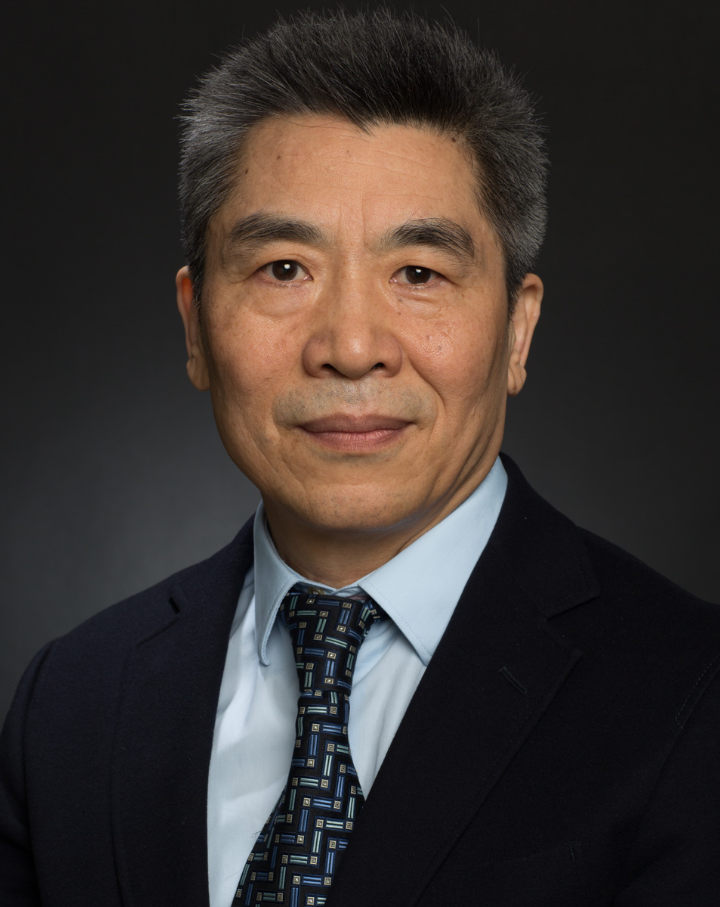 Shengshou Hu (胡盛寿)合作论文数Fuwai Hospital, Chinese Academy of Medical Sciences47
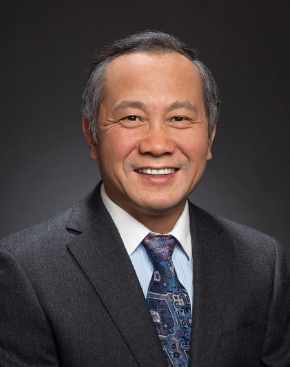 Shoujun Li (李守军)合作论文数Fuwai Hospital, Chinese Academy of Medical Sciences & Peking Union Medical College38Guangzhi Zhao合作论文数35Kunjing Pang合作论文数35Yongquan Xie合作论文数31Yao Liu (刘垚)合作论文数31Jun-Yi Wan合作论文数29Gaili Guo合作论文数27
 Haibo Hu (胡海波)合作论文数Fuwai Hospital, Chinese Academy of Medical Sciences & Peking Union Medical College22Peijian Wei合作论文数20ZhiLing Luo (骆志玲)合作论文数19
 Yangxin Li (李杨欣)合作论文数Institute for Cardiovascular Science, Suzhou Medical College, Soochow University18
 Zhongdong Hua (花中东)合作论文数Fuwai Hospital, Chinese Academy of Medical Sciences & Peking Union Medical College18ZHU Da (朱达)合作论文数17
 Xiyong Yu (余细勇)合作论文数广东省人民医院17Chuangshi Wang合作论文数16Bin Wen (温彬)合作论文数16Kai Ma合作论文数16
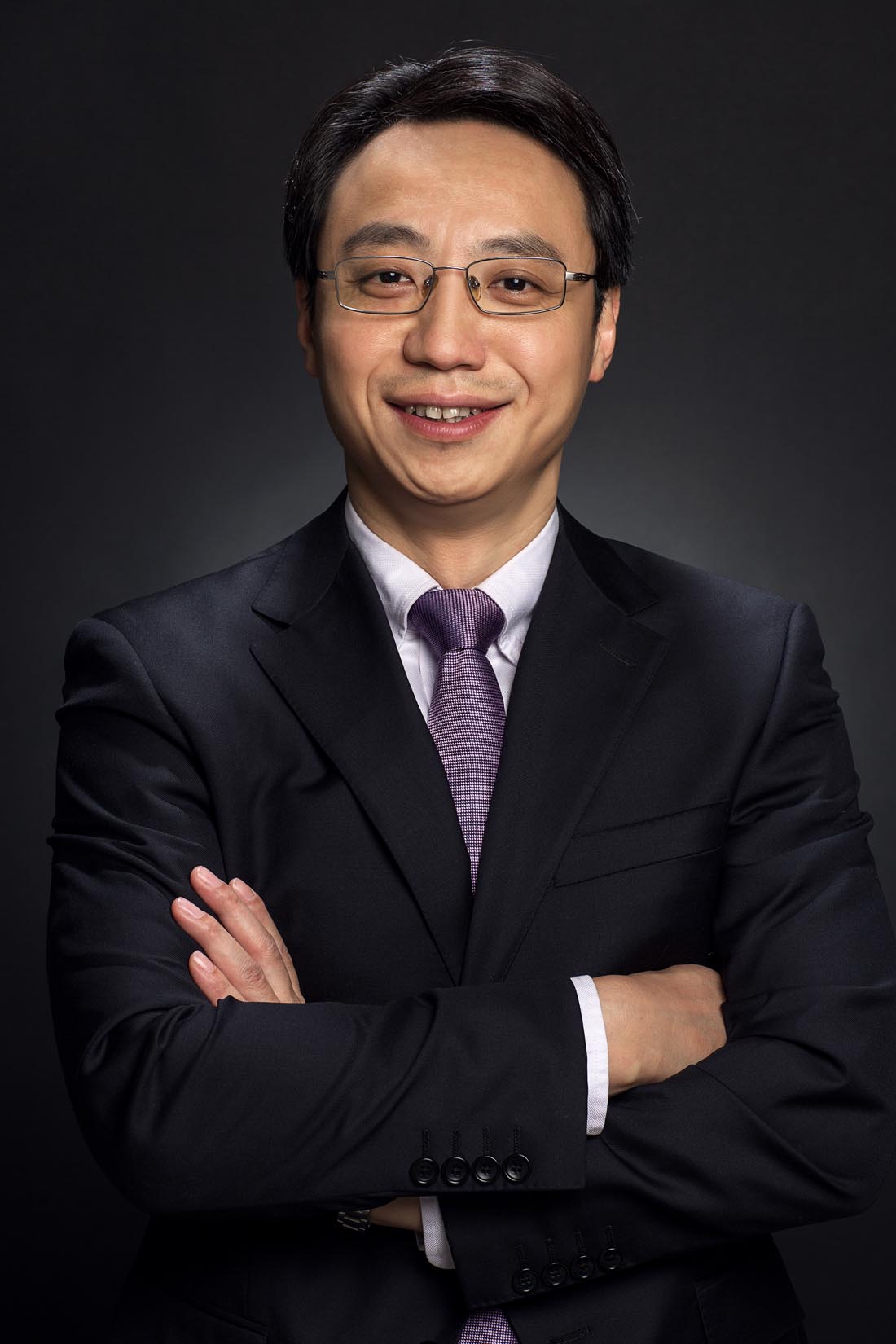 Keming Yang (杨克明)合作论文数Fuwai Hospital, Chinese Academy of Medical Sciences & Peking Union Medical College16ZhongYing Xu (徐仲英)合作论文数15Shiguo Li合作论文数15Zeye Liu合作论文数14YingQiang Guo (郭应强)合作论文数14DaWei Zhang (张大伟)合作论文数14
 Bin Liu (刘斌)合作论文数The Second Norman Bethune Hospital of Jilin University14
 Shiliang Jiang (蒋世良)合作论文数Fuwai Hospital, Chinese Academy of Medical Sciences14Cheng Wang合作论文数13Pengxu Kong合作论文数12Wenchao Li合作论文数12Yu Zhang合作论文数12Jian Yang合作论文数12
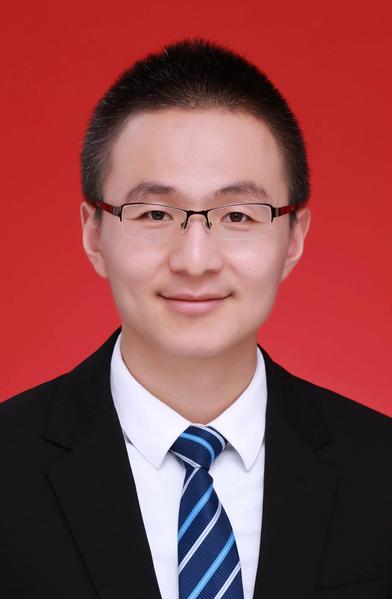 Weiwei Wang (王伟伟)合作论文数College of Life Sciences, Nankai University12
 Haibo Zhang (张海波)合作论文数Beijng Anzhen Hospital, Capital Medical University12Zefu Li合作论文数11Yanli Wang合作论文数11Jing-lin JIN (金敬琳)合作论文数11Hong Meng (孟红)合作论文数11
 Jun Yan (闫军)合作论文数Fuwai Central China Cardiovascular Hospital11
 Yan Wang (王焱)合作论文数Xiamen Cardiovascular Hospital, Xiamen University11Qiuming Chen (陈求名)合作论文数10Liang Xu (许亮)合作论文数10Chaowu Yan合作论文数10Yihang Li合作论文数9Fujian Duan合作论文数9




