Oral squamous cell carcinoma (OSCC) demonstrates limited response to immunotherapies due to immunosuppression and metastasis. This study presents an injectable pH/ROS-dual-responsive hydrogel co-loaded with enoblituzumab (B7-H3 blocker) and Cl-amidine (NETs suppressor). The hydrogel, formed by boronic ester bonds and Schiff base linkages, ensures precise drug release within the acidic, high-ROS tumor microenvironment (TME). Notably, its localized intratumoral delivery avoids intravenous administration's systemic toxicity and off-target effects, enabling high intratumoral accumulation with minimal systemic exposure. In orthotopic and subcutaneous OSCC models, intratumoral administration significantly suppressed tumor growth compared to monotherapies or controls. This enhanced antitumor effect arises from synergistic TME reprogramming: Cl-amidine inhibits NETs formation to reduce barriers and facilitate robust CD4+/CD8+ T-cell infiltration, while enoblituzumab, by targeting B7-H3, restores cytotoxic T-cell function and augments antibody-dependent cellular cytotoxicity. Experimental evidence validates the suppression of OSCC invasion and metastasis through inhibition of B7-H3 and NETs, which occurs by reversal of their induced epithelial-mesenchymal transition (EMT). The hydrogel exhibits excellent biocompatibility without systemic toxicity. This TME-responsive combination strategy offers a promising approach to enhance immunotherapy efficacy and overcome immune resistance in OSCC.
[This corrects the article DOI: 10.3389/fimmu.2026.1818274.].
The global surge in human papillomavirus (HPV)-associated oropharyngeal squamous cell carcinoma (OPSCC) has necessitated a fundamental shift in clinical management. While patients exhibit favorable prognoses compared to HPV-negative counterparts, balancing oncological cure rates with toxicity reduction remains a critical challenge. This review elucidates the virological mechanisms driven by oncoproteins E6 and E7 and evaluates novel diagnostic biomarkers, emphasizing the utility of liquid biopsy (circulating tumor HPV DNA,ctHPV DNA) and artificial intelligence for dynamic risk stratification. We critically examine current therapeutic controversies, particularly the risks of recurrence associated with unguided treatment de-escalation. Furthermore, the article highlights innovations in precision medicine, including immune reactivation strategies leveraging viral antigens (therapeutic vaccines, adoptive cell therapy) and targeted interventions exploiting metabolic vulnerabilities (PI3K/Akt/mTOR pathway) and DNA damage repair defects. Ultimately, we advocate transitioning from static TNM staging to a multidimensional, adaptive treatment model integrating genomics and immunology to achieve precise, individualized care for HPV-associated OPSCC.
Tongue squamous cell carcinoma (TSCC) is one of the most common malignancies of the oral cavity, and cervical lymph node status is a major determinant of prognosis. Conventional selective neck dissection (SND) requires a transcervical incision that may result in visible cervical scarring and reduced patient satisfaction. Natural orifice specimen extraction surgery (NOSES) offers a minimally invasive alternative by enabling transoral specimen retrieval while preserving specimen integrity and avoiding an additional cervical incision. This study aimed to evaluate the technical feasibility and preliminary clinical outcomes of NOSES-facilitated transoral en-bloc specimen extraction combined with a modified facelift incision and endoscopic selective neck dissection in patients with clinically node-negative TSCC. This retrospective single-center case series included seven patients with clinically cT1–3N0 TSCC who underwent hemiglossectomy with in-continuity endoscopic selective neck dissection through a modified facelift incision. Transoral en-bloc specimen extraction was performed using the NOSES technique, and indocyanine green (ICG) near-infrared fluorescence imaging was used intraoperatively for lymphatic mapping and assessment of free flap perfusion. Perioperative outcomes, postoperative complications, cosmetic outcomes, and short-term oncologic outcomes were evaluated. All procedures were completed successfully without conversion to a conventional transcervical approach or major intraoperative complications. A mean of 15–16 cervical lymph nodes was harvested per patient, and no pathological cervical lymph node metastases were identified. One patient developed partial free flap necrosis, which resolved following appropriate management. During a follow-up period of 23–36 months (replace with the exact mean or median if available), no local recurrence or cervical lymph node metastasis was observed. All patients achieved favorable cosmetic outcomes, with low postoperative neck scar scores. This preliminary case series demonstrates that NOSES-facilitated transoral en-bloc specimen extraction combined with a modified facelift incision is technically feasible in carefully selected patients with clinically node-negative TSCC. The technique achieved acceptable short-term perioperative, cosmetic, and preliminary oncologic outcomes. However, larger prospective comparative studies with longer follow-up are required to confirm its long-term safety, reproducibility, and oncologic effectiveness.
BackgroundHead and neck squamous cell carcinoma (HNSCC) comprises biologically diverse tumors, and durable responses to immune-checkpoint blockade are achieved by only a subset of patients. There remains a need for markers that connect clinical outcome with malignant-cell phenotypes and tissue-level immune organization.MethodsWe integrated The Cancer Genome Atlas HNSCC cohort (TCGA-HNSC), five Gene Expression Omnibus (GEO) validation cohorts, single-cell RNA sequencing, Visium spatial transcriptomics, cellular indexing of transcriptomes and epitopes by sequencing (CITE-seq)-informed protein-potential inference, pharmacogenomic screening, genetic-risk analysis and experimental validation. A reconstructed 296-pipeline survival modelling framework was used to prioritize prognostic hub genes across validation-cohort-specific analyses.ResultsSIRPG was repeatedly ranked among the top ten selected genes in all five validation cohorts. At single-cell resolution, SIRPG-high tumor cells showed stronger malignant-cell features, immune-inhibitory and metabolic programs, Scissor-positive risk association, CLCA2/P53-related perturbation signals and inferred SIRPG-CD47/signal regulatory protein (SIRP) communication. Spatial analyses placed this axis within an immune-checkpoint-coupled niche, supported by Maxspin/multiview intercellular spatial modelling (MISTy) spatial coupling, communication analysis by optimal transport (COMMOT)-inferred CD47-SIRPG communication and scProTrans-inferred CD47/SIRPG protein-potential overlap. Functionally, SIRPG knockdown reduced HNSCC cell viability and increased apoptosis, whereas re-expression of short hairpin RNA (shRNA)-resistant SIRPG restored the CLCA2-BAX/BCL2 protein response.ConclusionTogether, these findings identify SIRPG as an immune-related prognostic hub and context-dependent tumor-cell regulator associated with apoptosis, immune communication and spatial microenvironmental organization in HNSCC.
Oral cancer and oral potentially malignant disorders (OPMDs) remain a significant challenge in diagnosis and therapy, primarily due to inherent limitations in early detection, targeted treatment, and postoperative rehabilitation. Conventional diagnostic and therapeutic modalities often lack sufficient sensitivity, specificity, and effectiveness in restoring oral function. Biomaterials including nanoparticles, hydrogels, and scaffolds, offer versatile solutions by virtue of their tuneable properties, biocompatibility, and versatility in drug delivery and tissue engineering. However, their clinical translation is limited by the need for personalisation and lingering efficacy concerns. Artificial intelligence (AI) has emerged as a transformative approach to advance the design, optimisation, and application of biomaterials in oral oncology. By integrating machine learning (ML) and data-driven modelling, AI enhances diagnostic accuracy through biosensing and radiomic analysis, guides the rational design of drug carriers and dosing regimens, and facilitates computer-aided scaffold fabrication for maxillofacial reconstruction. This review summarises recent advances at the intersection of AI and biomaterials in the context of oral cancer and OPMDs, highlighting innovations in early detection, targeted therapy, and postoperative repair. It also discusses current barriers, including data quality, model generalizability, and regulatory oversight, and outlines future directions for interdisciplinary research. When properly integrated, AI-enabled biomaterials hold considerable potential to deliver more precise, efficient, and patient-tailored solutions for oral cancer management.
Immunotherapy has revolutionized the treatment of malignant tumors and is now recognized as a first-line option for various cancers. In resectable locally advanced oral squamous cell carcinoma (OSCC), neoadjuvant immunotherapy has been integrated into clinical practice, representing significant progress. While neoadjuvant immunochemotherapy shows promising efficacy in this setting, several critical challenges remain unresolved. These include defining optimal endpoints and response evaluation methods, identifying and managing hyperprogression, determining surgical strategies for patients with significant tumor reduction, assessing the feasibility of de-escalating postoperative adjuvant therapy in those achieving pathological complete response, and managing immune-related adverse events. This consensus addresses these challenges by integrating current evidence with pressing clinical questions and incorporating multidisciplinary expert insights from the OSCC field. The objective is to establish a standardized, unified framework for evaluating and managing these complex issues in resectable locally advanced OSCC.
Chemoresistance to cisplatin is a major contributor to the progression of head and neck squamous cell carcinoma (HNSCC); however, the mechanisms underlying cisplatin resistance in HNSCC remain incompletely understood. Dysregulation of metabolite transport between mitochondria and the cytoplasm, mediated by solute carrier family 25 (SLC25), is closely associated with tumor progression. Solute carrier family 25 member 1 (SLC25A1) promotes malignant phenotypes in various cancers; however, its role in HNSCC remains unexplored. Here, we demonstrate that SLC25A1 is overexpressed in HNSCC and is closely associated with poor prognosis. SLC25A1 upregulation promotes cisplatin resistance in HNSCC cells. Moreover, SLC25A1 enhances cisplatin resistance in HNSCC cells by inducing cellular senescence. Mechanistically, SLC25A1 upregulates the expression of RANBP1, CDC45, and PES1 through histone H3 lysine 27 acetylation-mediated transcriptional activation. Furthermore, SLC25A1 interacts with HSPD1, a mitochondrial chaperonin protein, via its C-terminal region to increase citrate transport and cytosolic acetyl-CoA levels. Treatment with CTPI-2, a specific inhibitor of SLC25A1, exhibits therapeutic effects against cisplatin-resistant HNSCC. These findings establish SLC25A1 as a key regulator of cisplatin resistance in HNSCC, suggesting that it serves as both a predictive biomarker and a potential therapeutic target in chemoresistant HNSCC. From a translational perspective, these results support CTPI-2 as a promising therapeutic agent for overcoming cisplatin resistance.
This study aimed to evaluate the clinical efficacy of indocyanine green angiography (ICGA) in optimising anterolateral thigh (ALT) flap reconstruction for oral and maxillofacial defects. Fifteen consecutive patients (10 males, mean (SD) age 53.8 (14.5) years) undergoing ALT flap reconstruction following tumour resection were prospectively enrolled. Intravenous indocyanine green (ICG) (2.5 mg/ml) administration combined with hand-held Doppler ultrasound (DUS) enabled preoperative mapping of the descending branch of the lateral circumflex femoral artery and localisation of the perforator. Intraoperative real-time ICGA guidance facilitated precise flap trimming, while postoperative monitoring incorporated both DUS and ICGA assessments. Preoperative imaging revealed comparable perforator detection rates between modalities (DUS: 35/42 confirmed vs ICGA: 33/39 confirmed; accuracy 83.3% vs 84.6%, Z = 0.096, p = 0.081, kappa = 0.82, p = 0.026). ICGA-guided intraoperative modifications proved critical in seven cases, all achieving marginal flap viability. Four high-risk patients avoided reoperation through ICGA-guided perfusion monitoring. Notably, ICGA detected salvageable perfusion in two cases with absent DUS signals, and confirmed arterial patency following re-anastomosis in one case. ICGA enhances surgical precision in ALT flap reconstruction through perfusion mapping, enabling real-time intraoperative decision-making and improved postoperative monitoring sensitivity.
Radiation-induced oral ulcerative mucositis (RIOU) is a common complication of radiation therapy in patients with head and neck cancer. This condition adversely affects cancer prognosis and often interrupts treatment. Effective methods for RIOU prevention and treatment remain unavailable because of its unclear etiology. The present study identifies radiation-induced disruption of zinc homeostasis in the oral mucosa as a key factor in RIOU pathogenesis. To address this, a zinc tannate nanoparticle was developed by phase regulation to achieve efficient internalization of cells. In addition, it was incorporated into tannic acid modified polyvinyl alcohol dental patch. This patch is not only straightforward to synthesize but also exhibits strong adhesion properties, making it highly suitable for the humid and dynamic oral environment. Mechanistically, zinc supplementation activates the KLF5/FoxO signaling pathway in mucosal epithelial fibroblasts to enhance cellular activity. This activation promotes collagen secretion, mitigates lamina propria rupture, and effectively prevents the onset of RIOU. This study highlights the critical role of zinc imbalance in RIOU development and presents a novel oral adhesive patch with sustained zinc release as an effective strategy for RIOU prevention.
Aim or purpose: This study aimed to develop a localized immunotherapy for oral squamous cell carcinoma (OSCC) using a pH/ROS responsive hydrogel co-loaded with B7-H3 blockade antibody and Cl-amidine. Materials and methods: A tumor microenvironment-responsive hydrogel (Hydrogel@Anti-B7-H3&Cl-amidine) was constructed to enable dual-drug release. Subcutaneous and orthotopic OSCC mouse models were established to evaluate therapeutic efficacy, safety, and mechanisms. All animal experiments in this study were approved by the Institutional Animal Ethics Committee. The B7-H3 and neutrophil extracellular trap (NET) regulated epithelial mesenchymal transition (EMT) pathways were analyzed using qRT-PCR, Western blot, immunofluorescence, and flow cytometry, with experimental confirmation that downregulating B7-H3 and NETs effectively blocked the EMT process. Results: The hydrogel demonstrated pH/ROS-triggered drug release, significantly inhibiting tumor growth and metastasis in both models. B7-H3 and NETs promoted OSCC metastasis by activating EMT, while the dual-drug hydrogel blocked EMT via B7-H3 antibody mediated immune activation and Cl-amidine induced NETs suppression. Local treatment enhanced CD4+/CD8+ T cell infiltration, reduced Ki67 expression, and elevated TUNEL positivity. Conclusions: The pH/ROS responsive Hydrogel@Anti-B7-H3&Cl-amidine delivery effectively suppresses OSCC progression by targeting immune checkpoints and NETs driven EMT, offering a safe and precise strategy for OSCC therapy.
Perineural invasion (PNI) is a notorious feature of salivary adenoid cystic carcinoma (SACC) and other neurotropic tumors. The pathogenesis of PNI that involves the molecular communication between the tumor and the suffered nerve is elusive. The in vitro co-culture assays of SACC cells with dorsal root ganglia (DRG) or neural cells showed that nerve-derived CCL2 activated CCR2 expression in SACC cells, promoting the proliferation, adhesion, migration, and invasion of SACC cells via the ERK1/2/ITGβ5 pathway. Meanwhile, SACC-derived exosomes delivered ITGβ5 to promote the neurite outgrowth of neural cells or DRG. Blocking of CCL2/CCR2 axis or ITGβ5 inhibited the PNI of SACC cells in models in vitro by 3D co-culture of DRG with SACC cells and in vivo by xenografting SACC cells onto the murine sciatic nerve. High levels of ITGβ5 in tissues or plasma exosomes were significantly correlated with CCL2 and CCR2 expression in the tissues and associated with PNI and poor prognosis of SACC cases. Our findings revealed a novel reciprocal loop between neural and tumor cells driven by the CCL2/CCR2 axis and exosomal ITGβ5 during PNI of SACC. The present study may provide a prospective diagnostic and anti-PNI treatment strategy for SACC patients via targeting the nerve-tumor interactions.
BackgroundHead and neck squamous cell carcinoma (HNSCC) is a common cancer associated with elevated mortality rates. Exosomes, diminutive extracellular vesicles, significantly contribute to tumour development, immunological evasion, and treatment resistance. Identifying exosome-associated biomarkers in HNSCC may improve early diagnosis, treatment targeting, and patient classification.MethodsWe acquired four publically accessible HNSCC gene expression datasets from the Gene Expression Omnibus (GEO) database and mitigated batch effects utilising the ComBat technique. Differential expression analysis and exosome-related gene screening found a collection of markedly exosome-associated differentially expressed genes (ERDEGs). Subsequently, 10 key exosome-related genes were further screened by combining three machine learning methods, LASSO regression, SVM-RFE and RF, and a clinical prediction model was constructed. Furthermore, we thoroughly investigated the biological roles of these genes in HNSCC and their prospective treatment implications via functional enrichment analysis, immune microenvironment assessment, and molecular docking confirmation.ResultsThe study indicated that 10 pivotal exosome-related genes identified by the machine learning method had considerable differential expression in HNSCC. Clinical prediction models developed from these genes have shown high accuracy in prognostic evaluations of HNSCC patients. Analysis of the immunological microenvironment indicated varying immune cell infiltration in HNSCC, and the association with ERDEGs proposed a potential mechanism for immune evasion. Molecular docking validation indicated novel small molecule medicines targeting these genes, establishing a theoretical foundation for pharmacological therapy in HNSCC.ConclusionThis research identifies new exosome-related indicators for HNSCC through machine learning methodologies. The suggested biomarkers, particularly ANGPTL1, exhibit significant promise for diagnostic and prognostic uses. The investigation of the immunological microenvironment yields insights into immune modulation in HNSCC, presenting novel avenues for therapeutic targeting.
Tumor associated macrophages (TAMs) in Head and neck squamous cell carcinoma (HNSCC), particularly M2-polarized subtypes, are pivotal drivers of tumorigenesis, angiogenesis, and metastasis, contributing to adverse clinical outcomes. Current prognostic markers lack precision, underscoring the need for novel biomarkers and risk stratification models. Single-cell RNA sequencing (scRNA-seq) was applied to profile the transcriptional landscape of TAMs in HNSCC at single-cell resolution. 1,208 M2 TAMs were integrated from scRNA-seq data with bulk RNA sequencing to identify molecular signatures. Weighted correlation network analysis (WGCNA) and Uniform Manifold Approximation and Projection (UMAP) analysis were applied to dissect TAMs heterogeneity and interactions within the tumor microenvironment. In vivo experiments validated the efficacy of the prognostic signature model. In this study, high infiltration of M2 TAMs was strongly associated with advanced clinical stages, lymph node metastasis, and reduced overall survival (P<0.001). TCGA datasets were utilized for cross-platform verification. Multivariate Cox regression and survival analyses were performed to establish prognostic relevance. 11 prognostic signature genes (FCGBP, GIMAP5, WIPF1, RASGEF1B, GIMAP7, IGFLR1, GPR35, NCF1, CLECL1, HEXB, IL10) were identified through integrative analysis, which formed the basis of a robust risk stratification model. The distribution of biomarkers in the high-risk group, as determined by the signature we constructed, can serve as a better indicator for assessing poor prognosis. In clinical samples, prognosis signature has the potential to predict the prognosis effectively in patients with HNSCC.M2 TAMs-driven prognostic signature for HNSCC offers a clinically actionable tool for risk stratification and outcome prediction.
Hyoid glomus tumors represent an exceptionally rare clinical entity. This study details a case presentation of a hyoid glomus tumor accompanied by a comprehensive systematic review, aiming to expand the clinical and pathological understanding of these uncommon neoplasms while evaluating therapeutic approaches. CT imaging revealed hyoid bone destruction with features suggestive of a borderline neoplasm. Histopathological examination demonstrated local spindle-shaped cells exhibiting a chicken claw-like morphology, which showed strong immunoreactivity for SMA, calponin, and collagen type IV - findings consistent with classical glomus tumor characteristics. The patient was ultimately diagnosed with a glomus tumor of uncertain malignant potential. Postoperative recovery proceeded favorably, with serial follow-up imaging studies demonstrating no evidence of recurrence or residual disease over several months of surveillance.
Facial symmetry is a critical determinant in maxillofacial reconstruction. To establish an ideal midsagittal plane (MSP) for three-dimensional (3D) skull model in the diagnosis and treatment of maxillofacial reconstructing and unilateral maxillofacial lesions, the maxillofacial spiral computed tomography data from 51 patients with normal craniofacial anatomy in the Department of Stomatology, The General Hospital of Western Theater Command, Chengdu, Sichuan Province, China, were collected to performed 3D reconstruction. Every 3D skull model established three common MSPs: N-ANS-PNS, N-ANS-S, and N-Ba-S by corresponding anatomical landmarks. The original 3D skull models were mirrored using different MSPs to construct mirror models. The MSPs accuracy was assessed through repeated measures analysis combined with the 3D chromatic deviation mapping. Quantitative comparisons revealed statistically significant differences (P < 0.05) in overlap precision across MSP definitions. Mean deviation values (± SD) between the mirror and original models of N-ANS-PNS, N-ANS-S, and N-Ba-S were -1.1415 ± 0.6651, -0.9075 ± 0.6279, and -0.3961 ± 0.7970 mm respectively. Gender-based analysis demonstrated significantly better facial symmetry in female models compared to males across all MSP definitions (P < 0.05), while demographic factors (age, height, and weight) showed no statistically significant correlation with symmetry outcomes (P > 0.05). These findings validate the efficacy of mirroring technology combined with 3D chromatic deviation mapping for MSP accuracy assessment. The N-ANS-PNS plane emerged as the most reliable reference for facial symmetry evaluation in 3D skull models, with female morphology exhibiting inherently superior bilateral symmetry compared to male counterparts.
Head and Neck Squamous Cell Carcinoma (HNSCC), ranking among the six most prevalent malignancies worldwide, is characterized by significant heterogeneity. Conventional monotherapeutic approaches, including surgical intervention, radiotherapy, and chemotherapy, often fail to achieve complete tumor cell elimination, consequently leading to disease recurrence and metastatic progression. In this context, personalized immunotherapeutic strategies, particularly cancer vaccines and immune checkpoint inhibitors, have emerged as promising therapeutic modalities for patients with recurrent/metastatic (R/M) HNSCC. Neoantigens, which exhibit selective expression in tumor tissues while remaining absent in normal tissues, have garnered considerable attention as novel targets for HNSCC personalized immunotherapy. However, the marked heterogeneity of HNSCC, coupled with patient-specific HLA variations, necessitates precise technical identification and evaluation of neoantigens at the individual level-a significant contemporary challenge. This comprehensive review systematically explores the landscape of neoantigen-based immunotherapy in HNSCC, including neoantigen sources, screening strategies, identification methods, and their clinical applications. Additionally, it evaluates the therapeutic potential of combining neoantigen-based approaches with other immunotherapeutic modalities, particularly immune checkpoint inhibitors, providing valuable insights for future clinical practice and research directions in HNSCC treatment.
Objective The purpose of this review is to explore eight novel immune checkpoints (PD-L2, B7-H3, VISTA, BTLA, TIM-3, LAG-3, TIGIT and GITR) in head and neck squamous cell carcinoma (HNSCC), including their biological properties, therapeutic potential and the possibility of combining them with other immune checkpoints (ICs) or emerging biotechnological approaches such as nanomaterials, oncolytic viruses (OVs) and tumour vaccines, with the aim of providing new treatment directions for HNSCC.Methods We conducted a review and analysis of numerous studies in the past 5 years to understand the expression patterns, roles and the current state of related therapies for these eight novel ICs in HNSCC. We also examined the synergistic effects of combining these ICs with immune checkpoint inhibitors (ICIs), nanomaterials, OVs and tumour vaccines.Results These novel ICs show unique expression and functions in HNSCC, offering new targets for overcoming tumour immune heterogeneity and resistance. Therapies targeting these ICs, such as monoclonal antibodies and small molecule inhibitors, have shown potential in preclinical studies. Moreover, combining these ICs with ICIs, nanomaterials, OVs and tumour vaccines has demonstrated enhanced antitumour effects, indicating broad application prospects.Conclusion The eight novel ICs and their integration with emerging biotechnological approaches provide new hope for HNSCC treatment. Further research is needed to clarify the mechanisms of these novel ICs and optimize combination strategies to improve treatment precision and efficacy for HNSCC patients.
Background:The immune microenvironment of head and neck squamous cell carcinoma (HNSCC) is highly complex, and the mechanisms underlying interactions between natural killer (NK) cells and tumor-associated macrophages (TAMs) remain unclear. This study investigates the cellular heterogeneity, interaction patterns, and prognostic significance of NK-TAM crosstalk through multi-omics analyses. Methods:A total of 58 HNSCC tissue samples were analyzed. NK and TAM subsets were identified using immunohistochemistry (CD16, CD64, CD163), single-cell RNA sequencing (GSE139324), and public databases (TCGA-HNSC, GSE65858). CellChat was used to infer ligand-receptor interactions, while spatial proximity was assessed via the CSOmap algorithm and validated by immunofluorescence. A prognostic model was constructed using LASSO Cox regression and validated in an immunotherapy cohort (PRJEB23709, phs000452.v2.p1). Results:High CD16/CD64 expression correlated with favorable prognosis, while CD163 indicated poor outcomes (P < 0.05). NK cells were divided into IL32+NK (antiviral, T cell-activating), NFKBIA+NK (ribosome-related), and STMN1+NK (DNA repair-related) subsets. TAMs included APOE+TAM (M2-like), IL1B+/CXCL10+TAM (M1-like), and HSP+TAM (stress-responsive). IL32+NK interacted most strongly with APOE+TAM and CXCL10+TAM via SPP1, MIF, and ITGB2 pathways. Spatial mapping and immunofluorescence confirmed proximity and a positive correlation between IL32 and CXCL10 (R = 0.641, P < 0.001), and a negative correlation with APOE (R=-0.686, P < 0.001). A 23-gene NK-TAM interaction-related signature (CINT) effectively stratified patient risk in both training and validation cohorts (P < 0.05) and predicted survival benefit in immunotherapy-treated patients. Conclusion:This study uncovers subtype-specific NK-TAM interactions in HNSCC and introduces CINT as a robust prognostic and immunotherapy response model, offering a new strategy for immune microenvironment-targeted therapy.
Tumor-associated macrophages (TAMs) infiltrate extensively in salivary adenoid cystic carcinoma (SACC) tissues. Our previous study found that TAMs were significantly associated with the tumor metastasis and poor patients’ prognosis. However, the role and molecular mechanism of TAMs in SACC metastasis are still to be elucidated. Present study found that TAMs-derived exosomes can be internalized by SACC cells, initiating the epithelial-mesenchymal transition (EMT) process of SACC cells. TAMs-derived exosomal RNA sequencing and metastasis-related SACC tissues RNA sequencing suggested that Lnc-Meg8 was involved in TAMs-SACC interaction. RNA fluorescent in situ hybridization, RNA immunoprecipitation, and other in vitro assays revealed that TAMs-derived exosomes transferred Lnc-Meg8 to SACC cells, which promoted EGFR expression via sponge absorption of miR-148a-3p, thus promoting the EMT process of SACC cells. In vivo fluorescence imaging and immunohistochemical staining confirmed that inhibition of TAMs-derived exosomal Meg8 significantly improved the therapeutic efficacy of EGFR inhibitor cetuximab on the EMT and metastasis of SACC cells. In summary, our results demonstrated that the TAMs-derived exosomes promoted the EMT process of SACC cells via the Lnc-Meg8/miR-148a-3p/EGFR molecular axis. Blocking exosomal Lnc-Meg8 of TAMs may be a potential therapeutic strategy for SACC.
 Xinghua Feng (封兴华)合作论文数45
 Xinjie Yang (杨新杰)合作论文数38Huan LI (李欢)合作论文数25BaoLin Liu (刘宝林)合作论文数25
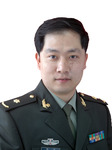 Wei Ma (马威)合作论文数空军军医大学口腔医学院23DeLin Lei (雷德林)合作论文数22XinMu Wang (王新木)合作论文数16Junrui Zhang合作论文数15WeiQi Wang (王维戚)合作论文数15
 Yaowu Yang (杨耀武)合作论文数Air Force Medical University15Yang Zihui合作论文数12YongLong Hong (洪咏龙)合作论文数10Jun Wang (王军)合作论文数9Junhong Huang合作论文数8Zhongming WU (吴中明)合作论文数8Xiangming Yang (杨向明)合作论文数8
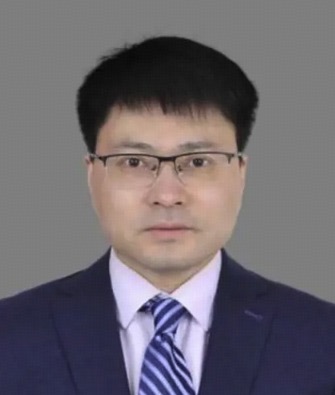 Wei Wu (吴炜)合作论文数The Third Affiliated Hospital of Air Force Medical University8YANG Zihui (杨子桧)合作论文数6WANYAN Chaojie (完颜超杰)合作论文数6ZHANG Fengrui (张峰瑞)合作论文数6Jie Ma (马婕)合作论文数6
 Dehua Li (李德华)合作论文数College of Physics and Electronic Engineering, Sichuan Normal University6
 Yanpu Liu (刘彦普)合作论文数Fourth Military Medical University6Qingzhe Meng合作论文数5Wanpeng Gao合作论文数5
 Fengze Wang合作论文数5YaHui He (何亚会)合作论文数5ChangLong Song (宋昌龙)合作论文数5YunPeng Li (李云鹏)合作论文数5
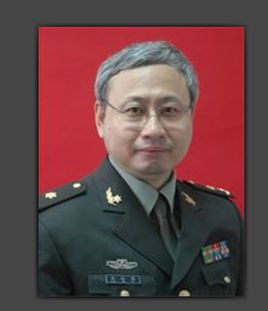 Moyi Sun (孙沫逸)合作论文数中国人民解放军第四军医大学5
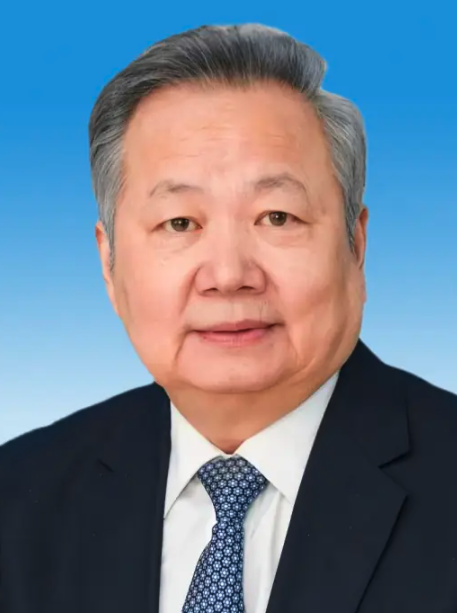 Yimin Zhao (赵铱民)合作论文数The Third Affiliated Hospital, Air Force Medical University5Tao Fu (付涛)合作论文数School of Life Science and Technology, Xi'an Jiaotong University5Jiao Wen (文娇)合作论文数5
 Kewei Xu (徐可为)合作论文数Xi 'an Jiaotong University5
 Li-Na Niu (牛丽娜)合作论文数The Third Affiliated Hospital of Air Force Medical University5Rong Liu合作论文数4Yahui Li合作论文数4ChunYi Zhang (张春谊)合作论文数4MingChao Ding (丁明超)合作论文数4Yan Dong (董研)合作论文数4BingLun Lu (卢丙仑)合作论文数4Bin Lu (陆斌)合作论文数4Tao Yang (杨涛)合作论文数4
 Rui Hou (侯锐)合作论文数中国人民解放军第四军医大学4
 Xiaobing Cheng (程晓兵)合作论文数中国人民解放军第四军医大学4Masao Yoshinari合作论文数4
 Guofeng Wu (吴国锋)合作论文数Nanjing Stomatological Hospital, Medical School of Nanjing University4
 Lian Zhou (周廉)合作论文数Northwest Institute for Non-ferrous Metal Research;School of Materials Science and Engineering, Northwestern Polytechnical University4




