PURPOSE:Treatment options for advanced hepatocellular carcinoma (HCC) remain limited, and responses to later-line therapies are modest. Glypican-3 (GPC3), highly expressed in HCC but rarely in normal tissues, is an attractive tumor-specific target. CT0180 is a GPC3-targeted single-chain fragment variable linked to CD3ε designed to integrate into the native T cell receptor (TCR) complex and activate full TCR signaling upon GPC3 binding. METHODS:In this open-label, dose-escalation phase I trial, patients with advanced GPC3-positive HCC that had progressed on or were intolerant to standard therapies received CT0180 after fludarabine/cyclophosphamide lymphodepletion. The study objectives were safety, preliminary efficacy, and cellular pharmacokinetics. Single-cell RNA sequencing (scRNA-seq) and TCR sequencing were used to profile immune reconstitution. RESULTS:Seven patients received 15 infusions across four dose levels (DLs): 1×10⁷ (n=1), 3×10⁷ (n=1), 1×10⁸ (n=3), and 3×10⁸ (n=2) cells. Grade 3-4 adverse events were primarily hematologic. Cytokine release syndrome occurred in 85.7% of patients, all grade 1 with no dose-limiting toxicities or immune effector cell-associated neurotoxicity observed. Two patients (at DL2 and DL4) achieved partial responses, and three (at DL1, DL3, and DL4) achieved stable disease, yielding an objective response rate of 28.6% and a disease control rate of 71.4%. Median progression-free and overall survival were 7.6 and 11.6 months, respectively. scRNA-seq revealed baseline NK-cell enrichment in patients with clinical benefit and sustained cytotoxic CD8 effector expansion after repeat infusion. CONCLUSIONS:CT0180 demonstrated a preliminary manageable safety profile and clinical activity in heavily pretreated HCC, supporting further clinical evaluation.
BACKGROUND:Intraluminal postpancreatoduodenectomy hemorrhage is an uncommon but potentially devastating complication, with clinically complex and multifactorial sources. Current evidence on optimal management, particularly the role of angiography, remains controversial. This study aimed to optimize the management strategies for intraluminal postpancreatoduodenectomy hemorrhage by analyzing data from a high-volume center. METHODS:This single-center, retrospective study studied consecutive patients who underwent pancreatoduodenectomy from July 2018 to June 2025. The clinical manifestations, management, and outcomes of intraluminal postpancreatoduodenectomy hemorrhage were analyzed. RESULTS:Among the 3,011 patients who underwent pancreatoduodenectomy, intraluminal postpancreatoduodenectomy hemorrhage was observed in 115 patients (3.8%). The overall mortality of intraluminal postpancreatoduodenectomy hemorrhage patients was 6.1%. The bleeding sources were identified in 63 patients (54.8%), among whom 33 (28.7%) were diagnosed as "false" intraluminal postpancreatoduodenectomy hemorrhage because of primary extraluminal hemorrhage. Multivariate analyses suggested that high body mass index (odds ratio, 1.30; 95% confidence interval, 1.06-1.58; P = .010) was an independent risk factor for "false" intraluminal postpancreatoduodenectomy hemorrhage. Angiography demonstrated superior localization of bleeding sources (65.3%) compared with endoscopy (32.7%) and computed tomography (26.1%) (P < .001), with a lower false-positive rate than relaparotomy (2.0% vs 17.5%, P = .030). Definitive hemostasis rate was comparable between angiography (44.9%) and relaparotomy (50.0%), both significantly outperforming endoscopy (21.2%, P = .008). CONCLUSION:"False" intraluminal postpancreatoduodenectomy hemorrhage represents a significant subset of intraluminal postpancreatoduodenectomy hemorrhage cases. Angiography may serve as a reliable tool for both the diagnosis and treatment of intraluminal postpancreatoduodenectomy hemorrhage, particularly when "false" intraluminal postpancreatoduodenectomy hemorrhage is highly suspected.
Hypoxia is a common characteristic of solid tumors, especially in hepatocellular carcinoma (HCC). Hypoxia-inducible factors (HIFs), particularly HIF-1α, mediate metabolic adaptation, which is crucial for survival of hypoxic cells. Branched-chain amino transferase 1 (BCAT1) catalyzes the reversible transamination reaction between branched-chain amino acids (BCAAs) and branched-chain keto acids (BCKAs), involving the inter-conversion of α-ketoglutarate (α-KG) and glutamate. We investigate and delineate the mechanisms by which BCAT1 consumes α-KG and stabilizes HIF-1α, suppressing α-KG-dependent oxygen dehydrogenase, prolyl hydroxylase-domain protein (PHD), inducing HIF-1α-mediated metabolic reprogramming and promoting hypoxic survival of HCC. We evaluate the potency of a BCAT1 inhibitor, ERG245, as a single or combination treatment with tyrosine kinase inhibitor (TKI) in vivo. We further validate the over-expression and correlation of BCAT1 and HIF-1α downstream metabolic genes in HCC clinical samples. Our results indicate that BCAT1 benefits HCC growth through HIF-1α-induced metabolic reprogramming. Targeting BCAT1 will provide an effective therapeutic strategy for HCC patients.
Background Resection margin status and lymph node involvement are well-established predictors of recurrence following resection of perihilar cholangiocarcinoma (pCCA). However, even patients with favorable pathology including negative surgical margins (R0) and node-negative disease (N0) may experience recurrence. We sought to develop a clinically relevant tool to risk stratify patients relative to tumor recurrence following an R0N0 resection of pCCA. Methods pCCA patients undergoing curative-intent resection with R0 and N0 tumor were identified from an international multi-institutional database. A pathology-based risk score was developed to predict recurrence-free survival (RFS). In addition, genomic profiling was performed in a subset of patients to evaluate the prognostic relevance of genetic alterations. Results Among 298 patients with resected R0N0 pCCA, 131 (44.0%) developed disease recurrence. Multivariable analysis identified advanced AJCC T category (T2b or T3/T4), perineural invasion, and poor tumor differentiation as independent predictors of inferior RFS. Based on these factors, a three-variable pathology-based risk score stratified patients into low-, intermediate-, and high-risk groups with corresponding 3-year RFS of 85%, 31%, and 27%, respectively. Both intermediate- and high-risk patients had worse RFS versus low-risk patients (high-risk vs. low-risk: median RFS, 15.0 vs. 92.9 months; intermediate-risk vs. low-risk: median RFS, 23.0 vs. 92.9 months; both p < 0.001). KRAS mutations occurred in 29% of profiled patients, which was associated with reduced RFS (mutant vs. wild-type KRAS: median RFS, 11.0 vs. 24.0 months, p = 0.011). Conclusions Recurrence risk among patients with R0N0 pCCA was heterogeneous. The proposed risk score stratified patients into markedly different risk categories relative to recurrence, which may help guide utilization of adjuvant therapy as well as surveillance in the postoperative setting.
Emerging evidence highlights the perioperative period, particularly the immediate postoperative window of days to weeks, as a critical phase influencing long-term cancer outcomes. Here, we found that hepatocellular carcinoma (HCC) cells cultured with postoperative serum exhibited enhanced anoikis resistance, invasion, migration, and increased potential for lung metastasis compared to those cultured with preoperative serum. This pro-metastatic effect was attributed to serum-derived exosomes. We therefore performed high-throughput miRNA sequencing to profile miRNAs in exosomes derived from the preoperative and postoperative serum of HCC patients. Sequencing analysis revealed a significant upregulation of exosomal miR-1246 in the majority of postoperative HCC patients. Mechanistically, exosomal miR-1246 directly targeted BMP9 mRNA, suppressing its protein expression. This led to inactivation of the downstream metastasis-inhibitory pathway mediated by SMAD7, ultimately accelerating HCC metastasis. Functional rescue experiments confirmed that either inhibiting miR-1246 or exogenously restoring BMP9 effectively reversed this pro-metastatic phenotype both in vitro and in vivo. In conclusion, our study elucidates a molecular mechanism by which postoperative exosomal miR-1246 promotes HCC metastasis via targeting the BMP9-SMAD7 signaling axis, thereby identifying a potential therapeutic target for inhibiting postoperative metastatic risk.
Despite the clinical success of immune checkpoint blockade therapy, most persons do not benefit because of inadequate efficacy, primary or acquired resistance and/or immune-related toxicities. Here we developed an erythrocyte-antibody conjugate in which anti-PD1 antibodies are covalently linked to erythrocyte membranes (αPD1-Ery). Unlike conventional antibodies, αPD1-Ery accumulates in the spleen, where it remodels the immune landscape by expanding effector T cells and reducing immunosuppressive myeloid cells. These changes reprogram the tumor microenvironment and suppress tumor growth in syngeneic mouse models. We conducted a first-in-human, phase 1 clinical trial of αPD1-Ery monotherapy in persons with advanced cancers resistant to prior anti-PD1/PDL1 therapy ( NCT06026605 ). The primary objective was safety; secondary objectives included efficacy, pharmacokinetics, pharmacodynamics and immunogenicity. A total of 14 participants were enrolled, with 7 receiving 2 × 10¹¹ cells and 7 receiving 3 × 10¹¹ cells. Repeated administration resulted in no dose-limiting toxicities or treatment-related adverse events of grade >3. The objective response rate was 42.9%, including 1 complete response and 5 partial responses; disease control rate was 78.6%. Notably, αPD1-Ery rapidly reduced circulating immunosuppressive myeloid cells, consistent with preclinical observations. The study met its prespecified primary and secondary endpoints. These findings support spleen-targeted PD1 blockade by erythrocyte-antibody conjugates as a potential strategy for cancer immunotherapy.
Immune evasion is a major obstacle in pancreatic cancer therapy. Recent data implicate proinflammatory macrophages in the progression of pancreatic ductal adenocarcinoma (PDAC) and its therapeutic response. However, whether or which of the proinflammatory macrophage subtypes play a crucial role in the immune escape of PDAC remains unclear. Here, we identify a population of CD138+ tumor-associated macrophages (TAMs), characterized by their proinflammatory and neutrophil-chemotactic activity, which undergo significant expansion in both patients with PDAC and mouse models. These cells are elicited by a local synergy between IL-34/syndecan-1 and PGE2/EP2 signaling and are associated with immune evasion and poor clinical outcomes in patients, while also promoting immune escape and disease progression in mouse models. Mechanistically, CD138+ TAMs establish a feed-forward loop with immunosuppressive Siglec-F+ neutrophils, which exhibit elevated PGE2 expression, via the secretion of SAA3 and CXCL1. Targeting CD138+ TAMs by disrupting IL-34/syndecan-1 signaling with anti-IL-34 neutralizing antibodies significantly suppressed PDAC progression, especially when combined with anti-PD-1 antibodies. Together, our study elucidates a CD138+ TAM/Siglec-F+ neutrophil axis that drives immune escape in PDAC and proposes a therapeutic strategy that integrates IL-34/syndecan-1 signaling blockade with anti-PD-1 immunotherapy for the treatment of PDAC.
Accurate prediction of variant functional impact is crucial for understanding human diseases, particularly for cancer-related genes such as TP53. Advances in high-throughput mutational assays have enhanced variant effect prediction (VEP), but missense classification remains challenging due to the limitations of broad, non-gene-specific models. Here we present CaVepP53, a TP53-specific predictor fine-tuned on perturbation-based experimental variants. The model not only classifies mutations but also quantifies their pathogenicity by calculating Euclidean distances between the wild-type and mutant embeddings and deriving confidence scores through logistic transformation. Benchmarking demonstrates that CaVepP53 significantly outperforms general-purpose models, such as AlphaMissense (AM) and PrimateAI-3D, achieving higher accuracy, precision, and F1-score in predicting pathogenic mutations. Competitive growth assay validation of 22 mutations further confirms CaVepP53's robustness, including 7 functional novel variants absent in the ClinVar database. Thus, by integrating protein language models with experimentally validated functional data, our approach enables accurate, interpretable VEP for TP53, overcoming limitations of predictors trained solely on evolutionary or clinical associations. We further extended this framework to five additional cancer-related genes (VHL, ATM, BRCA1, RAD51C, and BAP1), establishing a generalizable framework for gene-specific VEP with potential applications in precision medicine.
N6-methyladenosine (m6A) is the most prevalent internal modification of mRNA and is frequently dysregulated in cancer. However, the roles of m6A and its modifiers, such as the methyltransferase METTL3, remain controversial in primary tumors. We report that METTL3 is upregulated in the highly proliferative human S2 and mouse M2 subtypes of hepatocellular carcinoma (HCC). Integrated analyses of the RNA methylome, transcriptome and proteome identify Birc6 as a direct downstream target of Mettl3. Using CRISPR/dCas13b-mediated site-specific methylation, we demonstrate that m6A deposition at three conserved sites enhances Birc6 translation, thereby promoting degradation of caspase-7 and caspase-9 and suppressing apoptosis. Multiplexed in situ genome editing in mouse hepatocytes shows that Mettl3 promotes hepatocarcinogenesis in a cell-autonomous manner through Birc6. Together, our findings establish a functional link between METTL3-mediated m6A modification and BIRC6-mediated apoptosis inhibition in liver tumorigenesis, suggesting BIRC6 as a potential therapeutic target in HCC. Multi-omic profiling combined with multiplexed in situ genome editing in mouse hepatocytes demonstrates that METTL3 drives hepatocarcinogenesis via m⁶A modification of BIRC6 mRNA, identifying METTL3 and BIRC6 as promising therapeutic targets for hepatocellular carcinoma.
Tumor-associated macrophages are a key component that contributes to the immunosuppressive microenvironment in human cancers. However, therapeutic targeting of macrophages has been a challenge in clinic due to the limited understanding of their heterogeneous subpopulations and distinct functions. Here, we identify a clinically relevant CD19+ subpopulation of macrophages that is enriched in many types of cancer, particularly in hepatocellular carcinoma (HCC). The CD19+ macrophages exhibit increased levels of programmed cell death 1 ligand 1 (PD-L1) and CD73, enhanced mitochondrial oxidation, and compromised phagocytosis, indicating their immunosuppressive functions. Targeting CD19+ macrophages with anti-CD19 chimeric antigen receptor T (CAR-T) cells inhibited HCC tumor growth. We identify Paired Box 5 (PAX5) as a primary driver of up-regulated mitochondrial biogenesis in CD19+ macrophages, which depletes cytoplasmic Ca2+, leading to lysosomal deficiency and consequent accumulation of CD73 and PD-L1. Inhibiting CD73 or mitochondrial oxidation enhanced the efficacy of immune checkpoint blockade therapy in treating HCC, suggesting great promise for CD19+ macrophage-targeting therapeutics.
Accurate pancreatic tumor segmentation remains challenging due to complex anatomical structures and diverse tumor appearances. This study presents a Knowledge-Driven Evidence Fusion Segmentation Network (KEFS-Net), a framework that systematically integrates radiological and anatomical knowledge from medical reports with imaging features to enhance segmentation accuracy. KEFS-Net consists of three key components: (1) a knowledge-driven attention network that leverages large language models, discrete information bottleneck, and cross-attention to enhance CT image segmentation performance by capturing informative features from medical reports, (2) an evidence fusion strategy based on Dempster-Shafer theory that optimizes segmentation results by evaluating the consistency between textual knowledge and image predictions, and (3) a masked learning approach that ensures robust performance in clinical scenarios with incomplete tumor descriptions. The framework was evaluated on both the Medical Segmentation Decathlon (MSD) dataset and an external clinical dataset from the First Affiliated Hospital (FAH) of Zhejiang University School of Medicine. Experimental results demonstrate superior performance compared to state-of-the-art methods, achieving Dice of 59.10% and 59.42% respectively for tumor segmentation on the MSD and external dataset. The approach shows particular strength in handling diverse tumor characteristics including size variations, boundary ambiguity, and complex anatomical locations. This knowledge-driven framework represents a significant advancement in leveraging domain knowledge through multi-modal integration for improved pancreatic tumor segmentation. Our code is available at https://github.com/Singlesnail/KEFS-Net.
Neoadjuvant therapy is recommended for hepatocellular carcinoma at advanced stages. It is unknown whether robotic liver resection (RLR) is superior to open liver resection (OLR) after neoadjuvant therapy. We analyzed consecutive RLR and OLR patients from December 2020 to December 2023. Patient variables, short- and long-term outcomes were compared. A respective 1:3 propensity score-matched (PSM) analysis was performed between RLR and OLR groups. The analysis included 32 RLR and 386 OLR cases. After PSM, 29 RLR cases matched to 78 OLR cases. RLR had similar operative time, fewer blood loss (123 mL vs. 230 mL, P = 0.032), and shorter postoperative hospital stay (7.2 days vs. 10.4 days, P = 0.014) compared to OLR. RLR had similar incidence and grades of complications compared to OLR. No significant difference was found in recurrence-free and overall survival. RLR after neoadjuvant therapy was as safe and feasible as OLR, and could improve postoperative recovery and produce equivalent long-term survival outcomes.
Introduction: The prognosis of hepatocellular carcinoma (HCC) with portal vein tumor thrombus (PVTT) remains dismal. Although systemic therapy is the standard of care, its effectiveness is limited. This study aimed to compare the efficacy and safety of transarterial chemoembolization (TACE) or hepatic arterial infusion chemotherapy (HAIC) combined with systemic therapy versus systemic therapy alone in patients with HCC and PVTT. Methods: We retrospectively analyzed 478 patients newly diagnosed with HCC and PVTT between January 2021 and December 2024. Propensity score matching (PSM) was used to balance baseline characteristics. Outcomes compared between the combination therapy group (TACE/HAIC plus targeted therapy and immunotherapy, n = 374) and the systemic therapy group (n = 104) included overall survival (OS), progression-free survival (PFS), tumor response, and adverse events. Results: After PSM (184 vs. 102 patients), the combination therapy group showed significantly longer median OS (15.7 vs. 5.9 months; hazard ratio [HR] = 0.524, 95% confidence interval [CI]: 0.391-0.702; p < 0.001) and PFS (7.0 vs. 3.6 months, HR = 0.732, 95% CI: 0.558-0.959; p = 0.024). The disease control rate was also higher in the combination therapy group (43.5% vs. 27.5%, p = 0.007). Subgroup analyses revealed pronounced survival benefits in patients with Vp4 PVTT and those with Child-Pugh B liver function. Although adverse events were more frequent in the combination therapy group, the incidence of grade 3-4 toxicities was generally comparable between the two groups. Conclusion: In HCC patients with PVTT, combining TACE or HAIC with systemic therapy significantly improves survival outcomes compared to systemic therapy alone, with acceptable safety. This multimodal approach offers a promising treatment strategy, particularly for patients with advanced PVTT or impaired liver function.
BACKGROUND:Superficial mass resection is a core surgical skill requiring practical training. Existing simulation models, such as silicone pads or virtual reality, are often costly or inaccessible, creating a need for an affordable and feasible alternative for surgical education. METHODS:In this feasibility study, we developed a low-cost, high-fidelity simulation model using a rind-on pork belly with preserved nipples to practice this procedure and evaluated its efficacy in a skill training study involving 56 surgery residents, whose competency was assessed using a procedure-specific rating scale and the Direct Observation of Procedural Skills (DOPS) tool. RESULTS:The pork-based model effectively differentiated competency levels among residents with varying experience. It demonstrated superior fidelity compared to silicone models, without increased operational difficulty, proving particularly suitable for beginners. CONCLUSIONS:This pork-based simulation model is low-cost and easy to prepare, and it represents a high-fidelity training tool, highlighting the possibility of using biological models in hands-on surgical simulation.
BACKGROUND:PBRM1 is an important subunit of the SWI/SNF complex, which broadly regulates gene transcription by chromatin remodeling. Genomic alterations of PBRM1 have been found in patients with pancreatic ductal adenocarcinoma (PDAC), but its molecular functions remain unclear. METHODS:Clinical relevance of PBRM1 was analyzed by using human PDAC samples and public genomic datasets. Mice with concomitant pancreas-specific Pbrm1 deletion in Kras-driven genetic PDAC models were generated. Single-cell transcriptomics were performed to determine tumor phenotype and microenvironment reprogramming. RESULTS:Reduction of PBRM1 expression was observed in human PDAC tissues and correlated with poor prognosis and metastasis. Pbrm1 loss promoted ductal metaplasia and delayed epithelial recovery in mice with caerulein-induced pancreatic injury. In PDAC model with either mutant Kras alone or in combination with Trp53 mutation, lack of Pbrm1 markedly accelerated tumor development and progression. Bulk transcriptomics and scRNA-seq identified reprogramming of both tumor compartment with mesenchymal phenotype acquisition and stroma compartment with inflammatory cancer-associated fibroblasts (iCAFs) transformation. Mechanistically, Pbrm1 deletion induced Zeb1 upregulation through epigenetic chromatin remodeling, thereby enhancing epithelial-mesenchymal and basal-like subtype transition. CONCLUSIONS:These findings indicated a tumor-suppressing role of PBRM1 in PDAC. PBRM1-deficient PDAC constitutes a specific subgroup of patients with aggressive phenotype and prognostic significance.
 Xueli Bai (白雪莉)合作论文数The First Affiliated Hospital, School of Medicine, Zhejiang University385
 Shusen Zheng (郑树森)合作论文数The First Affiliated Hospital, Zhejiang University School of Medicine186
 Qi Zhang (章琦)合作论文数Department of Hepatobiliary and Pancreatic Surgery, The First Affiliated Hospital, Zhejiang University School of Medicine150
 Weilin Wang (王伟林)合作论文数The Second Affiliated Hospital, Zhejiang University School of Medicine102
 Tao Ma合作论文数96
 Yan Shen (沈岩)合作论文数The First Affiliated Hospital, School of Medicine, Zhejiang University93
 Min Zhang (张珉)合作论文数浙江大学医学院附属第一医院85Gao Shun-Liang合作论文数71
 Yiwen Chen合作论文数61Xiaozhen Zhang合作论文数Zhejiang Univ, Sch Med, Affiliated Hosp 1, Dept Hepatobiliary & Pancreat Surg, Hangzhou, Zhejiang, Peoples R China54Xiang Li (xiang li 李想)合作论文数51
 Xiao Xu (徐骁)合作论文数Affiliated Hangzhou First People’s Hospital, Zhejiang University School of Medicine;The First Affiliated Hospital, Zhejiang University School of Medicine51Yinan Shen合作论文数49
 Yun Zhang (张芸)合作论文数浙江大学医学院附属第一医院47
 Jian Wu (吴健)合作论文数Department of Hepatobiliary Surgery, the First Affiliated Hospital, Zhejiang University School of Medicine46
 Dongsheng Huang (黄东胜)合作论文数Hangzhou Medical College46Risheng Que合作论文数46Tao Wei (魏涛)合作论文数The First Affiliated Hospital, Zhejiang University School of Medicine43
 Xin-Hua Feng (冯新华)合作论文数Life Sciences Institute, Zhejiang University;Texas A&M Health Science Center;Dan L Duncan Comprehensive Cancer Center, Baylor College of Medicine41
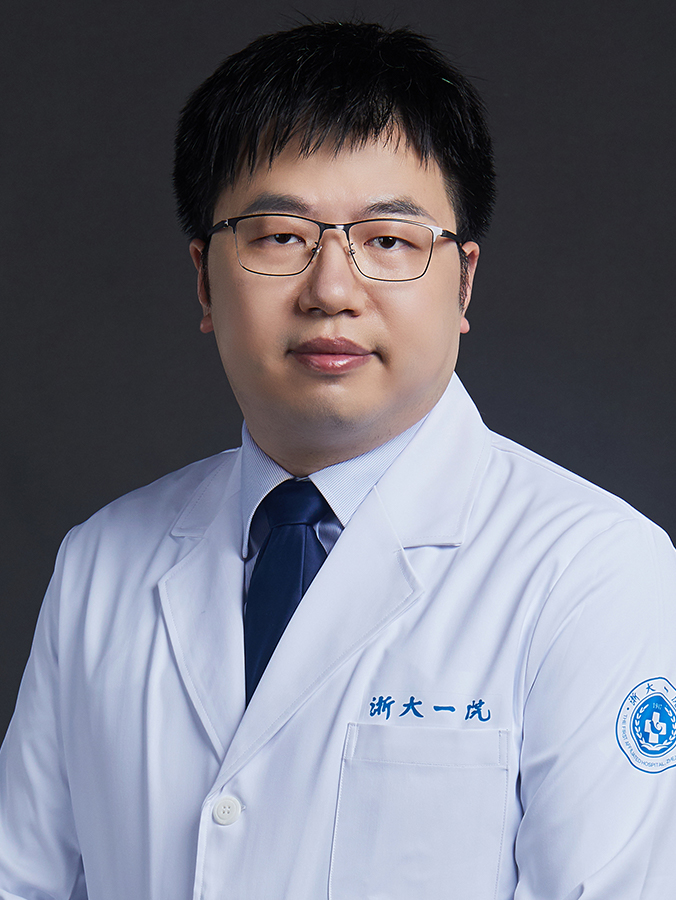 Xing Huang (黄星)合作论文数The First Affiliated Hospital, Zhejiang University School of Medicine37Fu Qi-Han合作论文数37
 Qida Hu (胡奇达)合作论文数Department of Hepatobiliary and Pancreatic Surgery, The First Affiliated Hospital, Zhejiang University School of Medicine37Chengxiang Guo合作论文数Department of Hepatobiliary and Pancreatic Surgery, The Second Affiliated Hospital, Zhejiang University School of Medicine, Hangzhou, China34Jun Yu合作论文数32Wei Chen合作论文数31
 Jianying Lou合作论文数30Guogang Li合作论文数30Xiao Zhi合作论文数29Mengyi Lao合作论文数Zhejiang Univ, Sch Med, Affiliated Hosp 1, Dept Hepatobiliary & Pancreat Surg, Hangzhou, Zhejiang, Peoples R China28Yu Lou合作论文数28
 Jian Zhang合作论文数Affiliated Children's Hospital, Zhejiang University School of Medicine, Hangzhou 310003, China.26
 Liang Wen合作论文数School of Medicine, Zhejiang University26X. Bai合作论文数25
 Dipesh Kumar Yadav合作论文数Zhejiang Univ, Affiliated Hosp 1, Dept Hepatobiliary Surg & Liver Transplantat, Hangzhou 310003, Peoples R China23
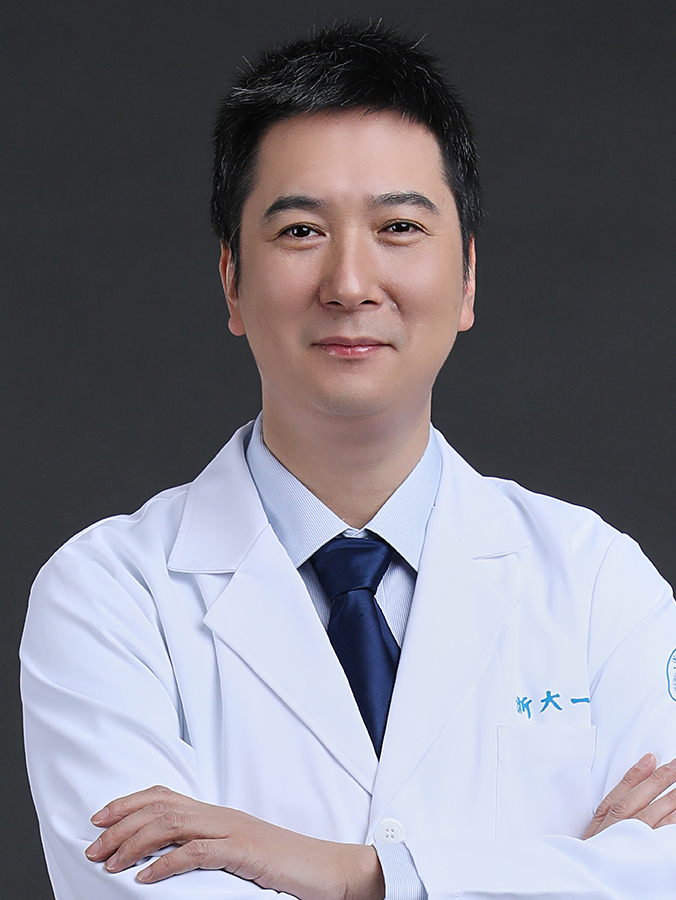 Haiyang Xie (谢海洋)合作论文数The First Affiliated Hospital, Zhejiang University School of Medicine23
 Jianpeng Sheng合作论文数Nanyang Technological University, School of Biological Sciences, 60 Nanyang Drive, Singapore 637551, Singapore22Ke Sun合作论文数22
 Pinglong Xu (徐平龙)合作论文数Life Sciences Institute, Zhejiang University;Zhejiang Provincial Key Laboratory for Cancer Molecular Cell Biology, Zhejiang University22
 Bin Zhao (赵斌)合作论文数Life Sciences Institute, Zhejiang University22
 Anwei Lu (卢安卫)合作论文数Shulan (Hang Zhou) Hospital22Tianyu Tang (汤天宇)合作论文数21
 Qi Chen (陈琪)合作论文数Interdisciplinary Institute for Medical Engineering, Fuzhou University20Jiaqi Yang合作论文数19
 Chao Liang (梁超)合作论文数Ningbo Medical Center Lihuili Hospital;Ningbo University19
 Jifang Sheng (盛吉芳)合作论文数The First Affiliated Hospital, Zhejiang University School of Medicine;School of Medicine, Zhejiang University19
 Wenbo Xiao (肖文波)合作论文数The First Affiliated Hospital, Zhejiang University School of Medicine19Wen-Qiao Yu合作论文数18
 Jinsong Li (李劲松)合作论文数College of Biomedical Engineering and Instrument Science, Zhejiang University18




